Loading...
Back to Articles
When Is It Time to Resod Your Lawn? Signs Jacksonville Homeowners Should Watch For
Lawn Care February 12, 2026 9 min read
Your lawn is more than just grass—it's the foundation of your home's curb appeal, a place for family gatherings, and often a significant investment in your property's value. But how do you know when your Jacksonville lawn has crossed the line from "needs some TLC" to "time for a complete do-over"?
As a Jacksonville homeowner, you're dealing with unique challenges that come with our subtropical climate: intense summer heat, heavy rainfall, persistent humidity, and specific pest pressures that can take a serious toll on your turf. Sometimes, despite your best efforts with fertilization, watering, and maintenance, your lawn reaches a point where starting fresh with new sod is actually the most cost-effective and time-efficient solution.
Let's explore the telltale signs that indicate it's time to say goodbye to your current lawn and hello to a fresh start with quality sod installation.
The 50% Rule: When Your Lawn is More Dead Than Alive
One of the clearest indicators that it's time for complete lawn replacement is when more than half of your grass is either dead, severely thinned out, or completely bare. This isn't just an aesthetic issue—it's a mathematical reality that makes renovation more sensible than repair.
Why the 50% Threshold Matters
When your lawn has extensive dead or thin areas covering more than 50% of the surface, you're looking at several challenges:
- Time Factor: Attempting to overseed or repair large areas can take an entire growing season or more to achieve uniform coverage
- Cost Consideration: The cumulative cost of seed, soil amendments, repeated applications, and water usage often exceeds the cost of new sod installation
- Success Rate: Large bare areas are difficult to establish from seed, especially in Jacksonville's climate where competition from weeds is fierce
Common Causes of Extensive Lawn Death in Jacksonville
Summer Stress Damage: Our intense summer heat combined with periods of drought can kill large swaths of grass, particularly if your current variety isn't well-suited to Northeast Florida conditions.
Storm Damage: Heavy rains and occasional tropical weather can cause standing water, leading to root rot and extensive die-off in poorly draining areas.
Construction Impact: If you've had any landscaping, pool installation, or home additions, heavy machinery can compact soil and damage root systems across large areas.
If you're looking at a lawn that's predominantly brown, thin, or patchy, it's often more efficient to start fresh. Professional sod installation can transform your yard in just a few days rather than waiting months for uncertain results from seeding.
Persistent Disease Problems That Won't Go Away
Jacksonville's warm, humid climate creates ideal conditions for various lawn diseases, and sometimes these problems become so entrenched that starting over is the only practical solution.
Brown Patch: The Persistent Threat
Brown patch fungus is particularly problematic for Jacksonville lawns, especially those with St. Augustine grass. While brown patch can often be treated, severe cases that return season after season may indicate that your current grass variety is simply too susceptible to thrive in your specific conditions.
Signs that disease problems warrant resodding include:
- Recurring Infections: The same disease returns every year despite proper treatment
- Expanding Damage: Disease areas continue to grow larger each season
- Treatment Resistance: Fungicides and cultural practices aren't providing lasting control
- Multiple Disease Types: Your lawn is battling several different diseases simultaneously
The Cycle of Disease Susceptibility
When your current grass variety is highly susceptible to local diseases, you end up in a costly cycle of treatment, temporary recovery, and reinfection. Modern sod varieties available through suppliers like Jax Sod often have much better disease resistance, breaking this expensive cycle.
Consider resodding when:
- You've spent significant money on disease treatments for two consecutive years
- The diseased areas are expanding despite treatment
- Your grass variety is known to be particularly susceptible to local disease pressures
Wrong Grass Type for Jacksonville Conditions
One of the most compelling reasons to resod is when your current grass simply isn't suited for Northeast Florida's specific climate and soil conditions. This is surprisingly common, especially in neighborhoods where the original grass was chosen more for cost than for local adaptation.
Grass Types That Struggle in Jacksonville
Cool-Season Grasses: If your lawn has fescue, Kentucky bluegrass, or other cool-season varieties, you're fighting an uphill battle against our climate. These grasses go dormant or die during our hot summers and require excessive water and maintenance.
Non-Adapted Varieties: Some warm-season grasses that work well in other parts of Florida may not be ideal for Northeast Florida's specific conditions, including our occasional winter freezes and sandy soils.
The Benefits of Choosing the Right Variety
When you choose the right time to lay new sod, you can select varieties specifically adapted to our region:
- St. Augustine: Excellent heat and humidity tolerance
- Zoysia: Great durability and moderate water needs
- Bermuda: Superior wear tolerance for active families
The wrong grass type will always be a struggle, requiring more water, fertilizer, and pest control than necessary. The right grass type, properly installed, will thrive with standard maintenance.
Signs Your Grass Type Is Wrong for Jacksonville
- Requires excessive watering to maintain green color
- Goes dormant during normal summer conditions
- Suffers significant winter damage annually
- Requires frequent overseeding to maintain density
- Struggles despite proper fertilization and care
Severe Pest Damage That's Beyond Repair
Jacksonville lawns face pressure from various pests that can cause extensive, sometimes irreversible damage. While many common lawn pests can be controlled, severe infestations sometimes leave damage that's more economically addressed through resodding.
Grub Damage: When Prevention Fails
White grubs (beetle larvae) feed on grass roots, causing large areas of turf to die and become loose—almost like a carpet that can be pulled up. Severe grub infestations can destroy significant portions of your lawn.
Indicators of severe grub damage:
- Large areas of brown, dying grass that feels spongy when walked on
- Grass that pulls up easily in sheets
- Increased animal activity (birds, raccoons, skunks digging for grubs)
- Damage covering more than 30% of the lawn area
Chinch Bug Devastation
Chinch bugs are particularly destructive to St. Augustine grass and can cause widespread yellowing and death during hot weather. While treatable when caught early, severe infestations can kill large areas of lawn.
Nematode Problems
Root-knot nematodes are microscopic pests that damage grass root systems, leading to thin, weak turf that's vulnerable to other stresses. Nematode-damaged lawns often show:
- Gradual thinning over large areas
- Poor response to fertilization
- Increased vulnerability to disease and drought stress
When pest damage is extensive and the underlying pest pressure is severe, starting fresh with new sod often provides a better long-term solution than trying to repair damaged areas.
Compacted Soil: The Hidden Lawn Killer
Soil compaction is often an overlooked factor in lawn decline, but it's particularly common in Jacksonville due to our clay-rich soils and frequent heavy equipment use during construction and landscaping projects.
How Compaction Kills Lawns
Compacted soil prevents proper water infiltration, air movement, and root development. Over time, this leads to:
- Shallow root systems that can't access nutrients or water
- Poor drainage that promotes disease
- Increased runoff and erosion
- Gradual lawn thinning and decline
Signs of Severe Soil Compaction
Water Runoff: Water pools on the surface rather than soaking in, even during light rain Hard Surface: Soil feels rock-hard when dry and becomes slippery when wet Poor Growth Response: Grass doesn't improve even with proper fertilization and watering Thin, Weak Turf: Grass appears sparse and struggles to establish density
When Compaction Requires Complete Renovation
While aeration can help mild compaction, severe cases often require complete soil renovation. When you're planning a complete lawn renovation, it's often more efficient to address compaction issues during the resodding process rather than trying to revive existing grass on compromised soil.
Proper soil preparation during sod installation ensures your new lawn starts with the drainage and root zone it needs to thrive long-term.
Making the Decision: Repair vs. Replace
Sometimes the line between repair and replacement isn't clear. Here's how to make the decision:
When Repair Makes Sense
- Damage covers less than 30% of the lawn
- Problems are localized to specific areas
- The existing grass type is appropriate for Jacksonville
- Soil conditions are generally good
- You have time to wait for gradual improvement
For smaller problem areas, fixing bare spots can be an effective solution.
When Replacement Is the Better Choice
- Damage or poor coverage exceeds 50% of the lawn
- Multiple serious problems exist simultaneously
- The grass type is poorly adapted to local conditions
- Soil issues require extensive renovation anyway
- You want quick, reliable results
The Cost Reality: Investment vs. Ongoing Expenses
Many homeowners hesitate to resod because of the upfront cost, but it's important to consider the total financial picture. While sod installation costs require an initial investment, constantly treating problems with an unsuitable lawn can be more expensive over time.
Hidden Costs of Keeping Problem Lawns
- Repeated disease treatments
- Excessive water usage
- Frequent overseeding attempts
- Soil amendments and fertilizers that don't work
- Lost time and frustration
Benefits of Fresh Start Investment
- Immediate improvement in curb appeal and property value
- Reduced maintenance requirements with proper grass selection
- Lower water usage with adapted varieties
- Elimination of recurring disease and pest cycles
- An agreed installation scope and care plan; Jax Sod does not offer a sod warranty
Timing Your Resodding Project in Jacksonville
If you've determined that resodding is the right choice, timing matters significantly in Northeast Florida. The best time to lay sod in Jacksonville is typically during our cooler months when new grass can establish without extreme heat stress.
Optimal Seasons for Sod Installation
Fall (October-November): Ideal for most grass types, allowing establishment before winter dormancy
Winter (December-February): Good for cool-weather establishment, though growth will be slower
Early Spring (March-April): Excellent timing for warm-season grasses before summer heat
Avoid Mid-Summer: June through August installation requires intensive irrigation and care
Working with Professional Sod Installation
Given the investment involved and the importance of proper installation, most Jacksonville homeowners benefit from working with experienced sod installers. Professional installation ensures:
- Proper soil preparation and grading
- Correct grass variety selection for your specific conditions
- Quality sod sourcing and handling
- Proper installation techniques for long-term success
- Clear expectations about scope and care; Jax Sod does not offer a sod warranty
Companies like Jax Sod can provide expert guidance on variety selection and ensure your new lawn gets the best possible start.
Conclusion: Recognizing When Fresh Is Best
Your lawn is a significant part of your home's landscape, and sometimes the kindest thing you can do is acknowledge when it's time for a fresh start. Whether you're dealing with extensive dead areas, persistent disease problems, the wrong grass type, severe pest damage, or compacted soil conditions, resodding can provide a solution that's often faster and more cost-effective than ongoing repair attempts.
The key is recognizing the signs early and making an informed decision based on the extent of problems, your long-term goals, and the total cost of renovation versus ongoing maintenance of a struggling lawn.
Remember, a well-chosen and properly installed lawn will provide years of beauty and functionality with standard maintenance. Sometimes, the best investment you can make in your Jacksonville home's landscape is the decision to start fresh with quality sod that's truly suited to our unique Northeast Florida conditions.
If you're seeing multiple warning signs in your current lawn, it may be time to explore your options for sod replacement. The sooner you address fundamental lawn problems, the sooner you can enjoy a beautiful, healthy yard that enhances your home and provides the outdoor space your family deserves.
Need Professional Sod Installation?
Jax Sod provides sod installation, sod replacement, and new lawn installation across Jacksonville and Northeast Florida. Free quotes!
Related Articles
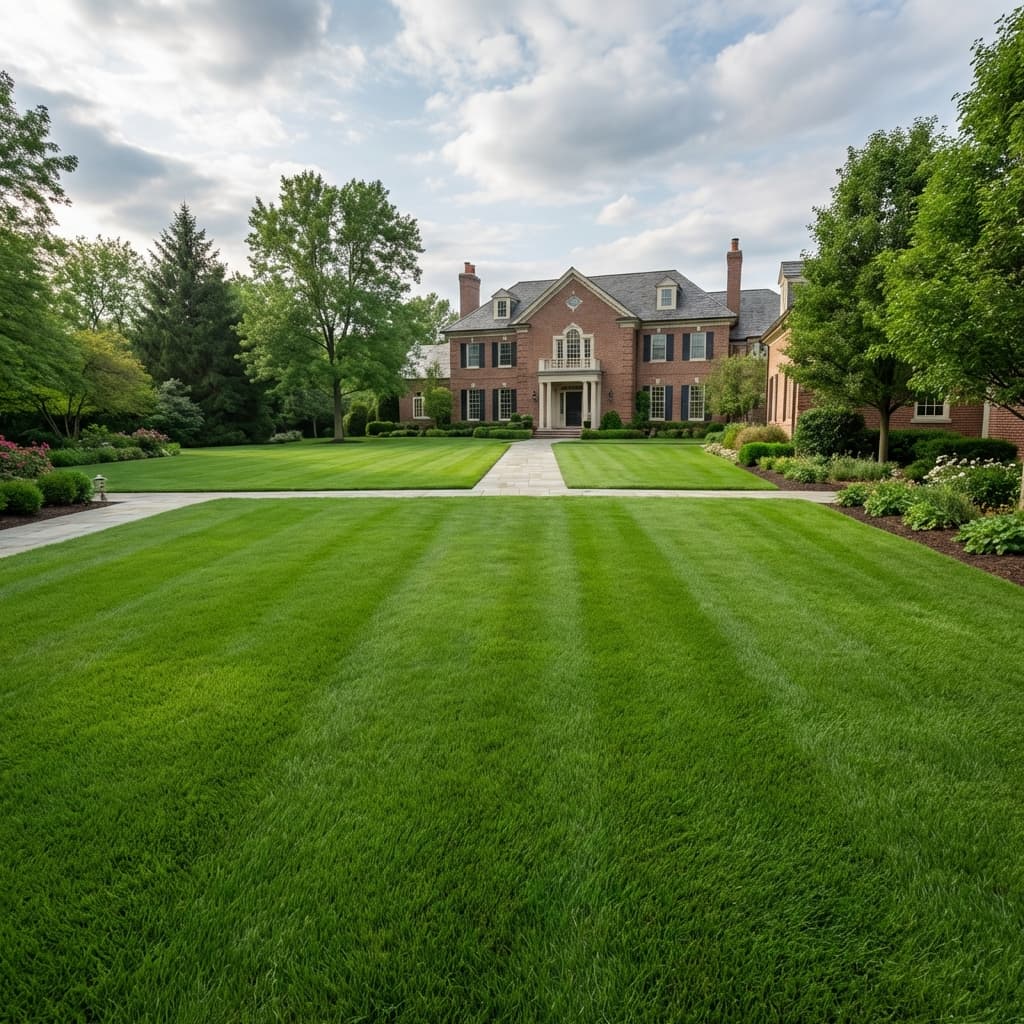
5 Signs Your Lawn Needs to Be Replaced (Not Just Repaired)
Is your lawn beyond saving? Learn when it makes more sense to start fresh with new sod instead of fighting a losing battle with repairs.
Lawn Care for Mandarin Jacksonville Homeowners
Lawn Care for Mandarin Jacksonville Homeowners. Review the site, scope and current written quote before deciding.
Lawn Care for San Marco Jacksonville Homeowners
Lawn Care for San Marco Jacksonville Homeowners. Review the site, scope and current written quote before deciding.
Let’s talk about your lawn
Ask our AI assistant a lawn question, or send the team a free installation estimate request.