Loading...
Back to Articles
Warm Season Grass Types for Northeast Florida: Complete Guide
Grass Types January 27, 2026 15 min read
For current costs, compare the exact product or written project scope. See what to include in a sod estimate; this guide does not establish a current price, saving or resale return.
Northeast Florida sits at a unique position climatically—right at the northern edge of where warm-season grasses thrive. Our USDA Hardiness Zones 9a and 9b support the same warm-season grasses used throughout South and Central Florida, but our cooler winters and occasional hard freezes create constraints that don't exist farther south. Some varieties that excel in Miami or Tampa struggle with winter cold in Jacksonville. Understanding these regional differences is critical to making the right grass selection.
In this comprehensive guide, we'll cover every warm-season grass option available for Northeast Florida residential properties: St. Augustine varieties, Bermuda varieties, Zoysia varieties, Bahia, and Centipede. We'll provide detailed comparison tables, explain Jacksonville-specific performance characteristics, and offer a decision framework to help you choose the grass that matches your property's sun exposure, soil conditions, traffic patterns, and maintenance preferences.
Overview: All Warm-Season Grasses Available in Northeast Florida
Warm-season grasses are the primary turfgrass category for Northeast Florida. Unlike cool-season grasses (fescues, bluegrass, ryegrass) that thrive in northern climates, warm-season grasses actively grow during our hot, humid summer months and go dormant during winter.
Here are the warm-season grass types available for Jacksonville-area residential properties:
St. Augustine: The most widely used residential grass in Northeast Florida. Excellent shade tolerance, medium to coarse texture, good cold tolerance. Varieties include Floratam, Palmetto, CitraBlue, ProVista, Sapphire, and Seville.
Bermuda: The standard choice for full-sun lawns and sports areas. Excellent wear tolerance and traffic recovery, poor shade tolerance, fine texture. Varieties include TifTuf, Celebration, Tifway 419, Bimini, and Latitude 36.
Zoysia: Premium option offering fine texture and low maintenance. Good shade tolerance, excellent drought tolerance, slow establishment. Varieties include Empire, Zeon, Icon, and Palisades.
Bahia: Budget-friendly, low-maintenance grass primarily used for large areas, roadsides, and low-input applications. Coarse texture, good drought tolerance, poor density. Varieties include Argentine and Pensacola.
Centipede: Occasionally used in Northeast Florida but not common. Requires acidic soil, very low maintenance, slow growth, poor traffic tolerance.
St. Augustine is the most common residential choice around Jacksonville, followed by Bermuda, Zoysia, and Bahia depending on budget, sun exposure, maintenance goals, and traffic. Centipede is less common in Northeast Florida and usually only makes sense for specific soil and maintenance conditions.
St. Augustine Grass: Varieties, Pros, and Cons
St. Augustine is Northeast Florida's workhorse residential grass. It's been used in Jacksonville for decades and performs reliably across a wide range of conditions. The main reason for its dominance: exceptional shade tolerance, which is critical in neighborhoods with mature tree canopy like San Marco, Riverside, Avondale, Mandarin, and Ortega.
Common St. Augustine Varieties
Floratam: The most widely planted St. Augustine variety in Florida. Medium-coarse texture, medium-dark green color, good heat tolerance. The main weakness: poor chinch bug resistance, which is a significant concern in Jacksonville's humid climate. Floratam also has fair cold tolerance—it can experience winterkill during hard freezes in northern Clay County or Nassau County. Best for full-sun to moderate-shade locations where cold tolerance isn't a major concern.
Floratam’s early chinch-bug resistance has largely been lost; do not select it on a promise of current pest resistance. See UF/IFAS cultivar guidance. Darker green color, better drought tolerance. Excellent all-around choice for Jacksonville residential properties. Handles shade as well as Floratam and performs better in full sun.
CitraBlue: Premium variety developed by University of Florida. Very fine texture, blue-green color (unique among St. Augustine varieties), excellent cold tolerance, good chinch bug resistance. Slower vertical growth than Floratam means less frequent mowing. Higher cost than Palmetto but justified for homeowners who want the finest texture and best overall performance.
ProVista: Genetically modified variety with 30-40% less vertical growth (reduced mowing frequency) and tolerance to glyphosate herbicide (can spray Roundup for weed control). Medium texture similar to Floratam. Best for homeowners prioritizing low maintenance. See our dedicated ProVista article for details.
Sapphire: Fine-textured variety with excellent shade tolerance and good cold tolerance. Softer feel underfoot than standard St. Augustine. Slower growth rate means less frequent mowing. Popular in premium neighborhoods like Ponte Vedra and Sawgrass. Higher cost than Palmetto.
Seville: Dwarf variety with very fine texture and excellent shade tolerance. Requires less mowing than standard St. Augustine. Cold-sensitive—not recommended for inland Jacksonville areas prone to hard freezes. Best for coastal areas with protected microclimates.
St. Augustine Pros
- Excellent shade tolerance (3-4 hours direct sun minimum)
- Good salt tolerance (particularly Palmetto and Sapphire)
- Fast establishment (4-6 weeks)
- Comfortable texture for bare feet
- Proven performance across Northeast Florida
- Wide availability and competitive pricing
- Good cold tolerance (particularly improved varieties)
St. Augustine Cons
- Susceptible to chinch bugs (particularly Floratam)
- Prone to gray leaf spot fungal disease during humid weather
- Moderate drought tolerance (requires regular irrigation)
- Higher maintenance than Zoysia or Bahia
- Thatch buildup requires periodic dethatching
- Can be damaged by glyphosate (except ProVista variety)
Best Use Cases for St. Augustine in Jacksonville
- Properties with significant shade (50%+ of lawn area)
- Mature neighborhoods with oak canopy
- Backyards with tree cover
- Coastal properties with moderate shade
- Homeowners who prefer traditional Florida lawn appearance
- Properties where fast establishment is important
- Situations where budget is moderate (mid-range grass option)
Bermuda Grass: Varieties, Pros, and Cons
Bermuda grass is the top choice for full-sun Jacksonville properties, particularly those with high traffic or sports use. It's used on athletic fields, golf courses, and residential properties throughout Florida. The main appeal: excellent wear tolerance, fast recovery from damage, and attractive fine texture when properly maintained.
Common Bermuda Varieties
TifTuf Bermuda: Our most recommended Bermuda variety for Jacksonville residential properties. Exceptional drought tolerance (uses 38% less water than other Bermudas in university trials), good cold tolerance, fine texture, dark green color. Excellent wear tolerance and recovery. Best all-around Bermuda choice for Northeast Florida.
Celebration Bermuda: Industry-leading Bermuda variety with excellent overall performance. Fine texture, dark blue-green color, good wear tolerance, excellent salt tolerance (top choice for coastal properties). Faster establishment than TifTuf. Slightly higher maintenance requirements (more frequent mowing).
Tifway 419 Bermuda: Standard Bermuda variety used for decades on sports fields and residential properties. Reliable performance, good wear tolerance, slightly coarser texture than Celebration or TifTuf. Lower cost makes it attractive for larger properties where budget matters. Very good cold tolerance.
Bimini Bermuda: Fine texture, good cold tolerance, moderate wear tolerance. Softer feel than other Bermudas. Good choice for residential properties without heavy traffic requirements. Slower growth rate than Celebration means less frequent mowing.
Latitude 36 Bermuda: Developed for transition zone climates farther north, but performs well in Jacksonville. Excellent cold tolerance (best of any Bermuda variety), fine texture, dark green color. Slower establishment and growth than other Bermudas. Good choice for northern Clay County or Nassau County where winterkill is a concern.
Bermuda Pros
- Excellent wear tolerance and traffic recovery
- Thrives in full sun and heat
- Fine texture (modern varieties)
- Fast establishment (4-8 weeks)
- Good drought tolerance (excellent for TifTuf)
- Excellent salt tolerance (top choice for coastal properties)
- Good cold tolerance (particularly Tifway 419 and Latitude 36)
- Forms dense turf that resists weeds
Bermuda Cons
- Poor shade tolerance (requires 8+ hours direct sun)
- Requires frequent mowing (every 5-7 days during peak growth)
- High thatch accumulation (requires annual dethatching)
- Can invade landscape beds (aggressive lateral growth)
- Goes dormant and brown in winter
- Not suitable for properties with mature tree canopy
Best Use Cases for Bermuda in Jacksonville
- Full-sun properties with minimal shade
- High-traffic areas (kids, pets, sports practice)
- Coastal properties requiring salt tolerance
- Athletic/sports use areas
- Front yards with open exposure
- New construction developments with minimal tree canopy
- Properties where wear tolerance is priority
- Homeowners willing to maintain frequent mowing schedule
Zoysia Grass: Varieties, Pros, and Cons
Zoysia is the premium grass option for Jacksonville homeowners willing to invest in quality and long-term low maintenance. It offers the finest texture of any warm-season grass, excellent drought tolerance, and minimal pest/disease issues. The tradeoffs: higher upfront cost, slower establishment, and more limited availability than St. Augustine or Bermuda.
Common Zoysia Varieties
Empire Zoysia: The most widely used Zoysia variety in Northeast Florida. Medium texture, dark green color, good shade tolerance (4-6 hours sun minimum), excellent drought tolerance. Moderate growth rate, good wear tolerance. Best all-around Zoysia choice for Jacksonville residential properties. Proven performance and wide availability.
Zeon Zoysia: Fine-textured premium variety with exceptional density. Creates manicured, golf-course quality appearance. Good shade tolerance, excellent drought tolerance. Slower growth rate than Empire means less frequent mowing. Popular in high-end neighborhoods (Ponte Vedra, Sawgrass, Nocatee). Higher cost than Empire.
Icon Zoysia: Very fine texture, excellent density, good cold tolerance. Slower growth rate than Empire. Good shade tolerance. Developed specifically for southern climates and performs well in Jacksonville. Comparable to Zeon in quality and cost.
Palisades Zoysia: Coarser texture than Empire, Zeon, or Icon. More traffic-tolerant and faster-growing. Good choice for properties with heavy use requirements. Lower cost than fine-textured varieties. Good cold tolerance.
Zoysia Pros
- Fine to medium texture (premium appearance)
- Excellent drought tolerance (deep root system)
- Low pest and disease susceptibility
- Good shade tolerance (4-6 hours sun minimum)
- Lower maintenance than St. Augustine or Bermuda
- Less frequent mowing (every 7-10 days)
- Good salt tolerance
- Excellent cold tolerance
- Forms dense turf with excellent weed resistance
Zoysia Cons
- Slow establishment (8-12 weeks)
- Moderate traffic tolerance (slower recovery than Bermuda)
- Less shade tolerance than St. Augustine
- Goes dormant and brown in winter (earlier than other grasses)
Best Use Cases for Zoysia in Jacksonville
- Premium properties where aesthetics matter
- Homeowners prioritizing low long-term maintenance
- Properties with moderate sun (4-6 hours) to full sun
- Drought-prone areas with sandy soil
- Environmentally conscious homeowners (lower water/chemical use)
- Properties where traffic is moderate (not heavy sports use)
- Long-term homeowners who value quality over upfront cost
- Coastal properties with good sun exposure
Bahia Grass: Varieties, Pros, and Cons
Bahia is Jacksonville's budget grass option—it's used primarily for large properties, roadsides, pastures, and areas where minimal maintenance is the priority. While it's technically a turfgrass, most homeowners view Bahia as a utilitarian rather than aesthetic choice.
Common Bahia Varieties
Argentine Bahia: More common variety, slightly finer texture than Pensacola. Medium-dark green color. Better density and appearance than Pensacola. Used for residential properties where low maintenance and low cost are priorities.
Pensacola Bahia: Coarser texture, lighter green color, less dense than Argentine. Primarily used for roadsides, pastures, and erosion control. Rarely used for residential landscaping due to poor appearance.
Bahia Pros
- Excellent drought tolerance
- Low maintenance requirements
- Deep root system (good erosion control)
- Few pest or disease issues
- Tolerates infertile soil
- Good cold tolerance
Bahia Cons
- Coarse texture (uncomfortable for bare feet)
- Poor density (sparse, open growth habit)
- Produces tall seed heads requiring frequent mowing
- Weak green color (often yellowish-green)
- Poor shade tolerance
- Very poor salt tolerance
- Slow to establish
- Not suitable for high-quality residential landscapes
Best Use Cases for Bahia in Jacksonville
- Large rural properties (1+ acres)
- Budget-conscious homeowners with minimal aesthetic requirements
- Properties with poor, sandy soil
- Areas with no irrigation
- Secondary areas (outbuildings, pastures, erosion control)
- Rental properties with minimal landscaping budget
Our honest assessment: We rarely recommend Bahia for residential properties in Jacksonville unless budget is the absolute deciding factor or the property is large and primarily utilitarian. St. Augustine costs more but delivers exponentially better appearance and usability.
Centipede Grass: Rarely Used in Northeast Florida
Centipede grass is occasionally seen in Northeast Florida but is not common. It's used more frequently in the Deep South (Alabama, Mississippi, Louisiana) where acidic soil and low-input maintenance are common.
Centipede Characteristics
- Very slow growth (minimal mowing required)
- Low fertility requirements
- Requires acidic soil (pH 5.0-6.0)
- Poor drought tolerance
- Poor salt tolerance
- Poor traffic tolerance
- Slow to establish
- Light green color
Why Centipede Isn't Popular in Jacksonville
Jacksonville's sandy soil can support Centipede, but most homeowners find its extremely slow growth and poor traffic tolerance limiting. It's also sensitive to overwatering and overfertilization—too much of either causes decline. For homeowners seeking low maintenance, Bahia offers similar low-input requirements with better traffic tolerance, or Zoysia offers much better appearance with only moderately higher maintenance.
Discuss suitability and current cultivar availability with the installer before choosing Centipede for the property.
Comparison Master Table
Here's a comprehensive comparison of all warm-season grasses for Northeast Florida:
| Characteristic | St. Augustine | Bermuda | Zoysia | Bahia | Centipede |
|---|---|---|---|---|---|
| Sun requirement | 3-4 hours min | 8+ hours | 4-6 hours min | 6+ hours | 6+ hours |
| Shade tolerance | Excellent | Poor | Good | Fair | Fair |
| Texture | Medium-coarse | Fine | Fine-medium | Coarse | Medium-fine |
| Mowing frequency | Weekly | 2x per week | Every 7-10 days | Weekly (tall seed heads) | Every 10-14 days |
| Mowing height | 3.5-4 inches | 0.5-2 inches | 1.5-2.5 inches | 3-4 inches | 1.5-2 inches |
| Water needs | Medium-high | Medium-high (low for TifTuf) | Low | Low | Medium |
| Drought tolerance | Fair-good | Good-excellent | Excellent | Excellent | Poor |
| Wear tolerance | Moderate | Excellent | Moderate | Fair | Poor |
| Establishment speed | Fast (4-6 weeks) | Fast (4-8 weeks) | Slow (8-12 weeks) | Slow (10-14 weeks) | Very slow (12-16 weeks) |
| Salt tolerance | Fair-good | Excellent | Good | Poor | Poor |
| Cold tolerance | Fair-good | Good | Excellent | Good | Fair |
| Pest susceptibility | Moderate-high | Moderate | Low | Low | Low |
| Disease susceptibility | Moderate-high | Moderate | Low | Low | Low |
| Thatch buildup | Moderate | High | Moderate | Low | Low |
| Cost (per sq ft installed) | Current quote needed | Current quote needed | Current quote needed | Current quote needed | Current quote needed |
| Maintenance level | Moderate | High | Low-moderate | Low | Very low |
| Overall appearance | Good | Excellent (if maintained) | Excellent | Fair-poor | Fair |
Decision Flowchart (Text Form)
Here's a decision framework to help you choose the right grass for your Jacksonville property:
START: How much shade do you have?
If more than 50% of lawn has less than 4 hours sun daily:
- Choose St. Augustine (Floratam, Palmetto, or Sapphire)
- Rationale: Only St. Augustine thrives in significant shade
If you have 4-6 hours sun in most areas (moderate shade):
- Options: St. Augustine or Zoysia
- Choose St. Augustine if: budget is limited, fast establishment needed, traditional aesthetic preferred
- Choose Zoysia if: premium appearance desired, low maintenance priority, willing to invest more upfront
If you have 8+ hours full sun:
- Options: Bermuda, Zoysia, or St. Augustine
- Go to next question: What's your traffic level?
TRAFFIC LEVEL (for full-sun properties):
High traffic (kids playing daily, dogs, sports use):
- Choose Bermuda (TifTuf or Celebration)
- Rationale: Best wear tolerance and fastest recovery
Moderate traffic (normal residential use):
- Options: Bermuda, Zoysia, or St. Augustine
- Go to next question: What's your maintenance preference?
MAINTENANCE PREFERENCE:
I want lowest possible maintenance:
- Choose Zoysia (if budget allows) or Bahia (if budget is very limited)
- Rationale: Zoysia offers low maintenance with quality; Bahia offers absolute minimum maintenance with acceptable appearance
I'm willing to maintain weekly:
- Options: St. Augustine or Bermuda
- Choose Bermuda if: wear tolerance important, full sun available, willing to mow 2x per week in peak season
- Choose St. Augustine if: some shade present, moderate traffic, traditional aesthetic preferred
SPECIAL CONSIDERATIONS:
Coastal property with salt exposure:
- First choice: Bermuda (excellent salt tolerance)
- Second choice: Zoysia (good salt tolerance)
- Third choice: Palmetto or Sapphire St. Augustine (fair salt tolerance)
Budget-limited:
- First choice: Floratam St. Augustine (best balance of cost and performance)
- Second choice: Bahia (if quality isn't a priority)
Premium appearance desired:
- First choice: Zeon or Icon Zoysia
- Second choice: CitraBlue or Sapphire St. Augustine
- Third choice: Celebration Bermuda (if full sun)
Cold-prone area (northern Clay County, Nassau County):
- Avoid: Floratam St. Augustine, Seville St. Augustine
- Best choices: Palmetto or CitraBlue St. Augustine, Latitude 36 or Tifway 419 Bermuda, any Zoysia variety
Jacksonville's Unique Position: Transition Zone Edge
Jacksonville sits at the northern limit of where warm-season grasses perform reliably year-round. We're technically in the warm-season grass zone, but our winters are cooler than most of Florida, and occasional hard freezes create stress that grasses don't experience in South or Central Florida.
This transition zone position creates some unique considerations:
Cold Tolerance Matters
In Naples or Fort Lauderdale, cold tolerance is largely irrelevant—winters are warm enough that all St. Augustine varieties thrive. In Jacksonville, cold tolerance differences between varieties become significant. During hard freezes (temperatures below 28°F for several hours), cold-sensitive varieties like Floratam or Seville can experience winterkill—actual death of grass plants, not just dormancy.
Cold-tolerant varieties like Palmetto, CitraBlue, Latitude 36 Bermuda, and all Zoysia varieties handle Jacksonville winters without damage. If you live in inland areas (western Duval County, Clay County, Nassau County) where hard freezes occur every few years, choose cold-tolerant varieties.
Longer Dormancy Period
Warm-season grasses go dormant and brown when soil temperatures drop below 65°F. In South Florida, this might happen for 6-8 weeks in midwinter. In Jacksonville, dormancy typically lasts 12-16 weeks (late November through mid-March). Plan for a longer brown period than you'd see in southern parts of the state.
If year-round green is important, consider overseeding with annual ryegrass in October. The ryegrass provides green color through winter and dies out when warm-season growth resumes in spring.
Slower Spring Green-up
Warm-season grasses green up when soil temperatures reach 65°F consistently, which typically happens in late March or early April in Jacksonville—2-4 weeks later than Central Florida and 4-6 weeks later than South Florida. Be patient with spring green-up and resist the urge to overfertilize or overwater early in the season.
How to Choose the Right Grass for Your Specific Property
Here's our systematic approach for Jacksonville homeowners:
Step 1: Assess Sun Exposure
Walk your property at different times of day during summer months (when tree canopy is fullest). Note how many hours of direct sunlight different areas receive:
- Less than 4 hours: Heavy shade (St. Augustine only)
- 4-6 hours: Moderate shade (St. Augustine or Zoysia)
- 6-8 hours: Partial sun (St. Augustine, Zoysia, or Bermuda)
- 8+ hours: Full sun (all grasses work; Bermuda excels)
Be realistic about shade—trees you plant today will create shade in 5-10 years. Plan for future conditions, not just current conditions.
Step 2: Evaluate Traffic Patterns
Consider how your lawn will be used:
- High traffic: Bermuda is best choice
- Moderate traffic: All grasses handle normal use
- Low traffic: Any grass works; choose based on other factors
Step 3: Determine Budget
Calculate what you're willing to spend:
Step 4: Consider Long-Term Maintenance
Factor in ongoing costs:
- Lowest maintenance: Zoysia, Bahia
- Moderate maintenance: St. Augustine, TifTuf Bermuda
- Higher maintenance: Celebration Bermuda, Floratam St. Augustine (chinch bug treatments)
Step 5: Account for Special Conditions
- Coastal property: Choose salt-tolerant variety (Bermuda, Palmetto St. Augustine, Zoysia)
- Poor soil: Choose drought-tolerant variety (Zoysia, Bahia, TifTuf Bermuda)
- Frequent droughts: Choose drought-tolerant variety with deep roots (Zoysia, TifTuf Bermuda)
- Cold-prone location: Choose cold-tolerant variety (Palmetto/CitraBlue St. Augustine, Latitude 36 Bermuda, any Zoysia)
Step 6: Aesthetic Preferences
Be honest about your aesthetic priorities:
- Want finest texture: Zeon Zoysia, CitraBlue St. Augustine
- Want traditional Florida look: Floratam or Palmetto St. Augustine
- Want manicured appearance: Bermuda (properly maintained), Zoysia
- Aesthetics not a priority: Bahia is adequate
Ready to Choose Your Grass?
Selecting the right warm-season grass for your Northeast Florida property is about matching grass characteristics to your specific conditions and priorities. No single grass is universally best—success comes from understanding the strengths and weaknesses of each option and choosing the one that aligns with your property's sun exposure, traffic patterns, budget, and maintenance willingness.
At Jax Sod, we compare these varieties against Jacksonville conditions every season. The right choice changes between San Marco's oak canopy, Jacksonville Beach's sandy soil, Nocatee's new developments, and larger rural properties in Clay County. We'll walk your property, assess your specific conditions, discuss your priorities, and recommend the grass variety that will deliver the best long-term results.
Whether you need St. Augustine for shade tolerance, Bermuda for wear resistance, Zoysia for premium quality, or Bahia for budget-conscious coverage, we'll ensure proper installation and provide detailed aftercare guidance for establishment and long-term maintenance.
Ready to install the right grass for your Jacksonville property? Let us help you create the healthy, beautiful lawn your property deserves.
Need Professional Sod Installation?
Jax Sod provides sod installation, sod replacement, and new lawn installation across Jacksonville and Northeast Florida. Free quotes!
Related Articles
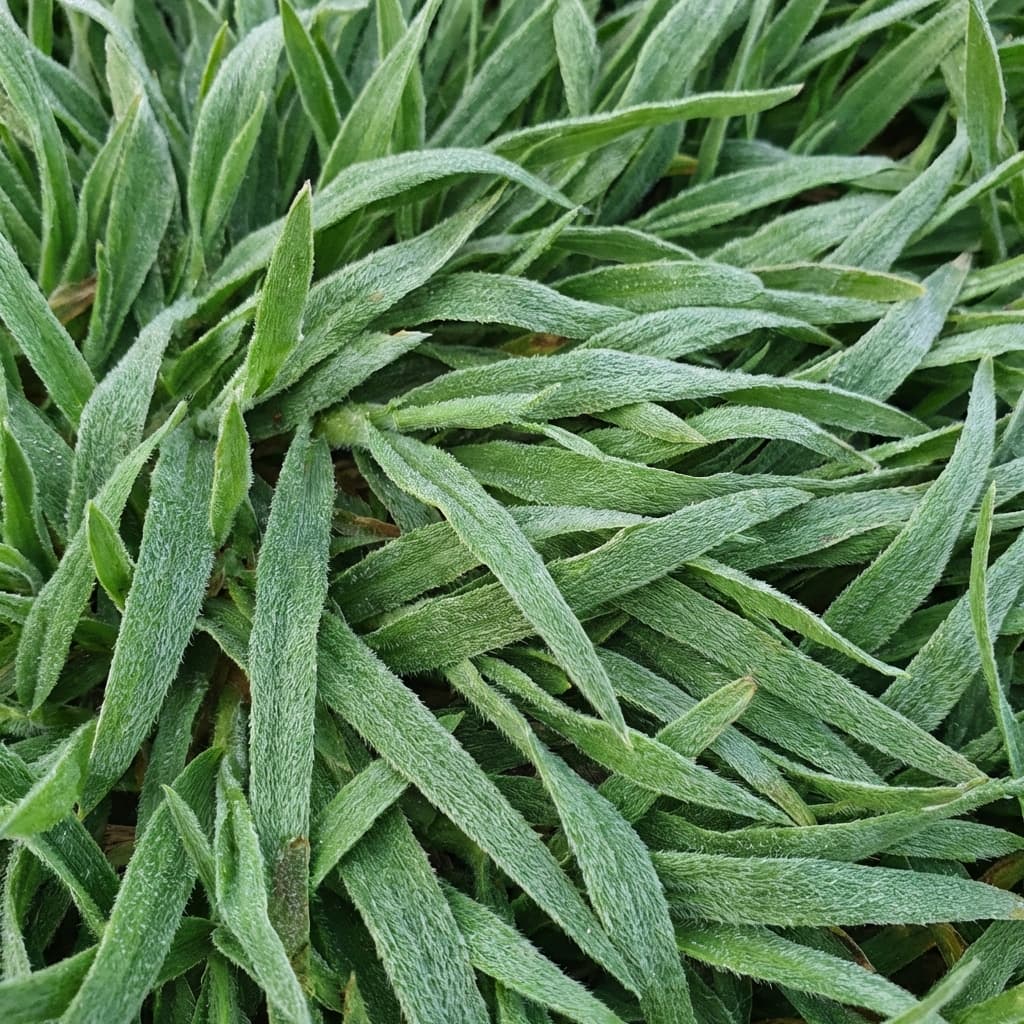
Empire Zoysia Grass: Complete Jacksonville Guide
Empire Zoysia Grass: Complete Jacksonville Guide. Review the site, scope and current written quote before deciding.
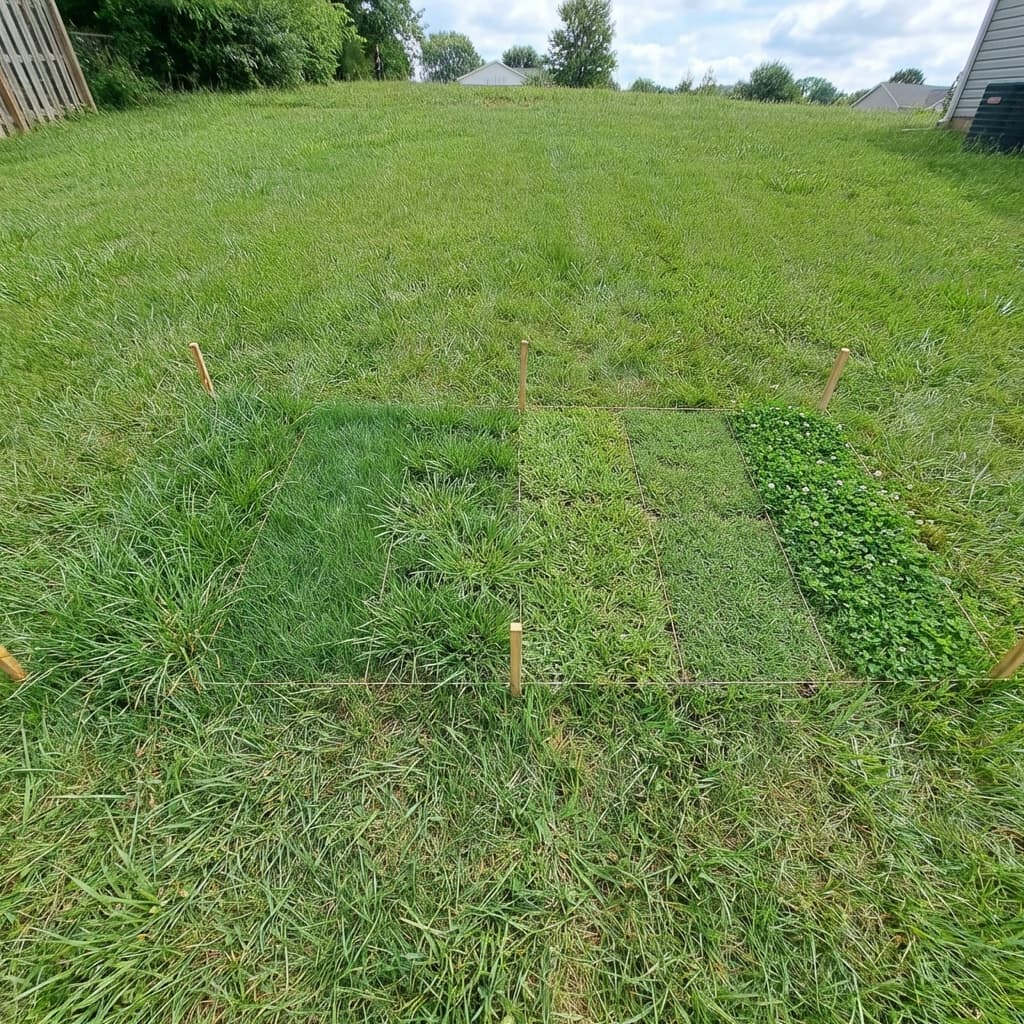
The Complete Zoysia Grass Care Guide for Jacksonville, FL
Master Zoysia grass care in Jacksonville's unique climate. From installation to year-round maintenance, learn expert tips for a lush, healthy lawn that thrives in Northeast Florida.
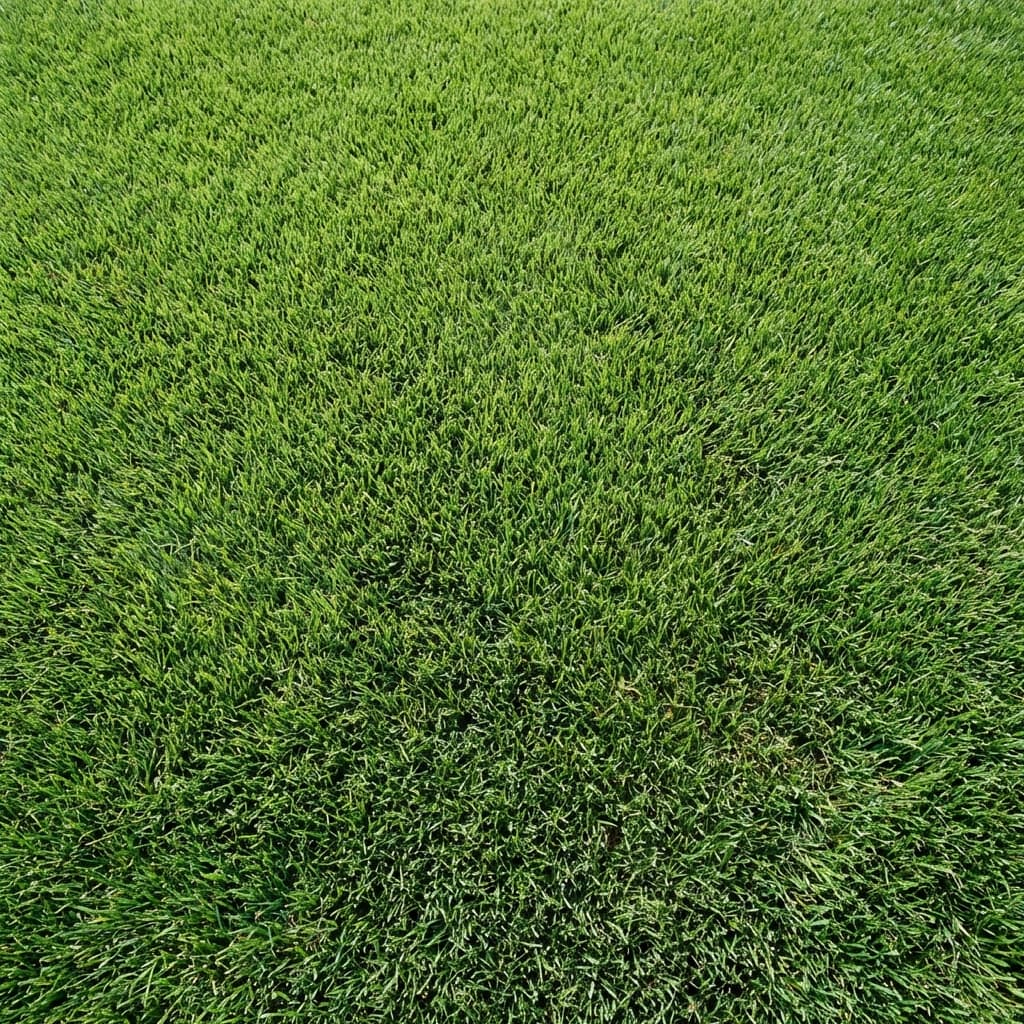
Bahia Grass Care Guide for Jacksonville
Complete bahia grass Jacksonville care guide covering varieties, mowing, fertilization, and why it thrives in Northeast Florida's sandy soil.
Let’s talk about your lawn
Ask our AI assistant a lawn question, or send the team a free installation estimate request.