Loading...
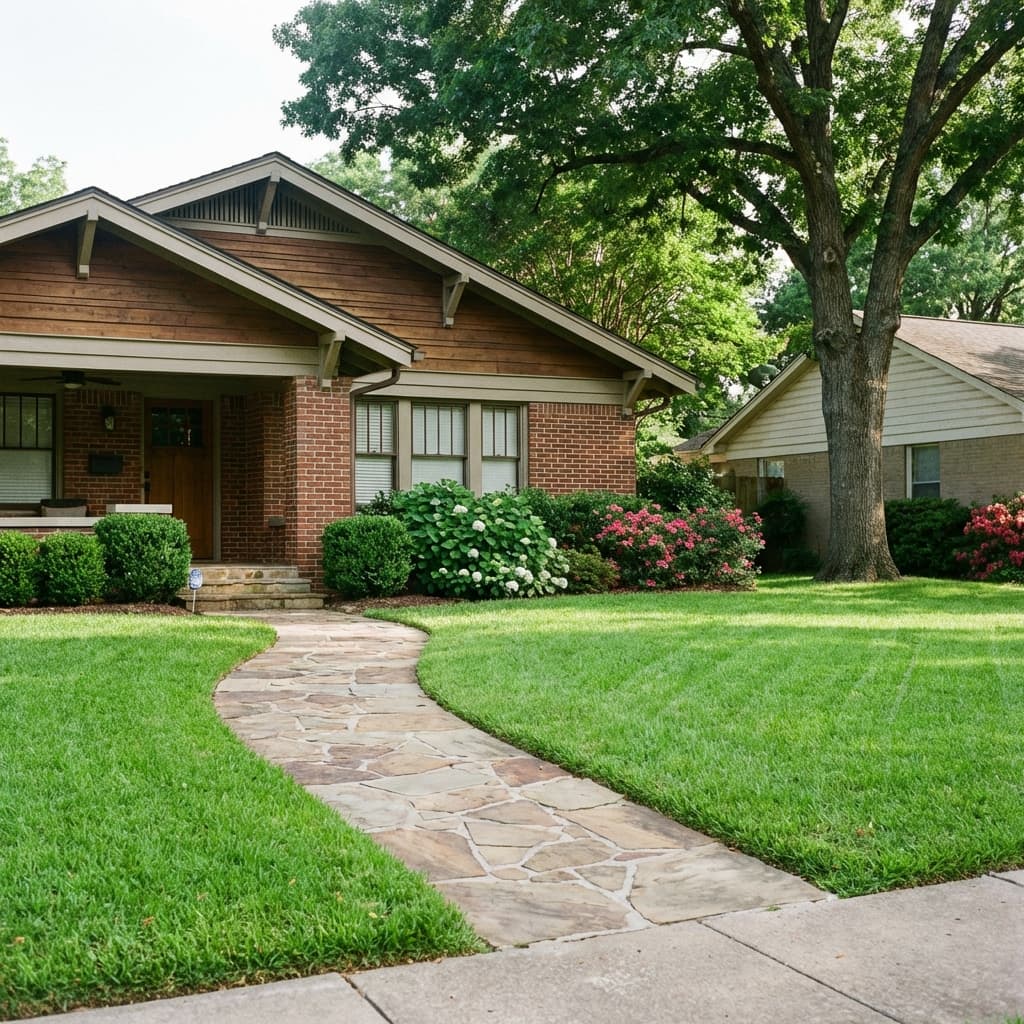
Back to Articles
Boost Curb Appeal with Jacksonville Landscaping
Landscaping January 27, 2026 18 min read
For current costs, compare the exact product or written project scope. See what to include in a sod estimate; this guide does not establish a current price, saving or resale return.
Set irrigation from site conditions and the current rules for your property and water source. For new sod, use the dated care planner; a fixed schedule in an older guide is not permission to water.
First impressions happen in less than 10 seconds. That's how long potential buyers, visitors, or passersby take to form opinions about your Jacksonville home based on its exterior appearance. At Jax Sod, we work on Northeast Florida curb appeal projects, and we've learned one fundamental truth: curb appeal is the foundation of property value, neighborhood standing, and personal pride in homeownership.
Jacksonville's competitive real estate market makes curb appeal particularly valuable. Properties in desirable neighborhoods like San Marco, Nocatee, Ponte Vedra, and Mandarin sell faster and command premium prices when exterior landscaping matches or exceeds neighborhood standards. Even if you're not selling, curb appeal matters—driving up to an attractive, well-maintained home every day delivers daily satisfaction that generic or neglected landscapes simply can't match.
This guide covers everything from quick-win improvements requiring minimal investment to comprehensive transformations that reposition your property. We'll address Jacksonville-specific design considerations for different architectural styles, seasonal color strategies, lighting, hardscape, and the critical foundation of healthy lawns. Whether you're preparing to sell, responding to HOA pressure, or simply want to love your home's appearance, these strategies deliver measurable results in Northeast Florida's climate and market conditions.
Why Curb Appeal Matters in Jacksonville
Curb appeal isn't vanity—it's practical investment with measurable returns in multiple areas.
Value reports.
Real estate agents throughout Jacksonville report that properties with excellent curb appeal receive more showings, generate stronger offers, and sell faster—often within the first week of listing. Conversely, homes with poor curb appeal sit on the market longer and sell for below asking price even when interiors are perfect. Buyers form emotional attachments based on exterior appearance before they ever walk through the front door.
First Impressions and Buyer Psychology
Buyers develop powerful first impressions within seconds of seeing a property. A home with excellent curb appeal creates immediate positive bias—buyers assume the interior will be equally well-maintained. They're predisposed to make stronger offers because the property already feels like home.
Conversely, poor curb appeal creates negative bias that's nearly impossible to overcome. Buyers assume deferred maintenance extends throughout the property. They make lower offers anticipating substantial exterior work. In Jacksonville's market, buyers have choices—properties with curb appeal problems simply get passed over for better-presented alternatives.
HOA Compliance and Neighborhood Standards
Many Jacksonville communities—particularly in Nocatee, Ponte Vedra, World Golf Village, and planned developments throughout St. Johns County—have mandatory homeowners associations with strict landscaping standards.
Beyond formal violations, neighborhood standards create informal expectations. When your property is the least-maintained on the block, it affects neighbor relationships and potentially their property values. Matching or slightly exceeding neighborhood curb appeal standards maintains positive community standing.
Personal Satisfaction and Pride
Beyond financial considerations, there's genuine daily satisfaction in coming home to attractive, well-maintained property. The psychological benefits of beautiful outdoor spaces—reduced stress, increased happiness, stronger sense of accomplishment—deliver value that balance sheets don't capture. Jacksonville's year-round mild climate means you experience your exterior landscaping daily rather than it disappearing under snow for months.
At Jax Sod, homeowners consistently tell us that curb appeal improvements were among the most satisfying home investments they've made. The combination of improved aesthetics, increased property value, and daily enjoyment justifies the investment even for homeowners planning to stay long-term.
Quick Wins: Maximum Impact, Minimal Investment
If you need rapid curb appeal improvement with limited budget, these high-impact strategies deliver disproportionate results.
Fresh Sod for Instant Transformation
Nothing transforms a property faster than replacing struggling, patchy lawn with premium sod. Instant green coverage eliminates the largest visual problem most Jacksonville properties face. Where dead spots, weeds, and thin turf created eyesores for months or years, quality sod provides immediate perfection.
Jacksonville grass options:
- St. Augustine varieties (Floratam, Palmetto, CitraBlue, Seville): The traditional Jacksonville choice, lush and green, tolerates shade well
- Bermuda varieties (TifTuf, Celebration, Latitude 36): Fine texture, beautiful appearance, excellent for full-sun areas
- Zoysia varieties (Empire, Zeon, Palisades): Lower maintenance, drought-tolerant, premium appearance
Timeline: Professional installation in 1-2 days, usable within 2-3 weeks, fully established in 4-6 weeks.
We've completed emergency sod installations throughout Jacksonville for homeowners listing properties within weeks—the transformation consistently exceeds expectations and pays for itself many times over at closing.
Clean Edges Between Lawn and Beds
Sharp, defined edges between turf and landscape beds create immediate visual impact with minimal investment. This single improvement makes properties look professionally maintained even if nothing else changes.
Methods:
- Manual edging: Use a half-moon edger to cut clean lines. Requires monthly re-edging during growing season.
- Steel or aluminum edging: Permanent solution creating lasting definition. Maintenance-free for years.
- Brick or paver edging: Attractive, provides mowing strip, works beautifully in traditional neighborhoods.
Time investment: 2-4 hours for typical property if DIY, professional crews complete in 1-2 hours.
Visual impact: Disproportionate to effort—clean edges make everything look intentional and maintained rather than neglected.
Mulch Refresh
Old, faded, or sparse mulch screams neglect. Fresh mulch in landscape beds provides instant improvement and protects plants simultaneously.
Best mulch for Jacksonville:
Application depth: 2-3 inches throughout beds. Pull back from plant stems and tree trunks to prevent rot.
Quantity needed: 1 cubic yard covers approximately 100-120 square feet at 3 inches depth.
Timeline: Professional installation in 2-4 hours, DIY in half-day to full-day depending on property size.
Strategic Pruning
Overgrown shrubs, low-hanging tree branches, and unruly hedges create neglected appearance instantly. Strategic pruning opens sight lines, reveals architecture, and restores intentional design.
Priority pruning:
- Shrubs blocking windows or obscuring house numbers
- Low tree branches below 6-8 feet (called "limbing up")
- Hedges grown beyond intended size
- Anything obstructing walkways or entry areas
DIY or professional: Simple pruning is DIY-appropriate. Extensive work or trees over 15 feet warrant professional arborists.
Timing in Jacksonville: Prune most landscape plants after flowering or during late winter/early spring. Avoid major pruning during active growing season (April-September) except for maintenance and safety pruning.
Front Door Focal Point
The entry area is the most important visual element in curb appeal design. Creating a strong focal point directs attention and provides visual hierarchy.
Specimen Plants
Flanking the front door with matched specimen plants creates instant sophistication and frames the entry as a destination rather than just a door in a wall.
Top Jacksonville specimen plants for entry areas:
For formal designs:
- Podocarpus (columnar varieties): Evergreen, formal appearance, 6-10 feet tall
- Japanese blueberry: Elegant, upright growth, bronze new growth
- Nellie R. Stevens holly: Classic pyramidal form, red berries in winter
For contemporary designs:
- King sago palm (Cycas revoluta): Architectural form, slow-growing, dramatic
- Foxtail fern: Soft texture, bright green, tropical appearance
- Yucca or agave (for modern designs): Bold, sculptural, low-maintenance
For traditional Southern styles:
- Southern live oak (young specimens): Jacksonville's signature tree
- Dwarf magnolia varieties: Glossy foliage, fragrant white flowers
- Camellia japonica: Winter/spring flowers, glossy evergreen foliage
Sizing and placement: Use 15-25 gallon specimens for immediate impact. Position 3-5 feet from entry on both sides, maintaining symmetry. Ensure mature size won't obscure the entry in 5-10 years.
Symmetrical Plantings
Symmetry creates formality, order, and intentional design—all powerful signals in curb appeal. Matched plantings on both sides of walks, drives, or entries provide this effect instantly.
Applications:
- Entry flanking (mentioned above)
- Walkway borders with repeated spacing
- Driveway entry markers
- Window box plantings (if architectural style appropriate)
Jacksonville-appropriate combinations:
- Low hedge border (dwarf yaupon holly, Ilex vomitoria 'Nana') with repeated accents (loropetalum or ixora every 6-8 feet)
- Matched specimen trees (crape myrtle, Japanese blueberry) defining property corners
- Repeated color groupings (red geraniums, pink pentas, purple salvia) in identical arrangements
Container Gardens
Large containers flanking entries provide flexibility for seasonal color changes while creating immediate focal points. In Jacksonville's climate, containers deliver year-round interest with strategic plant rotation.
Container selection:
- Minimum 18-20 inch diameter for substantial presence
- Materials: glazed ceramic (beautiful but expensive), resin (lightweight and durable), concrete (heavy but permanent)
- Colors: Neutrals (black, gray, earth tones) showcase plants, bold colors (teal, burgundy) become features themselves
Jacksonville planting strategies:
Spring/Summer containers: Sun coleus, pentas, angelonia, sweet potato vine, purple fountain grass
Fall/Winter containers: Ornamental kale, pansies, snapdragons, dusty miller, trailing ivy
Year-round containers: Dwarf palmetto, foxtail fern, asparagus fern, variegated ginger, society garlic
Use quality potting mix with moisture-retention amendments.
Driveway Landscaping for Enhanced Curb Appeal
Driveways occupy substantial visual real estate in front yards. Strategic landscaping transforms them from utilitarian slabs into attractive features.
Border Plants
Defining driveway edges with plantings creates finished appearance and visual interest.
Low borders (12-24 inches):
- Dwarf yaupon holly (Ilex vomitoria 'Nana'): Compact evergreen, formal appearance
- Asiatic jasmine: Evergreen groundcover, no mowing required, shade-tolerant
- Liriope muscari: Grass-like clumps, purple flower spikes, very low-maintenance
- Beach sunflower: Jacksonville native, yellow blooms, spreads to fill
Medium borders (2-3 feet):
- Dwarf loropetalum: Purple foliage, pink flowers, moderate size
- Sunshine ligustrum: Golden foliage, compact growth, bright accent
- Carissa (Natal plum): White flowers, dense evergreen, edible fruit
Spacing: For continuous borders, space plants at 80% of mature width to allow touching at maturity without excessive overlap.
Design tip: Curve bed edges rather than following driveway lines exactly—this softens appearance and creates more interesting visual composition.
Driveway Entrance Definition
Creating strong visual markers at driveway entrance defines property boundaries and creates arrival moments.
Strategies:
- Matched specimen trees (crape myrtle, magnolia, live oak) on both sides
- Low pillar walls or columns (if budget allows) with lighting
- Substantial planted groupings in corner beds
- Decorative boulder placements with accent plantings
Jacksonville-specific consideration: Many properties have utility boxes near driveway entrances. Screen these eyesores with taller plantings (wax myrtle, Walter's viburnum, Loropetalum) while maintaining utility access.
Landscape Lighting
Driveway lighting extends curb appeal into evening hours—critical for buyers driving by properties after work in Jacksonville's market.
Lighting applications:
- Low-voltage path lights along driveway edges (space every 6-8 feet)
- Uplighting on specimen trees or architectural features
- Downlighting from trees or structures onto key areas
- Accent lights highlighting entry areas or focal plantings
System options:
- Low-voltage LED systems: Most common, DIY-friendly installation, professional appearance.
- Solar lights: No wiring required but less reliable and lower light output.
- Professional landscape lighting: Highest quality, integrated design, installed by specialists.
Jacksonville electrical considerations: Use marine-grade or landscape-rated fixtures resistant to moisture and corrosion. Our humidity accelerates deterioration of low-quality lighting.
Mailbox Garden
This small detail provides disproportionate curb appeal impact because mailboxes sit at street level where neighbors and passersby see them daily.
Planting Around Mailbox Posts
Create a circular or kidney-shaped bed (minimum 3 feet diameter) around mailbox posts. This eliminates trimming challenges while providing opportunity for colorful plantings.
Jacksonville mailbox planting combinations:
Full sun locations:
- Pentas (center/tall), lantana (middle), purple fountain grass (accent), sweet alyssum (edge)
- Ixora (background), salvia (middle), variegated liriope (edge)
- Daylilies (background), coreopsis (middle), blue daze (edge)
Partial shade locations:
- Caladiums (center color), impatiens (middle mass), asparagus fern (edge texture)
- Begonias (multiple colors), coleus (foliage interest), ivy (trailing edge)
Year-round structure:
- Dwarf yaupon holly (evergreen base), seasonal color rotation (annuals changed spring/fall), mulch groundcover
Maintenance consideration: Mailbox beds are highly visible, so keep them immaculately maintained—no weeds, deadhead spent blooms, refresh seasonally.
Coordinating with HOA Requirements
Many Jacksonville neighborhoods have mailbox standards—specific styles, colors, or placement requirements. Work within these constraints while maximizing planting potential.
Common restrictions:
- Specific mailbox styles (coordinated subdivisions)
- Height requirements (typically 42-45 inches to bottom of box)
- Setback distances from roadway
- Visibility requirements for traffic safety
Check your HOA's architectural guidelines before making mailbox changes. Most allow landscaping around approved mailboxes without separate approval, but verify first.
Lawn Health as Curb Appeal Foundation
Every other curb appeal improvement fails if your lawn struggles. Healthy turf is the canvas that showcases specimen plantings, mulched beds, and architectural features.
Jacksonville Lawn Health Essentials
Appropriate grass selection: Choose grasses suited to your specific conditions. St. Augustine for shade-tolerance, Bermuda for full-sun perfection, Zoysia for premium appearance with lower maintenance.
Proper mowing height:
- St. Augustine: 3.5-4 inches
- Bermuda: 1.5-2 inches
- Zoysia: 2-2.5 inches
- Bahia: 3-4 inches
Never remove more than one-third of blade height in single mowing. Scalping stresses grass and creates thin, weak turf vulnerable to weeds and disease.
Fertilization schedule: Jacksonville lawns require 4-6 pounds of nitrogen per 1,000 square feet annually, split into 3-4 applications:
- March/April: Spring green-up
- June: Summer growth support
- September: Fall strengthening
- November (optional): Winter preparation
Use slow-release fertilizers formulated for Florida lawns. Avoid applying more than 1 pound of nitrogen per 1,000 square feet per application.
Irrigation compliance: Follow St. Johns River Water Management District restrictions:
- Odd addresses: Wednesday and Saturday
- Even addresses: Thursday and Sunday
- Apply 0.5-0.75 inches per session during active growing season
Weed control: Apply pre-emergent herbicides in February (before spring weeds germinate) and again in September (before fall weeds). Use post-emergent herbicides as needed for breakthrough weeds, following label directions carefully.
Pest and disease monitoring: Jacksonville's humidity creates pressure from brown patch (fall/winter), gray leaf spot (summer), and chinch bugs (summer stress). Address problems at first signs rather than waiting for extensive damage.
When to Replace Rather Than Renovate
Sometimes lawn problems exceed reasonable renovation efforts. Consider complete replacement when:
- More than 40% of lawn area is weeds or bare soil
- Drainage problems prevent healthy grass growth
- Wrong grass type for site conditions (St. Augustine in full sun, Bermuda in shade)
- Soil compaction or contamination preventing growth
- Time constraints (selling soon) make renovation timeline impractical
Fresh sod installation eliminates years of gradual improvement time, providing instant perfection. At Jax Sod, we've helped countless Jacksonville homeowners make this decision—the investment pays for itself many times over in curb appeal improvement, particularly for properties entering the market.
Landscape Lighting for Nighttime Curb Appeal
In Jacksonville's market, buyers often drive neighborhoods after work, viewing properties in early evening. Landscape lighting ensures your curb appeal functions 24/7 rather than disappearing at sunset.
Strategic Lighting Placement
Entry area: This is the highest priority. Light the front door, walkway, and flanking plants. Visitors should clearly see where to approach even in complete darkness.
Specimen trees: Uplight signature trees to create dramatic shadows and emphasize landscape structure. Live oaks, magnolias, and palms create spectacular nighttime effects when properly lit.
Architectural features: Graze light across textured walls, columns, or interesting architectural details to create depth and shadow.
Pathway and driveway edges: Provide safety while defining circulation with low path lights spaced every 6-8 feet.
LED Technology for Jacksonville
Modern LED landscape lighting has revolutionized outdoor lighting through efficiency, longevity, and quality.
Benefits:
- 80-90% energy reduction compared to halogen bulbs
- 50,000+ hour lifespan (decades in typical landscape use)
- Cool operation (won't burn plants)
- No bulb replacement maintenance
- Superior color rendering options
Color temperature selection: Use 2700K-3000K (warm white) for residential applications. This mimics traditional incandescent lighting and creates welcoming ambiance. Cooler temperatures (4000K+) look institutional.
Jacksonville humidity considerations: Use marine-grade or landscape-rated fixtures with proper seals. Our coastal climate accelerates corrosion on low-quality fixtures.
DIY vs. Professional Installation
DIY-appropriate: Low-voltage LED systems are homeowner-friendly. Kits include transformer, wire, fixtures, and instructions.
Professional recommended: For properties with multiple lighting zones, integration with timers and smart home systems, or high-end fixture selections, professional installation ensures proper design and function.
Jacksonville contractors: Use licensed landscape lighting specialists familiar with local codes and climate challenges. Improperly installed systems fail prematurely in our humidity.
Seasonal Color Rotations
Jacksonville's year-round growing season allows continuous color through strategic seasonal plantings. Properties maintaining fresh seasonal color stand out dramatically from stagnant landscapes.
Spring/Summer Rotation (March-October)
Install warm-season annuals and tropicals that thrive in Jacksonville's heat and humidity.
Top performers:
- Pentas (multiple colors, butterfly magnet)
- Angelonia (heat-tolerant, continuous bloom)
- Vinca/periwinkle (extremely heat and drought tolerant)
- Torenia (partial shade, abundant flowers)
- Coleus (grown for colorful foliage, infinite varieties)
- Caladiums (shade to part sun, spectacular foliage)
Installation timing: March-April for best results. Plants establish before summer heat stress.
Maintenance: Fertilize monthly with balanced liquid fertilizer. Deadhead spent blooms for continuous flowering. Replace any failures promptly.
Fall/Winter Rotation (October-March)
Jacksonville's mild winters support abundant cool-season color.
Top performers:
- Petunias (modern varieties like Wave series perform beautifully)
- Snapdragons (vertical interest, multiple colors)
- Pansies and violas (traditional winter color)
- Dianthus (fragrant, cold-hardy)
- Ornamental kale and cabbage (structure and unusual colors)
- Dusty miller (silver foliage, excellent accent)
Installation timing: October-early November. Earlier planting allows establishment before potential cold snaps.
Cold protection: Most survive typical Jacksonville winters, but have frost cloth ready for rare hard freezes. Temperatures below 28°F damage tender growth.
Transition timing: Remove winter annuals in March-April as temperatures consistently exceed 85°F and plants begin to decline.
Perennial Strategy
Balance seasonal rotations with reliable perennials providing year-round structure:
Evergreen structure plants:
- Dwarf yaupon holly
- Loropetalum varieties
- Asiatic jasmine (groundcover)
- Liriope (grass-like perennial)
These plants provide consistent backbone while seasonal rotations add color punch. This layered approach reduces replanting frequency while maintaining continuous interest.
Pressure Washing Hardscapes
Clean hardscapes dramatically improve curb appeal with minimal cost. Jacksonville's humid climate creates rapid algae, mildew, and dirt accumulation on driveways, walkways, and building exteriors.
Priority Areas
Driveway: Most visible hardscape area. Stained, dirty driveways create immediate negative impressions regardless of other improvements.
Front walkways and entry: Second highest priority. These areas are viewed close-range by visitors.
Building exterior: Particularly important for stucco, siding, and brick that show organic growth in Jacksonville's humidity.
Fences and retaining walls: Often overlooked but significantly impact appearance when visible from street.
DIY vs. Professional Services
DIY pressure washing:
- Use appropriate pressure settings (3000+ PSI for concrete, 1500-2000 PSI for wood, 1200-1500 PSI for siding)
- Apply cleaning solutions designed for specific surfaces
- Work systematically to avoid streaking
Professional pressure washing:
- Experienced operators prevent damage from excessive pressure
- Professional-grade equipment and cleaning solutions
- Recommended for building exteriors where improper technique causes costly damage
Jacksonville timing: Pressure wash in late winter or early spring (February-March) before planting seasonal color. Surfaces stay clean longer during drier spring months than if cleaned during humid summer.
Frequency: Annual pressure washing maintains appearance in Jacksonville's climate. High-shade areas or those with heavy tree cover may require twice-annual cleaning.
Tree Framing and Limbing Up
Mature trees provide enormous value in curb appeal, but only when properly maintained. Strategic pruning reveals architecture, improves sight lines, and creates defined canopy structure.
Limbing Up
Removing lower branches to raise canopy floor creates dramatic improvement.
Target height: Raise canopy to 6-10 feet depending on tree size. This provides:
- Clear sight lines to house from street
- Space for understory plantings
- Open, inviting appearance vs. dark, closed-in feeling
Jacksonville tree species commonly requiring limbing up:
- Southern live oak (tends to branch low)
- Laurel oak (similar growth habit)
- Crape myrtle (often multi-stemmed with low branches)
- Magnolia (lower branches can obscure views)
Timing: Late winter (January-February) is ideal for most Jacksonville trees. Avoid major pruning during active growing season except for safety hazards.
Professional recommendation: Trees over 15 feet or requiring chainsaw work warrant professional arborists. Improper pruning causes permanent damage and creates safety hazards.
Crown Thinning
Selective removal of interior branches allows light penetration through canopy while maintaining tree health and structure.
Benefits:
- Reduces wind resistance (valuable in hurricane-prone Jacksonville)
- Allows light to reach understory plantings
- Improves overall tree health through better air circulation
- Creates elegant, refined canopy structure
Proper technique: Remove no more than 15-20% of living crown. Focus on crossing branches, dead wood, and inward-growing branches. Maintain natural tree form rather than creating unnatural shapes.
Avoid topping: Never cut main leader or large branches back to stubs. This practice (unfortunately common in Jacksonville) creates weak growth, permanent damage, and hazardous trees. Proper crown reduction requires selective pruning throughout the canopy.
Jacksonville Design for Different Architecture Styles
Curb appeal strategies should complement your home's architectural style rather than conflicting with it. Jacksonville's housing stock includes several dominant styles requiring different approaches.
Ranch Homes (Common in 1960s-1980s Neighborhoods)
Low-profile, horizontal architecture benefits from:
Foundation plantings: Low to medium shrubs (2-4 feet mature height) that don't obscure windows. Dwarf yaupon holly, loropetalum, azaleas (in shade), dwarf ixora.
Avoid: Tall shrubs that make ranch homes appear even lower or hide architectural features.
Corner plantings: Specimen trees or large shrubs at corners add vertical interest: crape myrtle, magnolia, podocarpus.
Lawn emphasis: Ranch homes often have substantial front lawns—keep turf immaculate as it's a primary feature.
Hardscape: Consider adding low brick planters or borders for definition without blocking views.
Common in: Arlington, Baymeadows, Orange Park, Mandarin (older sections)
Two-Story Traditional (Common Throughout Jacksonville)
Taller architecture handles larger-scale plantings:
Foundation plantings: Medium to tall shrubs (4-6 feet) balance two-story height. Japanese blueberry, Podocarpus, larger holly varieties.
Entry emphasis: Two-story homes need substantial entry plantings to balance building mass. Large specimen plants, symmetrical arrangements, container gardens.
Framing trees: Large shade trees (live oak, magnolia) in yard frame the house rather than compete with it.
Layering: Multiple planting layers create depth appropriate to building scale.
Common in: San Marco, Riverside, Avondale, Mandarin, Nocatee, St. Johns
Contemporary/Modern (Increasingly Common in New Development)
Clean lines and architectural simplicity require restrained, intentional landscaping:
Minimalist plantings: Fewer plants, larger specimens, bold statements rather than busy complexity.
Architectural plants: Species with strong form—yuccas, agaves, sago palms, ornamental grasses.
Geometric hardscape: Linear paths, rectangular beds, clean edges complement modern architecture.
Monochromatic color schemes: Single-color themes (all white, all purple) or foliage emphasis rather than multicolor chaos.
Avoid: Fussy, traditional plantings that conflict with modern aesthetics.
Common in: Nocatee (newer sections), Town Center, Southside contemporary developments
Coastal/Beach Style (Beaches and Ponte Vedra)
Relaxed, natural aesthetics appropriate to location:
Native plants: Emphasize Florida natives—wax myrtle, coontie, muhly grass, dune sunflower.
Informal arrangements: Natural groupings rather than rigid symmetry.
Salt-tolerant species: Critical for oceanfront—sea oats, railroad vine, beach elder.
Natural materials: Use pine straw mulch, weathered wood, natural stone rather than formal elements.
Colors: Blues, whites, soft yellows, and silver foliage complement coastal style.
Common in: Jacksonville Beach, Atlantic Beach, Neptune Beach, Ponte Vedra Beach
Understanding financial returns helps prioritize curb appeal investments.
Projects:
These improvements prevent negative first impressions without major expense.
Projects:
These improvements create active buyer appeal and justify asking price premiums.
Projects:
Jacksonville Market-Specific Considerations
High-value neighborhoods (Ponte Vedra, Nocatee, San Marco, Riverside): Landscaping investments deliver higher absolute returns because property values support premium pricing.
Mid-market neighborhoods (Mandarin, St. Johns, Orange Park): Solid returns but smaller absolute numbers.
Starter home markets: Focus on highest-impact, lowest-cost improvements. Fresh sod, mulch, and cleanup often provide better returns than expensive specimen plantings in neighborhoods where buyers prioritize different features.
Before/After Transformation Costs
Real Jacksonville examples demonstrate realistic investment and results.
Example 1: Arlington Ranch Home
Before: 30-year-old St. Augustine failing, overgrown foundation shrubs, no bed definition, stained driveway.
Improvements:
Example 2: Mandarin Two-Story
Before: Patchy Bermuda lawn, dated shrubs, poor entry definition, no landscape lighting.
Improvements:
Agent attributed premium directly to curb appeal.
Example 3: Nocatee Contemporary
Before: Builder-grade minimal landscaping, no mature plantings, stark appearance.
Improvements:
These examples represent actual Jax Sod projects (details changed for privacy) demonstrating real-world returns Jacksonville homeowners achieve through strategic curb appeal investment.
Seasonal Timeline for Curb Appeal Projects
Timing matters in Jacksonville's climate. Strategic scheduling optimizes results and plant establishment.
Winter (December-February)
Best for:
- Major renovations and construction (cool weather easier on workers and plants)
- Tree pruning and structural work
- Hardscape installation
- Planning and design for spring implementation
Plant installations: Cool-season color (pansies, snapdragons, dianthus) thrive when planted in this window.
Spring (March-May)
Best for:
- Sod installation (optimal establishment conditions)
- Warm-season color installation
- Mulch refresh
- Irrigation system setup and testing
Peak season: This is Jacksonville's busiest landscaping season. Book professionals early.
Summer (June-September)
Challenges: Heat stress on new plantings, daily thunderstorms complicating scheduling, intense UV damaging workers and plants.
Best for: Maintenance and minor improvements only. Avoid major installations if possible.
Emergency timing: If selling during summer, fresh sod installation still works but requires intensive irrigation and monitoring during establishment.
Fall (October-November)
Second optimal season: Excellent for most installations, particularly sod establishment.
Best for:
- Sod installation
- Fall/winter color rotation
- Tree and shrub planting
- Renovation projects
Timing advantage: Plants establish before winter, entering spring with head start.
Transform Your Jacksonville Property's Curb Appeal
Curb appeal isn't cosmetic luxury—it's practical investment delivering measurable returns through increased property values, faster sales, HOA compliance, and daily satisfaction.
Whether you need quick wins before listing your home, want to match neighborhood standards, or simply desire to love your property's appearance, strategic landscaping improvements deliver results. From fresh sod creating instant transformation to comprehensive renovations repositioning properties in their market segment, Jacksonville's climate supports outstanding landscape performance when designed and maintained properly.
Ready to transform your property's curb appeal with professional sod installation, landscape renovation, or expert guidance on Jacksonville-appropriate improvements?
Need Professional Sod Installation?
Jax Sod provides sod installation, sod replacement, and new lawn installation across Jacksonville and Northeast Florida. Free quotes!
Related Articles
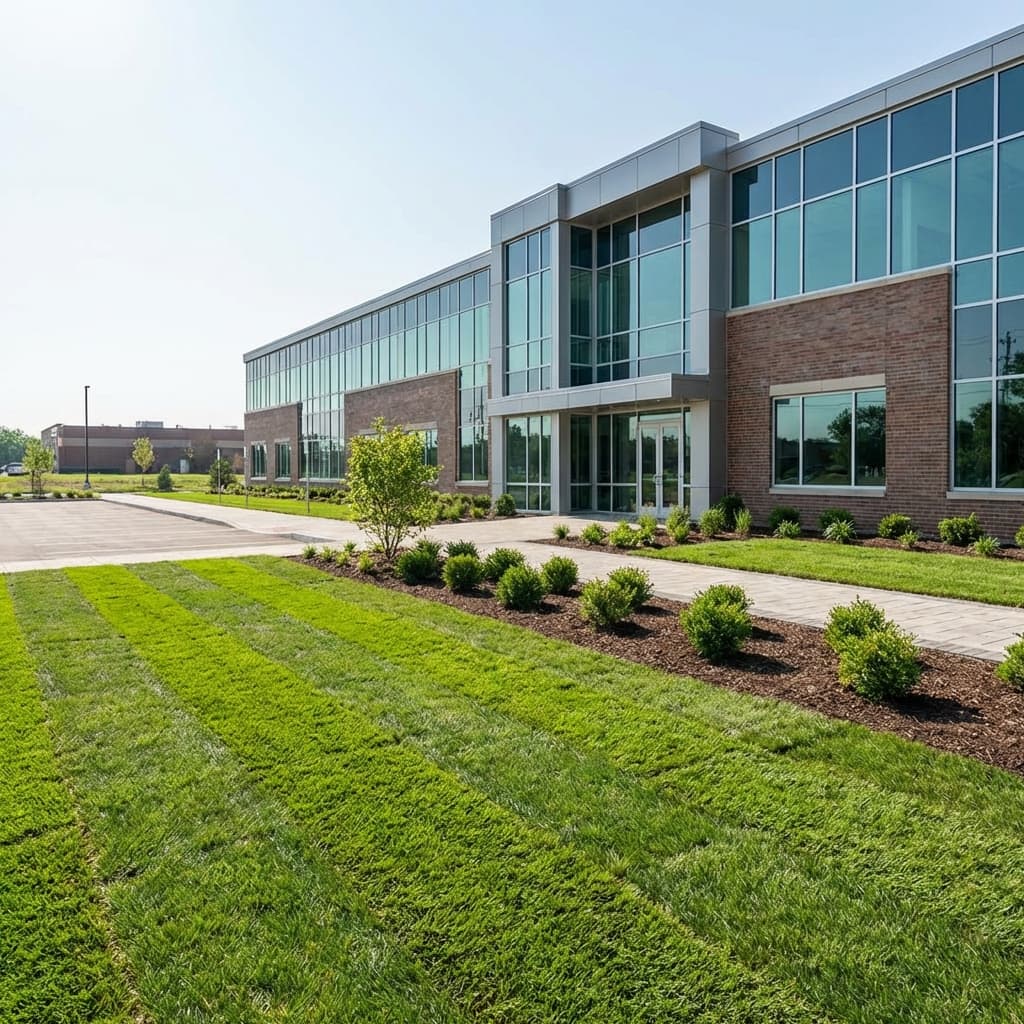
Apartment Complex Landscaping Jacksonville: Creating Curb Appeal That Lasts
Expert guide to apartment complex landscaping in Jacksonville. Learn how to design low-maintenance, attractive landscapes that handle Florida's Zone 9a/9b climate and keep residents happy.
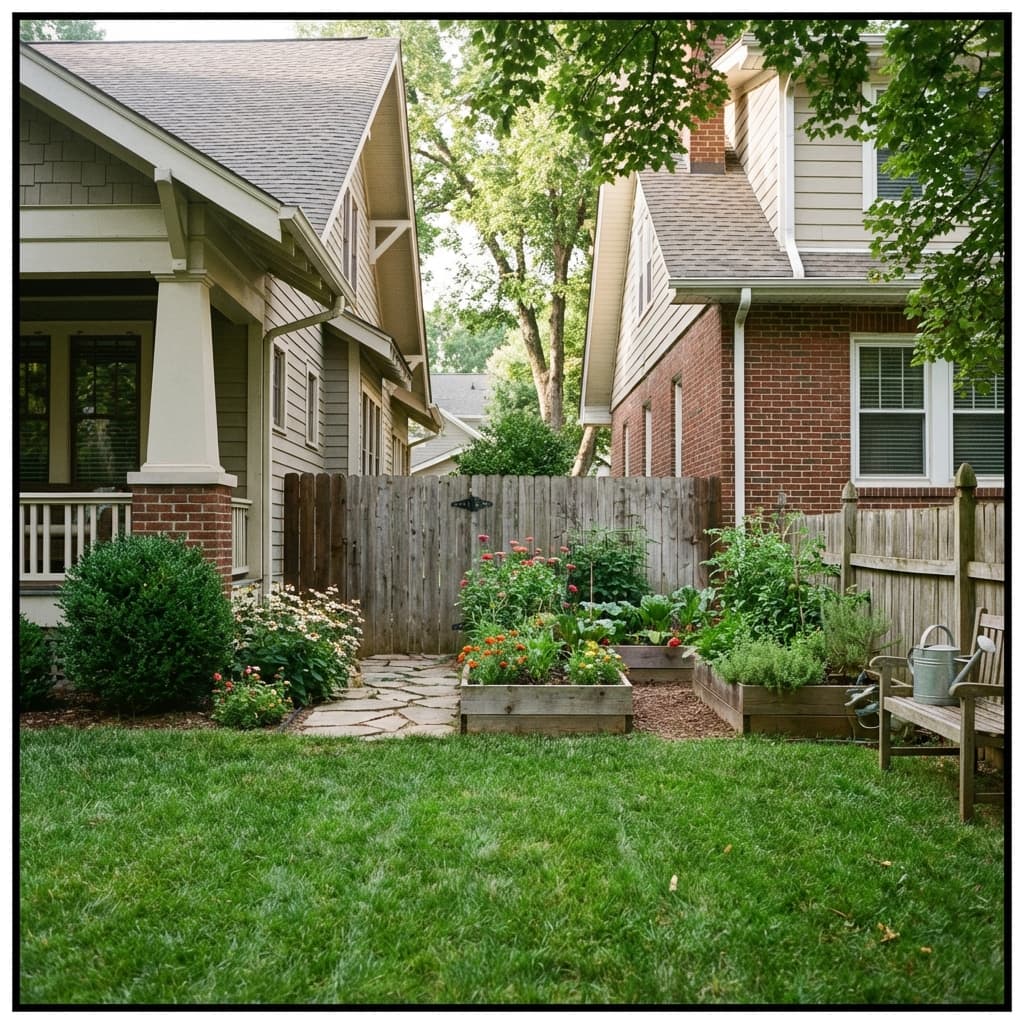
Backyard Landscaping Ideas for Jacksonville Homes
Backyard Landscaping Ideas for Jacksonville Homes. Review the site, scope and current written quote before deciding.
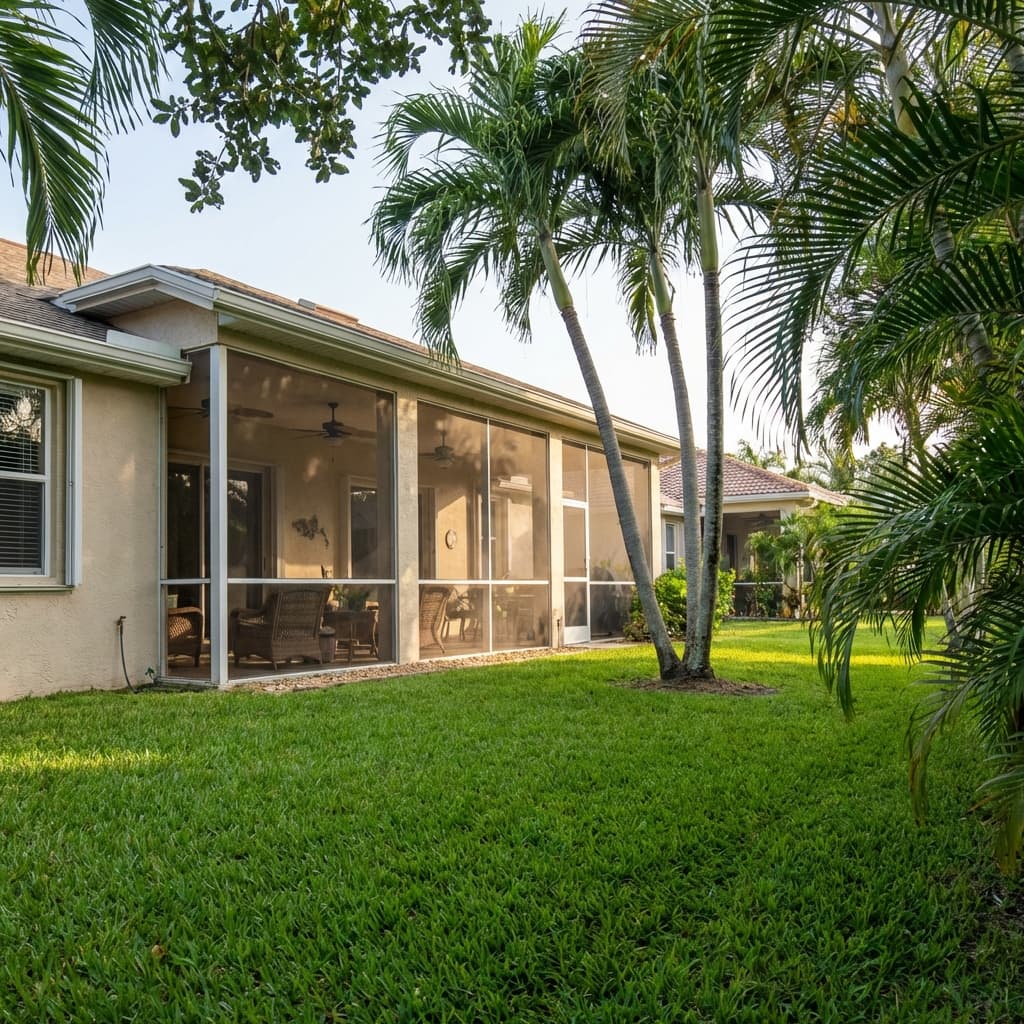
Best Landscaping Ideas for Jacksonville, FL Homes
Expert landscaping ideas for Jacksonville homes featuring drought-tolerant plants, Florida-friendly designs, and curb appeal tips that work in Northeast Florida's climate.
Let’s talk about your lawn
Ask our AI assistant a lawn question, or send the team a free installation estimate request.