Loading...
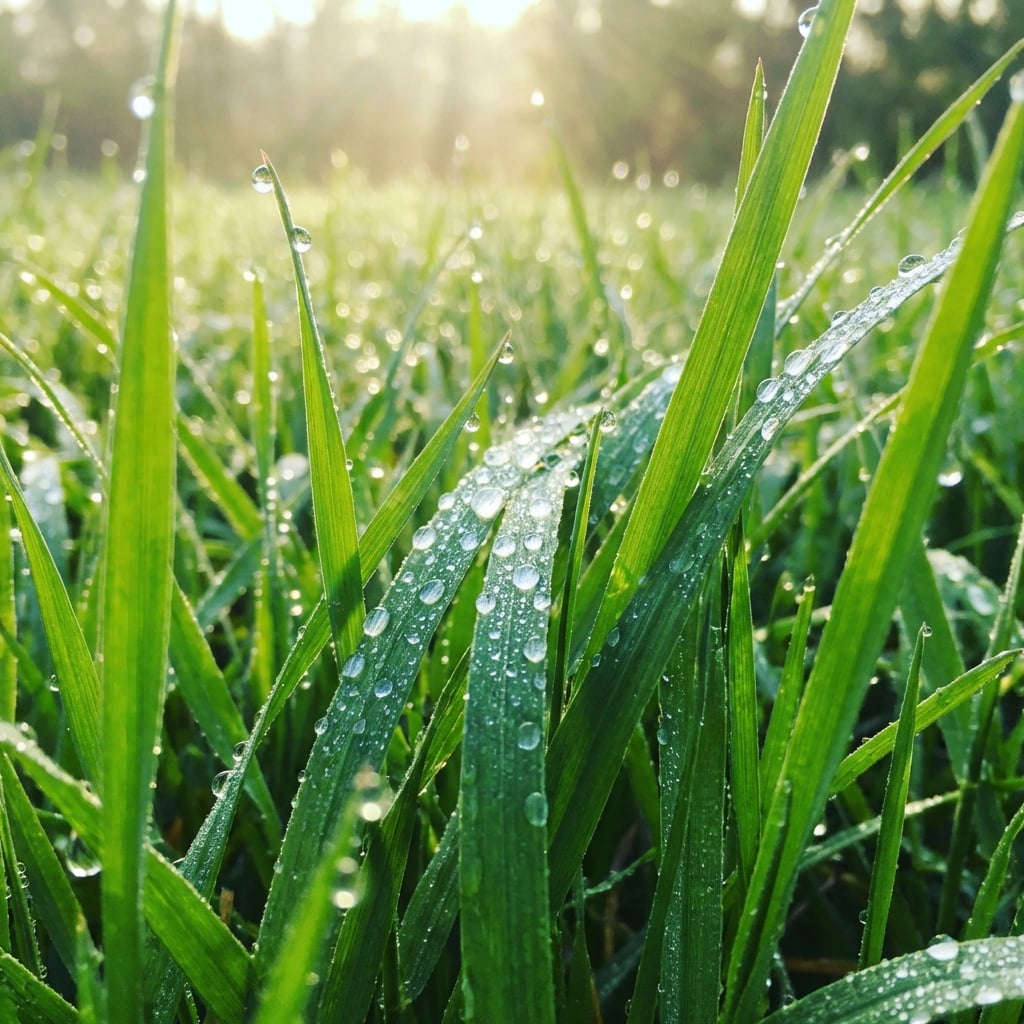
Sod Types for Jacksonville
St. Augustine, Zoysia, Bermuda, or Bahia? Choose the right grass for your property's sun, shade, traffic, and maintenance needs.
Quick Comparison
| Feature | St. Augustine | Zoysia | Bermuda | Bahia |
|---|---|---|---|---|
| Shade Tolerance | ⭐⭐⭐⭐ Best | ⭐⭐⭐ Moderate | ❌ None | ⭐ Poor |
| Traffic Tolerance | ⭐⭐ Fair | ⭐⭐⭐⭐⭐ Excellent | ⭐⭐⭐⭐⭐ Best | ⭐⭐ OK |
| Drought Tolerance | ⭐⭐ Needs water | ⭐⭐⭐⭐ Great | ⭐⭐⭐⭐ Great | ⭐⭐⭐⭐⭐ Best |
| Maintenance | Medium | Medium | High | Low |
| Cost | $$ | $$$ | $$ | $ |
| Blade Texture | Broad, coarse | Fine, dense | Very fine | Open, coarse |
St. Augustine Grass
The Florida Classic
The most popular residential grass in Northeast Florida. St. Augustine produces a lush, wide-bladed, deep-green lawn that thrives in our climate. Multiple varieties offer different levels of shade tolerance.
Pros
- ✓Some cultivars tolerate partial shade
- ✓Excellent salt tolerance for coastal properties
- ✓Dense growth that crowds out weeds
- ✓Lush, carpet-like appearance
Cons
- ✗Susceptible to chinch bugs
- ✗Higher water requirements
- ✗Prone to fungal issues in humid conditions
- ✗Not great for heavy foot traffic
Varieties Available
Floratam:Sunny sites; performs poorly below about six hours of daily sunlight.
Palmetto:Can suit partial shade, but not dense shade.
Seville:Some shade tolerance, dwarf growth and cold sensitivity; not a dense-shade guarantee.
CitraBlue:UF-developed cultivar with blue-green color; follow cultivar-specific care.
Best For: Suitable sunny or partially shaded yards, depending on cultivar
Zoysia Grass
The Premium Up-and-Comer
Zoysia produces dense turf. Match its mowing height and maintenance needs to your equipment; recovery from wear can be slow.
Pros
- ✓Soft, carpet-like texture — best barefoot grass
- ✓Tolerates use, but damaged areas recover slowly
- ✓Chinch bug resistant
- ✓Can go dormant during moisture stress
Cons
- ✗Compare current cultivar and installed-scope quotes
- ✗Slower to repair from damage
- ✗Builds thatch that needs periodic management
- ✗Goes dormant (browns) in winter
Varieties Available
Empire:Most popular. Wider blade, incredibly durable.
Zeon:Fine-bladed luxury variety. Stunning visual appeal.
Icon:Fine-textured, great for high-end properties.
Best For: Active families, pet owners, full-sun yards, drought-prone areas
Bermuda Grass
The Athlete
Bermuda is the grass of golf courses and sports fields. It recovers from damage faster than any other grass and maintains a beautiful, fine-textured appearance when maintained properly.
Pros
- ✓Fastest damage recovery of any warm-season grass
- ✓Highest traffic tolerance available
- ✓Beautiful fine texture when mowed low
- ✓Aggressive spreading fills bare spots quickly
Cons
- ✗Zero shade tolerance — full sun only
- ✗Highest maintenance requirements
- ✗Invasive — will spread into flower beds
- ✗Requires frequent mowing
Varieties Available
Tifway 419:The industry standard for sports turf.
Celebration:Excellent color and drought tolerance.
Best For: Full-sun properties, sports areas, high-traffic commercial sites
Bahia Grass
The Budget-Friendly Workhorse
Bahia can suit sunny, lower-input landscapes where an open texture and seed heads are acceptable. It still needs establishment care and a suitable site.
Pros
- ✓Compare current availability and project scope
- ✓Incredible drought tolerance with deep roots
- ✓Minimal fertilizer needs
- ✓Lower-input option, still subject to pests and stress
Cons
- ✗Open, coarse texture — not a "manicured" look
- ✗Prolific seed head production
- ✗Poor shade tolerance
- ✗Allows weeds to mix in due to open growth
Varieties Available
Argentine:Best for lawns. Wider blades, darker green.
Pensacola:Highway medians and erosion control.
Best For: Sunny larger areas where suitable establishment care is available
Not Sure Which to Choose?
Have large oak trees?
Assess actual sunlight first. Palmetto or Seville may suit some shade; dense shade may need another planting.
Active kids and dogs?
Zoysia (Empire) — handles foot traffic like a champ.
Full sun, athletic use?
Bermuda — the sports turf champion.
No irrigation system?
Bahia — survives on rainfall alone once established.
Want the best-looking lawn?
St. Augustine (Floratam) or Zoysia (Empire) with proper care.
Start with your actual sunlight and care needs
Discuss your property during an on-site estimate. St. Augustine cultivar guidance checked September 7, 2026 against UF/IFAS; this comparison is not a site assessment or a guarantee of availability.
Let’s talk about your lawn
Ask our AI assistant a lawn question, or send the team a free installation estimate request.