Loading...
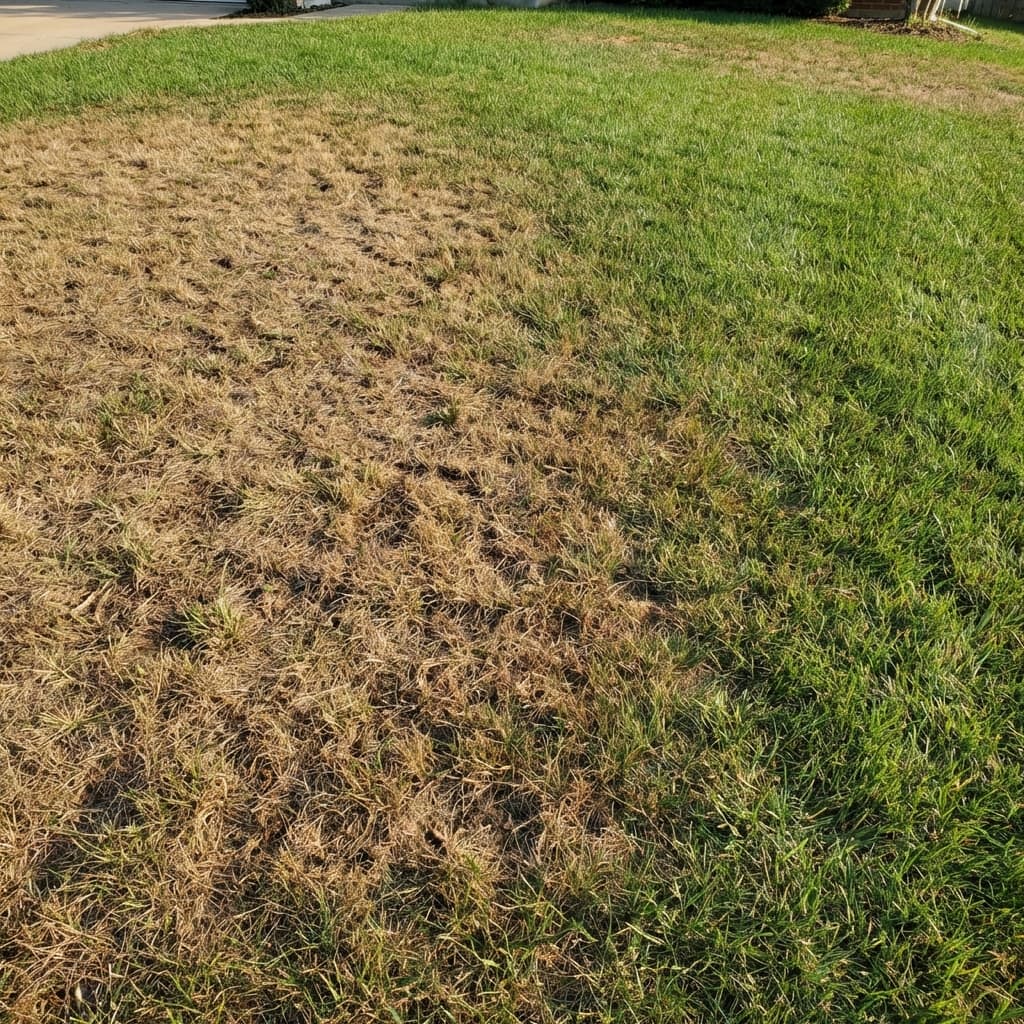
Back to Articles
Brown Patch Fungus in Jacksonville, FL: How to Identify, Treat, and Prevent Large Patch Disease
Lawn Care February 15, 2026 10 min read
You walk outside one cool fall morning and notice it — a big, ugly circle of brown, thinning grass right in the middle of your yard. Maybe it's a few feet across, maybe it's taken over half the front lawn. Either way, your stomach drops.
Welcome to brown patch season in Jacksonville.
Brown patch fungus — technically called large patch when it hits warm-season grasses like St. Augustine and Zoysia — is the single most common lawn disease in Northeast Florida. It affects thousands of Duval County lawns every year, and if you don't catch it early, it can turn a thick, beautiful yard into a patchy nightmare that takes months to recover.
The good news? Brown patch is treatable. And once you understand what triggers it, you can prevent it from coming back. This guide covers everything Jacksonville homeowners need to know — from identifying the disease to choosing the right fungicide to changing the habits that invite it in.
What Exactly Is Brown Patch Fungus?
Brown patch is caused by the soil-borne fungus Rhizoctonia solani. This fungus lives in virtually every lawn in Jacksonville — it's naturally present in the soil. Under normal conditions, it just sits there doing nothing. But when the right combination of temperature, moisture, and stress lines up, it wakes up and attacks your grass.
In Northeast Florida, we call it large patch because the disease produces distinctive circular or irregular patches of declining turf that can range from a few inches to 20 feet or more in diameter. The grass within these patches turns yellow, then brown, and eventually thins out dramatically.
Here's the thing most Jacksonville homeowners don't realize: brown patch attacks the leaf sheaths near the soil line, not the roots. That's actually good news because it means the grass can recover if the crowns and root systems remain intact. But if the disease goes untreated through multiple cycles, it weakens the turf enough that recovery becomes slow and incomplete.
When Does Brown Patch Hit Jacksonville Lawns?
This is where Jacksonville's climate makes things interesting. Unlike up north where brown patch is a summer disease on cool-season grasses, here in Northeast Florida it follows a completely different calendar.
Large patch on warm-season grasses is a fall and spring disease. The fungus becomes active when:
- Soil temperatures drop to 60–70°F (typically late October through November)
- Air temperatures are between 50–80°F with cool nights
- Moisture is abundant — from rain, irrigation, or heavy dew
In Jacksonville, this means you'll typically see brown patch appear in late October through December and again in late February through April. The disease goes dormant during our hot summers (when soil temps exceed 80°F) and during the coldest weeks of winter if we get hard freezes.
The tricky part is that the fungus can be actively damaging your lawn for two to three weeks before you notice any visible symptoms. By the time you see the brown circles, it's already been working underground.
Jacksonville's Fall Pattern
Most homeowners in neighborhoods like Mandarin, San Marco, Riverside, and the Beaches first notice brown patch sometime in November. The combination of shorter days, cooler nights (dropping into the 50s and 60s), morning dew that lingers on the grass, and the fact that many people are still watering on their summer irrigation schedule creates perfect conditions.
The Spring Flare-Up
Then in February and March, as Jacksonville's temperatures fluctuate — warm one week, cool the next — the disease flares up again. This spring cycle often catches homeowners off guard because they're focused on getting the lawn ready for the growing season, not fighting disease.
How to Identify Brown Patch in Your Lawn
Knowing what brown patch looks like is half the battle. Here's what to look for at each stage:
Early Signs (Catch It Here If You Can)
- Irregular yellowish patches that appear overnight or within a few days
- Grass blades that pull away easily from the stolon when tugged — the base of the blade will look brown and rotted
- A dark, water-soaked border (sometimes called a "smoke ring") at the edge of the affected area, especially visible early in the morning when dew is present
- Orange or yellowish halo around the patch edges
Advanced Symptoms
- Large circular or irregular patches of tan or brown grass, ranging from 1 foot to 20+ feet across
- Thinning turf within the patches — you can see the soil through the grass
- Healthy grass in the center of the patch with a ring of dead grass around it (the classic "frog-eye" pattern)
- Matted, slimy leaf blades near the soil line during wet conditions
The Pull Test
This is the quickest way to confirm brown patch. Grab a handful of grass at the edge of a discolored patch and give it a gentle tug. If the leaf blades separate easily from the stolons — and the base of the blade is dark brown and mushy — that's brown patch. Healthy grass resists pulling and has a firm, white or light green base.
What Causes Brown Patch in Jacksonville Lawns?
The fungus is always present, so the question isn't what causes it — it's what triggers it to become active. In our Jacksonville climate, the usual culprits are:
1. Overwatering and Poor Drainage
This is the number one trigger in Northeast Florida. Jacksonville homeowners who keep their irrigation running on summer schedules into fall are basically rolling out the red carpet for brown patch. The fungus thrives when leaf blades stay wet for extended periods — particularly overnight.
If your yard has low spots that hold water (common in neighborhoods like Argyle Forest, Bartram Park, and parts of the Northside built on low-lying land), those areas will get hit first.
2. Excessive Nitrogen Fertilizer
Check the current fertilizer rules for the actual property and the fertilizer decision guide before applying. Do not assume another jurisdiction’s dates apply.
3. Heavy Thatch
A thick thatch layer (that spongy mat of dead and living material between the grass blades and soil) traps moisture against the turf and creates the perfect environment for fungal growth. St. Augustine grass is particularly prone to thatch buildup in Jacksonville's warm climate.
4. Compacted Soil
Jacksonville's sandy soils don't compact as badly as clay soils in other parts of the state, but areas with heavy foot traffic, construction activity, or poor-quality fill dirt can become compacted enough to impede drainage and stress the turf.
5. Mowing Too Low
Scalping your St. Augustine grass — mowing below 3.5 inches — weakens the turf and makes it more susceptible to fungal attack. Proper mowing height matters year-round but especially during brown patch season.
How to Treat Brown Patch Fungus
Once you've confirmed brown patch, here's your game plan:
Step 1: Adjust Your Irrigation Immediately
Before you reach for any fungicide, fix the moisture problem. This alone can slow or stop the disease:
- Reduce watering frequency — switch to your SJRWMD-allowed watering days only
- Water in the early morning (before 6 AM) so grass blades dry quickly as the sun comes up
- Never water in the evening — wet grass overnight is the single biggest disease driver
- Cut run times by 30–50% from your summer schedule
Step 2: Stop Fertilizing
Do not apply any nitrogen fertilizer to a lawn with active brown patch. You're feeding the disease. Hold off on all fertilizer until the disease is under control and the grass is actively growing again.
Step 3: Apply Fungicide
For active brown patch, fungicides are often necessary. Here are the options that work well in Jacksonville:
Contact Fungicides (Preventive/Early Treatment)
- Azoxystrobin (Heritage, Scott's DiseaseEx) — broad-spectrum, good preventive
- Propiconazole (Banner Maxx, Infuse) — systemic, works curatively and preventively
- Myclobutanil (Eagle, Spectracide Immunox) — another solid systemic option
Application Tips:
- Apply when disease is first noticed or preventively in mid-October
- Most fungicides need to be watered in lightly (about 1/8 inch of irrigation)
- Reapply every 14–28 days during active disease pressure
- Rotate between different fungicide classes to prevent resistance
Important: Fungicides protect healthy tissue from infection — they don't revive grass that's already dead. That's why early detection matters so much.
Step 4: Improve Air Circulation
If the affected area is near dense landscaping, consider thinning shrubs or raising tree canopies to improve airflow. Stagnant, humid air around the turf surface encourages fungal growth.
Step 5: Mow Properly
Continue mowing at the correct height (3.5–4 inches for St. Augustine, 2–3 inches for Zoysia) during brown patch season. Bag your clippings from infected areas to reduce spreading the fungus — normally mulching clippings is fine, but not when disease is active.
Also, sanitize your mower blades with a dilute bleach solution or rubbing alcohol between mowing infected and healthy areas. The fungus can hitch a ride on your equipment.
Preventing Brown Patch: Year-Round Strategy for Jacksonville
Prevention is always easier than treatment. Here's a seasonal approach:
Fall (September–November)
- Reduce irrigation as temperatures cool — follow SJRWMD watering restrictions
- Apply a preventive fungicide in mid-to-late October before symptoms appear
- Stop nitrogen fertilization by early October
- Apply potassium (potash) — it strengthens cell walls and improves disease resistance without the risks of nitrogen
Winter (December–February)
- Keep irrigation minimal — Jacksonville's winter rainfall usually provides enough moisture
- Don't fertilize — your warm-season grass is semi-dormant
- Monitor for patches during warm spells
- Avoid walking on wet, frosted grass — mechanical damage plus moisture equals trouble
Spring (March–May)
- Watch for the spring flare-up as temperatures warm through the 60s and 70s
- Apply preventive fungicide if your lawn had brown patch the previous fall
- Resume fertilization gradually — use a slow-release product in April after the disease risk subsides
- Core aerate to reduce compaction and thatch — this improves drainage and helps roots breathe
Summer (June–August)
- Brown patch is dormant in Jacksonville's summer heat
- Focus on proper mowing, watering, and nutrition to build strong turf that can resist fall infections
- Don't over-fertilize — excessive nitrogen creates lush growth that's vulnerable when temperatures drop
Brown Patch Recovery: What to Expect
Once you've stopped the disease and conditions improve (typically by mid-to-late spring in Jacksonville), your lawn will begin to recover. Here's a realistic timeline:
- Mild cases: Grass fills back in within 4–6 weeks once active growth resumes
- Moderate cases: Recovery takes 8–12 weeks; you may see thin spots through early summer
- Severe cases: Areas where the turf died completely may need spot repair with new sod or plugs
St. Augustine grass recovers from brown patch through its stolons — those horizontal runners that creep along the ground and produce new grass plants. The thicker your lawn was going into disease season, the faster it recovers because there are more stolons available to fill in gaps.
If you're dealing with significant damage, Jax Sod can help with sod repair — we can match your existing grass variety and replace dead patches so your lawn looks uniform again.
Brown Patch vs. Other Jacksonville Lawn Problems
Brown patch is sometimes confused with other issues. Here's how to tell the difference:
| Problem | Appearance | Timing | Pull Test |
|---|---|---|---|
| Brown Patch | Circular/irregular brown patches, smoke ring edge | Fall & Spring | Blades pull easily, brown base |
| Chinch Bugs | Irregular yellowing, starts along edges/sunny areas | Summer | Blades don't pull easily |
| Drought Stress | Wilting, blue-gray color, footprints stay | Summer | Blades resist pulling |
| Take-All Root Rot | Yellow/thin irregular patches | Spring/Fall | Roots are black and rotted |
| Grub Damage | Spongy turf, lifts like carpet | Fall | Turf rolls up, white grubs visible |
If you're not sure what's affecting your lawn, check out our complete pest identification guide or contact Jax Sod for a lawn assessment.
Will brown patch kill my St. Augustine grass permanently?
In most cases, no. Brown patch attacks the leaf sheaths, not the root system. As long as the crowns and stolons survive, the grass will regrow once conditions improve and the disease stops. However, severe or repeated infections over multiple seasons can weaken turf to the point where areas die off and need to be replaced with new sod.
Can I prevent brown patch without using fungicides?
Cultural practices alone can significantly reduce brown patch, but in Jacksonville's climate, lawns with a history of the disease will usually benefit from at least one preventive fungicide application in mid-October. Proper watering (morning only, reduced frequency in fall), correct mowing height, avoiding fall nitrogen, and reducing thatch are all critical and may be enough for lawns with mild disease pressure.
How much should I water my lawn during brown patch season?
As little as possible while keeping the grass alive. In Jacksonville's fall and winter, you can often reduce irrigation to once a week or less — natural rainfall usually provides adequate moisture from October through March. When you do water, do it early in the morning so leaf blades dry quickly. Standing water on grass overnight is the biggest controllable risk factor.
Does brown patch spread from lawn to lawn?
The Rhizoctonia fungus is already present in virtually every lawn's soil — it doesn't need to "spread" from your neighbor's yard. What triggers the disease is environmental conditions in your specific lawn. That said, you can spread it within your own yard on mower blades and foot traffic, so sanitize equipment and avoid walking through actively infected areas when the grass is wet.
Should I resod areas damaged by brown patch?
Wait until the disease is fully inactive (typically May or June in Jacksonville) before resodding. If you resod while conditions still favor the disease, the new sod can become infected too. For damaged areas that haven't recovered by late spring, Jax Sod can replace patches with fresh sod matched to your existing grass type — just reach out for a free assessment.
Need Professional Sod Installation?
Jax Sod provides sod installation, sod replacement, and new lawn installation across Jacksonville and Northeast Florida. Free quotes!
Related Articles
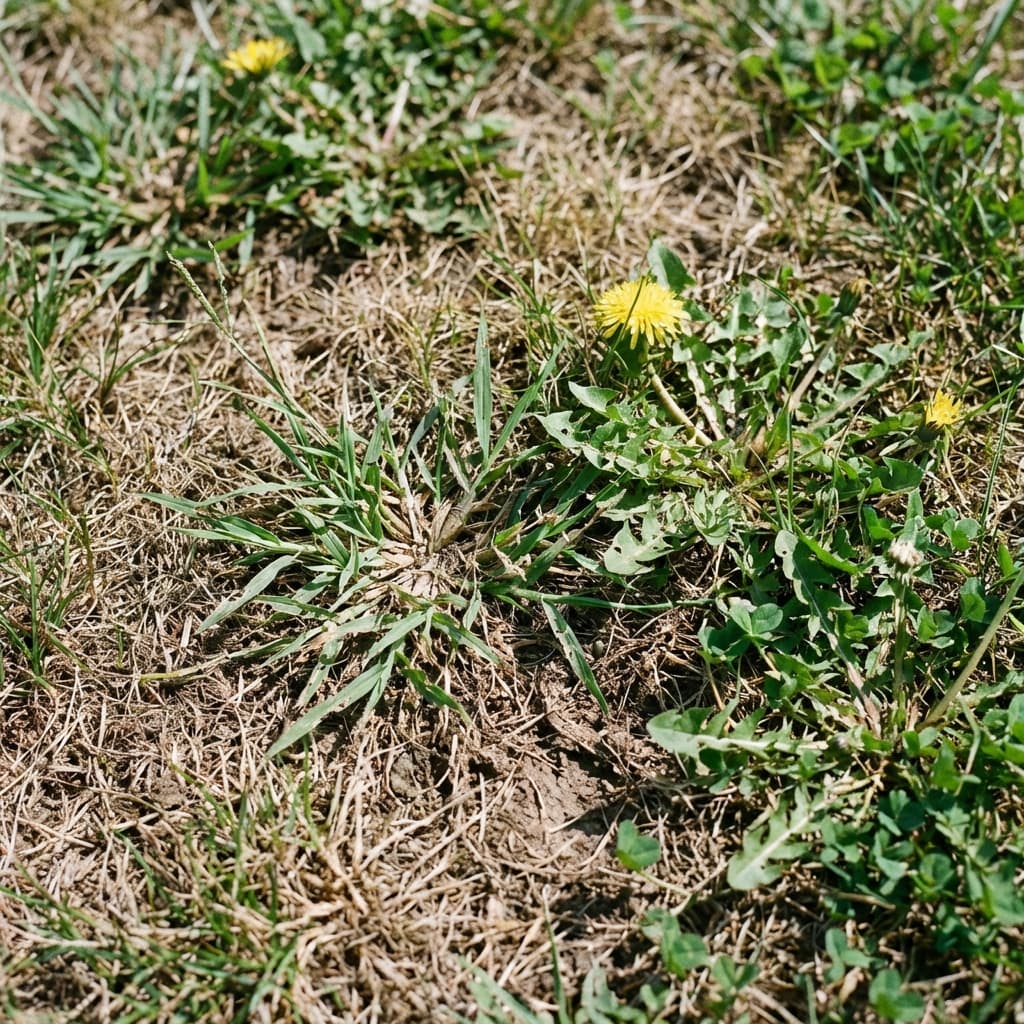
Lawn Fungus in Jacksonville: Identify the Cause Before Treatment
Brown patches need diagnosis. Learn why moisture and mowing history matter, what fairy-ring treatments can and cannot do, and when to get help.
Why Is My New Sod Turning Brown? Jacksonville Fix Guide
Troubleshoot and fix brown new sod in Jacksonville. Learn causes from underwatering to heat stress, diagnostic tests, and recovery solutions.
Moles Are Destroying Your Lawn: How to Identify, Prevent, and Repair the Damage
Those mysterious raised tunnels ruining your beautiful sod? That's mole damage. Learn how to identify mole activity, understand why they chose your yard, and what it takes to repair the destruction.
Let’s talk about your lawn
Ask our AI assistant a lawn question, or send the team a free installation estimate request.