Loading...
Back to Articles
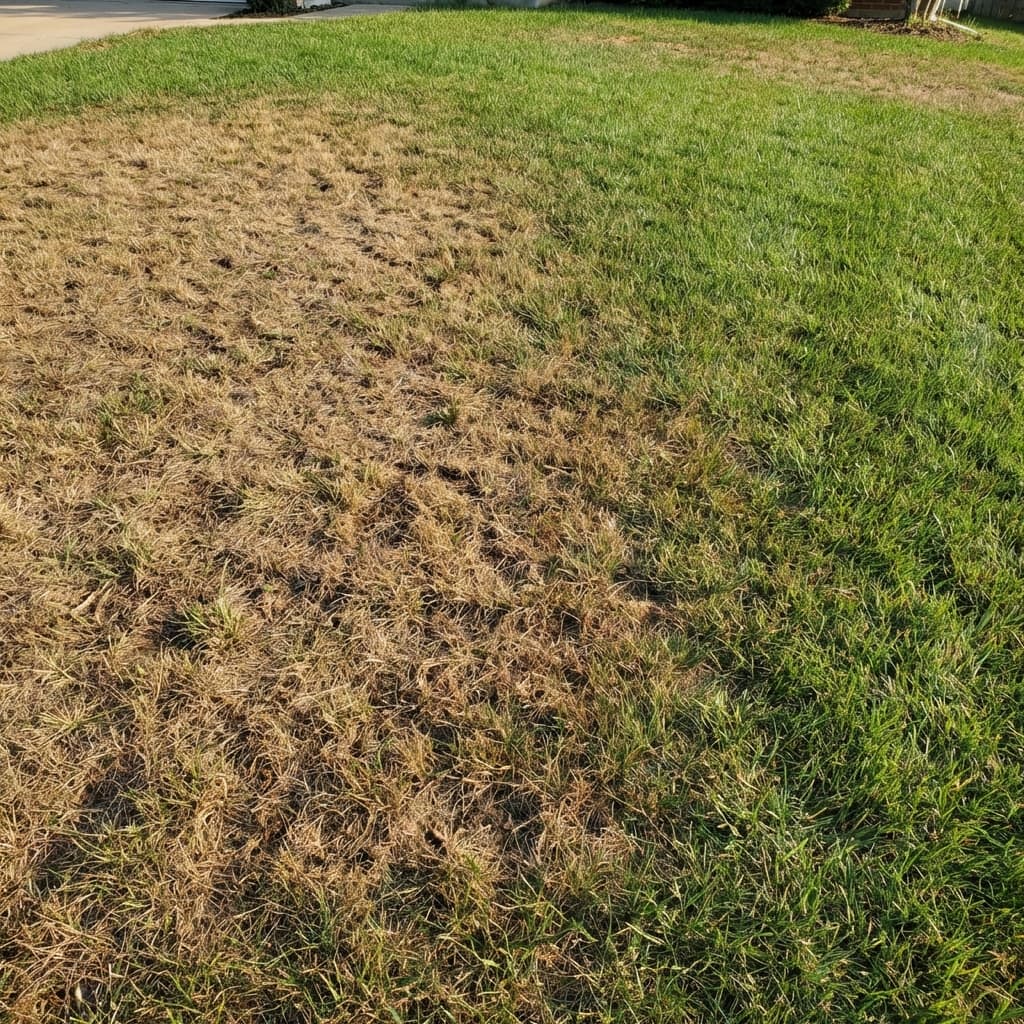
How to Fix Bare Spots in Your Jacksonville Lawn
Lawn Care January 15, 2026 12 min read
For sod, do not apply fertilizer before planting or as an early establishment shortcut. Follow the reviewed new-sod guidance.
Set irrigation from site conditions and the current rules for your property and water source. For new sod, use the dated care planner; a fixed schedule in an older guide is not permission to water.
Nothing ruins the look of a well-kept Jacksonville yard faster than bare spots. Whether it's a small patch near the driveway or an expanding dead zone creeping across your St. Augustinegrass, those brown and barren areas are more than just an eyesore — they're an open invitation for weeds, erosion, and further lawn decline.
Here in Northeast Florida, our Zone 9a/9b climate grows great grass — and also grows the pests and diseases that destroy it. As Jacksonville landscaping pros, we see bare spots in local lawns every week, and most of them are completely fixable once you know what caused them.
This guide covers how to figure out what's going on, pick the right repair method, and time your fix for the best results.
What Causes Bare Spots in Jacksonville Lawns?
Before you grab a bag of seed or call for sod delivery, you need to figure out why those bare spots appeared in the first place. Treating the symptom without addressing the root cause means you'll be right back where you started in a few weeks. Here are the most common culprits we see in Duval County and the surrounding areas.
Chinch Bugs
If there's a single pest that Jacksonville homeowners should fear, it's the Southern chinch bug (Blissus insularis). These tiny insects are the number-one destroyer of St. Augustinegrass lawns in Northeast Florida, and they're active from late spring through early fall — essentially our entire growing season.
Chinch bugs feed by piercing grass blades and sucking out plant juices while simultaneously injecting a toxin that blocks the plant's vascular system. The damage starts as irregular yellowish patches, usually in the sunniest and driest parts of your lawn — along driveways, sidewalks, and south-facing edges. Those yellow patches quickly turn brown and die, expanding outward as the chinch bug population spreads.
How to confirm chinch bugs: Get down on your hands and knees at the border between healthy grass and damaged grass. Part the turf at the soil line and look for small black-and-white insects about the size of a grain of rice. You can also do the "float test" — push a bottomless coffee can into the soil at the edge of the damage, fill it with water, and wait five minutes. Chinch bugs will float to the surface.
Fungal Diseases
Jacksonville's combination of heat, humidity, and frequent afternoon thunderstorms creates a paradise for lawn fungi. The most common fungal diseases causing bare spots in local lawns include:
-
Large Patch (Rhizoctonia solani): The most widespread fungal disease in Northeast Florida St. Augustinegrass and Zoysiagrass. It creates circular patches of yellowing, thinning turf that can expand to several feet in diameter. Large patch is most active in spring and fall when soil temperatures are between 60°F and 75°F.
-
Gray Leaf Spot (Pyricularia grisea): Particularly devastating to St. Augustinegrass during hot, humid summers. Look for olive-green to gray lesions on individual grass blades that expand rapidly during rainy periods. Severe infections can kill entire sections of turf.
-
Take-All Root Rot (Gaeumannomyces graminis): A sneaky root disease that causes irregular yellowing and thinning, often mistaken for nutrient deficiency. It's most active in stressed lawns with poor drainage or improper pH levels.
-
Dollar Spot (Clarireedia jacksonii): Creates small, silver-dollar-sized spots of straw-colored grass that can merge into larger bare areas. Common in lawns that are under-fertilized or drought-stressed.
How to confirm fungal disease: Look closely at individual grass blades for lesions, discoloration patterns, or fuzzy growth. Fungal patches often have a distinctive pattern — circular shapes, rings of discoloration, or a "frogged-eye" appearance. Early morning dew may reveal mycelium (white, web-like fungal threads) on the turf surface.
Excessive Shade
St. Augustinegrass — the dominant lawn grass in Jacksonville — needs a minimum of four to six hours of direct sunlight per day. As your landscape trees mature over the years, areas of your lawn that once thrived can gradually decline as the canopy fills in and blocks more light.
Shade-related bare spots tend to develop slowly. You'll notice the grass thinning over months or even years, becoming leggy and sparse before eventually dying out. These areas are often under large live oaks, magnolias, or clusters of crape myrtles common in Jacksonville neighborhoods.
Foot Traffic and Compaction
High-traffic areas — the path from the back door to the shed, the route the kids take to the trampoline, the spot where you park the trailer — develop compacted soil over time. Compacted soil prevents water, air, and nutrients from reaching grass roots. The turf weakens, thins out, and eventually dies.
Clay-heavy soils common in certain parts of Jacksonville (particularly areas west of the St. Johns River and parts of the Westside and Southside) are especially prone to compaction.
Pet Damage
If you have dogs, you've probably noticed circular dead spots in the lawn where they regularly urinate. Dog urine is high in nitrogen and salts, which essentially "burns" the grass when concentrated in one area. Female dogs tend to cause more damage because they squat and deposit urine in a single spot rather than marking multiple locations.
Pet damage spots are easy to identify — they're typically small (6 to 12 inches across), circular, and often have a ring of darker green grass around the perimeter (from the diluted nitrogen at the edge acting as fertilizer).
Other Common Causes
- Grub damage: White grubs (larvae of June bugs, masked chafers, and Japanese beetles) feed on grass roots, causing patches of turf that peel back like a carpet.
- Improper mowing: Scalping the lawn or mowing too low weakens the turf and creates entry points for pests and disease.
- Herbicide damage: Misapplied weed killers can damage or kill desirable turfgrass.
- Spill damage: Gasoline, fertilizer spills, or chemical accidents create concentrated dead zones.
How to Diagnose Bare Spots: A Step-by-Step Guide
Accurate diagnosis saves you time, money, and frustration. Follow this process before starting any repairs:
Step 1: Examine the Pattern
- Circular patches → Likely fungal disease
- Irregular expanding patches in sunny areas → Chinch bugs
- Gradual thinning under trees → Shade issues
- Worn paths or heavy-use areas → Traffic/compaction
- Small circular spots with green rings → Pet damage
- Turf peels up like carpet → Grubs
Step 2: Get Down and Look Closely
Kneel at the edge of the bare spot where dead grass meets healthy grass. This transition zone holds the most diagnostic clues. Part the grass and examine:
- The soil surface for insects
- Individual grass blades for lesions or discoloration
- The root zone for grub activity
- The thatch layer for fungal mycelium
Step 3: Check Your Maintenance History
Ask yourself: Did I recently apply any chemicals? Has the irrigation system been working properly? Did I skip fertilizer applications? Has there been unusual weather? Many bare spots trace back to a maintenance issue rather than a pest or disease.
Step 4: Consult a Professional If Needed
If you can't pinpoint the cause, it's worth getting a professional diagnosis before investing in repairs. The Duval County UF/IFAS Extension office is an excellent free resource, and local lawn care providers like Jax Sod can help identify the problem and recommend the right solution.
How to Repair Bare Spots in Your Jacksonville Lawn
Once you've identified and addressed the underlying cause, it's time to repair the damage. Here are the three most effective methods for Jacksonville lawns.
Method 1: Sod Plugs (Best for Small Spots)
Sod plugs are small circular or square pieces of sod — typically 2 to 4 inches in diameter — planted into the bare area at regular intervals. The plugs spread via stolons (runners) and fill in the bare spot over several weeks to months.
Best for: Small bare spots (under 2 square feet), gradual fill-in of thin areas, budget-friendly repairs.
Step-by-step process:
- Remove dead material. Rake out all dead grass, debris, and weeds from the bare area.
- Loosen the soil. Use a garden fork or tiller to loosen the top 2 to 3 inches of soil. If the soil is compacted, work in a thin layer (½ inch) of compost or topsoil.
- Cut your plugs. Use a sod plugger tool to cut plugs from a piece of fresh sod, or harvest them from a thick area of your existing lawn.
- Plant the plugs. Space plugs 6 to 12 inches apart in a staggered grid pattern. Closer spacing means faster fill-in.
- Firm and water. Press each plug firmly into the soil so it's level with the surrounding ground. Water the area thoroughly immediately after planting.
- Maintain moisture. Keep the plugged area consistently moist (not soggy) for the first two to three weeks.
Expected fill-in time: St. Augustinegrass plugs spaced 6 inches apart typically fill in within 6 to 10 weeks during the active growing season. Zoysiagrass plugs take longer — 10 to 16 weeks.
Method 2: Sod Patches (Best for Medium to Large Spots)
For bare spots larger than a couple of square feet, sod patches are the fastest and most reliable repair method. You're essentially cutting out the damaged section and replacing it with fresh, healthy sod — instant results.
Best for: Medium to large bare spots, areas where you want immediate coverage, high-visibility areas of the lawn.
Step-by-step process:
- Measure the area. Calculate the square footage of the bare spot so you know how much sod to order. Add 5 to 10 percent extra for trimming.
- Prepare the site. Remove all dead grass, weeds, and debris. Rake the area smooth and loosen the top 1 to 2 inches of soil.
- Level the grade. Add or remove soil so the bare area is about ¾ inch below the surrounding lawn level. This accounts for the thickness of the sod and ensures a flush finish.
- Lay the sod. Place fresh sod pieces tightly together with no gaps between seams. Stagger the joints like bricks. Trim edges with a sharp knife to fit the shape of the area.
- Roll and press. Use a lawn roller or step firmly on each piece to ensure solid root-to-soil contact. Eliminate air pockets.
- Water immediately. Soak the new sod and the surrounding existing turf thoroughly. The soil beneath the sod should be moist to a depth of 3 to 4 inches.
- Avoid foot traffic. Stay off the new sod for at least 2 weeks to allow roots to establish.
Jax Sod provides sod with installation. If bare areas need replacement, request an on-site estimate to discuss the property and suitable grass options.
Method 3: Reseeding (Limited Options in Jacksonville)
Reseeding is a common lawn repair technique in many parts of the country, but it has limited applications in Jacksonville because our most popular grass types don't establish well from seed:
- St. Augustinegrass is not commercially available as seed. It must be installed as sod, plugs, or sprigs.
- Zoysiagrass can technically be grown from seed, but germination is slow and inconsistent. Sod is strongly preferred.
- Bermudagrass establishes well from seed and is the best candidate for seeding repairs in Jacksonville. Common Bermuda seed is affordable and germinates in 7 to 14 days in warm soil.
- Bahiagrass can also be established from seed, though it's slower to germinate (14 to 28 days) and produces a coarser-textured lawn.
If reseeding Bermuda or Bahia:
- Rake the bare area to remove debris and loosen the soil surface.
- Spread seed at the recommended rate (1 to 2 pounds per 1,000 square feet for Bermuda; 5 to 10 pounds for Bahia).
- Lightly rake the seed into the top ¼ inch of soil.
- Apply a thin layer of straw mulch or peat moss to retain moisture.
- Avoid mowing until the new grass reaches 3 inches tall.
Bottom line for Jacksonville homeowners: For St. Augustine and Zoysia lawns — which account for the vast majority of lawns in our area — sod plugs or sod patches are your repair options. And honestly, for most people, a sod patch is the easiest, fastest, and most reliable fix.
Best Time to Repair Bare Spots in Jacksonville
Timing matters. Repairing bare spots during the wrong season can waste your time and money.
Ideal Repair Window: Late Spring Through Early Fall (April – September)
Jacksonville's warm-season grasses (St. Augustine, Zoysia, Bermuda, Bahia) grow most vigorously when soil temperatures are consistently above 65°F and daytime air temperatures are in the 80s and 90s. This is when your sod patches and plugs will root fastest and fill in most quickly.
- April–May: Excellent time for repairs. Warm soil, increasing daylight, and regular rainfall support rapid establishment.
- June–August: Sod will root quickly in the heat, but you'll need to water aggressively. Afternoon thunderstorms help, but don't rely on them — supplemental irrigation is essential.
- September: Still a good repair window, though growth starts to slow as days shorten.
Acceptable but Less Ideal: Early Spring and Early Fall (March and October)
You can lay sod patches during these shoulder months, but establishment will be slower. Avoid heavy fertilization during these periods, as it can encourage fungal disease — particularly Large Patch, which is most active when soil temps are between 60°F and 75°F.
Avoid: Late Fall and Winter (November – February)
Warm-season grasses go dormant or semi-dormant during Jacksonville's mild winters. Sod laid in winter will survive but won't actively root or spread. You're essentially babysitting expensive sod for months until spring arrives. If you have bare spots in winter, it's best to plan your repair for the following spring.
How to Prevent Bare Spots From Coming Back
Fixing bare spots is only half the battle. Here's how to keep your Jacksonville lawn thick, healthy, and spot-free year-round.
Maintain a Proper Mowing Height
St. Augustinegrass should be mowed at 3.5 to 4 inches — never shorter. Zoysiagrass performs best at 2 to 3 inches. Mowing too low stresses the turf, reduces root depth, and makes your lawn more vulnerable to pests, disease, and drought.
Water Correctly
Jacksonville lawns need about ¾ to 1 inch of water per week, including rainfall. Deep watering encourages deep root growth, which makes your lawn more resilient. Follow the St. Johns River Water Management District watering restrictions for your assigned irrigation days.
Fertilize on Schedule
Follow the UF/IFAS fertilization guidelines for your grass type. In Jacksonville, most St. Augustinegrass lawns benefit from 2 to 4 fertilizer applications per year between April and October. Avoid fertilizing during the cooler months when the grass isn't actively growing — excess nitrogen during dormancy promotes disease.
Monitor for Pests Early
Walk your lawn at least once a week during the growing season. Catching chinch bugs, grubs, or fungal disease early — when the affected area is small — is far easier and cheaper than dealing with large-scale damage. If you notice any yellowing or thinning patches, investigate immediately.
Aerate Compacted Areas
If you have high-traffic zones, aerate the soil annually in late spring or early summer. Core aeration pulls small plugs of soil out of the ground, relieving compaction and improving water and nutrient penetration. This is especially important for clay-heavy soils.
Address Shade Issues
If trees have grown and are shading out your lawn, consider selective pruning or limb-raising to allow more light to reach the turf. For areas with dense, permanent shade, consider switching to a shade-tolerant groundcover like Asiatic jasmine, mondo grass, or mulched bed areas rather than fighting a losing battle with turfgrass.
Manage Pet Traffic
If dog urine spots are a recurring problem, train your dog to use a designated area of the yard (ideally a mulched or gravel section). You can also water the spot immediately after your dog urinates to dilute the nitrogen concentration and minimize burn damage.
When to Call a Professional
Some bare spot problems are straightforward DIY projects. Others require professional intervention. Consider calling in a pro if:
- The bare spots cover more than 25 percent of your lawn
- You can't identify the cause
- Fungal disease keeps recurring despite treatment
- You suspect a soil or drainage issue
- You want the job done right the first time with professional-grade sod installation
Jax Sod supplies sod with installation. Request an on-site estimate if you want help replacing bare or failing areas of your lawn.
The bottom line
Bare spots are frustrating, but they're fixable. Figure out what caused them, fix the underlying problem, patch with fresh sod, and adjust your maintenance so it doesn't happen again.
For most Jacksonville lawns, a sod patch is the fastest and most reliable repair. Fresh sod gives you instant coverage, roots quickly in our warm climate, and blends in with the existing lawn within a few weeks.
Don't let bare spots spread — they only get worse. Contact Jax Sod if you need fresh sod for patching or want help diagnosing what's going on.
Need Professional Sod Installation?
Jax Sod provides sod installation, sod replacement, and new lawn installation across Jacksonville and Northeast Florida. Free quotes!
Related Articles
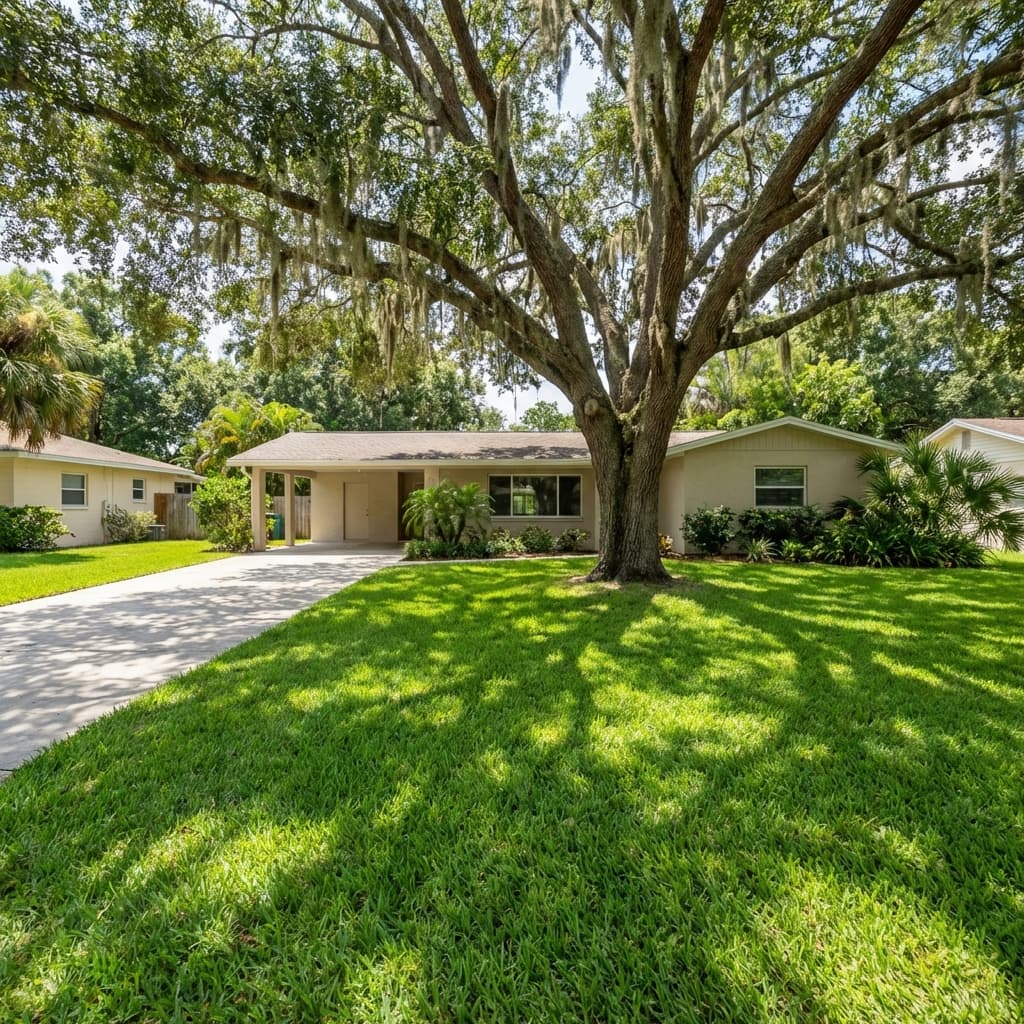
Lawn Turning Brown in Spots Jacksonville: Diagnose & Fix
Lawn Turning Brown in Spots Jacksonville: Diagnose & Fix. Review the site, scope and current written quote before deciding.
5 Signs Your Lawn Needs to Be Replaced (Not Just Repaired)
Is your lawn beyond saving? Learn when it makes more sense to start fresh with new sod instead of fighting a losing battle with repairs.
Arlington Jacksonville Lawn Care
Arlington Jacksonville Lawn Care. Review the site, scope and current written quote before deciding.
Let’s talk about your lawn
Ask our AI assistant a lawn question, or send the team a free installation estimate request.