When Is the Best Time to Lay Sod in Jacksonville, FL?
If you're a Jacksonville homeowner staring at a patchy, worn-out lawn and wondering when to pull the trigger on fresh sod, you're asking the right question. Timing matters — a lot. Lay sod during the wrong window and you'll fight an uphill battle against heat stress, cold snaps, or root rot. Get the timing right, and your new lawn will root deeply, green up fast, and reward you with years of curb appeal.
As landscaping professionals who've installed sod across Northeast Florida — from the shady lots of San Marco to the sunny new-construction sites in Nocatee — we've seen firsthand how Jacksonville's subtropical climate creates both opportunities and challenges for sod installation. Here's the definitive guide to choosing the best time to lay sod in Jacksonville, FL.
Understanding Jacksonville's Climate: Zone 9a and 9b
Before we talk seasons, let's talk climate zones. Jacksonville sits across USDA Hardiness Zones 9a and 9b. Most of the city — including neighborhoods like Arlington, Mandarin, and the Westside — falls in Zone 9a, where average annual minimum temperatures range from 20°F to 25°F. Coastal communities like Jacksonville Beach, Neptune Beach, and Ponte Vedra lean toward Zone 9b, where lows rarely dip below 25°F to 30°F thanks to the ocean's moderating effect.
What does this mean for your sod project? It means Jacksonville enjoys a long growing season — roughly March through November — that gives warm-season grasses plenty of time to establish. But it also means our summers bring brutal heat and afternoon thunderstorms, and our winters, while mild, can deliver the occasional hard freeze that catches newly installed sod off guard.
Jacksonville's Rainfall Patterns
Northeast Florida's rainfall is anything but evenly distributed. We receive about 50 inches of rain per year, but the bulk of it arrives during the wet season from June through September. Afternoon thunderstorms during these months can dump an inch or more in under an hour. Spring and fall tend to be drier, and winter rainfall is moderate but inconsistent.
This rainfall pattern plays a direct role in sod installation timing. Too much rain on freshly laid sod can cause fungal issues and waterlogged soil. Too little rain means you'll be running your irrigation system overtime — and paying the water bill to prove it.
The Best Season to Lay Sod in Jacksonville
Spring: The Gold Standard (March – May)
If you can only pick one season, spring is the best time to lay sod in Jacksonville. Here's why:
- Rising soil temperatures. By mid-March, soil temps in Northeast Florida climb into the mid-60s and above — the threshold where warm-season grasses like St. Augustine and Bermuda kick into active growth. Roots spread aggressively when soil temperatures sit between 65°F and 80°F.
- Moderate air temperatures. Daytime highs in the 75°F to 85°F range are ideal for sod establishment. The grass isn't fighting heat stress, and you're not fighting hypothermia while laying it.
- A full growing season ahead. Sod laid in March or April has six to eight months of warm weather to develop a deep, mature root system before winter dormancy. By the time the first cool nights arrive in November, your lawn is bulletproof.
- Manageable rainfall. Spring in Jacksonville is relatively dry compared to summer. You'll still need to water consistently, but you won't be battling soggy conditions or the fungal diseases that thrive in summer humidity.
For most Jacksonville homeowners — whether you're in a sprawling Julington Creek yard or a compact lot in Riverside — a spring sod installation sets you up for the best possible outcome.
Fall: The Smart Second Choice (September – November)
Fall is an excellent — and often underrated — time to install sod in Jacksonville. Once the peak summer heat breaks in late September and October, conditions become surprisingly favorable:
- Decreasing temperatures. As daytime highs settle into the 70s and 80s and nighttime lows drop into the 50s and 60s, newly laid sod experiences less transpiration stress. The grass can focus its energy on root development instead of just staying alive.
- Reduced disease pressure. The oppressive humidity of summer begins to ease in October, which means fewer problems with gray leaf spot, brown patch, and large patch fungus — all common enemies of newly installed St. Augustine sod.
- Lower water demand. Shorter days and cooler temperatures mean your new sod won't dry out as quickly. You'll still need to water diligently for the first two to three weeks, but the overall water requirement is lower than a summer installation.
- Enough warm weather remaining. A sod installation in early October still has roughly six to eight weeks of active growing conditions before the first potential frost. That's enough time for roots to anchor, though the lawn won't be as deeply established as one laid in spring.
One important caveat: Don't wait too late into fall. Sod laid in late November or December may not have enough time to root before winter cold slows growth. If the roots haven't grabbed hold and we get a hard freeze in January, you could lose sections of your new lawn. Aim for early-to-mid October as the sweet spot for fall sod installation in Jacksonville.
Summer: It Can Be Done, But Proceed with Caution (June – August)
Summer sod installation in Jacksonville is entirely possible — we do it regularly — but it demands more effort, more water, and more vigilance. Here's what you're up against:
- Extreme heat. July and August temperatures routinely hit the mid-90s, and the heat index can push well past 100°F. Freshly laid sod that hasn't rooted yet is extremely vulnerable to heat stress. The pads can literally cook on hot soil if they dry out.
- Afternoon storms. Jacksonville's summer thunderstorms are a double-edged sword. The rain helps keep sod moist, but intense downpours on unrooted sod can shift pads, create washouts on slopes, and promote fungal growth.
- Increased watering requirements. During a summer installation, you may need to water your new sod two to three times per day for the first week or two. That's not an exaggeration — it's a necessity. The combination of high temperatures, intense sun, and wind can dry out sod pads in hours.
- Insect and disease pressure. Summer is peak season for chinch bugs, sod webworms, and fungal diseases in Northeast Florida. Newly stressed sod is more susceptible to all of them.
If you must install sod in summer, here are some tips from our crew:
- Schedule installation for early morning. Get the sod down before the afternoon heat hits.
- Water immediately. Start irrigating each section as soon as it's laid — don't wait until the entire yard is complete.
- Keep foot traffic off the lawn for at least two to three weeks.
- Monitor for fungus and treat proactively with a preventive fungicide if needed.
Winter: Generally Not Recommended (December – February)
Winter is the least ideal time for sod installation in Jacksonville, though our mild climate makes it more viable here than in most of the country. The main concerns:
- Dormancy. Most warm-season grasses go semi-dormant when soil temperatures drop below 55°F to 60°F. Dormant grass doesn't actively grow new roots, which means your sod is just sitting on top of the soil rather than anchoring into it.
- Freeze risk. While hard freezes are uncommon in Jacksonville, they do happen. Temperatures in the low 20s can damage or kill unrooted sod, particularly St. Augustine varieties.
- Slow establishment. Even if the sod survives winter, it won't truly begin establishing until temperatures warm in March. That means three to four months of a lawn that looks okay on the surface but hasn't developed the root system it needs.
That said, if you have an urgent need — a new construction project, an HOA deadline, or a major event — winter sod installation can work in Jacksonville. Just understand that the lawn will need extra patience and TLC through the cooler months before it truly takes off in spring.
Timing by Grass Type: St. Augustine vs. Bermuda
Not all grasses are created equal, and the best installation window depends partly on what variety you're laying.
St. Augustine Sod
St. Augustine is the dominant lawn grass in Jacksonville and across Northeast Florida. Varieties like Floratam, Palmetto, CitraBlue, and Seville are all well-adapted to our climate. St. Augustine is a warm-season grass that thrives in temperatures between 80°F and 95°F and goes semi-dormant below 55°F.
Best installation window: Mid-March through mid-June, or early September through mid-October.
St. Augustine is somewhat less cold-tolerant than Bermuda, so it benefits from the longest possible warm-season runway for establishment. Spring installations are particularly ideal because they give the grass a full growing season to develop the dense, thick mat of stolons that makes St. Augustine so attractive.
If you're laying St. Augustine sod in a shady yard — common in older Jacksonville neighborhoods like Ortega, Avondale, and San Jose where mature live oaks create heavy canopy cover — Palmetto, Seville, or CitraBlue are better variety choices than Floratam, which needs at least six hours of direct sun.
Bermuda Grass Sod
Bermuda grass is the go-to choice for full-sun lawns, athletic fields, and homeowners who want an aggressively growing, durable turf. Common varieties in the Jacksonville area include Celebration, TifTuf, Tifway 419, and Bimini.
Best installation window: April through mid-August.
Bermuda is more heat-tolerant than St. Augustine and actually thrives during Jacksonville's hottest months. It also recovers from stress faster, which makes summer installation more forgiving. However, Bermuda is somewhat more cold-sensitive in terms of green color — it will brown out earlier in fall and stay dormant longer in spring than well-established St. Augustine.
The trade-off? Bermuda establishes faster. A Bermuda lawn laid in May can be fully rooted and mow-ready in as little as two to three weeks under ideal conditions. St. Augustine typically takes three to four weeks or longer.
Zoysia Grass Sod
While less common in Jacksonville, Zoysia varieties like Empire and Innovation are gaining popularity for their drought tolerance and fine texture. Zoysia is slower to establish than either St. Augustine or Bermuda.
Best installation window: April through June.
Zoysia really needs the full growing season ahead of it to establish properly. Fall installations of Zoysia in Jacksonville can be risky because the grass may not root deeply enough before winter.
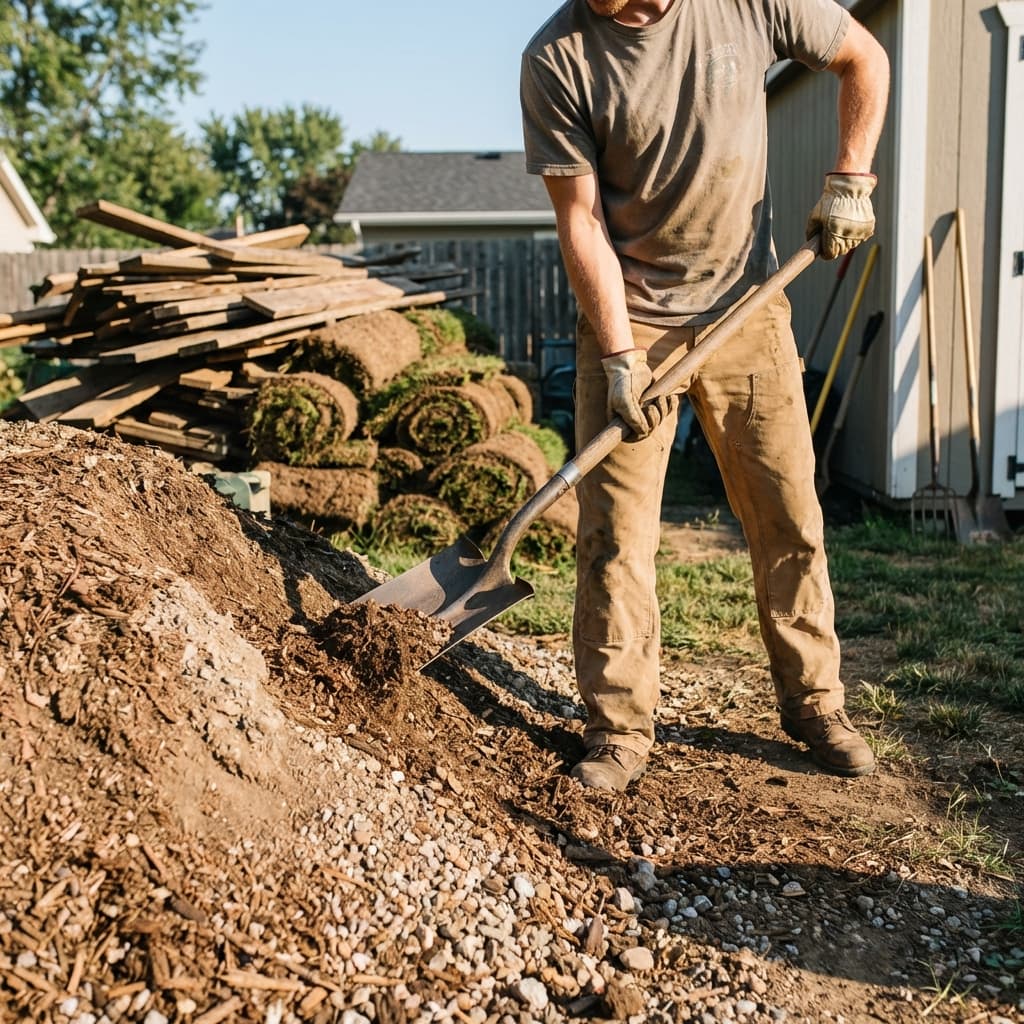
Soil Preparation: The Step You Can't Skip
No matter when you lay sod, proper soil preparation is the foundation — literally — of a successful installation. Jacksonville's native soil varies widely. Sandy soils dominate much of the Beaches, Southside, and Northside areas, while clay-heavy soil is more common in parts of the Westside and areas along the St. Johns River bluffs.
How to Prep Your Soil for Sod
-
Remove existing vegetation. Kill or strip the old lawn. If you're using herbicide, apply it two to three weeks before installation to allow the product to fully work and break down.
-
Grade the soil. Ensure proper drainage away from your home's foundation. A slope of about 1 to 2 percent away from the house is ideal. This is especially important in low-lying Jacksonville neighborhoods prone to standing water during summer storms.
-
Amend the soil if needed. Jacksonville's sandy soils benefit from organic matter to improve moisture and nutrient retention. Spread a half-inch to one-inch layer of quality compost and till it into the top three to four inches of soil. For heavy clay soil, sand and compost amendments improve drainage.
-
Level and firm the surface. Rake the soil smooth and use a lawn roller to lightly firm the surface. You want the soil level to sit about one inch below sidewalks and driveways so the sod surface will be flush when installed.
-
Apply a starter fertilizer. A balanced starter fertilizer (something like a 10-10-10 or a phosphorus-rich blend) worked into the top inch of soil gives new roots the nutrients they need to spread quickly.
-
Moisten the soil. Lightly water the prepared soil the day before sod installation. The surface should be damp but not muddy when the sod arrives.
Watering Your New Sod: The First 30 Days
Watering is the single most important factor in whether your new sod thrives or dies. Here's a schedule that works well for Jacksonville's climate:
Week 1: Keep It Wet
Water two to three times daily — early morning, midday, and late afternoon — for 15 to 20 minutes per session. The goal is to keep the sod and the soil beneath it consistently moist. Lift a corner of a sod pad to check: the soil should be wet to a depth of three to four inches.
Week 2: Begin Tapering
Reduce watering to once or twice daily. The sod should be starting to root — you'll feel resistance when you tug on a pad. Continue watering deeply enough to keep the root zone moist.
Weeks 3–4: Transition to Deep, Infrequent Watering
Water every other day, but increase the duration to encourage roots to grow deeper. By the end of week three or four, you should be watering about three-quarters of an inch to one inch per session.
After 30 Days: Establish a Normal Schedule
Once your sod is rooted, transition to a standard Jacksonville watering schedule: two to three times per week during warm months, once a week or less during cooler months. Follow the St. Johns River Water Management District's irrigation restrictions — typically watering is allowed two days per week for most Duval County addresses.
Pro tip: Water early in the morning (before 10 a.m.) to minimize evaporation and reduce the risk of fungal disease. Evening watering leaves moisture on the blades overnight, which is an open invitation for fungus in Jacksonville's humid climate.
Signs Your Sod Is Establishing Successfully
How do you know your new lawn is taking hold? Look for these indicators:
- Root attachment. Within 10 to 14 days, you should feel firm resistance when you gently pull on a sod pad. By three to four weeks, the roots should be deeply anchored and the pads impossible to lift.
- New growth. You'll notice the grass blades growing taller and the color deepening from the slightly stressed yellow-green of fresh sod to a rich, vibrant green.
- Seams disappearing. The gaps between sod pads should fill in with new lateral growth (stolons for St. Augustine, runners for Bermuda) within three to six weeks.
- Mowing readiness. Once the grass reaches three to four inches (for St. Augustine) or two to three inches (for Bermuda), it's time for the first mow. Use a sharp blade and never remove more than one-third of the grass height at a time.
Frequently Asked Questions
Can I lay sod in January in Jacksonville?
You can, but it's not ideal. The sod will survive in most cases — Jacksonville winters are mild enough — but it won't actively root until temperatures warm in March. If you have a time-sensitive project, it's doable with the understanding that establishment will be delayed.
How long does sod take to root in Jacksonville?
In optimal conditions (spring or early fall, proper watering), most sod varieties root within 10 to 21 days. Summer installations may root faster due to heat-driven growth, but the sod is under more stress. Winter installations can take 30 days or longer.
Should I fertilize new sod right away?
Apply a starter fertilizer at or just before installation. Wait four to six weeks before applying a standard lawn fertilizer, and follow Duval County's fertilizer blackout period (June 1 through September 30) to comply with local ordinances designed to protect the St. Johns River.
Is it better to install sod myself or hire a professional?
DIY sod installation is certainly possible for small to mid-sized lawns. However, professional installation ensures proper soil preparation, precise grading, tight seams, and efficient watering setup — all factors that dramatically affect long-term success. For larger projects or challenging sites, working with an experienced local team saves time, reduces waste, and takes the guesswork out of the process.
Ready to get started?
Timing is half the battle. The other half is quality sod and proper installation. Whether you're refreshing a tired lawn in Mandarin, starting from scratch on a new build in Town Center, or repairing storm damage on the Northside, getting the right sod in the ground at the right time makes all the difference.
At Jax Sod, we help Jacksonville homeowners pick the right grass for their yard and deliver farm-fresh sod ready for installation. If you're planning a project and want to make sure the timing, variety, and soil prep are dialed in, reach out to our team — we're happy to help.
Need Professional Sod Installation?
Jax Sod connects you with expert installers across Jacksonville and Northeast Florida. Over 40 Years of experience. Free quotes!
Related Articles

Can You Lay Sod Over Existing Grass in Jacksonville?
Learn why laying sod over existing grass in Jacksonville fails and the right way to prepare your yard for new sod installation. Expert advice from Jax Sod.

Why Professional Sod Installation Beats DIY Every Time
Think laying sod is as simple as rolling out carpet? Think again. Learn why professional installation from Jax Sod delivers results that DIY simply can't match.

10 Sod Installation Mistakes to Avoid in Jacksonville
Avoid costly sod installation mistakes in Jacksonville. Learn the top 10 errors homeowners make and how to install your lawn correctly the first time.
Ready to Transform Your Lawn?
Get a free, no-obligation quote from Jacksonville's trusted sod experts. With over 40 years of experience, we'll connect you with the right installers for a perfect lawn.