Loading...
Back to Articles
Chinch Bug Damage in Jacksonville: How to Identify, Treat, and Prevent It in St. Augustine Lawns
Grass Types February 15, 2026 11 min read
For current costs, compare the exact product or written project scope. See what to include in a sod estimate; this guide does not establish a current price, saving or resale return.
If you've noticed mysterious brown patches spreading across your beautiful St. Augustine lawn here in Jacksonville, you might be dealing with one of the most destructive lawn pests in Northeast Florida: chinch bugs. These tiny insects can wreak havoc on your grass faster than you might expect, especially during our hot, humid summers.
Don't panic, though. With the right knowledge and approach, you can identify, treat, and prevent chinch bug damage to keep your lawn looking its best year-round. Let's dive into everything you need to know about these pesky critters and how to protect your investment in quality sod.
What Are Chinch Bugs and Why Do They Love Jacksonville?
Chinch bugs are small, black insects with white wings that measure only about 1/6 of an inch long. While they might seem insignificant, these tiny pests are notorious for causing extensive damage to St. Augustine grass – the most popular lawn type in Jacksonville and throughout Northeast Florida.
Our region's climate creates the perfect storm for chinch bug infestations. Jacksonville's hot, humid summers combined with our sandy soil conditions provide an ideal breeding ground for these destructive insects. They thrive in temperatures between 70-100°F, which means they're active for much of our growing season.
Chinch bugs feed by inserting their needle-like mouthparts into grass blades and sucking out the plant juices. As they feed, they inject a toxin that prevents the grass from uptaking water and nutrients, causing it to yellow, brown, and eventually die. What makes them particularly dangerous is their rapid reproduction rate – they can produce multiple generations in a single season, with populations exploding quickly under the right conditions.
Visual Signs of Chinch Bug Damage
The first step in dealing with chinch bugs is recognizing the damage they cause. Unlike other common lawn issues in Jacksonville, chinch bug damage has some distinctive characteristics:
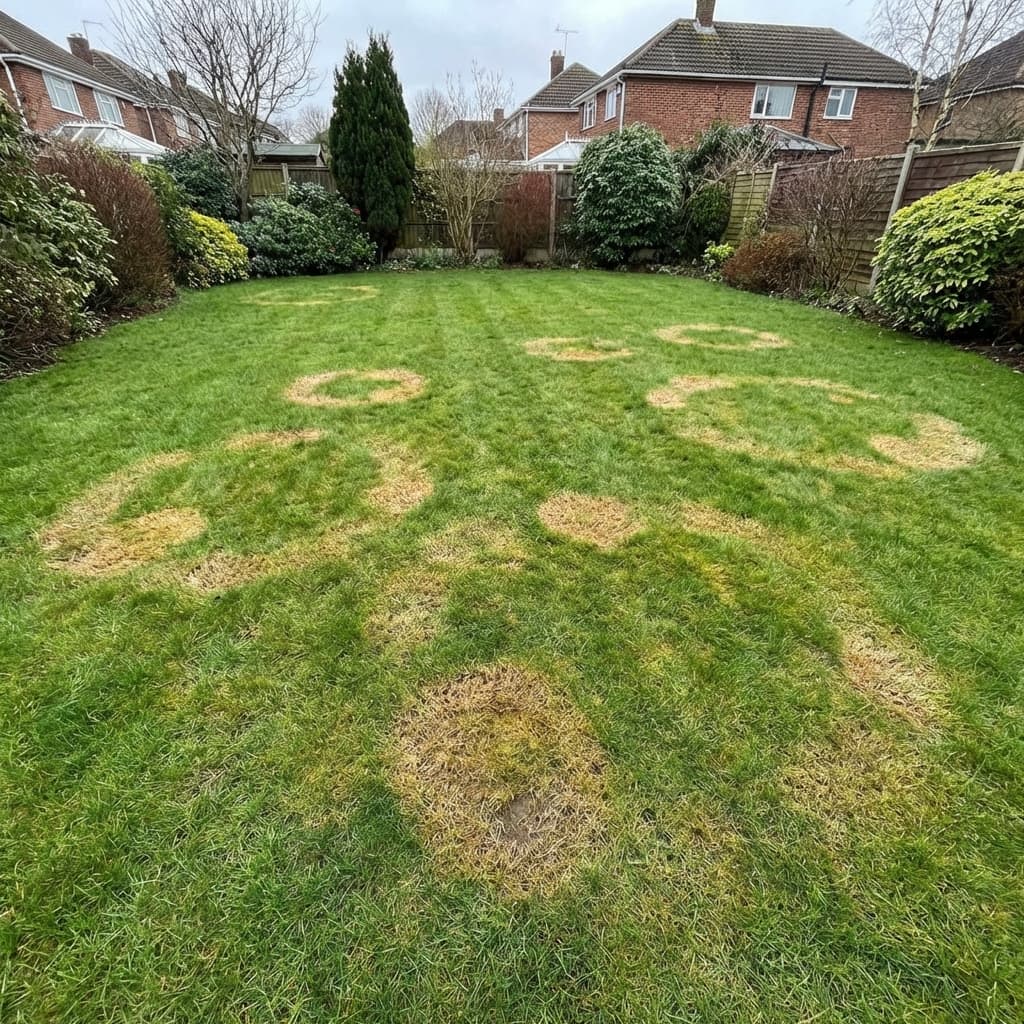
Irregular Brown Patches: Unlike brown patch fungus, which creates circular patches with distinct borders, chinch bug damage typically appears as irregular, spreading areas of yellowing and browning grass.
Sun-Exposed Areas First: Chinch bugs prefer hot, sunny locations, so you'll usually see damage in the areas of your lawn that receive the most direct sunlight throughout the day. Shaded areas under trees or near structures are typically spared initially.
Progressive Spreading: The damage doesn't happen overnight. You'll notice it starts in small areas and gradually spreads outward as the bug population grows and moves to new feeding areas.
Yellow Halos: Often, you'll see a yellow "halo" of stressed grass surrounding the brown, dead areas. This indicates where the bugs are actively feeding and moving outward.
The Chinch Bug Tug Test
Here's a simple field test that can help distinguish chinch bug damage from other lawn problems: the tug test. Grab a handful of damaged grass and give it a gentle pull. If it comes up easily with little to no root system attached, you're likely dealing with chinch bugs. This happens because the insects' toxins prevent the grass from absorbing water and nutrients, causing the root system to weaken and die.
In contrast, grass affected by other issues like common lawn pests or disease will typically have more intact root systems, even when the above-ground portion is damaged.
Confirming the Presence of Chinch Bugs
To definitively confirm chinch bugs are the culprit, you'll need to actually find the insects themselves. Here are two effective methods:
The Coffee Can Method: Remove both ends of a coffee can or large soup can. Push one end about two inches into the soil at the border between healthy and damaged grass. Fill the can with water and wait 10-15 minutes. If chinch bugs are present, they'll float to the surface.
The Magnifying Glass Method: Get down close to your lawn with a magnifying glass and look at the base of grass plants, particularly in the transition zone between healthy and damaged areas. Adult chinch bugs are black with white, diamond-shaped patches on their backs, while nymphs are smaller and reddish-orange.
Understanding Chinch Bug Damage Patterns in Northeast Florida
Chinch bug infestations in Jacksonville follow fairly predictable patterns based on our local climate and seasonal conditions.
Seasonal Activity Patterns
Spring Emergence (March-April): As temperatures consistently reach the 70s, overwintering adult chinch bugs become active and begin laying eggs. This is when you might first notice small areas of damage beginning to appear.
Peak Activity (May-September): Our hot, humid summer months see explosive population growth. This is when damage becomes most severe and spreads most rapidly across your lawn.
Fall Slowdown (October-November): As temperatures cool, chinch bug activity decreases, but they don't disappear entirely. Late fall is actually an excellent time for preventive treatments.
Preferred Lawn Conditions
Chinch bugs are particularly attracted to:
- Stressed lawns: Grass that's already struggling from drought, over-fertilization, or poor maintenance practices
- Thick thatch layers: Dense thatch provides protection and breeding habitat
- Sunny, hot areas: South-facing slopes and open lawn areas receive the most damage
- Dry conditions: While they need some moisture to survive, chinch bugs thrive when grass is slightly drought-stressed
This is why proper irrigation practices are so crucial for prevention.
Treatment Options: Chemical vs. Organic Approaches
When it comes to treating chinch bug infestations, Jacksonville homeowners have several options. The best approach depends on the severity of the infestation, your personal preferences, and environmental considerations.
Chemical Treatment Options
Granular Insecticides: Products containing bifenthrin, clothianidin, or imidacloprid are highly effective against chinch bugs. Apply these according to label directions, typically requiring watering in immediately after application.
Liquid Spray Treatments: These work faster than granular options and allow for more precise application. Look for products specifically labeled for chinch bug control on St. Augustine grass.
Professional Applications: For severe infestations, professional pest control services can apply restricted-use pesticides that aren't available to homeowners. At Jax Sod, we often recommend this approach for customers dealing with extensive damage.
Organic and Natural Treatment Methods
Beneficial Insects: Encourage natural predators like big-eyed bugs, minute pirate bugs, and lacewings by maintaining diverse plant life around your property and avoiding broad-spectrum pesticides.
Diatomaceous Earth: Food-grade diatomaceous earth can help control chinch bug populations when applied during calm weather conditions. Reapplication is necessary after rain or irrigation.
Neem Oil: This natural pesticide disrupts the life cycle of chinch bugs and is safer for beneficial insects when used properly.
Soap Spray Solutions: A simple mixture of mild dish soap and water can help control small populations, though it's less effective against heavy infestations.
Timing Your Treatment
Regardless of which treatment method you choose, timing is crucial for success:
- Early intervention is key: Treat at the first signs of damage rather than waiting for extensive browning
- Target egg-laying periods: In Jacksonville, this typically means treatments in late April/early May and again in mid-to-late summer
- Consider multiple applications: Most treatments require follow-up applications to break the reproductive cycle
Prevention: The Best Defense Against Chinch Bugs
As with most lawn care challenges in Jacksonville, prevention is far more effective and economical than treatment after the fact.
Cultural Practices for Prevention
Proper Fertilization: Avoid over-fertilizing with nitrogen, which can make grass more attractive to chinch bugs. Follow soil test recommendations and use slow-release fertilizers when possible.
Appropriate Irrigation: Maintain consistent soil moisture without overwatering. Deep, infrequent watering encourages strong root systems that can better withstand pest pressure. Check out our irrigation guide for specific recommendations for Northeast Florida.
Thatch Management: Keep thatch layers under ½ inch thick through regular dethatching. Excessive thatch provides hiding places and breeding habitat for chinch bugs.
Proper Mowing: Maintain St. Augustine grass at the recommended height of 3-4 inches. Taller grass shades the soil, reducing the hot, dry conditions chinch bugs prefer.
Lawn Health and Resistance
A healthy, vigorous lawn is your best defense against chinch bug damage. This means:
Choosing the Right Grass: While chinch bugs can attack any St. Augustine variety, some cultivars show better resistance. When considering new sod installation or overseeding, discuss resistant varieties with your local supplier. Our team at Jax Sod can help you select the best options for your specific site conditions.
Soil Health: Maintain proper soil pH (6.0-7.0 for St. Augustine) and ensure adequate organic matter content. Healthy soil supports stronger grass that can better withstand pest pressure.
Stress Reduction: Address issues like soil compaction, drainage problems, and shade stress that can make your lawn more susceptible to pest damage.
Monitoring and Early Detection
Establish a regular lawn inspection routine:
- Weekly walks: Take time each week to walk your entire lawn, looking for early signs of damage
- Focus on high-risk areas: Pay special attention to sunny, south-facing areas and sections that tend to dry out first
- Keep records: Note when and where you see problems to help identify patterns and time treatments effectively
DIY vs. Professional Treatment: When to Call in the Experts
Many Jacksonville homeowners wonder whether to tackle chinch bug problems themselves or hire professionals. Here's how to make that decision:
When DIY Treatment Makes Sense
Small, localized infestations: If you catch the problem early and damage is limited to a few small areas, homeowner-applied treatments can be very effective.
Budget considerations: DIY treatments are typically less expensive upfront, though they may require multiple applications.
Time and interest: If you enjoy lawn care and have the time to properly apply treatments and monitor results, DIY can be rewarding.
When to Call Professionals
Repeated failures: If you've tried DIY treatments without success, professionals have access to more effective products and application techniques.
Time constraints: Professional treatments are typically more efficient and require less of your personal time.
Integrated management: Professionals can address underlying lawn health issues that may be contributing to pest problems, not just treat the symptoms.
At Jax Sod, we often work with customers who need both professional pest control and lawn renovation services to restore heavily damaged areas.
Repairing Chinch Bug Damage in Your Jacksonville Lawn
Once you've successfully treated the chinch bug infestation, you'll likely need to repair the damaged areas. The extent of repair needed depends on how quickly you identified and treated the problem.
Minor Damage Repair
For small areas with minimal root damage:
- Increase irrigation to help stressed grass recover
- Apply light fertilizer to encourage new growth
- Be patient – St. Augustine grass can recover from moderate chinch bug damage if the root system is still intact
Major Damage Repair
For areas where grass has died completely:
- Remove dead grass and prepare the soil
- Install new sod for fastest results, or overseed if appropriate for the season
- Maintain adequate moisture during establishment
- Consider soil amendments if testing reveals deficiencies
For extensive damage, professional lawn renovation might be the most cost-effective option. This is where partnering with a reputable sod company like Jax Sod can save you time and ensure the best results for your investment.
Choosing Repair Methods
The decision between fixing bare spots with sod, seed, or plugs depends on several factors:
- Time of year: Cool weather favors seeding, while warm weather is better for sod installation
- Extent of damage: Large areas are typically more economical to sod
- Budget considerations: Seeding is less expensive initially but takes longer to establish
- Desired timeline: Sod provides instant results, while seeding requires patience
Chinch Bugs vs. Other Lawn Problems in Jacksonville
It's important to distinguish chinch bug damage from other common lawn issues in Northeast Florida, as treatment approaches differ significantly.
Chinch Bugs vs. Fungal Diseases
While brown patch fungus creates circular patches with distinct margins, chinch bug damage is more irregular and typically starts in the hottest, driest areas of your lawn. Fungal diseases often occur during cool, wet periods, while chinch bugs are most active during hot, dry weather.
Chinch Bugs vs. Other Pests
Unlike grub damage, which causes grass to pull up easily due to root consumption, chinch bug damage results from the toxins they inject while feeding. The tug test mentioned earlier can help distinguish between these issues.
Chinch Bugs vs. Herbicide Damage
Herbicide damage from weed control treatments typically shows up as uniform yellowing or browning across treated areas, rather than the spreading, irregular patterns characteristic of chinch bug damage.
The Role of Grass Selection in Chinch Bug Prevention
When installing new sod or renovating damaged areas, grass selection plays a crucial role in long-term pest management. While St. Augustine grass is the preferred choice for most Jacksonville lawns due to its shade tolerance and lush appearance, some homeowners might consider alternatives in high-risk areas.
The comparison between St. Augustine and Bermuda grass shows that while Bermuda grass is generally more resistant to chinch bugs, it requires full sun and has different maintenance requirements that might not suit all Jacksonville landscapes.
At Jax Sod, we help customers select the best grass type based on their specific site conditions, maintenance preferences, and pest pressure history.
Long-Term Management Strategies
Successfully managing chinch bugs in Jacksonville requires a long-term perspective that goes beyond just treating active infestations.
Seasonal Preparation
Spring: Begin monitoring for early activity and apply preventive treatments if you had problems the previous year.
Summer: Maintain proper irrigation and nutrition to keep grass healthy during peak chinch bug season.
Fall: This is often the best time for major lawn renovations and preventive treatments for the following year.
Winter: Plan improvements to irrigation systems, address drainage issues, and prepare for the upcoming growing season.
Record Keeping
Maintain simple records of:
- When and where you notice problems
- Weather conditions during infestations
- Treatment dates and products used
- Results achieved
This information helps you recognize patterns and time treatments more effectively in future years.
Conclusion: Protecting Your Jacksonville Lawn Investment
Chinch bug damage can be frustrating and costly, but it's entirely preventable and treatable with the right approach. The key is early detection, proper identification, and prompt action using the most appropriate treatment methods for your situation.
Remember that a healthy, well-maintained lawn is your best defense against chinch bugs and other pests. This means following proper cultural practices, maintaining adequate irrigation, and partnering with knowledgeable professionals when needed.
Whether you choose DIY treatments or professional services, the most important thing is to act quickly when you first notice signs of damage. With Jacksonville's favorable growing conditions, a properly treated lawn can recover from chinch bug damage and return to its lush, green state.
At Jax Sod, we're committed to helping Jacksonville homeowners maintain beautiful, healthy lawns that enhance their properties and provide enjoyment for years to come. If you're dealing with extensive chinch bug damage or considering lawn renovation, we're here to help with expert advice and quality sod products suited to Northeast Florida conditions.
By staying vigilant, maintaining proper lawn care practices, and taking prompt action when problems arise, you can keep your St. Augustine lawn looking its best despite the challenges that come with Florida's warm, humid climate.
Need Professional Sod Installation?
Jax Sod provides sod installation, sod replacement, and new lawn installation across Jacksonville and Northeast Florida. Free quotes!
Related Articles
St. Augustine vs Bermuda Grass: Which Is Best for Jacksonville Lawns?
Comparing St. Augustine and Bermuda grass for Jacksonville, FL lawns. Learn which sod type handles our sandy soil, shade, salt air, and humidity best — plus cost, maintenance, and neighborhood recommendations.
Moles Are Destroying Your Lawn: How to Identify, Prevent, and Repair the Damage
Those mysterious raised tunnels ruining your beautiful sod? That's mole damage. Learn how to identify mole activity, understand why they chose your yard, and what it takes to repair the destruction.
CitraBlue St. Augustine Grass: Is It Right for Jacksonville?
CitraBlue St. Augustine Grass: Is It Right for Jacksonville. Review the site, scope and current written quote before deciding.
Let’s talk about your lawn
Ask our AI assistant a lawn question, or send the team a free installation estimate request.