Loading...
Back to Articles
Lawn Care Cost in Jacksonville, FL: 2026 Price Guide
Lawn Care January 27, 2026 10 min read
For current costs, compare the exact product or written project scope. See what to include in a sod estimate; this guide does not establish a current price, saving or resale return.
Set irrigation from site conditions and the current rules for your property and water source. For new sod, use the dated care planner; a fixed schedule in an older guide is not permission to water.
Maintaining a beautiful lawn in Jacksonville requires ongoing care, and understanding the costs involved helps you budget effectively and make smart decisions about DIY versus professional services. The subtropical climate of Northeast Florida creates unique lawn care challenges—intense summer heat, heavy rainfall, aggressive weeds, and persistent pests all demand attention throughout the year. At Jax Sod, we've spent years helping Jacksonville homeowners establish and maintain healthy lawns, and we understand exactly what it takes to keep grass thriving in our demanding climate.
Whether you're a new homeowner in Nocatee trying to figure out monthly lawn maintenance costs, a busy professional in Southside considering outsourcing yard work, or a seasoned DIYer in Mandarin wanting to compare your expenses to professional services, this comprehensive price guide provides the information you need. We'll break down costs for every aspect of lawn care in Jacksonville, from basic mowing to comprehensive annual programs.
Understanding these costs helps you make informed decisions about your lawn investment. Some homeowners thrive on weekend yard work and prefer the DIY approach, while others value their time and prefer professional services. Both approaches have merits, and knowing the financial implications helps you choose what's right for your situation.
Lawn Mowing Costs in Jacksonville
Mowing is the most frequent lawn care task, and costs vary based on yard size, grass type, and service frequency.
Professional Mowing Services
This typically includes mowing, edging, and blowing clippings off hard surfaces.
Most Jacksonville homeowners require weekly mowing during the growing season (April through October) and bi-weekly service during cooler months (November through March).
These services are popular in upscale neighborhoods like Ponte Vedra, Deerwood, and San Marco where curb appeal standards are high.
DIY Mowing Costs
If you handle mowing yourself, equipment and time are your primary investments:
Initial equipment purchase:
Annual operating costs:
The DIY approach requires 1-2 hours per week during growing season, or roughly 60-80 hours annually.
Jacksonville Pro Tip: St. Augustine grass requires weekly mowing during Jacksonville's hot, humid summers when growth is explosive. Skipping weeks leads to scalping when you finally mow, which stresses the grass and creates opportunities for weeds and disease.
Fertilization Program Costs
Proper fertilization is critical for healthy lawns in Jacksonville's sandy soils, which lack natural fertility and don't retain nutrients well.
Professional Fertilization Services
Jacksonville lawns require 4-6 applications annually, depending on grass type and desired maintenance level.
-
Early spring (March)
-
Late spring (May)
-
Summer (July)
-
Fall (October)
-
Early spring (March)
-
Mid-spring (April)
-
Late spring (May)
-
Early summer (June)
-
Late summer (August)
-
Fall (October)
These prices typically include granular fertilizer application with balanced formulations appropriate for Jacksonville's grass types and seasonal needs.
Professional services also adjust nutrient ratios based on seasonal needs—higher nitrogen in spring for growth, balanced formulas in summer for maintenance, and phosphorus/potassium-heavy formulas in fall for root development before winter dormancy.
DIY Fertilization Costs
Handling fertilization yourself saves money but requires knowledge and effort:
Product costs per application:
- Covers approximately 5,000-15,000 sq ft depending on formula
Equipment:
Annual DIY fertilization costs:
The challenge with DIY fertilization is getting the timing, formulation, and application rate correct. Jacksonville's unique climate requires specific nutrient management—too much nitrogen in summer stresses grass during heat, while insufficient fertilization in spring wastes the prime growing window.
At Jax Sod, we recommend professional fertilization for most homeowners. The cost difference is modest, and professionals ensure proper timing, appropriate formulations, and accurate application rates that maximize results while minimizing environmental impact.
Weed Control Costs
Jacksonville's climate enables aggressive weed growth nearly year-round. Effective weed control requires both pre-emergent applications to prevent weed seeds from germinating and post-emergent treatments to eliminate existing weeds.
Professional Weed Control
Comprehensive programs include:
-
Late winter (February) to prevent summer weeds
-
Late summer (August) to prevent winter weeds
-
Optional mid-spring application in severe weed-pressure areas
-
Spring treatment for winter weeds (dollarweed, chickweed)
-
Summer treatment for crabgrass, spurge, other summer weeds
-
Fall treatment to clean up before winter
-
Spot treatments as needed
Many Jacksonville lawn care companies bundle weed control with fertilization in comprehensive programs, which we'll discuss later. Bundled programs typically cost less than purchasing services separately.
DIY Weed Control
DIY weed control is more challenging than fertilization because proper identification and treatment selection require expertise:
Pre-emergent herbicides:
Post-emergent herbicides:
Equipment:
The difficulty with DIY weed control is diagnosing weed types and selecting appropriate treatments. Jacksonville lawns face dozens of weed species, each requiring specific herbicides. Misidentification leads to ineffective treatment and wasted money. Additionally, improper application damages desirable grass—we've seen many Ponte Vedra and Mandarin homeowners inadvertently kill their St. Augustine lawns by applying Bermuda-safe herbicides.
Pest Control Costs
Jacksonville's humid climate creates ideal conditions for lawn-damaging insects including chinch bugs, grubs, mole crickets, and army worms.
Professional Pest Control
Most Jacksonville lawns benefit from:
- Spring application for mole crickets and grubs
- Summer application for chinch bugs (St. Augustine enemy #1)
- Fall application for armyworms
The good news is that routine preventive treatment usually prevents severe infestations.
Some pests, like chinch bugs, can destroy an entire St. Augustine lawn in weeks if untreated. Professional pest control is insurance against catastrophic damage that could require complete lawn replacement costing thousands.
DIY Pest Control
DIY pest control requires pest identification skills and appropriate product selection:
Granular insecticides:
Liquid insecticides:
The challenge is early detection. By the time most homeowners notice pest damage, infestations are severe and difficult to control. Professional companies monitor lawns regularly and catch problems early when they're easily resolved.
Lawn Aeration Costs
Jacksonville's sandy soil compacts less than clay soils, but high-traffic areas and lawns with significant clay content still benefit from annual aeration.
Most Jacksonville homeowners who maintain healthy lawns aerate once annually, typically in early fall (September-October). This cost is often bundled into comprehensive maintenance programs.
Full-Service Annual Lawn Care Programs
Many Jacksonville lawn care companies offer comprehensive programs that bundle multiple services at package pricing.
Basic Annual Program
Includes:
- Weekly mowing (growing season), bi-weekly (dormant season)
- 4 fertilizer applications
- 2-3 pre-emergent herbicide applications
- 2-3 post-emergent weed treatments
- Basic pest monitoring
This level suits homeowners who want a maintained lawn without intensive involvement.
Premium Annual Program
Includes everything in basic program plus:
- 6 fertilizer applications with custom formulations
- Enhanced weed control (4-6 treatments)
- Preventive pest control (3 applications)
- Annual aeration
- pH testing and soil amendment recommendations
- Seasonal cleanup services
Premium programs are popular in upscale Jacksonville communities like Sawgrass, Deerwood, and Ponte Vedra where lawn standards are high.
Ultra-Premium Program
Includes everything in premium program plus:
- Disease monitoring and treatment
- Custom soil testing and amendments
- Detailed bed maintenance
- Irrigation system monitoring
- Turf overseeding or renovation as needed
- Priority scheduling and service guarantees
These comprehensive programs are essentially property management for your lawn, ensuring it always looks pristine.
Lawn Care Costs by Property Size
To help you budget, here's what typical Jacksonville homeowners spend annually based on property size:
Small Yard (3,000-4,000 sq ft)
Professional care:
DIY care:
- Time investment: 40-50 hours annually
Average Yard (5,000-7,000 sq ft)
Professional care:
DIY care:
- Time investment: 60-80 hours annually
Large Yard (10,000-15,000 sq ft)
Professional care:
DIY care:
- Time investment: 100-120 hours annually
Jacksonville Pro Tip: Calculate your time value when comparing DIY versus professional services.
Factors Affecting Lawn Care Costs in Jacksonville
Several variables influence what you'll pay for lawn care in Northeast Florida:
Grass Type
St. Augustine requires more frequent mowing and is susceptible to chinch bugs, increasing pest control needs. Bermuda grass needs frequent mowing during peak growth but is more pest-resistant. Zoysia requires less frequent mowing but may need specialized fertilization. Bahia is the lowest-maintenance option but requires frequent mowing when fertilized.
Yard Complexity
Simple, rectangular lawns with few obstacles cost less to maintain than properties with extensive landscaping, numerous trees, tight spaces, and complex bed lines. Access also matters—yards without side gates require crews to haul equipment through homes, increasing costs.
Service Frequency
Weekly mowing costs more annually than bi-weekly, but it keeps lawns healthier and better-looking. Some Jacksonville homeowners reduce mowing frequency during slow-growth winter months to save money.
Location
Services in Jacksonville's urban core (San Marco, Riverside, Avondale) often cost slightly less than suburban areas like Nocatee or Ponte Vedra due to service density—companies can complete more properties in less time. Very rural areas in western Clay County or Nassau County may incur higher costs due to travel time.
Current Lawn Condition
Neglected lawns requiring renovation—removing weeds, fixing bare spots, addressing pest damage—cost significantly more initially. Once restored to health, ongoing maintenance costs normalize.
Seasonal Cost Variations
Lawn care expenses fluctuate throughout Jacksonville's year:
Spring (March-May): High expenses. Multiple fertilizer applications, pre-emergent herbicide, transition to weekly mowing, and spring cleanup all occur.
Summer (June-August): Peak mowing frequency but lower treatment costs. Weekly mowing continues, but fertilization reduces to 1-2 applications. Watch for chinch bugs and be prepared for emergency pest treatments.
Fall (September-November): Second high-expense period. Fall fertilization, pre-emergent applications, possible aeration, and continued weekly mowing (grass still grows in Jacksonville's warm falls).
Winter (December-February): Lowest expenses. Mowing reduces to bi-weekly or less as grass goes dormant. Limited treatments needed.
Planning for these seasonal variations prevents budget surprises.
Comparing DIY vs Professional Lawn Care
The decision between DIY and professional lawn care involves more than just dollars:
When DIY Makes Sense
- You enjoy yard work and find it relaxing
- You have time available on weekends
- You have knowledge about grass types, fertilization, and pest management
- Your lawn is relatively simple without major issues
- You're working with a tight budget
When Professional Services Make Sense
- Your weekends are valuable and you prefer other activities
- You lack expertise in lawn care
- Your lawn has persistent problems (weeds, pests, diseases)
- You want consistent, reliable results
- You're too busy to maintain regular schedules
Professional services deliver consistent results, prevent problems before they become expensive, and free up your time for activities you enjoy more than yard work.
Hybrid Approach
Many Jacksonville homeowners adopt a hybrid model—handling mowing themselves while outsourcing specialized treatments (fertilization, weed control, pest management) to professionals.
At Jax Sod, we work with many homeowners who handle routine maintenance but rely on us for sod installation, major renovations, and expert advice when problems arise. This flexible approach works well for many families.
Hidden Costs to Watch For
Be aware of these potential additional expenses:
Irrigation repairs: Jacksonville's hard water and aging systems cause sprinkler failures.
Soil amendments: Jacksonville's sandy soil may need sulfur (to lower pH), lime (to raise pH), or compost additions.
Equipment replacement: Mowers last 5-10 years with proper maintenance.
Professional services help avoid these penalties.
What to Look For in Lawn Care Services
If you choose professional services, select companies carefully:
Look for:
- Proper licensing and insurance
- Positive local reviews from Jacksonville homeowners
- Written service agreements specifying what's included
- Trained, uniformed technicians
- Guarantees or service commitments
- Responsive customer service
- Experience with Jacksonville grass types and conditions
Red flags:
- Prices significantly below market rate (often indicates inexperienced crews or cutting corners)
- No written contracts
- High-pressure sales tactics
- Lack of insurance or licensing
- Poor communication
For a Jax Sod project, discuss the installation scope and care responsibilities during the estimate.
Jax Sod Lawn Care Recommendations
While we specialize in sod installation and delivery, we're passionate about helping Jacksonville homeowners maintain healthy lawns long-term. Here's our advice:
Invest in proper establishment: The first 30 days after sod installation are critical. Proper watering, initial mowing at correct heights, and avoiding heavy traffic ensure long-term success. This foundation prevents years of problems.
Don't skimp on fertilization: Jacksonville's sandy soils require regular fertilization. Skipping treatments saves money short-term but leads to thin, weak grass that invites weeds and pests. Quality fertilization is the best investment in lawn health.
Address problems early: Whether it's isolated weed patches, small bare spots, or early pest activity, addressing problems immediately prevents expensive major renovations.
Choose grass suited to your site: No amount of maintenance overcomes fundamental grass/site mismatches. Shade-tolerant varieties for shady yards, drought-tolerant options for dry areas, and wear-resistant cultivars for high-traffic zones set you up for success.
Compliance avoids fines while conserving water.
We're always available to answer questions about maintaining the lawn we installed or advising on lawn care challenges. Call us at (904) 901-1457 anytime you need expert guidance.
Conclusion
Understanding these costs helps you budget appropriately and decide which services to handle yourself and which to outsource. Many Jacksonville homeowners find that professional services provide excellent value when factoring in time savings, expertise, and consistent results that protect their lawn investment.
Whether you're establishing a new lawn, maintaining an existing property, or troubleshooting problems, knowing what services should cost prevents overpaying while ensuring you invest adequately in your landscape. Your lawn is a significant component of your property value and your family's outdoor enjoyment—investing appropriately pays dividends through enhanced curb appeal, recreational value, and long-term property appreciation.
Jax Sod provides sod installation. Request an on-site estimate for replacement or a new lawn, and arrange ongoing maintenance separately if needed.
Ready to establish or renovate your Jacksonville lawn? Let us help you create the lawn foundation that makes all your future maintenance efforts more successful and cost-effective.
Need Professional Sod Installation?
Jax Sod provides sod installation, sod replacement, and new lawn installation across Jacksonville and Northeast Florida. Free quotes!
Related Articles
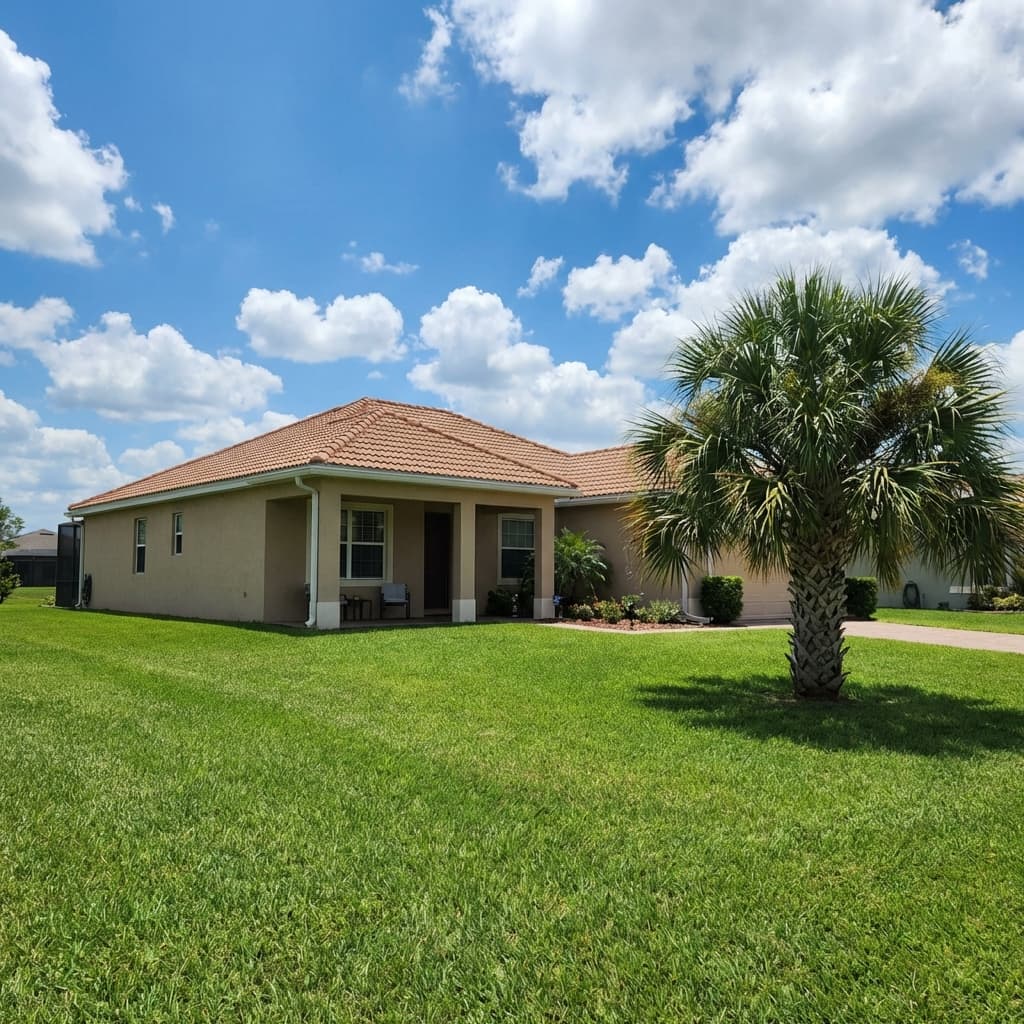
Jacksonville Lawn Care Calendar — Month-by-Month Guide for 2026
Complete month-by-month lawn care guide for Jacksonville, FL. Expert schedule for St. Augustine, Zoysia, and Bermuda grass maintenance in Northeast Florida.
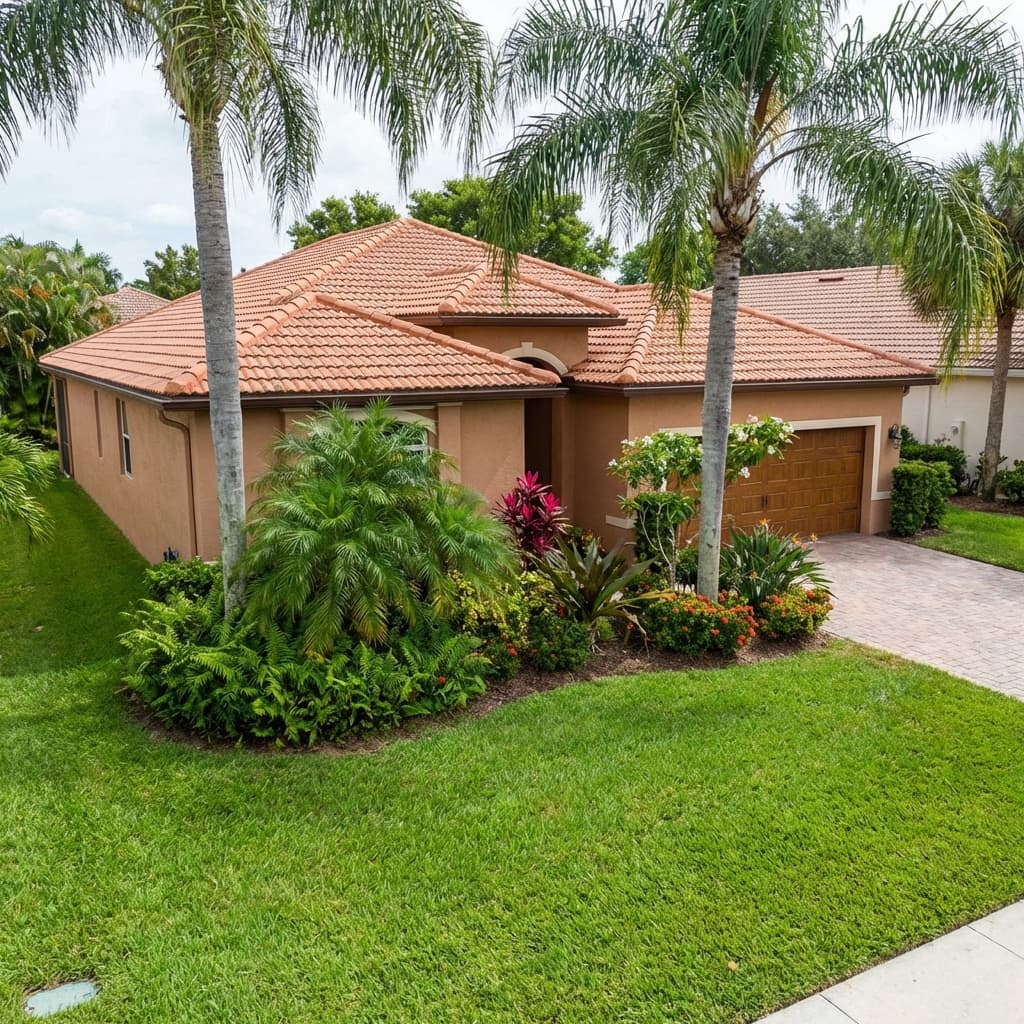
Arlington Jacksonville Lawn Care
Arlington Jacksonville Lawn Care. Review the site, scope and current written quote before deciding.
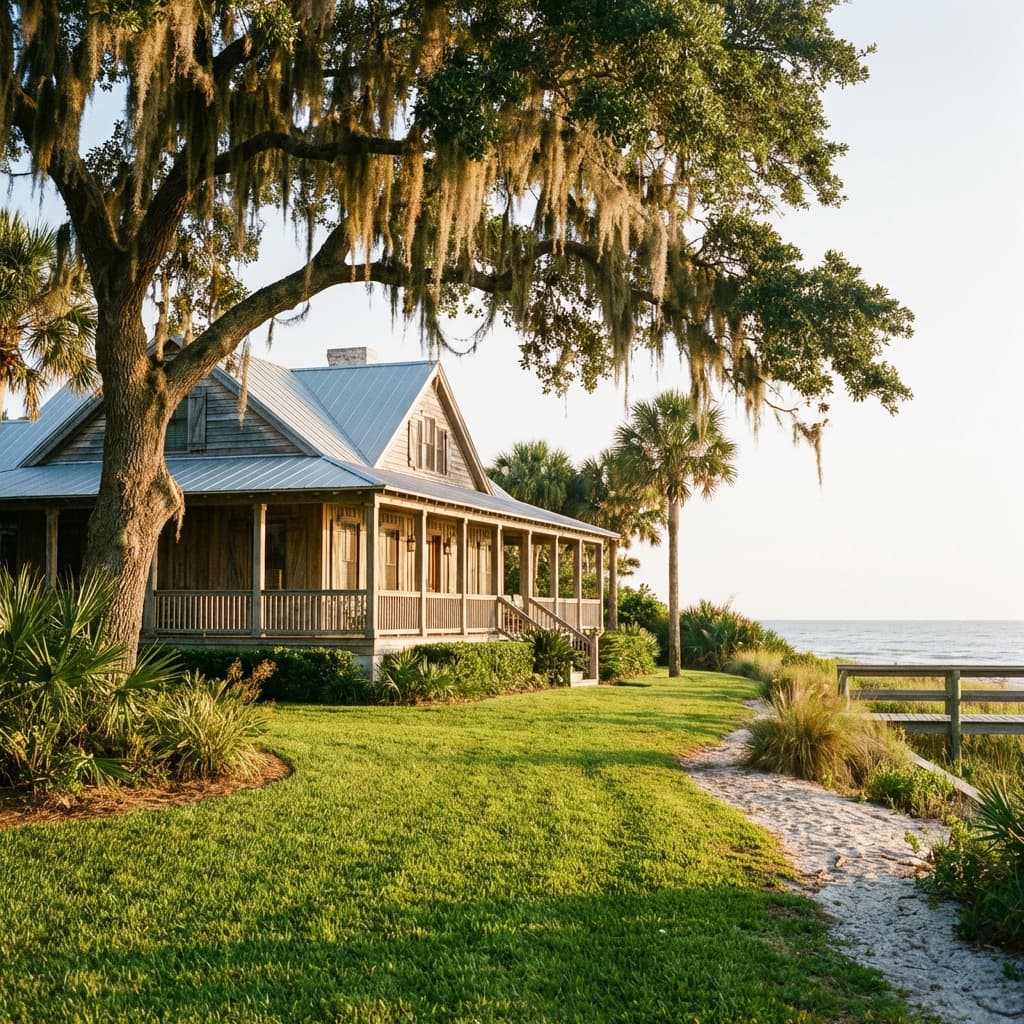
August Lawn Care Jacksonville FL: Managing Peak Stress Season
Expert August lawn care tips for Jacksonville's toughest month. Strategies to help your lawn survive extreme heat, humidity, and afternoon storms.
Let’s talk about your lawn
Ask our AI assistant a lawn question, or send the team a free installation estimate request.