Loading...
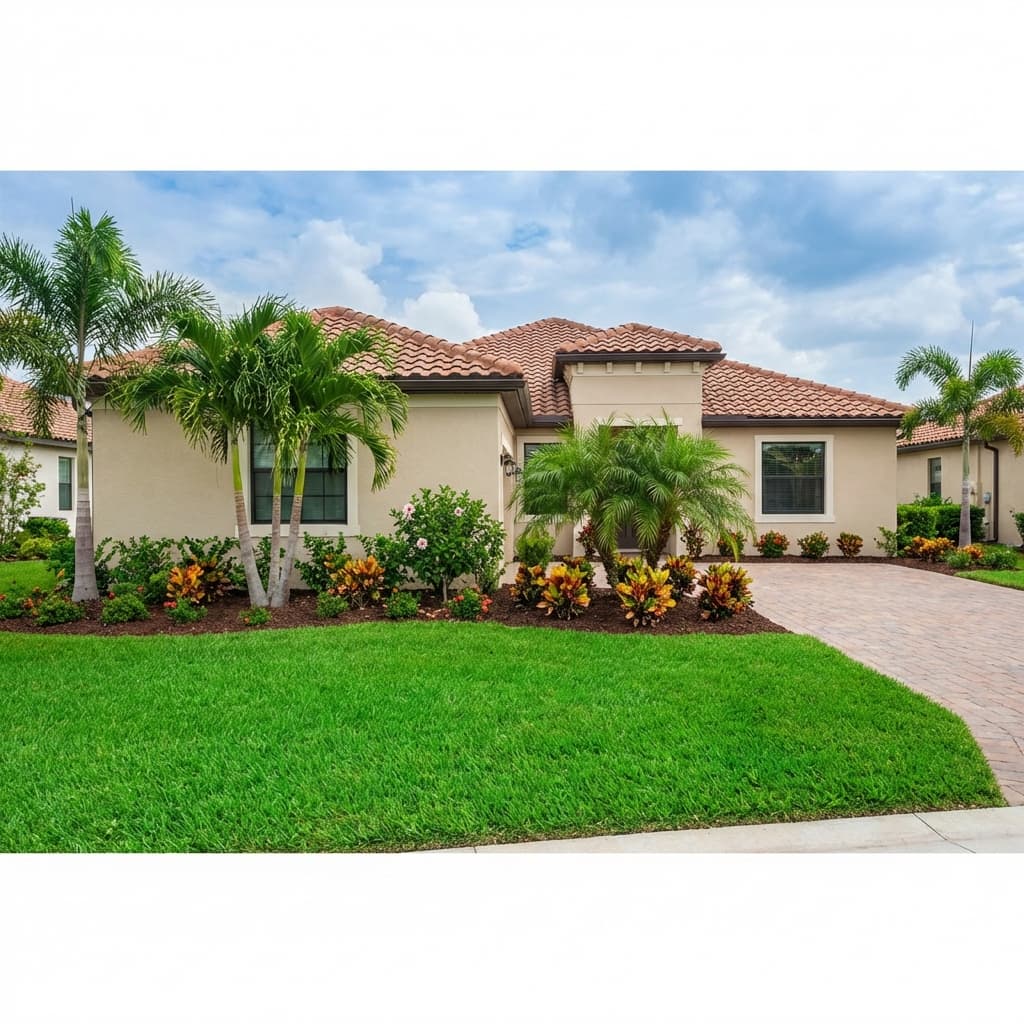
Set irrigation from site conditions and the current rules for your property and water source. For new sod, use the dated care planner; a fixed schedule in an older guide is not permission to water.
Walk through your Jacksonville neighborhood in July or August and you'll inevitably spot lawns with light green, low-growing weeds spreading aggressively across otherwise healthy turf. These clumpy, fast-growing invaders are crabgrass, one of the most common and frustrating lawn weeds in Northeast Florida. Once established, crabgrass dominates thin or stressed areas, producing thousands of seeds that ensure next year's infestation will be even worse.
The challenge with crabgrass is that by the time you notice it taking over your lawn in summer, it's already too late for the most effective control strategy. Crabgrass prevention requires action in late winter, weeks before the first crabgrass seedlings emerge from soil warmed by Jacksonville's spring sunshine. Miss this narrow treatment window, and you'll spend the entire growing season battling established plants that are remarkably difficult to control once they're actively growing.
At Jax Sod, we've worked with homeowners across Ponte Vedra, Mandarin, Nocatee, Jacksonville Beach, and throughout Duval County, St. Johns County, Clay County, and Nassau County for years. Crabgrass is one of the most common complaints we hear, particularly from homeowners frustrated by repeated failures to eliminate this persistent weed. The good news is that with proper timing and the right products, crabgrass prevention is highly effective, stopping the problem before it starts and keeping your lawn thick, uniform, and weed-free.
What Is Crabgrass?
Crabgrass is an annual warm-season weed that completes its entire lifecycle in a single growing season. The most common species in Jacksonville lawns are large crabgrass, Digitaria sanguinalis, and smooth crabgrass, Digitaria ischaemum. Both species look similar and behave identically from a control perspective.
Crabgrass gets its name from its growth habit. The plant spreads in a prostrate, crab-like fashion with stems radiating outward from a central point. Leaves are light green, wider than most turfgrass blades, and have a coarse texture. Stems root at nodes where they contact soil, allowing individual plants to spread rapidly and colonize large areas within a few weeks.
In Jacksonville's climate, crabgrass seeds germinate when soil temperatures reach 55-60 degrees Fahrenheit for several consecutive days, typically from mid-March through early April, though germination can occur as early as late February in warm years. Seedlings emerge throughout spring and early summer, with the heaviest germination occurring in April and May.
Once established, crabgrass grows aggressively through Jacksonville's hot, humid summer. Plants produce seed heads on tall stalks from July through November, with individual plants capable of producing 50,000-150,000 seeds. These seeds fall to the soil surface, where they remain viable for 3-5 years, creating a persistent seed bank that continually supplies new infestations.
The first hard frost in late fall or early winter kills crabgrass plants. In Jacksonville, this typically occurs in late November or December, though some years we don't see killing frost until January. The plants turn brown and die, but they've already accomplished their mission—depositing thousands of seeds that will germinate next spring to start the cycle again.
Why Crabgrass Invades Jacksonville Lawns
Understanding why crabgrass succeeds in your lawn helps you address the underlying conditions that allow this weed to thrive. Crabgrass doesn't invade healthy, thick turf randomly—it exploits weaknesses and gaps in your lawn's defense.
Thin turf is crabgrass's primary point of entry. Healthy, dense grass shades the soil surface, preventing crabgrass seeds from receiving the light they need to germinate. Where turf is thin—whether from disease, insect damage, traffic wear, shade stress, or poor establishment—sunlight reaches bare soil, and crabgrass seeds germinate readily.
Jacksonville's full-sun exposure in most residential lawns creates ideal conditions for crabgrass. This weed thrives in heat and bright sunlight, conditions that stress many turfgrass species. During July and August, when St. Augustine and other grasses slow their growth due to heat stress, crabgrass continues growing vigorously, allowing it to outcompete desirable turf for space and resources.
Sandy soils throughout Northeast Florida favor crabgrass establishment. Our native sandy soils and imported fill dirt drain quickly and warm up early in spring, providing ideal germination conditions. Sandy soils also tend to be lower in organic matter and nutrients, which can stress turf and create thin spots where crabgrass invades.
Poor cultural practices compound the problem. Scalping grass by mowing too short removes the shade canopy that prevents crabgrass germination. Inconsistent fertilization creates turf that's too weak to compete with aggressive weeds. Improper irrigation, either too much or too little, stresses grass and opens opportunities for crabgrass invasion.
Once crabgrass establishes in a lawn, the problem tends to worsen each year. Those 50,000+ seeds per plant create an ever-increasing seed bank in your soil. Even if you kill every visible crabgrass plant one summer, thousands or millions of seeds remain in the soil, ready to germinate next spring. Breaking this cycle requires preventing germination rather than killing established plants.
Prevention Is Key
The most effective crabgrass control strategy, and the foundation of all successful crabgrass management programs, is preventing seeds from germinating in the first place. Pre-emergent herbicides create a chemical barrier in the top layer of soil that kills crabgrass seedlings as they germinate, before they emerge above the soil surface.
Pre-emergent herbicides must be applied before germination occurs. Timing is absolutely critical—apply too late, after germination has begun, and the products provide little to no control. Apply too early, and the products may break down before peak germination occurs, leaving your lawn unprotected.
For Jacksonville, the optimal pre-emergent application window is mid-February through early March. This timing places the herbicide in the soil before soil temperatures reach the 55-60 degree threshold that triggers crabgrass germination. Tracking soil temperatures helps refine timing—UF/IFAS Extension offers soil temperature monitoring data, and inexpensive soil thermometers allow you to check your own lawn.
A useful rule of thumb for Jacksonville homeowners is to apply pre-emergent herbicide when azaleas begin blooming or when dogwood trees flower. These plant phenological indicators correlate well with soil temperatures appropriate for crabgrass germination and provide an easy, observable timing cue.
Once applied, pre-emergent herbicides create a protective zone in the top inch or two of soil. This zone persists for 8-12 weeks depending on the specific product, environmental conditions, and soil characteristics. During this period, crabgrass seeds that attempt to germinate are killed before they can establish.
Understanding this timeline helps you appreciate why prevention is emphasized so heavily. Crabgrass that germinates in March is killed by your February pre-emergent application. But March arrives before you notice the weed problem developing, which is why reactive approaches that wait until crabgrass is visible inevitably fail.
Best Pre-Emergent Products for Jacksonville
Several pre-emergent herbicides are available to Jacksonville homeowners, each with specific characteristics, advantages, and limitations. Choosing the right product for your situation ensures effective control.
Prodiamine
Prodiamine, sold under the brand name Barricade and in various generic formulations, is one of the most effective and longest-lasting pre-emergent herbicides available. It provides 8-12 weeks of control, sometimes longer in Jacksonville's sandy soils where it tends to persist well.
Prodiamine works on all common Jacksonville turfgrasses, including St. Augustine, Bermuda, Zoysia, and Bahia. It's safe when applied according to label directions and provides excellent control of not just crabgrass but also goosegrass, annual bluegrass, and several other annual grassy weeds.
Application rates vary by formulation, but typical rates for residential use are 0.5-1.0 pounds of active ingredient per acre. Many homeowner products come pre-measured or have spreader settings listed on the label. Follow label directions carefully to ensure effective control without damaging desirable grass.
Prodiamine is often combined with fertilizer in combination products, allowing you to apply pre-emergent herbicide and early spring fertilizer in a single application. These combination products provide convenience but limit your ability to adjust application rates independently for weed control versus fertilization.
Dithiopyr
Dithiopyr, sold under the brand name Dimension and various generics, provides both pre-emergent and limited post-emergent control. Unlike most pre-emergent herbicides that work only on ungerminated seeds, dithiopyr can control very small crabgrass seedlings in the early tillering stage, providing a slightly wider application window.
This characteristic makes dithiopyr valuable in Jacksonville, where our extended spring warm-up can create variable germination timing. If you miss the optimal February-early March window, dithiopyr applied in late March or early April may still catch very small seedlings that other pre-emergents would miss.
Dithiopyr is safe on all common Jacksonville turfgrasses when applied according to label directions. Control duration is similar to prodiamine, typically 8-10 weeks under Jacksonville conditions.
Atrazine
Atrazine is unique among pre-emergent herbicides because it provides both pre-emergent and post-emergent control of crabgrass and several other weeds. However, atrazine is only safe for use on St. Augustine and Centipede grass—it will seriously damage or kill Bermuda, Zoysia, and most other turf species.
For St. Augustine lawns, which represent the majority of residential turf in Jacksonville, atrazine is an excellent choice. It controls crabgrass at the pre-emergent stage and also suppresses or eliminates young crabgrass plants that have already emerged, providing wider application timing flexibility than strictly pre-emergent products.
Apply atrazine in late winter or early spring, typically February through April in Jacksonville. It can also be applied as a post-emergent treatment in summer if crabgrass escapes spring prevention efforts, though results on larger plants are limited.
Atrazine residual control lasts 4-6 weeks, shorter than prodiamine or dithiopyr. For this reason, atrazine programs often include a second application 6-8 weeks after the first to extend control through the primary germination period.
Generic and Combination Products
Many pre-emergent herbicides are available in generic formulations containing the same active ingredients as brand-name products. These generics typically cost less and provide comparable effectiveness if applied correctly. Check the active ingredient and application rates rather than relying solely on brand names.
Combination products containing pre-emergent herbicide plus fertilizer are widely available and convenient. Products like Scotts Halts Crabgrass Preventer with Lawn Food or similar formulations allow you to address weed prevention and spring fertilization simultaneously.
The tradeoff with combination products is that you're locked into the fertilizer rate specified by the product to achieve proper herbicide rates. If your lawn's fertilizer needs don't align with the product formulation, you may over-fertilize or under-fertilize while trying to achieve proper herbicide application.
Application Timing and Rates
Proper application technique is just as important as product selection. The most effective pre-emergent herbicide applied incorrectly provides poor results.
Timing Your First Application
As discussed earlier, mid-February through early March is the optimal first application window for Jacksonville. Track soil temperatures at 2-3 inch depth early morning for several consecutive days. When soil temperatures consistently reach 50-55 degrees and are trending upward, it's time to apply pre-emergent herbicide.
Calendar dates provide a reasonable guideline: target the week of February 15-20 for most of Duval County and coastal areas of St. Johns County. For inland areas like Clay County and western St. Johns County, you can often wait until late February or early March. For Nassau County, mid-to-late February is appropriate.
Weather patterns vary year to year, so don't rely solely on calendar dates. Unusually warm late winter may trigger early germination, requiring earlier application. Conversely, cold late winter may allow you to delay application slightly without losing effectiveness.
Application Rates
Follow label directions for application rates specific to your product and turfgrass species. Under-application provides inadequate control, while over-application can damage grass, waste money, and increase environmental impact.
Use a calibrated spreader to ensure accurate, even application. Both broadcast and drop spreaders work well for pre-emergent herbicide application. Check spreader calibration at the start of each season—spreaders can shift out of calibration over time or with component wear.
Apply product to dry grass and soil if possible. Moisture on grass blades can cause granules to stick to foliage rather than falling to the soil surface. After application, irrigate lightly with 0.25-0.5 inches of water to wash the herbicide off grass blades and into the soil where it becomes active.
Rain within 24 hours of application is acceptable and often beneficial, washing product into the soil. However, heavy rain immediately after application can cause runoff, moving product off the target area before it can bind to soil particles.
Second Application Option
For extended control through the entire crabgrass germination season, which can stretch from March into June in Jacksonville, consider a second pre-emergent application 8-10 weeks after the first.
Time this second application to coincide with the end of effective control from your first application. For prodiamine or dithiopyr applied in mid-February, a second application in late April or early May extends control through late spring and early summer when late-germinating crabgrass can still establish.
This two-application approach is particularly valuable for lawns with heavy crabgrass pressure from previous years' seed production. The investment in a second application prevents breakthrough infestations that can re-establish the seed bank you're trying to eliminate.
Jacksonville Pro Tip: Don't rely on single applications for long-season control. If you're applying pre-emergent in February and hoping for control through June, you're likely to see breakthrough crabgrass by late spring as product effectiveness wanes.
Post-Emergent Options If Prevention Fails
Despite your best prevention efforts, some crabgrass may escape pre-emergent control and establish in your lawn. This happens for various reasons—delayed application, insufficient coverage, disturbed soil that buried the herbicide barrier, or simple product failure in specific areas. When this occurs, post-emergent control becomes necessary.
Unfortunately, post-emergent crabgrass control is challenging, less effective than prevention, and limited by grass type. No post-emergent herbicide kills established crabgrass without some risk to desirable turf.
Options for Bermuda and Zoysia
Bermuda and Zoysia lawns have the most post-emergent herbicide options for crabgrass control. Quinclorac is the most effective post-emergent herbicide for crabgrass in these grass types. It selectively kills crabgrass and several other annual grassy weeds while showing good safety on Bermuda and Zoysia.
Apply quinclorac when crabgrass is young and actively growing, ideally before it reaches the five-tiller stage. Larger, more mature crabgrass becomes increasingly resistant and may require multiple applications. Follow label directions for rates and timing, and expect to see results in 2-3 weeks as treated crabgrass gradually yellows and dies.
Fenoxaprop, sold under various brand names, is another option for Bermuda lawns. It provides good control of young crabgrass but shows more turf injury on Zoysia. Use fenoxaprop only on Bermuda unless you're willing to accept some temporary yellowing on Zoysia.
MSMA was historically the most effective post-emergent crabgrass control for Bermuda lawns, but it's no longer available for residential use due to environmental concerns. Some professional applicators may still have access to remaining stocks, but homeowners can no longer purchase this product.
Limited Options for St. Augustine
St. Augustine lawns face a significant challenge with post-emergent crabgrass control. Very few herbicides kill crabgrass selectively without damaging St. Augustine. This makes prevention absolutely critical for St. Augustine lawns.
Atrazine provides limited post-emergent control on very young crabgrass in St. Augustine, as mentioned earlier. It works best on seedling crabgrass with 1-3 tillers. Apply according to label directions, typically 2-3 applications spaced 7-10 days apart. Expect variable results—atrazine may suppress crabgrass and slow its spread but often won't eliminate established plants.
Image or Sedgehammer, containing halosulfuron, technically has some activity on very young crabgrass, though these products are primarily sedge herbicides. Results are inconsistent, and these should not be relied upon as primary crabgrass controls.
For St. Augustine lawns with established crabgrass that escaped prevention, the most practical approach is often to hand-pull small infestations and accept that larger infestations will persist until frost kills the plants. Focus on preventing next year's crop through proper pre-emergent timing rather than struggling with ineffective post-emergent treatments this year.
Non-Selective Options
For severe crabgrass infestations in localized areas, spot treatment with glyphosate, a non-selective herbicide sold as Roundup and various generics, kills crabgrass effectively but also kills desirable grass. This approach makes sense for heavily infested areas where you're willing to kill everything and start over with fresh sod or seed.
Apply glyphosate carefully using a pump sprayer with a focused spray pattern. Shield desirable grass from drift. Treated areas will be completely dead within 2 weeks. After waiting another week for the herbicide to break down, you can renovate the area with new sod.
This nuclear option is most practical for defined beds or borders being converted to landscape rather than for widespread lawn treatment, but it remains an option when other approaches fail.
Cultural Prevention Strategies
Chemical prevention with pre-emergent herbicides is the cornerstone of crabgrass control, but cultural practices play an equally important supporting role. Creating conditions that favor your desirable turf while suppressing crabgrass reduces dependence on herbicides and creates more sustainable long-term control.
Maintain a Thick, Healthy Lawn
The single most effective cultural practice for crabgrass prevention is maintaining thick, vigorous turf that shades the soil surface. Crabgrass seeds require light to germinate. Dense grass canopy blocking sunlight from reaching soil prevents most crabgrass seeds from germinating regardless of whether pre-emergent herbicide is present.
Achieve thick turf through proper fertilization, appropriate irrigation, and correct mowing practices.
Address thin areas promptly. Bare spots from disease, insects, or traffic are prime crabgrass invasion points. Repair these areas with fresh sod or plugs rather than waiting for surrounding grass to fill in—crabgrass will colonize bare spots long before most turfgrass species spread to cover them.
Mow High to Shade Out Crabgrass
Mowing height directly impacts crabgrass pressure. Higher mowing increases shade at the soil surface, reducing light availability for crabgrass germination. Lower mowing opens the canopy, allowing more light penetration and encouraging crabgrass.
For St. Augustine, maintain 3.5-4 inch height throughout the growing season. Never scalp St. Augustine—even a single scalping that removes most leaf tissue and exposes soil will trigger crabgrass germination in the exposed areas.
Bermuda and Zoysia tolerate lower mowing heights, but within the recommended range for each species, choosing the higher end reduces crabgrass pressure. For common Bermuda, maintain 1.5-2.5 inches. For Zoysia, maintain 1-2 inches for most varieties.
Keep mower blades sharp. Dull blades tear grass rather than cutting cleanly, stressing the plant and reducing density. Sharpen blades at least twice per season, more often if you're mowing frequently or hitting obstacles that dull blades quickly.
Proper Irrigation Management
Crabgrass is relatively drought-tolerant once established, but it requires consistent moisture for seed germination. Managing irrigation strategically can reduce germination success rates.
Light, frequent irrigation promotes crabgrass germination by keeping the soil surface constantly moist. Deep, infrequent irrigation encourages deep turfgrass rooting while allowing the surface to dry between waterings, creating less favorable conditions for crabgrass seeds.
This not only conserves water but also creates less favorable conditions for crabgrass while promoting healthier turfgrass.
In spring, when pre-emergent herbicide creates a germination barrier and you're trying to prevent crabgrass establishment, consider reducing irrigation frequency slightly if natural rainfall provides adequate moisture. Every day the soil surface remains dry is a day that crabgrass seeds can't germinate successfully.
Avoid Soil Disturbance
Pre-emergent herbicides create a chemical barrier in the top layer of soil. Disturbing this layer through aggressive dethatching, core aeration, or other cultivation practices can bury the herbicide or create gaps in coverage, allowing crabgrass to germinate in disturbed areas.
If you need to aerate or dethatch, do so before applying pre-emergent herbicide, then apply herbicide to the treated surface. Alternatively, use products with longer residual control and accept that some cultivation-related crabgrass breakthrough may occur in high-traffic areas.
Similarly, avoid installing landscape beds, running utility lines, or conducting other projects that involve soil disturbance during the prime crabgrass germination season from March through June. If such projects are unavoidable, treat disturbed areas with post-emergent herbicides if crabgrass appears, and apply pre-emergent herbicide the following season.
Why Jacksonville's Conditions Favor Crabgrass
Northeast Florida presents several environmental factors that make crabgrass management particularly challenging. Understanding these factors helps you appreciate why crabgrass is such a persistent problem in our area and why vigilant management is necessary.
Jacksonville's sandy soils drain quickly and warm up early in spring. This early warming triggers crabgrass germination earlier than in areas with heavier clay soils that retain moisture and remain cooler longer. The extended warm season, from March through November, provides a longer window for crabgrass germination and multiple opportunities for escaped plants to establish.
Full sun exposure in most residential lawns creates ideal crabgrass habitat. While mature shade trees in neighborhoods like San Marco, Riverside, and Avondale may provide some shading that reduces crabgrass pressure, most suburban developments throughout Ponte Vedra, Nocatee, and newer neighborhoods offer minimal shade. Full sun promotes both crabgrass germination and vigorous growth once established.
High temperatures in summer favor crabgrass over most common turfgrasses. While St. Augustine, Bermuda, and Zoysia all tolerate heat reasonably well, they experience some heat stress during July and August when afternoon temperatures regularly exceed 90-95 degrees. Crabgrass thrives in these conditions, continuing vigorous growth and seed production when desirable grasses are stressed.
Frequent afternoon thunderstorms in summer provide ideal moisture for crabgrass growth and seed production. The combination of heat, moisture, and bright sunlight creates perfect conditions for crabgrass to outcompete stressed turfgrass for space and resources.
Common Mistakes to Avoid
Having helped Jacksonville homeowners battle crabgrass for years, we've seen several recurring mistakes that undermine control efforts.
The most common error is waiting too long to apply pre-emergent herbicide. Many homeowners wait until they see the first crabgrass plants emerging in spring, then apply pre-emergent thinking it will control the visible weeds. By this point, germination is already underway, and pre-emergent herbicides are ineffective. Mark your calendar for mid-February applications and apply according to the calendar rather than waiting for visible signs.
Applying pre-emergent at insufficient rates provides inadequate control. Some homeowners reduce application rates to save money or because they don't trust the label directions. Under-application creates gaps in the chemical barrier, allowing crabgrass to germinate and establish in areas with insufficient herbicide concentration.
Conversely, over-application wastes money, increases environmental impact, and in extreme cases can damage desirable turf. More is not better with pre-emergent herbicides—proper rates are optimal rates.
Failing to activate pre-emergent herbicides with irrigation is another common mistake. Most granular pre-emergent products require watering-in to move the herbicide off grass blades and into the soil where it becomes active. Products left on foliage provide minimal control and may cause some foliar burn on grass blades.
Expecting single pre-emergent applications to provide season-long control leads to breakthrough infestations. As mentioned earlier, most pre-emergent herbicides provide 8-12 weeks of control. Applying in February and expecting protection through June is unrealistic. Plan for second applications if your crabgrass pressure is moderate to heavy.
When to Call Professionals
Most Jacksonville homeowners can successfully implement crabgrass prevention programs using the strategies outlined here. However, some situations benefit from professional expertise.
If you've attempted crabgrass prevention for multiple years without success, professional consultation can identify application errors, timing issues, or unusual circumstances undermining your efforts. Professional lawn care companies have experience diagnosing these problems and adjusting programs to achieve better results.
Large properties or those with extensive crabgrass pressure may benefit from professional application equipment that ensures more uniform coverage than homeowner spreaders. Professional applicators also have access to commercial-grade products with higher active ingredient concentrations that may provide longer or more reliable control.
Complex situations with mixed turfgrass species, recent renovations, or ongoing landscape projects create challenges in pre-emergent herbicide selection and timing. Professionals can navigate these complications and develop customized programs addressing your specific circumstances.
For lawns requiring post-emergent crabgrass control with limited homeowner options, professional applicators may have access to products or tank-mix combinations that provide better results than retail options.
Don't Let Crabgrass Take Over Your Jacksonville Lawn
Crabgrass prevention in Jacksonville lawns is highly effective when you understand the importance of timing and commit to applying pre-emergent herbicides in the narrow mid-February through early March window. This single application, or two applications 8-10 weeks apart for extended control, stops crabgrass before it starts and eliminates the frustration of battling established weeds through summer.
Combined with cultural practices that promote thick, healthy turf—proper mowing height, strategic irrigation, and appropriate fertilization—pre-emergent herbicides create a comprehensive program that keeps crabgrass at bay year after year. The investment in prevention pays dividends all summer in a uniform, weed-free lawn that's the envy of the neighborhood.
Remember that crabgrass control is a marathon, not a sprint. If you're starting with heavy crabgrass pressure and a large seed bank in your soil, it may take 2-3 years of consistent prevention to exhaust the seed reserve. Stay committed to the program, and crabgrass pressure will decrease each year until it becomes a minor, easily managed issue rather than a major lawn problem.
Ready to implement a successful crabgrass prevention program for your Jacksonville lawn or need help repairing areas damaged by years of crabgrass invasion? With years of experience serving Northeast Florida, we can help you develop an effective weed management strategy and provide quality sod for any renovation needs.
Need Professional Sod Installation?
Jax Sod provides sod installation, sod replacement, and new lawn installation across Jacksonville and Northeast Florida. Free quotes!
Related Articles
Bahia Grass Care Guide for Jacksonville
Complete bahia grass Jacksonville care guide covering varieties, mowing, fertilization, and why it thrives in Northeast Florida's sandy soil.
Best Grass for Dogs in Jacksonville, FL
Best Grass for Dogs in Jacksonville, FL. Review the site, scope and current written quote before deciding.
Best Low-Maintenance Grass for Jacksonville Lawns
Best Low-Maintenance Grass for Jacksonville Lawns. Review the site, scope and current written quote before deciding.
Let’s talk about your lawn
Ask our AI assistant a lawn question, or send the team a free installation estimate request.