Loading...
Back to Articles
August Lawn Care Jacksonville FL: Managing Peak Stress Season
Lawn Care January 27, 2026 9 min read
Let's be real—August in Jacksonville is brutal for lawns. This is the month that separates well-maintained yards from struggling ones. We're at peak heat, peak humidity, peak pest pressure, and peak everything-that-makes-grass-unhappy.
After working on lawns from Atlantic Beach to St. Johns County through dozens of August heat waves, I can tell you this: survival is the goal. Not perfection, not Instagram-worthy green, just keeping your grass alive and reasonably healthy until conditions improve in September.
But here's the good news—if you've been doing things right since spring, your lawn has the foundation to handle August. Let me walk you through how to get it done.
August Weather: The Final Boss
We're looking at average highs in the low 90s, but heat index regularly pushes past 100°F. Overnight lows barely drop below 75°F. Your grass never gets a break.
Soil temperatures are in the mid-to-upper 80s, which warm-season grasses actually tolerate well, but combined with everything else, stress accumulates.
Rainfall in August can be feast or famine. We typically get 6-8 inches, mostly from afternoon thunderstorms. Some years it's reliable, other years we hit drought conditions. You need to be ready for either scenario.
Mowing: Keep It High, Keep It Sharp
This is not the month to experiment with lawn height. What worked in June works in August.
Maintain Maximum Height
- St. Augustine: 4 to 4.5 inches
- Zoysia: 2.5 to 3 inches
- Bahia: 4 to 5 inches
Tall grass shades roots, retains moisture, and handles stress better. Period.
Frequency Depends on Water
If we're getting regular rain, you might mow twice a week. During drought, growth slows and you might only mow once a week.
Never let grass get so tall you have to remove more than one-third of blade height. If you do get behind, take it down gradually over multiple mowings.
Mowing Time Matters
Mow early morning before it gets stupid hot. By noon in August, heat stress is real for both you and the grass. Mowing stressed grass causes more damage than mowing grass in decent conditions.
If you mow in the evening, make sure grass is dry. Wet evening mowing spreads disease like crazy.
Blade Maintenance
Sharpen blades every two weeks minimum. Dull blades tear grass, those tears brown in the sun, and stressed grass is more susceptible to disease and pest damage. It all compounds.
Watering: The Most Critical Factor
August watering can make or break your lawn. Too much and you've got disease. Too little and you've got dead grass.
How Much
Still aiming for 1 to 1.5 inches per week total. Measure actual application with rain gauges or tuna cans placed around zones.
During rainy weeks, turn irrigation off. During dry spells, you'll need to compensate. Our sandy soil doesn't hold water, so you need to stay on top of this.
Signs Your Lawn Needs Water
Don't just water on schedule. Learn to read your grass:
- Footprints that don't spring back quickly
- Grass blades folded or rolled (conserving moisture)
- Blue-gray tint instead of green
- Grass doesn't bounce back when walked on
These mean your lawn is drought-stressed. Water deeply ASAP.
Deep and Infrequent
Three times per week maximum, applied slowly enough to soak in. If you see runoff, you're applying too fast.
Run zones in cycles—10 minutes on, 20 minutes soak time, repeat. This gets water down into the root zone in our fast-draining sand.
Early Morning Only
Water between 4 and 8 AM. Later than that and you're losing too much to evaporation. Evening watering keeps grass wet overnight, inviting fungal disease.
I know your neighbors in Deerwood might water whenever, but that doesn't make it right.
Fertilization: Just Say No
Do not fertilize in August. Seriously.
Fertilizer pushes growth. Growth requires water and energy. Your grass is already stressed from heat. Forcing it to grow more just makes stress worse.
Plus, soft new growth in August is a disease magnet. Gray leaf spot and brown patch love tender, over-fertilized grass.
If your lawn looks pale, it's stress or iron deficiency, not nitrogen deficiency. Iron application is okay—it greens grass without forcing growth. But even then, apply carefully and only if needed.
Your next fertilizer application should be September at the earliest, preferably October.
Pest Management: All Systems Alert
August is peak pest season. The heat brings everything out.
Chinch Bugs
Still the number one enemy of St. Augustine in Jacksonville. They love hot, dry conditions, which August delivers.
Check sunny areas weekly, especially along driveways and sidewalks in neighborhoods like Mandarin, Ponte Vedra, and Southside. Part the grass at the edge of yellowing areas and look for tiny black bugs with white wings.
If you find them, treat immediately. Products with bifenthrin work well. Treat affected areas plus a 10-foot buffer zone. You'll probably need a second application two weeks later.
Water the lawn before treating (chinch bugs are more active in moist grass), then don't water again for 24-48 hours so the product has time to work.
Sod Webworms
These moth larvae chew grass blades at night. You'll see irregular brown patches and small moths flying around at dusk. Look closely and you'll find tiny green caterpillars.
Treat with products containing bifenthrin or lambda-cyhalothrin. Apply late afternoon so it's active when they feed at night.
Mole Crickets
Still tunneling through soil eating roots. Bahia grass is their favorite, but they'll attack anything in August when populations are high.
Soap flush test to confirm presence, then treat with appropriate insecticide. Water it in to move the product into the soil where they're active.
Grubs
August is when grub damage becomes visible. Grass in affected areas feels spongy and pulls up easily. If you see armadillos or raccoons digging, they're eating grubs.
Treat with imidacloprid or clothianidin, watered in thoroughly. It takes a couple weeks to work, but it's effective.
Disease Management: Constant Vigilance
August heat and humidity create perfect conditions for fungal disease. Two big ones:
Gray Leaf Spot
This is everywhere in August, especially on St. Augustine. Tan or gray lesions on grass blades, sometimes with dark borders. Severely affected areas look scorched.
Prevention:
- Water early morning only
- Keep mowing equipment clean
- Avoid nitrogen fertilizer
- Improve air circulation around turf
Treatment: Fungicides with azoxystrobin work, but you'll probably need multiple applications. Follow label timing and rates carefully.
Honestly, cultural practices prevent most outbreaks. Fix watering and mowing habits before throwing fungicide at it.
Brown Patch
Less common in August than cooler months, but still possible during rainy, humid stretches. Circular brown patches with darker "smoke ring" borders.
Same prevention and treatment as gray leaf spot. Fungicides work but fixing irrigation is the real solution.
Take-All Root Rot
More common in stressed, alkaline areas. Grass yellows and thins despite watering. Roots are black and rotted.
This one's tough. Lower soil pH with sulfur applications, improve drainage, reduce irrigation frequency, and focus on plant health over forcing growth.
Drought Management
Some August stretches in Jacksonville are dry. Like, two weeks with no rain dry. Your irrigation becomes critical.
Prioritize Critical Areas
If water restrictions kick in or you need to conserve, prioritize front yard visible areas and areas that get most sun exposure. Shaded back areas can handle slight under-watering better.
Let It Go Dormant (Last Resort)
St. Augustine can survive dormancy, though it doesn't truly go dormant like cool-season grasses. If conditions are severe and you can't water enough, let some areas go dormant rather than watering insufficiently.
Dormant grass looks brown but it's alive. When water returns, it greens up. Half-dead grass from insufficient watering might not recover.
This is a tough call and honestly a last resort. But it's better than losing the grass entirely.
Dealing with Storm Damage
August afternoon storms can be violent. Flooding, debris, standing water—all of it damages grass.
After Major Storms
- Walk your property and check for standing water
- Clear debris immediately
- Check irrigation system for damage
- Pump out standing water if it lasts more than 24 hours
- Watch for disease in areas that were flooded
Grass can survive being underwater for a day. Longer than that and you risk suffocation and disease.
Lightning and Power Outages
If lightning takes out your irrigation controller, you'll need to water manually until it's fixed. Don't let your lawn die while you wait for parts.
Keep backup batteries in smoke detectors, irrigation controllers, and anything else critical.
Shade vs. Sun Stress
Different areas of your lawn stress differently in August.
Full sun areas (Southside, Baymeadows, newer neighborhoods):
- Need maximum water
- Show heat stress first
- Most susceptible to chinch bugs
- Benefit from maximum mowing height
Shaded areas (Riverside, San Marco, Avondale):
- Need less water
- Show disease pressure more
- Can go slightly higher on mowing height
- Might need fungicide more often
Treat different zones differently. One-size-fits-all doesn't work in August.
Irrigation System Checks
August is hard on systems. Check weekly:
- Broken or clogged heads
- Leaks in lines or valves
- Timer/controller function
- Rain sensor operation (test it!)
- Uneven coverage patterns
A broken zone can kill grass in three days during August heat. Catch problems early.
Landscape and Bed Maintenance
Your landscape suffers in August too:
- Water shrubs and trees deeply during drought
- Mulch breaks down fast—add a thin layer if needed
- Watch for spider mites on shrubs (they love heat)
- Don't prune heavily (new growth is vulnerable)
- Pull weeds before they set seed
Keeping beds healthy makes your lawn look better by comparison.
What NOT to Do in August
These will kill your lawn:
- Don't scalp or cut too short
- Don't fertilize
- Don't apply herbicides in heat of day
- Don't ignore pest damage
- Don't water in evening
- Don't let grass go completely dormant unless absolutely necessary
- Don't neglect irrigation maintenance
Managing Expectations
Here's the truth: some August damage happens. Even with perfect care, you might see:
- Some yellowing in high-stress areas
- Thinning where foot traffic is heavy
- Brown patches from pests or disease
- Areas that just look tired
That's normal. The goal is minimizing damage, not achieving perfection. Lawns in Zone 9 get beaten up in August. It's part of living here.
The best lawns in Ponte Vedra Beach and Sawgrass have professional care, irrigation systems dialed in, and still show stress in August. Don't beat yourself up if your DIY lawn isn't perfect.
August Action Plan
Week 1:
- Assess overall lawn health
- Check irrigation coverage
- Scout for pests (weekly from here on)
- Mow at maximum height
Week 2:
- Continue regular mowing
- Adjust watering based on rainfall
- Treat any pest issues found
- Monitor for disease
Week 3:
- Sharpen mower blades
- Deep water if conditions are dry
- Check irrigation system for damage
- Continue pest monitoring
Week 4:
- Assess damage and note problem areas
- Plan fall renovation if needed
- Continue defensive maintenance
- Prepare for September adjustments
All Month:
- Water early morning only
- Maintain maximum mowing height
- No fertilizer
- Stay vigilant for pests and disease
Record Keeping
Take photos of your lawn throughout August. Note:
- Problem areas
- Pest damage locations
- Disease outbreaks
- Dry spots or overwatered zones
This information is gold for planning fall renovation and next year's strategy.
When to Call for Help
Some situations need professional intervention:
- Widespread pest infestation you can't control
- Disease that's spreading despite treatment
- Irrigation system problems you can't diagnose
- Large areas of dead or dying grass
There's no shame in getting help. Professionals have tools, products, and experience you don't.
Looking Ahead to September
The light at the end of the tunnel is real. September brings:
- Slightly cooler temperatures
- More consistent rainfall
- Reduced pest pressure
- Opportunity for renovation
Lawns that survive August in decent shape bounce back strong in fall. That's when you can address problems, overseed thin areas (if grass type allows), fertilize again, and restore your lawn to glory.
The Mental Game
August lawn care is as much mental as physical. It's hot, it's humid, work is exhausting, and your lawn might not look great despite your efforts.
Stay consistent. Keep doing the basics. Survive to September.
Every Jacksonville lawn owner goes through this. The ones with great lawns nine months of the year accept that August is about survival. Work with reality, not against it.
Final Thoughts
Your lawn is a tough, resilient organism. St. Augustine, Zoysia, and Bahia evolved for exactly these conditions. They WANT to survive. Your job is removing obstacles and providing basics—water, proper mowing, pest control.
Do that consistently through August and you'll come out the other side in good shape. Maybe not perfect, but healthy enough to bounce back strong when conditions improve.
You've made it this far through the season. One more month of peak stress, then fall renovation season begins. Keep your head down, stay consistent, and trust the process.
You've got this. See you in September.
Need Professional Sod Installation?
Jax Sod provides sod installation, sod replacement, and new lawn installation across Jacksonville and Northeast Florida. Free quotes!
Related Articles
June Lawn Care Jacksonville FL: Surviving Peak Summer Heat
Essential June lawn care strategies for Jacksonville's brutal heat and humidity. Keep your lawn healthy through Zone 9a/9b summer stress.
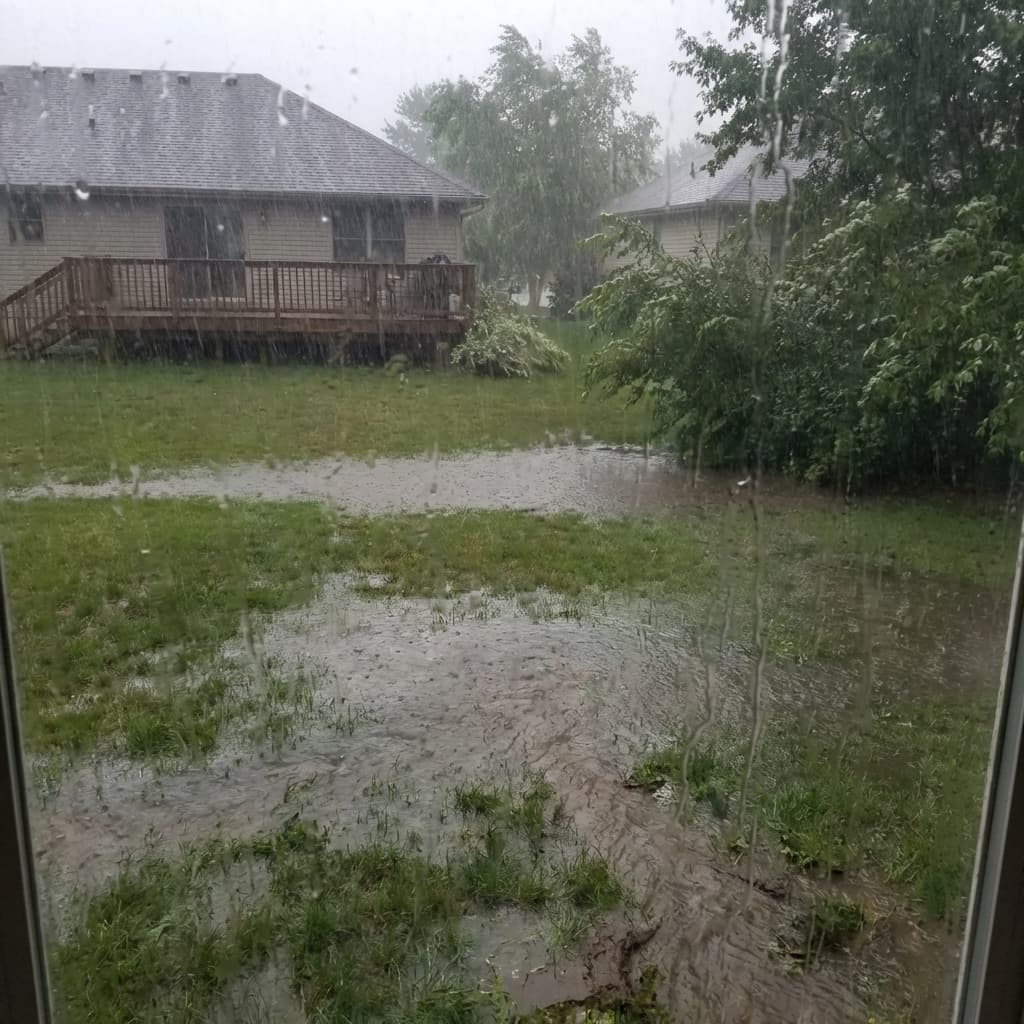
Lawn Care During Florida's Rainy Season
Expert lawn care tips for Florida's rainy season. Learn irrigation adjustments, mowing strategies, disease prevention, and weed control for June-September.
March Lawn Care Jacksonville FL: Spring Green-Up Season
Complete guide to March lawn care in Jacksonville. Learn when to fertilize, how to handle spring weeds, and get your lawn thriving in Zone 9a/9b.
Let’s talk about your lawn
Ask our AI assistant a lawn question, or send the team a free installation estimate request.