Loading...
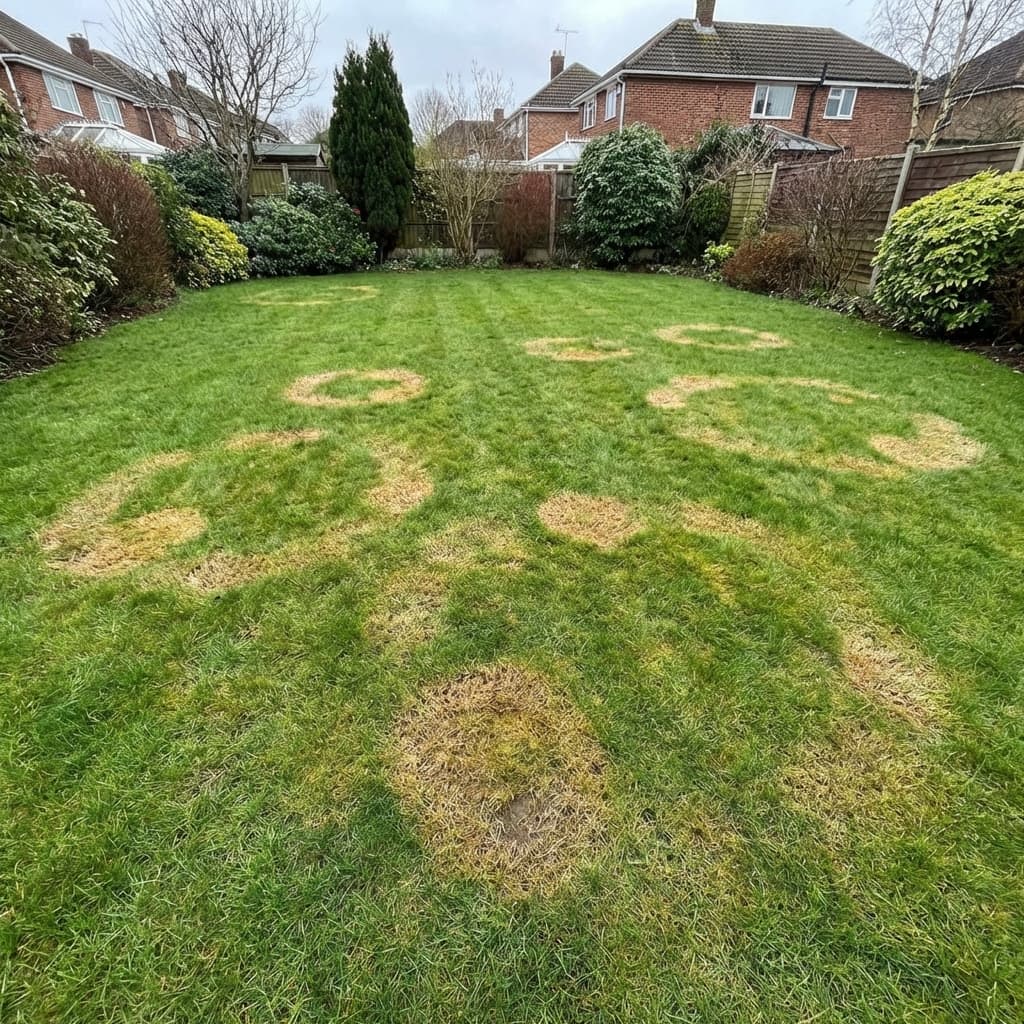
Back to Articles
Armyworm Damage in Jacksonville Lawns: Detection and Control
Lawn Care January 27, 2026 16 min read
Set irrigation from site conditions and the current rules for your property and water source. For new sod, use the dated care planner; a fixed schedule in an older guide is not permission to water.
You checked your lawn yesterday afternoon and everything looked fine. This morning, you walk outside to discover large brown patches spreading across your St. Augustine or Bermuda grass, seemingly appearing overnight. Birds are congregating on your lawn, feeding frantically. By this evening, the damage has doubled in size. If this scenario sounds familiar, you're likely experiencing an armyworm infestation—one of the fastest-spreading and most destructive lawn pests in Northeast Florida.
Armyworms earned their name from their behavior. These caterpillars move through lawns in large groups, devouring grass like an advancing army, leaving devastation in their wake. Unlike slower-developing pests that give you time to notice and react, armyworm damage can appear literally overnight and expand dramatically within 24-48 hours. By the time most Jacksonville homeowners realize they have armyworms, hundreds or thousands of caterpillars are actively feeding.
Armyworm damage can develop quickly. Identify the cause of turf damage and consult a qualified lawn-care provider about appropriate treatment before planning replacement sod.
What Are Armyworms?
Armyworms are the larval stage of small, gray-brown moths that are common throughout Jacksonville and all of Northeast Florida. The caterpillars range from half an inch to nearly two inches long when fully grown, with colors varying from green to brown to nearly black. They have distinct stripes running lengthwise down their bodies and an inverted Y-shape on the front of their head, though you need to look closely to see this identifying mark.
Several species of armyworms occur in Florida, but the fall armyworm, Spodoptera frugiperda, is the primary threat to Jacksonville lawns. Despite the name, fall armyworms are active from late summer through fall, typically from August through November in our area, with peak populations occurring in September and October.
Fall armyworm caterpillars feed primarily at night and hide near the soil surface during the day, which is why damage seems to appear suddenly. A lawn can harbor thousands of small caterpillars that cause minimal visible damage until they reach their peak feeding stage. Within 1-2 days of reaching this stage, they can strip a lawn down to bare crowns, leaving what looks like a freshly mowed lawn that's been scalped to dirt.
The lifecycle is rapid in Jacksonville's warm climate. Adult moths lay clusters of 100-200 eggs on grass blades, fence posts, or nearby structures. Eggs hatch in 2-4 days, producing tiny caterpillars that immediately begin feeding. Over the next 14-21 days, the larvae progress through six growth stages called instars, increasing in size and appetite with each stage. The final two instars, when caterpillars are largest, account for approximately 80 percent of the total feeding damage.
Why Armyworm Damage Appears Overnight
One of the most unsettling aspects of armyworm infestations for Jacksonville homeowners is the seemingly instant appearance of damage. Understanding why this happens helps you appreciate the urgency of quick treatment.
Young armyworm caterpillars in their first three instars are extremely small, often less than a quarter-inch long. At this stage, they feed lightly on leaf tips and cause minimal noticeable damage. You could have hundreds of small caterpillars in your lawn for a week or more without seeing obvious symptoms. The grass looks healthy, and you have no idea an invasion is underway.
When caterpillars reach their fourth instar, they suddenly begin consuming much more grass. By the fifth and sixth instars, when they're an inch or longer, their appetite increases exponentially. A single large caterpillar can consume several square inches of grass blades per night. Multiply this by hundreds or thousands of caterpillars all reaching peak feeding stage simultaneously, and you understand why an apparently healthy lawn can look destroyed in 24 hours.
Armyworms also feed most heavily at night or during overcast conditions. If you check your lawn during a sunny afternoon, caterpillars are hidden near the soil surface or in thatch, and recent feeding damage may not be obvious yet. By the next morning, after a full night of feeding, damage is extensive and unmistakable.
Moths deposit eggs in large clusters, so caterpillars tend to emerge in concentrated groups. This creates concentrated damage patterns rather than evenly distributed thinning. You might have one section of your lawn devastated while adjacent areas remain untouched—at least initially. As the infestation progresses, caterpillars spread outward from the initial feeding areas, creating rapidly expanding zones of damage.
Signs of Armyworm Damage
Early detection is critical with armyworms. Catching an infestation when caterpillars are still small gives you more time to treat and minimizes damage. Learning to recognize the warning signs, both subtle and obvious, can save your lawn.
Grass Appearance
The earliest symptom is a ragged, chewed appearance to grass blades. Unlike lawn mowers that create clean cuts, armyworms tear and shred grass blades, leaving jagged edges. If you notice grass that looks tattered or irregularly torn, particularly in localized patches, investigate immediately.
As damage progresses, affected areas turn brown rapidly. Unlike drought stress, which typically creates even browning, armyworm damage often has a distinctive moth-eaten appearance with irregular patterns. You might see strips of brown grass alternating with green, or circular patches that expand outward from a central point.
Severe feeding strips grass down to the crown, leaving the lawn looking scalped. In extreme cases, you'll see bare soil with just the grass crowns remaining. This level of damage happens remarkably quickly—often within 2-3 days of the first noticeable symptoms.
Check the edges of damaged areas closely. This is where the most active feeding is occurring, and you're most likely to find caterpillars during daylight hours. Look for fresh damage that shows bright green grass crowns newly exposed by feeding.
Increased Bird Activity
Birds are often the first to notice armyworm infestations. If you see unusual numbers of birds on your lawn, particularly early morning or late afternoon, paying close attention to specific areas, investigate those spots immediately. Starlings, grackles, and mockingbirds are especially attracted to armyworm-infested lawns.
The birds will be actively feeding rather than just standing around. You'll see them jabbing at the grass, picking through thatch, and congregating in tight groups where caterpillars are most numerous. This is one of the earliest warning signs, often appearing before damage is obvious to homeowners.
Moths at Dusk
Adult armyworm moths are most active at dusk and early evening. They're attracted to lights, so you may see them around porch lights or windows. The moths are small, typically half an inch to three-quarters of an inch long, gray-brown with mottled patterns on their wings.
Seeing numerous small moths flying low over your lawn at dusk, particularly in late summer or early fall, suggests that egg-laying is occurring. This is your earliest warning—eggs laid tonight will hatch in 2-4 days and begin the damage cycle.
The Soap Flush Test
When you suspect armyworms but don't see obvious caterpillars, conduct a soap flush test. This is the most reliable way to confirm armyworms and estimate population levels.
Mix 2-3 tablespoons of liquid dish soap in a gallon of water. Choose several areas showing early damage symptoms or where birds have been feeding. Pour the soapy water over a one square foot area of lawn, thoroughly saturating the grass and thatch layer.
Wait 5-10 minutes and watch carefully. The soap solution irritates caterpillars and drives them to the surface. If armyworms are present, you'll see them emerge from the grass and writhe on the surface. Count the caterpillars that appear.
Treatment thresholds vary by grass type and condition, but generally, finding 3-4 or more armyworms per square foot indicates a population that requires immediate treatment. In St. Augustine lawns, which armyworms particularly favor, even 2-3 caterpillars per square foot warrants treatment if they're in late instars, approaching an inch or more in length.
Conduct soap flushes in multiple locations, including damaged areas, the edges of damage zones, and apparently healthy areas adjacent to damage. This gives you a complete picture of infestation severity and distribution.
Jacksonville Pro Tip: Conduct soap flush tests early morning or late afternoon when temperatures are cooler. Caterpillars are more active and responsive to the soap flush during these times compared to hot midday conditions.
Why Jacksonville Is Vulnerable to Armyworms
Northeast Florida's climate and landscape create ideal conditions for fall armyworms. Understanding why we face regular armyworm pressure helps you stay vigilant during high-risk periods.
Jacksonville's warm temperatures allow armyworms to remain active much later in the year than in northern states. While northern areas see armyworm activity end by September, we regularly see infestations through October and into November. Mild winters also mean that some armyworm populations can survive year-round in Northeast Florida, though tropical storms and cold snaps reduce overwintering success.
Armyworms are migratory insects. Adult moths ride prevailing winds from southern Florida and even from Mexico and Central America, arriving in Jacksonville in successive waves throughout late summer and fall. You can treat and eliminate an infestation only to have new moths arrive a week later and start the cycle again. This makes armyworms a recurring threat requiring vigilance throughout the late summer and fall months.
Jacksonville's common grass types are all susceptible to armyworm feeding. St. Augustine is particularly favored, but Bermuda, Zoysia, and even Bahia grass suffer damage. The prevalence of well-maintained, irrigated lawns in neighborhoods like Nocatee, Ponte Vedra, Deerwood, and throughout the Jacksonville Beach communities provides abundant high-quality food for armyworm populations.
Overcast, humid conditions following afternoon thunderstorms create ideal environments for armyworm activity. Jacksonville's August and September weather patterns—hot, humid, with frequent afternoon storms—align perfectly with peak armyworm season. The combination of moisture, warmth, and temporarily cooler temperatures after storms triggers intense feeding activity.
Effective Treatment Options
Once you've confirmed armyworms, immediate treatment is essential. Waiting even 24-48 hours can allow damage to expand dramatically. Fortunately, armyworms are relatively easy to control with appropriate insecticides when you catch them early.
Conventional Chemical Control
The most effective and fastest-acting treatment is bifenthrin, a synthetic pyrethroid insecticide available in both liquid concentrate and granular formulations. Bifenthrin works quickly, killing caterpillars on contact and providing residual control for several weeks to catch any newly hatched caterpillars.
Apply bifenthrin as a liquid spray for best results. Mix according to label directions, typically 0.5-1 ounce of product per gallon of water, treating 1,000 square feet. Use a pump sprayer or hose-end sprayer to thoroughly wet the grass blades and thatch layer. The goal is to coat the grass so that when caterpillars emerge to feed, they contact the insecticide.
Timing application to late afternoon or early evening increases effectiveness because this is when armyworms emerge to feed. Caterpillars hiding deep in thatch during midday may avoid contact with the insecticide. Treating as they begin their evening feeding period ensures maximum exposure.
Carbaryl, sold under the brand name Sevin and various generics, is another effective option. Carbaryl is a broad-spectrum contact insecticide that kills armyworms rapidly. Apply at labeled rates, typically 2-4 pounds per 1,000 square feet for granular formulations or according to label directions for liquid concentrates. Like bifenthrin, apply in late afternoon for best results.
For severe infestations with large caterpillars and extensive damage, consider a combination approach: apply liquid bifenthrin immediately for fast knockdown, then follow up 5-7 days later with a second application to catch any survivors or newly hatched caterpillars from eggs that were present during the first treatment.
Do not apply insecticides if rain is forecast within 2-3 hours. The insecticide needs time to dry on grass blades to be effective. Light irrigation 2-3 hours after application can help move the product into the thatch layer, but heavy rain shortly after application will wash away the treatment before it can work.
Organic and Biological Options
For homeowners preferring less toxic options, Bacillus thuringiensis var. kurstaki, commonly called Bt or Btk, provides effective biological control of armyworms. Bt is a naturally occurring soil bacterium that produces proteins toxic to caterpillars but harmless to humans, pets, birds, and beneficial insects.
Apply Bt products as liquid sprays, mixing according to label directions. Thorough coverage is essential—the caterpillars must ingest the Bt-treated grass blades for the product to work. Unlike contact insecticides that kill on contact, Bt must be eaten to be effective.
Bt works more slowly than synthetic insecticides. Treated caterpillars stop feeding within a few hours but may take 2-3 days to die. This means you need to catch infestations early, before damage is extensive, to give Bt time to work. Bt is most effective against young caterpillars in early instars. Large caterpillars in late instars are more resistant and may require higher application rates or repeated applications.
Reapply Bt every 5-7 days during active armyworm season because it breaks down quickly in sunlight and after rain. This provides continuous protection against newly hatched caterpillars from ongoing egg-laying.
Spinosad, derived from soil bacteria, offers another organic option. Spinosad products provide faster knockdown than Bt while still maintaining low toxicity to non-target organisms. Apply spinosad according to label directions, typically as a liquid spray in late afternoon or evening when caterpillars are active.
What Doesn't Work
Home remedies are tempting when you discover armyworm damage and want immediate action, but most folk remedies are ineffective and waste valuable time that could be spent applying proven treatments.
Dishwashing soap, while useful for the soap flush test to detect armyworms, provides no control when applied as a treatment. The concentration needed to kill caterpillars also damages grass, and any effect is extremely short-lived with no residual control.
Neem oil shows minimal effectiveness against armyworms. While neem works reasonably well as a repellent against some insects and as a feeding deterrent, active armyworm infestations require more powerful interventions.
Simply increasing fertilization or irrigation doesn't stop armyworms. These caterpillars will continue feeding regardless of turf health or moisture levels. Proper care helps grass recover after treatment, but it doesn't eliminate the pests.
Preventing Armyworm Infestations
While you can't prevent armyworm moths from flying into your yard and laying eggs, you can reduce vulnerability and catch infestations before they cause extensive damage.
Regular lawn inspection during August through October is your best prevention strategy. Walk your lawn every 2-3 days during peak armyworm season, looking for early warning signs: unusual bird activity, small patches of browning grass, ragged or chewed grass blades, or moths flying at dusk. Catching infestations when caterpillars are small and populations are still building gives you time to treat before damage becomes severe.
Maintain optimal lawn health through proper fertilization, irrigation, and mowing. While this doesn't prevent armyworms, healthy grass recovers much faster after feeding damage and can tolerate higher caterpillar populations before showing symptoms. For St. Augustine in Jacksonville, maintain 3.5-4 inch mowing height, apply 2-4 pounds of nitrogen per 1,000 square feet annually in split applications, and follow SJRWMD irrigation restrictions.
Some lawn care companies offer preventive insecticide applications during peak armyworm season. These typically use long-lasting synthetic pyrethroids applied in August to provide protection through the highest-risk period. This approach works well for homeowners with a history of recurring armyworm problems or those who travel frequently and can't monitor their lawns regularly.
Community awareness helps everyone. Armyworms often affect entire neighborhoods simultaneously because moths lay eggs over wide areas. If neighbors report armyworms, inspect your lawn immediately even if you don't see obvious damage yet. If you discover an infestation, let nearby neighbors know so they can check their properties.
Lawn Recovery After Armyworm Attack
Once you've eliminated the caterpillars, you're left with damaged turf that needs help recovering. The extent and speed of recovery depend on damage severity and the grass species involved.
Light to Moderate Damage
If armyworms stripped grass blades but didn't destroy grass crowns, recovery is usually straightforward. The grass will green up and regrow on its own within 10-14 days once caterpillars are eliminated.
Apply a light application of balanced fertilizer, approximately 0.5-1 pound of nitrogen per 1,000 square feet, to encourage regrowth. Use a fertilizer with a 3-1-2 or 4-1-2 ratio, such as 16-4-8 or 15-0-15. Avoid excessive nitrogen that can promote lush growth vulnerable to disease as damaged grass recovers.
Recovering grass needs moisture to support new leaf production, but avoid overwatering that can promote fungal diseases.
Continue mowing at normal height once grass regrows to the point that you're removing no more than one-third of the blade length. Resist the temptation to let grass grow extra tall to "build reserves"—maintaining normal mowing height promotes dense, lateral growth rather than tall, weak blades.
Severe Damage
When armyworms consume grass down to bare crowns or destroy crowns entirely, natural recovery is much slower and may be incomplete. Bare areas larger than a few square feet typically require intervention.
For St. Augustine lawns with severe damage, you have two primary options: wait for surrounding healthy grass to spread into damaged areas, or replace damaged sections with new sod. St. Augustine spreads through stolons (above-ground runners). During Jacksonville's growing season, April through October, healthy St. Augustine can fill in bare areas 1-2 feet wide within 8-12 weeks if you maintain proper fertilization and irrigation.
For damage exceeding several feet in width, or if the growing season is ending, replacement with fresh sod provides faster results. Cut out and remove damaged grass, lightly till the underlying soil, level and smooth the surface, and install new sod. At Jax Sod, we regularly help homeowners repair armyworm damage with matched sod that blends seamlessly with existing lawn.
Bermuda grass lawns typically recover faster than St. Augustine due to Bermuda's aggressive growth habit. Even severe damage in Bermuda often fills in naturally within 4-6 weeks during active growing season. For fastest recovery, overseed bare areas with Bermuda seed in late spring or early summer, and maintain consistent moisture for 2-3 weeks until new grass establishes.
Zoysia lawns recover slowly from severe armyworm damage because Zoysia spreads gradually. Extensive damage in Zoysia typically requires sod replacement rather than waiting for natural spreading, which can take many months.
Preventing Secondary Problems
Damaged lawns are vulnerable to weed invasion and disease while recovering. Take steps to minimize these secondary issues.
Apply a pre-emergent herbicide to prevent weeds from colonizing bare areas, but wait 2-3 weeks after the armyworm treatment to avoid stressing recovering grass with multiple chemical applications. Choose a pre-emergent herbicide labeled as safe for new or establishing grass.
Monitor closely for fungal diseases, particularly brown patch and gray leaf spot, which often attack stressed grass. Avoid excess nitrogen and overhead irrigation in late evening that can promote disease. If disease symptoms appear, treat promptly with appropriate fungicides to prevent damage from compounding.
Jacksonville Pro Tip: If armyworm damage occurs in September or October and growing season is ending, consider waiting until spring to assess final damage and make repair decisions. Grass that looks dead in fall sometimes surprises you by recovering once active growth resumes in spring.
Reseeding vs. Re-Sodding Damaged Areas
When facing significant armyworm damage requiring renovation, you must decide between seeding and sodding. Each approach has advantages and limitations in Jacksonville.
St. Augustine grass cannot be established from seed—it must be installed as sod, plugs, or sprigs. If your damaged lawn is St. Augustine, sodding is your only practical option for quick repair. Plugs or sprigs are less expensive but take many months to fill in, leaving you with a patchy lawn vulnerable to weeds.
Bermuda grass can be seeded, and quality Bermuda seed is readily available for common improved varieties like Tifway 419. Seeding Bermuda is less expensive than sodding and works well for large areas. The key is timing—seed Bermuda in late spring or early summer when soil temperatures are consistently above 65 degrees Fahrenheit. Seeding in fall as armyworm season ends often produces poor results because cooler temperatures slow germination and establishment.
Zoysia seed is available but germinates slowly and establishes gradually. For armyworm damage repair, Zoysia sod provides much faster results and is the better choice in most situations.
Budget, timing, and desired speed of results guide your decision. Sodding costs more but provides instant results and can be done almost any time of year except winter. Seeding (for Bermuda) costs less but requires proper timing and 6-12 weeks to establish, during which the area looks bare and needs protection from traffic.
When to Call Professionals
Most Jacksonville homeowners can successfully treat armyworm infestations with proper identification and timely application of over-the-counter insecticides. However, some situations benefit from professional intervention.
If you discover extensive armyworm damage affecting 30 percent or more of your lawn, professional treatment ensures complete coverage and proper application rates. Professional applicators have commercial-grade equipment that provides more uniform coverage than homeowner equipment, and they have access to professional-use products that may work faster or last longer than retail formulations.
Recurring armyworm problems, where your lawn suffers damage multiple times per season despite your treatment efforts, suggest you need professional assistance. The issue might be incomplete coverage allowing survivors to repopulate, neighboring properties serving as a source of continuous infestation, or application timing that misses peak caterpillar activity.
Extensive renovation following severe armyworm damage is another situation where professional help makes sense. At Jax Sod, we regularly repair armyworm-damaged lawns, properly preparing the site, installing matched sod, and providing establishment care guidance to ensure repairs integrate seamlessly with existing turf.
If you're uncertain about identification and whether your lawn damage is actually armyworms versus disease, drought, or other issues, professional diagnosis saves time and money. Applying the wrong treatment for a misidentified problem wastes resources and allows the real issue to worsen.
Don't Let Armyworms Devastate Your Jacksonville Lawn
Armyworm infestations are among the most alarming lawn problems Jacksonville homeowners face because of how quickly damage appears and spreads. However, with vigilant monitoring during late summer and fall, rapid identification using soap flush tests, and immediate treatment with effective insecticides, you can stop these voracious caterpillars before they destroy your lawn.
Remember that timing is everything with armyworms. Unlike slower-developing problems that give you days or weeks to respond, armyworms require action within 24 hours of detection to minimize damage. Keep appropriate treatment products on hand during August through October so you're ready to respond immediately when needed.
Regular lawn inspection during peak armyworm season, watching for early warning signs like increased bird activity, and conducting soap flush tests at the first suspicion of problems gives you the best chance of catching infestations early when they're easiest to control and damage is minimal.
Ready to protect your Jacksonville lawn from armyworm damage or need help repairing damage from a recent infestation? With years of local experience serving Northeast Florida, we can help you identify lawn problems, recommend appropriate treatments, and provide quality sod for repairs to restore your lawn quickly.
Need Professional Sod Installation?
Jax Sod provides sod installation, sod replacement, and new lawn installation across Jacksonville and Northeast Florida. Free quotes!
Related Articles
Fire Ant Control for Jacksonville Lawns
Fire Ant Control for Jacksonville Lawns. Review the site, scope and current written quote before deciding.
Dollar Spot Fungus in Jacksonville Lawns: Identification and Treatment
Dollar Spot Fungus in Jacksonville Lawns: Identification and Treatment. Review the site, scope and current written quote before deciding.
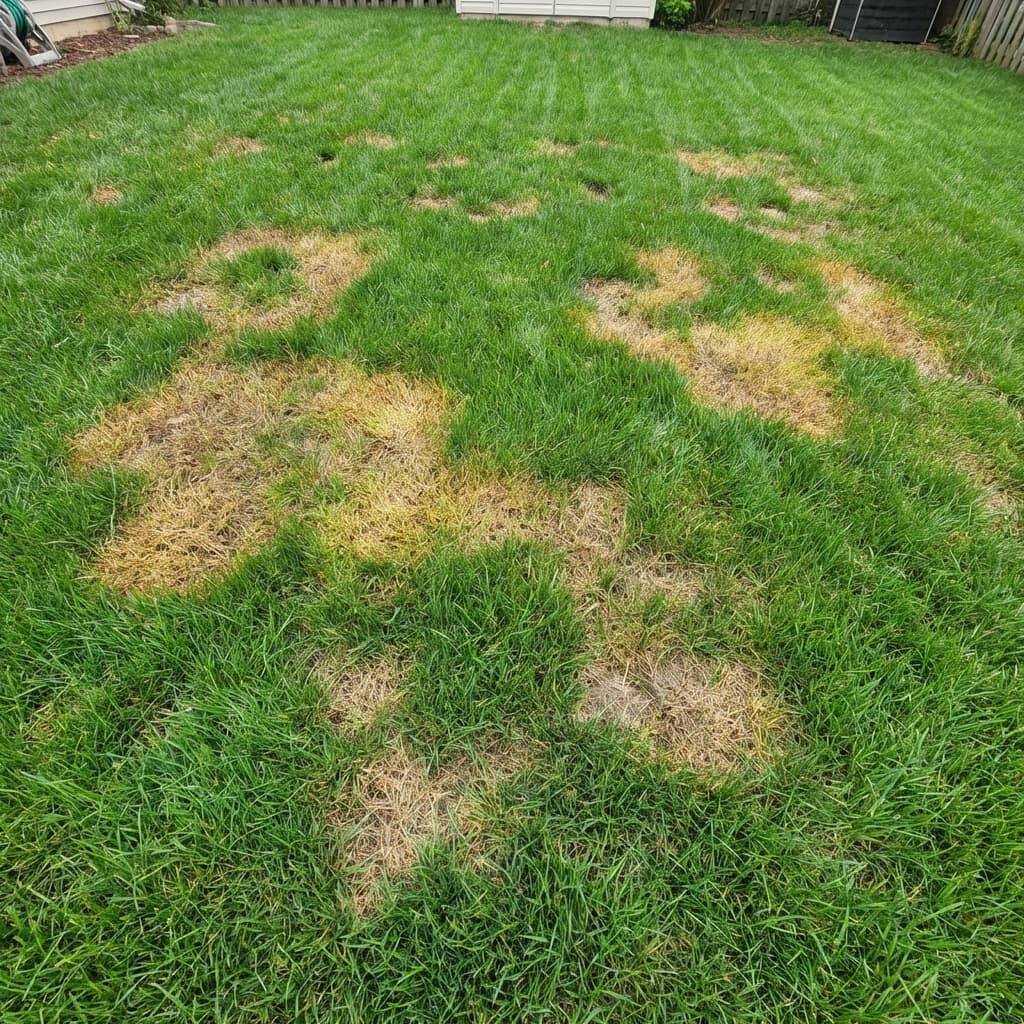
Lawn Scalping Damage Jacksonville
Fix scalped lawn damage in Jacksonville. Learn why it happens, how to repair St. Augustine and other grasses, and prevention tips for Zone 9a/9b lawns.
Let’s talk about your lawn
Ask our AI assistant a lawn question, or send the team a free installation estimate request.