Loading...
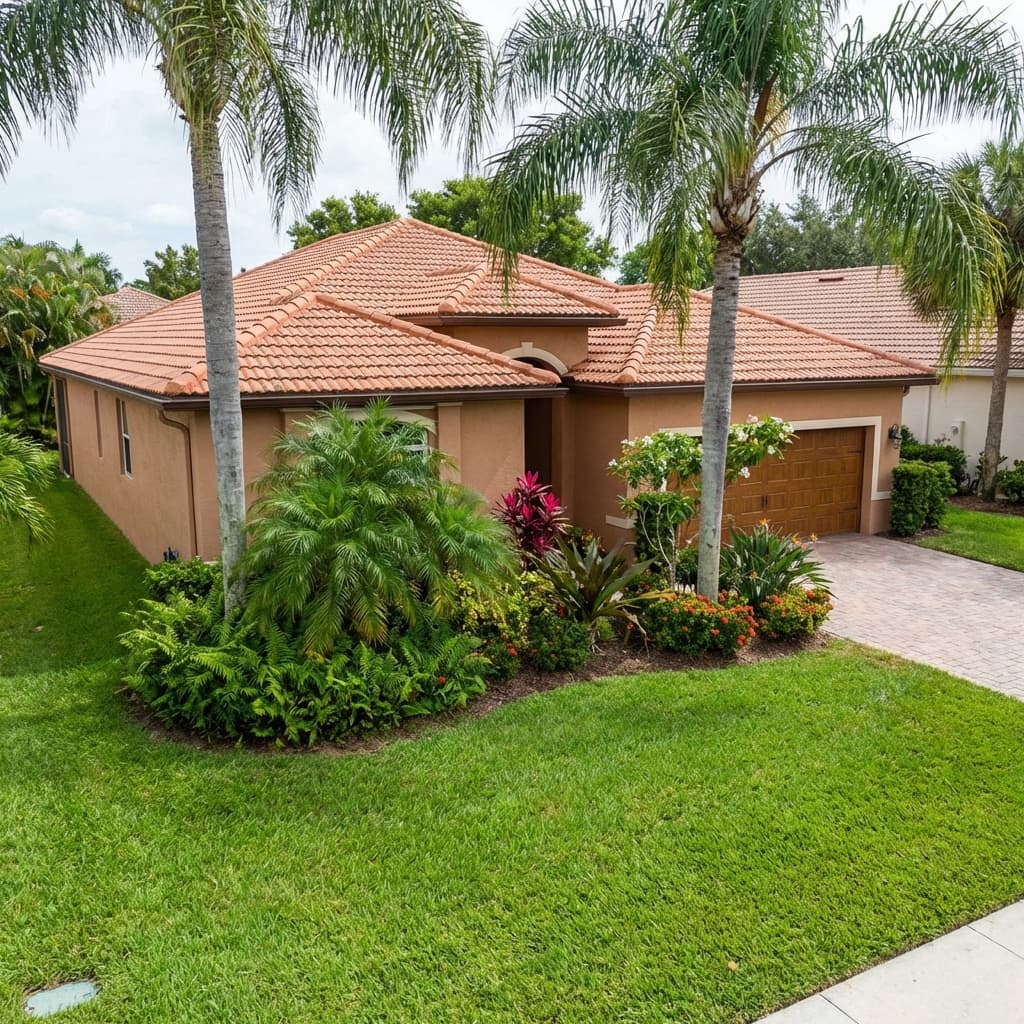
For current costs, compare the exact product or written project scope. See what to include in a sod estimate; this guide does not establish a current price, saving or resale return.
Arlington represents classic Jacksonville lawn care challenges and opportunities. The area stretches from the St. Johns River north to the city limits, encompassing everything from riverfront properties to inland subdivisions. The variety means lawn care approaches vary, but certain fundamentals apply across the entire area.
Most Arlington properties occupy Zone 9b, though spots directly on the river occasionally see Zone 9a conditions. The mature tree canopy throughout much of Arlington creates shade considerations you won't find in newer developments. These established neighborhoods have soil that's been worked for decades, for better or worse.
Arlington's Soil Reality
Sandy soil dominates Arlington just like the rest of Jacksonville, but you'll find more variation here than in newer areas. Older properties around Arlington Road and University Boulevard have had decades of lawn care—fertilizer applications, organic matter from grass clippings, and occasional soil amendments have modified the native sand somewhat.
This doesn't mean you've suddenly got rich loam. The base is still sand. Water still drains quickly. Nutrients still move through the profile faster than they would in heavier soils. But you might find slightly better water retention and nutrient holding capacity than raw Florida sand.
Properties closer to the river, particularly around Fort Caroline and the areas near Ft. Caroline Road, sometimes have slightly different soil composition due to historic river deposits. The practical effect is minimal—you're still dealing with fast-draining soil that needs appropriate watering and fertilization.
The big variable in Arlington is compaction. Older neighborhoods with decades of foot traffic, mowers, and vehicle parking create hardened areas where water penetrates slowly despite the sandy base. You'll see this most often near driveways, along fence lines, and around play areas.
Grass Selection for Arlington Properties
St. Augustine grass covers most Arlington lawns. Floratam remains the most common variety, planted extensively from the 1980s through 2000s. It handles sun well, establishes reliably, and creates dense turf when maintained properly.
The challenge with Floratam in Arlington is shade tolerance—or the lack thereof. Many properties have mature oaks, magnolias, and pines that have grown substantially since the lawn was installed. What started as a sunny lawn 20 years ago might now be 50% shade.
Floratam struggles in heavy shade. You'll see thin, weak growth in areas that receive less than 4-5 hours of direct sun. Palmetto St. Augustine handles shade better and has become the preferred choice for renovation projects in established neighborhoods.
Some Arlington properties use Bahia grass, particularly larger lots and areas maintained as lower-maintenance turf. Bahia tolerates shade slightly better than St. Augustine, handles drought well, and requires less fertilizer. The coarser texture bothers some homeowners, but it's a practical choice for certain applications.
Centipede grass appears occasionally, especially in older sections of Arlington. It needs less fertilizer than St. Augustine but shows iron deficiency (yellowing) more readily in our soil.
Watering Arlington Lawns Effectively
The same twice-weekly watering restrictions apply throughout Arlington, but how you meet grass needs within those restrictions varies by property conditions.
Shaded areas under tree canopy need less water than full-sun sections. This creates a zone management challenge—ideally, your irrigation system allows different run times for sunny versus shaded areas. If you're running the same duration across the entire lawn, you're either overwatering shade or underwatering sun.
Mature trees compete with grass for water. The extensive root systems of large oaks pull moisture from the soil profile. You might need to water slightly longer in zones directly under tree canopy, which seems counterintuitive since shaded areas typically need less water.
The solution is observing your specific property. Look for areas that show drought stress first—grass blades folding, blue-gray color, or footprints that remain visible after walking on the lawn. These spots need more water.
Most Arlington lawns need both allowed watering days during summer. Spring and fall, you might get by with once per week. Winter, established lawns typically need watering only during extended dry periods.
Early morning watering between 4:00 and 8:00 AM remains the best practice. Evening watering in Arlington's humidity invites fungal disease, particularly in shaded areas with limited air circulation.
Fertilization for Arlington Grass
St. Augustine lawns in Arlington need 4-5 pounds of nitrogen per 1,000 square feet annually, split across the growing season. The timing matters more than the total amount.
First application in mid-to-late April supports spring green-up. Use a complete fertilizer with slow-release nitrogen. The slow-release formulation matters in our sandy soil—quick-release nitrogen washes through the root zone too quickly.
Second feeding in early June prepares grass for summer stress. Some people combine this with an insecticide application for chinch bug prevention.
Third application in August or early September gives grass strength heading into fall. This feeding often gets skipped, but lawns that receive it show better winter color and earlier spring green-up.
An optional fourth feeding in late October supports root development without pushing excessive top growth before winter.
Shaded areas need less fertilizer than full-sun sections. Excess nitrogen in shade promotes weak, spindly growth susceptible to disease.
Trees need fertilizer too. If you're feeding the lawn but ignoring the trees, you create nutrient competition. Many lawn fertilizers provide some benefit to nearby trees, but mature trees might benefit from dedicated deep-root fertilization every few years.
Managing Shade in Established Neighborhoods
Shade is Arlington's defining lawn care challenge. Trees planted 30-50 years ago now create heavy canopy that limits grass growth.
Some shade problems have no good solution. Grass simply won't thrive under dense evergreen canopy or in areas receiving less than 3-4 hours of sun. These spots are better converted to shade-tolerant groundcover, mulched beds, or hardscaping.
For moderate shade, proper variety selection (Palmetto St. Augustine), increased mowing height (4 inches or slightly more), reduced fertilization, and careful watering help grass persist.
Selective tree trimming improves light penetration. Raising the canopy by removing lower branches and thinning dense growth allows more light to reach the ground. This helps grass while maintaining the trees that make Arlington neighborhoods attractive.
Pest Pressure in Arlington
Chinch bugs cause extensive damage in Arlington lawns. These small insects thrive in hot, dry conditions and spread rapidly through St. Augustine grass. You'll see irregular yellow patches that expand quickly during summer.
Check suspected areas by parting grass at the edge of damage and looking for small black bugs with white wings. They're tiny but visible if you know what you're looking for.
Proper watering and fertilization reduce chinch bug susceptibility. Stressed grass attracts them. Some St. Augustine varieties show better resistance, but none are immune.
Mole crickets tunnel through Arlington lawns, particularly in spring and fall. You'll notice spongy turf, raised tunnels, and sometimes direct evidence of the crickets at night. They're mostly a nuisance, but heavy populations damage grass roots.
Armyworms occasionally outbreak during late summer and fall. These caterpillars can defoliate grass rapidly. Birds feeding actively on your lawn often signal armyworm presence—they're eating the caterpillars.
Grubs appear sporadically. If grass pulls up easily in irregular patches and you see white C-shaped larvae in the soil, you've got grubs. They're the larvae of various beetles and feed on grass roots.
Disease Management
Gray leaf spot hits Arlington St. Augustine lawns hard during humid summers. This fungal disease creates elongated gray or tan spots on grass blades. Severe cases thin out large sections of lawn.
The combination of afternoon thunderstorms, high humidity, and warm nights from June through September creates ideal gray leaf spot conditions. Shaded areas with poor air circulation suffer most.
Prevention beats treatment: avoid evening watering, reduce nitrogen during summer heat, maintain proper mowing height, and ensure good air circulation through selective pruning of dense understory plants.
Brown patch appears in spring and fall when nights cool but days remain warm. This fungal disease creates circular patches of brown grass. It's favored by moisture, so managing irrigation timing and duration helps prevent it.
Take-all root rot shows up occasionally in Arlington lawns, particularly in areas with poor drainage or chronic overwatering. The disease attacks grass roots, creating irregular patches that don't respond to normal care. It's more common in shaded areas.
Mowing Practices for Arlington
St. Augustine should be mowed to 3.5-4 inches. In shaded areas, maintain the higher end of that range or even slightly taller. The extra blade height helps grass photosynthesize more effectively in limited light.
Never remove more than one-third of the blade height in a single mowing. If you miss a week and grass gets tall, mow twice over several days rather than scalping it all at once.
Mowing frequency varies by season and sun exposure. Sunny areas in spring and early summer might need twice-weekly mowing. Shaded areas might go 10 days between cuttings even during peak growing season.
Sharp mower blades are critical. Dull blades tear grass rather than cutting cleanly. The ragged edges turn brown and create disease entry points. Sharpen blades at least once per season, preferably twice.
Arlington's mature trees drop leaves, pine needles, and oak tassels throughout the year. Remove heavy accumulations before mowing—running over thick leaf layers smothers grass and creates a mess.
Grass clippings can remain on the lawn unless they're thick enough to smother the grass beneath. The clippings return nutrients to the soil and add organic matter, which our sandy soil needs.
Dealing With Tree Root Competition
Tree roots and grass roots occupy the same soil zone. Large trees have extensive root systems that compete with grass for water and nutrients.
You can't eliminate this competition without removing trees, which defeats the purpose of living in established Arlington neighborhoods. Instead, manage it.
Water slightly longer in zones under and near large trees. The trees pull moisture from the soil, which means grass needs supplemental irrigation to compensate.
Fertilize appropriately. Both grass and trees need nutrition. Don't starve the lawn trying to avoid feeding the trees.
Avoid root damage. Never cut major tree roots to improve grass growth. The tree matters more than the grass, and root damage can destabilize or kill valuable mature trees.
Consider shade-tolerant groundcovers in the most heavily rooted areas. Fighting a losing battle with grass under large trees wastes time and money.
Irrigation System Maintenance
Many Arlington properties have irrigation systems installed 15-30 years ago. These systems need maintenance to function efficiently.
Walk the property while the system runs. Look for broken or clogged heads, dry spots from poor coverage, overspray onto pavement or structures, and heads that have settled or tilted over time.
Clean or replace clogged heads. Hard water deposits build up on sprinkler nozzles, reducing output and altering spray patterns.
Adjust coverage for current conditions. Trees have grown. Landscaping has changed. Sprinkler head positions and spray patterns that worked 20 years ago might not suit current needs.
Install a rain sensor if you don't have one. This simple device prevents the irrigation system from running during rain, saving water and reducing disease pressure.
Consider upgrading to a smart controller. Modern irrigation controllers adjust watering based on weather data, soil moisture, and plant needs. They work within watering restrictions while optimizing irrigation efficiency.
Seasonal Lawn Care in Arlington
Spring brings rapid growth starting in March. This is when you'll resume regular mowing, apply the first fertilizer application, and assess winter damage.
Summer is stress management. Heat, humidity, rain, and pests create challenging conditions. Your goal is keeping grass healthy through the toughest months, not pushing aggressive growth.
Fall—September through November—is Arlington's best season for lawn improvement. Temperatures moderate, rainfall decreases slightly, and grass grows actively without summer heat stress. This is the time for sodding, major fertilization, or overseeding (though St. Augustine doesn't overseed well).
Winter lawn care means reduced maintenance. Mow less frequently, water only during dry periods, and avoid unnecessary traffic on the lawn. Some winters barely slow grass growth; others bring cold enough to cause temporary browning.
Renovation vs. Maintenance
Sometimes Arlington lawns reach a point where renovation makes more sense than continued maintenance. If more than half your lawn is weeds, bare spots, or struggling grass, starting fresh with quality sod might be the better choice.
Sod installation provides an instant lawn. Within 2-3 weeks, new sod establishes and you're back to normal maintenance.
The best time for sod installation in Arlington runs from April through early June and again from September through October. You can install sod during other periods, but establishment requires more careful watering management.
Working With Arlington's Characteristics
Arlington's established nature creates both challenges and advantages. Mature landscaping provides shade and character but complicates lawn care. Older irrigation systems need maintenance but provide infrastructure newer properties lack. The soil has been worked for decades, which can mean better or worse conditions depending on past care.
Success comes from working with these realities rather than fighting them. Choose grass varieties suited to your specific light conditions. Adjust watering and fertilization to match your property's needs. Maintain irrigation systems. Accept that some areas might not support grass and consider alternatives.
The payoff is a healthy lawn that complements one of Jacksonville's most desirable neighborhoods. Arlington's tree-lined streets and established homes deserve well-maintained landscapes. That doesn't require perfection—it requires appropriate care based on understanding your specific conditions.
Need Professional Sod Installation?
Jax Sod provides sod installation, sod replacement, and new lawn installation across Jacksonville and Northeast Florida. Free quotes!
Related Articles
August Lawn Care Jacksonville FL: Managing Peak Stress Season
Expert August lawn care tips for Jacksonville's toughest month. Strategies to help your lawn survive extreme heat, humidity, and afternoon storms.
December Lawn Care Jacksonville FL: Year-End Maintenance
Complete December lawn care guide for Jacksonville, Florida. Year-end maintenance, winterization strategies, and preparation tips for St. Augustine and warm-season grasses in Zone 9a/9b.
Durbin Crossing FL Lawn Care: Maintaining Beautiful Yards in St. Johns County
Professional lawn care strategies for Durbin Crossing homes. Learn how to maintain healthy grass in this St. Johns County community with expert local advice.
Let’s talk about your lawn
Ask our AI assistant a lawn question, or send the team a free installation estimate request.