Loading...
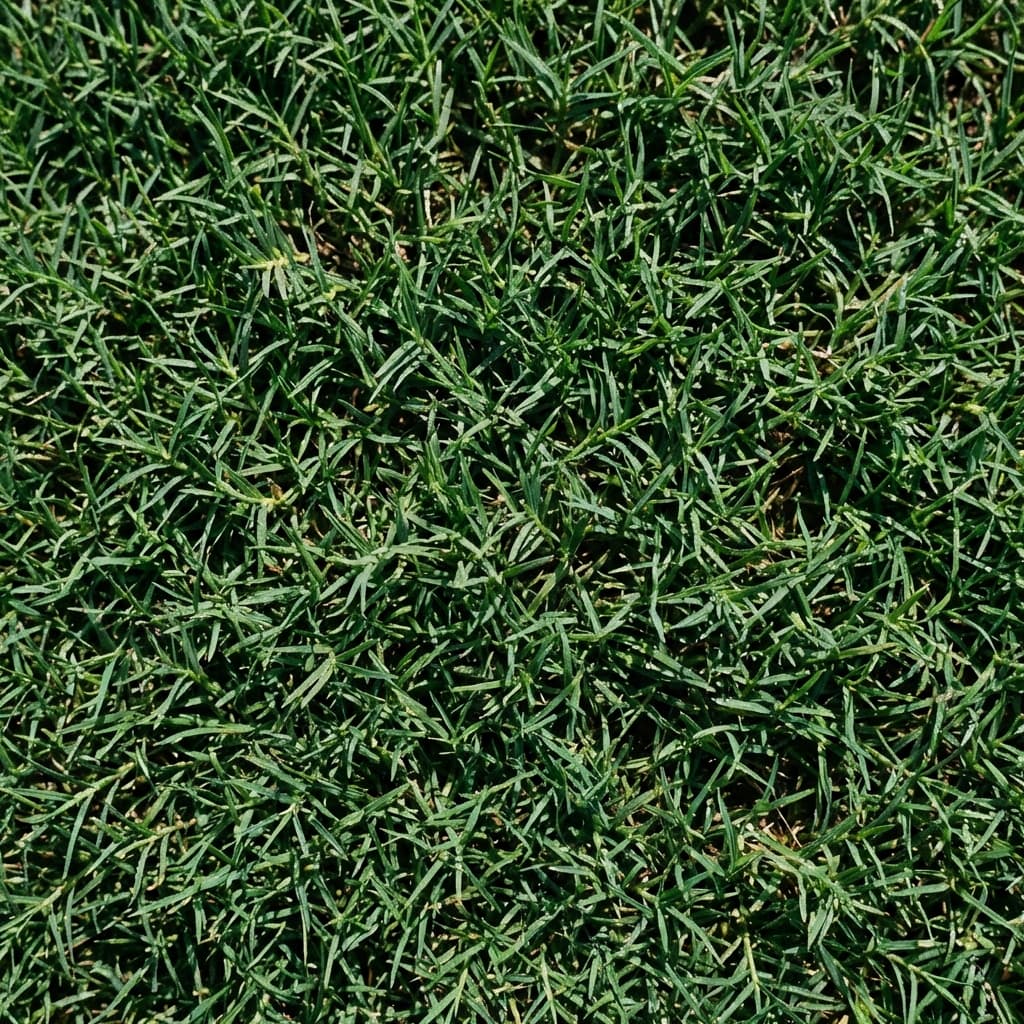
Back to Articles
TifTuf Bermuda Grass: Performance in Jacksonville Lawns
Grass Types January 27, 2026 17 min read
For current costs, compare the exact product or written project scope. See what to include in a sod estimate; this guide does not establish a current price, saving or resale return.
For sod, do not apply fertilizer before planting or as an early establishment shortcut. Follow the reviewed new-sod guidance.
TifTuf Bermuda grass represents one of the most significant advances in warm-season turfgrass development in recent decades. Developed by the University of Georgia's turfgrass breeding program, this variety combines exceptional drought tolerance—using 38% less water than the industry-standard Tifway 419—with fine texture, rapid recovery from damage, and overall performance that appeals to Jacksonville homeowners seeking a low-water, high-performance lawn alternative to St. Augustine grass.
This comprehensive guide examines TifTuf's performance in Jacksonville's climate and soils, covering its remarkable drought tolerance, fine texture and appearance, exceptional wear recovery, full-sun requirements, proper mowing and maintenance schedules, how it behaves through Jacksonville's mild winters, cost considerations, and detailed comparisons to other Bermuda varieties like Celebration and Tifway 419. We'll help you determine whether TifTuf represents the right choice for your specific property and lawn needs.
What Is TifTuf Bermuda Grass?
TifTuf is a hybrid Bermuda grass (Cynodon dactylon x Cynodon transvaalensis) developed by Dr. Wayne Hanna at the University of Georgia Tifton Campus and released commercially in 2015. The variety resulted from decades of breeding work focused on creating a Bermuda grass with superior drought tolerance while maintaining the fine texture, density, and wear tolerance that make Bermuda valuable for high-use applications.
Bermuda grass itself has been used in the southern United States for over a century, initially as pasture grass before its adoption for lawns, golf courses, and athletic fields. Modern hybrid Bermuda varieties like TifTuf represent sophisticated breeding achievements that combine the best traits from different Bermuda grass species and selections.
TifTuf spreads through both stolons (above-ground runners) and rhizomes (underground stems), creating an extremely dense, interwoven turf that resists weed invasion and recovers rapidly from damage. This aggressive spreading mechanism makes Bermuda excellent for high-traffic areas but also means it requires edging to prevent encroachment into landscape beds—a consideration Jacksonville homeowners should understand before installation.
The variety's name reflects its toughness and durability. "Tif" designates grasses developed at the Tifton research station, while "Tuf" emphasizes the grass's exceptional stress tolerance and durability under challenging conditions.
Drought Tolerance: TifTuf's Defining Characteristic
TifTuf's most revolutionary characteristic—and the primary reason for its development—is exceptional drought tolerance that dramatically exceeds other Bermuda varieties and rivals or surpasses any common warm-season turfgrass except Bahia.
The 38% Water Savings
University of Georgia research documented that TifTuf uses 38% less water than Tifway 419 Bermuda (the previous industry standard) while maintaining equivalent or better appearance and performance. This isn't marketing hyperbole—it's peer-reviewed research conducted over multiple years in controlled conditions.
For Jacksonville homeowners, this translates into substantial practical benefits. A typical 5,000 square foot lawn might require 25,000-30,000 gallons of supplemental irrigation annually with Tifway 419. That same lawn planted in TifTuf needs only 15,000-19,000 gallons—a reduction of 10,000+ gallons annually.
How Drought Tolerance Works
TifTuf's drought superiority stems from multiple genetic and physiological factors:
Deeper root system: TifTuf develops roots penetrating deeper into soil than other Bermuda varieties, accessing moisture unavailable to shallow-rooted competitors.
More efficient water use: At the cellular level, TifTuf extracts more productivity from each unit of water, maintaining photosynthesis and growth with less moisture input.
Better stomatal control: The grass regulates leaf pores (stomata) more effectively, reducing water loss through transpiration during hot, dry conditions.
Enhanced osmotic adjustment: TifTuf maintains cell turgor pressure under drought stress better than other varieties, delaying wilting and damage.
Faster recovery: When drought stress does occur, TifTuf recovers more quickly once irrigation resumes compared to other Bermuda varieties.
Practical Performance in Jacksonville
Jacksonville's typical year presents distinct wet and dry periods. Our summer months (June-September) receive heavy rainfall from afternoon thunderstorms, often providing adequate moisture without supplemental irrigation. Spring and fall, however, frequently bring extended dry spells that stress lawns dependent on irrigation.
TifTuf shines during these spring and fall dry periods. The grass maintains acceptable color and density 7-10 days longer than other Bermuda varieties when irrigation is withheld. During Jacksonville's 2023 spring drought, we observed TifTuf lawns remaining green and functional while neighboring Tifway 419 and even St. Augustine lawns showed significant stress.
When drought stress finally appears, TifTuf responds by taking on a bluish tint and showing slight leaf folding. Applying 0.5-0.75 inches of water triggers recovery within 24-36 hours. If water remains unavailable, TifTuf enters drought dormancy but survives extended periods and greens up rapidly once moisture returns.
For environmentally conscious Jacksonville homeowners, those facing irrigation restrictions, properties with limited water access, or anyone seeking to minimize lawn water usage, TifTuf's drought performance represents a game-changing advantage.
Jacksonville Pro Tip: Even drought-tolerant TifTuf needs adequate water during establishment. Provide consistent moisture for the first 3-4 weeks after installation before relying on the variety's drought tolerance.
Fine Texture and Appearance
Beyond water savings, TifTuf delivers the fine texture and attractive appearance that make it suitable for residential lawns rather than just commercial or athletic applications.
Leaf Characteristics
TifTuf produces narrow leaf blades approximately 1.5-2mm wide—substantially finer than St. Augustine's 4-10mm blades and even finer than many Zoysia varieties. This fine texture creates a refined, carpet-like appearance similar to golf course fairways or high-end athletic fields.
The leaf color is medium to dark green—not the bluish-green of some Bermuda varieties but a natural green that reads as healthy and vibrant. Proper fertilization maintains excellent color throughout the growing season without requiring excessive nitrogen inputs.
Density and Uniformity
TifTuf creates extremely dense turf through its aggressive stolon and rhizome growth. Once fully established (typically 8-12 weeks from sod installation), the interwoven growth produces a uniform surface with minimal visible gaps or thin spots.
This density provides multiple benefits: weed resistance through competitive exclusion, excellent wear tolerance as traffic distributes across dense growth, and a luxurious feel underfoot that rivals any residential turfgrass.
Mowing Appearance
When properly maintained at 0.5-1.5 inches, TifTuf displays a manicured appearance that substantially exceeds St. Augustine or Bahia in visual refinement. The fine texture and low mowing height create clean lines and a polished look that enhances curb appeal.
Homeowners accustomed to St. Augustine's coarser blades and taller mowing height often express surprise at TifTuf's sophisticated appearance. The grass looks more like a golf course than a typical residential lawn—an aesthetic that appeals to Jacksonville homeowners prioritizing upscale landscape appearance.
Seasonal Color
TifTuf maintains excellent color from April through October in Jacksonville, displaying its best appearance during peak growing season (May-September). As temperatures cool in fall, color gradually fades but remains acceptable through November.
Winter brings dormancy and brown coloration, similar to all Bermuda and Zoysia varieties. This represents TifTuf's primary aesthetic limitation for Jacksonville homeowners accustomed to St. Augustine varieties that maintain better winter color.
Exceptional Wear Tolerance for Active Families and Pets
TifTuf's wear tolerance and rapid recovery from damage make it ideal for Jacksonville properties with children, dogs, or frequent outdoor activities that would devastate less resilient turfgrasses.
Why Wear Tolerance Matters
Foot traffic, pet activity, outdoor play, and vehicle parking create concentrated stress that thins or kills grass in specific areas. St. Augustine develops pathways, bare patches, and thin zones under sustained traffic. Even wear-tolerant varieties like Floratam struggle with heavy, consistent use.
Bermuda grass generally offers superior wear tolerance compared to St. Augustine, and TifTuf represents one of the most wear-tolerant Bermuda varieties available. The dense, interwoven stolon and rhizome growth distributes traffic stress across the entire plant system rather than concentrating damage on individual grass plants.
Recovery Speed
When damage does occur—whether from heavy traffic, pet urine spots, temporary equipment placement, or other impacts—TifTuf recovers remarkably quickly. The aggressive lateral growth fills in damaged areas within 1-2 weeks during peak growing season, compared to 3-4 weeks for St. Augustine varieties.
This rapid recovery prevents temporary damage from becoming permanent bare spots. Areas that see sporadic heavy use (weekend yard games, periodic outdoor events, seasonal foot traffic patterns) recover between use periods rather than progressively declining over time.
Practical Applications
TifTuf particularly suits these Jacksonville property situations:
Active families with children: Yards used for play, sports, running, and outdoor activities maintain coverage under use that would destroy other grasses.
Dog owners: TifTuf tolerates dog traffic better than alternatives. While no grass is immune to dog urine damage, TifTuf recovers more quickly and handles the mechanical wear from running dogs effectively.
High-traffic zones: Pathways between driveway and door, routes to mailboxes or gates, areas around pools or outdoor entertainment spaces—all benefit from TifTuf's durability.
Athletic homeowners: Properties used for backyard soccer, football, badminton, croquet, or other yard sports maintain playable surfaces with TifTuf.
Rental properties: TifTuf's durability suits rental homes where tenant use patterns may be unpredictable or intensive.
For Jacksonville families in neighborhoods like Orange Park, Fleming Island, Mandarin, or Southside where yards function as outdoor living and recreation spaces, TifTuf's wear tolerance provides peace of mind that lawn investment won't be destroyed by normal family use.
Full Sun Requirement: TifTuf's Primary Limitation
While TifTuf offers numerous advantages, its full-sun requirement represents a significant limitation that eliminates it from consideration for many Jacksonville properties with mature tree canopy.
Sun Requirements
TifTuf requires 6-8 hours of direct sunlight daily for optimal performance. With 5-6 hours, the grass survives but displays reduced density and may develop thin spots. Below 5 hours of sun, TifTuf struggles significantly, thinning out or failing completely.
Some St. Augustine cultivars may suit partial shade, but dense shade can make turf impractical. Seville is cold sensitive. Use the sod types guide and assess the actual site. Bermuda grass evolved in full-sun environments and lacks the genetic adaptations necessary for shade tolerance.
Implications for Jacksonville Properties
Many established Jacksonville neighborhoods—San Marco, Riverside, Avondale, Mandarin, Deerwood—feature mature oak, magnolia, and pine trees creating substantial shade. These properties generally can't support healthy TifTuf lawns except in specific full-sun areas.
TifTuf works best in these Jacksonville situations:
Newer developments: Neighborhoods like Nocatee, Town Center, Fruit Cove, and St. Johns with young landscaping and limited tree canopy provide ideal full-sun conditions.
Coastal properties: Open lots near Jacksonville Beach, Atlantic Beach, Neptune Beach, and Ponte Vedra often offer adequate sun exposure.
Rear yards: Even shaded front yards may have full-sun back yards suitable for TifTuf installation.
Large rural properties: Clay County and western St. Johns County properties with expansive open lawns suit TifTuf perfectly.
Commercial properties: Office parks, retail centers, and other commercial sites often have full-sun landscape areas ideal for TifTuf.
Mixed Installation Strategy
Many Jacksonville homeowners use a mixed-variety approach: shade-tolerant St. Augustine (Palmetto or CitraBlue) in shaded front and side yards, with TifTuf in full-sun back yards where children and pets create heavy traffic. This strategy matches each grass to its ideal conditions while optimizing performance and appearance across the property.
At Jax Sod, we carefully evaluate sun exposure before recommending TifTuf. We look for consistent 6+ hours of direct sun across the installation area throughout the growing season. Properties with insufficient sun receive recommendations for shade-tolerant alternatives regardless of TifTuf's other benefits.
Mowing Height and Maintenance
Proper mowing is essential for maintaining TifTuf's appearance and health. The variety requires substantially different management than St. Augustine grass.
Optimal Mowing Height
TifTuf performs best when maintained at 0.5-1.5 inches—dramatically lower than St. Augustine's 3.5-4.5 inch range. Most homeowners maintain TifTuf at 1.0-1.25 inches, balancing appearance with reasonable maintenance demands and stress tolerance.
This low height showcases TifTuf's fine texture and creates the manicured appearance the grass is known for. Mowing higher than 1.5 inches allows the grass to become slightly leggy, produces more thatch accumulation, and reduces the aesthetic benefits that justify choosing Bermuda over St. Augustine.
However, maintaining these low heights requires more frequent mowing and proper equipment. This represents a meaningful trade-off Jacksonville homeowners should understand before installing TifTuf.
Mowing Frequency
TifTuf's aggressive growth requires frequent mowing during Jacksonville's peak growing season. From May through September, expect to mow every 4-7 days to maintain optimal height and appearance. During peak growth periods (June-July with warm temperatures and adequate moisture), twice-weekly mowing may be necessary.
This frequent mowing requirement exceeds St. Augustine (7-10 days) and even Empire Zoysia (7-10 days). Homeowners who view mowing as an unwelcome chore should carefully consider whether TifTuf's benefits justify the increased maintenance demand.
During spring and fall shoulder seasons, mowing frequency decreases to 7-10 days. Winter dormancy eliminates mowing requirements from December through February except for occasional passes to remove fallen leaves and debris.
Equipment Requirements
TifTuf's low mowing height and dense growth require sharp blades and adequate mower power. Dull blades tear rather than cut the fine leaf blades, creating a ragged appearance. Sharpen or replace mower blades every 3-4 weeks during peak season.
Rotary mowers work adequately when properly maintained, though reel mowers provide superior cuts at the low heights TifTuf prefers. Homeowners seeking the finest appearance might consider reel mowers for smaller lawns.
Scalping and Thatch Management
Bermuda grass, including TifTuf, benefits from annual spring scalping—mowing extremely low (0.25-0.5 inches) in early spring before green-up to remove dead material and accumulated thatch. This aggressive practice stimulates new growth and maintains turf quality.
Perform scalping in March before the grass fully breaks dormancy. Remove clippings after scalping. The grass recovers quickly once warm weather triggers active growth.
Regular mowing at proper height minimizes thatch accumulation during the growing season. If thatch exceeds 0.5 inches, consider dethatching or core aeration to maintain healthy turf.
Rapid Recovery from Damage
TifTuf's ability to quickly repair damage sets it apart from slower-recovering grasses like St. Augustine and even other Bermuda varieties.
Growth Rate and Spreading
TifTuf spreads aggressively through both stolons and rhizomes during Jacksonville's warm growing season.
This rapid spreading is both advantage and challenge. The benefit is quick recovery from damage, fast establishment from sod, and excellent weed resistance. The drawback is that TifTuf requires regular edging along sidewalks, driveways, and landscape beds to prevent encroachment into unwanted areas.
Damage Scenarios
TifTuf excels at recovering from various damage types:
Traffic damage: Worn pathways fill in quickly with TifTuf's aggressive lateral growth.
Pet damage: Dog urine spots that would remain bare for weeks in St. Augustine recover within 10-14 days in TifTuf during peak season.
Equipment damage: Temporary heavy equipment placement, vehicle parking, or construction activity creates damage that repairs itself rapidly.
Disease or pest damage: When disease or insect damage occurs, treated areas recover quickly once the problem is addressed.
Winter damage: Occasional cold damage to Bermuda grass in Jacksonville repairs itself as spring growth begins.
Factors Affecting Recovery Speed
Recovery rate depends on several factors:
Season: Recovery is fastest during peak growing season (May-September), slower during spring and fall shoulder seasons, and nonexistent during winter dormancy.
Moisture availability: Adequate irrigation accelerates recovery. Drought-stressed grass recovers more slowly.
Fertility: Proper nitrogen levels support rapid growth and recovery. Low-fertility grass recovers slowly.
Damage severity: Surface-level damage recovers faster than damage that destroys stolons and rhizomes.
For Jacksonville homeowners, TifTuf's recovery capability means temporary damage doesn't become permanent eyesores. The lawn constantly repairs itself, maintaining coverage and appearance despite regular use.
Fall Color Retention: Extending the Green Season
TifTuf displays superior fall color retention compared to other Bermuda varieties, extending the attractive green period later into autumn before winter dormancy.
What Fall Color Retention Means
As temperatures cool in fall, warm-season grasses gradually lose green color and approach dormancy. The timing and rate of this color decline varies by variety. Some Bermuda grasses transition quickly from green to brown, while others maintain color later into the season.
TifTuf retains green color approximately 2-3 weeks longer than Tifway 419 and most other common Bermuda varieties. In Jacksonville, this typically means TifTuf maintains good color through November while other Bermudas begin showing significant browning in late October.
Benefits for Jacksonville
Jacksonville's mild falls allow comfortable outdoor activity through November and often into December. Homeowners continue using outdoor spaces for recreation, entertaining, and normal yard activities well past the point when northern climates shut down outdoor life.
TifTuf's extended fall color means the lawn remains attractive during this active outdoor season. Families host Thanksgiving gatherings with green grass rather than brown dormant turf. November outdoor activities occur against an attractive lawn backdrop.
This extended green period provides one of the best returns on TifTuf's premium price for Jacksonville homeowners. While winter dormancy remains inevitable, compressing the brown period from 4-5 months to 3-4 months makes the dormancy issue less objectionable.
Winter Dormancy Reality
Despite better fall color retention, TifTuf still goes fully dormant during Jacksonville's winter. From December through February, expect brown or tan dormant grass similar to all Bermuda and Zoysia varieties.
Homeowners bothered by winter brown color can overseed with ryegrass for winter green coverage, accept natural dormancy as temporary, or choose St. Augustine varieties that maintain better winter color. There's no avoiding this trade-off with Bermuda grass—you gain numerous summer benefits but sacrifice winter appearance.
Year-Round Maintenance Schedule for Jacksonville TifTuf
Successful TifTuf management requires adjusting care throughout the year to match Jacksonville's seasonal patterns.
Spring (March-May)
Early Spring (March): Perform spring scalping before grass breaks dormancy. Mow at 0.25-0.5 inches and remove clippings. Apply pre-emergent herbicide to prevent summer weeds.
Mid-Spring (April): TifTuf breaks dormancy as soil temperatures rise. Begin regular mowing when grass reaches 2 inches, cutting to 1-1.25 inches. Apply first fertilization with 1 pound nitrogen per 1,000 square feet using complete fertilizer (16-4-8 or similar).
Late Spring (May): Increase mowing frequency as growth accelerates. Monitor irrigation needs as temperatures rise. Apply second fertilization with 0.5-1.0 pounds nitrogen per 1,000 square feet.
Summer (June-August)
Peak Season Maintenance: TifTuf displays maximum growth and best appearance during summer.
Fertilization: Apply 0.5-1.0 pounds nitrogen per 1,000 square feet in June and again in July-August. TifTuf tolerates higher nitrogen rates than St. Augustine without excessive growth issues.
Irrigation: Summer thunderstorms often provide adequate moisture. Supplement during dry spells with 0.75-1.0 inches weekly. TifTuf's drought tolerance allows extended intervals between irrigation compared to St. Augustine.
Mowing: Peak mowing frequency. Expect to mow every 4-7 days, possibly twice weekly during peak growth. Maintain 1.0-1.25 inch height.
Pest Control: Monitor for bermudagrass mites (occasionally problematic during hot, dry conditions) and other pests. TifTuf shows good general pest resistance.
Edging: Edge weekly along hardscapes and landscape beds to control TifTuf's aggressive spreading.
Fall (September-November)
Continued Active Growth: TifTuf maintains strong growth into fall as long as temperatures remain warm.
Fertilization: Apply final fertilization in early September with 0.5-1.0 pounds nitrogen per 1,000 square feet. Avoid fertilization after mid-September to prevent tender growth vulnerable to early cold.
Irrigation: Fall dry periods common in Jacksonville. Monitor moisture and supplement as needed until grass approaches dormancy in November.
Mowing: Continue regular mowing through October. Gradually extend intervals as growth slows. Final mowing typically occurs in November as dormancy begins.
Overseeding (Optional): If winter green color desired, overseed with perennial or annual ryegrass in October at 10-15 pounds per 1,000 square feet.
Winter (December-February)
Dormancy Period: TifTuf requires minimal maintenance during dormancy.
No Fertilization: Never fertilize dormant grass.
Minimal Irrigation: Dormant grass needs little water. Natural rainfall typically provides adequate moisture.
No Regular Mowing: Only mow if overseeded with ryegrass or removing excessive fallen leaves and debris.
Planning and Preparation: Use winter months to plan spring projects, maintain equipment, and prepare for spring maintenance resumption.
Traffic Management: Minimize foot traffic on dormant grass to prevent physical damage and soil compaction.
Cost Analysis: TifTuf vs Other Bermuda Varieties
TifTuf represents a premium Bermuda option with pricing reflecting its superior characteristics and recent development.
Sod Material Costs
This pricing positions TifTuf as a mid-to-premium option:
For a 5,000 square foot Jacksonville lawn:
Installation Costs
Labor costs remain consistent across Bermuda varieties. Soil preparation, grading, and installation techniques don't vary significantly by specific cultivar.
Long-Term Value Proposition
TifTuf's drought tolerance creates measurable long-term savings that offset some of the initial premium:
Longevity: Superior stress tolerance may extend lawn lifespan before renovation becomes necessary.
The drought tolerance also provides non-monetary value through greater flexibility during watering restrictions and reduced environmental impact.
Comparison to St. Augustine
The varieties compete directly in the premium turfgrass market, with selection driven by sun exposure (St. Augustine for shade, TifTuf for full sun) and maintenance preferences rather than cost.
TifTuf vs Celebration vs Tifway 419: Detailed Comparison
Understanding how TifTuf compares to other Bermuda varieties helps Jacksonville homeowners make informed decisions.
TifTuf vs Tifway 419
Tifway 419 served as the industry-standard Bermuda grass for decades before TifTuf's release.
Drought Tolerance: TifTuf's defining advantage—38% less water usage documented through research. For water-conscious Jacksonville homeowners, this alone may justify the premium.
Texture: Both offer fine texture suitable for residential lawns. TifTuf slightly finer.
Color: Similar medium to dark green. Tifway sometimes displays slightly bluer tint.
Wear Tolerance: Both excellent. Tifway 419 widely used on athletic fields, demonstrating durability. TifTuf equals or slightly exceeds Tifway in recovery speed.
Availability: Tifway 419 more widely available from Florida sod farms due to decades of commercial production.
Recommendation: Choose TifTuf for drought tolerance and water savings. Choose Tifway 419 for budget considerations when water usage isn't primary concern.
TifTuf vs Celebration Bermuda
Celebration Bermuda is another premium variety popular for residential and commercial use.
Drought Tolerance: TifTuf significantly superior in documented research.
Color: Celebration displays darker blue-green color than TifTuf's medium green. Color preference is subjective.
Texture: Very similar fine texture. Both suitable for residential applications.
Wear Tolerance: Both excellent. Celebration widely used on professional athletic fields, including some NFL stadiums.
Cold Tolerance: Celebration shows slightly better cold tolerance than TifTuf, though both handle Jacksonville winters without issues.
Recommendation: Choose TifTuf for superior drought tolerance and water conservation. Choose Celebration for slightly darker color and cold tolerance if occasionally critical.
Which Bermuda Variety for Jacksonville?
Choose TifTuf if:
- Water conservation is high priority
- Property has irrigation limitations or restrictions
- Long-term water cost savings valued
- Environmentally conscious homeowner
- Standard medium-green Bermuda appearance acceptable
Choose Celebration if:
- Prefer darker blue-green color
- Occasional cold snaps concern (inland Clay/Nassau County)
- Water savings less critical
- Maximum cold tolerance desired
Choose Tifway 419 if:
- Budget is primary constraint
- Proven, widely available variety preferred
- Standard drought tolerance acceptable
- Water costs not significant concern
For most Jacksonville homeowners, TifTuf's drought superiority makes it the default Bermuda recommendation unless color preference or budget constraints favor alternatives.
Conclusion
TifTuf Bermuda grass represents a legitimately improved turfgrass variety that delivers measurable benefits for Jacksonville homeowners seeking alternatives to traditional St. Augustine lawns. The combination of exceptional drought tolerance, fine texture, rapid damage recovery, and overall stress resistance creates a compelling option for full-sun properties where water conservation, durability, and reduced long-term maintenance costs take priority.
The variety's development by the University of Georgia's respected turfgrass program lends credibility beyond marketing claims.
However, TifTuf isn't universally appropriate. The strict full-sun requirement eliminates it from consideration for shaded properties common in established Jacksonville neighborhoods. Winter dormancy bothers homeowners prioritizing year-round green appearance. Frequent mowing requirements during peak season increase maintenance demands compared to slower-growing alternatives.
The variety particularly suits active Jacksonville families with children and dogs who need durable lawns that recover quickly from damage, environmentally conscious homeowners prioritizing water conservation, and properties where irrigation limitations or costs make drought tolerance valuable.
For properties with adequate sun exposure and homeowners whose priorities align with TifTuf's benefits, it provides years of attractive, relatively low-water, highly durable lawn coverage that justifies the premium investment through both immediate performance and long-term cost savings.
Ready to explore whether TifTuf Bermuda is right for your Jacksonville property?
Need Professional Sod Installation?
Jax Sod provides sod installation, sod replacement, and new lawn installation across Jacksonville and Northeast Florida. Free quotes!
Related Articles
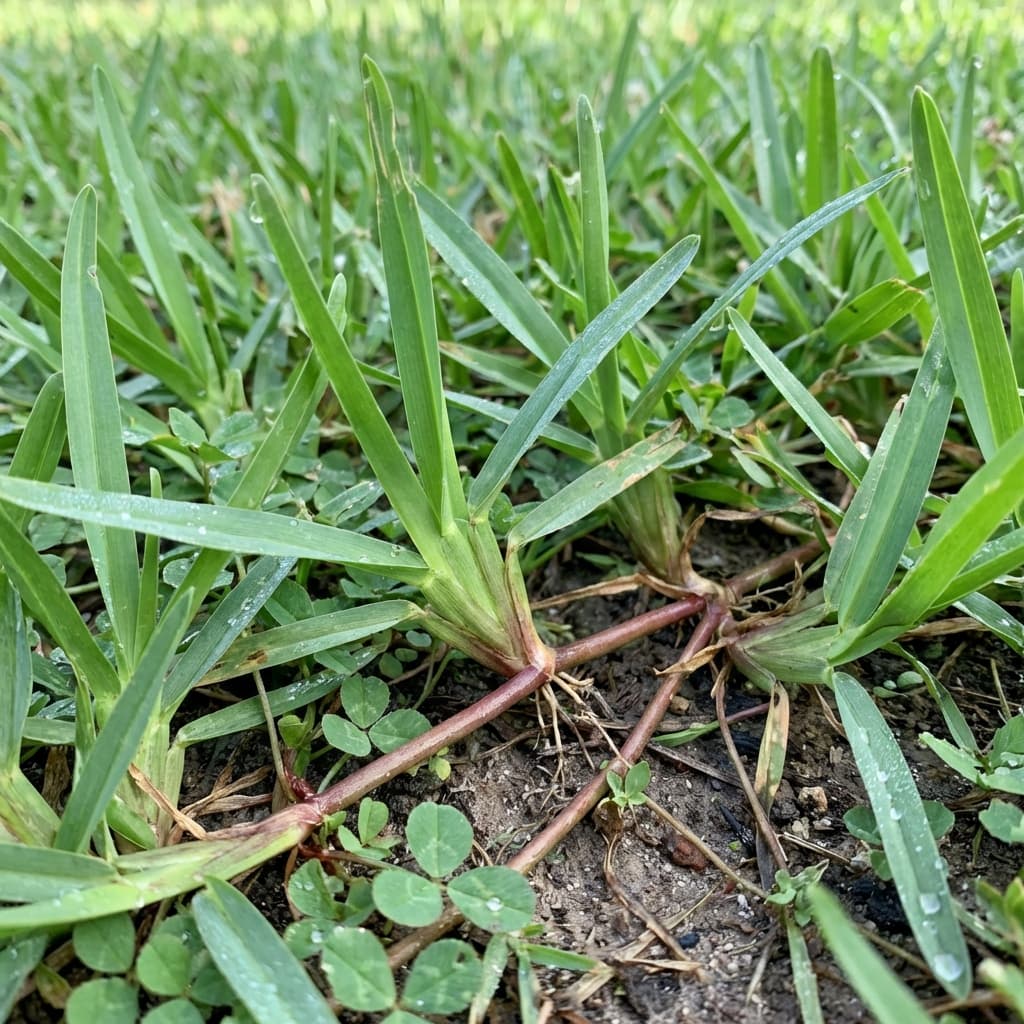
St. Augustine vs Bermuda Grass: Which Is Best for Jacksonville Lawns?
Comparing St. Augustine and Bermuda grass for Jacksonville, FL lawns. Learn which sod type handles our sandy soil, shade, salt air, and humidity best — plus cost, maintenance, and neighborhood recommendations.
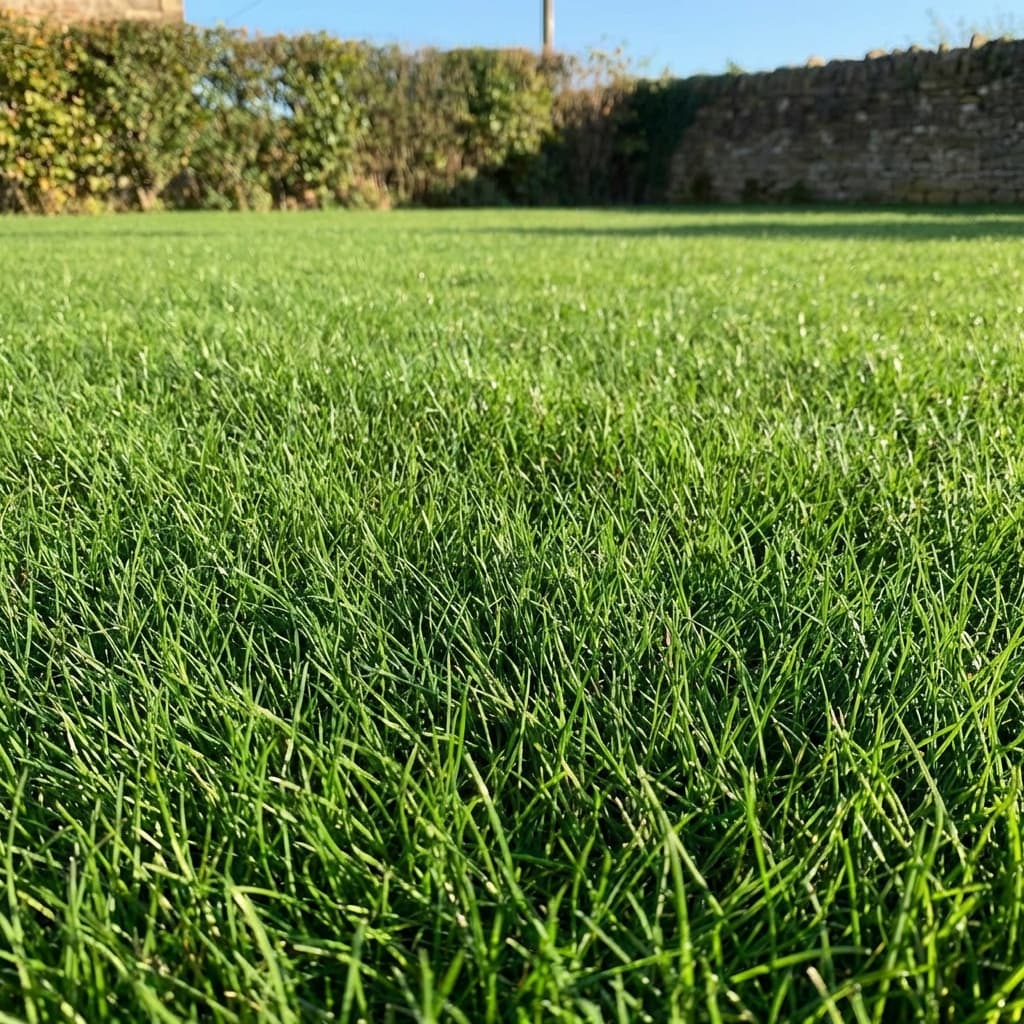
Zoysia vs Bermuda Grass: Which Is Right for Jacksonville?
Zoysia vs Bermuda Grass: Which Is Right for Jacksonville. Review the site, scope and current written quote before deciding.
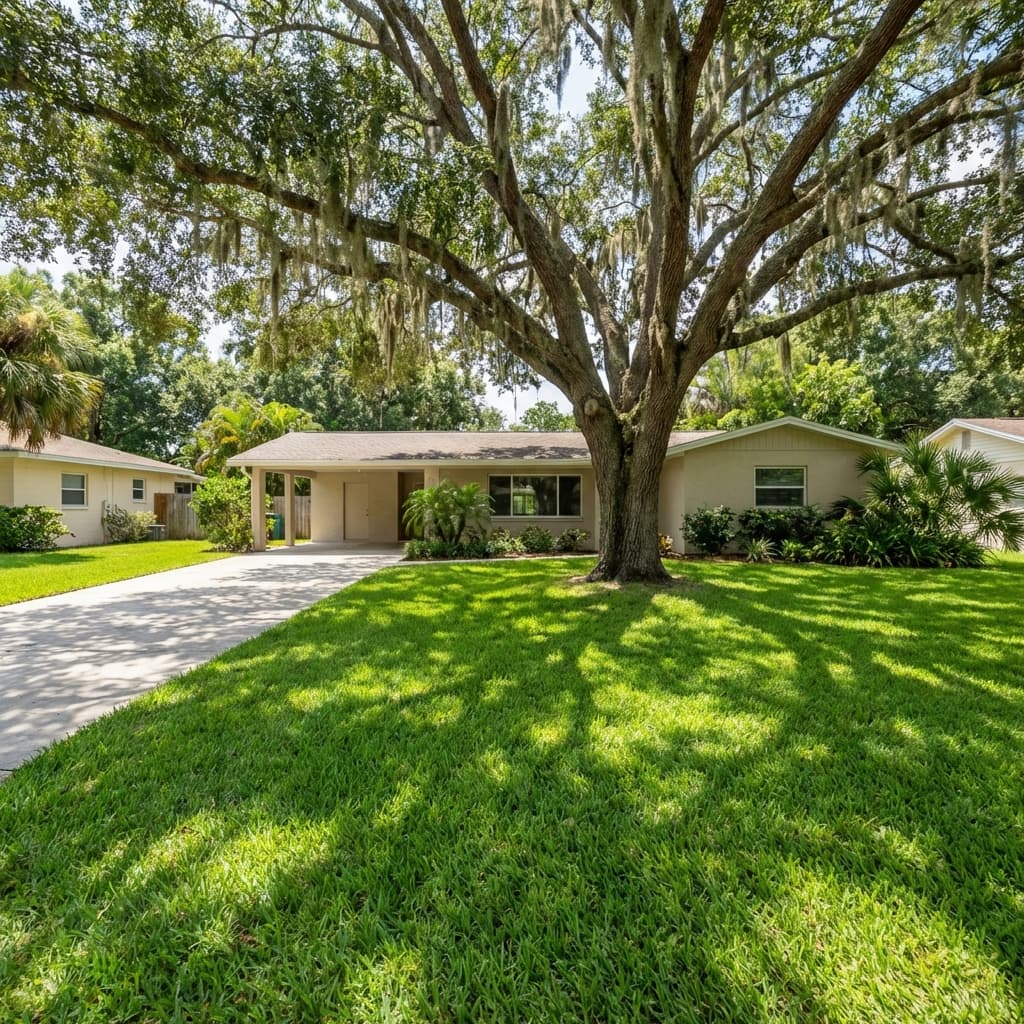
Best Low-Maintenance Grass for Jacksonville Lawns
Best Low-Maintenance Grass for Jacksonville Lawns. Review the site, scope and current written quote before deciding.
Let’s talk about your lawn
Ask our AI assistant a lawn question, or send the team a free installation estimate request.