Loading...
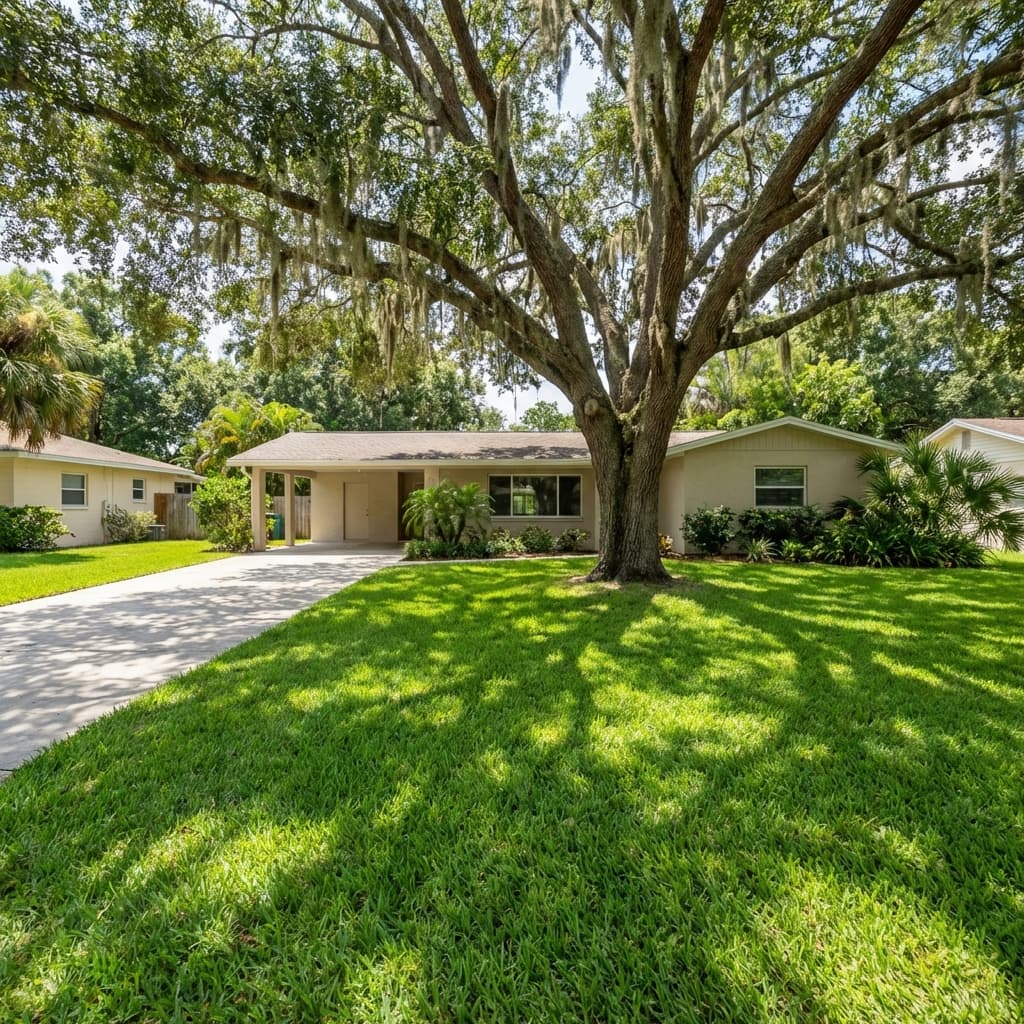
Back to Articles
Best Low-Maintenance Grass for Jacksonville Lawns
Grass Types January 27, 2026 13 min read
For current costs, compare the exact product or written project scope. See what to include in a sod estimate; this guide does not establish a current price, saving or resale return.
The dream of a beautiful lawn without constant upkeep appeals to every busy Jacksonville homeowner. Whether you're juggling work and family, traveling frequently, or simply prefer spending weekends on activities other than lawn care, choosing low-maintenance grass can dramatically reduce the time and money you invest in your yard. But "low maintenance" means different things to different people, and understanding what's actually achievable in Northeast Florida's climate helps set realistic expectations before you invest in new sod.
After years installing lawns across Jacksonville, we've learned that truly low-maintenance grass requires matching variety selection to your specific property conditions and personal tolerance for imperfection. The grass that requires the least mowing might demand more water. The variety that handles neglect best might not provide the curb appeal you want. And what works beautifully on large rural acreage in Clay County might look out of place on a manicured lot in Ponte Vedra or Nocatee.
In this guide, we'll rank Jacksonville's available grass types by maintenance requirements, break down exactly what "low maintenance" means in our climate, and help you choose the variety that balances your desire for hands-off care with your aesthetic expectations and property characteristics.
What "Low Maintenance" Really Means in Jacksonville
Before comparing grass types, let's define what maintenance actually involves in Northeast Florida's year-round growing season. Unlike northern climates where lawns go dormant for months and require zero care during winter, Jacksonville's mild temperatures keep grass growing 8-10 months yearly. This extended active season means even "low-maintenance" grass requires some attention.
True low-maintenance grass in Jacksonville should require:
- Infrequent mowing (every 10-14 days or less during peak season)
- Minimal fertilization (1-2 applications yearly)
- Low water requirements after establishment
- Natural resistance to common pests and diseases
- Ability to tolerate occasional neglect without dying
- Limited need for supplemental care like dethatching or aerating
Notice what's not included: zero maintenance. Some online sources promote "no-mow" or "no-care" lawns, but these don't exist in practical terms for Jacksonville's warm-season grasses. All turfgrass requires basic care to survive and look acceptable. The question is whether you're maintaining grass weekly or monthly, and whether you can handle maintenance yourself or need professional help.
Also consider that "low maintenance" often correlates with lower aesthetic standards. The grass that requires the least care typically doesn't provide golf-course appearance. If you want both minimal maintenance and premium aesthetics, you'll need to either accept limited maintenance rather than none, or consider artificial turf or alternative landscaping entirely.
Grass Types Ranked by Maintenance Level
Here's how Jacksonville's common grass varieties rank from lowest to highest maintenance requirements:
1. Bahia Grass: Lowest Maintenance Option
Bahia grass requires less maintenance than any other warm-season turfgrass available in Northeast Florida. It survives extended drought without irrigation, tolerates infertile soil without regular fertilization, and resists most pests and diseases that plague other varieties. For large properties, rural acreage, or utility areas where appearance matters less than function, Bahia is unmatched.
Bahia's maintenance requirements:
- Mowing: Every 10-14 days during peak growth (May-September), monthly or less in spring and fall
- Fertilization: 1-2 applications yearly (optional for survival, needed only for improved appearance)
- Watering: Minimal after establishment; survives on rainfall alone except during severe drought
- Pest control: Rarely needed; mole crickets are the only common pest, and damage is usually tolerable
- Disease resistance: Excellent; rarely suffers from fungal problems
Bahia's deep root system (up to 8 feet in ideal conditions) allows it to access water and nutrients far below the surface, making it remarkably drought-tolerant. It spreads through rhizomes and can fill in bare spots slowly over time, though not as aggressively as Bermuda. The coarse texture and open growth habit mean it doesn't create the dense, uniform appearance most homeowners want, but it provides functional green cover with minimal input.
The biggest maintenance challenge with Bahia is seed head control. Bahia produces tall seed stalks almost continuously from April through October, giving unmowed lawns a weedy appearance within 7-10 days. Frequent mowing keeps seed heads in check, but if you skip mowing for 2-3 weeks, you'll return to a lawn that looks unkempt even if the grass itself is healthy.
Bahia is best suited for:
- Properties over 1 acre where premium appearance isn't required
- Transition areas between maintained landscapes and natural vegetation
- Areas with poor soil where other grasses struggle
- Properties in western Duval County, Clay County, or Nassau County
- Homeowners who prioritize function over aesthetics
Bahia is unsuitable for:
- Front yards in established neighborhoods with appearance standards
- Properties under HOA rules requiring maintained turf appearance
- Small residential lots where neighbors maintain premium grass
- Areas visible from main living spaces or outdoor entertaining areas
2. ProVista St. Augustine: Best Low-Maintenance Premium Option
ProVista St. Augustine represents a breakthrough for homeowners who want low-maintenance grass without sacrificing appearance. Developed by Sod Solutions using advanced breeding techniques, ProVista contains genetic traits that slow vertical growth by 30-40% compared to standard St. Augustine varieties while maintaining density and color.
The result is grass that requires mowing every 10-14 days instead of weekly, dramatically reducing maintenance time. In spring and fall when other St. Augustine varieties grow vigorously, ProVista maintains a neat appearance for 2-3 weeks between mowings.
ProVista's maintenance profile:
- Mowing: Every 10-14 days during summer, every 2-3 weeks in spring and fall
- Fertilization: 2-3 applications yearly for best appearance (similar to standard St. Augustine)
- Watering: Moderate; less than Floratam but more than Bahia
- Pest control: Chinch bug monitoring needed like all St. Augustine
- Disease resistance: Good; similar to other St. Augustine varieties
Beyond slower growth, ProVista offers other advantages. It maintains better color during Jacksonville's mild winters than some St. Augustine varieties, reducing the brown period from December through February. It also handles moderate shade (5-6 hours of sun) acceptably, making it suitable for partially shaded yards throughout San Marco, Riverside, and Mandarin.
The trade-off is cost. And while it requires less mowing than standard St. Augustine, it still needs regular water and fertilizer to maintain the attractive appearance that justifies choosing it over Bahia.
ProVista is ideal for:
- Busy professionals who want attractive lawns without weekly maintenance
- Weekend homeowners who visit Jacksonville properties periodically
- Homeowners who prefer to handle lawn care themselves but have limited time
- Front yards and highly visible areas where appearance matters
- Properties in neighborhoods like Nocatee, Ponte Vedra, and Deerwood with appearance standards
3. Empire Zoysia: Slow-Growing Premium Choice
Empire Zoysia grows more slowly than St. Augustine or Bermuda, requiring less frequent mowing while providing premium appearance. Its dense, fine-textured turf creates an attractive lawn that handles foot traffic well and resists weed invasion through sheer density.
Empire's maintenance requirements:
- Mowing: Every 7-10 days during peak season, less frequently in spring and fall
- Fertilization: 2-3 applications yearly
- Watering: Moderate; better drought tolerance than St. Augustine once established
- Pest control: Minimal; Zoysia has few pest problems in Jacksonville
- Disease resistance: Excellent; rarely suffers from fungal issues even in humid conditions
Empire's biggest advantage over faster-growing grasses is that missed mowing sessions are less noticeable. Skip a week during summer and Empire still looks relatively neat, whereas fast-growing Bermuda or St. Augustine become shaggy. This makes Empire forgiving for busy homeowners or those who travel periodically.
The slow growth that reduces mowing also means slower recovery from damage. If your dogs create bare spots, kids' play patterns thin the turf, or you accidentally scalp a section while mowing, Empire takes 4-6 weeks to fill in compared to 2-3 weeks for Bermuda. This matters less if you're careful and avoid damage, but it's worth considering if you have active kids or pets.
Empire tolerates partial shade (5-6 hours of direct sun) better than Bermuda, making it suitable for yards with scattered tree cover. It maintains good color through Jacksonville's mild winters, staying green until the first hard freeze (typically late December or January) and greening up quickly in March.
Cost is Empire's main drawback. But many homeowners find the combination of attractive appearance and reduced maintenance worth the premium, particularly for smaller yards where the total cost difference is manageable.
Empire suits:
- Homeowners who want premium appearance without constant upkeep
- Properties with mature landscapes where slower growth won't delay establishment
- Yards with partial shade or scattered tree cover
- Neighborhoods with high aesthetic standards (Mandarin, Fruit Cove, Orange Park)
- Homeowners willing to invest more upfront for reduced long-term maintenance
4. Bermuda Grass: Moderate-High Maintenance
Bermuda grass is Jacksonville's most popular choice for full-sun areas, but it requires regular maintenance to look its best. The aggressive growth that makes Bermuda excellent for sports fields and high-traffic areas also means weekly mowing during peak season. Miss a week and you'll return to a lawn that's grown 3-4 inches, requiring multiple passes to bring it back to proper height.
Bermuda's maintenance profile:
- Mowing: Weekly during peak season (May-September), every 7-10 days in spring and fall
- Fertilization: 3-4 applications yearly for premium appearance
- Watering: Moderate to low; excellent drought tolerance once established
- Pest control: Occasional monitoring for sod webworms and armyworms
- Disease resistance: Good in full sun; can suffer fungal issues in shade
The specific Bermuda variety affects maintenance requirements slightly. TifTuf Bermuda offers exceptional drought tolerance, potentially reducing water and irrigation management time. Celebration Bermuda provides slightly better shade tolerance and color. But all Bermudas require similar mowing frequency and fertilization for best performance.
Bermuda's aggressive growth spreads into landscape beds, driveways, and walkways, requiring regular edging to maintain clean borders. This adds 15-30 minutes to weekly maintenance. And in mixed-grass lawns, Bermuda invades other varieties, gradually taking over unless you maintain strict barriers.
Bermuda works for moderately busy homeowners who can commit to weekly mowing during summer but want drought tolerance and durability. It's less suitable for those seeking truly low-maintenance lawns.
5. Standard St. Augustine Varieties: Moderate-High Maintenance
Traditional St. Augustine varieties like Floratam, Palmetto, and CitraBlue require regular maintenance to stay healthy and attractive. Weekly mowing, consistent watering, pest monitoring for chinch bugs, and disease management in humid conditions keep these grasses looking good.
St. Augustine maintenance:
- Mowing: Weekly during peak growth, every 7-10 days in spring and fall
- Fertilization: 3-4 applications yearly
- Watering: Moderate to high; St. Augustine shows drought stress faster than Bermuda or Zoysia
- Pest control: Regular chinch bug monitoring essential; fungicide may be needed in wet seasons
- Disease resistance: Moderate; susceptible to brown patch and gray leaf spot in humid conditions
St. Augustine's main advantage is shade tolerance, making it necessary rather than optional for many Jacksonville yards with tree coverage. The maintenance requirements are the price for having viable grass in partially shaded conditions where lower-maintenance options won't survive.
Maintenance Comparison Table
Here's a side-by-side comparison of what you can expect from each grass type:
| Grass Type | Mowing Frequency (Summer) | Annual Fertilizer | Supplemental Water | Pest Susceptibility | Disease Risk | Overall Maintenance |
|---|---|---|---|---|---|---|
| Bahia | Every 10-14 days | 1-2 times | Minimal | Very Low | Very Low | Lowest |
| ProVista St. Augustine | Every 10-14 days | 2-3 times | Moderate | Moderate (chinch bugs) | Moderate | Low-Moderate |
| Empire Zoysia | Every 7-10 days | 2-3 times | Moderate | Low | Very Low | Moderate |
| TifTuf Bermuda | Weekly | 3-4 times | Low | Low-Moderate | Low | Moderate-High |
| Celebration Bermuda | Weekly | 3-4 times | Moderate | Low-Moderate | Low | Moderate-High |
| Floratam St. Augustine | Weekly | 3-4 times | Moderate-High | High (chinch bugs) | Moderate-High | High |
| Palmetto St. Augustine | Weekly | 3-4 times | Moderate | Moderate (chinch bugs) | Moderate | Moderate-High |
Annual Cost of Maintenance Estimates
Beyond time investment, maintenance costs money—whether you're paying professionals or buying products for DIY care. Here are realistic annual cost estimates for maintaining 5,000 square feet of lawn (typical for Jacksonville residential lots):
These estimates assume competent DIY care using appropriate products at correct rates. Common mistakes—over-fertilizing, improper watering, unnecessary treatments—can increase costs significantly without improving results.
Matching Grass to Your Lifestyle
The right low-maintenance grass depends on your specific situation, property characteristics, and aesthetic priorities. Here's how to match varieties to common Jacksonville homeowner profiles:
Weekend Warriors (Home Every Weekend, Busy Weekdays)
If you're home every weekend but lack time during weekdays, you can handle weekly summer mowing but prefer minimal other maintenance.
Best choices: ProVista St. Augustine or Empire Zoysia
- Both require less frequent mowing than standard varieties
- Weekend mowing sessions keep them looking good
- Mid-week maintenance isn't necessary except during establishment
Avoid: Bahia (seed heads require very consistent mowing for neat appearance), fast-growing Bermuda
Frequent Travelers
If you travel for work or pleasure and miss multiple weekends per month, you need grass that tolerates irregular care without rapid decline.
Best choice: Bahia
- Survives extended neglect better than any other option
- Doesn't require precise timing for fertilization or treatment
- Recovers from drought stress without permanent damage
Second choice: ProVista St. Augustine
- Tolerates 2-3 week mowing gaps better than standard St. Augustine
- Still needs someone to handle basic care during extended absences
Avoid: Bermuda (becomes shaggy quickly), standard St. Augustine (suffers if watering schedule interrupted)
Retirees Who Enjoy Yard Work
If you're retired and actually enjoy outdoor time but prefer less physically demanding maintenance, you can handle more frequent tasks but want to avoid strenuous work.
Best choices: Empire Zoysia or ProVista St. Augustine
- Easy weekly or biweekly mowing is manageable
- Don't require aggressive dethatching, renovation, or other strenuous tasks
- Respond well to attentive care without demanding it
Avoid: Bahia (doesn't reward extra attention with improved appearance)
Large Property Owners (1+ Acres)
For properties over an acre, maintenance time and cost multiply with lawn size. Efficiency and durability matter more than premium appearance.
Best choice: Bahia
- Manageable maintenance costs at scale
- Riding mower can cover large areas quickly despite frequent seed heads
- Minimal fertilizer and water requirements save significantly on large acreage
Alternative: Bermuda for high-visibility areas near house, Bahia for outlying areas
- This zoning approach balances appearance with practicality
Avoid: Zoysia or premium St. Augustine (costs become prohibitive at scale)
Young Families
If you have young children and limited free time, you need grass that tolerates play wear and requires maintenance that fits around family schedules.
Best choices: Bermuda or Empire Zoysia
- Both handle play traffic well
- Bermuda requires weekly mowing but tolerates abuse
- Zoysia grows slowly enough for flexible timing
Avoid: Bahia (coarse texture uncomfortable for barefoot play), delicate varieties that can't handle traffic
Neighborhood Appearance Standards
In communities like Nocatee, Ponte Vedra, or Deerwood with HOA standards, you need low-maintenance grass that still meets appearance expectations.
Best choices: ProVista St. Augustine or Empire Zoysia
- Both provide premium appearance with reduced maintenance
- Meet community standards without weekly commitment
Avoid: Bahia (likely violates appearance covenants)
Reducing Maintenance on Any Grass Type
Regardless of which variety you choose, these strategies reduce maintenance requirements:
Install Efficient Irrigation
Proper irrigation systems eliminate the guesswork from watering and dramatically reduce maintenance time. Smart controllers that adjust watering based on weather save water and money while preventing the over-watering that promotes disease and pest problems.
For Jacksonville properties, we recommend separate irrigation zones for sun and shade areas, with programmable schedules that water early morning (4-7 AM) to reduce disease pressure.
Edge Borders Permanently
Installing permanent borders between lawn and landscape beds eliminates 30-60 minutes of edging time per maintenance session. Metal or plastic edging, concrete mow strips, or professional landscape edging creates clean transitions that last years.
This is particularly important for Bermuda, which aggressively invades beds, and for all grass types adjacent to gravel drives or mulched areas where grass spreads gradually.
Mulch Don't Bag
This eliminates bagging and disposal time while actually improving lawn health. The finer clippings from mulching mowers break down quickly and don't contribute to thatch buildup on Jacksonville's warm-season grasses.
Calibrate Your Mower
Mowing at proper height reduces stress and promotes healthier grass that naturally resists weeds and recovers from damage faster. Sharpen blades every 20-25 hours of use (roughly every 4-6 weeks during peak season) for clean cuts that heal quickly rather than ragged tears that invite disease.
Proper heights for low-maintenance Jacksonville lawns:
- Bahia: 3-4 inches
- St. Augustine varieties: 3.5-4 inches
- Zoysia: 1.5-2 inches
- Bermuda: 1-1.5 inches
Right-Size Your Lawn
The lowest-maintenance lawn is the smallest lawn. Consider converting low-priority areas to landscape beds, native plantings, or hardscape.
This is particularly effective in side yards that nobody uses, shaded areas where grass struggles anyway, and awkward corners that are difficult to mow efficiently.
When Professional Maintenance Makes Sense
Sometimes the best low-maintenance strategy is hiring professionals to handle care while you enjoy results. This makes economic sense when:
- You lack equipment or storage space for a mower, trimmer, edger, and other tools
- Physical limitations make mowing difficult or impossible
- You consistently forget or delay maintenance, allowing minor problems to become major ones
- Your property includes challenging features (steep slopes, extensive edging, irrigation issues) that require expertise
Professional maintenance for low-maintenance grass varieties costs less than for high-maintenance types because visits can be less frequent and require fewer treatments.
When interviewing lawn services in Jacksonville, ask specifically about their experience with your chosen grass type and whether they offer customized maintenance schedules for low-maintenance varieties. Many services default to weekly visits regardless of grass type, unnecessarily increasing costs.
Conclusion
The best low-maintenance grass for Jacksonville depends on balancing your time availability, budget, aesthetic priorities, and property characteristics. Bahia offers the absolute lowest maintenance requirements but trades appearance for durability. ProVista St. Augustine and Empire Zoysia provide premium looks with significantly reduced maintenance compared to traditional varieties. And even fast-growing grasses like Bermuda can fit lower-maintenance lifestyles with proper expectations and efficient care practices.
Remember that "low maintenance" in Northeast Florida's year-round growing climate still requires basic care—there's no such thing as a truly zero-maintenance living lawn.
Before selecting grass for a new installation or renovation, honestly assess your available time, willingness to invest in setup costs like irrigation, and minimum acceptable appearance standards. Match these factors to grass characteristics and you'll enjoy a lawn that fits your lifestyle rather than dominating it.
Ready to install low-maintenance grass that matches your lifestyle and property? We'll help you select the right variety for your specific situation and ensure proper installation for long-term success with minimal ongoing care.
Need Professional Sod Installation?
Jax Sod provides sod installation, sod replacement, and new lawn installation across Jacksonville and Northeast Florida. Free quotes!
Related Articles
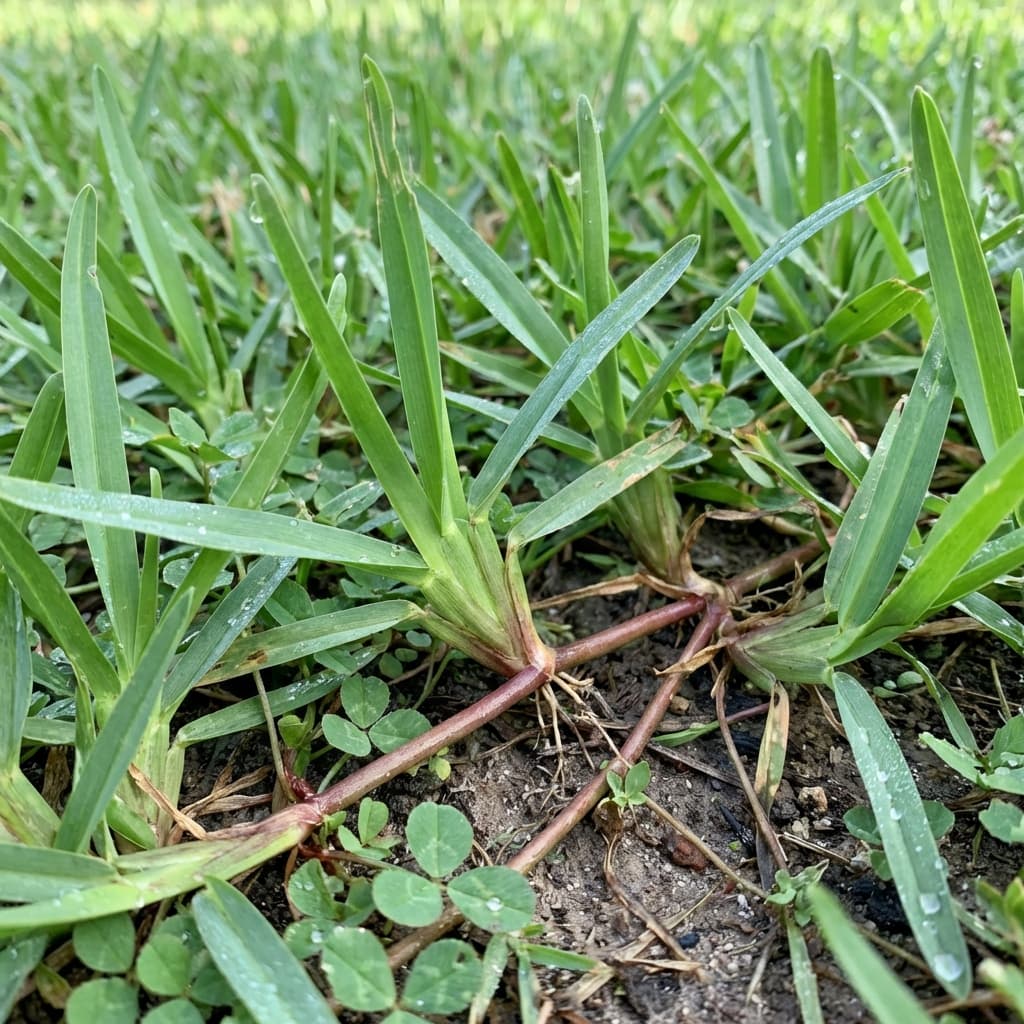
St. Augustine vs Bermuda Grass: Which Is Best for Jacksonville Lawns?
Comparing St. Augustine and Bermuda grass for Jacksonville, FL lawns. Learn which sod type handles our sandy soil, shade, salt air, and humidity best — plus cost, maintenance, and neighborhood recommendations.
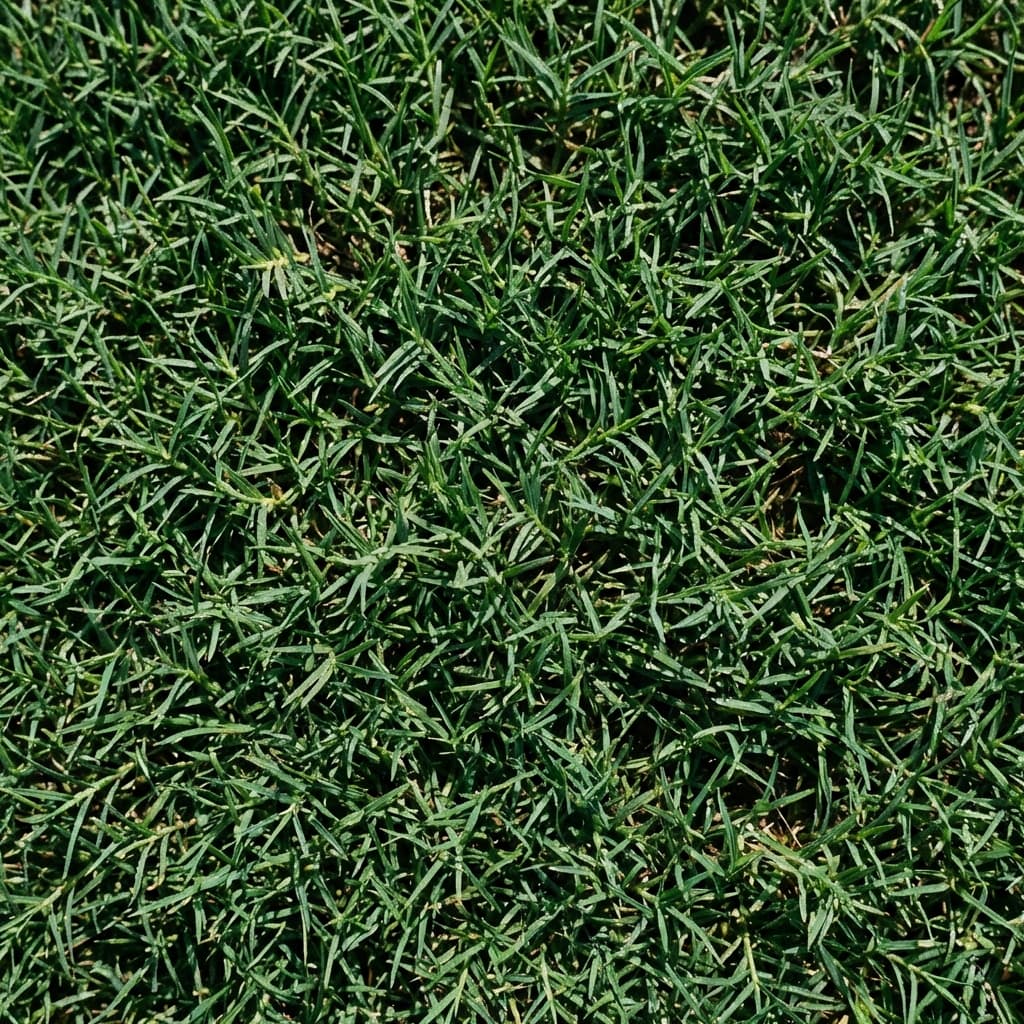
TifTuf Bermuda Grass: Performance in Jacksonville Lawns
TifTuf Bermuda Grass: Performance in Jacksonville Lawns. Review the site, scope and current written quote before deciding.
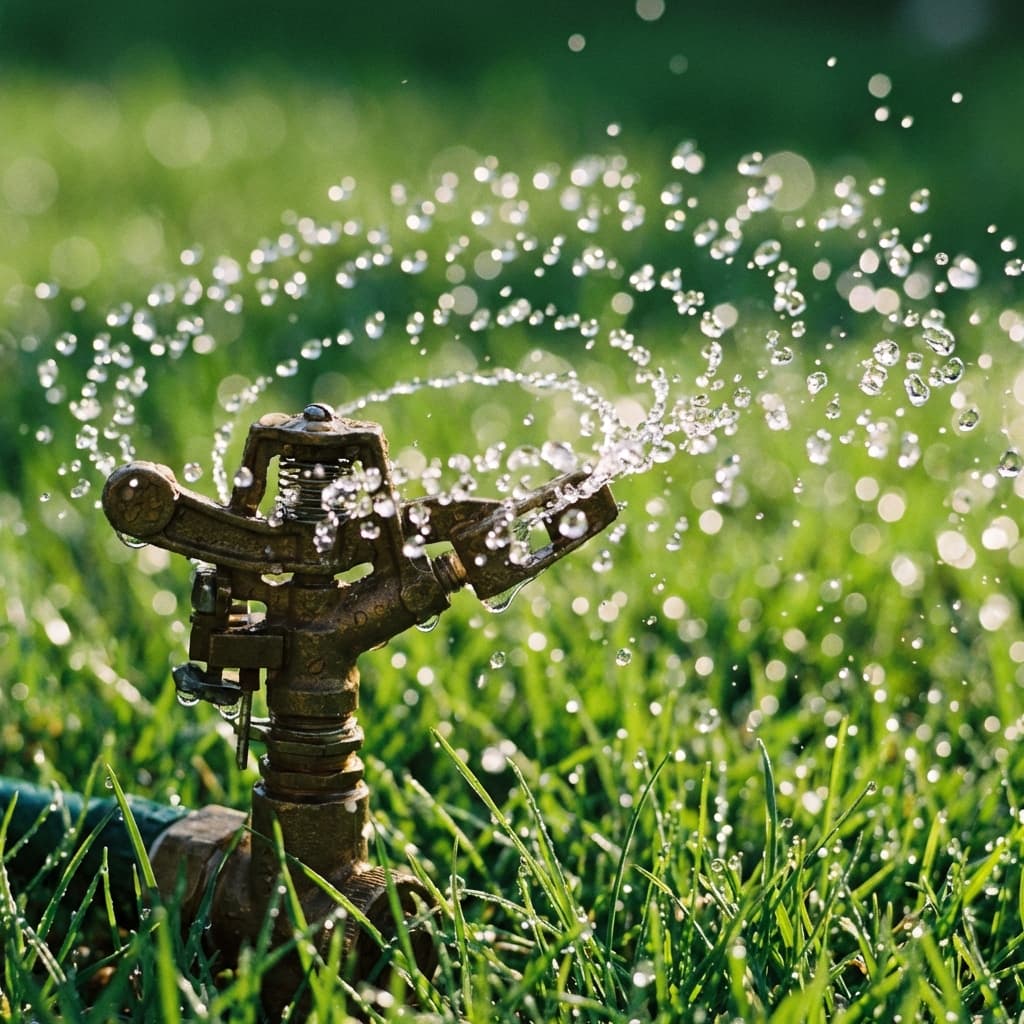
Irrigation Guide for Jacksonville Lawns — How Much Water Does Your Grass Need?
Complete irrigation guide for Jacksonville lawns covering water requirements for St. Augustine, Zoysia, Bermuda, and Bahia grass. Includes SJRWMD restrictions and smart watering tips for Northeast Florida.
Let’s talk about your lawn
Ask our AI assistant a lawn question, or send the team a free installation estimate request.