(904) 901-1457
Floratam vs Palmetto St. Augustine: Which Is Best for Jacksonville?
Back to Articles

Floratam vs Palmetto St. Augustine: Which Is Best for Jacksonville?

Grass Types January 27, 2026 13 min read

Floratam vs Palmetto St. Augustine: Which Is Best for Jacksonville?

Choosing between Floratam and Palmetto St. Augustine represents one of the most common decisions Jacksonville homeowners face when installing new sod. Both varieties dominate residential landscapes throughout Northeast Florida, and for good reason—St. Augustine grass delivers the lush, dark green appearance and soft texture Florida homeowners expect from their lawns. But the differences between these two varieties directly impact how well your lawn performs in your specific yard conditions.

At Jax Sod, we've installed both Floratam and Palmetto across thousands of properties in Duval, Clay, St. Johns, and Nassau counties over the past 37 years. We've seen firsthand which variety thrives in the oak-shaded yards of Mandarin, which handles the coastal conditions of Ponte Vedra, and which suits the full-sun lots common in newer developments like Nocatee. The right choice depends on your property's sun exposure, your maintenance preferences, and your budget.

This comprehensive comparison will examine every meaningful difference between Floratam and Palmetto St. Augustine, helping you make an informed decision that sets up your Jacksonville lawn for long-term success. We'll cover shade tolerance, maintenance requirements, pest resistance, cost considerations, and provide specific recommendations for different yard conditions throughout the First Coast.

Side-by-Side Comparison: Floratam vs Palmetto

Here's a detailed comparison of the key characteristics that differentiate these two popular St. Augustine varieties:

| Characteristic | Floratam | Palmetto | |---|---|---| | Shade Tolerance | Moderate (4-5 hours sun minimum) | Excellent (3-4 hours sun minimum) | | Sun Tolerance | Excellent (full sun ideal) | Excellent (full sun tolerant) | | Cold Tolerance | Moderate (some damage below 25°F) | Good (better cold hardiness) | | Chinch Bug Resistance | Excellent (bred for resistance) | Moderate (susceptible to chinch bugs) | | Leaf Texture | Medium-coarse, wider blades | Fine-medium, narrower blades | | Color | Medium green | Dark blue-green | | Vertical Growth Rate | Fast (mow weekly in summer) | Moderate (slightly less mowing) | | Sod Price Range | $0.35-$0.50 per sq ft | $0.45-$0.65 per sq ft | | Drought Tolerance | Good | Good to Very Good | | Salt Tolerance | Moderate | Good | | Brown Patch Susceptibility | Moderate | Moderate to High | | Density | Moderate | Dense to Very Dense | | Establishment Speed | Fast (2-3 weeks) | Fast (2-3 weeks) | | Best Use | Full sun to partial shade, large lawns | Moderate to heavy shade, coastal areas |

This comparison reveals the central trade-off: Floratam offers superior chinch bug resistance and lower cost, while Palmetto provides better shade tolerance and finer texture with slightly higher maintenance demands and vulnerability to chinch bugs.

Shade Tolerance: Palmetto's Clear Advantage

If we had to identify the single most important difference between these varieties for Jacksonville homeowners, shade tolerance wins that distinction. Northeast Florida properties often feature mature oak, magnolia, and pine trees that create challenging light conditions for turfgrasses. Your grass variety's shade performance directly determines whether you'll maintain a healthy lawn or fight a losing battle against thinning turf.

Palmetto St. Augustine thrives in shade conditions that would devastate Floratam. While Floratam requires 4-5 hours of direct sunlight daily to maintain density and health, Palmetto performs acceptably with just 3-4 hours. In areas receiving even less light—filtered shade under high tree canopy with 2-3 hours of direct sun—Palmetto often maintains adequate coverage while Floratam thins out or dies completely.

We consistently recommend Palmetto for properties in established Jacksonville neighborhoods like San Marco, Riverside, Avondale, and Mandarin, where mature tree canopy creates extensive shade. Yards with large oaks providing morning or afternoon shade, properties with northern exposures, and side yards receiving limited direct sun all perform better with Palmetto.

Floratam works well in partial shade—areas receiving 5-6 hours of sun—but struggles as shade increases. The variety was developed for Florida's full-sun conditions and simply lacks the genetic traits necessary for deep shade performance. Homeowners who install Floratam in inadequate light fight constant battles with thin turf, weed infiltration, and disease pressure.

Jacksonville Pro Tip: Map your yard's sun exposure before choosing grass varieties. Observe different areas every 2 hours from 8 AM to 6 PM on a typical summer day to accurately assess available light. Don't estimate—measure.

Sun Requirements and Full-Sun Performance

While Palmetto dominates in shade, both varieties perform excellently in full sun conditions. In fact, both Floratam and Palmetto prefer full sun and display their best color, density, and growth when receiving 6-8 hours of direct light daily.

Full-sun lots in newer Jacksonville developments like Nocatee, Town Center, and Fruit Cove can use either variety successfully. The decision then shifts to other factors: cost, chinch bug pressure, desired texture, and maintenance preferences.

Floratam actually grows more vigorously in full sun than Palmetto, producing thick, dense coverage that crowds out weeds effectively. This aggressive growth is a double-edged sword—it creates beautiful turf but requires more frequent mowing during peak growing season. Homeowners who prefer spending Saturday mornings on the golf course rather than behind a mower should note this difference.

Palmetto's slightly slower vertical growth in full sun makes it easier to maintain, requiring one less mowing every 2-3 weeks compared to Floratam during Jacksonville's summer growing season. This difference may seem minor, but it adds up to 6-8 fewer mowing sessions annually.

Both varieties handle Jacksonville's intense summer sun and heat without problems. Neither requires specialized heat-stress management during our typical 90-95°F summer highs. Adequate irrigation during dry spells maintains both varieties successfully.

Cold Tolerance in Jacksonville's Mild Winters

Jacksonville's mild winters rarely test turfgrass cold tolerance. Our average January low temperature of 42°F poses no threat to either Floratam or Palmetto. However, occasional cold snaps—particularly in inland areas of Clay County and western Duval County—can drop temperatures into the mid-20s for a few hours.

Palmetto displays superior cold tolerance compared to Floratam. The variety maintains better color during cool weather and recovers more quickly from freeze damage on the rare occasions when temperatures dip below 25°F. If you're located in colder microclimates—low-lying areas near the St. Johns River, northern Clay County properties, or inland Nassau County locations—Palmetto's cold hardiness provides extra insurance.

Floratam suffers more visible damage when exposed to temperatures in the low 20s. The grass typically recovers completely once warm weather returns, but it may show browning or die-back in exposed areas that takes several weeks to repair. For most Jacksonville properties, this limitation rarely manifests as a practical concern.

Coastal properties near Jacksonville Beach, Atlantic Beach, Neptune Beach, and Ponte Vedra benefit from moderating ocean influences that prevent extreme low temperatures. These locations can use either variety without cold-tolerance concerns.

During Jacksonville's typical winters, both varieties maintain reasonable color and dormancy patterns. Neither requires special winter protection or management. Simply reduce fertilization after September, maintain proper mowing height, and avoid excess irrigation during cool months.

Chinch Bug Resistance: Floratam's Major Advantage

Chinch bugs represent the most damaging insect pest of St. Augustine grass in Florida. These tiny, seed-shaped insects feed on grass blades by sucking plant juices, simultaneously injecting toxins that cause grass to yellow, brown, and die. A severe chinch bug infestation can destroy large sections of St. Augustine lawn within weeks during Jacksonville's hot summer months.

Floratam was specifically developed and released in the 1970s for its exceptional resistance to chinch bugs. The variety contains genetic traits that either repel chinch bugs or make the grass less palatable to them. While chinch bugs can occasionally infest Floratam under extreme pressure, they rarely cause significant damage, and infestations typically remain light.

Palmetto, by contrast, offers no special resistance to chinch bugs. The variety suffers the same susceptibility as older St. Augustine varieties like Bitterblue and Seville. Properties with Palmetto require vigilant monitoring for chinch bug activity, particularly during hot, dry periods from May through September when bug populations peak.

We've treated numerous chinch bug infestations on Palmetto lawns throughout Jacksonville over the years. The treatments work effectively when applied early, but they add cost and chemical inputs that Floratam lawns avoid. For homeowners who prefer minimal pesticide use, Floratam's built-in resistance provides significant advantage.

Chinch bug pressure varies considerably across Northeast Florida. Areas with sandy, well-drained soils and full sun exposure experience higher populations. Neighborhoods in Southside, Baymeadows, Arlington, and newer developments throughout St. Johns County often see substantial chinch bug activity. If previous lawns in your neighborhood have suffered chinch bug damage, strongly consider Floratam regardless of other factors.

Jacksonville Pro Tip: Check for chinch bugs by pressing a large metal can (with both ends removed) into the soil at the edge of damaged areas. Fill the can with water and wait 5 minutes. Chinch bugs float to the surface if present.

Texture and Appearance Differences

The aesthetic differences between Floratam and Palmetto matter to homeowners who prioritize lawn appearance and curb appeal.

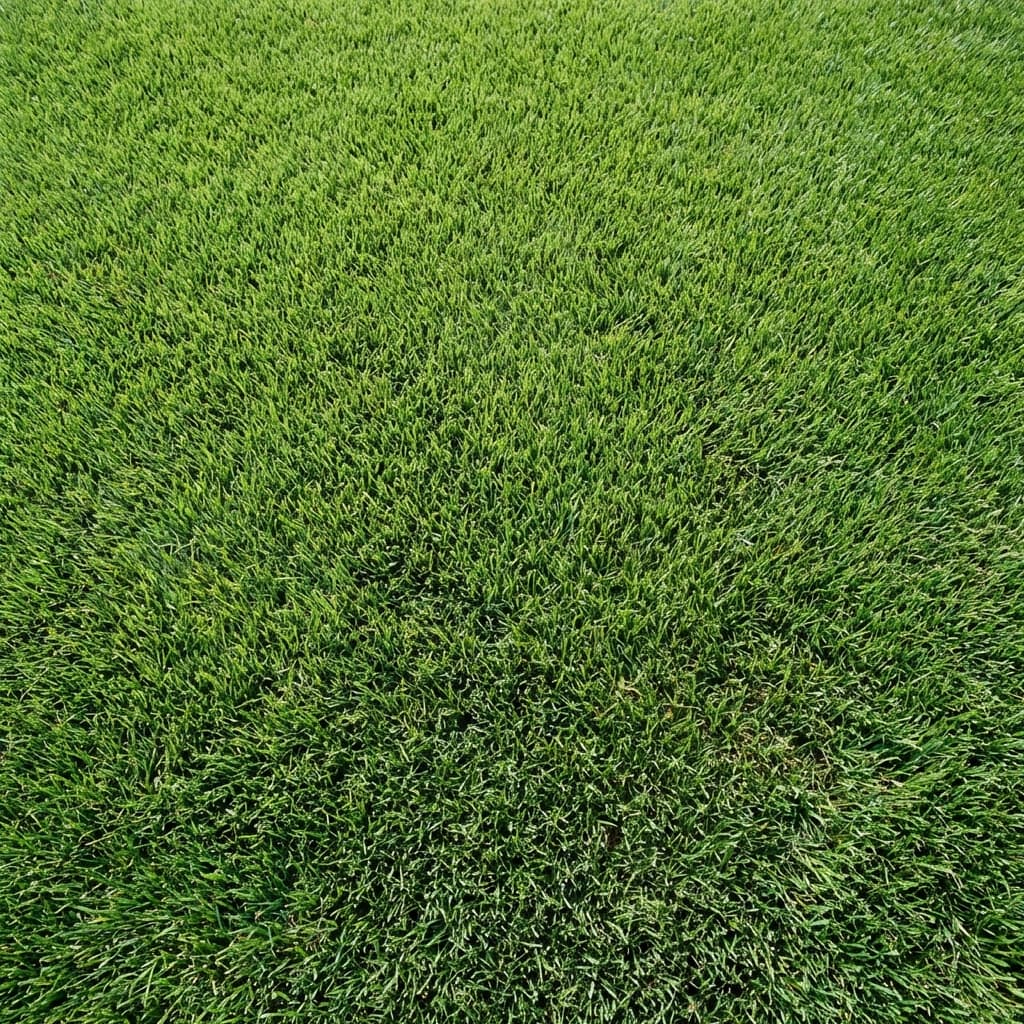
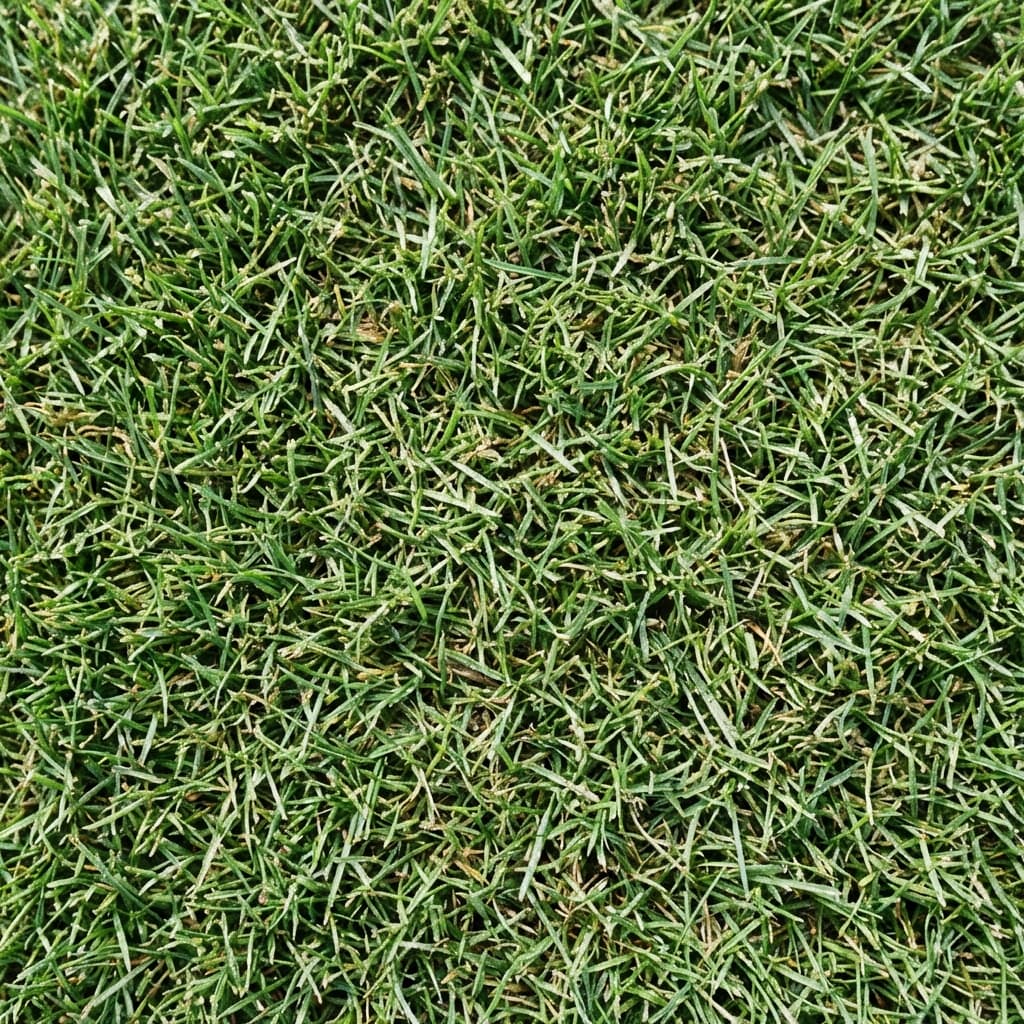
Palmetto features finer leaf blades than Floratam, creating a more refined, carpet-like appearance that many homeowners prefer. The narrower blades give Palmetto a manicured look even when mowed at standard height. The variety also displays a darker, richer blue-green color that reads as more vibrant than Floratam's medium green tone.

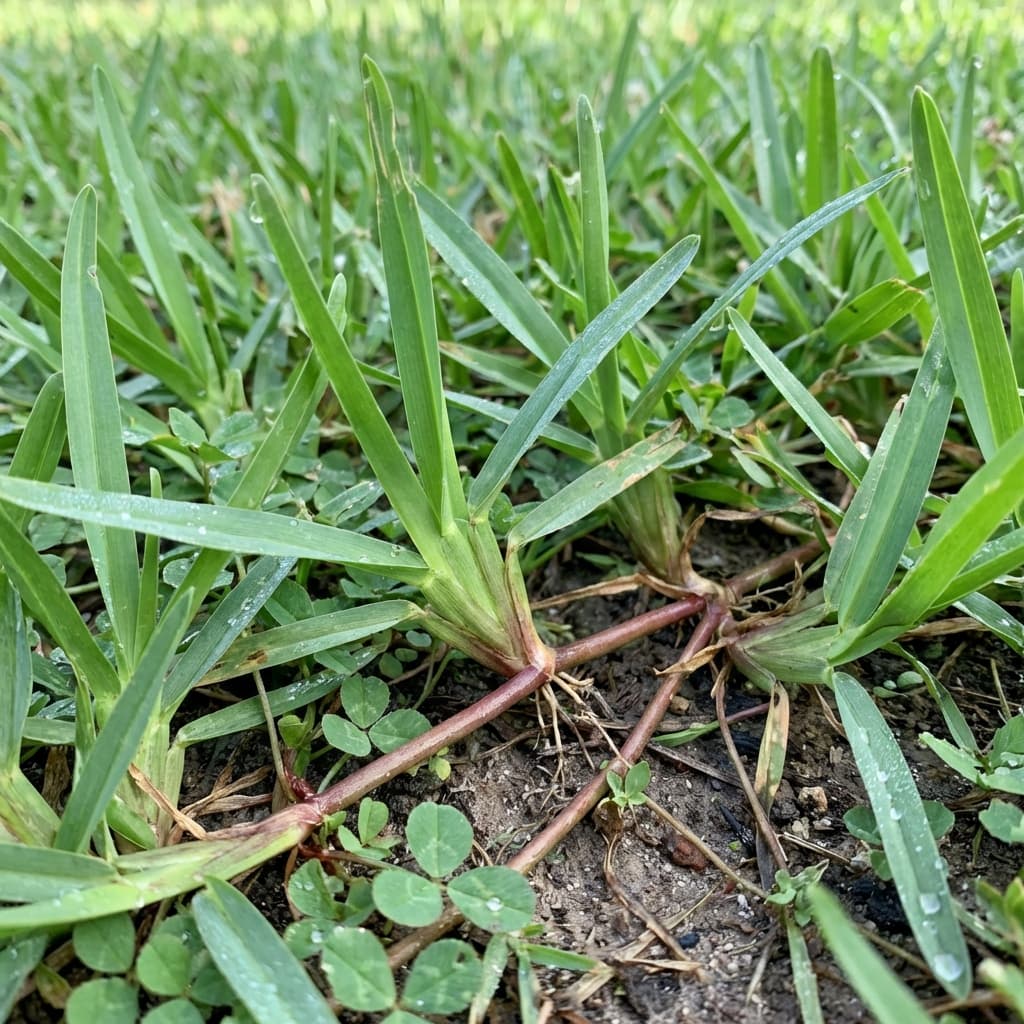
Floratam has wider, coarser leaf blades that create a slightly more casual appearance. While still attractive and far superior to Bahia or Bermuda in texture, it lacks Palmetto's refined character. Homeowners seeking the finest texture possible from St. Augustine grass generally prefer Palmetto.

For properties where curb appeal and appearance take priority—homes in prestigious neighborhoods like Ponte Vedra, San Marco, or Deerwood—Palmetto's aesthetic advantages justify the additional cost and maintenance. Front yards, highly visible areas, and properties with architectural landscaping often warrant the premium Palmetto provides.

Conversely, back yards, side yards, and utility areas often perform perfectly well with Floratam's functional appearance at lower cost. Many Jacksonville homeowners use Palmetto in front yards for appearance and Floratam in back yards to save money while maintaining consistent St. Augustine coverage throughout their property.

Maintenance Requirements and Mowing

Both Floratam and Palmetto require similar basic maintenance—regular mowing, appropriate fertilization, adequate irrigation, and occasional pest management. However, subtle differences in their growth characteristics affect maintenance intensity.

Mowing

Floratam grows more aggressively than Palmetto during Jacksonville's peak growing season (May-September). In full sun with adequate water and fertility, Floratam may require mowing twice weekly during June and July to maintain proper height and prevent scalping. Palmetto's slightly slower vertical growth typically allows 7-10 day mowing intervals even during peak growth.

Both varieties should be maintained at 3.5-4.5 inches. Mowing lower than 3.5 inches stresses St. Augustine grass, reduces shade tolerance, and encourages weed invasion. Never remove more than one-third of the blade height in a single mowing to avoid stressing the grass.

During cooler months (October-March), both varieties slow substantially and may need mowing only every 2-3 weeks or less. Winter mowing primarily removes old growth and fallen leaves rather than controlling height.

Fertilization

Fertilization requirements are nearly identical. Both varieties need 4-6 pounds of nitrogen per 1,000 square feet annually, split across 3-4 applications from April through September. Use slow-release fertilizers with a 3-1-2 or 4-1-2 ratio (like 16-4-8 or 15-0-15) applied in April, June, August, and optionally September.

Palmetto's denser growth benefits from consistent fertilization to maintain that density. Skipping applications causes more visible decline in Palmetto than in Floratam. Conversely, over-fertilizing Palmetto increases already-elevated brown patch susceptibility.

Disease Management

Both varieties experience brown patch disease during Jacksonville's humid summer months, particularly in poorly drained or over-irrigated areas. Palmetto shows slightly higher susceptibility than Floratam. Proper cultural practices—avoiding excess nitrogen fertilization, irrigating in early morning hours, improving drainage, and maintaining proper mowing height—prevent most disease problems without fungicide applications.

Neither variety requires routine preventive fungicide treatments on well-maintained residential lawns. Occasional curative treatments may be necessary during extended wet periods if brown patch appears.

Cost Comparison: Installation and Maintenance

Budget considerations influence most Jacksonville homeowners' grass selection decisions. The price difference between Floratam and Palmetto sod is significant enough to matter, especially on larger properties.

Installation Costs

Floratam sod typically costs $0.35-$0.50 per square foot at the pallet, depending on quantity, season, and supplier. Palmetto runs $0.45-$0.65 per square foot. This 25-40% price premium adds up quickly. A 5,000 square foot lawn might cost $1,750-$2,500 for Floratam versus $2,250-$3,250 for Palmetto—a difference of $500-$750.

Installation labor costs remain identical regardless of variety. Soil preparation, grading, and installation techniques don't vary between Floratam and Palmetto.

For large properties common in Clay County and western St. Johns County, the cost difference becomes more substantial. A 10,000 square foot lawn saves $1,000-$1,500 by choosing Floratam over Palmetto.

Long-Term Maintenance Costs

Palmetto's chinch bug susceptibility potentially adds $150-$300 annually in preventive or curative insecticide treatments if pressure is high. Floratam's resistance eliminates or minimizes this expense in most situations.

Palmetto's slower growth reduces mowing costs slightly—perhaps $50-$100 annually if you use professional lawn service. For homeowners who mow themselves, this represents time savings rather than dollar savings.

Fertilization, irrigation, and disease management costs are nearly identical for both varieties.

Which Jacksonville Neighborhoods Suit Each Variety?

Our decades of experience installing sod throughout the First Coast reveal clear patterns in which variety works best for different areas and property types.

Best Neighborhoods for Palmetto

  • San Marco, Riverside, Avondale: Mature tree canopy creates significant shade. Palmetto's shade tolerance essential.
  • Mandarin: Oak-dominated landscapes with heavy shade require Palmetto for reliable coverage.
  • Ponte Vedra, Jacksonville Beach, Atlantic Beach, Neptune Beach: Coastal properties benefit from Palmetto's superior salt tolerance and shade performance under coastal vegetation.
  • Deerwood: Mature landscaping with mixed shade conditions suits Palmetto.
  • Established neighborhoods throughout Duval County: Any area with 30+ year-old trees creating substantial shade favors Palmetto.

Best Neighborhoods for Floratam

  • Nocatee: Newer development with limited tree cover and full-sun lots suits Floratam perfectly. Cost savings significant.
  • Town Center: Full-sun, newer construction properties perform well with Floratam.
  • Fruit Cove, St. Johns: Developing areas with young landscaping and full sun make Floratam cost-effective choice.
  • Orange Park, Fleming Island: Mix of sun and partial shade with chinch bug pressure favors Floratam's resistance.
  • Southside, Baymeadows: High chinch bug pressure in these areas makes Floratam's resistance valuable even if shade would otherwise suggest Palmetto.
  • Arlington: Full-sun to partial-shade conditions and budget considerations favor Floratam.

Properties That Can Use Either

  • Middleburg, Yulee: Rural properties with large open areas can select based on budget and preferences rather than sun/shade requirements.
  • Mixed sun/shade yards: Properties with 5-6 hours of sun can use either variety. Select based on budget, chinch bug history, and texture preference.

Our Recommendations for Different Yard Conditions

After 37 years of installing and observing St. Augustine grass performance throughout Jacksonville, we've developed clear guidelines for matching variety to conditions.

Choose Palmetto If:

  • Your property receives 3-5 hours of sun daily or has significant shade from mature trees
  • Aesthetic appearance and fine texture are top priorities
  • You're installing in coastal areas with salt exposure
  • You're willing to monitor and treat for chinch bugs if they appear
  • You're located in colder microclimates of Clay or Nassau counties
  • Budget allows for the premium price
  • Previous Floratam lawns thinned or died in your yard due to shade

Choose Floratam If:

  • Your property receives 5+ hours of direct sun daily
  • You want to minimize pest management and chemical applications
  • Budget is a significant consideration, especially on larger properties
  • Your neighborhood has history of chinch bug problems
  • You prefer slightly less mowing during peak season
  • Previous St. Augustine lawns suffered repeated chinch bug infestations
  • You're installing on new construction with minimal tree cover

Consider Using Both If:

  • Your property has distinct zones with different sun exposure
  • Front yard shade requires Palmetto while back yard sun allows Floratam
  • Budget constraints suggest using premium Palmetto only in highly visible areas
  • You want to balance appearance (Palmetto front) with economy (Floratam back)

Many Jacksonville homeowners successfully use both varieties on a single property, matching each to its ideal location. This approach maximizes performance while managing costs. At Jax Sod, we can create custom installation plans using multiple grass varieties to suit your property's unique conditions.

Common Misconceptions About Floratam and Palmetto

Let's clear up several persistent myths we encounter regularly from Jacksonville homeowners:

"Palmetto doesn't need any sun" – False. While Palmetto tolerates more shade than Floratam, it still requires 3-4 hours of direct sun minimum. No St. Augustine variety thrives in deep, dense shade. Areas receiving less than 3 hours of sun need alternative solutions like shade-tolerant groundcovers.

"Floratam is lower quality than Palmetto" – False. Floratam is simply optimized for different conditions. In full sun with chinch bug pressure, Floratam outperforms Palmetto. Quality depends on matching variety to environment.

"Palmetto doesn't get chinch bugs" – False. Palmetto has no special chinch bug resistance and suffers severe damage from infestations. This misconception causes significant problems when homeowners skip monitoring because they believe Palmetto is immune.

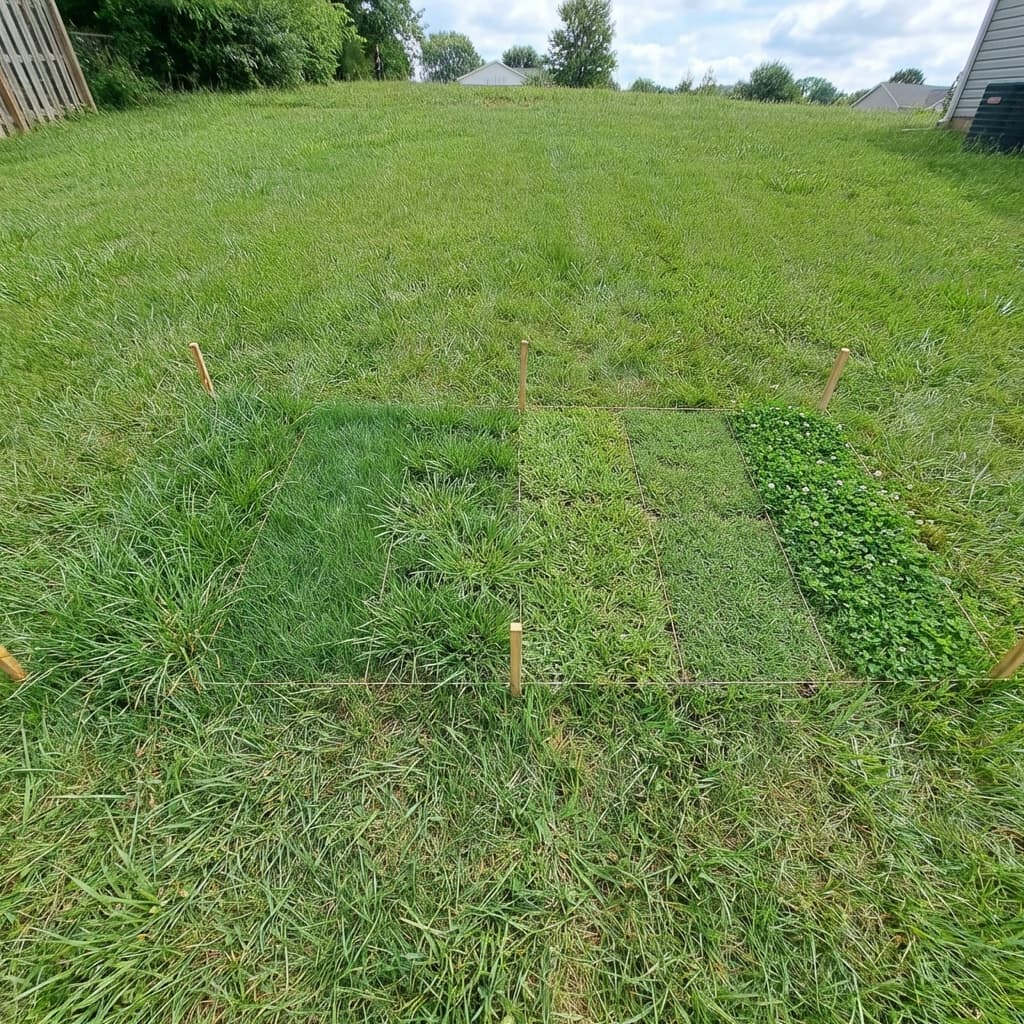
"You can't mix grass varieties" – False. We successfully install mixed varieties on many properties. The varieties transition cleanly where they meet, and each performs well in its appropriate zone.

"Newer varieties are always better" – False. Floratam was released in 1973 and remains one of Florida's most successful turfgrasses. Its chinch bug resistance trait hasn't been improved upon by newer varieties. Sometimes "old" means "proven and reliable."

Making Your Final Decision

Your choice between Floratam and Palmetto St. Augustine comes down to three primary factors, weighted in this order:

  1. Sun exposure in your yard – This is the dominant factor. Inadequate sun for Floratam or unnecessary Palmetto premium for full-sun properties both lead to suboptimal results.

  2. Chinch bug pressure in your area – If your neighborhood has consistent chinch bug problems, Floratam's resistance is extremely valuable. If chinch bugs are uncommon, Palmetto's susceptibility matters less.

  3. Budget and aesthetic priorities – Determine whether the texture, color, and appearance benefits of Palmetto justify the premium cost for your property and priorities.

We recommend this decision framework: Start by accurately measuring sun exposure across your property. If any significant areas receive less than 5 hours of sun, Palmetto is likely necessary for those zones. Then assess whether your neighborhood experiences chinch bug pressure by talking to neighbors or reviewing past lawn problems. Finally, consider whether budget or aesthetics take priority for your situation.

At Jax Sod, we'll visit your property, assess sun exposure, discuss your neighborhood's pest pressure, and provide honest recommendations based on what will actually work best long-term. We install both varieties extensively and have no incentive to push either one—we simply want you to have a healthy, successful lawn that meets your expectations.

Ready to install the ideal St. Augustine variety for your Jacksonville property? Contact Jax Sod today at (904) 901-1457 or visit jaxsod.com for a free estimate and personalized variety recommendation.

Need Professional Sod Installation?

Jax Sod connects you with expert installers across Jacksonville and Northeast Florida. Over 40 Years of experience. Free quotes!

Ready to Transform Your Lawn?

Get a free, no-obligation quote from Jacksonville's trusted sod experts. With over 40 years of experience, we'll connect you with the right installers for a perfect lawn.