Loading...
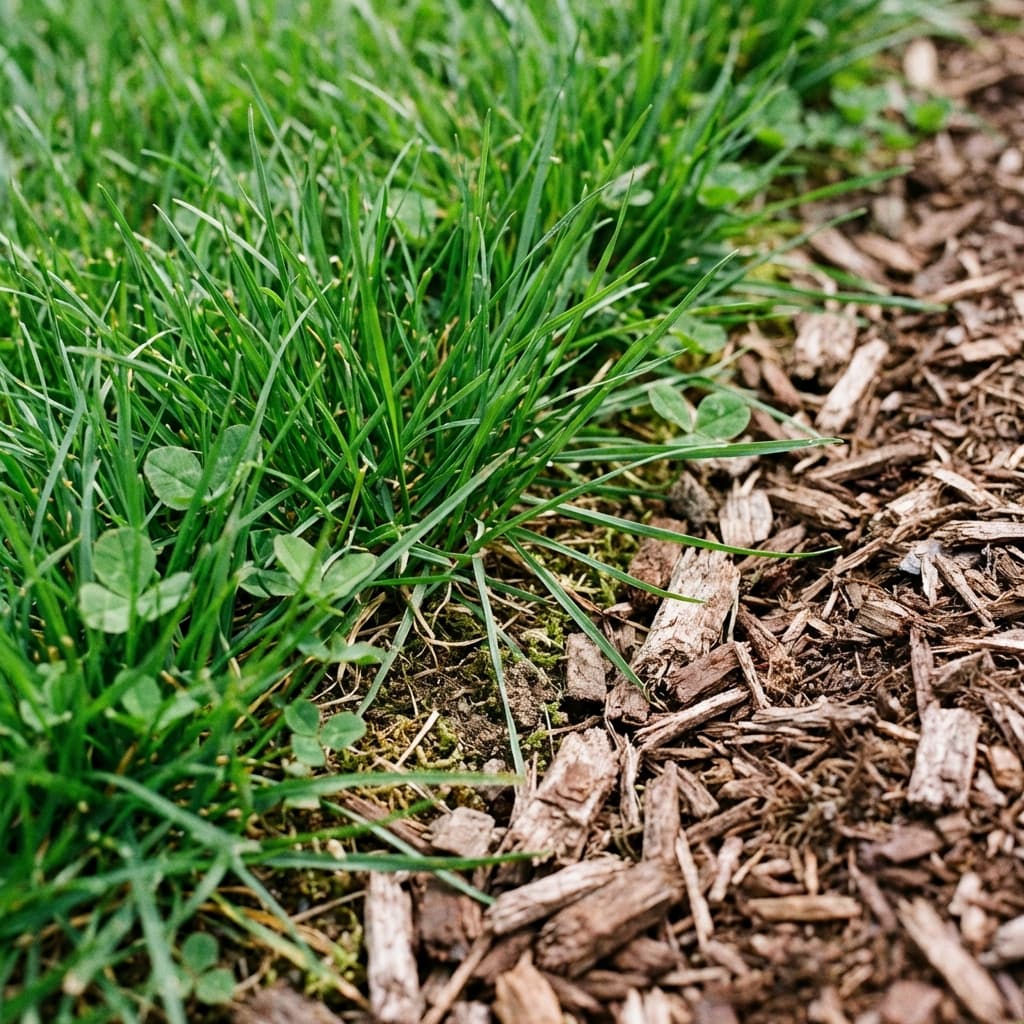
Set irrigation from site conditions and the current rules for your property and water source. For new sod, use the dated care planner; a fixed schedule in an older guide is not permission to water.
Clay County stretches from the St. Johns River west to the Bradford County line, encompassing diverse communities from suburban Orange Park and Fleming Island to rural areas around Penney Farms and Keystone Heights. This variety creates different sod installation considerations depending on location and property type.
The climate places most of Clay County in Zone 9a, with some northern and western areas touching Zone 8b. This matters for grass selection, particularly during harsh winters when the coldest areas might see more damage to cold-sensitive grass varieties.
Clay County Soil Fundamentals
Sandy soil dominates Clay County. Whether you're in Orange Park or Keystone Heights, you're working with fast-draining Florida sand that holds minimal nutrients and requires specific management practices.
Some variation exists. Properties near the St. Johns River or Black Creek occasionally have heavier soil mixed with sand. Areas around lakes might have different soil characteristics. But the vast majority of Clay County properties have pure sand that drains quickly and needs frequent irrigation and fertilization.
Newer developments around Fleming Island, Eagle Harbor, and parts of Orange Park have disturbed soil from construction. Grading, lot development, and builder practices often leave compacted ground with minimal topsoil. This creates challenges for sod establishment that proper site preparation can overcome.
Rural properties typically have better soil structure from years of organic matter accumulation and less disturbance. The challenges there are often existing vegetation, uneven grades, and larger areas to manage.
Grass Selection for Clay County
St. Augustine grass works well throughout Clay County for homeowners wanting attractive, dense turf. Floratam remains popular but shows cold sensitivity during harsh winters, particularly in northern and western Clay County. Palmetto St. Augustine offers better cold tolerance and improved shade performance, making it a solid choice for most applications.
Bahia grass fits many Clay County properties perfectly. The lower maintenance requirements, drought tolerance, and reduced fertilizer needs appeal to homeowners with larger lots or lower landscape budgets. Bahia doesn't provide the manicured look of St. Augustine, but it's practical and tough.
Zoysia has grown in popularity, especially in newer subdivisions. It needs less water once established, handles moderate shade, and creates dense turf. The slower growth rate means less frequent mowing, though establishment takes longer than St. Augustine.
Bermuda grass works for full-sun applications where winter dormancy isn't a concern. It's extremely tough and spreads aggressively, but most Clay County homeowners prefer year-round green grass.
Centipede appears on some older properties. It needs less fertilizer than St. Augustine but shows iron chlorosis more readily and has fallen out of favor for new installations.
Climate Considerations Across Clay County
Temperature variation across Clay County affects sod installation timing and grass performance. Orange Park and areas near Jacksonville see milder winters than Keystone Heights or the western portions of the county.
This means grass selection should account for your specific location. If you're in the colder areas, Palmetto St. Augustine, Bahia, or Zoysia make more sense than cold-sensitive Floratam.
Summer heat affects the entire county similarly. High temperatures, humidity, and afternoon thunderstorms create establishment challenges during peak summer. Installation during spring or fall avoids these stresses.
Optimal Installation Timing
The best window for sod installation in Clay County runs from April through early June and again from September through mid-October. These periods provide warm soil temperatures for root development without extreme heat or cold risk.
Spring installation gives grass the entire growing season to establish before winter. This is ideal for most projects. Soil temperatures are rising, grass grows actively, and you have months of good conditions ahead.
Fall installation works well if completed early enough—ideally by mid-October. Grass roots grow aggressively in fall even as top growth slows. The risk is running too late and not getting adequate establishment before cold weather.
Summer installation requires intensive watering management. Avoid summer installation unless necessary.
Winter installation is risky in Clay County. Cold soil temperatures slow root development, and hard freezes can damage or kill new sod before it establishes. This risk increases in northern and western Clay County where temperatures run colder.
Site Preparation Steps
Proper site preparation matters more than any other factor in sod installation success. Cutting corners here causes problems that persist for years.
Clear the area completely. Remove existing grass, weeds, rocks, and debris. A sod cutter makes this easier, or you can spray out vegetation with herbicide 7-10 days before installation.
Till the top 4-6 inches of soil, especially in new construction areas where compaction is likely. Compacted soil prevents root penetration and water infiltration. Even light tilling dramatically improves establishment conditions.
Grade appropriately for drainage. Water should flow away from structures and not pond anywhere in the lawn area. A minimum 2% slope (about 2 inches drop per 10 feet) ensures drainage without causing erosion.
Test soil if you're uncertain about conditions. Clay County Extension offers testing services. Results indicate pH, nutrient levels, and any amendments that might help.
Add organic matter to pure sand. Work 1-2 inches of compost or composted manure into the top few inches of soil. This improves water retention and nutrient holding capacity—both critical in sandy soil.
Firm the soil before installation. The ground should be firm enough to walk on without sinking but not hard-packed. Use a light roller or simply walk over the area multiple times.
Installation Process Details
Install sod as soon as possible after harvest—within 24 hours ideally, certainly within 48 hours. Longer storage increases stress and reduces establishment success.
Start along the longest straight edge, typically a driveway, sidewalk, or property line. This provides a clean baseline for the rest of the installation.
Lay sod in a brick pattern with staggered joints. Don't line up the ends of consecutive rows. This offset pattern prevents continuous seams that don't knit together well.
Fit pieces tightly together without overlapping or leaving gaps. Use a sharp knife to cut sod for curves, obstacles, or fitting odd spaces.
Avoid walking on new sod as much as possible. Use planks to distribute weight if you must walk on it during installation.
Roll the entire area with a water-filled roller after installation. This ensures good sod-to-soil contact, eliminates air pockets, and firms everything properly.
Critical Establishment Period
The first two weeks determine success or failure. New sod needs consistent moisture to develop roots into the soil beneath.
Water immediately after installation—within 30 minutes if possible. Soak the sod thoroughly and wet the soil underneath.
Keep the sod and top inch of soil consistently moist but not waterlogged.
Check moisture regularly by lifting sod edges. The underside should be damp, and soil underneath should be wet. Adjust watering based on these checks rather than running a fixed schedule blindly.
After week one, gradually reduce frequency while increasing depth.
Test establishment by gently tugging on sod pieces. If roots have engaged and resist pulling, establishment is progressing. This typically takes 10-14 days in good conditions.
Remember that watering restrictions allow supplemental irrigation for new sod establishment. Take full advantage of this exception.
First Mowing and Initial Care
Wait until roots establish before mowing. Test by tugging gently—if sod resists and roots are visible on the underside, you can mow.
Set the mower high for the first cutting. Remove no more than one-third of blade height. For St. Augustine, this means cutting when grass reaches 5-6 inches, bringing it down to 3.5-4 inches.
Keep blades sharp. Dull blades tear grass rather than cutting cleanly, which stresses new sod unnecessarily.
Don't fertilize immediately. Sod is fertilized before harvest and has adequate nutrients for initial establishment. Use the reviewed new-sod guide before feeding; UF/IFAS recommends waiting 30–60 days and then considering site need and local rules.
When fertilizing for the first time, use a complete fertilizer with slow-release nitrogen at half the normal rate. Full-rate application can burn grass that isn't fully established.
Transition to Regular Maintenance
After 4-6 weeks, transition from establishment care to regular maintenance.
Settle into an appropriate mowing height for your grass type. St. Augustine should maintain 3.5-4 inches. Bahia runs 3-4 inches. Zoysia sits at 2-3 inches depending on variety.
Develop a fertilization schedule. St. Augustine needs 4-5 pounds of nitrogen per 1,000 square feet annually. Bahia needs 2-3 pounds. Zoysia requires 3-4 pounds. Split these totals across multiple applications during the growing season.
Monitor for pest and disease issues during the first growing season. New grass is more vulnerable than established turf. Early detection and treatment prevent minor problems from becoming major ones.
Orange Park and Fleming Island Specifics
These suburban areas typically have smaller lots, modern irrigation systems, and homeowner association standards to meet. Sod installation here often focuses on achieving specific aesthetic results.
St. Augustine or Zoysia work well for the manicured look most communities expect. Installation timing is flexible given smaller areas, though spring and fall remain optimal.
Many properties have partial shade from landscaping or nearby structures. Palmetto St. Augustine or Zoysia handle these conditions better than Floratam.
Green Cove Springs Considerations
As the county seat, Green Cove Springs includes both historic properties near downtown and newer developments on the outskirts. The variety means diverse sod installation needs.
Older properties often have mature trees creating significant shade. Grass selection matters more here—Palmetto St. Augustine, Bahia, or shade-tolerant Zoysia work better than sun-loving varieties.
Newer developments have the typical challenges of disturbed soil and establishment conditions. Proper site preparation becomes critical.
Rural Clay County Properties
Larger lots in rural areas present different challenges. Installation area increases significantly, which affects both labor requirements and material costs.
Many rural properties use Bahia for most of the lawn area and reserve St. Augustine or Zoysia for high-visibility zones near structures. This reduces cost and maintenance while maintaining aesthetics where it matters.
Irrigation infrastructure varies widely. Some properties have comprehensive systems; others rely on well water or no system at all. Installation timing becomes more critical when irrigation is limited.
Wildlife pressure increases on rural properties. Deer, hogs, and other animals occasionally damage new sod, though this isn't common enough to avoid installation.
Irrigation System Considerations
Modern irrigation systems make establishment and maintenance easier. Adequate coverage, appropriate zoning, and programmable controllers improve results while conserving water.
Many rural properties use well water. This works fine but might have flow or pressure limitations that affect system design. High iron content in well water can stain hardscaping but doesn't harm grass.
Properties without irrigation systems need supplemental hand-watering during establishment and dry periods. This is manageable for smaller areas but challenging for large properties.
Rain sensors prevent watering during rain, saving water and reducing disease pressure. They're inexpensive and should be standard equipment but often aren't installed.
Smart controllers adjust watering based on weather data and can reduce water use significantly while improving grass health.
Professional vs. DIY Installation
Small areas under 1,000 square feet are manageable for homeowners willing to do physical work and follow proper procedures.
Larger areas benefit from professional installation. Professionals have experience, equipment, and manpower to handle site preparation and installation efficiently. They also understand grading for drainage, which is critical for long-term success.
Professional installation typically includes site preparation, delivery, installation, and initial watering. This produces better results than most DIY installations for areas over 2,000-3,000 square feet.
Long-term Success Factors
Sod installation is an investment in your property. Protecting that investment requires appropriate care during establishment and the first growing season.
First-year maintenance demands more attention than established lawns. Water properly, fertilize on schedule, mow at correct heights, and monitor for problems. This initial effort creates healthy, established turf that requires less intensive care afterward.
Minor issues during the first year—small low spots, thin areas, or settling—should be addressed promptly. Light topdressing, additional sod pieces, or plugging fixes problems before they expand.
Clay County's climate and soil create good conditions for successful sod installation. Understanding local conditions and following appropriate practices results in attractive, healthy lawns that last for years with normal maintenance.
Need Professional Sod Installation?
Jax Sod provides sod installation, sod replacement, and new lawn installation across Jacksonville and Northeast Florida. Free quotes!
Related Articles
Nassau County FL Sod Installation
Professional sod installation guide for Nassau County, Florida. Expert tips for Yulee, Callahan, Hilliard, and coastal areas including proper grass selection and timing.
Sod Installation in St. Johns County, FL
Sod Installation in St. Johns County, FL. Review the site, scope and current written quote before deciding.
Clay County Sod Delivery and Installation Planning
Plan sod delivery as part of a Jax Sod installation in Clay County. On-site estimates, property access, working irrigation and project scheduling.
Let’s talk about your lawn
Ask our AI assistant a lawn question, or send the team a free installation estimate request.