Loading...
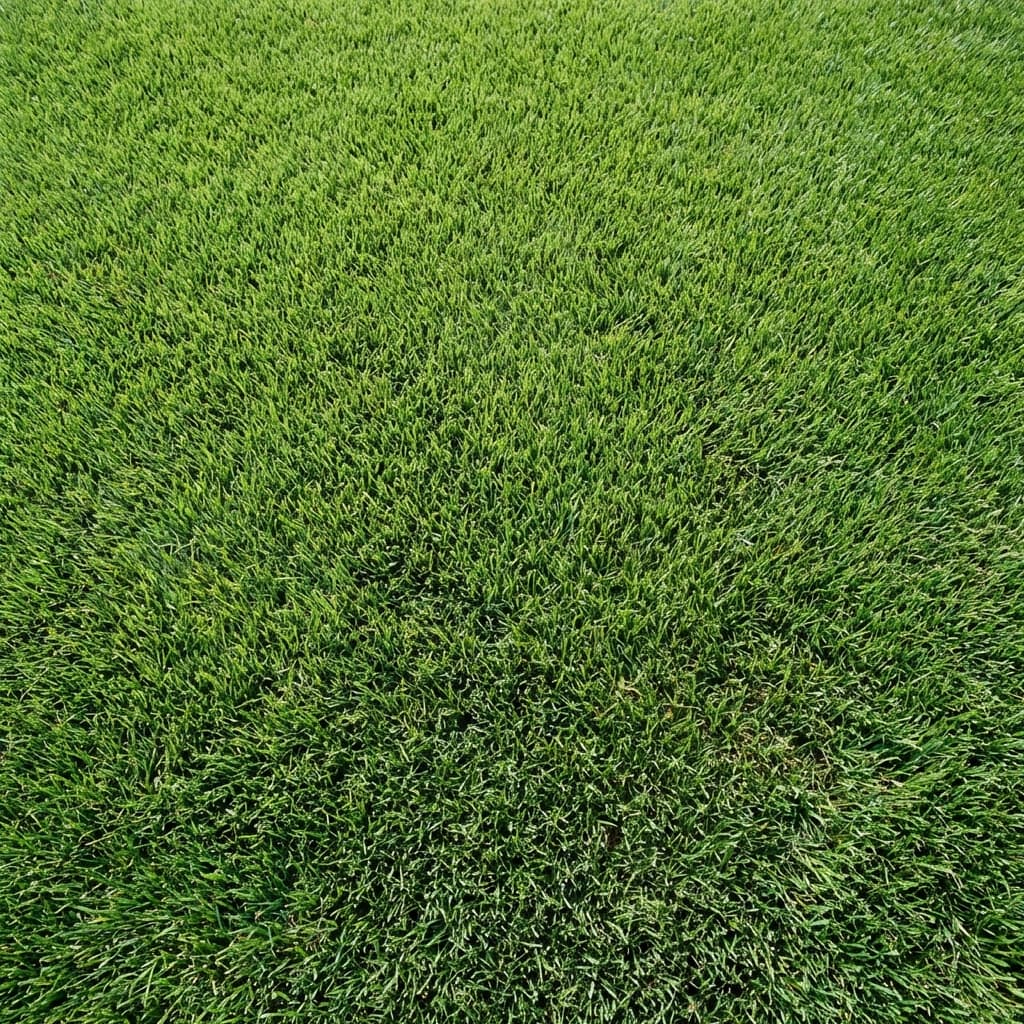
Set irrigation from site conditions and the current rules for your property and water source. For new sod, use the dated care planner; a fixed schedule in an older guide is not permission to water.
If you're looking for a low-maintenance, drought-tolerant lawn option that thrives in Jacksonville's sandy soil without breaking your budget, bahia grass deserves serious consideration.
Bahia grass has earned its reputation as the workhorse of Florida lawns. While it may not have the fine texture or deep green color of St. Augustine or Zoysia varieties, it offers unmatched durability, requires minimal inputs, and handles Jacksonville's challenging growing conditions with remarkable ease. Whether you're covering a large property in Clay County, establishing a lawn in a newly developed neighborhood like Nocatee, or simply looking for an economical solution for your Orange Park home, understanding bahia grass care will help you maintain a healthy, functional lawn year-round.
In this comprehensive guide, we'll cover everything Jacksonville homeowners need to know about selecting, planting, and maintaining bahia grass, including the differences between Argentine and Pensacola varieties, optimal mowing and fertilization schedules, and the specific advantages bahia offers in our local climate.
What Is Bahia Grass?
Bahia grass (Paspalum notatum) is a warm-season perennial grass native to South America that was introduced to Florida in 1913. It has since become one of the most widely planted turfgrasses in the state, particularly in North Florida and the Panhandle. The grass spreads through both stolons (above-ground runners) and rhizomes (underground stems), creating a moderately dense, deep-rooted turf that excels in poor soil conditions.
The extensive root system is what sets bahia apart from other lawn grasses. While St. Augustine roots typically penetrate 6-8 inches into the soil, bahia grass roots can extend 8 feet or more into the ground. This remarkable root depth explains the grass's exceptional drought tolerance and ability to extract nutrients from Jacksonville's notoriously nutrient-poor sandy soils.
Bahia grass produces distinctive V-shaped seedheads on tall stems throughout the growing season, which can be a visual drawback for homeowners seeking a manicured appearance. However, this same seed production contributes to the grass's ability to fill in bare spots and recover from damage without replanting.
Argentine vs Pensacola Bahia: Choosing Your Variety
Jacksonville homeowners have two primary bahia grass varieties to choose from, each with distinct characteristics that make them suitable for different applications.
Argentine Bahia
Argentine bahia is the premium variety most commonly available as sod. It features a darker green color, broader leaf blades, and a slightly denser growth habit than Pensacola. The grass forms a more uniform turf and produces fewer seedheads, though you'll still see those characteristic tall seed stalks, especially if you skip a mowing.
We recommend Argentine bahia for residential lawns where appearance matters but homeowners still want bahia's low-maintenance characteristics. It establishes more quickly from sod than Pensacola and creates a somewhat more attractive lawn. Argentine bahia is the variety we typically stock and install for Jacksonville-area homeowners.
Pensacola Bahia
Pensacola bahia is the original variety introduced to Florida. It has narrower, finer leaf blades and a lighter green color than Argentine. Pensacola produces more seedheads and has a slightly more open growth habit. However, it offers superior cold tolerance compared to Argentine, making it the better choice for inland areas of Northeast Florida that occasionally experience harder freezes.
Pensacola is most commonly established from seed rather than sod and is frequently used for pastures, roadsides, and large commercial properties where cost is the primary consideration. For residential lawns in Duval, Clay, or St. Johns counties, Argentine typically provides better results despite the modest price difference.
Why Bahia Grass Works in Jacksonville's Sandy Soil
Jacksonville's sandy soil presents challenges for many popular turfgrasses. Our soils drain quickly, hold minimal nutrients, and tend toward acidity. Many St. Augustine and Zoysia varieties struggle in these conditions without substantial soil amendments and regular fertilization. Bahia grass, by contrast, was practically designed for these exact conditions.
The deep root system allows bahia to access water and nutrients far below the surface, reducing irrigation requirements and fertilizer dependence. In clay-heavy soil, bahia's roots can break through compacted layers that restrict other grasses. The grass tolerates soil pH ranging from 5.0 to 7.0, perfectly matching Jacksonville's typical range of 5.5 to 6.5.
Bahia also tolerates moderate shade better than Bermuda grass, though it still requires at least 5-6 hours of direct sunlight for optimal growth. Properties with partial shade from mature oaks or pines—common in neighborhoods like Mandarin or Fruit Cove—can often maintain acceptable bahia lawns in areas where Bermuda would thin out.
Mowing Height and Frequency for Jacksonville Bahia Lawns
Proper mowing is critical for maintaining healthy bahia grass. Unlike St. Augustine, which tolerates mowing heights of 3.5-4.5 inches, bahia should be maintained at 3-4 inches throughout the growing season. This height range allows the grass to develop its characteristic deep root system while minimizing weed competition and reducing stress during Jacksonville's hot summers.
Never remove more than one-third of the grass blade in a single mowing. If your bahia grass grows to 6 inches before mowing, cut it back to 4 inches rather than scalping it down to 3 inches all at once. Scalping stresses the grass, encourages weed germination, and can create bare spots that take weeks to recover.
From May through September, plan to mow bahia grass every 7-10 days during active growth periods. You may need to mow more frequently during peak growing months (June and July) when warm temperatures and afternoon thunderstorms trigger rapid growth. During spring and fall, you can extend the interval to 10-14 days. Bahia goes dormant or semi-dormant during Jacksonville's mild winters, requiring little to no mowing from December through February.
Keep your mower blade sharp. Bahia grass has tough, coarse leaf blades that resist clean cuts from dull mower blades. A ragged cut creates a brown, frayed appearance across your lawn and provides entry points for disease pathogens. Sharpen or replace your mower blade at the beginning of each growing season and again mid-summer.
Jacksonville Pro Tip: Mow bahia grass in the morning after dew has dried but before the midday heat. This timing reduces stress on both you and the grass while producing cleaner cuts than mowing wet grass in early morning.
Fertilization Schedule for Northeast Florida Bahia
One of bahia grass's greatest advantages is its minimal fertilizer requirement. While St. Augustine lawns may need 4-6 pounds of nitrogen per 1,000 square feet annually, bahia thrives on just 2-4 pounds. Excessive fertilization actually harms bahia by promoting disease, increasing thatch accumulation, and stimulating excessive seedhead production.
For Jacksonville bahia lawns, we recommend this simplified fertilization schedule:
Early to Mid-April: Apply 1 pound of nitrogen per 1,000 square feet using a complete fertilizer with a 3-1-2 or 4-1-2 ratio (such as 16-4-8). This spring feeding promotes healthy growth as the grass emerges from winter dormancy.
Mid-June: Apply 0.5-1.0 pounds of nitrogen per 1,000 square feet. This summer feeding maintains color and density during peak growing season but shouldn't be heavy enough to promote excessive growth or disease pressure.
Early September: Apply 1 pound of nitrogen per 1,000 square feet. This fall feeding helps the grass recover from summer stress and build root reserves before winter dormancy.
Avoid fertilizing bahia grass after October 1st or before the grass shows active green growth in spring. Late-season fertilization stimulates tender growth vulnerable to cold damage during Jacksonville's occasional winter cold snaps.
If your bahia lawn maintains acceptable color and density without supplemental fertilization, you can reduce or eliminate the June application. Many mature bahia lawns in Northeast Florida remain healthy with just two annual applications.
Watering Needs in Jacksonville's Climate
Bahia grass's deep root system makes it the most drought-tolerant common turfgrass in Florida. Established bahia lawns can survive extended dry periods with no irrigation whatsoever, though the grass will go dormant and turn brown during severe drought. For homeowners who want to maintain year-round green color, minimal supplemental irrigation is necessary during dry periods.
During Jacksonville's wet summer months (June through September), natural rainfall typically provides adequate moisture for bahia grass. You may not need to irrigate at all during this period unless we experience an unusual dry spell. The grass's deep roots access moisture below the surface even when the top few inches of soil dry out.
Spring and fall present the greatest irrigation challenges. These seasons often bring extended dry periods just when bahia grass is actively growing. If your lawn shows signs of drought stress—footprints remaining visible after walking across the grass, leaf blades folding lengthwise, or a bluish-gray tint—apply 0.5-0.75 inches of water per week through irrigation or rainfall.
Comply with St. Johns River Water Management District restrictions by irrigating only on your designated days (odd addresses Wednesday/Saturday, even addresses Thursday/Sunday) and never between 10 AM and 4 PM.
Newly installed bahia sod requires more frequent irrigation than established lawns. Gradually reduce frequency over weeks 3-4 while increasing the amount of water per application to encourage deep root growth.
Jacksonville Pro Tip: Install a rain sensor on your irrigation system to prevent unnecessary watering after thunderstorms. This simple device pays for itself through water savings and helps avoid overwatering damage.
Pest and Disease Management for Bahia Grass
Bahia grass experiences fewer serious pest and disease problems than St. Augustine or Zoysia, but Jacksonville homeowners should watch for several issues.
Common Pests
Mole crickets are the most damaging bahia grass pest in Northeast Florida. These tunneling insects feed on grass roots and create visible ridges across the lawn. Look for damage in spring and fall when mole crickets are most active. Beneficial nematodes applied during warm soil temperatures (June-July) provide effective biological control. Chemical treatments with products containing bifenthrin or imidacloprid can control severe infestations.
Fall armyworms occasionally damage bahia lawns during late summer and fall. These caterpillars feed on grass blades, creating irregular brown patches that can expand rapidly. Inspect your lawn after seeing large numbers of small moths (the adult stage) flying up when you walk across the grass. Treat infestations early with products containing spinosad or bifenthrin.
Billbugs feed on bahia grass stems and crowns, causing irregular dead patches similar to drought stress. Pull on affected grass; if it detaches easily from roots, suspect billbugs. Control requires insecticide applications in May-June when adult billbugs are active.
Disease Issues
Bahia grass has excellent disease resistance compared to other turfgrasses, but occasional problems occur during prolonged wet periods.
Dollar spot appears as small, silver-dollar-sized tan patches across the lawn. This fungal disease is most common during warm, humid weather when grass is stressed by low fertility or drought. Proper fertilization and irrigation typically prevent dollar spot without fungicide applications.
Brown patch occasionally affects bahia during Jacksonville's humid summer months, particularly in shaded, poorly drained areas. The disease creates irregular brown patches with a distinctive smoke ring appearance at the margins. Improve air circulation through proper mowing, avoid excessive nitrogen fertilization, and reduce irrigation frequency to manage brown patch.
Most disease problems on bahia grass resolve naturally as weather conditions change. Fungicide applications are rarely necessary for residential lawns.
Pros of Bahia Grass for Jacksonville Homeowners
Bahia grass offers compelling advantages for Northeast Florida properties:
Exceptional drought tolerance: The deep root system allows bahia to survive extended dry periods without irrigation. This characteristic saves water, reduces utility costs, and maintains lawn coverage during drought restrictions.
Low maintenance requirements: Bahia needs less frequent mowing, less fertilizer, and less pest management than St. Augustine or Zoysia. Homeowners who prefer spending weekends at Jacksonville Beach rather than maintaining their lawn appreciate bahia's low demands.
Excellent wear tolerance: Bahia stands up to foot traffic, children's play, and dog activity better than most warm-season grasses. The tough stolons and deep roots recover quickly from damage.
Cost-effective: Bahia sod costs substantially less than St. Augustine, Zoysia, or Bermuda varieties. Installation costs are lower, and reduced maintenance requirements save money year after year. For large properties common in Clay County or St. Johns County, these savings are significant.
Adaptable to poor soils: Bahia thrives in Jacksonville's sandy, nutrient-poor soils without extensive amendments. Properties with shallow topsoil or fill dirt can establish healthy bahia lawns where other grasses struggle.
Salt tolerance: Coastal properties near Atlantic Beach, Neptune Beach, or Ponte Vedra benefit from bahia's moderate salt tolerance, though it doesn't match the salt resistance of certain St. Augustine varieties.
Cons of Bahia Grass You Should Consider
Despite its advantages, bahia grass has characteristics that make it unsuitable for some properties and homeowners:
Coarse texture: Bahia has the coarsest leaf blades among common Florida turfgrasses. Walking barefoot on bahia grass is less comfortable than on fine-textured St. Augustine, Zoysia, or Bermuda. Families who enjoy lawn activities may find the texture unpleasant.
Persistent seedheads: Even with regular mowing, bahia produces tall seedheads throughout the growing season. These create a somewhat unkempt appearance that bothers homeowners seeking a manicured look.
Limited shade tolerance: While better than Bermuda, bahia requires substantial sunlight and thins out in moderate to heavy shade. Properties with mature tree canopy—common in historic neighborhoods like San Marco, Riverside, or Avondale—often can't support healthy bahia lawns.
Light green color: Bahia typically displays a lighter, less vibrant green than St. Augustine or Zoysia varieties. Homeowners who prioritize deep green color for curb appeal may be disappointed with bahia's appearance.
Slow establishment: Bahia sod establishes more slowly than St. Augustine, taking 3-4 weeks before roots firmly anchor and the lawn can handle normal foot traffic. Seed establishment is even slower, requiring 60-90 days to create usable turf.
Open growth habit: Even Argentine bahia creates a less dense turf than St. Augustine or Zoysia. This open growth allows more weed infiltration, though proper height management minimizes this issue.
Best Uses for Bahia Grass in Northeast Florida
Based on our local experience installing sod throughout the Jacksonville metro area, we recommend bahia grass for these specific situations:
Large properties: Rural or semi-rural properties in areas like Middleburg, Yulee, or western Clay County often encompass 1-3 acres or more. The cost savings of bahia over St. Augustine or Zoysia become substantial at this scale. Bahia's low maintenance requirements make large-property care manageable.
Utility and side yards: Front lawns may receive premium St. Augustine or Zoysia for curb appeal, while side yards, utility areas, and spaces behind fences benefit from economical, durable bahia. This mixed approach balances aesthetics and budget.
Budget-conscious homeowners: New construction in developing areas like Nocatee or Town Center often leaves homeowners stretched financially. Bahia provides acceptable lawn coverage at half the cost of premium alternatives, allowing families to establish landscaping without exhausting their budget.
High-traffic areas: Properties with children, dogs, or frequent outdoor activities benefit from bahia's exceptional wear tolerance. The grass recovers quickly from damage that would devastate less resilient varieties.
Low-input properties: Vacation homes, rental properties, or lawns maintained by homeowners who travel frequently suit bahia's minimal maintenance requirements. The grass tolerates neglect better than any alternative.
Poor soil sites: New construction sites with compacted subsoil, properties with minimal topsoil, or yards with challenging drainage can establish functional bahia lawns where other grasses would require extensive soil improvement.
Transitional areas: The boundary between maintained lawn and natural areas, borders along wooded lots, or transition zones to retention ponds work well with bahia's naturalized appearance and durability.
Common Bahia Grass Mistakes Jacksonville Homeowners Make
After decades of working with bahia lawns throughout Northeast Florida, we've identified several recurring mistakes that compromise lawn health and appearance:
Mowing too short: Homeowners accustomed to Bermuda's low height or trying to eliminate seedheads often scalp bahia grass down to 2 inches or less. This stresses the grass, reduces root depth, and encourages weed invasion. Maintain the 3-4 inch height range even if it means more frequent mowing.
Over-fertilizing: Well-meaning homeowners applying St. Augustine fertilization schedules to bahia grass create problems rather than improvements. Excess nitrogen promotes disease, increases thatch, and stimulates excessive seedhead production without improving appearance. Follow the minimal fertilization schedule outlined above.
Excessive irrigation: Overwatering is among the most common and damaging mistakes with bahia grass. The grass evolved to thrive in dry conditions and actually suffers from too much water. Overwatered bahia develops shallow roots, increased disease susceptibility, and poor drought tolerance. Let the grass show signs of moisture stress before irrigating.
Expecting manicured appearance: Homeowners disappointed by bahia's coarse texture, light color, or seedheads often fight a losing battle trying to transform it into something it's not. If you want fine-textured, dark green, seed-free turf, choose Zoysia or St. Augustine instead.
Planting in heavy shade: Bahia requires at least 5-6 hours of direct sun. Installing it under mature oak or pine canopy leads to thin, weak turf that struggles year-round. Choose a shade-tolerant grass like Palmetto or CitraBlue St. Augustine for heavily shaded areas.
Conclusion
Bahia grass remains one of the most practical lawn choices for Jacksonville homeowners who prioritize functionality, durability, and low maintenance over showpiece appearance. The grass's exceptional drought tolerance, minimal fertilizer requirements, and excellent performance in poor soils make it ideally suited to Northeast Florida's challenging growing conditions.
While bahia won't win awards for aesthetic beauty, it provides reliable, cost-effective lawn coverage that stands up to Jacksonville's hot summers, occasional dry spells, and heavy use. For large properties, utility areas, high-traffic zones, or budget-conscious homeowners throughout Duval, Clay, St. Johns, and Nassau counties, Argentine bahia delivers years of dependable performance with minimal inputs.
At Jax Sod, we evaluate bahia grass for residential and commercial properties across the First Coast. We understand exactly how this grass performs in Jacksonville's sandy soils, humid climate, and variable weather patterns. Whether you're establishing a new lawn, replacing failed turf, or converting high-maintenance grass to something more practical, our team can help you determine if bahia is the right choice for your specific property and needs.
Ready to install low-maintenance bahia grass that thrives in Jacksonville's challenging conditions?
Need Professional Sod Installation?
Jax Sod provides sod installation, sod replacement, and new lawn installation across Jacksonville and Northeast Florida. Free quotes!
Related Articles
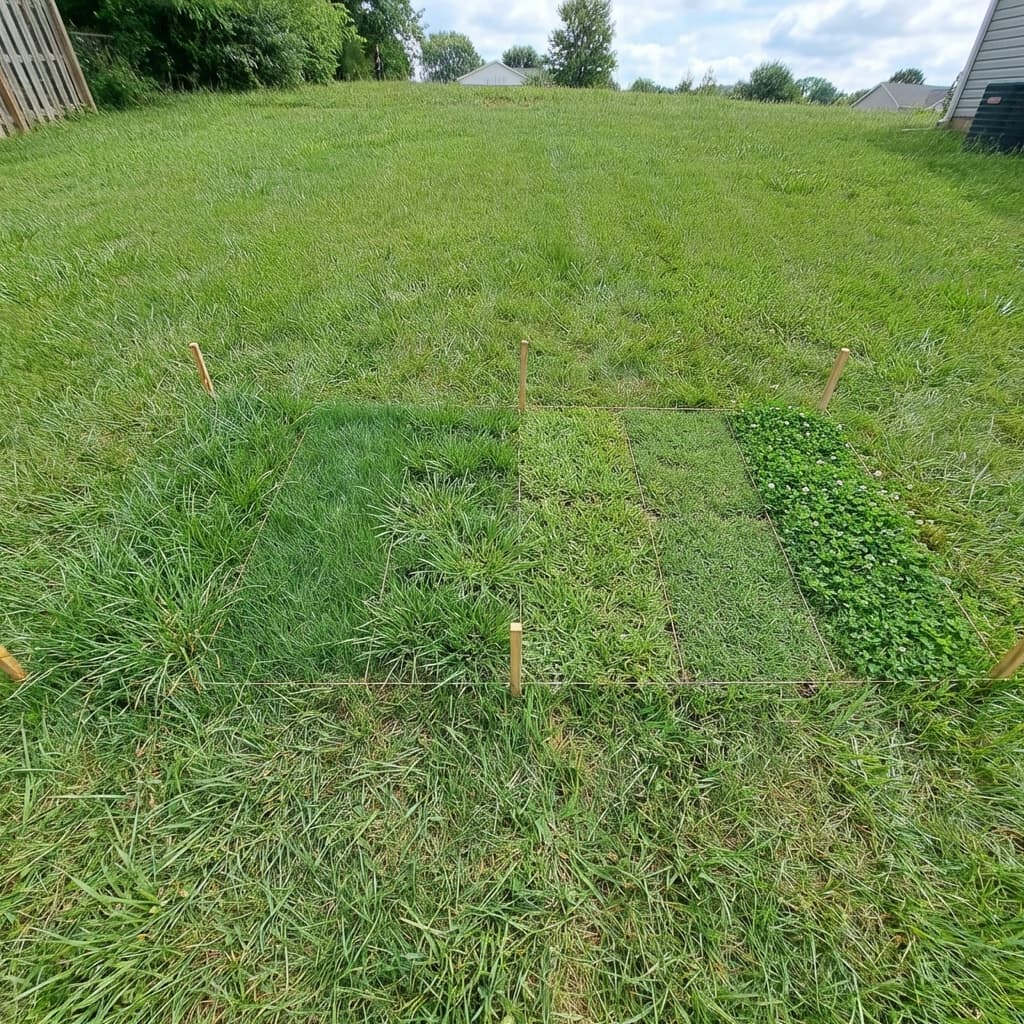
The Complete Zoysia Grass Care Guide for Jacksonville, FL
Master Zoysia grass care in Jacksonville's unique climate. From installation to year-round maintenance, learn expert tips for a lush, healthy lawn that thrives in Northeast Florida.
Best Grass for Dogs in Jacksonville, FL
Best Grass for Dogs in Jacksonville, FL. Review the site, scope and current written quote before deciding.
Best Low-Maintenance Grass for Jacksonville Lawns
Best Low-Maintenance Grass for Jacksonville Lawns. Review the site, scope and current written quote before deciding.
Let’s talk about your lawn
Ask our AI assistant a lawn question, or send the team a free installation estimate request.