Loading...
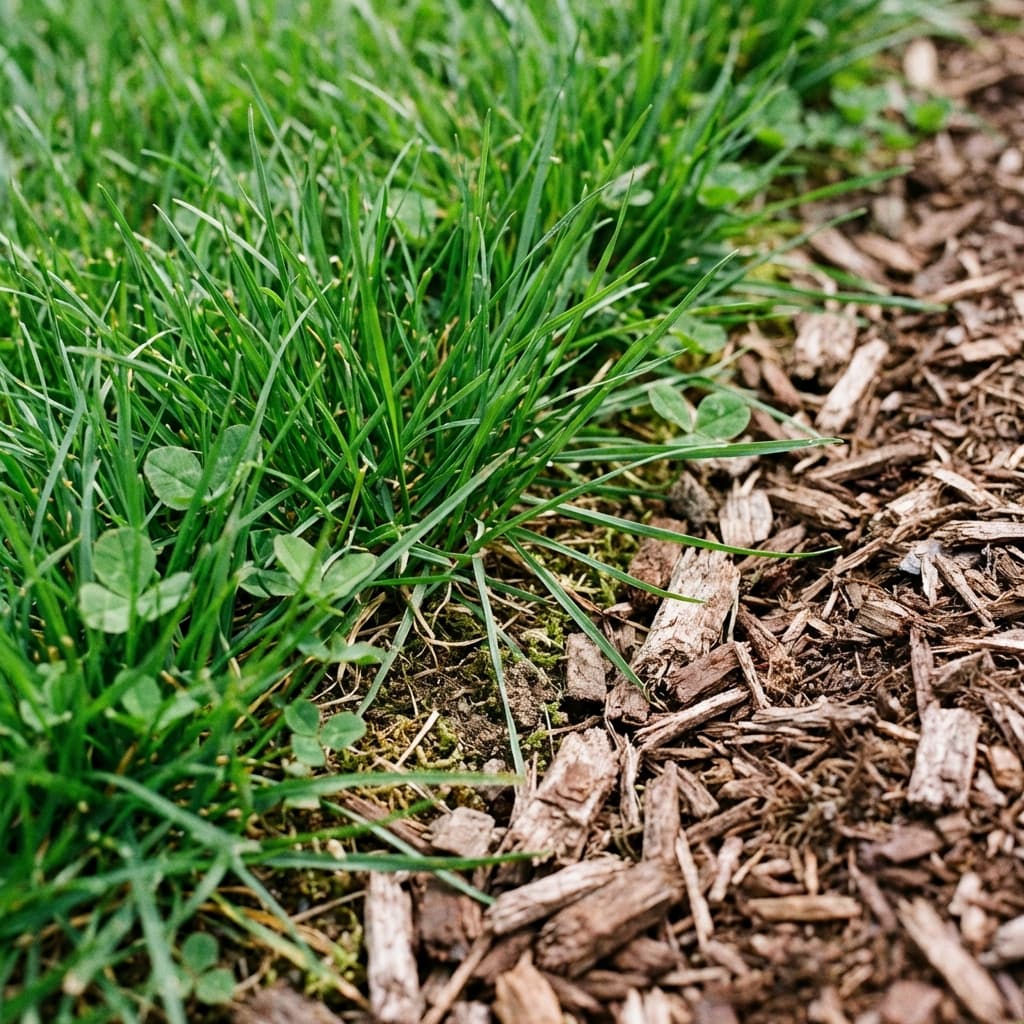
Set irrigation from site conditions and the current rules for your property and water source. For new sod, use the dated care planner; a fixed schedule in an older guide is not permission to water.
Nassau County occupies Florida's northeastern corner, running from the Atlantic Ocean west to the Georgia border. The county includes coastal communities like Fernandina Beach and Amelia Island, suburban areas around Yulee, and rural territory through Callahan and Hilliard.
This geographic diversity creates varied sod installation conditions. Coastal properties face salt spray and sandy soil. Inland areas deal with colder winter temperatures. Understanding these differences helps match grass selection and installation practices to your specific location.
Climate Zones in Nassau County
Most of Nassau County sits in Zone 9a, with western areas around Callahan and Hilliard occasionally dipping into Zone 8b during cold winters. This affects grass selection more than coastal Nassau County residents might realize.
The coldest areas can see hard freezes that damage cold-sensitive grass varieties. Coastal areas rarely experience serious freezes but deal with salt spray and ocean influence.
Summer heat affects the entire county similarly—hot, humid conditions with frequent afternoon thunderstorms from June through September. These create establishment challenges during peak summer.
Soil Characteristics Across Nassau County
Sandy soil dominates Nassau County from coast to inland. The drainage is excellent, which prevents standing water but creates challenges for moisture and nutrient retention.
Coastal areas have extremely sandy soil with minimal organic matter. Salt content in coastal soil can affect grass establishment, though this is only an issue in properties right on the water or in areas receiving regular salt spray.
Inland properties typically have standard Florida sand—fast-draining, low in organic matter, and requiring appropriate management practices.
Some areas around Callahan and into western Nassau County have slightly heavier soil mixed with sand, but this is the exception rather than the rule.
New construction throughout the county often leaves compacted soil with minimal topsoil. Proper site preparation overcomes these challenges.
Grass Selection for Nassau County
Grass selection should match your location within Nassau County. Coastal properties have different requirements than inland areas.
St. Augustine Grass
St. Augustine works well across most of Nassau County. Palmetto St. Augustine is generally the better choice over Floratam because of improved cold tolerance and shade performance. Given that western Nassau County can see harder freezes than Jacksonville, the extra cold tolerance matters.
Floratam works fine in coastal areas where winter temperatures stay milder, but even there, Palmetto's shade tolerance provides benefits.
St. Augustine creates the dense, attractive lawn most homeowners want. It establishes reliably, spreads to fill in bare spots, and stays green year-round in our climate.
Bahia Grass
Bahia fits many Nassau County properties, particularly larger rural lots. It tolerates drought better than St. Augustine, needs less fertilizer, and handles our sandy soil well.
The coarser texture and more open growth habit don't suit everyone, but for larger properties or areas maintained with lower inputs, Bahia is practical and tough.
Many rural properties around Callahan and Hilliard use Bahia extensively, sometimes reserving St. Augustine for high-visibility areas near structures.
Zoysia Grass
Zoysia has gained popularity in newer subdivisions around Yulee and in coastal communities. It needs less water once established, handles moderate shade, and creates dense turf with a fine texture.
The slower growth rate means less frequent mowing, though establishment takes longer than St. Augustine. Zoysia's cold tolerance suits Nassau County's occasional hard freezes.
Bermuda Grass
Bermuda works for full-sun areas where winter dormancy isn't a concern. It's extremely tough and spreads aggressively, making it good for high-traffic areas or athletic applications.
Most homeowners prefer grass that stays green year-round, which rules out Bermuda for typical lawn use. But for specific applications, it works well.
Coastal Property Considerations
Properties near the ocean or Intracoastal Waterway face unique challenges. Salt spray from ocean breezes affects grass selection and maintenance practices.
St. Augustine handles salt spray better than most warm-season grasses. Palmetto shows good salt tolerance. Bahia also tolerates coastal conditions well.
Irrigation with brackish or saltwater causes problems. If your property uses well water near the coast, test it for salinity. High salt content in irrigation water can damage grass over time.
Wind exposure increases water needs. Coastal properties often need more irrigation than inland areas at similar temperatures because wind increases evapotranspiration.
Sandy coastal soil has minimal water retention. Irrigation must be frequent enough to maintain moisture in the root zone without being so excessive that you're just pushing water through the sand.
Optimal Installation Timing
The best window for sod installation in Nassau County runs from April through early June and again from September through mid-October. These periods balance warm soil temperatures against extreme heat or cold risk.
Spring installation from mid-April through May is ideal. Soil temperatures are rising, grass grows actively, and you have the entire growing season ahead for establishment.
Fall installation works if completed by mid-October. Grass roots grow aggressively in fall even as top growth slows. Installing too late risks inadequate establishment before winter.
Summer installation (late June through August) requires intensive watering management. Heat and humidity stress new sod. Avoid summer installation unless necessary.
Winter installation is risky in Nassau County, particularly in western areas where hard freezes occur more frequently. Cold soil slows root development, and freezes can damage or kill new sod before it establishes.
Site Preparation Essentials
Proper site preparation determines installation success more than any other factor. Every step matters.
Clear the area completely of existing grass, weeds, rocks, and debris. Use a sod cutter for easiest removal, or spray out vegetation with herbicide 7-10 days before installation.
Till the top 4-6 inches of soil. This is critical in new construction areas where soil is compacted from equipment traffic. Compacted soil prevents root penetration and water infiltration even in sandy soil.
Grade for proper drainage. Water should flow away from structures and not pond anywhere. A minimum 2% slope (about 2-3 inches per 10 feet) ensures drainage without causing erosion.
Add organic matter to sandy soil. Work 1-2 inches of compost or composted manure into the top few inches. This improves water retention and nutrient holding capacity—both critical in Nassau County's sandy soil.
Test soil if you're uncertain about conditions. Nassau County Extension can assist with testing. Results indicate pH, nutrient levels, and any amendments that might help establishment.
Firm the soil before installation. The ground should be firm enough to walk on without sinking but not hard-packed. Use a light roller or walk over the area thoroughly.
Installation Process
Install sod as quickly as possible after harvest—within 24 hours ideally, no more than 48 hours. Extended storage on pallets stresses sod and reduces establishment success.
Start installation along the longest straight edge, usually a driveway, sidewalk, or property line. This creates a clean baseline.
Lay sod in a brick pattern with staggered joints. Don't line up the ends of adjacent rows. The offset pattern prevents continuous seams that don't knit together well.
Fit pieces tightly together without overlapping or leaving gaps. Use a sharp knife to cut sod for curves, obstacles, or irregular spaces.
Minimize walking on new sod during installation. Use planks to distribute weight if you must walk on it.
Roll the entire area with a water-filled roller after installation. This ensures good sod-to-soil contact, eliminates air pockets, and firms everything in place.
Establishment Watering
The first two weeks are critical. New sod needs consistent moisture to develop roots into the underlying soil.
Water immediately after installation—within 30 minutes if possible. Thoroughly soak the sod and wet the soil underneath.
Keep sod and the top inch of soil consistently moist but not waterlogged.
Check moisture by lifting sod edges. The underside should be damp, and soil underneath should be wet. Dry conditions require more frequent watering.
After the first week, gradually reduce frequency while increasing application depth.
Test establishment by gently tugging on sod pieces. If roots have engaged and resist pulling, establishment is progressing. This typically takes 10-14 days in good conditions, longer in cooler weather or challenging sites.
Watering restrictions include exceptions for new sod establishment. Use this allowance to provide adequate moisture during the critical establishment period.
Coastal Watering Adjustments
Coastal properties might need more frequent watering than inland areas because wind increases evapotranspiration. Monitor soil moisture rather than following a rigid schedule.
If using well water near the coast, be aware of potential salt content. High salinity irrigation water can damage grass. Test well water before using extensively for irrigation.
Rainfall amounts vary significantly from coast to inland. Coastal areas often receive more summer thunderstorms. Adjust irrigation based on actual conditions rather than assuming uniform rainfall.
First Mowing and Initial Care
Wait until grass roots establish before mowing. Test by tugging gently—if sod resists and shows roots on the underside, you can mow.
Set the mower high for the first cutting. Remove no more than one-third of blade height. For St. Augustine, cut when grass reaches 5-6 inches, bringing it to 3.5-4 inches.
Keep mower blades sharp. Dull blades tear grass rather than cutting cleanly, which stresses new sod.
Don't fertilize immediately after installation. Sod is fertilized before harvest and has adequate nutrients initially. Use the reviewed new-sod guide before feeding; UF/IFAS recommends waiting 30–60 days and then considering site need and local rules.
First fertilization should use a complete fertilizer with slow-release nitrogen at half the normal rate. Full-rate application can burn grass that isn't fully established.
Transition to Maintenance Mode
After 4-6 weeks, transition from establishment care to regular maintenance.
Settle into appropriate mowing heights. St. Augustine should maintain 3.5-4 inches. Bahia runs 3-4 inches. Zoysia sits at 2-3 inches depending on variety.
Develop a fertilization schedule appropriate for your grass type. St. Augustine needs 4-5 pounds of nitrogen per 1,000 square feet annually. Bahia needs 2-3 pounds. Zoysia requires 3-4 pounds. Split totals across multiple applications during the growing season.
Monitor for pest and disease issues during the first year. New grass is more vulnerable than established turf. Early detection prevents minor problems from becoming major ones.
Yulee Area Specifics
Yulee represents Nassau County's suburban growth area. Newer subdivisions dominate, which means sod installation often occurs in new construction contexts.
New construction typically involves disturbed soil, compaction from equipment, and minimal topsoil. Proper site preparation becomes critical for establishment success.
Most Yulee properties have modern irrigation systems. Ensure adequate coverage and appropriate zoning for sunny versus shaded areas.
Property sizes in Yulee subdivisions typically range from quarter-acre to one-acre lots. This is manageable for homeowner installation but large enough that professional installation makes sense for many people.
Callahan and Hilliard Considerations
Western Nassau County includes larger properties and more rural character. Sod installation here often covers significant area.
Colder winter temperatures in this area favor cold-tolerant grass varieties. Palmetto St. Augustine, Bahia, or Zoysia work better than cold-sensitive Floratam.
Many properties use a mix of grass types—Bahia for most of the area with St. Augustine or Zoysia around structures and high-visibility zones. This reduces cost and maintenance while maintaining aesthetics where it matters.
Irrigation infrastructure varies. Some properties have comprehensive systems; others rely on well water or minimal coverage. Installation timing becomes more critical when irrigation is limited.
Professional vs. DIY Installation
Small areas under 1,000 square feet are manageable for homeowners willing to do physical work and follow proper procedures.
Larger areas benefit from professional installation. Professionals have experience, equipment, and manpower to handle site preparation and installation efficiently. They understand grading for drainage, which is critical for long-term success.
Professional installation typically includes site preparation, material delivery, installation, and initial watering. For areas over 2,000-3,000 square feet, professional installation usually produces better results than DIY approaches.
Coastal properties sometimes have specific challenges—access limitations, sandy soil management, salt spray considerations—that professionals handle more effectively.
Making Your Investment Last
Sod installation represents a significant investment. Proper establishment care protects that investment.
First-year maintenance requires more attention than established lawns. Water appropriately, fertilize on schedule, mow at correct heights, and monitor for problems. This initial effort creates healthy, established turf requiring less intensive care in subsequent years.
Minor issues during the first year—small low spots, thin areas, or settling—should be addressed promptly. Light topdressing, additional sod pieces, or plugging fixes problems before they expand.
Nassau County's climate, from coastal areas to inland territory, creates diverse sod installation conditions. Understanding your specific location's requirements and following appropriate practices results in attractive, healthy lawns that last for years with normal maintenance.
Need Professional Sod Installation?
Jax Sod provides sod installation, sod replacement, and new lawn installation across Jacksonville and Northeast Florida. Free quotes!
Related Articles
Clay County FL Sod Installation
Complete sod installation guide for Clay County, Florida. Expert advice for Orange Park, Fleming Island, Green Cove Springs, and surrounding areas.
Sod Installation in St. Johns County, FL
Sod Installation in St. Johns County, FL. Review the site, scope and current written quote before deciding.
Fruit Cove FL Sod Installation: Expert Guide for St. Johns County Homeowners
Complete sod installation guide for Fruit Cove properties. Learn the best practices for establishing new lawns in St. Johns County's unique sandy soil and subtropical climate.
Let’s talk about your lawn
Ask our AI assistant a lawn question, or send the team a free installation estimate request.