Loading...
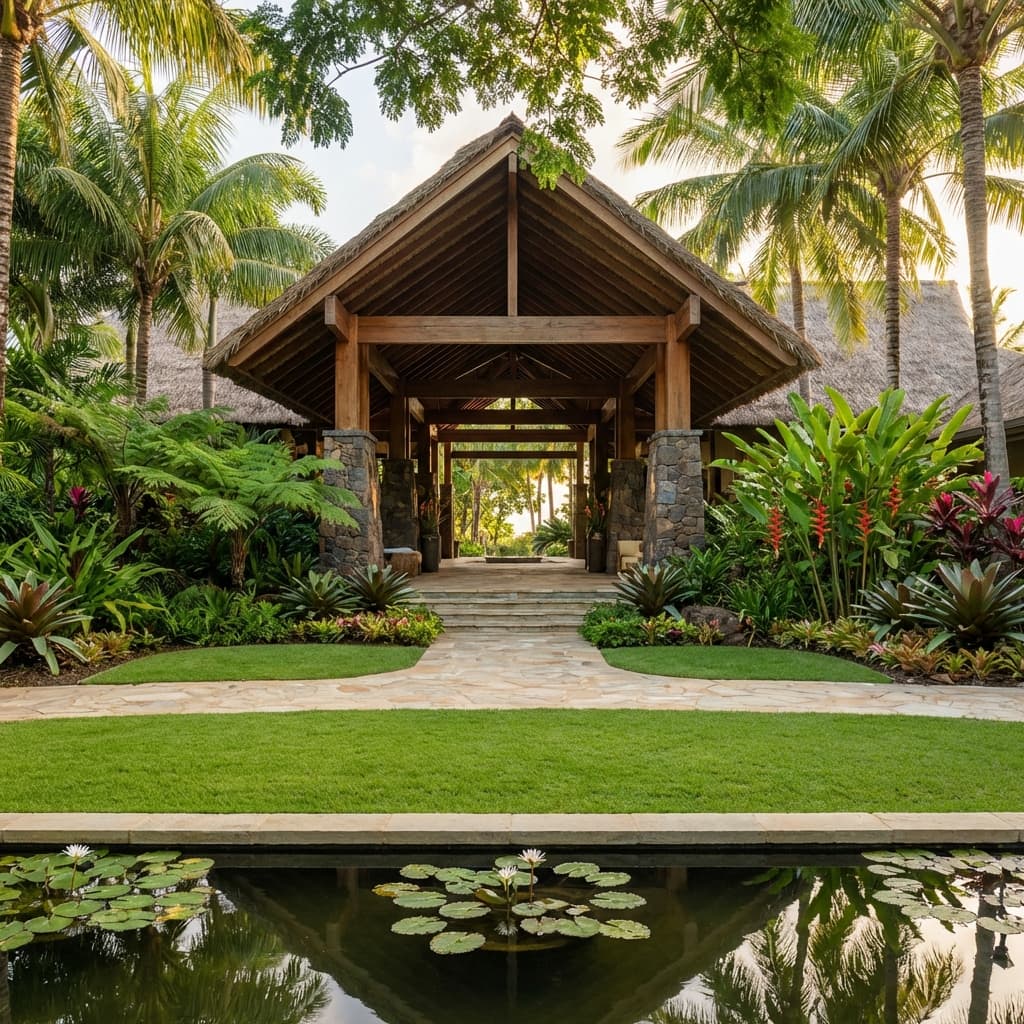
For current costs, compare the exact product or written project scope. See what to include in a sod estimate; this guide does not establish a current price, saving or resale return.
Jacksonville's explosive growth over the past two decades has created hundreds of homeowners association communities throughout Northeast Florida. From massive master-planned developments like Nocatee and Oakleaf to smaller neighborhoods in St. Johns County, Clay County, and Duval County, HOAs govern an increasingly large percentage of Jacksonville-area residential properties. At Jax Sod, we've worked with Jacksonville homeowners for years, and HOA lawn requirements generate more stress, confusion, and emergency calls than almost any other issue we encounter.
The stakes are high. HOA violations can escalate from polite notices to substantial fines to liens on your property in a matter of months. Understanding your HOA's lawn requirements—before violations occur—saves money, stress, and your relationship with your community.
Whether you just purchased a home in Eagle Harbor, received your first violation notice in Deerwood, or simply want to ensure your lawn meets standards in Julington Creek, this comprehensive guide covers everything Jacksonville HOA residents need to know about lawn requirements, compliance, violations, and maintaining to standard.
Jacksonville's HOA Landscape
Jacksonville's HOA prevalence reflects national trends toward planned communities with private governance. Major HOA communities in the Jacksonville area include:
Duval County:
- Deerwood
- Eagle Harbor
- Sandalwood
- Fort Caroline Shores
- Greenbriar
- Queen's Harbor
St. Johns County:
- Nocatee (one of the largest master-planned communities in Florida)
- Julington Creek
- Durbin Crossing
- Aberdeen
- Bartram Park
- World Golf Village
Clay County:
- Oakleaf Plantation
- Eagle Landing
- Fleming Island Plantation
- Argyle Forest
- Somersby
Each community has unique governance documents (CC&Rs - Covenants, Conditions, and Restrictions) that establish lawn standards. While specifics vary, common themes emerge across Jacksonville HOAs.
Many Jacksonville-area homes fall under HOA governance, especially in newer master-planned communities. If you live in a neighborhood with entrance signs, common areas, or uniform architectural standards, you're likely dealing with HOA lawn expectations.
Common Lawn Requirements in Jacksonville HOAs
While each community's specific requirements vary, most Jacksonville HOAs address these lawn maintenance elements:
Grass Type Restrictions
Many HOAs specify approved grass types to maintain community-wide aesthetic consistency. Common restrictions include:
St. Augustine varieties only: Popular in upscale communities wanting lush, uniform appearance. Nocatee and similar communities often specify St. Augustine.
Warm-season grasses only: Excludes cool-season grasses that would brown in summer, but allows homeowner choice between St. Augustine, Bermuda, Zoysia, or Bahia.
No Bahia restrictions: Some communities prohibit Bahia grass due to its coarser texture and seed head appearance, even though it's highly drought-tolerant.
Specific variety specifications: High-end communities sometimes mandate premium varieties like Palmetto St. Augustine or TifTuf Bermuda.
Why these restrictions exist: HOAs aim for uniform appearance. Neighborhoods where half the homes have fine-textured St. Augustine and half have coarse Bahia create visual discontinuity that HOAs believe reduces property values.
Maintenance Frequency Requirements
Jacksonville HOAs typically specify how often lawns must be mowed:
Weekly mowing during growing season: Most common requirement (April-October in Jacksonville). Grass can't exceed certain heights, typically 4-6 inches.
Bi-weekly minimum year-round: More relaxed standard allowing longer intervals during slow-growth winter months.
Height limits rather than frequency: Some HOAs specify maximum grass heights (typically 4-6 inches) without dictating mowing schedule, giving homeowners flexibility.
Seasonal variation allowed: Progressive HOAs permit reduced frequency during winter dormancy when grass grows slowly.
Jacksonville Pro Tip: St. Augustine grass grows explosively during Jacksonville's hot, humid summer. Weekly mowing isn't just an HOA requirement—it's practical necessity. Skipping weeks creates scalping problems when you finally mow, which stresses grass and creates new violations for bare spots.
Edging Requirements
Professional-looking lawns require clean edges. HOAs commonly mandate:
Regular edging of driveways, walkways, and curbs: Must maintain clear definition between grass and hard surfaces.
Bed line maintenance: Landscaping beds must have defined, maintained edges separating them from lawn areas.
No grass encroachment on sidewalks or driveways: Grass growing onto hard surfaces must be trimmed.
Frequency specifications: Some HOAs require edging at every mowing, others monthly.
Edging requirements cause violations because homeowners often skip this tedious task. However, edge trimming significantly impacts overall lawn appearance—the difference between professional and neglected.
Weed and Bare Spot Limits
Nearly all Jacksonville HOAs have standards for lawn condition beyond just mowing:
Maximum weed coverage: Typically no more than 10-20% weed content. Lawns that are predominantly weeds violate standards.
Bare spot limitations: No bare patches larger than specified sizes (commonly 2-3 feet in diameter), and limited total bare area (often less than 10% of lawn).
Brown or dead grass: Dead sections must be replaced. Some HOAs distinguish between dormant winter grass (acceptable) and actually dead grass (violation).
Pest damage: Significant damage from chinch bugs, grubs, or other pests constitutes violation requiring treatment and repair.
These requirements ensure lawns are healthy, not just mowed. A well-mowed lawn of primarily weeds and bare spots still violates most HOA standards.
Approved Plant and Landscaping Lists
Beyond grass, Jacksonville HOAs often restrict landscaping plants:
Approved plant lists: Specifies what trees, shrubs, and ground covers can be planted in front yards or visible areas.
Prohibited plants: Lists invasive species, plants with thorns, or varieties considered unattractive. Common prohibitions include bamboo, certain palms, and plants that spread aggressively.
Florida-Friendly Landscaping requirements: Progressive HOAs encourage native plants and Florida-Friendly principles that reduce water and chemical use.
Tree removal restrictions: Many HOAs prohibit removing healthy trees above certain sizes without approval, even on your own property.
Irrigation requirements: Some communities mandate automatic irrigation systems to maintain lawn health.
At Jax Sod, we help Jacksonville homeowners select grass varieties and landscaping approaches that satisfy HOA requirements while matching their site conditions and maintenance preferences. Getting it right from the start prevents future conflicts.
HOA Violation Process in Jacksonville
Understanding how violations progress helps homeowners respond appropriately at each stage.
Stage 1: Initial Notice
The process typically begins with a letter or email from your HOA management company or architectural review committee:
Contents:
- Description of specific violation
- Reference to governing document section being violated
- Photographic evidence (increasingly common)
- Deadline to correct (typically 14-30 days)
- Statement that failure to correct will result in fines
Your response: This is the easiest stage to resolve. The HOA is alerting you to a problem and giving you time to fix it before financial consequences. Take the notice seriously and address the issue promptly.
Stage 2: First Violation Fine
If you don't correct the violation by the deadline:
Additional deadline: Usually another 14-30 days to correct Warning of escalation: Notice that continued non-compliance leads to additional fines
Your response: Address the underlying issue immediately. Even if you disagree with the violation, the financial clock is now ticking. You can dispute while correcting to prevent escalation.
Stage 3: Continued Violation Fines
Failing to correct the issue after the first fine triggers escalating penalties:
Your response: At this stage, correction is urgent. Fines are adding up, and legal action is approaching. Many homeowners call Jax Sod in panic at this point, needing emergency sod installation to stop the bleeding.
Stage 4: Legal Action and Liens
For prolonged non-compliance or significant accumulated fines:
Collection efforts: HOA may turn fines over to collections, damaging your credit Property liens: HOAs can place liens on your property for unpaid fines and fees Foreclosure potential: In extreme cases (rare but possible), HOAs can foreclose on properties with substantial unpaid liens
Your response: Legal assistance may be necessary. However, correcting the underlying violation remains essential even as you negotiate payment plans or dispute procedures.
Timeline Example
Typical progression for Jacksonville HOA lawn violation:
- Day 0: HOA inspection notices dead grass in your Nocatee lawn
- Day 3: Initial violation notice with 21-day correction deadline
- Day 66: Matter referred to attorney, legal fees begin accumulating
How to Read Your HOA CC&Rs for Lawn Requirements
Your community's Covenants, Conditions, and Restrictions (CC&Rs) are the governing document that establishes lawn standards. These are typically lengthy legal documents (50-200+ pages), but understanding relevant sections is essential.
Finding Your CC&Rs
At closing: You received CC&Rs when you purchased your home. Check closing documents.
HOA website or portal: Many Jacksonville HOAs post governing documents on resident portals.
Management company: Request copies from your HOA management company.
County records: CC&Rs are recorded with the county and accessible through Duval County, Clay County, or St. Johns County clerk of court websites.
Community website: Some neighborhoods post documents publicly.
Relevant Sections
Search your CC&Rs for these sections:
"Maintenance Standards" or "Property Maintenance": Usually contains lawn requirements "Architectural Guidelines" or "Design Standards": May include landscaping specifications "Use Restrictions": Sometimes includes lawn care requirements "Enforcement" or "Violations": Describes the violation and fine process "Fines and Assessments": Specifies fine amounts and escalation
Understanding Legal Language
CC&Rs use legal terminology that can be confusing:
"Shall" means mandatory: "Lawns shall be mowed weekly" is a requirement, not a suggestion.
"May" indicates discretion: "The HOA may impose fines" means they have the option but aren't required to.
"Reasonable" creates ambiguity: "Lawns must be maintained in a reasonable condition" leaves interpretation to the HOA board.
Reference to standards: "Shall comply with community standards as established by the Board" gives the board power to create specific rules beyond CC&Rs.
Amendments and Rules
Beyond CC&Rs, Jacksonville HOAs often create supplementary rules:
Architectural guidelines: Detailed specifications for landscaping, often more specific than CC&Rs.
Board resolutions: The board can create rules within their authority that don't require CC&R amendment.
Community newsletters: Updates and clarifications to existing rules.
Make sure you're working from current documents. CC&Rs can be amended, and rules can be updated, so documents from 2010 may not reflect 2026 standards.
Common Violations That Trigger Notices
Based on our experience working with Jacksonville HOA homeowners, these violations generate the most notices:
Dead or Dying Grass
Cause: Chinch bug damage, disease, drought stress, or shade death HOA concern: Visible brown areas detract from community appearance Solution: Treat underlying cause, then install sod to replace dead areas
Dead grass is the most common violation we address. Jacksonville's harsh summer conditions, pest pressure, and occasional drought create situations where even maintained lawns develop dead sections. HOAs don't care about causes—they care about appearance.
Excessive Weeds
Cause: Inadequate weed control, thin grass allowing weed colonization HOA concern: Weedy lawns make entire neighborhood look neglected Solution: Aggressive weed control, possibly sod replacement if weeds dominate
Once weeds exceed 20-30% of lawn area, controlling them while maintaining grass becomes difficult. Often, starting fresh with new sod and proper pre-emergent application is the most effective solution.
Overgrown Grass
Cause: Missing mowing appointments, vacation absence, equipment failure HOA concern: Unmowed grass looks abandoned and reduces property values Solution: Resume regular mowing schedule, hire service if unable to maintain
Temporary lapses are understandable, but Jacksonville HOAs have little patience for repeated overgrowth. If you'll be absent, hire a service or arrange for neighbor assistance.
Poor Edging or Encroachment
Cause: Skipping edging, grass spreading onto hard surfaces HOA concern: Untrimmed edges make properties look sloppy Solution: Regular edging with string trimmer or edge tool
This is the easiest violation to fix—15 minutes with a string trimmer resolves the issue. Yet many homeowners neglect this visible maintenance element.
Bare Spots
Cause: Pet damage, heavy traffic, disease, poor establishment HOA concern: Bare areas break up lawn uniformity Solution: Address cause, install sod pieces to repair
Small bare spots may suit a patch repair, while larger failing areas need assessment before replacement. Jax Sod supplies sod with installation; request an estimate if you need work done.
Unapproved Grass Types or Plants
Cause: Installing landscaping without checking HOA requirements HOA concern: Maintains architectural consistency Solution: Remove unapproved materials, replace with approved alternatives
This expensive violation results from not verifying approval before installation. Always check CC&Rs and get architectural committee approval for landscaping changes.
Time Limits to Cure Violations
Jacksonville HOAs must provide reasonable time to correct violations, but "reasonable" varies by situation:
Typical Correction Periods
Dead grass sections: 30-60 days (time to install sod and allow initial establishment)
Excessive weeds: 30-45 days (time to kill weeds and allow herbicides to work)
Overgrown grass: 7-14 days (can be corrected immediately by mowing)
Poor edging: 7-14 days (can be corrected immediately)
Bare spots: 30-45 days (time to install repair sod pieces)
Unapproved plantings: 30-90 days (time to remove and replant, possibly seasonal timing)
Factors Affecting Timelines
Severity of violation: Minor issues get shorter deadlines, major renovations get longer Seasonal considerations: Some HOAs extend deadlines if correction requires seasonal work Effort demonstrated: Homeowners who show progress (hiring contractors, beginning work) sometimes receive extensions Weather: Extreme weather (drought, heavy rain) may justify extensions in reasonable HOAs
Requesting Extensions
If you can't meet the correction deadline:
- Contact HOA management immediately before the deadline passes
- Explain specific challenges preventing timely correction (contractor scheduling, weather, etc.)
- Demonstrate progress with contracts, schedules, or work begun
- Propose specific new deadline rather than open-ended requests
- Follow up in writing documenting the extension request and any response
Most Jacksonville HOAs grant reasonable extensions when homeowners communicate proactively and demonstrate good faith efforts. What they won't tolerate is silence followed by excuses after deadlines pass.
Disputing Unfair Violations
Sometimes HOAs issue violations that are questionable, unfair, or based on misunderstandings. You have options:
Grounds for Disputes
Violation already corrected: Notice based on old inspection before you fixed the issue
Misidentification: Problem is on neighbor's property, not yours
Inconsistent enforcement: Other homeowners have similar conditions without violations
Unclear standards: CC&Rs don't clearly define the requirement you allegedly violated
Seasonal conditions: Dormant grass mistaken for dead grass
Recent planting: New sod or landscaping in establishment phase, not yet at full coverage
Dispute Process
Most Jacksonville HOAs have formal dispute processes:
- Written response to management company: Explain your position with evidence (photos, dates, receipts)
- Request inspection review: Ask for re-inspection to verify conditions
- Appeal to board: Request that the board review the violation at their next meeting
- Board hearing: Present your case with evidence and photos
- Formal appeal: If board denies, some HOAs have formal appeal processes
Documentation
Support disputes with:
- Photographs: Time-stamped photos showing actual conditions
- Receipts: Proof of recent lawn work, sod installation, or maintenance
- Professional opinions: Letters from lawn care companies or sod farms explaining conditions
- CC&R analysis: Point to specific language supporting your position
- Comparison photos: Pictures of other properties with similar conditions but no violations
When to Dispute vs Comply
Dispute when:
- The violation is factually incorrect
- You've already corrected the issue
- Standards are being applied inconsistently
- CC&Rs don't actually support the claimed violation
Comply (even if you disagree) when:
- The violation is technically accurate
- Fighting will take longer and cost more than complying
- The issue is subjective and the HOA has legitimate interpretation
- You risk escalating fines while disputing
At Jax Sod, we've provided professional opinions for Jacksonville homeowners disputing violations related to new sod establishment or seasonal grass conditions. Sometimes a letter from a lawn expert helps HOAs understand that what looks like a problem is actually normal establishment or seasonal behavior.
Proactive Communication with Your HOA
The best violation is the one that never happens. Proactive communication prevents problems:
Before Major Lawn Work
Submit architectural review applications: Many HOAs require approval before major landscaping changes, including complete lawn renovation.
Notify management of planned work: Even if formal approval isn't required, alerting management prevents violation notices during renovation when your lawn temporarily looks terrible.
Request temporary exemptions: During sod installation and establishment (first 30 days), some HOAs grant temporary exemptions from normal standards.
During Problem Situations
Report issues before HOA does: If chinch bugs kill a section of your lawn, proactively notify management and explain your correction plan. This demonstrates responsibility and often results in reasonable correction timelines.
Document efforts: If you're working to address issues, document your efforts (photos of weed treatment, receipts for pest control, contractor agreements for sod installation). Share these with management.
Building Relationships
Attend HOA meetings: Participate in your community governance. Board members are more sympathetic to homeowners they know as engaged community members.
Volunteer for committees: Serving on architectural review or landscape committees gives you insight into standards and decision-making.
Communicate positively: Even when frustrated, maintain professional, courteous communication with management and board members.
Jacksonville HOA boards are staffed by volunteers—your neighbors—who generally want to be reasonable. Treating them with respect and demonstrating good faith usually results in fair treatment.
Choosing Approved Grass Types
If you're installing new sod or replacing dead grass, ensure you select HOA-approved varieties:
Verifying Approval
- Check CC&Rs section on landscaping or approved plants
- Review architectural guidelines if available
- Contact management company for approved grass list
- Submit architectural review application specifying proposed grass type
- Wait for written approval before purchasing sod
Never assume approval. Even if "everyone has St. Augustine," there may be variety-specific requirements (Floratam vs Palmetto) that matter.
Common Jacksonville HOA Grass Approvals
Most accepting HOAs: Allow any warm-season grass (St. Augustine, Bermuda, Zoysia, Bahia)
Moderate HOAs: Restrict to St. Augustine, Bermuda, or Zoysia (prohibit Bahia due to appearance)
Strict HOAs: Specify particular varieties (e.g., "Palmetto or Floratam St. Augustine only")
Premium HOAs: Mandate luxury varieties (e.g., "Bermuda must be TifTuf or Celebration only")
What We Recommend
At Jax Sod, we help Jacksonville HOA homeowners select grass that satisfies requirements while performing well in their specific site conditions:
For most Jacksonville HOAs: Palmetto St. Augustine offers excellent shade tolerance, fine texture, and broad HOA acceptance
For full-sun properties: TifTuf Bermuda provides outstanding drought tolerance and wear resistance while satisfying most HOAs
For premium communities: CitraBlue St. Augustine or Zeon Zoysia offer luxury appearance that exceeds even strict HOA standards
For budget-conscious (where allowed): Argentine Bahia dramatically reduces maintenance while providing acceptable appearance in neighborhoods where it's permitted
Call us before purchasing sod—we'll help you select varieties that keep your HOA happy while meeting your performance needs.
Maintaining to HOA Standards Year-Round
Meeting HOA lawn standards requires consistent effort throughout the year:
Spring (March-May)
Key tasks:
- Resume weekly mowing as growth accelerates
- Apply pre-emergent herbicide to prevent summer weeds
- Fertilize for spring growth (March-April)
- Address any winter damage with sod patches
- Edge beds and hard surfaces as grass begins spreading
HOA focus: Spring inspections often occur March-April. Ensure lawns are greening up and free of winter weeds.
Summer (June-August)
Key tasks:
- Maintain weekly mowing without exception
- Monitor for chinch bugs and treat immediately if detected
- Irrigate according to St. Johns River Water Management District restrictions
- Apply summer fertilizer (June-July)
- Keep edges trimmed as grass grows aggressively
HOA focus: Peak violation season. Overgrown grass, chinch bug damage, and drought stress generate most summer notices.
Fall (September-November)
Key tasks:
- Continue weekly mowing through October
- Apply fall fertilizer for root development (September)
- Pre-emergent herbicide for winter weeds (October)
- Address any summer damage before winter
- Prepare irrigation system for potential winter freezes
HOA focus: Fall inspections check summer damage and overall condition before winter.
Winter (December-February)
Key tasks:
- Reduce mowing frequency to bi-weekly or as needed
- Address winter weeds (dollarweed, chickweed)
- Plan spring renovations or improvements
- Maintain edges even with slower growth
- Monitor for disease during wet, cool periods
HOA focus: Expectations reduce during dormancy, but complete neglect still generates violations.
Jacksonville Pro Tip: Set phone calendar reminders for critical maintenance tasks (quarterly fertilization, pre-emergent applications, seasonal mowing frequency changes). Consistent maintenance prevents HOA issues before they start.
What Jax Sod Sees Most Often from HOA-Related Calls
Our years serving Jacksonville gives us unique perspective on HOA lawn issues:
Emergency HOA Deadline Installations
Scenario: Homeowner receives final violation notice with 14-21 day correction deadline or significant fines commence
Our role: Rush sod installation to meet deadline, often mobilizing within 3-7 days
Outcome: Compliance achieved, fines avoided, homeowner relieved
Prevention: Address lawn problems before they reach violation stage
We complete 50-100 emergency HOA-driven installations annually throughout Jacksonville area HOA communities. While we're always ready to help, these situations are stressful and expensive for homeowners. Early action prevents emergencies.
Post-Purchase Lawn Renovation
Scenario: New homeowners discover previous owners let lawn deteriorate, and HOA immediately notifies them of violations
Our role: Complete lawn renovation with sod installation, helping new owners start fresh
Outcome: New homeowners meet HOA standards from the beginning
Prevention: During home purchase, review property for deferred maintenance and factor lawn renovation into purchase budget if needed
Many Jacksonville home buyers discover lawn issues after closing. Including lawn inspection in your purchase due diligence prevents surprises.
Shade Death Situations
Scenario: Trees have matured to the point that St. Augustine can no longer survive in shade, and HOA cites dead grass violations
Our role: Often recommend shade-tolerant St. Augustine varieties (Seville, Palmetto) or alternative ground covers with HOA approval
Outcome: Sustainable solution that satisfies HOA while matching site conditions
Prevention: Monitor changing shade conditions and transition to appropriate varieties before complete failure
This is one situation where simply replacing dead sod with identical grass doesn't fix the underlying problem. Site conditions require different solutions.
Chinch Bug Destruction
Scenario: Chinch bugs kill large lawn sections, generating HOA violations before homeowner even notices the problem
Our role: Pest treatment followed by sod replacement once pests are controlled
Outcome: Eliminated pest infestation and restored lawn compliance
Prevention: Preventive pest control programs catch infestations early before severe damage
Chinch bugs are the leading cause of St. Augustine death in Jacksonville. Regular monitoring and preventive treatment avoid this expensive, stressful scenario.
Using Professional Installation to Meet HOA Standards
Professional sod installation provides advantages beyond DIY for HOA properties:
Quality Control
Professional installations ensure:
- Proper site preparation: Correct grading, soil amendments, and base conditions
- Correct installation techniques: Tight seams, proper orientation, adequate soil contact
- Appropriate grass selection: Matching grass to site while satisfying HOA requirements
- Immediate compliance: Instant transformation from violation to compliance
Documentation
Professionals provide:
- Written contracts specifying work completed: Proves correction efforts to HOA
- Dates of service: Documents correction timeline
- Scope and care instructions: Clarify the planned work and aftercare.
- Photos of completion: Evidence that work meets standards
Speed
Professional crews install average Jacksonville lawns (5,000-6,000 sq ft) in one day, meeting urgent deadlines that DIY installation couldn't achieve.
Expert Advice
Experienced installers like Jax Sod help homeowners:
- Navigate HOA requirements
- Select appropriate grass varieties
- Understand realistic timelines
- Plan maintenance for ongoing compliance
Check your association’s current rules and obtain any required approvals before accepting a sod installation job. Share relevant requirements with Jax Sod during the estimate.
When to Escalate HOA Disputes
Most HOA issues resolve through direct communication and compliance. Occasionally, escalation becomes necessary:
When Legal Advice Makes Sense
Selective enforcement: HOA consistently violates policies selectively, targeting certain homeowners while ignoring others with identical situations
Improper procedures: HOA bypasses required processes (no notice, insufficient correction time, improper hearings)
Discriminatory practices: Evidence that violations target protected classes
Excessive fines: Fines dramatically exceed reasonable amounts or don't match governing documents
Lien threats for disputed amounts: HOA threatens legal action without proper dispute resolution
Florida HOA Law Resources
Florida Statutes Chapter 720: Governs HOAs in Florida, establishing requirements for proper governance, dispute resolution, and enforcement
Florida Department of Business and Professional Regulation: Provides information about HOA governance
Community Association attorneys: Specialize in HOA law and can advise on rights and remedies
Most Jacksonville HOA disputes don't require legal intervention, but homeowners should know their rights and available resources if situations become unreasonable.
Conclusion
HOA lawn requirements in Jacksonville range from straightforward grass maintenance standards to detailed specifications about grass types, edging, and landscaping choices. While requirements vary by community, common themes include regular mowing, weed and bare spot limitations, edging standards, and approved plant lists. Understanding your specific HOA's requirements—documented in CC&Rs, architectural guidelines, and board rules—prevents violations and the fines that accompany them.
The violation process in Jacksonville typically progresses from initial notice through escalating fines to potential legal action over 60-120 days. Early attention prevents expensive fine accumulation and legal fees.
For Jacksonville homeowners in Nocatee, Deerwood, Oakleaf, Eagle Harbor, Julington Creek, and hundreds of other HOA communities throughout Northeast Florida, maintaining lawns to HOA standards isn't just about avoiding fines—it's about contributing to community appearance, protecting property values, and taking pride in your home's presentation.
Proactive maintenance, prompt response to violations, clear communication with HOA management, and professional installation when needed create the path to stress-free HOA compliance. At Jax Sod, we help Jacksonville HOA homeowners navigate requirements, select appropriate grass types, and complete installations that satisfy even the strictest community standards.
Whether you're facing an urgent HOA deadline, planning preventive lawn renovation, or simply want to ensure you're meeting community standards, professional guidance and quality installation make the difference between ongoing stress and peaceful compliance. Jacksonville HOA lawn situations usually come down to quick diagnosis, realistic grass selection, and clean installation.
Ready to ensure your Jacksonville lawn meets HOA standards? We'll assess your specific situation, understand your HOA requirements, and provide solutions that bring your property into full compliance while creating the beautiful lawn you deserve. Don't wait until violations escalate—take action now and eliminate the stress of HOA lawn issues once and for all.
Need Professional Sod Installation?
Jax Sod provides sod installation, sod replacement, and new lawn installation across Jacksonville and Northeast Florida. Free quotes!
Related Articles
HOA Lawn Services Jacksonville FL: Professional Community Management
HOA Lawn Services Jacksonville FL: Professional Community Management. Review the site, scope and current written quote before deciding.
5 Signs Your Lawn Needs to Be Replaced (Not Just Repaired)
Is your lawn beyond saving? Learn when it makes more sense to start fresh with new sod instead of fighting a losing battle with repairs.
Arlington Jacksonville Lawn Care
Arlington Jacksonville Lawn Care. Review the site, scope and current written quote before deciding.
Let’s talk about your lawn
Ask our AI assistant a lawn question, or send the team a free installation estimate request.