Loading...
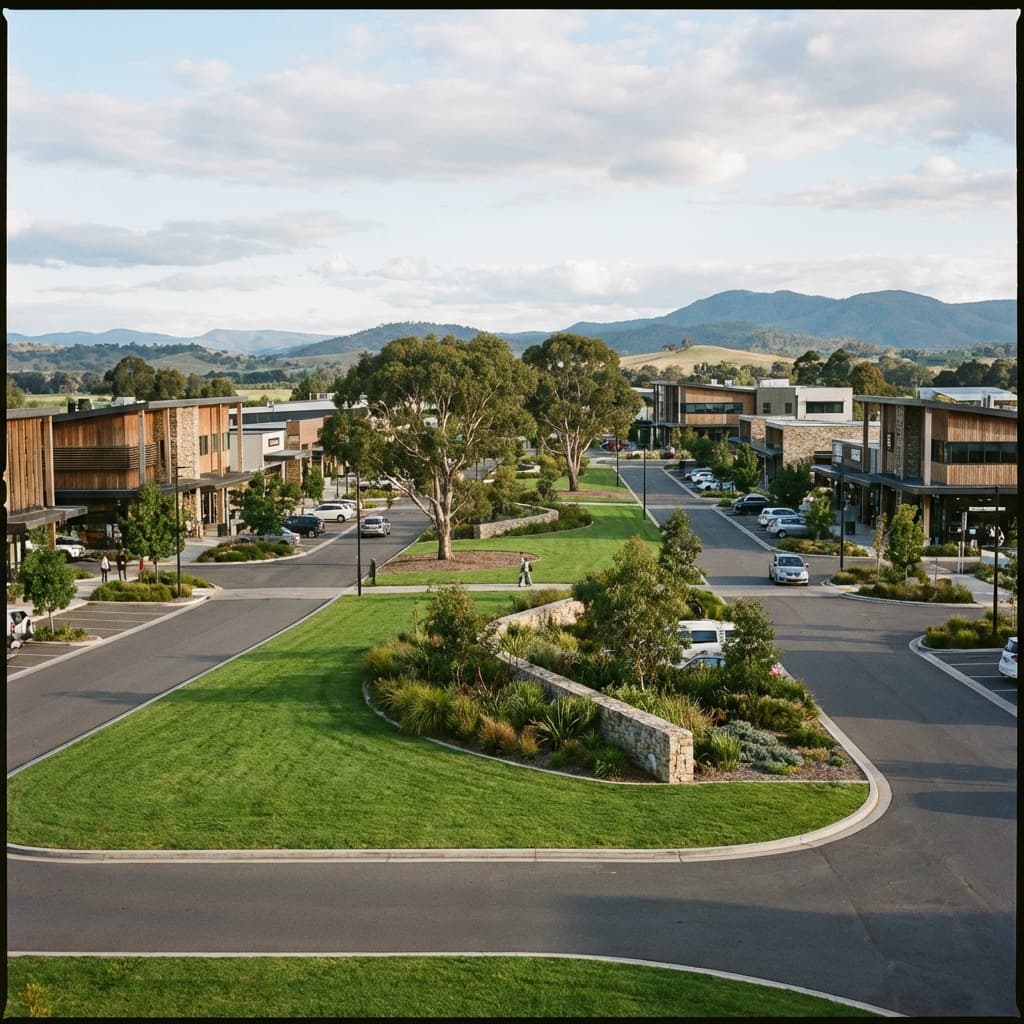
Back to Articles
HOA Lawn Services Jacksonville FL: Professional Community Management
Lawn Care January 27, 2026 10 min read
For current costs, compare the exact product or written project scope. See what to include in a sod estimate; this guide does not establish a current price, saving or resale return.
Homeowners association communities throughout Jacksonville depend on consistent, professional lawn care to maintain property values and community standards. Managing HOA landscapes isn't the same as maintaining individual residential properties—the scale, visibility, and standards are entirely different.
I've worked with HOA boards and property managers across Jacksonville for years, and successful community landscapes require specialized approaches that balance aesthetics, durability, budget constraints, and resident expectations.
The Unique Challenges of HOA Landscape Management
HOA properties face pressures that individual homeowners don't deal with.
High-Visibility Standards
Common areas are the first thing residents and visitors see. Entry monuments, main corridors, and amenity areas create immediate impressions about community quality.
A single brown patch or weed-infested bed reflects on the entire community. HOA landscapes must maintain consistent quality across all common areas, not just featured locations.
Heavy Use Patterns
HOA lawns and landscapes endure more traffic than residential yards. Dog walk routes, children's play areas, mail kiosk locations, and pathway shortcuts create concentrated wear.
Standard residential maintenance doesn't account for this usage intensity. HOA landscapes need more durable grass varieties, reinforced high-traffic areas, and maintenance schedules that address stress before it becomes visible damage.
Compliance and Covenant Enforcement
Many HOAs have landscape requirements in their covenants. Common areas need to meet or exceed these standards to support enforcement when individual homeowners fall short.
If the association's own properties look neglected, covenant enforcement becomes difficult. Leading by example requires maintaining exemplary common areas.
Budget Constraints and Transparency
HOA budgets come from resident assessments. Board members face pressure to control costs while maintaining quality. Every dollar spent on landscaping is a dollar residents see on their assessment statements.
This creates tension between desired quality and acceptable cost. Professional HOA services navigate this balance by prioritizing impactful maintenance while controlling unnecessary expenses.
Common Area Components
Jacksonville HOA properties typically include multiple landscape zones with different requirements.
Entry Monuments and Signage Areas
Entry features are prime real estate. These areas make first impressions and often include the community's signature landscaping.
Typical elements:
- Monument signage with surrounding landscape beds
- Accent lighting
- Seasonal color rotation
- Irrigation with backup systems
- Mulch refresh schedules
Entry areas require weekly maintenance at minimum. Weeds, faded plants, or neglected appearance immediately signal quality issues.
Main Corridors and Streets
Primary roads through communities need consistent appearance. Street-side grass, median landscapes, and ornamental tree planting create the visual framework.
Challenges include:
- Longer mowing cycles (more area to cover)
- Irrigation efficiency across large zones
- Varying sun exposure and soil conditions
- Salt damage from road treatments during occasional freezes
Main corridors establish the community's overall aesthetic. Consistency matters more than perfection—residents notice variation more than they notice minor imperfections.
Amenity Areas
Pools, playgrounds, dog parks, and recreational facilities have unique requirements.
Pool areas need meticulous maintenance—nobody wants to swim in a facility surrounded by weeds. Regular mowing, edging, and immediate response to irrigation or plant issues are essential.
Dog parks take tremendous abuse. Grass wears thin, urine burn creates dead spots, and digging creates holes. These areas need durable grass varieties (often Bahia rather than St. Augustine) and aggressive overseeding schedules.
Playground surroundings need soft, well-maintained grass for safety. Bare patches or thin coverage increase injury risk.
Detention Ponds and Natural Areas
Most Jacksonville HOAs have stormwater ponds. These need regular maintenance for functionality and aesthetics.
Pond maintenance includes:
- Aquatic vegetation management
- Slope mowing (often requires specialized equipment)
- Erosion control
- Sediment management
- Algae control
Natural areas or preserve lands need different maintenance—less intensive but still managed. You're maintaining a naturalized appearance while preventing invasive species and fire hazards.
Service Components for HOA Properties
Comprehensive HOA lawn services include multiple coordinated elements.
Regular Mowing and Maintenance
This is the foundation. Consistent mowing schedules, proper height management, and clean edging keep common areas looking maintained.
For Jacksonville HOAs, weekly mowing during growing season (March through October) is standard. In winter, frequency drops to every 10-14 days depending on growth.
Commercial-grade equipment is essential. Residential mowers can't handle the scale or usage intensity of HOA properties. We're talking zero-turn mowers with 60-inch decks, commercial string trimmers, and bed edgers that can maintain crisp lines across hundreds of linear feet.
Irrigation Management
HOA properties often have complex irrigation systems with multiple zones, controllers, and water sources.
Professional management includes:
- Regular system inspections
- Broken head repairs
- Seasonal scheduling adjustments
- Rain sensor functionality verification
- Water usage monitoring to control costs
Jacksonville's water restrictions apply to HOA properties. Irrigation schedules must comply while ensuring landscape health. This requires smart controllers, appropriate zone configuration, and drought-tolerant plantings.
Fertilization and Weed Control
Common area grass needs regular fertilization to maintain quality under heavy use. But HOA properties also need careful program design to avoid excess spending.
Standard program:
- 4-5 applications annually (March, May, July, September, and optional November)
- Slow-release formulations to extend effectiveness
- Balanced NPK ratios appropriate for St. Augustine or Zoysia
- Pre-emergent weed control (early spring and early fall)
- Post-emergent spot treatments as needed
Large properties can sometimes negotiate better material costs through volume purchasing, making professional programs more economical than individual homeowner efforts.
Bed Maintenance and Mulching
Landscape beds frame common areas and require ongoing attention.
Standard bed maintenance includes:
- Weed control (combination of pre-emergent and hand-pulling)
- Mulch refresh (annually or twice annually for high-profile areas)
- Pruning and shaping
- Plant health monitoring
- Pest and disease management
- Seasonal color rotation (for communities that invest in this)
Beds deteriorate quickly without maintenance. Weeds, faded mulch, and overgrown shrubs create neglected appearance that undermines overall property quality.
Seasonal Color Programs
Some Jacksonville HOAs invest in rotating seasonal color to maintain year-round visual interest.
Cool-season rotation (October/November planting):
- Pansies, violas, snapdragons, petunias
- Ornamental kale and cabbage
- Dianthus, alyssum
Warm-season rotation (April/May planting):
- Pentas, salvia, zinnia
- Coleus, caladium
- Marigolds, vinca
Color programs significantly increase maintenance costs but create high-impact visual appeal. Most communities limit color to entry monuments and high-visibility areas rather than throughout the entire property.
Compliance Support
HOA boards often struggle with covenant enforcement related to individual homeowner landscape requirements. Professional common area maintenance supports enforcement.
Leading by Example
When association-maintained areas look exemplary, residents have clear standards to meet. Enforcement letters can reference "common area quality" as the benchmark.
If the association's own properties look neglected, residents ignore violation notices. You can't enforce standards you don't meet yourself.
Documentation and Reporting
Professional services provide documentation that supports board decisions:
- Regular maintenance schedules showing consistent care
- Before/after photos of improvements
- Issue identification and resolution tracking
- Seasonal reports on property condition
This documentation helps boards justify assessment levels and demonstrate value to residents who question spending.
Responding to Resident Concerns
Residents contact boards about common area issues—brown spots, weeds, overgrown beds, whatever. Professional services provide rapid response to address concerns before they become ongoing complaints.
Having a responsive service provider improves board member satisfaction. They're not spending weekend hours handling landscape emergencies or fielding repeated complaints about the same issues.
Jacksonville-Specific Considerations
Local conditions impact how we manage HOA properties throughout the Jacksonville area.
Zone 9a/9b Plant Selection
All plantings need appropriate zone hardiness. Jacksonville occasionally gets hard freezes that damage tropical plants.
We stick with proven performers:
- St. Augustine grass (Palmetto or Captiva varieties)
- Hardy shrubs (Loropetalum, Indian Hawthorn, Pittosporum)
- Zone-appropriate palms (Sabal, Pindo, Windmill)
- Durable perennials that handle heat and humidity
Avoiding marginal-zone plants prevents replacement costs after cold damage.
Hurricane and Storm Preparation
Jacksonville HOAs need storm response plans. Common areas with mature trees require pre-storm assessment and post-storm cleanup.
Professional services provide:
- Pre-season tree assessment for hazard limbs
- Storm debris removal contracts
- Emergency response for downed trees or damage
- Documentation for insurance claims
Boards shouldn't be scrambling to find contractors after a storm. Pre-established relationships ensure faster response.
Irrigation Restrictions
St. Johns River Water Management District restricts irrigation schedules. HOA systems must comply with watering days and times.
We configure controllers for automatic compliance and install rain sensors that override scheduled watering. This prevents violations and reduces water waste.
Fire Ant Management
Fire ants are persistent across Jacksonville. HOA properties with recreational areas, playgrounds, and dog parks need ongoing fire ant control.
Regular monitoring and treatment of active mounds protects residents and reduces liability. Waiting until someone gets stung creates problems that prevention avoids.
Choosing Professional HOA Services
Not all landscape companies understand HOA-specific needs. Here's what to look for.
Commercial Experience
Residential lawn care companies often struggle with HOA scale and expectations. Look for providers with documented commercial and HOA experience.
Ask for:
- Current HOA client references
- Portfolio of similar properties
- Proof of commercial licensing and insurance
- Equipment inventory that matches property scale
Responsive Communication
Board members and property managers need accessible communication. Look for providers who:
- Respond to emails and calls within 24 hours
- Provide regular scheduled reports
- Alert boards to issues proactively
- Attend board meetings when requested
Poor communication creates frustration regardless of field performance. Good communication makes average performance acceptable and excellent performance exceptional.
Flexible Service Agreements
HOA needs change seasonally and as budgets fluctuate. Service agreements should accommodate:
- Seasonal service adjustments
- Add-on services for special events or community sales
- Emergency response protocols
- Multi-year contracts with annual review options
Rigid contracts that don't adapt to changing needs become problematic quickly.
Integrated Pest and Disease Management
Don't separate lawn maintenance from pest control and plant health management. Integrated services catch problems early and address them efficiently.
Providers should proactively monitor for:
- Chinch bugs, mole crickets, and grubs
- Brown patch and other fungal diseases
- Fire ants in recreational areas
- Aphids, scale, and other plant pests
Waiting until damage is severe costs more in remediation than prevention would have cost.
Budget Management Strategies
HOA boards balance quality and cost constantly. Professional services help maximize value.
Prioritized Maintenance
Not all areas need equal attention. Prioritize spending:
High priority: Entry monuments, main corridors, amenity areas Medium priority: Secondary streets, utility areas, perimeter fences Low priority: Detention slopes, natural areas, property edges
This doesn't mean neglecting low-priority areas—just accepting slightly less intensive maintenance where visibility and use are lower.
Preventive vs. Reactive Spending
Preventive maintenance costs less than fixing problems. Pre-emergent weed control is cheaper than treating established weeds. Regular pruning prevents plant replacement. Irrigation repairs prevent water waste.
Boards that cut preventive maintenance to save money end up spending more on reactive crisis management.
Multi-Year Contracts
Locking in multi-year service contracts provides budget predictability and sometimes secures better rates. Providers offer discounts for contract certainty.
Include annual review clauses that allow service adjustment if conditions change, but base pricing on multi-year commitment.
Volunteer Integration
Some communities supplement professional services with volunteer efforts—resident plant days, adopt-a-bed programs, or garden clubs that maintain specific areas.
This can reduce costs while increasing resident engagement. Professional services coordinate with volunteer efforts to ensure overall cohesion.
Seasonal Considerations
HOA landscape needs vary throughout Jacksonville's seasons.
Spring (March-May)
Peak growing season demands intensive maintenance:
- Weekly mowing
- Aggressive fertilization and weed control
- Irrigation system startup and adjustment
- Spring color rotation
- Mulch refresh for high-visibility areas
Spring is also annual meeting season. Many boards want properties looking their best for budget approval and elections.
Summer (June-September)
Heat, humidity, and afternoon storms create challenges:
- Continued weekly mowing
- Disease and pest monitoring
- Irrigation efficiency to control water costs
- Storm damage response
- Managing heat-stressed areas
Summer landscapes look lush but require constant attention to prevent disease and pest problems.
Fall (October-November)
Transition season with moderate maintenance:
- Reduced mowing frequency
- Fall fertilization and pre-emergent application
- Cool-season color rotation
- System winterization preparation
- Tree trimming before winter storms
Fall is planning season. Boards review annual performance and plan next year's contracts and budgets.
Winter (December-February)
Reduced maintenance but ongoing monitoring:
- Bi-weekly mowing as needed
- Disease monitoring (brown patch)
- Irrigation minimization
- Cold damage assessment after freezes
- Planning and preparation for spring
Winter is when many boards get landscape bids for upcoming contract years.
Measuring Success
How do you know if your HOA landscape services are performing well?
Resident Satisfaction
The most direct measure is resident feedback. Are you receiving complaints or compliments about common areas?
Track:
- Complaint volume and types
- Resolution time for reported issues
- Comments at board meetings and on community platforms
- Informal feedback from residents
Property Values
Well-maintained common areas support property values. While dozens of factors influence real estate prices, landscape quality is visible and measurable.
Compare sale prices and time-on-market within your community to similar communities. Poor landscape maintenance shows up in these metrics.
Budget Performance
Are you staying within budget while maintaining quality? Good services hit their budget targets without surprise overages or quality degradation.
Track spending against budget monthly. Seasonal variations are normal, but annual performance should align with projections.
Vendor Responsiveness
How quickly does your provider respond to issues and requests? Measure:
- Response time to reported problems
- Attendance at board meetings
- Proactive communication about issues
- Schedule adherence for planned maintenance
Responsive providers make board members' lives easier, which has value beyond the specific services provided.
The Reality of HOA Landscape Management
Professional HOA services cost more than basic residential lawn care. The scale, standards, and complexity justify that cost—but boards need to understand what they're paying for.
You're not just buying mowing. You're buying:
- Commercial-grade equipment and trained crews
- Responsive communication and management
- Proactive problem identification
- Compliance support for covenant enforcement
- Risk management and liability protection
- Consistency across large, diverse properties
Cheap services create expensive problems.
Professional services provide value that justifies the investment through maintained property values, resident satisfaction, and board peace of mind. That's the standard Jacksonville HOA communities should expect and demand from their landscape service providers.
Need Professional Sod Installation?
Jax Sod provides sod installation, sod replacement, and new lawn installation across Jacksonville and Northeast Florida. Free quotes!
Related Articles
HOA Lawn Requirements in Jacksonville, FL
HOA Lawn Requirements in Jacksonville, FL. Review the site, scope and current written quote before deciding.
5 Signs Your Lawn Needs to Be Replaced (Not Just Repaired)
Is your lawn beyond saving? Learn when it makes more sense to start fresh with new sod instead of fighting a losing battle with repairs.
Arlington Jacksonville Lawn Care
Arlington Jacksonville Lawn Care. Review the site, scope and current written quote before deciding.
Let’s talk about your lawn
Ask our AI assistant a lawn question, or send the team a free installation estimate request.