Loading...
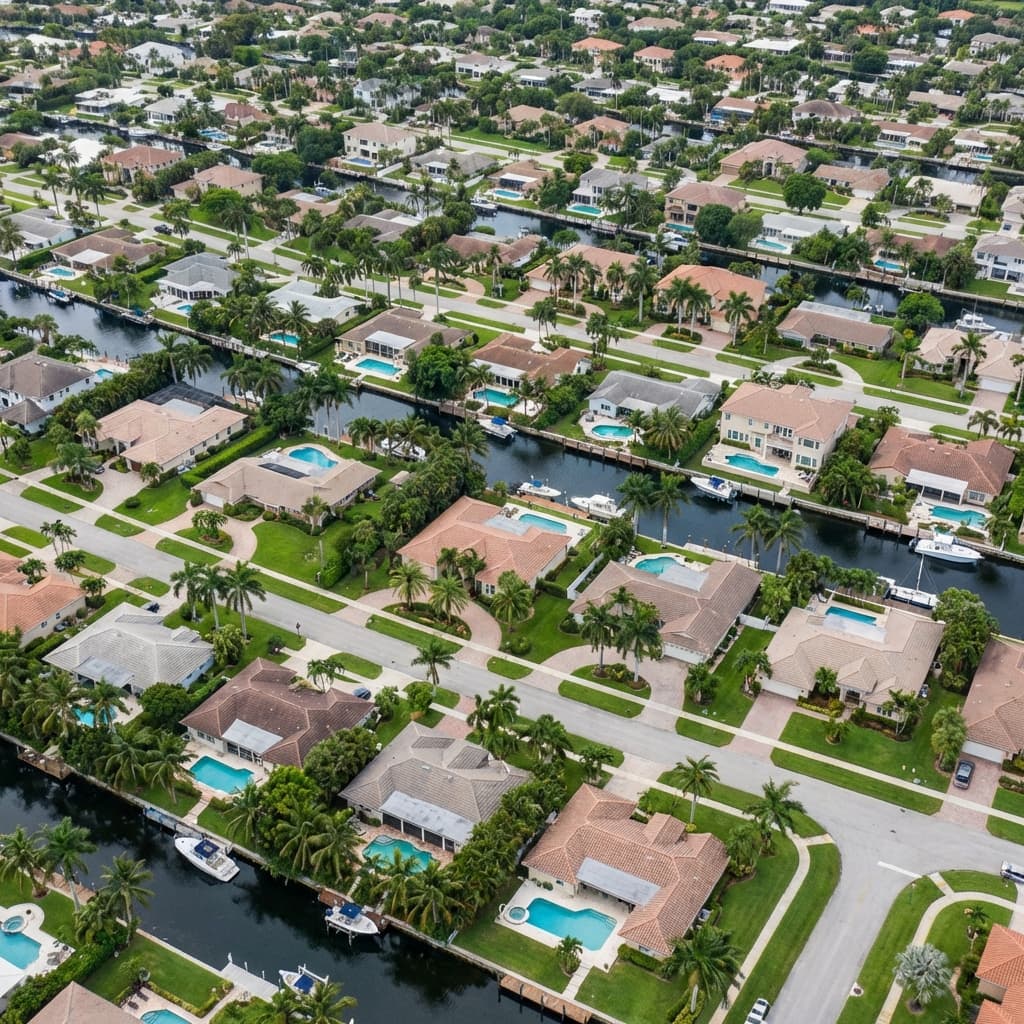
For sod, do not apply fertilizer before planting or as an early establishment shortcut. Follow the reviewed new-sod guidance.
Set irrigation from site conditions and the current rules for your property and water source. For new sod, use the dated care planner; a fixed schedule in an older guide is not permission to water.
Ask any experienced gardener or landscaper in Northeast Florida what the best planting season is, and the answer is unanimous: fall. Jacksonville planting results show this pattern clearly. Plants installed in October and November outperform spring-planted specimens by substantial margins.
The reason is simple. Fall planting takes advantage of Jacksonville's unique climate to establish strong root systems before the stress of summer heat and humidity arrives. While the rest of the country is preparing for winter dormancy, we're enjoying our premier planting season with mild temperatures, reduced evaporation, and the entire winter and spring for root development.
This comprehensive fall planting guide for Jacksonville covers everything from the best timing for different plants to specific varieties that thrive in our USDA Zone 9a and 9b conditions. Whether you're planning to install new sod in Ponte Vedra, plant trees in Mandarin, or fill beds with winter annuals in San Marco, this guide provides the local knowledge you need for success.
Why Fall Is Jacksonville's Best Planting Season
The advantages of fall planting in Northeast Florida go far beyond simple preference. The combination of environmental factors during October, November, and early December creates nearly ideal conditions for plant establishment.
Cooler air temperatures reduce stress on newly planted material. While daytime highs in October still reach the low 80s in Jacksonville, this is far less demanding than the 91-95°F temperatures plants face when installed in May or June. Plants transpire less water in cooler conditions, reducing the irrigation burden on new plantings and giving roots time to establish before water demands peak.
Soil temperatures remain warm through fall, typically staying in the 70s through November in Duval County. This warmth promotes vigorous root growth even as air temperatures cool. Roots continue developing through our mild winter, giving plants a months-long head start compared to spring installations that must establish roots during the increasingly stressful conditions leading into summer.
Reduced evaporation means your irrigation dollars go further. Fall planting in Jacksonville requires significantly less supplemental water than spring or summer installation. Morning dew provides moisture, humidity levels drop from summer peaks, and occasional frontal systems bring rainfall. Plants establish with less stress and lower water bills.
The spring explosion following fall planting is dramatic. Trees planted in October leaf out vigorously in March with extensive root systems already in place. Shrubs installed in November bloom prolifically in spring because they've spent months establishing rather than just surviving. Sod planted in October is fully mature and ready for summer stress by the time June heat arrives.
Jacksonville Pro Tip: Fall-planted trees and shrubs require virtually no summer irrigation in their second year, while spring-planted specimens often need supplemental water through their second summer. This difference alone justifies fall timing.
Pest pressure decreases in fall. Chinch bugs, mole crickets, and other lawn pests that complicate summer sod installation are far less active in October and November. Fungal disease pressure drops as humidity decreases from summer peaks. These factors reduce the need for pesticides and fungicides during the critical establishment period.
The Jacksonville calendar favors fall planting. By October, hurricane season is winding down and the risk of tropical systems decreases. The rainy season that delivers 60 percent of our annual rainfall from June through September is over, but soil moisture from those months remains available. Fall fronts bring periodic rainfall without the daily thunderstorms that complicate summer planting schedules.
Trees: October Through November Installation
Fall is the optimal time for tree planting throughout Northeast Florida. The combination of warm soil and cool air allows trees to develop extensive root systems while making minimal demands for water and nutrients.
Plant trees from October through November in Jacksonville. Early October works well in Duval and Clay counties, while coastal areas like Jacksonville Beach and Atlantic Beach can extend planting into early December. The goal is giving trees 8-10 weeks of root development before any hard freeze risk, though significant freezes are rare in our Zone 9 climate.
Choose trees appropriate for your specific location and purpose. For shade trees in neighborhoods like Riverside, Avondale, or San Marco, consider live oaks, laurel oaks, water oaks, or bald cypress. These species provide the overhead canopy that makes Jacksonville neighborhoods livable during summer heat. Live oaks are particularly well-suited to our area, performing well in both sandy and clay-based soils.
Flowering trees add spring color and ornamental interest. Crape myrtles planted in fall bloom vigorously their first summer. Redbud, dogwood, and sweetbay magnolia provide native options that support local wildlife while handling Jacksonville's climate extremes. In more protected locations like Nocatee or Ponte Vedra, consider southern magnolia or various cherry laurel species.
Palms can be planted in fall with excellent results. While conventional wisdom suggests spring planting for palms, October installation in Jacksonville takes advantage of the months of warm soil temperature that promote root development before winter. Sabal palms, Pindo palms, and Windmill palms are all suitable for fall planting in Northeast Florida.
Proper planting technique matters more than timing. Dig holes two to three times wider than the root ball but no deeper. The top of the root ball should sit level with or slightly above grade to prevent settling that buries the trunk flare. Remove containers or burlap from the root ball, spread roots gently, backfill with native soil, and water thoroughly.
Stake only when necessary and remove stakes after one growing season. Trees develop stronger trunk taper and root systems when allowed to move naturally in wind. If staking is necessary for tall or top-heavy trees, use flexible ties that don't girdle the trunk and position stakes outside the root ball area.
Mulch tree planting sites with 2-3 inches of pine bark or pine straw, keeping mulch several inches away from the trunk. Mulch conserves moisture, moderates soil temperature, and suppresses weeds while organic matter gradually improves Jacksonville's sandy soil as it decomposes.
Shrubs: October Through December Planting Window
The fall planting window for shrubs extends slightly longer than for trees. Shrubs have smaller root systems that establish quickly, allowing successful planting through December in most of Jacksonville and Northeast Florida.
Plan shrub installation from October through early December. The extended window gives you flexibility for fall landscape renovations or new construction landscaping in developments like Town Center, Deerwood, or Fleming Island. Container-grown shrubs establish rapidly, often showing new growth within weeks of fall planting.
Select shrubs based on light conditions and mature size. For sunny locations, consider azaleas, loropetalum, Indian hawthorn, pittosporum, and various holly species. Shade-tolerant options include aucuba, fatsia, hydrangea, and camellia. Right plant, right place prevents the constant pruning and maintenance problems that occur when shrubs outgrow their locations.
Native shrubs provide wildlife value and superior adaptation to Jacksonville's climate. Beautyberry, firebush, coontie, simpson stopper, and wild coffee all perform well in Northeast Florida landscapes while supporting birds, butterflies, and beneficial insects. These species handle our summer heat and occasional winter cold with minimal maintenance.
Group shrubs with similar water needs. Azaleas, hydrangeas, and gardenias need consistent moisture and perform best with irrigation. Yaupon holly, wax myrtle, and simpson stopper tolerate drought once established. Separating high-water and low-water plants into different zones prevents overwatering drought-tolerant species or underwatering moisture-lovers.
Space shrubs according to mature spread, not current size. That 15-gallon Indian hawthorn might be 18 inches wide at planting but will reach 4-5 feet at maturity. Proper spacing eliminates the crowding, disease problems, and constant pruning that result from shrubs planted too close together.
Amend planting holes only in extreme conditions. Jacksonville's sandy soils tempt gardeners to add compost, peat, or other amendments, but research shows this often creates problems. Roots stay within the amended zone rather than spreading into native soil, and the interface between amended and native soil can impede drainage. Plant in native soil except where soil is severely compacted or contaminated.
Water new shrubs thoroughly at planting and maintain consistent moisture through their first dry spring. Fall-planted shrubs usually receive adequate moisture from fall and winter rainfall, but the dry periods in March and April require monitoring. Established shrubs typically need no supplemental irrigation in their second year.
Perennials: September Through November
Perennials benefit tremendously from fall planting in Jacksonville. The cool season allows foliage and root development without the stress of summer heat, and plants enter their first summer with months of establishment time.
Plant perennials from September through November. This window covers the transition from summer heat to fall mildness and extends through the coolest months when root development continues even as top growth slows.
Choose perennials suited to Jacksonville's Zone 9 climate. Popular options include salvias, coneflowers, black-eyed susans, gaillardia, coreopsis, and daylilies for sunny areas. Shade perennials include hostas, ferns, cast iron plant, liriope, and mondo grass. Many ornamental grasses thrive in Northeast Florida, including muhly grass, pampas grass, and fountain grass.
Native perennials deserve special consideration. Beach sunflower, dune sunflower, blanket flower, and lanceleaf coreopsis all provide color while supporting pollinators and handling Jacksonville's climate extremes. Coontie, a native cycad, works well as a low-growing evergreen perennial in sun or shade.
Prepare beds thoroughly before planting perennials. While single trees or shrubs can go into native soil, perennial beds benefit from soil improvement. Add 2-3 inches of compost to the bed surface and till to 8-10 inches deep. This improves drainage in clay areas and increases water-holding capacity in sandy areas, creating better growing conditions for the diverse root systems in mixed perennial beds.
Group perennials by water and light needs. Sun-loving, drought-tolerant perennials like gaillardia and salvias shouldn't share beds with moisture-loving hostas and ferns. Creating beds with uniform requirements simplifies irrigation and improves plant performance.
Mulch perennial beds with 2-3 inches of shredded bark or pine straw. Mulch suppresses winter weeds that would otherwise flourish in prepared beds, conserves moisture, and provides a finished look while plants are small and filling in.
Divide and transplant existing perennials in fall. September through November is ideal for dividing overgrown clumps of daylilies, liriope, or ornamental grasses. The divisions establish quickly in fall conditions and bloom well the following spring.
Sod Installation: October Through November Prime Time
After decades of installing sod throughout Duval, Clay, St. Johns, and Nassau counties, we're absolutely certain that October and November provide the best conditions for sod establishment. The success rate is higher, the irrigation requirement is lower, and the first-summer performance is dramatically better than spring-installed sod.
Install sod from October through mid-November for optimal results. Soil temperatures remain in the 70s, perfect for root development. Air temperatures in the 70s and low 80s reduce water loss from sod while roots penetrate the soil. Fall-installed sod typically roots in 2-3 weeks, compared to 3-4 weeks for spring installation.
All warm-season grasses used in Jacksonville benefit from fall installation. St. Augustine, Bermuda, Zoysia, and Bahia all establish readily in October and November. The grass continues growing through our mild winter, developing extensive root systems that support vigorous growth when spring arrives.
Prepare the soil properly before sod arrives. Remove existing vegetation, till or grade to establish proper drainage and level, and ensure the final grade allows sod to sit slightly above hardscapes for settling. If soil is severely compacted, amend with compost before final grading. For new construction sites common in Nocatee, Town Center, or Fruit Cove, check that builders haven't buried construction debris or removed all topsoil.
Fall sod requires far less water than summer installation. Morning watering allows grass blades to dry before evening, reducing fungal disease pressure.
Mow fall-installed sod once roots have established, typically 2-3 weeks after installation. Set the mower to the appropriate height for your grass type and remove no more than one-third of the blade height. That first mowing stimulates lateral growth and helps sod knit together into a uniform lawn.
Sod producers typically fertilize before harvest, so your new sod has adequate nutrients for establishment. Plan the first major fertilization for March when active growth resumes.
Jacksonville Pro Tip: Sod installed in October is fully mature and ready for summer stress by June. Spring-installed sod is still maturing when summer heat arrives, making it vulnerable to chinch bugs, drought stress, and disease. This maturity difference is the single biggest advantage of fall installation.
Winter Annuals: October Through November Display
Jacksonville's mild winters allow gorgeous annual flower displays when most of the country is dormant. Winter annuals planted in October and November provide color from planting through April or May, often a six-month display period.
Plant winter annuals from mid-October through November. Earlier planting risks heat stress during warm October periods, while later planting shortens the display period. The sweet spot is late October when nighttime temperatures consistently drop into the 60s.
Petunias are Jacksonville's most popular winter annual. Modern varieties handle our occasional cold snaps well while providing masses of color in almost every shade imaginable. Wave petunias spread to cover large areas, while grandiflora types provide large blooms in containers. Petunias prefer full sun but tolerate light shade in neighborhoods with tree cover like Riverside or San Marco.
Snapdragons add vertical interest and are available in dwarf, medium, and tall varieties. The tall varieties reach 24-30 inches and create dramatic displays. Snapdragons handle frost well and often survive into late spring in Jacksonville, sometimes lasting until late May in Mandarin or other inland areas.
Pansies and violas are cold-hardy classics that handle Jacksonville's winter with ease. Their bright faces add cheer to beds and containers through the coolest months. Pansies come in solid colors and patterns, while violas are smaller but more floriferous. Both perform well in sun or part shade.
Dianthus provides fragrant, compact color. The spicy-sweet fragrance is strongest on warm winter days. Dianthus thrives in full sun and well-drained soil, making it ideal for Jacksonville's sandy conditions. Colors range from white through pink to deep burgundy.
Dusty miller adds silver foliage contrast. While technically grown for foliage rather than flowers, dusty miller's silvery leaves brighten winter beds and complement colorful annuals. It thrives in full sun and is drought-tolerant once established.
Ornamental cabbage and kale provide unique texture. These aren't vegetables but ornamentals bred for colorful foliage rather than eating. They develop the best color when exposed to cold temperatures, making them perfect for Jacksonville's December and January chill. Plant them in October for maximum size and color by the holidays.
Cyclamen work well in shaded areas under trees or on north-facing beds. These shade-tolerant annuals bloom through winter and early spring with minimal care. They prefer consistent moisture and perform especially well in St. Johns County's clay-based soils that hold water better than Duval County's sand.
Alyssum creates fragrant ground cover. The tiny white, pink, or purple flowers blanket the planting area and release honey-sweet fragrance. Alyssum reseeds readily and often returns year after year in the same location.
Prepare beds for annuals by adding compost and ensuring good drainage. While trees and shrubs go in native soil, annual beds benefit from soil improvement. Add 2-3 inches of compost, till to 8 inches, and grade beds for positive drainage. Well-prepared beds support the intensive blooming that makes annual displays so impressive.
Fertilize winter annuals monthly with a balanced, water-soluble fertilizer. The constant blooming depletes nutrients, especially in Jacksonville's sandy soil that doesn't hold nutrients well. A 20-20-20 or similar formulation applied according to label directions maintains vigor and color through the entire display period.
Cool-Season Vegetables: Fall Is Growing Season
Jacksonville's fall and winter are prime vegetable-growing seasons. While northern gardeners are harvesting their last tomatoes, we're planting cool-season crops that will produce through winter and spring.
Plant cool-season vegetables from September through November depending on the crop. Broccoli, cabbage, and cauliflower transplants go in during September or early October. Direct-seed lettuce, carrots, and radishes from September through November. Transplant or direct-seed herbs like cilantro and parsley in October and November.
Broccoli and cauliflower are cool-season favorites that thrive in Jacksonville's fall and winter. Plant transplants in September or early October for December and January harvests. These crops need consistent moisture and benefit from the cooler, more humid conditions of fall compared to spring.
Lettuce grows beautifully through Jacksonville's winter. Direct-seed or transplant lettuce from September through February for continuous harvests. Leaf lettuce produces fastest, while head lettuce takes longer but provides denser heads. Lettuce tolerates light frost and grows vigorously during our mild winters.
Carrots planted in October and November develop sweet, tender roots through winter. Jacksonville's sandy soil is ideal for carrots if you keep the seed bed consistently moist during germination. Harvest begins about 60-70 days after planting and can continue through March.
Herbs flourish in fall-planted gardens. Cilantro, parsley, dill, and fennel all perform better in cool weather than summer heat. Plant in October or November for production through spring. Basil is a warm-season herb that won't survive winter freezes in Jacksonville, so focus on cool-season herb varieties.
Prepare vegetable beds with generous compost additions. Unlike ornamental plantings that succeed in native soil, vegetables are heavy feeders that benefit from improved soil. Add 3-4 inches of compost and till to 10-12 inches deep. This improves drainage in clay areas and increases water-holding capacity in sandy areas while adding nutrients.
Protect vegetables from occasional hard freezes. While rare in Jacksonville, freezes do occur, especially in January. Have row covers or frost blankets available to protect tender crops during freeze warnings. Most cool-season crops tolerate light frost but suffer damage from hard freezes in the 20s.
Bulbs for Fall Planting
While Jacksonville's climate isn't suitable for spring-blooming bulbs like tulips and daffodils that need extended cold periods, several bulb types thrive when planted in fall.
Amaryllis planted in October and November bloom for the holidays. These large bulbs produce spectacular flowers on tall stalks, usually in red, white, pink, or salmon. Plant with the top third of the bulb above soil level in well-drained locations. Amaryllis naturalize in Northeast Florida and often return year after year.
Canna lilies grow from rhizomes planted in fall or spring. While cannas grow year-round in Jacksonville, fall planting allows root establishment before spring's vigorous growth. Choose from varieties with green, bronze, or striped foliage and flowers in red, orange, yellow, or pink. Cannas thrive in moist areas and work well around ponds or in low spots that stay damp.
Society garlic is technically a bulb that's planted in fall for spring and summer blooms. The narrow, grass-like foliage and pink or lavender flowers add delicate texture to perennial beds. Society garlic tolerates Jacksonville's heat and drought once established and multiplies readily.
Rain lilies are small bulbs that naturalize throughout Northeast Florida. Plant them in fall and they'll bloom after summer rains for years to come. The pink or white flowers appear on short stems after rainfall, hence the common name.
Soil Preparation for Fall Planting Success
Proper soil preparation is critical for fall planting success, especially in Jacksonville's challenging sandy soils that dominate Duval County and much of St. Johns and Nassau counties.
Test soil before major planting projects. The UF/IFAS Extension soil testing lab in Gainesville provides Florida-specific analysis and recommendations. Fall soil tests guide amendment decisions before planting and help identify pH issues, nutrient deficiencies, or salt accumulation that affects plant performance.
Add organic matter to annual and vegetable beds. Compost improves Jacksonville's sand by increasing water-holding capacity, providing nutrients, and improving soil structure. Spread 2-4 inches of compost on bed surfaces and till to 8-10 inches deep. This creates the rich, friable soil that annual flowers and vegetables need for optimal growth.
Avoid amending holes for trees and shrubs. Current research shows that amending individual planting holes often creates problems. Roots stay in the amended zone rather than spreading, and the interface between amended and native soil can restrict drainage. Plant trees and shrubs in native soil except where soil quality is severely compromised.
Adjust pH if necessary. Jacksonville soils are typically acidic, with pH in the 5.5-6.5 range. Most landscape plants tolerate this acidity, but if soil tests show pH below 5.5, apply lime according to test recommendations. Extremely acidic soils limit nutrient availability and reduce plant performance.
Ensure proper drainage before planting. Jacksonville's flatness creates drainage challenges in many areas. Grade planting beds so water moves away from plant root zones. In low spots that stay wet, either improve drainage with French drains or raised beds, or choose plants adapted to wet conditions.
Watering New Fall Plantings
Fall plantings need less supplemental irrigation than spring or summer installations, but they still require attention to ensure proper establishment.
Water trees and shrubs thoroughly at planting, applying enough water to settle soil and eliminate air pockets. For the first two weeks, water every 2-3 days, applying slowly to ensure deep penetration. After two weeks, reduce frequency but increase volume per watering, encouraging roots to follow moisture deeper into the soil.
Apply enough water to moisten the sod and the top inch of soil beneath.
Check soil moisture before watering. Fall's cooler temperatures, morning dew, and periodic rainfall often provide adequate moisture without supplemental irrigation. Check soil moisture by feeling the soil or using a soil probe. Water only when the top few inches of soil are dry.
Water in early morning when possible. This allows foliage to dry before evening, reducing fungal disease risk. Morning watering also reduces loss to evaporation, though this is less critical in fall than summer.
Adjust irrigation systems for fall conditions. If you irrigate established landscape areas, reduce run times and frequency for fall. Overwatering in cool weather causes root rot, fungal disease, and nutrient leaching. Many Jacksonville landscapes need no supplemental irrigation from November through March except for newly planted material.
Mulching Before Winter
Mulching after fall planting provides numerous benefits that support plant establishment through winter and into spring.
Apply 2-3 inches of mulch around trees, shrubs, and in perennial beds after planting. Pine bark, cypress mulch, and eucalyptus mulch all work well in Jacksonville. Pine straw is popular and economical, especially in neighborhoods with mature pines that provide free pine straw annually.
Keep mulch several inches away from plant stems and tree trunks. Mulch piled against bark creates constantly moist conditions that rot bark and invite disease and insects. Create a mulch "donut" with bare soil immediately around each stem.
Mulch benefits extend through every season. In fall and winter, mulch moderates soil temperature, preventing rapid temperature swings that stress roots. In spring and summer, mulch conserves moisture, suppresses weeds, and adds organic matter as it decomposes. Well-mulched plantings simply perform better than bare-soil plantings.
Replenish mulch annually. Jacksonville's warm climate and moisture cause mulch to decompose relatively quickly. Plan to add 1-2 inches of fresh mulch each fall to maintain the 2-3 inch depth that provides optimal benefits.
Fall-Planted Sod Establishment Timeline
Understanding the establishment timeline for fall-planted sod helps you care for your new lawn properly and know what to expect through the first year.
Week 1-2 after installation, sod roots begin penetrating into the soil beneath. The grass may appear slightly stressed, with some discoloration normal. Avoid foot traffic on new sod during this critical rooting period.
Week 3-4, roots should have penetrated 1-2 inches into the soil beneath the sod. You can test this by gently lifting a corner of sod to see if roots have attached. Once rooted, reduce irrigation frequency but increase volume. Mow when grass reaches about 30 percent above optimal height—3.5 inches for St. Augustine, for example, which should be maintained at 3-3.5 inches.
Month 2-3, your fall-planted sod continues developing roots even as top growth slows during the coolest winter months. Roots may penetrate 4-6 inches by December or January. The lawn tolerates light traffic but avoid heavy use. Continue watering when the lawn shows signs of moisture stress, but fall and winter rainfall usually provide adequate moisture in Jacksonville.
Month 4-6, as spring arrives, fall-planted sod explodes with growth. The extensive root system developed over fall and winter supports vigorous greening and spreading. Apply the first major fertilization in March. Increase mowing frequency as growth accelerates.
By summer, fall-planted sod is fully mature with deep roots and complete coverage. The lawn handles summer heat, humidity, and pest pressure far better than spring-planted sod that's still establishing. This maturity is the ultimate payoff for fall installation timing.
Avoiding Common Fall Planting Mistakes
Even in Jacksonville's ideal fall planting conditions, certain mistakes can compromise establishment and long-term performance.
Don't plant too early. October is ideal for most fall planting in Jacksonville. September installations, especially early September, face lingering summer heat that stresses plants. Wait until daytime highs consistently stay in the 80s before beginning fall planting.
Don't overwater. Fall's cooler temperatures and lower evaporation rates mean plants need far less water than summer installations. Overwatering causes root rot, leaches nutrients, and encourages weeds. Water based on soil moisture and plant appearance, not a rigid schedule.
Don't skip soil preparation for beds. While trees and shrubs succeed in native soil, annual and vegetable beds need soil improvement to perform well in Jacksonville's challenging sand. Don't shortcut the soil preparation that makes intensive plantings successful.
Don't plant tropical species that can't handle occasional freezes. While Jacksonville's winters are mild, we do get periodic freezes. Avoid planting freeze-sensitive tropicals in fall. Save those for spring installation when they have the entire summer to establish before the following winter.
Don't ignore proper spacing. Small plants from the nursery will grow, often considerably. Space according to mature size, not current size, to prevent crowding, disease, and the need for constant pruning.
Don't fertilize heavily at planting. Fall-planted material is focusing energy on root development, not top growth. Heavy fertilization promotes leaf growth at the expense of roots. Light fertilization at planting is sufficient, with major feeding scheduled for spring when active growth resumes.
Don't plant in poorly drained locations without addressing drainage. Fall planting in Jacksonville seems forgiving because we have less rainfall than summer, but winter wet periods will drown plants in spots with poor drainage. Fix drainage problems before planting, not after plants fail.
Conclusion
Fall planting in Jacksonville leverages our mild climate and unique growing season to establish landscapes with less stress, lower irrigation requirements, and superior first-summer performance. From trees and shrubs to sod, annuals, and vegetables, virtually every plant type benefits from October and November installation.
The science behind fall planting success is straightforward. Warm soil promotes root development while cool air reduces water demand and stress. Plants establish through fall, winter, and spring—7 to 8 months of growth before facing their first summer. This extended establishment period creates resilience that spring-planted material simply cannot match.
For a Jax Sod installation, timing depends on actual weather, sod availability, site readiness and working irrigation. Confirm the schedule after the site assessment.
Beyond sod, fall planting transforms landscapes. Trees planted in October develop root systems that support vigorous first-summer growth. Winter annuals installed in November provide six months of color. Cool-season vegetables planted in fall produce through winter when grocery stores charge premium prices for fresh produce.
The fall planting guide for Jacksonville is really a guide to working with our climate rather than against it. Every region has optimal planting seasons, and in Northeast Florida, that season is unquestionably fall.
Ready to install premium sod this fall?
Need Professional Sod Installation?
Jax Sod provides sod installation, sod replacement, and new lawn installation across Jacksonville and Northeast Florida. Free quotes!
Related Articles
Apartment Complex Landscaping Jacksonville: Creating Curb Appeal That Lasts
Expert guide to apartment complex landscaping in Jacksonville. Learn how to design low-maintenance, attractive landscapes that handle Florida's Zone 9a/9b climate and keep residents happy.
Backyard Landscaping Ideas for Jacksonville Homes
Backyard Landscaping Ideas for Jacksonville Homes. Review the site, scope and current written quote before deciding.
Best Landscaping Ideas for Jacksonville, FL Homes
Expert landscaping ideas for Jacksonville homes featuring drought-tolerant plants, Florida-friendly designs, and curb appeal tips that work in Northeast Florida's climate.
Let’s talk about your lawn
Ask our AI assistant a lawn question, or send the team a free installation estimate request.