Loading...
Back to Articles
Types of Mulch for Jacksonville Landscapes — Which One Should You Use?
Landscaping October 22, 2025 8 min read
For current costs, compare the exact product or written project scope. See what to include in a sod estimate; this guide does not establish a current price, saving or resale return.
One question Jacksonville homeowners ask constantly is: "What's the best mulch for my landscape?" The answer isn't simple because Northeast Florida's unique climate, diverse soil types, and varying aesthetic preferences mean different mulches work better for different situations.
From the sandy soils of the Beaches to the clay patches in Mandarin, and from the formal gardens of Ponte Vedra to the natural landscapes of Riverside, choosing the right mulch can make the difference between a thriving landscape and constant maintenance headaches.
Let me break down the most effective mulch options for Jacksonville landscapes, so you can make the best choice for your specific needs.
Benefits of Proper Mulching
Temperature Regulation: Mulch insulates soil, keeping roots cooler during our intense summer heat and warmer during occasional winter cold snaps.
Weed Suppression: A 3-4 inch layer of quality mulch dramatically reduces weed pressure, saving hours of maintenance time.
Soil Improvement: Organic mulches gradually decompose, adding nutrients and improving soil structure—crucial for our often sandy soils.
Aesthetic Appeal: The right mulch creates a finished, professional appearance that enhances property value.
Jacksonville-Specific Considerations
Our humid subtropical climate creates unique challenges:
- High humidity can promote fungal growth in some mulches
- Intense summer heat breaks down organic mulches faster
- Hurricane season brings wind and flooding that can displace lightweight mulches
- Sandy soils drain quickly, requiring mulches that help retain moisture
Why Pine Bark Works Here
Pine bark mulch has become the go-to choice for most Jacksonville landscapes, and for good reason. Our abundant pine forests make it readily available and cost-effective, while its characteristics align perfectly with our climate needs.
Advantages:
- Excellent drainage: Doesn't become waterlogged during heavy rains
- Wind resistance: Heavy enough to stay in place during storms
- Slow decomposition: Lasts 2-3 years in Jacksonville's climate
- Attractive appearance: Rich brown color complements most plant palettes
- Pest resistance: Natural compounds deter termites and ants
Best Applications:
- Around trees and shrubs
- Formal landscape beds
- Areas with established irrigation systems
- Properties in neighborhoods like Ponte Vedra and Sawgrass where appearance is paramount
Pine Bark Varieties
Mini Pine Bark: ½-inch pieces, best for small plants and detailed areas
Regular Pine Bark: 1-2 inch pieces, ideal for most landscape applications
Large Pine Bark: 2-4 inch pieces, excellent for slopes and natural areas
Installation Tips:
- Apply 3-4 inches deep for optimal weed suppression
- Keep mulch 3 inches away from plant stems to prevent pest and disease issues
- Refresh annually in high-traffic or highly visible areas
Understanding Pine Straw Benefits
Pine straw (pine needles) is a traditional Southern mulch that works exceptionally well in Jacksonville's ecosystem. It's particularly popular in neighborhoods with established pine trees like Riverside and Ortega.
Advantages:
- Natural integration: Blends seamlessly with existing pine needle fall
- Excellent water penetration: Allows rain to reach soil easily
- Acidic soil enhancement: Perfect for acid-loving plants like azaleas and camellias
- Cost-effective: Often the most economical mulch option
- Easy application: Lightweight and easy to spread
Disadvantages:
- Fire risk: More flammable than other mulches—important consideration for Jacksonville
- Frequent replacement: Needs refreshing 2-3 times per year
- Wind displacement: Can blow around during storms
- Limited aesthetic appeal: Some find it less formal looking
Best Uses for Pine Straw
Natural landscapes: Perfect for wooded lots and native plant gardens Acid-loving plant beds: Ideal around azaleas, camellias, and blueberries Slope stabilization: Interlocks to prevent erosion on hills Pathway coverage: Excellent for walking paths through gardens
Application Guidelines:
- Apply 2-3 inches deep initially
- Add fresh layer every 4-6 months
- Remove any that accumulates against building foundations
Cypress Mulch Characteristics
Cypress mulch, derived from cypress trees in North Florida's wetlands, offers unique benefits for Jacksonville landscapes but comes with environmental considerations.
Advantages:
- Exceptional longevity: Can last 3-4 years in our climate
- Insect resistance: Natural oils repel many pests
- Attractive color: Light blonde to medium brown enhances plant colors
- Moisture retention: Excellent at holding water for plant roots
Environmental Concerns:
- Wetland impact: Harvesting can affect sensitive cypress ecosystems
- Sustainability: Old-growth cypress is not renewable in human timescales
- Cost: More expensive than pine products
When to Choose Cypress
High-maintenance areas: Where longevity justifies higher initial cost Problem pest areas: Where insect resistance is crucial Formal installations: Where appearance and longevity are paramount
Pros and Cons of Rubber Mulch
Made from recycled tires, rubber mulch has gained popularity in certain applications around Jacksonville.
Advantages:
- Permanent solution: Never needs replacement
- Color retention: Maintains appearance for decades
- Pest proof: No insects or diseases
- Safety: Excellent cushioning for playground areas
Disadvantages:
- No soil benefits: Doesn't improve soil as it doesn't decompose
- Heat retention: Can become very hot in Jacksonville's summer sun
- Environmental questions: Potential chemical leaching concerns
- High initial cost: Expensive upfront investment
- Unnatural appearance: Doesn't blend with natural landscapes
Best Applications for Rubber Mulch
Playground areas: Excellent safety cushioning High-traffic paths: Won't decompose under foot traffic Commercial applications: Where low maintenance is crucial
Characteristics of Hardwood Mulch
Made from various deciduous trees, hardwood mulch offers different benefits than pine products.
Advantages:
- Rich nutrients: Provides excellent soil amendment as it decomposes
- Dense coverage: Heavy texture provides superior weed suppression
- Attractive appearance: Dark, rich color enhances plant displays
Disadvantages in Jacksonville:
- Rapid decomposition: Breaks down quickly in our humid climate
- Potential fungal growth: May develop mushrooms or mold
- Higher cost: More expensive than local pine products
- Pest attraction: Can attract termites in some situations
When Hardwood Works
Vegetable gardens: Where soil nutrition is paramount Annual flower beds: Where yearly replacement aligns with planting cycles Northern transplants: For homeowners accustomed to hardwood mulches
Stone and Gravel Mulches
Advantages:
- Permanent installation
- Excellent drainage
- Modern aesthetic appeal
- Fire resistant
Best Applications:
- Xeriscaping and drought-tolerant gardens
- Modern architectural landscapes
- Areas prone to flooding
- Around swimming pools
Considerations:
- Heat retention in summer
- No soil improvement
- Higher initial cost
- Difficult to plant through
Living Mulches
Groundcover Plants:
- Asiatic jasmine for deep shade
- Beach sunflower for coastal areas
- Coontie for native landscapes
Advantages:
- Living ecosystem benefits
- No replacement needed
- Attractive flowering options
- Wildlife habitat
Proper Application Depth
Trees and Shrubs: 3-4 inches deep, extending to drip line Flower Beds: 2-3 inches deep for annuals and perennials Vegetable Gardens: 2-3 inches, keeping clear of plant stems Pathways: 3-4 inches for comfortable walking surface
Seasonal Timing
Best Installation Times:
- Fall (October-November): Ideal for new installations
- Spring (March-April): Perfect for refreshing existing mulch
- Avoid summer installation: Stress on plants during heat waves
Common Installation Mistakes
Volcano Mulching: Never pile mulch against tree trunks—causes rot and pest problems Over-mulching: More isn't better—too deep prevents water and air penetration Wrong mulch choice: Consider your specific conditions and goals Poor preparation: Remove weeds and add soil amendments before mulching
Relative Pricing by Mulch Type
Pine Bark: Budget-friendly organic option Pine Straw: Budget-friendly, easy to apply Cypress: Mid-range organic option Hardwood: Mid-range, widely available Rubber: Premium option with longest lifespan
Prices vary by supplier, quantity, and season. Call (904) 901-1457 or contact us for current mulch pricing and installation quotes.
Calculating Your Needs
Formula: Length × Width × Depth (in feet) ÷ 27 = Cubic yards needed
Example: 20' × 10' bed with 3" depth = 20 × 10 × 0.25 ÷ 27 = 1.85 cubic yards
Budget-Friendly Tips
Buy in bulk: Purchase by the truck load for larger projects Seasonal timing: Best prices often available in fall Mix applications: Use premium mulch in visible areas, standard grade elsewhere DIY installation: Save on labor for smaller projects
When to Refresh Mulch
Visual indicators:
- Faded or gray color
- Visible soil through mulch layer
- Increased weed pressure
- Compacted or matted appearance
Timing guidelines:
- Pine bark: Every 2-3 years for full replacement, annual touch-ups
- Pine straw: Every 4-6 months
- Cypress: Every 3-4 years
- Hardwood: Annual replacement in Jacksonville's climate
Proper Refresh Technique
- Remove old mulch if heavily degraded or diseased
- Weed and edge beds before applying fresh mulch
- Add soil amendments if needed
- Apply new mulch at proper depth
- Water lightly to settle mulch in place
Choosing Sustainable Options
Local sourcing: Pine products from North Florida minimize transportation impact Recycled materials: Rubber mulch diverts tires from landfills Renewable resources: Fast-growing pine vs. slow-growing cypress
Jacksonville-Specific Environmental Benefits
Stormwater management: Mulch reduces runoff into St. Johns River Urban heat reduction: Organic mulches help cool neighborhoods Wildlife habitat: Native mulches support local ecosystems Carbon sequestration: Organic mulches store carbon as they decompose
When to Hire Professionals
Large areas: Projects over 500 square feet benefit from professional efficiency Accessibility issues: Slopes, tight spaces, or second-story planters Comprehensive projects: When coordinating with sod installation or landscape renovation Time constraints: Busy homeowners needing quick, quality results
DIY Success Tips
Proper tools: Wheelbarrow, rake, and shovel are essential Physical preparation: Mulching is physically demanding work Weather timing: Avoid hot, humid days when possible Quality materials: Buy from reputable suppliers for consistent products
Creating Cohesive Landscapes
The best mulching strategy considers how your landscape beds integrate with your lawn areas. At Jax Sod, we see this integration as crucial for creating beautiful, maintainable landscapes.
Edge definition: Clean, crisp edges between mulched beds and lawn create professional appearance Color coordination: Choose mulch colors that complement your grass variety Transition planning: Use groundcovers and border plantings to soften hard edges
Maintenance Considerations
Equipment access: Design mulched areas to allow easy mower access Irrigation compatibility: Choose mulches that work with your watering system Seasonal coordination: Plan mulch refresh timing with lawn care schedules
Getting the Most from Your Mulching Investment
Making the right mulch choice for your Jacksonville landscape involves balancing aesthetics, performance, cost, and environmental impact. Each property is unique, with specific soil conditions, plant selections, and maintenance preferences that influence the best choice.
At Jax Sod, we understand these complexities because we work with them every day throughout Duval County and Northeast Florida. Whether you're installing new sod and want coordinated landscape beds, or refreshing existing plantings, we can help you choose and install the perfect mulch for your specific conditions.
Our team knows which mulches work best with different soil types, plant selections, and maintenance schedules. We also understand how mulch choices affect irrigation needs and overall landscape health—crucial knowledge for creating sustainable, beautiful landscapes in our climate.
Don't let mulch selection overwhelm your landscaping project. Contact Jax Sod today for expert advice on creating beautiful, functional landscape beds that perfectly complement your lawn and enhance your property's value.
Ready to enhance your landscape with the perfect mulch choice? Call Jax Sod today for professional installation and expert advice tailored to your Jacksonville property's specific needs.
Need Professional Sod Installation?
Jax Sod provides sod installation, sod replacement, and new lawn installation across Jacksonville and Northeast Florida. Free quotes!
Related Articles
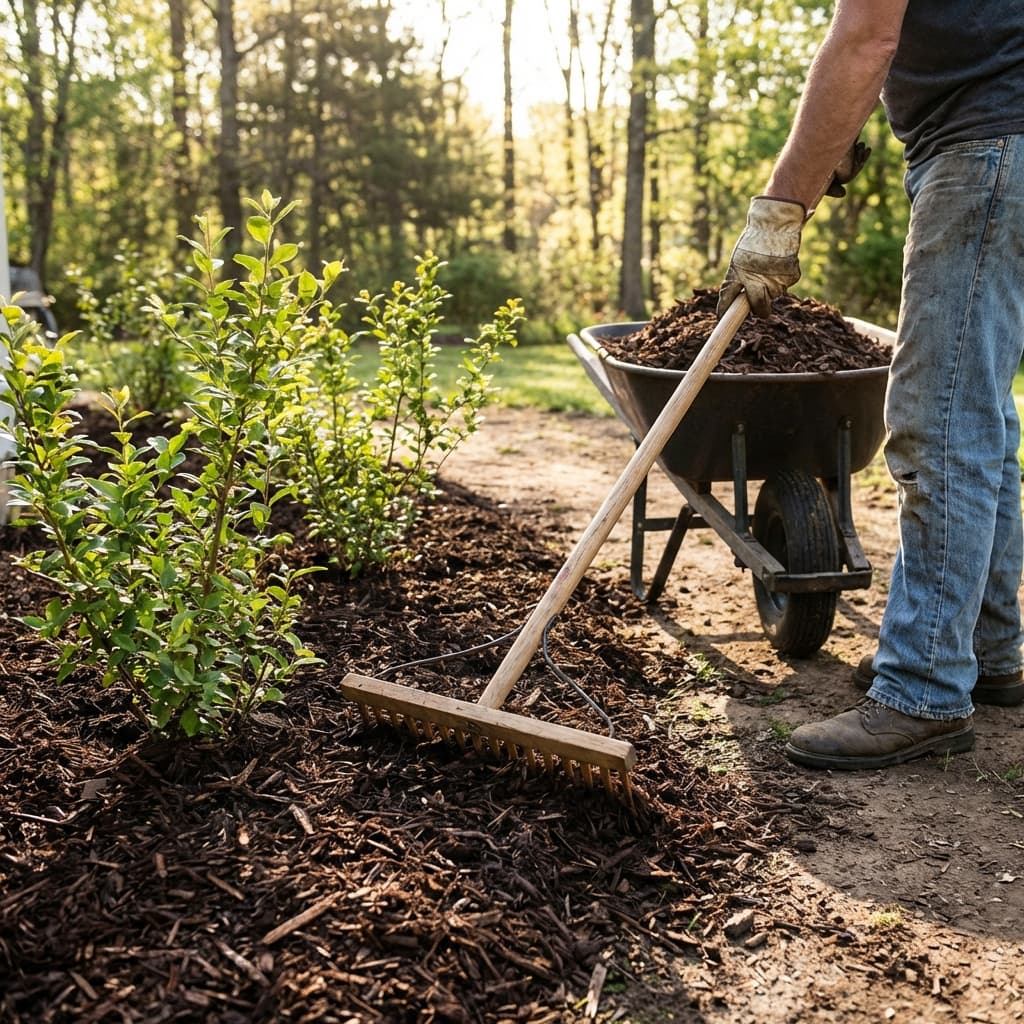
Mulch Delivery Cost Jacksonville FL: What to Expect and How to Save
Understanding mulch delivery costs in Jacksonville, FL. Learn about pricing factors, bulk vs bagged options, and tips for getting the best value on your landscaping mulch.
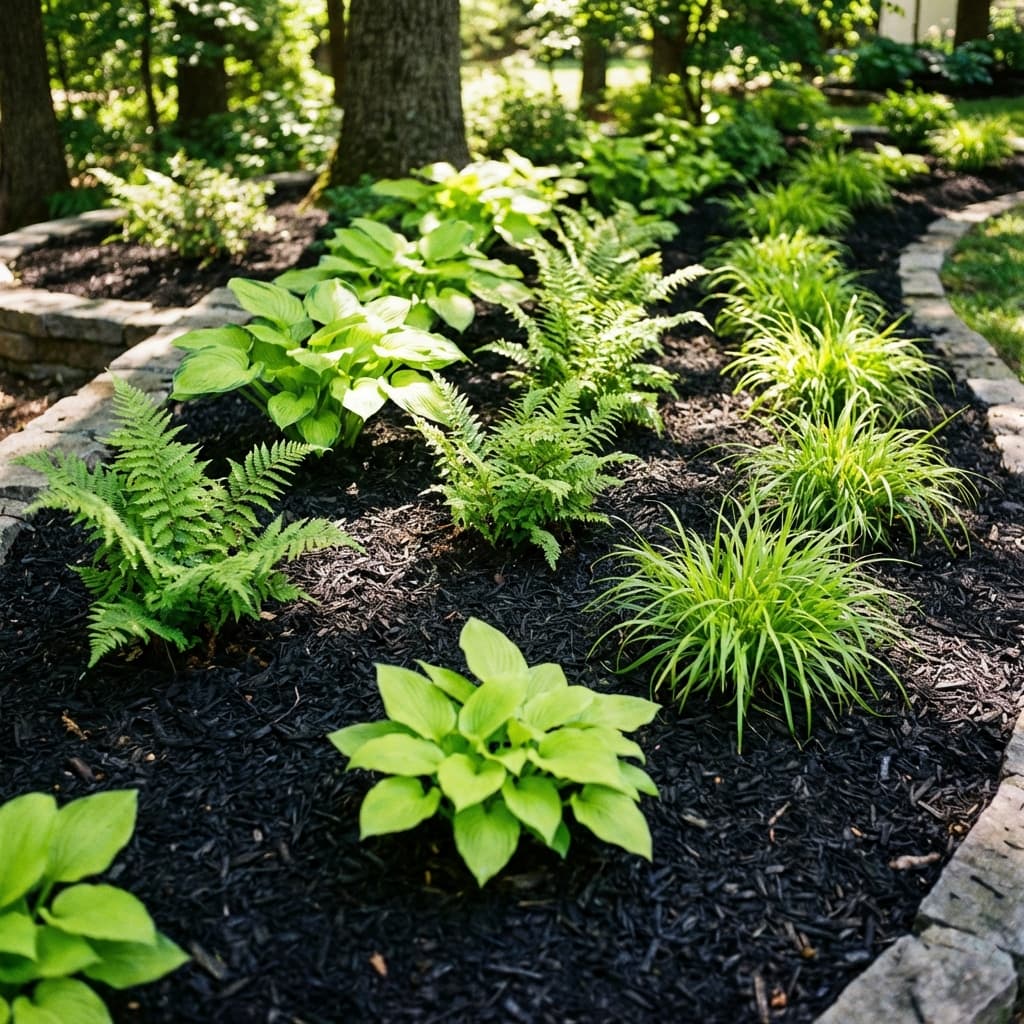
Winter Annual Flowers for Jacksonville Landscapes
Complete guide to winter annual flowers for Jacksonville. Learn the best varieties, planting times, and care tips for colorful winter landscapes.
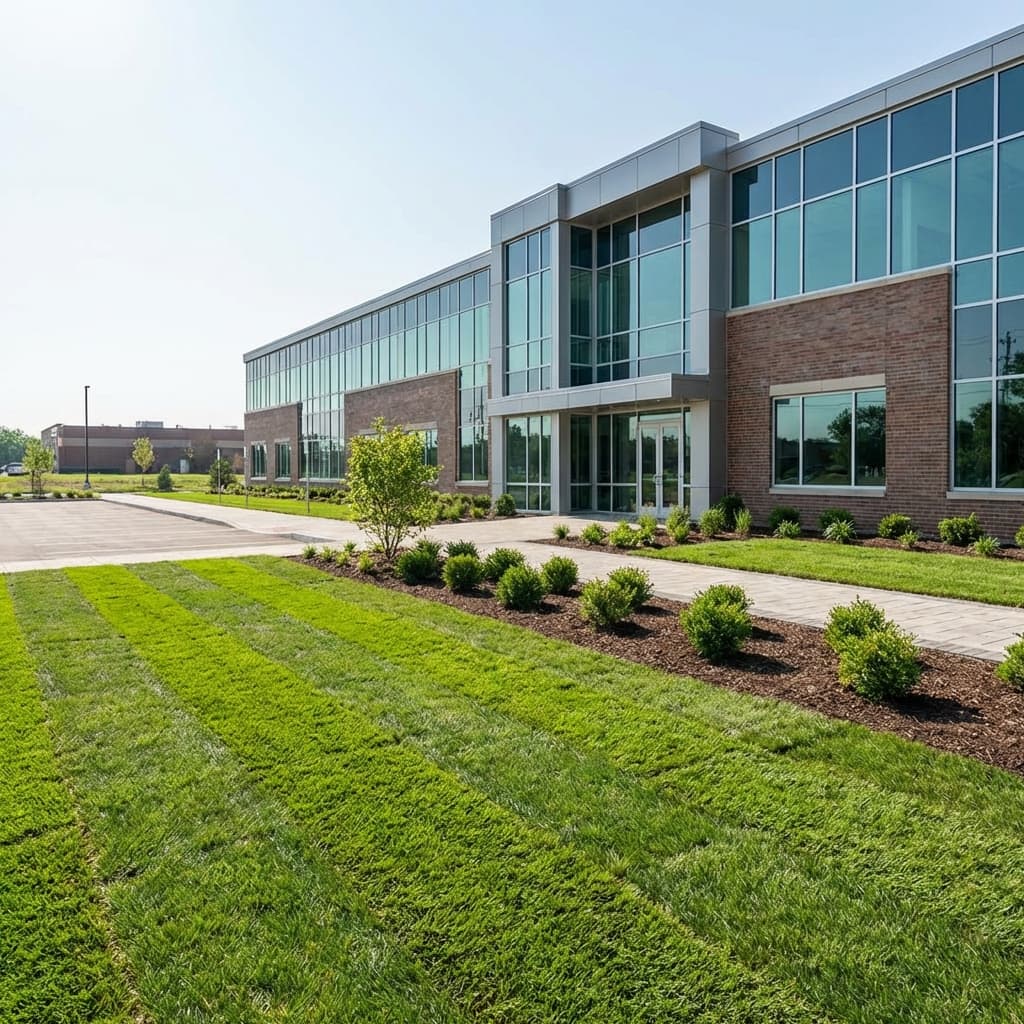
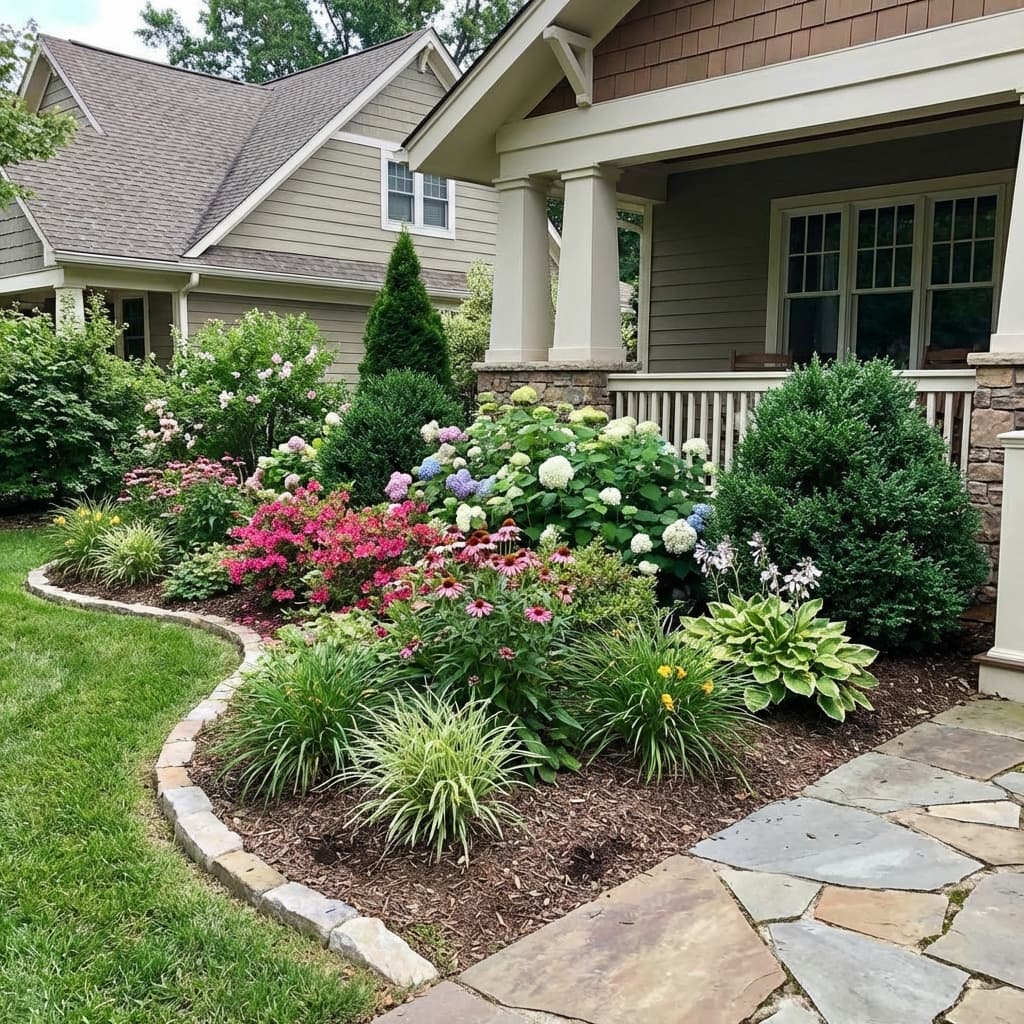
Apartment Complex Landscaping Jacksonville: Creating Curb Appeal That Lasts
Expert guide to apartment complex landscaping in Jacksonville. Learn how to design low-maintenance, attractive landscapes that handle Florida's Zone 9a/9b climate and keep residents happy.
Let’s talk about your lawn
Ask our AI assistant a lawn question, or send the team a free installation estimate request.