Loading...
Back to Articles
Best Landscaping Ideas for Jacksonville, FL Homes
Landscaping October 8, 2025 8 min read
Landscaping in Jacksonville means working with our Northeast Florida environment — sandy soils at the Beaches, clay patches in Mandarin, humid summers, and mild winters. After designing and installing landscapes throughout Duval County for over a decade, I've learned what actually works in our climate and what leads to frustration and wasted money.
Whether you're updating a historic home in Riverside, designing around new construction in Nocatee, or working on a waterfront property in Ponte Vedra, this guide covers plant choices, design approaches, and maintenance strategies that hold up in Jacksonville's Zone 9a/9b climate.
What works in our favor
We get nearly year-round growing conditions, mild winters that protect subtropical plants, plenty of summer rain, and a range of microclimates across coastal, urban, and suburban areas.
What works against us
Hurricanes demand wind-resistant plants. Sandy soil drains fast but holds almost no nutrients. Summer heat and humidity stress a lot of plants. Pest and disease pressure runs year-round. And the rain is feast-or-famine — drenching summers, dry winters.
Neighborhood considerations
Historic areas (Riverside, Avondale, Springfield) have mature tree canopies, preservation guidelines, and established architectural styles you'll want to complement.
Suburban developments (Mandarin, Orange Park, Fruit Cove) tend to have newer construction, less mature landscaping, and HOA requirements to keep in mind.
Coastal areas (Neptune Beach, Atlantic Beach, Fernandina) need salt-tolerant plants that can handle wind exposure and sandy, shell-based soils.
New developments (Nocatee, RiverTown, eTown) offer more flexibility — modern styles, engineered drainage, and a blank slate for contemporary designs.
Trees for shade and structure
Live Oak (Quercus virginiana) — Jacksonville's signature tree. Extremely drought tolerant once established, long-lived, low maintenance, and provides serious shade.
Southern Magnolia (Magnolia grandiflora) — Fragrant blooms, year-round evergreen presence, moderate drought tolerance. Works well as screening or a focal point.
Bald Cypress (Taxodium distichum) — Handles wet or dry conditions equally well. Great seasonal color changes and a distinctive form that looks good in naturalistic designs.
Red Cedar (Juniperus virginiana) — Fast-growing evergreen, extremely drought tolerant, good wildlife habitat. A solid pick for coastal areas.
Shrubs for color and texture
Firebush (Hamelia patens) — Nearly continuous orange-red blooms, attracts butterflies and hummingbirds, thrives in heat and drought. Works as a hedge or standalone specimen.
Coontie (Zamia integrifolia) — Prehistoric look, extremely drought and shade tolerant, almost zero maintenance. One of the toughest plants you can put in a Jacksonville yard.
Beautyberry (Callicarpa americana) — Purple berries in fall, tolerates poor soils, feeds wildlife. Looks right at home in naturalistic plantings.
Wild Coffee (Psychotria nervosa) — Glossy green foliage, bright red berries, shade tolerant, attracts birds.
Groundcovers and perennials
Coontie (Zamia integrifolia) — Versatile enough for groundcover or specimen use. Thrives in tough conditions and has historical significance as Florida's state plant.
Beach Sunflower (Helianthus debilis) — Bright yellow flowers, salt and drought tolerant, spreads naturally. A go-to for coastal properties.
Fakahatchee Grass (Tripsacum dactyloides) — Native ornamental grass with attractive seed heads, excellent drought tolerance, and good wildlife value.
Zoning Your Landscape
Zone 1 - High Water Use (within 10 feet of house):
- Foundation plantings requiring regular irrigation
- High-impact areas for entertaining
- Plants requiring consistent moisture
Zone 2 - Moderate Water Use (10-25 feet from house):
- Mix of adapted and native plants
- Seasonal irrigation during establishment
- Balance of beauty and sustainability
Zone 3 - Low Water Use (beyond 25 feet):
- Primarily native and adapted plants
- Minimal irrigation after establishment
- Natural and informal designs
Efficient Irrigation Strategies
Drip Irrigation: Most efficient for shrub and tree zones Smart Controllers: Weather-based irrigation adjustment Rain Sensors: Prevent overwatering during rainy periods Mulching: Retain moisture and reduce irrigation needs
Sunny Area Combinations
Tropical Paradise Theme:
- Canopy: Sabal Palm (Florida's state tree)
- Understory: Firebush, Wild Coffee, Simpson's Stopper
- Groundcover: Beach Sunflower, Coontie
- Accent: Bird of Paradise, Bougainvillea (where protected)
Native Meadow Theme:
- Canopy: Live Oak, Red Cedar
- Understory: Beauty Berry, Native Azaleas
- Perennials: Fakahatchee Grass, Wild Bergamot
- Seasonal: Blanket Flower, Black-Eyed Susan
Coastal Style Theme:
- Canopy: Cabbage Palm, Southern Red Cedar
- Understory: Yaupon Holly, Wax Myrtle
- Groundcover: Beach Sunflower, Seaside Goldenrod
- Accent: Spanish Bayonet, Prickly Pear Cactus
Shaded Area Combinations
Forest Understory Theme:
- Canopy: Existing Live Oaks or Southern Magnolia
- Understory: Wild Coffee, Marlberry, Spicebush
- Groundcover: Coontie, Wild Ginger
- Accent: Coral Honeysuckle (vine), Cardinal Flower
Formal Shade Garden:
- Structure: Camellias, Azaleas
- Texture: Japanese Painted Fern, Cast Iron Plant
- Groundcover: Liriope, Asiatic Jasmine
- Seasonal: Caladiums, Impatiens
Transition Zones
Woodland Edge:
- Trees: Red Bud, Chickasaw Plum
- Shrubs: Spicebush, Hearts-a-Bustin'
- Perennials: Coral Bean, Wild Columbine
- Grasses: River Oats, Sedges
Foundation Plantings
Traditional Approach:
- Symmetrical plantings flanking entrance
- Layered heights from house to lawn
- Mix of evergreen structure and seasonal color
- Clean, maintained appearance
Example Traditional Planting:
- Backdrop: Southern Magnolia or Live Oak
- Tall shrubs: Camellia, Azalea
- Medium shrubs: Dwarf Yaupon Holly, Nandina
- Low plants: Liriope, Hostas
- Seasonal color: Caladiums, Impatiens
Contemporary Approach:
- Asymmetrical, architectural plantings
- Bold foliage contrasts
- Geometric arrangements
- Modern materials integration
Example Contemporary Planting:
- Structure: Sabal Palm cluster
- Bold foliage: Bird of Paradise, Giant Bird of Paradise
- Textural contrast: Fakahatchee Grass, Coontie
- Groundcover: Decorative gravel with accent plants
Entryway Gardens
Formal Entry:
- Symmetrical design
- Seasonal flower displays
- Manicured appearance
- Classic plant choices
Casual Welcome:
- Naturalistic plantings
- Native plant focus
- Butterfly and bird-attracting plants
- Informal, cottage-style appeal
Driveway Borders
Linear Plantings:
- Consistent plant choices for unity
- Appropriate scale for driveway width
- Low-maintenance selections
- Seasonal interest considerations
Suggested Plants:
- Dwarf Yaupon Holly (evergreen structure)
- Liriope (grass-like texture)
- Seasonal rotation: Caladiums, Marigolds, Pansies
Walkway Enhancements
Pathway Plantings:
- Plants that soften hard edges
- Fragrant plants for sensory experience
- Lighting integration opportunities
- Safety considerations (non-thorny, stable)
Effective Combinations:
- Sweet Viburnum (background fragrance)
- Gardenia (seasonal blooms and fragrance)
- Mondo Grass (neat edging)
- Seasonal herbs: Rosemary, Lavender
Mailbox Gardens
Design Considerations:
- Visibility for postal service
- Heat tolerance for full-sun exposure
- Drought tolerance for minimal maintenance
- Attractive year-round appearance
Successful Plant Choices:
- Background: Wax Myrtle or Yaupon Holly
- Color: Firebush, Pentas
- Texture: Fakahatchee Grass
- Groundcover: Beach Sunflower
Property Borders
Natural Screening:
- Native trees and shrubs for privacy
- Wildlife habitat creation
- Stormwater management
- Property value enhancement
Formal Hedging:
- Consistent, maintained appearance
- Property definition
- Security considerations
- Architectural complement
Material Choices for Jacksonville Climate
Natural Stone:
- Excellent heat tolerance
- Non-slip surfaces when sealed
- Durable in hurricane conditions
- Attractive aging characteristics
Concrete Pavers:
- Affordable option
- Wide variety of styles and colors
- Good drainage when properly installed
- Easy replacement if damaged
Brick:
- Traditional Southern appeal
- Good thermal properties
- Historic home compatibility
- Long-term durability
Outdoor Living Integration
Seamless Transitions:
- Plants that connect indoor and outdoor spaces
- Consistent color palettes
- Functional plant choices (privacy, wind protection)
- Seasonal interest for year-round appeal
Practical Considerations
Mosquito Control: Moving water features reduce breeding sites Maintenance Access: Design for easy cleaning and maintenance Power Requirements: Consider electrical access and safety Wildlife Benefits: Attract birds and beneficial insects
Suitable Water Features for Jacksonville
Fountains: Self-contained, easy maintenance Rain Gardens: Functional stormwater management Reflection Pools: Modern, architectural appeal Natural Ponds: Wildlife habitat, naturalistic appeal
Functional Lighting
Safety Considerations:
- Pathway illumination
- Entry area lighting
- Step and level change marking
- Security lighting integration
Aesthetic Lighting
Accent Opportunities:
- Tree uplighting for dramatic effect
- Feature plant highlighting
- Architectural element enhancement
- Seasonal decoration integration
Spring Appeal (March-May)
Flowering Trees:
- Red Bud: Early pink blooms
- Dogwood: White or pink flowers
- Wild Cherry: Fragrant white clusters
Shrub Color:
- Azaleas: Peak blooming period
- Camellias: Late season varieties
- Spirea: Delicate white or pink flowers
Annual Color:
- Petunias: Cool-season performance
- Snapdragons: Tall spikes of color
- Sweet Alyssum: Fragrant carpet
Summer Impact (June-August)
Heat-Tolerant Bloomers:
- Firebush: Continuous orange flowers
- Pentas: Clusters of colorful blooms
- Ixora: Tropical appearance
Foliage Interest:
- Caladiums: Colorful heart-shaped leaves
- Coleus: Dramatic foliage colors
- Persian Shield: Purple and silver leaves
Container Gardens:
- Heat-tolerant annual combinations
- Tropical plant displays
- Herb gardens for kitchen use
Fall Transition (September-November)
Autumn Color:
- Bald Cypress: Golden fall needles
- Red Maple: Brilliant red leaves
- Beautyberry: Purple berry clusters
Late Season Blooms:
- Asters: Purple fall flowers
- Goldenrod: Yellow autumn display
- Firecracker Plant: Red tubular flowers
Winter Preparation:
- Seed head interest
- Evergreen structure emphasis
- Holiday decoration opportunities
Winter Interest (December-February)
Evergreen Structure:
- Southern Magnolia: Glossy green leaves
- Live Oak: Architectural branching
- Holly varieties: Berries and foliage
Winter Blooms:
- Camellias: Peak blooming season
- Flowering Quince: Early spring preview
- Winter Jasmine: Yellow flowers
Seamless Transitions
Good transitions between your lawn and landscape beds make the whole yard look intentional:
Border Design
Natural Edges:
- Curved lines that flow with natural contours
- Gradual transitions from lawn to plantings
- Integration with existing trees and features
Formal Edges:
- Clean, geometric lines
- Architectural integration with home style
- Symmetrical or balanced compositions
Plant Selection for Borders
Transition Plants:
- Medium-height plants that bridge lawn and taller plantings
- Plants that can handle some foot traffic
- Varieties that maintain neat, attractive edges
Effective Border Plants:
- Dwarf Yaupon Holly: Neat, evergreen structure
- Liriope: Grass-like texture, purple flowers
- Asiatic Jasmine: Spreading groundcover
- Dwarf Azaleas: Seasonal color, compact form
Lawn Replacement Strategies
For areas where traditional lawn struggles:
Shade Solutions
Deep Shade Areas:
- Coontie groundcover plantings
- Fern gardens with pathway access
- Mulched areas with shade-tolerant plants
Partial Shade Options:
- Shade-tolerant groundcovers
- Informal plant groupings
- Natural woodland gardens
Problem Area Solutions
Poor Drainage:
- Rain gardens with native plants
- Raised beds for better drainage
- Ornamental grasses that tolerate wet conditions
High Traffic:
- Hardscape pathways
- Durable groundcover alternatives
- Strategic placement of stepping stones
When to Consider Professional Help
Complex Projects:
- Major grading or drainage work
- Irrigation system design
- Large-scale plantings
- Hardscape integration
Design Expertise:
- Plant selection and placement
- Seasonal interest planning
- Problem-solving for difficult sites
- Long-term maintenance considerations
DIY Success Strategies
Start Small:
- Focus on one area at a time
- Learn from small projects
- Build skills and confidence gradually
Research Thoroughly:
- Understand plant requirements
- Plan for mature sizes
- Consider long-term maintenance
Quality Materials:
- Invest in good soil preparation
- Choose healthy, appropriate plants
- Use proper installation techniques
Working with professional landscape services
Jax Sod provides sod installation. If your plan also includes beds, irrigation or other landscape work, clarify the scope and who will perform each part before scheduling.
For a project involving several trades, agree on who will handle each part, including approvals, irrigation, planting and sod installation.
We also offer establishment support (watering guidance, problem identification, seasonal adjustments) and ongoing maintenance for homeowners who want a landscape that improves over time rather than just surviving.
Putting it all together
A good Jacksonville landscape starts with the basics — soil prep, the right plants for your specific conditions, and proper installation. From there, you layer in the details that make it yours. Tropical vibe, native plantings, formal garden, modern and minimal — all of those can work here if you choose plants that actually suit your site.
If you need help with sod installation, plant selection, or a full landscape plan, give Jax Sod a call. We know what works in Northeast Florida and we're happy to help you figure out what makes sense for your yard.
Want to talk about your landscape project? Contact Jax Sod for a consultation — we'll help you sort out what'll work for your property and your goals.
Need Professional Sod Installation?
Jax Sod provides sod installation, sod replacement, and new lawn installation across Jacksonville and Northeast Florida. Free quotes!
Related Articles
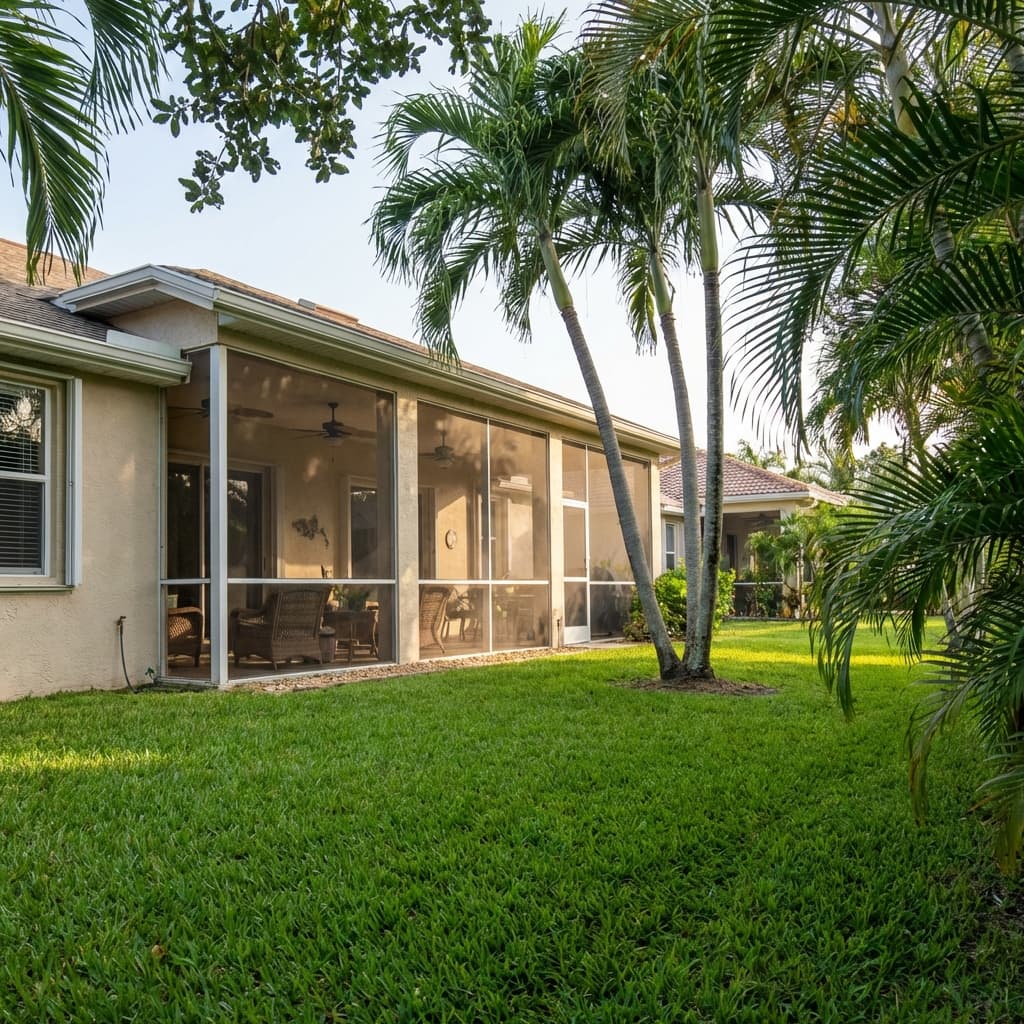
Pool Landscaping Ideas for Jacksonville, FL Homes: Creating Your Backyard Paradise
Discover expert pool landscaping ideas specifically designed for Jacksonville's unique climate. From the best poolside grass options to low-maintenance plants and effective drainage solutions.
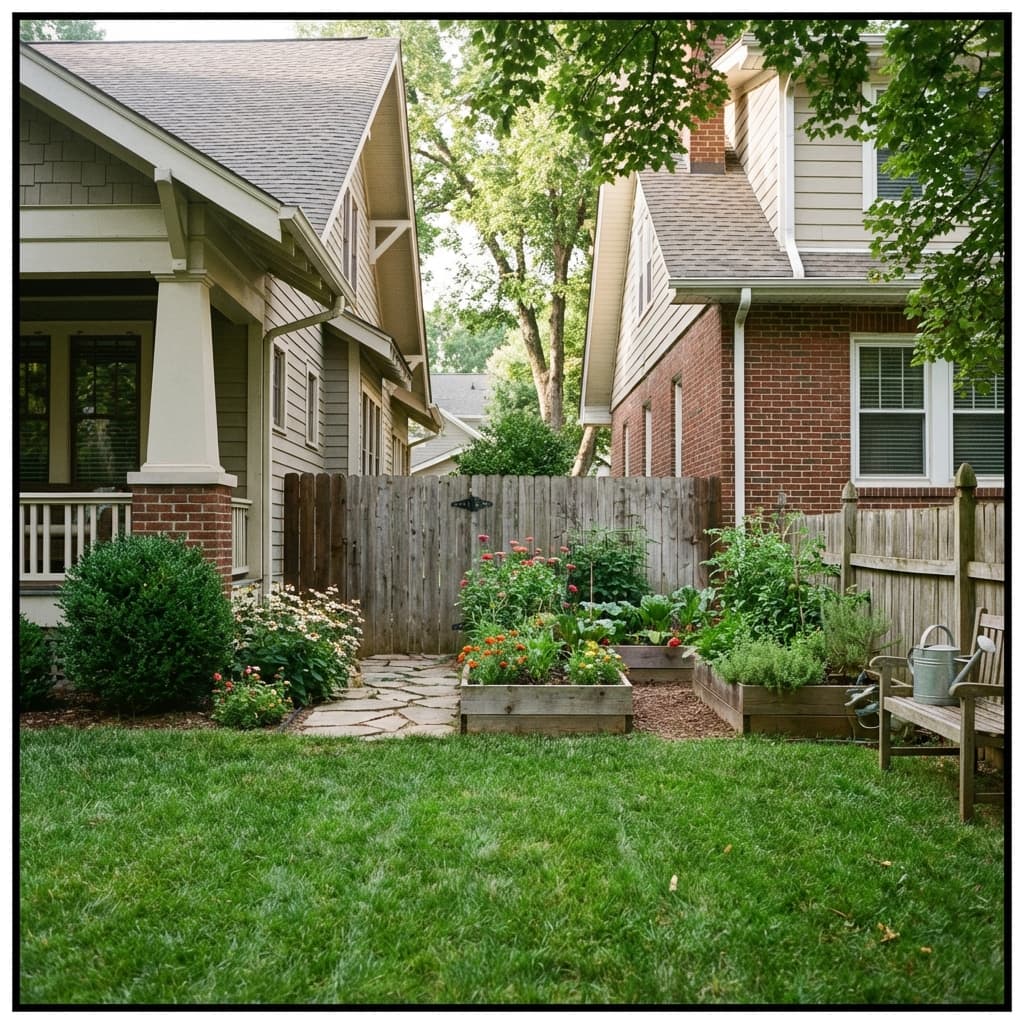
Backyard Landscaping Ideas for Jacksonville Homes
Backyard Landscaping Ideas for Jacksonville Homes. Review the site, scope and current written quote before deciding.
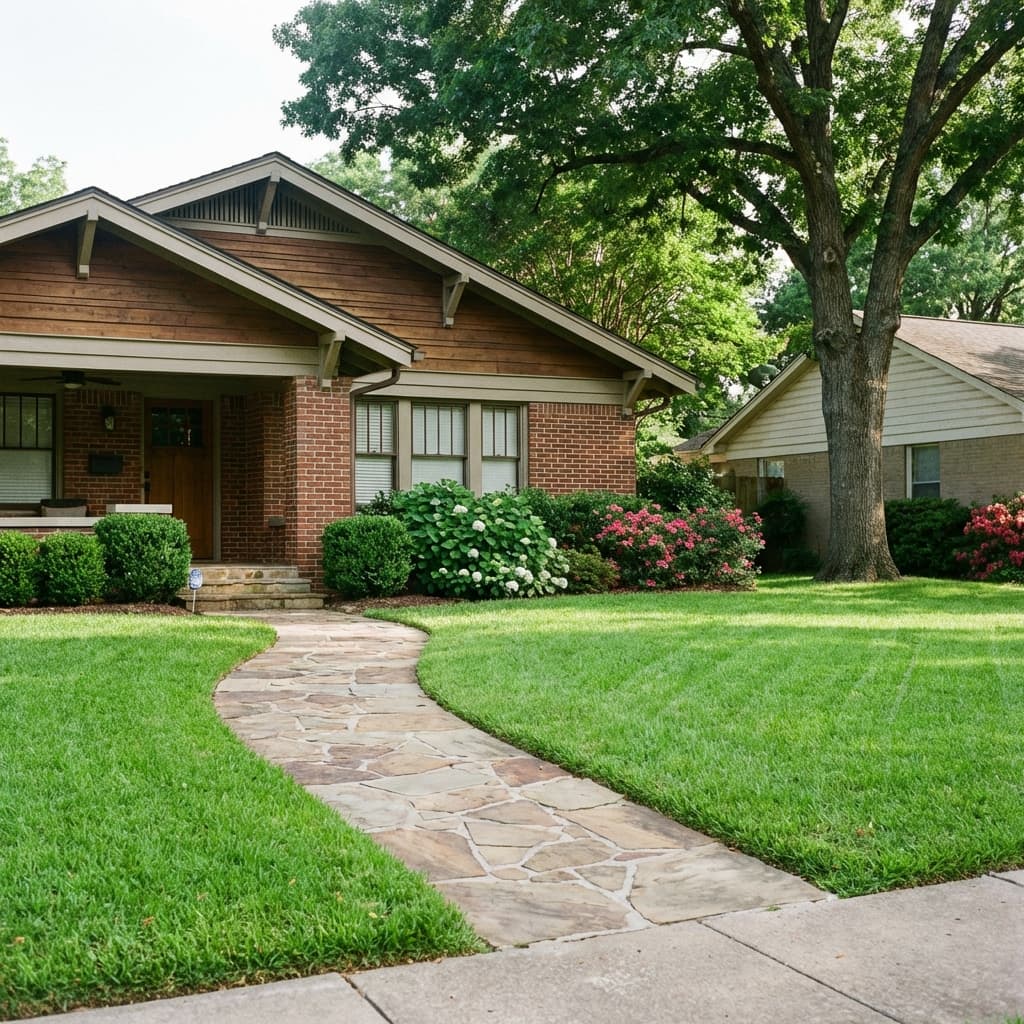
Front Yard Landscaping Ideas for Jacksonville, FL
Front Yard Landscaping Ideas for Jacksonville, FL. Review the site, scope and current written quote before deciding.
Let’s talk about your lawn
Ask our AI assistant a lawn question, or send the team a free installation estimate request.