Loading...
Back to Articles
Backyard Landscaping Ideas for Jacksonville Homes
Landscaping January 27, 2026 18 min read
For current costs, compare the exact product or written project scope. See what to include in a sod estimate; this guide does not establish a current price, saving or resale return.
Set irrigation from site conditions and the current rules for your property and water source. For new sod, use the dated care planner; a fixed schedule in an older guide is not permission to water.
Your backyard should be more than just mowed grass—it should be an extension of your living space where you relax, entertain, and enjoy Jacksonville's beautiful weather. With our mild winters, warm springs and falls, and long summer evenings, Northeast Florida offers nearly year-round outdoor living opportunities. The challenge is designing a backyard landscape that handles our hot, humid summers, occasional tropical storms, and sandy soil while creating functional spaces for your family's lifestyle.
Through years serving Jacksonville, Green Cove Springs, and throughout the First Coast, we've helped homeowners transform basic backyards into outdoor retreats. The most successful projects balance practical lawn areas with specialized zones for cooking, dining, relaxing, playing, and gardening. They incorporate privacy screening without creating fortress-like enclosures, and they phase improvements over time to match budgets and evolving needs.
Whether you're starting with a blank slate or refreshing an existing landscape, these backyard landscaping ideas will help you create an outdoor space that suits Jacksonville's climate and your family's lifestyle.
Creating Outdoor Living Spaces for Jacksonville's Climate
Jacksonville's weather favors outdoor living from October through May, with comfortable temperatures perfect for extended time outside. Summer months bring heat and humidity, but strategic design choices make backyard spaces usable even during peak temperatures.
Shade is essential for Jacksonville backyards. Without adequate shade, outdoor spaces become unusable from June through September when afternoon temperatures regularly exceed 90 degrees. Create shaded areas through a combination of structures (pergolas, pavilions, covered patios) and plantings (shade trees, vine-covered arbors). In Mandarin and Southside neighborhoods, we often see pergolas covered with wisteria or Confederate jasmine providing filtered shade over dining areas.
Orientation affects comfort significantly. North-facing patios receive less direct sun than south-facing spaces, making them naturally cooler. East-facing areas enjoy morning sun and afternoon shade—ideal for Jacksonville's climate. West-facing patios bear the brunt of afternoon heat and should include substantial shade structures or mature trees. When planning your backyard layout, consider sun angles and prevailing breezes to maximize comfort.
Ceiling fans improve usability during Jacksonville's humid summers. Install outdoor-rated ceiling fans on covered patios and pergolas to move air and create 5-10 degree perceived temperature drops. Combined with shade, good airflow makes outdoor spaces comfortable even on 85-90 degree days.
Jacksonville Pro Tip: Plant shade trees on the south and west sides of your backyard to block afternoon sun. Live oaks, bald cypress, and red maples provide substantial shade once mature. Plan for 5-10 year growth periods by incorporating temporary shade solutions while trees establish.
Patio and Deck Integration with Your Landscape
Patios and decks serve as primary gathering spaces in Jacksonville backyards. These hardscapes connect your home to the landscape and provide stable, level surfaces for furniture and activities. The best designs integrate seamlessly with surrounding plantings and lawn areas rather than sitting as isolated elements.
Materials matter for Jacksonville conditions. Concrete pavers remain our most-recommended patio material—they handle heat and moisture well, don't splinter or rot, come in countless styles and colors, and last decades with minimal maintenance. Travertine pavers stay remarkably cool underfoot even in direct sun, making them popular for pool decks throughout Jacksonville Beach and Ponte Vedra. Pressure-treated or composite decking works well for elevated structures but requires more maintenance than pavers in our humid climate.
Size your patio appropriately for intended use. A dining area for six people needs minimum 10x12 feet. Add a conversation area with seating for four and you'll want 14x16 feet or larger. Many Jacksonville backyards incorporate multiple patio zones—a covered dining area near the house, an uncovered conversation area around a fire pit, and a grilling station with prep counters. These separate zones create functional variety while dividing large spaces into intimate areas.
Border patios with landscape beds to soften edges and integrate hardscapes into the overall design. Plant low-growing groundcovers like asiatic jasmine or perennial peanut within 18 inches of the patio edge. These tough plants tolerate foot traffic, remain evergreen year-round, and create visual transitions between patio and lawn. For taller borders, consider dwarf mondo grass, liriope, or blue daze for color.
Fire Pit Areas for Year-Round Entertainment
Fire features extend Jacksonville backyard usability into cool winter evenings and create natural gathering spots. Unlike northern climates where fire pits operate only in summer, Jacksonville's mild winters make fire features most valuable from November through March when temperatures drop to comfortable 50-60 degree evenings.
Location affects safety and enjoyment. Position fire pits at least 10 feet from structures, overhanging trees, and combustible materials. Choose level ground or create a level pad for stability. In neighborhoods like San Marco, Riverside, and Avondale with smaller lots and close property lines, check local fire codes and notify neighbors before installing fire features.
Built-in vs. portable options each offer advantages. Built-in fire pits using concrete blocks, natural stone, or paver kits create permanent features that anchor your backyard design. These work beautifully as centerpieces for circular patio arrangements with 8-10 feet diameter seating areas. Portable fire pits made from steel, cast iron, or copper offer flexibility to relocate as your landscape evolves and typically cost less than permanent installations.
Seating arrangements around fire pits should accommodate 6-8 people at comfortable conversational distance. Create a patio pad extending 3-4 feet beyond the fire pit in all directions to provide stable surfaces for chairs and foot traffic. Built-in bench seating using natural stone or pavers creates fixed capacity and works well in Jacksonville backyards where entertaining is frequent.
Safety and regulations require attention. St. Johns River Water Management District enforces burn restrictions during drought conditions. Check local ordinances before installing any fire feature. Keep a hose or fire extinguisher nearby, never leave fires unattended, and fully extinguish before going inside. We recommend gas fire pits for Jacksonville backyards—they offer easier ignition, better control, and less smoke than wood-burning options.
Outdoor Kitchens for Jacksonville Backyards
Outdoor kitchens transform Jacksonville backyards into true entertainment spaces. With nearly year-round mild weather, the investment in outdoor cooking facilities pays dividends through extended use. A well-designed outdoor kitchen keeps the heat outside during summer while providing convenient access to food preparation and storage.
Counter materials must withstand Jacksonville's weather. Granite, concrete, and tile all perform well in our climate. Avoid wood countertops that rot in our humidity. Plan 24-30 inches of counter space on each side of the grill for food prep and plating. Include an overhang on one side for bar stool seating—this casual dining option is popular for quick meals and keeps traffic away from the cooking area.
Cover your outdoor kitchen to extend usability and protect investments. A roof structure protects appliances and furniture from rain while providing essential shade. We've seen countless uncovered outdoor kitchens in Jacksonville that sit unused from May through September because the sun and heat make cooking uncomfortable. A simple gable roof or shed-style cover makes these spaces functional year-round.
Proximity to the house balances convenience with separation. Position outdoor kitchens 15-25 feet from the house—close enough for easy trips inside for forgotten items but far enough to keep cooking smells and heat away from the home. Create a clear path from the indoor kitchen to outdoor space, ideally through a door near your indoor kitchen.
Privacy Screening Solutions for Jacksonville
Privacy is essential for comfortable outdoor living. Whether you're screening views from neighbors, blocking traffic noise, or creating intimate spaces within your backyard, strategic plantings provide natural barriers that improve with age.
Podocarpus ranks as our most-recommended privacy shrub for Jacksonville. This evergreen grows 10-15 feet tall as a hedge, tolerates full sun to partial shade, handles Jacksonville's sandy soil, and requires minimal maintenance once established. Podocarpus has a naturally upright form that responds well to shaping. Plant 3 feet apart for a continuous hedge. The Maki variety stays more compact (8-10 feet) and works well for lower screens.
Wax myrtle is a Florida native shrub that creates quick screening while supporting wildlife. These fast-growing evergreens reach 15-20 feet tall, tolerate wet or dry soil, and attract birds with their berries. Wax myrtle's informal growth habit suits natural landscape styles popular in St. Johns and Clay County properties. Space plants 4-5 feet apart for screening.
Leyland cypress provides traditional formal screening but requires attention to disease issues. These evergreen conifers grow quickly (3-4 feet per year) and create dense barriers. However, Leyland cypress suffers from fungal diseases in Jacksonville's humid climate and may decline after 10-15 years. If you choose this species, plant 4-5 feet apart and monitor for browning foliage indicating disease.
Jacksonville Pro Tip: Layer your privacy plantings for depth and resilience. Use tall background plants (bamboo, wax myrtle) for the primary screen, mid-height shrubs (podocarpus, Indian hawthorn) for secondary layers, and groundcovers in front. This approach creates a fuller screen and ensures privacy even if one plant species struggles.
Lawn Areas for Play and Entertaining
Open lawn areas remain essential in most Jacksonville backyards. These grassed spaces provide safe play surfaces for children and pets, maintain visual calm, and accommodate flexible activities from badminton to outdoor yoga. The key is sizing lawn areas appropriately for your needs while leaving room for landscape beds and hardscapes.
Grass selection affects performance in backyard applications. For Jacksonville backyards with mixed sun and shade, Palmetto St. Augustine offers the best shade tolerance and overall performance. This improved St. Augustine variety handles 4-6 hours of sun per day and creates lush, green lawns that feel soft underfoot. For full-sun backyards where wear tolerance matters, TifTuf Bermuda provides superior durability and drought tolerance.
Shape your lawn for function and aesthetics. Rectangular lawns suit active play, providing predictable open space without tight corners or narrow sections. Curved, organic lawn shapes create more natural appearances and integrate better with informal landscape beds. Avoid overly complex lawn shapes that complicate mowing—every inside corner and narrow section adds time to maintenance.
Size matters for intended activities. A child's play area needs minimum 20x30 feet for running games. Lawn areas for entertaining benefit from 25x35 feet or larger to accommodate portable furniture, games, and guest circulation. In smaller urban backyards throughout Riverside and San Marco, even 15x20 foot lawn areas provide valuable green space and visual relief from hardscapes and plantings.
Pool-Adjacent Landscaping
Swimming pools are popular features in Jacksonville backyards, taking advantage of our long warm season that extends pool use from April through October. The landscaping around your pool affects safety, maintenance, and aesthetics.
Plant selection near pools requires careful consideration. Avoid plants that drop excessive debris (certain oaks, sweet gum, magnolia), have invasive roots (bamboo, large palms), or feature thorns and sharp edges (bougainvillea, yucca). The best pool-adjacent plants remain evergreen, tolerate reflected heat and occasional chlorine splash, and require minimal cleanup. Coontie, fakahatchee grass, foxtail fern, and dwarf ixora all perform well near Jacksonville pools.
Safety surfacing around pools prevents slips and protects bare feet. Travertine pavers stay remarkably cool even in direct sun, making them ideal for Jacksonville pool decks. Brushed concrete with slip-resistant finishes offers affordable options. Avoid smooth, sealed concrete that becomes dangerously slippery when wet. Plan minimum 4-foot-wide deck areas around the entire pool perimeter for safe circulation.
Privacy screening for pools creates comfortable swimming environments. Many Jacksonville neighborhoods have homes positioned to overlook neighbors' pools. Plant tall screening shrubs like podocarpus or bamboo along property lines to block sightlines. For faster results, install privacy fencing combined with screening plantings that will eventually overtop the fence and create lush, natural barriers.
Equipment screening hides pool pumps, heaters, and filters without restricting access for maintenance. Create small equipment yards enclosed with lattice panels or short hedges. Ensure gate access at least 3 feet wide for moving equipment in and out. Plant low-maintenance shrubs like Simpson's stopper or dwarf yaupon holly around equipment areas—these tolerate reflected heat and require minimal pruning.
Strategic Shade Tree Placement
Shade trees are long-term investments that dramatically improve Jacksonville backyard comfort and usability. Properly placed shade trees reduce cooling costs, create comfortable outdoor spaces, and increase property values. The key is selecting the right species and positioning trees for maximum benefit.
Live oak is Jacksonville's signature shade tree, providing dense evergreen canopy and majestic structure. These native trees grow slowly but steadily, reaching 40-60 feet tall with 60-80 foot spreads at maturity (30-40 years). Plant live oaks 20-25 feet from structures and hardscapes to accommodate their massive roots. In Mandarin, Southside, and Deerwood neighborhoods with larger lots, live oaks anchor landscape designs and provide generational value.
Bald cypress offers deciduous shade with minimal maintenance. These native trees thrive in Jacksonville's climate, tolerate wet or dry soil, and rarely suffer pest problems. Bald cypress grows 50-70 feet tall with a 20-30 foot spread, making them suitable for medium-sized backyards. The feathery foliage turns russet-orange in fall before dropping, providing seasonal color. Unlike many deciduous trees, bald cypress needle-like leaves decompose quickly and don't require extensive cleanup.
Red maple provides fast-growing shade and fall color. These native trees reach 40-60 feet tall and spread 30-40 feet at maturity. Red maples grow 2-3 feet per year when young, making them popular for homeowners wanting quicker results than slow-growing oaks provide. The variety 'Florida Flame' offers excellent red fall color even in Jacksonville's mild climate. Plant red maples in lower areas where occasional standing water occurs—they handle wet soil better than most shade trees.
Southern magnolia creates dense evergreen shade and fragrant blooms. These pyramidal trees grow 40-60 feet tall, making them best suited to larger backyards. The glossy evergreen leaves and large white flowers in May-June make magnolias favorites throughout Northeast Florida. Be aware that magnolia leaf drop is continuous—expect ongoing cleanup in areas beneath the canopy.
Jacksonville Pro Tip: Calculate mature tree size before planting. That cute 8-foot tree at the nursery will reach 40-60 feet tall and equally wide. Ensure adequate space exists for mature dimensions. Trees planted too close to houses, pools, or patios become expensive problems requiring removal or severe pruning that destroys their natural beauty.
Butterfly and Pollinator Zones
Creating wildlife-friendly areas in your Jacksonville backyard supports local ecosystems while providing visual interest and educational opportunities. Butterfly gardens are particularly rewarding, attracting beautiful insects from spring through fall while requiring minimal maintenance.
Host plants feed butterfly caterpillars and are essential for reproducing populations. Passionvine hosts gulf fritillary butterflies, those bright orange beauties common in Jacksonville summers. Milkweed (especially tropical milkweed and native swamp milkweed) hosts monarch butterflies. Coontie, a Florida native cycad, hosts the atala butterfly, a rare species rebounding in Northeast Florida. Plant host plants in small groups rather than single specimens to support butterfly populations.
Nectar plants feed adult butterflies and should bloom in succession from spring through fall. Firebush, pentas, porter weed, and lantana are Jacksonville butterfly magnets that bloom reliably with minimal care. Plant in full sun locations and group multiple plants together for maximum attraction. We've seen stunning butterfly gardens in Nocatee and Fruit Cove featuring 10-15 plant varieties that attract dozens of butterfly species.
Avoid pesticides in pollinator zones. Many common landscape pesticides kill butterflies and beneficial insects along with target pests. If pest problems occur, treat only affected plants rather than spraying broadly. Choose organic options like insecticidal soap or neem oil that break down quickly and cause less harm to beneficial insects.
Include water sources for butterflies and bees. A shallow dish with pebbles provides landing spots for insects to drink safely. Change water every few days to prevent mosquito breeding. Position water features in sunny locations where butterflies bask and congregate.
Vegetable Garden Integration
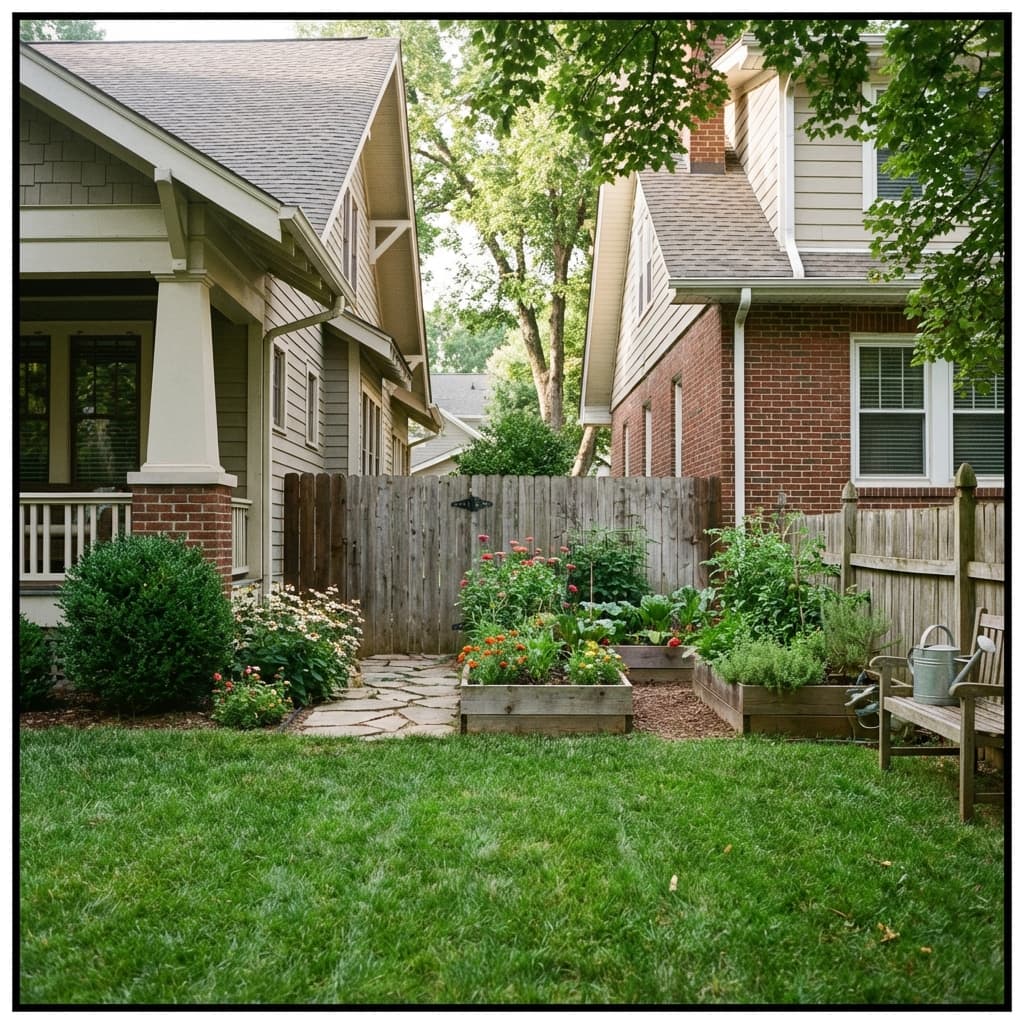
More Jacksonville homeowners are growing food in backyard gardens, taking advantage of our long growing season and ability to produce vegetables nearly year-round. Integrating vegetable gardens into backyard landscapes creates functional spaces that contribute to overall beauty and sustainability.
Location affects success dramatically. Vegetables need full sun (6-8 hours daily) for good production. In Jacksonville backyards, south-facing locations receive maximum sun. Ensure convenient water access—vegetable gardens need consistent moisture for best production. Position gardens within 50 feet of outdoor spigots to minimize hose length. Proximity to the kitchen encourages frequent harvesting and monitoring.
Raised beds perform better than in-ground gardens in Jacksonville's sandy soil. Construct beds 8-12 inches deep using lumber, concrete blocks, or composite materials. Fill beds with quality garden soil or a mix of existing soil, compost, and peat moss. Raised beds drain freely while retaining more moisture than native sand, creating ideal conditions for vegetables. Standard 4x8 foot beds provide manageable size for most homeowners while producing substantial yields.
Seasonal planting takes advantage of Jacksonville's two distinct growing seasons. Cool season crops (lettuce, broccoli, carrots, peas) grow from October through March. Warm season crops (tomatoes, peppers, squash, beans) produce from March through June and again August through October. July heat stresses most vegetables, making it a rest period for Jacksonville gardens. Plant fall gardens in August-September, spring gardens in February-March.
Incorporate edibles into landscape beds for beauty and function. Many vegetables and herbs work well in ornamental plantings. Rosemary, basil, and oregano provide culinary herbs while looking attractive in landscape beds. Swiss chard offers colorful stems rivaling any ornamental foliage plant. Blueberries produce food while contributing evergreen structure and fall color. This integrated approach suits smaller backyards where dedicated vegetable garden space doesn't exist.
Irrigation Zoning for Backyard Efficiency
Properly designed irrigation systems apply the right amount of water to each plant type on appropriate schedules. This zoning approach conserves water, reduces costs, and keeps plants healthier than single-zone systems that treat all plantings equally.
Zone by water needs rather than by location. Lawns, landscape beds, and vegetable gardens have different watering requirements. St. Augustine grass needs 0.75-1 inch weekly during the growing season. Established shrubs and trees in landscape beds need much less—often thriving on rainfall alone once root systems establish.
Separate sun and shade zones because they require different frequencies. Full-sun lawn areas need more water than shaded sections. Landscape beds under tree canopies stay moist longer than beds in full sun. By creating separate zones for different light conditions, you avoid overwatering shaded areas or underwatering sunny spots.
Follow Jacksonville watering restrictions in your irrigation programming. St. Johns River Water Management District allows watering on specific days: odd-numbered addresses Wednesday and Saturday, even-numbered addresses Thursday and Sunday. Your irrigation controller should respect these restrictions while providing adequate water. We recommend watering in early morning (4-8 AM) for best results—this timing minimizes evaporation and allows foliage to dry before nightfall, reducing disease pressure.
Pet-Friendly Backyard Design
Many Jacksonville families include dogs or cats as members, and backyard design should accommodate pets while maintaining attractive landscaping. Pet-friendly backyards balance animal needs with plant health and overall aesthetics.
Durable grass varieties handle pet traffic better than delicate types. TifTuf Bermuda offers exceptional wear tolerance and repairs quickly from damage. Palmetto St. Augustine provides good pet tolerance with better shade adaptation than Bermuda. Avoid delicate ornamental grasses and groundcovers in areas where pets run and play—these plants get crushed and look ratty in high-traffic zones.
Create designated paths where pets naturally travel. Dogs typically establish patrol routes around property perimeters and paths between favorite spots. Rather than fighting this behavior, incorporate it into design. Install mulch paths, stepping stones, or permeable pavers along natural pet routes. This approach prevents worn bare spots in grass and landscape beds.
Choose pet-safe plants for landscape beds. Some common ornamental plants are toxic to dogs and cats if ingested. Avoid sago palms (extremely toxic), azaleas, oleander, and lantana in yards where pets roam freely. Safe alternatives include coontie, fakahatchee grass, blue daze, and most ornamental grasses.
Fence vegetable gardens to protect crops from curious pets. A simple 3-foot border of welded wire mesh keeps dogs out of raised beds while allowing easy access for gardening. This protection prevents damage to plants and keeps pets from digging in freshly worked soil.
Mosquito-Reducing Plant Choices and Practices
Mosquitoes are Jacksonville's least favorite summer residents. While landscape choices can't eliminate mosquitoes entirely, certain practices and plant selections reduce populations and make backyard time more pleasant.
Eliminate standing water where mosquitoes breed. Empty saucers under potted plants every few days. Ensure gutters drain freely. Change birdbath water weekly. Check for low spots in your yard that hold water after rain. A single bottle cap of standing water can produce hundreds of mosquitoes in Jacksonville's warm weather.
Plant mosquito-repelling species to create natural barriers. Citronella grass (Cymbopogon nardus) produces the citronella oil used in candles and repellents. This ornamental grass grows 4-5 feet tall and thrives in full sun. Lavender, lemon balm, rosemary, and marigolds all contain compounds that repel mosquitoes to varying degrees. While these plants won't eliminate mosquito problems, they contribute to more pleasant outdoor spaces.
Encourage dragonflies and bats that prey on mosquitoes. Dragonflies require water features—even small container water gardens attract these beneficial insects. Bats consume thousands of mosquitoes nightly. Install bat houses on poles or building walls to encourage roosting. Position bat houses facing south or southeast, 12-20 feet above ground.
Maintain good air circulation in outdoor living spaces. Mosquitoes are weak fliers that struggle in breezy conditions. Position ceiling fans on covered patios. Leave space between dense plantings for air movement. Avoid creating still, stagnant air pockets where mosquitoes congregate.
Lighting for Evening Backyard Use
Jacksonville's mild climate encourages outdoor living well into evening hours, especially during comfortable spring and fall weather. Proper lighting extends backyard usability while enhancing safety and security.
Layer your lighting for flexibility and ambiance. Overhead lighting on covered patios and decks provides general illumination for dining and activities. Path lighting ensures safe navigation. Accent lighting highlights specimen plants, trees, and architectural features. Combining these lighting types creates functional spaces with visual interest.
Low-voltage LED systems are one option for backyard paths and landscape features. Compare manufacturer specifications and consult a qualified lighting installer for design and installation.
Choose warm white bulbs (2700-3000K) for most backyard applications. This color temperature creates inviting, relaxed atmospheres suitable for entertaining and evening relaxation. Avoid cool white or daylight bulbs that feel harsh and institutional in residential settings.
Control lighting with timers or smart switches for convenience and security. Set backyard lighting to turn on automatically at dusk and off at your typical bedtime. When you're away from home, lighting cycles create occupied appearances that deter intruders. Smart switches allow remote control via smartphone—adjust lighting without leaving the comfort of your indoor spaces.
Phased Implementation for Budget Management
Most Jacksonville homeowners can't complete comprehensive backyard renovations in one project. Phasing improvements over 2-5 years manages budgets while allowing landscapes to evolve with your family's changing needs.
Start with foundational elements that affect everything else. Install healthy sod to establish quality lawn areas. Grade for proper drainage to prevent standing water problems. Run irrigation lines to all areas even if you don't install sprinkler heads immediately—trenching later disturbs established plantings. These foundational investments support all future improvements.
Phase 2 typically focuses on hardscapes including patios, walkways, and seating areas. These structures provide immediate functionality and establish the framework for surrounding plantings. Complete hardscape projects during Jacksonville's mild winter months (November-February) when outdoor living temporarily drops as a priority.
Phase 3 adds landscape beds and plantings around established patios and lawn areas. Purchase larger specimen trees and shrubs first—these take years to reach maturity, so early installation provides maximum long-term impact. Fill in with smaller shrubs and perennials over subsequent seasons as budget allows.
Phase 4 includes finishing touches like outdoor kitchens, fire pits, lighting, and specialty gardens. These enhancements build on established landscapes and add layers of functionality and enjoyment. Spread these purchases over multiple years to manage costs while continuously improving your backyard.
Jacksonville Pro Tip: Take progress photos after completing each project phase. These images help you visualize changes, share accomplishments with family, and plan future improvements. Looking back at where you started provides satisfaction and motivation to continue improving your Jacksonville backyard.
Conclusion
Jacksonville backyards offer tremendous potential for outdoor living, entertainment, and relaxation. With strategic planning that addresses our hot summers, sandy soil, and variable rainfall, you can create functional spaces that serve your family for decades. The most successful Jacksonville backyards balance practical lawn areas with specialized zones for specific activities, incorporate privacy screening that creates comfortable enclosures, and phase improvements over time to manage budgets.
Start by defining how you'll use your backyard—entertaining large groups, providing play space for children, creating quiet retreats, growing food, or combining multiple functions. Allocate space accordingly, ensuring each function receives adequate area and appropriate conditions. Install quality sod in lawn zones, creating healthy green spaces that ground the overall design. Layer in hardscapes, plantings, and special features according to priorities and budget.
Your backyard should reflect your lifestyle while working with Jacksonville's climate and conditions. Whether you're transforming a basic builder-grade landscape in Nocatee, refreshing an established yard in Mandarin, or creating an outdoor retreat in Fleming Island, these principles apply. Take time to plan carefully, invest in quality materials and plants, and maintain regularly for best long-term results.
Ready to transform your Jacksonville backyard? With years of experience installing beautiful, functional lawns throughout Northeast Florida, we'll help you establish the foundation for your ideal backyard landscape.
Need Professional Sod Installation?
Jax Sod provides sod installation, sod replacement, and new lawn installation across Jacksonville and Northeast Florida. Free quotes!
Related Articles
Pool Landscaping Ideas for Jacksonville, FL Homes: Creating Your Backyard Paradise
Discover expert pool landscaping ideas specifically designed for Jacksonville's unique climate. From the best poolside grass options to low-maintenance plants and effective drainage solutions.
Best Landscaping Ideas for Jacksonville, FL Homes
Expert landscaping ideas for Jacksonville homes featuring drought-tolerant plants, Florida-friendly designs, and curb appeal tips that work in Northeast Florida's climate.
Front Yard Landscaping Ideas for Jacksonville, FL
Front Yard Landscaping Ideas for Jacksonville, FL. Review the site, scope and current written quote before deciding.
Let’s talk about your lawn
Ask our AI assistant a lawn question, or send the team a free installation estimate request.