Loading...
Back to Articles
Irrigation Guide for Jacksonville Lawns — How Much Water Does Your Grass Need?
Grass Types November 26, 2025 12 min read
Set irrigation from site conditions and the current rules for your property and water source. For new sod, use the dated care planner; a fixed schedule in an older guide is not permission to water.
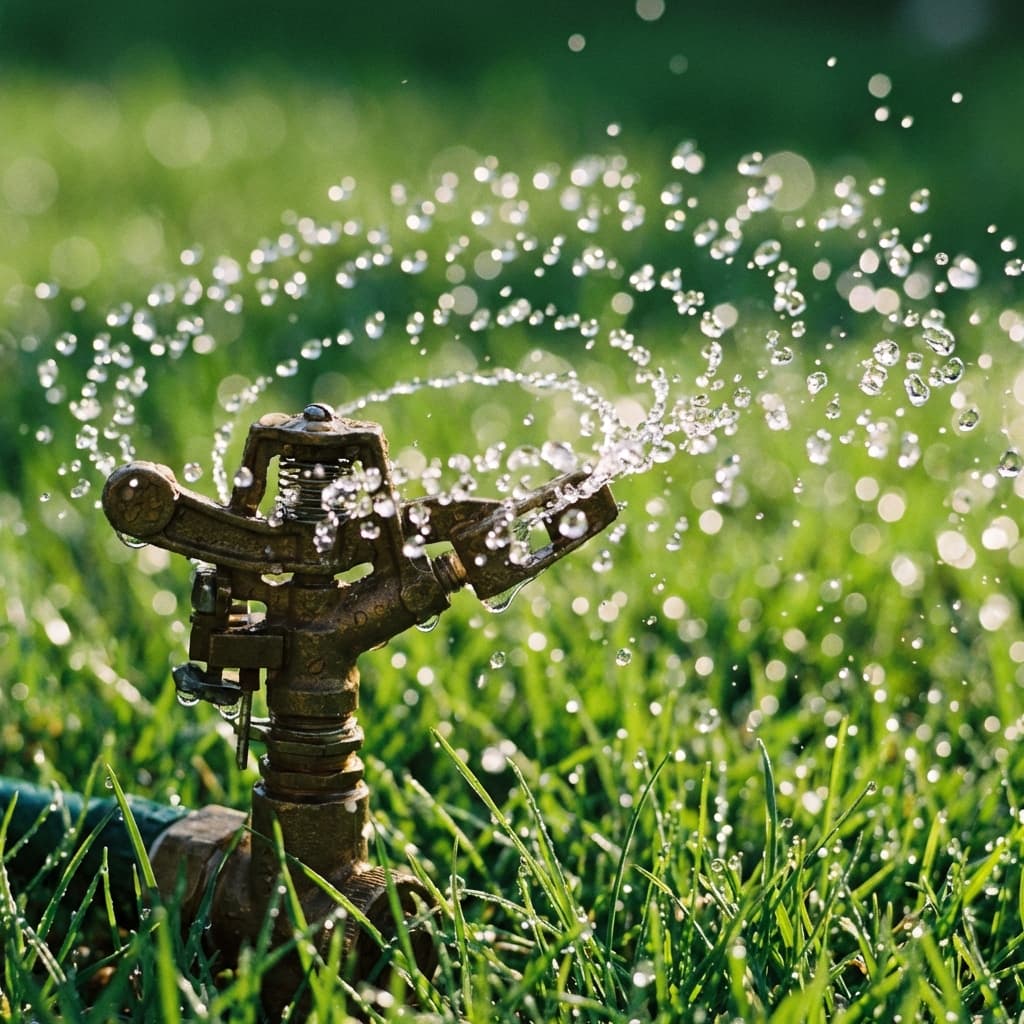
Proper irrigation is the foundation of a healthy Jacksonville lawn, but understanding how much water your specific grass type needs—while staying within St. Johns River Water Management District (SJRWMD) restrictions—can be challenging. Northeast Florida's unique climate, with its distinct wet and dry seasons, coupled with varying soil types across Duval County, creates specific watering requirements that differ significantly from other parts of the country.
Jacksonville's subtropical climate means your lawn experiences intense summer heat and humidity, followed by cooler, drier winter months. The city receives an average of 52 inches of rainfall annually, but this precipitation is heavily concentrated during the summer months from June through September. Understanding these patterns and how they affect your specific grass type is crucial for maintaining a lush, healthy lawn while conserving water and staying compliant with local regulations.
From the sandy soils near the beaches to the heavier clay soils found inland, Jacksonville's diverse geology affects how water moves through the soil and how frequently you need to irrigate. Coastal areas near Neptune Beach and Atlantic Beach drain quickly, while clay-heavy soils in areas like Orange Park and Middleburg retain moisture longer but may have drainage challenges during heavy rains.
Seasonal Rainfall Distribution
Jacksonville's rainfall pattern is characterized by distinct wet and dry seasons that significantly impact irrigation needs. The dry season, typically from November through April, sees average monthly rainfall of only 2-3 inches. During this period, irrigation becomes essential for maintaining healthy grass growth and color.
The wet season, from May through October, brings heavy afternoon thunderstorms and the potential for tropical weather systems. Monthly rainfall during this period can exceed 6-8 inches, sometimes making supplemental irrigation unnecessary for weeks at a time. However, the sporadic nature of these rains means that even during the wet season, periods of drought stress can occur.
Understanding these patterns helps you adjust your irrigation schedule seasonally rather than maintaining the same watering routine year-round. A smart irrigation system that responds to weather conditions can significantly reduce water waste while keeping your lawn healthy throughout Jacksonville's varied climate.
Microclimate Considerations
Jacksonville's size and diverse topography create numerous microclimates that affect irrigation needs. Areas near the St. Johns River often experience higher humidity and more consistent moisture levels, while inland areas may be several degrees warmer and require additional irrigation.
The urban heat island effect in downtown Jacksonville and densely developed areas can increase evapotranspiration rates, meaning lawns in these areas may need more frequent watering than those in suburban settings with more tree cover.
Coastal areas face additional challenges from salt spray, which can increase water stress on grass and require more frequent irrigation to flush salt from the soil and foliage.
St. Augustine Grass: Jacksonville's Most Popular Choice
St. Augustine grass dominates Jacksonville landscapes due to its heat tolerance, shade adaptation, and lush appearance. However, it's also one of the thirstiest grass types commonly grown in Northeast Florida.
Water Requirements:
- 1.0-1.5 inches per week during active growing season (April-October)
- 0.5-0.75 inches per week during dormant season (November-March)
Specific Varieties and Their Needs:
'Floratam' St. Augustine:
- Most drought-tolerant St. Augustine variety
- Requires full sun for optimal performance
- Can tolerate brief dry periods better than other varieties
- May need supplemental iron during summer months
'Palmetto' St. Augustine:
- Improved cold tolerance and moderate drought resistance
- Better shade tolerance than Floratam
- Slightly lower water requirements than traditional varieties
- Good choice for coastal areas due to moderate salt tolerance
'Bitter Blue' St. Augustine:
- Dense growth pattern requires consistent moisture
- Higher water needs than other varieties
- Excellent shade tolerance but needs regular irrigation
- Popular in established Jacksonville neighborhoods
Zoysia Grass: The Water-Wise Choice
Zoysia grass is becoming increasingly popular in Jacksonville for its drought tolerance and dense growth pattern. While slower to establish than St. Augustine, once mature, zoysia requires significantly less water while maintaining excellent appearance.
Water Requirements:
- 0.75-1.0 inches per week during peak growing season
- 0.25-0.5 inches per week during slower growth periods
- Very drought tolerant once established
- Can survive extended dry periods with minimal irrigation
Zoysia Varieties for Jacksonville:
'Empire' Zoysia:
- Excellent drought tolerance
- Moderate shade tolerance
- Slower establishment but very low maintenance once mature
- Ideal for water-conscious homeowners
'Palisades' Zoysia:
- Good cold tolerance for Northeast Florida winters
- Dense growth pattern crowds out weeds
- Moderate water requirements
- Excellent traffic tolerance
'El Toro' Zoysia:
- Fastest establishing zoysia variety
- Good shade and drought tolerance
- Higher initial water needs during establishment
- Excellent long-term drought resistance
Bermuda Grass: The Athletic Choice
Bermuda grass is less common in residential Jacksonville lawns but is popular for athletic fields and high-traffic areas. Its excellent drought tolerance makes it water-efficient, but it requires full sun and goes dormant during cool weather.
Water Requirements:
- 0.75-1.25 inches per week during active growth
- Minimal water needed during dormancy (December-February)
- Very drought tolerant once established
- Quick recovery from water stress
Bermuda Considerations:
- Not suitable for shady areas common in established Jacksonville neighborhoods
- Excellent heat and drought tolerance
- May conflict with SJRWMD restrictions due to frequent, light watering preferences
- Best suited for sunny, open areas
Bahia Grass: The Low-Maintenance Option
Bahia grass is the most drought-tolerant option for Jacksonville lawns, though it provides a less refined appearance than other choices. It's an excellent choice for large areas, slopes, or areas where minimal maintenance is desired.
Water Requirements:
- 0.5-0.75 inches per week during growing season
- Can survive extended periods without irrigation
- Deep, infrequent watering preferred
- Excellent drought and heat tolerance
Bahia Advantages:
- Lowest water requirements of common Jacksonville grasses
- Excellent for coastal areas due to salt tolerance
- Deep root system provides natural drought resistance
- Minimal fertilizer and pest control needs
Current Watering Restrictions
The St. Johns River Water Management District (SJRWMD) regulates outdoor water use throughout Northeast Florida to protect water resources and ensure sustainable use. Understanding these restrictions is essential for Jacksonville homeowners, as violations can result in fines and mandatory conservation measures.
Standard Year-Round Restrictions:
- Addresses ending in odd numbers: Wednesday and Saturday
- Addresses ending in even numbers: Thursday and Sunday
- Addresses ending in 0: Monday and Thursday
- Non-residential properties: Tuesday and Friday
Prohibited Activities:
- Watering during rain or when rain is forecasted
- Allowing water to run off onto paved surfaces
- Operating broken or misdirected sprinkler heads
- Washing vehicles without a shut-off nozzle
Drought-Specific Restrictions
During drought conditions, SJRWMD may implement additional restrictions that further limit irrigation days and duration. These restrictions are typically announced through local media and the SJRWMD website.
Phase I Restrictions (Moderate Drought):
- Irrigation reduced to once per week
- Hand watering prohibited except for new plantings
- Car washing restricted to commercial facilities
Phase II Restrictions (Severe Drought):
- No lawn irrigation except for new sod/seed (30 days)
- Reduced irrigation hours
- Mandatory odd/even day restrictions for essential uses
Exemptions and Special Circumstances
Certain situations qualify for exemptions from standard watering restrictions:
New Lawn Installations:
- Newly sodded areas: 30-day exemption for establishment watering
- Seeded areas: 60-day exemption with proper documentation
- Must notify SJRWMD within 48 hours of installation
- Documentation required for compliance verification
Essential Plant Watering:
- Hand watering of non-turf plants allowed any day
- Drip irrigation systems exempt from day restrictions
- Rain sensors required for automatic irrigation systems
- Foundation plantings may qualify for additional exemptions
Soil Moisture Management
Understanding your soil type and its water-holding capacity is crucial for efficient irrigation in Jacksonville. Sandy soils common near the coast drain quickly and require more frequent, shorter watering sessions. Clay soils found in many inland areas hold moisture longer but may need longer, less frequent irrigation to ensure deep penetration.
Soil Testing for Irrigation Planning:
- Test soil texture to determine water-holding capacity
- Check for hardpan layers that may impede drainage
- Assess organic matter content that affects moisture retention
- Identify compacted areas that need aeration
Moisture Monitoring Techniques:
- Install soil moisture sensors to guide irrigation timing
- Use the screwdriver test: easily penetrated soil to 6 inches indicates adequate moisture
- Observe grass color and texture for early drought stress signs
- Monitor weather forecasts to avoid unnecessary watering
Irrigation System Optimization
Sprinkler Head Selection and Placement:
- Use matched precipitation rate heads throughout each zone
- Install pressure-compensating nozzles for consistent coverage
- Ensure proper head-to-head coverage with no dry spots
- Choose appropriate head types for different lawn areas
Zone Design Considerations:
- Separate sun and shade areas into different zones
- Create separate zones for different grass types
- Consider slope and drainage when designing zones
- Install separate zones for high and low water use plants
Smart Controller Technology:
- Weather-based controllers adjust schedules based on local conditions
- Soil moisture sensor integration prevents overwatering
- Rain sensors shut off systems during precipitation
- Remote monitoring capabilities allow for real-time adjustments
Efficient Watering Techniques
Deep, Infrequent Watering:
- Apply 0.5-0.75 inches per application for most grass types
- Allow soil to partially dry between watering sessions
- Encourage deep root development through proper watering practices
Cycle and Soak Method:
- Run sprinklers for short periods multiple times per session
- Allow water to soak in between cycles
- Prevents runoff on clay soils or slopes
- Maximizes water infiltration and minimizes waste
Timing Optimization:
- Avoid evening watering that can promote disease
- Adjust timing seasonally for optimal conditions
- Use multiple start times for large properties
Signs of Overwatering
Overwatering is a common problem in Jacksonville lawns, especially during the summer rainy season when homeowners continue irrigation despite adequate natural rainfall.
Visual Indicators of Overwatering:
- Spongy, soft grass that feels mushy underfoot
- Increased thatch buildup and organic matter accumulation
- Yellowing grass blades, particularly in shaded areas
- Increased moss and algae growth on soil surface
- Shallow root development and poor drought tolerance
Disease and Pest Problems from Overwatering:
- Gray leaf spot fungus (common in St. Augustine grass)
- Brown patch disease in cooler weather
- Increased chinch bug activity
- Root rot and other soil-borne diseases
- Increased weed pressure from weakened grass
Long-term Consequences:
- Shallow root systems that cannot access deep soil moisture
- Reduced stress tolerance and increased maintenance needs
- Soil compaction from constantly saturated conditions
- Nutrient leaching and fertilizer waste
- Higher utility bills and water waste
Signs of Underwatering
While overwatering is common, underwatering can also damage Jacksonville lawns, particularly during extended dry periods or when irrigation systems malfunction.
Early Drought Stress Indicators:
- Grass blades fold or curl to reduce surface area
- Footprints remain visible after walking on the lawn
- Grass develops a blue-gray tint rather than healthy green color
- Older grass blades begin yellowing and browning from tips
- Reduced growth rate and thinning appearance
Progressive Drought Damage:
- Brown patches develop in high-stress areas first
- Grass enters dormancy prematurely
- Weed invasion in weakened areas
- Soil becomes hard and difficult to penetrate
- Complete grass loss in severe cases
The Goldilocks Zone: Proper Moisture Management
Finding the optimal moisture level for your specific grass type and soil conditions requires observation and adjustment over time.
Indicators of Proper Watering:
- Grass maintains rich green color and upright growth
- Soil moisture penetrates 6-8 inches deep
- No standing water or runoff during irrigation
- Moderate thatch buildup without excessive organic matter
- Strong root development and good drought tolerance
Spring Irrigation (March-May)
Spring in Jacksonville brings warming temperatures and increasing rainfall, but irrigation may still be necessary during dry spells.
Spring Watering Guidelines:
- Gradually increase watering frequency as grass exits dormancy
- Monitor soil temperature; begin regular irrigation when soil reaches 65°F
- Adjust for spring rains but maintain consistency during dry periods
- Focus on deep watering to encourage root development
- Reduce frequency if natural rainfall exceeds 1 inch per week
Summer Irrigation (June-August)
Summer is Jacksonville's wettest season, but it's also when grass has the highest water requirements due to heat stress and active growth.
Summer Watering Strategy:
- Monitor rainfall carefully; many weeks may require no supplemental irrigation
- Water very early morning to minimize evaporation
- Watch for signs of heat stress even with adequate moisture
- Adjust irrigation zones based on sun exposure and grass type
Fall Transition (September-November)
Fall irrigation management prepares grass for winter dormancy while taking advantage of typically pleasant weather for lawn recovery and overseeding.
Fall Watering Approach:
- Gradually reduce watering frequency as temperatures cool
- Continue deep watering but extend intervals between sessions
- Take advantage of fall rains for natural irrigation
- Maintain moisture for overseeding or new plantings
- Prepare irrigation systems for potential winter shutdowns
Winter Irrigation (December-February)
Winter irrigation needs in Jacksonville depend on grass type and weather patterns. Most warm-season grasses require minimal water during dormancy.
Winter Watering Guidelines:
- Reduce irrigation frequency to once per week or less
- Focus on preventing complete desiccation rather than promoting growth
- Water only during warm spells when grass shows signs of activity
- Avoid irrigation during freezing conditions
- Monitor rainfall and adjust accordingly
Landscape Design for Water Efficiency
Strategic landscape design can significantly reduce irrigation requirements while maintaining attractive curb appeal.
Water-Wise Design Principles:
- Group plants with similar water requirements together
- Use native and adapted plants that require minimal irrigation
- Create distinct irrigation zones for different plant types
- Install hardscaping to reduce irrigated lawn area
- Design for natural rainfall collection and distribution
Efficient Lawn Areas:
- Limit turf to functional areas like play spaces and entertainment areas
- Use ground covers or mulch in areas that don't require grass
- Choose appropriate grass types for specific microclimates
- Create natural borders that don't require edge watering
- Consider artificial turf for decorative areas with no functional use
Soil Improvement for Water Retention
Healthy soil retains moisture more effectively and requires less frequent irrigation.
Soil Enhancement Techniques:
- Add organic matter to improve water-holding capacity
- Aerate compacted soils to improve water infiltration
- Apply appropriate fertilizers to maintain healthy root systems
- Use mulch around trees and in planting beds
- Address drainage problems that cause water waste
Technology Integration
Modern technology can significantly improve irrigation efficiency while ensuring compliance with water restrictions.
Smart Irrigation Technology:
- Weather-based controllers that adjust for local conditions
- Soil moisture sensors that trigger irrigation only when needed
- Flow sensors that detect leaks and system problems
- Remote monitoring through smartphone apps
- Integration with local weather data for precise control
Uneven Water Distribution
Uneven irrigation coverage is one of the most common problems in Jacksonville lawns, leading to brown patches and overwatered areas within the same lawn.
Causes and Solutions:
- Mismatched sprinkler heads: Replace with matched precipitation rate nozzles
- Inadequate overlap: Adjust head placement or spray patterns
- Pressure problems: Install pressure regulators or adjust system pressure
- Clogged nozzles: Regular cleaning and maintenance schedule
- Wind interference: Adjust timing or install wind-resistant nozzles
System Leaks and Waste
Irrigation system leaks waste significant amounts of water and can damage both your lawn and water bill.
Leak Detection and Repair:
- Monitor water bills for unusual increases
- Inspect visible components regularly for signs of leaks
- Check for soft spots or excessively green areas that may indicate underground leaks
- Install flow sensors that alert you to system problems
- Schedule annual professional inspections
Compliance with Restrictions
Staying compliant with SJRWMD restrictions while maintaining a healthy lawn requires careful planning and monitoring.
Compliance Strategies:
- Install rain sensors to automatically shut off systems during precipitation
- Use smart controllers that comply with watering day restrictions
- Document new plantings and apply for appropriate exemptions
- Monitor local drought conditions and adjust accordingly
- Keep irrigation records for potential inspection
Conclusion: Efficient Irrigation for Sustainable Jacksonville Lawns
Successful lawn irrigation in Jacksonville requires balancing multiple factors: grass type requirements, soil conditions, seasonal weather patterns, and water management district regulations. By understanding these components and implementing smart irrigation practices, you can maintain a beautiful lawn while conserving water and staying compliant with local restrictions.
The key to effective irrigation is observation and adjustment. Monitor your lawn's response to different watering regimens, adjust for seasonal changes, and use technology to optimize efficiency. Remember that different areas of your property may have different requirements based on sun exposure, soil type, and grass variety.
Regular maintenance of your irrigation system ensures efficient operation and prevents waste. Annual inspections, seasonal adjustments, and prompt repairs protect both your investment in your landscape and Jacksonville's precious water resources.
If you're considering new sod installation or lawn renovation, Jax Sod can help you select grass varieties that match your irrigation capabilities and water conservation goals. Our team understands the specific challenges of maintaining healthy lawns in Northeast Florida's climate and can provide guidance on creating efficient irrigation strategies that will keep your lawn beautiful while respecting local water restrictions.
Proper irrigation is an investment in your property's value and your community's environmental sustainability. With careful planning and smart practices, you can enjoy a lush Jacksonville lawn that enhances your property while being a responsible steward of Northeast Florida's water resources.
Need Professional Sod Installation?
Jax Sod provides sod installation, sod replacement, and new lawn installation across Jacksonville and Northeast Florida. Free quotes!
Related Articles
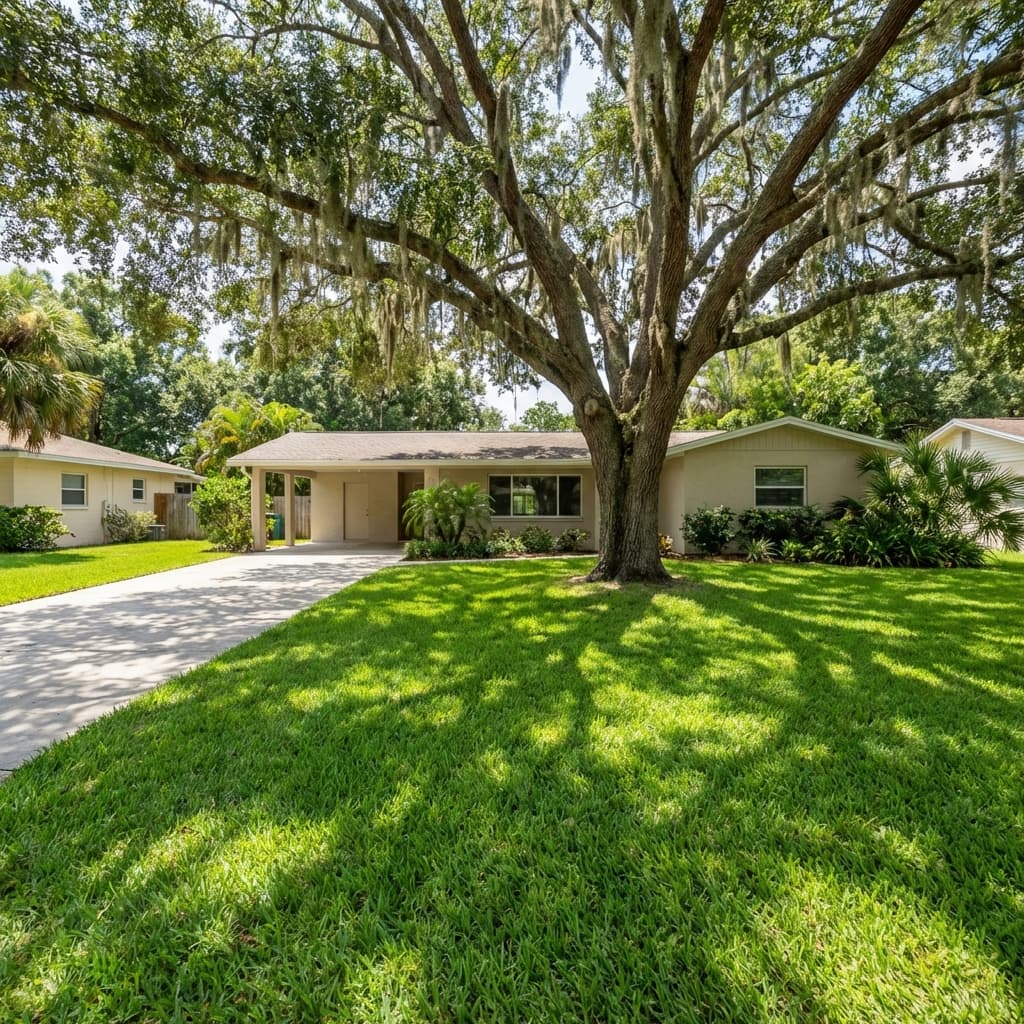
Best Low-Maintenance Grass for Jacksonville Lawns
Best Low-Maintenance Grass for Jacksonville Lawns. Review the site, scope and current written quote before deciding.
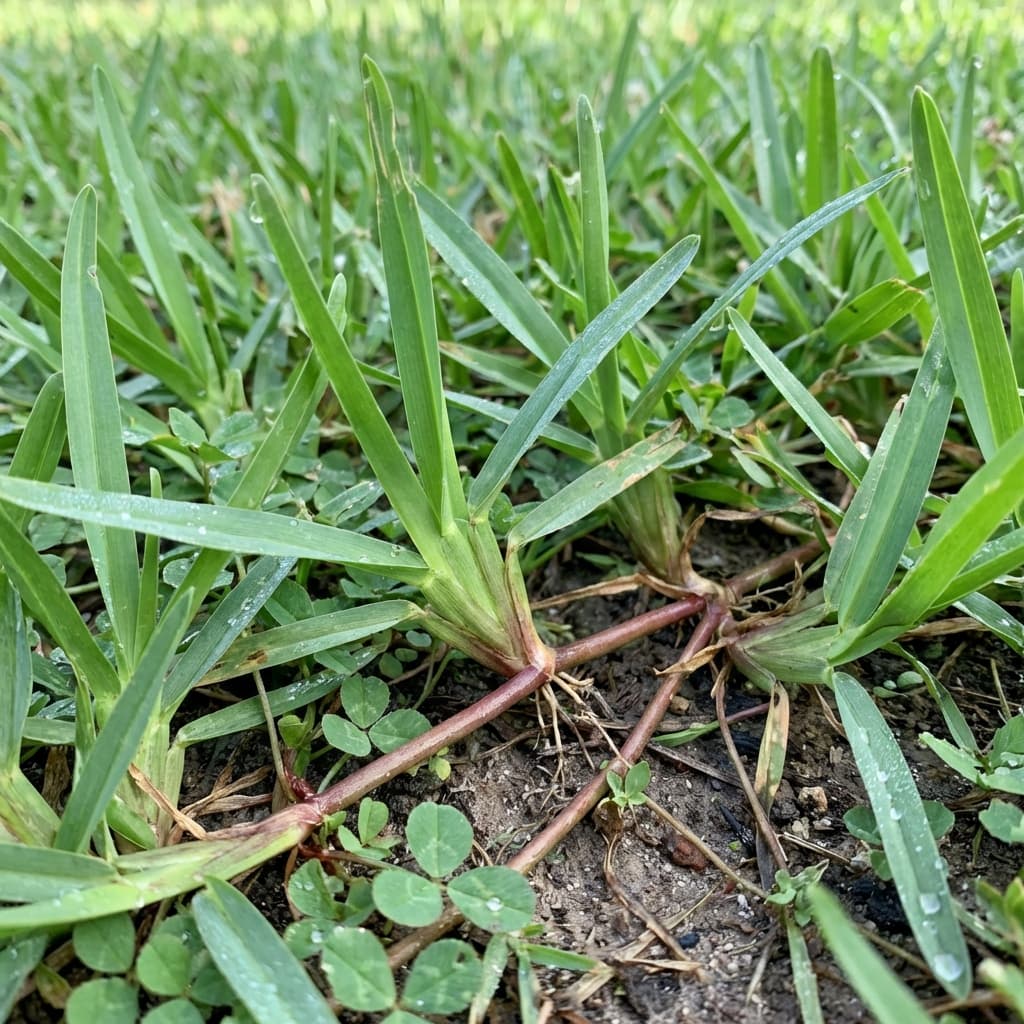
St. Augustine vs Bermuda Grass: Which Is Best for Jacksonville Lawns?
Comparing St. Augustine and Bermuda grass for Jacksonville, FL lawns. Learn which sod type handles our sandy soil, shade, salt air, and humidity best — plus cost, maintenance, and neighborhood recommendations.
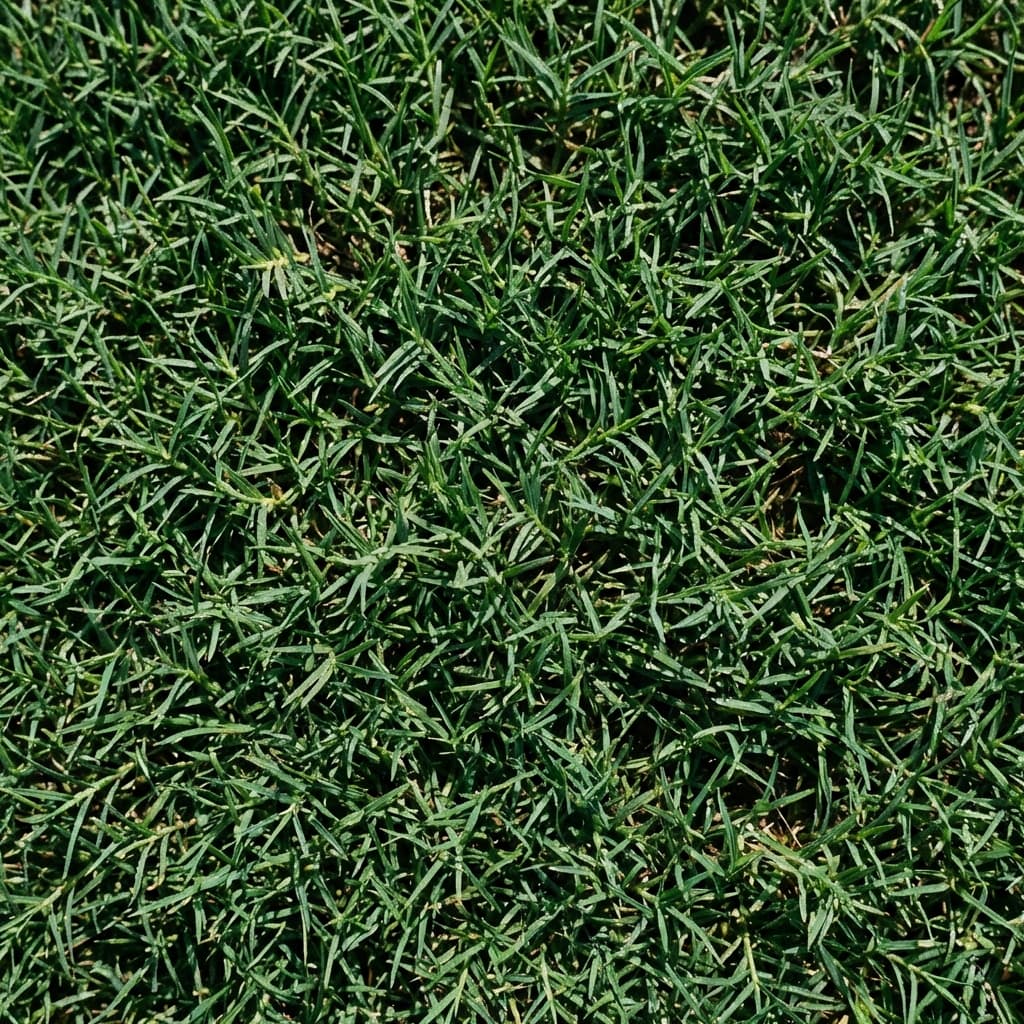
TifTuf Bermuda Grass: Performance in Jacksonville Lawns
TifTuf Bermuda Grass: Performance in Jacksonville Lawns. Review the site, scope and current written quote before deciding.
Let’s talk about your lawn
Ask our AI assistant a lawn question, or send the team a free installation estimate request.