Loading...
Back to Articles
Front Yard Landscaping Ideas for Jacksonville, FL
Landscaping January 27, 2026 15 min read
For current costs, compare the exact product or written project scope. See what to include in a sod estimate; this guide does not establish a current price, saving or resale return.
Set irrigation from site conditions and the current rules for your property and water source. For new sod, use the dated care planner; a fixed schedule in an older guide is not permission to water.
Your front yard is the first thing neighbors and visitors see when they approach your home. In Jacksonville's competitive real estate market, curb appeal can add thousands of dollars to your property value. But beyond the financial benefits, a well-designed front yard landscaping plan creates a welcoming entrance, reduces maintenance headaches, and works with Northeast Florida's unique climate rather than against it.
Front yard planning should account for Jacksonville’s soil, climate and maintenance needs. Healthy sod and suitable landscape beds can serve different purposes within the same yard.
Whether you're starting from scratch or refreshing an existing landscape, these front yard landscaping ideas will help you create a beautiful, functional space that thrives in Jacksonville, FL.
Why Front Yard Landscaping Matters in Jacksonville
Front yard landscaping serves multiple purposes beyond aesthetics. In Jacksonville neighborhoods like San Marco, Riverside, and Nocatee, well-maintained front yards contribute to overall community appeal and property values. Real estate agents consistently report that homes with attractive front yard landscaping sell faster and command higher prices than comparable homes with neglected landscapes.
From a practical standpoint, strategic front yard landscaping reduces your maintenance burden. When you select Florida-friendly plants adapted to our USDA Hardiness Zones 9a and 9b, you spend less time watering, fertilizing, and replacing struggling plants. The right foundation plantings also protect your home by directing water away from the foundation, reducing soil erosion during Jacksonville's heavy summer rains, and providing shade that lowers cooling costs.
Many Jacksonville neighborhoods have HOA guidelines governing front yard appearance. Check your association’s current requirements for plant materials and landscape changes before committing to a design.
Foundation Plantings That Thrive in Jacksonville
Foundation plantings anchor your home's exterior and create visual transitions between the house and lawn. In Jacksonville's climate, the best foundation plants tolerate our sandy, slightly acidic soil (pH 5.5-6.5), handle summer heat and humidity, and require minimal maintenance once established.
Loropetalum is one of our top recommendations for Jacksonville front yards. This evergreen shrub produces burgundy or chartreuse foliage and pink or white flowers in spring. Loropetalum tolerates full sun to partial shade, grows 4-6 feet tall depending on variety, and requires minimal pruning. Plant it 3-4 feet from your foundation to allow for mature spread. We often see beautiful loropetalum borders along homes in Mandarin and Southside neighborhoods.
Indian Hawthorn offers year-round interest with glossy evergreen leaves, fragrant white or pink flowers in spring, and blue-black berries in summer. This compact shrub reaches 3-5 feet and works beautifully under windows where taller plants would block views. Indian hawthorn is exceptionally drought-tolerant once established and handles Jacksonville's sandy soil with ease. Space plants 3 feet apart for a continuous hedge effect.
Dwarf Yaupon Holly is a Florida native that deserves more attention in Jacksonville landscapes. This compact evergreen grows 3-4 feet tall, produces tiny red berries that birds love, and tolerates full sun to part shade. Unlike many hollies, dwarf yaupon has a naturally rounded form that requires minimal shaping. It's salt-tolerant too, making it ideal for properties near Jacksonville Beach, Atlantic Beach, and Neptune Beach.
Jacksonville Pro Tip: Plant foundation shrubs at least 3-4 feet from your home's exterior walls. This spacing allows air circulation that reduces moisture problems and gives plants room to reach mature size without constant pruning against the house.
Designing Your Foundation Border
A successful foundation planting follows the "thriller, filler, spiller" concept adapted for front yard applications. Place taller accent plants (thrillers) at corners and entryways, fill the space along the foundation with mid-height shrubs (fillers), and edge the bed with low groundcovers or ornamental grasses (spillers).
For a typical Jacksonville home with 40-50 feet of front foundation, we recommend 2-3 accent plants, 6-10 mid-height shrubs, and a continuous edging of groundcover. This creates visual interest without overcrowding. Remember that plants in nursery containers are much smaller than their mature size. Check the plant tag for mature dimensions and space accordingly.
Layer your foundation plantings to create depth. Place the tallest plants closest to the house, intermediate heights in the middle of the bed, and the shortest plants along the lawn edge. This tiered approach ensures all plants receive adequate sunlight and creates a finished, professional appearance. In Riverside and Avondale neighborhoods with historic homes, we often see successful three-tier plantings that complement architectural details.
Creating Impactful Entryways and Walkways
Your front entryway deserves special attention in any front yard landscaping plan. This focal point sets the tone for your entire property and should combine function with visual appeal. In Jacksonville, where summer heat can make front porches uncomfortably hot, strategic plantings provide shade and create inviting transitions from driveway to door.
Frame your front door with symmetrical plantings for a formal look, or use asymmetrical groupings for a more casual feel. Consider matching containers with plants suited to the available sunlight and space.
Walkway landscaping turns a simple concrete path into an experience. Edge your front walkway with low-growing plants that soften the hard edges without encroaching on the walking surface. Asiatic jasmine, liriope, and mondo grass are excellent choices for Jacksonville walkway borders. These evergreen groundcovers tolerate foot traffic, require minimal maintenance, and stay green year-round. Space plants 10-12 inches apart for full coverage within one growing season.
For added visual interest, incorporate uplighting along your walkway. Low-voltage LED fixtures highlight specimen plants and ensure safe navigation after dark. In Jacksonville's mild winters, you can enjoy your front yard landscaping during evening hours when temperatures drop to comfortable levels.
Mailbox Gardens That Make a Statement
Your mailbox area is a secondary focal point in front yard landscaping. Instead of a bare post in a sea of grass, create a mailbox garden that extends your landscape design to the street edge. This small planting bed requires minimal space but makes a significant visual impact.
For a low-maintenance Jacksonville mailbox garden, install a 3-4 foot diameter bed around your mailbox post. Edge the bed with natural stone or aluminum landscape edging to prevent grass encroachment. Fill the bed with 2-3 inches of hardwood mulch, then plant drought-tolerant perennials like blanket flower, muhly grass, or purple coneflower. These plants handle full sun, tolerate occasional neglect, and provide seasonal color.
Avoid tall plants that block visibility for drivers exiting your driveway. Keep mailbox plantings under 24 inches tall for safety. We also recommend selecting plants without thorns or aggressive spreading habits, as mail carriers and passersby should be able to access your mailbox without wrestling through vegetation.
Lawn Shape, Edging, and Grass Selection
While landscape beds provide color and texture, your lawn forms the canvas that ties everything together. In Jacksonville front yards, the shape of your lawn areas affects both aesthetics and maintenance. Straight edges create formal, traditional appearances. Gentle curves produce more natural, flowing designs. Avoid busy, wiggly edges that look chaotic and make mowing difficult.
Defined edging separates the lawn from landscape beds. Aluminum edging and natural stone borders are options to compare for the site, installation requirements and ongoing trimming.
Grass selection dramatically impacts your front yard's appearance and your maintenance schedule. For Jacksonville front yards, we most often recommend St. Augustine grass varieties like Palmetto and CitraBlue. These cultivars tolerate our sandy soil, remain green with moderate watering, and handle partial shade from trees. St. Augustine creates a lush, carpet-like appearance that looks beautiful in front yards throughout Northeast Florida.
Jacksonville Pro Tip: Reduce your front yard lawn area strategically to lower maintenance. Expand landscape beds around trees, along property lines, and in areas difficult to mow. This approach cuts mowing time while increasing visual interest and curb appeal.
Specimen Trees for Jacksonville Front Yards
The right tree anchors your front yard landscaping and provides vertical interest that draws the eye upward. In Jacksonville, front yard trees must tolerate heat, occasional drought, and sandy soil while avoiding aggressive root systems that damage driveways, sidewalks, and foundations.
Crape Myrtle ranks as our most-recommended front yard tree for Jacksonville. These flowering trees thrive in full sun, bloom heavily from June through September, and offer attractive exfoliating bark in winter. Mature sizes range from 8-foot dwarfs to 30-foot standards, so select a variety appropriate to your space. Plant crape myrtles at least 8-10 feet from hardscapes to avoid future root conflicts. The Natchez variety, with white flowers and cinnamon-colored bark, looks stunning in front yards throughout Mandarin and Southside.
Southern Live Oak is the quintessential Jacksonville tree, providing majestic structure and deep shade. These native evergreen oaks grow slowly but live for centuries, increasing property value and providing environmental benefits. Plant live oaks at least 20 feet from your home and any hardscapes. While the 30-40 year mature spread of 60-80 feet seems enormous, proper placement ensures your grandchildren will thank you for planting this Jacksonville icon.
Southern Magnolia offers glossy evergreen leaves and fragrant white blooms in late spring. These pyramidal trees grow 40-60 feet tall at maturity, so they're best suited to larger front yards in neighborhoods like Deerwood, Baymeadows, and Orange Park. The variety 'Bracken's Brown Beauty' has better cold tolerance and more compact growth than species magnolias. Plant magnolias 15-20 feet from structures to accommodate their mature size.
For smaller front yards or narrow planting strips, consider Little Gem Magnolia (15-20 feet tall) or East Palatka Holly (20-30 feet tall). Both trees offer evergreen foliage, vertical structure, and sizes appropriate to compact spaces common in Jacksonville Beach and Neptune Beach neighborhoods.
Achieving Year-Round Color in Jacksonville
Jacksonville's mild climate allows year-round color in front yard landscaping, but achieving continuous blooms requires strategic plant selection. Rather than relying on seasonal annuals that require constant replacement, we recommend Florida-friendly perennials and shrubs that bloom reliably with minimal maintenance.
Drift Roses provide repeat blooms from March through November in Jacksonville. These low-growing, disease-resistant roses reach 2-3 feet tall and spread 3-4 feet wide. They tolerate heat, require no deadheading, and bloom heavily with fertilization every 8-10 weeks. Plant drift roses in mass groupings of 3-5 for maximum impact. The coral and pink varieties look beautiful in front yard beds throughout Northeast Florida.
Firebush is a Florida native shrub that produces tubular orange-red flowers from spring through fall. Hummingbirds and butterflies love firebush, making it functional as well as beautiful. This semi-evergreen shrub grows 5-8 feet tall and tolerates full sun to partial shade. In mild Jacksonville winters, firebush remains evergreen. During occasional freezes, it dies back to the ground but resprouts vigorously in spring.
Plumbago offers sky-blue or white flowers from spring through fall on a spreading shrub that reaches 3-5 feet. This tough perennial handles heat, humidity, and neglect while blooming reliably. Plumbago works beautifully as a foundation plant or border shrub in Jacksonville front yards. Cut it back to 12 inches in late February to promote bushy growth and heavy flowering.
For winter color when most plants rest, incorporate camellias into your front yard landscape. These shade-tolerant evergreen shrubs bloom from November through March in shades of white, pink, and red. Camellias prefer the slightly acidic soil common in Jacksonville and look stunning in front yards with mature oak trees providing dappled shade.
Jacksonville Pro Tip: Plant blooming perennials in groups of 3-5 rather than single specimens. Mass plantings create bolder color impact and establish faster than scattered individual plants.
Low-Maintenance Front Yard Options
Many Jacksonville homeowners want attractive front yards without spending every weekend on landscape maintenance. Low-maintenance front yard landscaping starts with plant selection and extends through every design decision.
Reduce lawn area where it is not needed by considering suitable planted beds. Compare the plants’ mature size, care needs and water requirements before making a change.
Install automated irrigation to ensure consistent watering without manual effort. A properly zoned irrigation system delivers the right amount of water to each plant type on the appropriate schedule. Your irrigation controller should respect these restrictions while keeping your front yard healthy.
Select self-maintaining plants that require minimal pruning, resist pests and diseases, and tolerate Jacksonville's variable rainfall patterns. Native and Florida-friendly plants evolved to thrive in our climate with minimal human intervention. Plants like coontie, Simpson's stopper, Walter's viburnum, and muhly grass maintain attractive forms without constant shaping and shearing.
Apply 2-3 inches of mulch to all landscape beds. Quality hardwood mulch or melaleuca mulch suppresses weeds, retains soil moisture, moderates soil temperature, and breaks down slowly to improve soil structure. Replenish mulch annually each spring to maintain depth and appearance. Proper mulching can sharply reduce weeding time when beds are prepared and maintained correctly.
HOA-Friendly Front Yard Designs
HOA guidelines may address plant types, lawn maintenance, hardscape materials and overall appearance. Approval depends on the rules for your property.
Review your HOA guidelines before starting a front yard project. Ask the association what plans and approvals it requires before ordering materials or scheduling work.
Choose traditional plant materials that blend with existing landscapes. Unusual specimens or contemporary designs may face HOA resistance in conservative neighborhoods. Stick with proven performers like crape myrtles, Indian hawthorns, loropetalums, and St. Augustine grass for easier approval. You can still create distinctive, beautiful landscapes within these parameters through creative plant combinations and thoughtful layouts.
Maintain neat edges and healthy plants to satisfy HOA requirements. Even the most stunning plant selection looks poor with ragged edges, weedy beds, and brown patches in the lawn. Weekly edging, monthly weeding, and proper watering schedules keep your front yard compliant with HOA standards while minimizing long-term maintenance.
Front Yard Lighting for Safety and Beauty
Landscape lighting extends the hours you can enjoy your front yard while improving safety and security. In Jacksonville neighborhoods, well-designed front yard lighting highlights architectural features, illuminates walkways, and showcases specimen plants and trees.
Low-voltage LED lighting is one option for paths and planting beds. Compare manufacturer specifications and arrange qualified installation where needed; lighting is separate from a sod installation quote.
Path lighting ensures safe navigation from driveway to front door. Space path lights 8-10 feet apart along walkways, positioning fixtures 12-18 inches back from the walking surface. Choose warm white bulbs (2700-3000K) for a welcoming glow that doesn't feel harsh or institutional.
Uplighting on specimen trees and architectural features creates dramatic nighttime focal points. Place uplight fixtures 2-3 feet from the tree trunk, angled to illuminate the canopy. For crape myrtles and live oaks, uplighting reveals interesting branch structure and creates beautiful shadows on your home's facade. This technique works beautifully in front yards throughout Riverside, Avondale, and San Marco where mature trees deserve highlighting.
Drought-Tolerant Front Yard Design
Water conservation matters in Jacksonville, both for environmental reasons and to manage utility costs. During summer dry spells between afternoon thunderstorms, lawns and landscapes can stress without supplemental irrigation. Drought-tolerant front yard design reduces water use while maintaining visual appeal.
Select drought-adapted plants for full-sun areas. Once established, plants like coontie, Simpson's stopper, muhly grass, blanket flower, and society garlic thrive on rainfall alone in Jacksonville's climate. Group these plants together in hydrozone beds that receive minimal supplemental water. Reserve irrigation for less drought-tolerant plants in separate zones.
Reduce lawn area in favor of mulched beds with drought-tolerant plantings. Grass requires more water than any other landscape element. By limiting turf to high-use areas and expanding drought-tolerant landscape beds, you significantly reduce overall water consumption. Water-wise front yards can make sense in Fleming Island, Middleburg, and Orange Park where well water or septic systems make conservation essential.
Improve soil structure to increase water retention. Jacksonville's sandy soil drains quickly, often before plant roots absorb available moisture. Incorporate compost and organic matter into planting beds to improve water-holding capacity. Apply 2-3 inches of mulch to slow evaporation and keep soil cooler during summer heat.
Plant in fall whenever possible. New plantings installed in October through December have mild weather and winter rainfall to establish root systems before facing summer heat. Fall-planted landscapes require less supplemental water than spring installations and establish faster. This timing produces better results with less effort in Jacksonville's climate.
Jacksonville Pro Tip: Even drought-tolerant plants need regular water during establishment. Once mature, most drought-tolerant plants thrive on rainfall alone in Northeast Florida.
Planning a Front Yard Update
Start with the area you want to use as lawn, the sunlight it receives and how much maintenance you want to do. Choose suitable plants and bed edges around those needs.
For a shaded property, consider whether expanded beds make more sense than turf beneath trees. For a coastal property, evaluate salt exposure before selecting grass and other plants. Treat each yard as its own project when comparing options.
Combining Sod with Landscape Beds for Maximum Impact
The most successful Jacksonville front yards balance healthy sod areas with well-designed landscape beds. This combination provides the best of both worlds: the visual calm of a beautiful lawn with the color and texture of mixed plantings.
Proportion matters when combining lawn and beds. For typical suburban front yards, we recommend 50-60% lawn and 40-50% landscape beds. This balance provides adequate green space while incorporating enough plantings for visual interest. Smaller urban lots in Riverside and San Marco often shift to 40% lawn and 60% beds to reduce maintenance in limited spaces.
Transition smoothly between lawn and landscape areas. Straight edges work well along home foundations and property lines where geometry is already established. Gentle curves suit island beds and border plantings where natural, flowing lines complement the landscape. Avoid busy, wiggly edges that look chaotic and complicate mowing.
Layer plantings for depth and interest. Place the tallest plants (specimen trees, large shrubs) as background elements, mid-height plants in the center of beds, and low groundcovers or ornamental grasses along the front edge. This creates visual depth and ensures all plants receive adequate light.
Maintain defined edges between sod and beds. Even the most beautiful plant combination looks messy when grass invades landscape beds. Install aluminum landscape edging or natural stone borders, then maintain edges weekly with a string trimmer or edging tool. Sharp, clean edges elevate the entire landscape's appearance.
Common Front Yard Landscaping Mistakes
Across Jacksonville and Northeast Florida, the same front yard landscaping mistakes show up again and again. Avoiding these common errors saves money, reduces frustration, and produces better long-term results.
Planting too close to the house is the most frequent error we encounter. Homeowners buy shrubs in one-gallon containers and plant them 18 inches from the foundation. Within 2-3 years, these plants reach mature size and require constant pruning to keep them off the house. Always check mature plant dimensions and space accordingly—typically 3-4 feet from the foundation for most shrubs.
Ignoring mature size applies to trees as well. That cute 6-foot crape myrtle at the nursery might grow to 25 feet tall with a 20-foot spread. Planted too close to the house, driveway, or power lines, it becomes a maintenance burden. Research mature dimensions before purchasing any tree for your Jacksonville front yard.
Overplanting creates congested beds where plants compete for resources and lose their natural forms. Follow spacing recommendations on plant tags, even though newly installed beds look sparse. Plants fill in quickly in Jacksonville's climate. If you can't tolerate the initial sparse appearance, use annual flowers as temporary fillers while permanent plants establish.
Neglecting irrigation during establishment causes most landscape failures. Even drought-tolerant plants need consistent water for the first 6-8 weeks after planting. After establishment, you can reduce frequency significantly, but the initial watering period is critical for success.
Choosing plants for bloom only without considering year-round appearance leads to disappointing results. That flowering shrub looks spectacular two weeks per year and boring the other 50 weeks. Select plants with attractive evergreen foliage, interesting bark, or seasonal color changes in addition to flowers. This approach ensures visual interest throughout the year in Jacksonville's mild climate.
Conclusion
Front yard landscaping in Jacksonville requires balancing aesthetic goals with practical considerations like climate, soil, maintenance, and budget. The most successful projects embrace our Northeast Florida conditions rather than fighting them. By selecting Florida-friendly plants adapted to sandy soil and hot, humid summers, you create landscapes that thrive with reasonable maintenance.
Start with healthy sod suited to your site conditions—Palmetto St. Augustine for most applications, TifTuf Bermuda for full sun and drought tolerance. Layer in foundation plantings using proven performers like loropetalum, Indian hawthorn, and dwarf yaupon holly. Add a specimen tree like crape myrtle or live oak for vertical interest and shade. Edge beds cleanly, apply quality mulch, and maintain with regular but minimal effort.
Your front yard sets the tone for your entire property. With thoughtful design, appropriate plant selection, and proper installation, you'll create a beautiful entrance that welcomes guests, satisfies your HOA, and increases your home's value. Whether you're transforming a builder-grade landscape or refreshing an existing design, these principles apply throughout Jacksonville, from Ponte Vedra to Middleburg and everywhere in between.
Ready to transform your Jacksonville front yard? With years of experience installing sod and creating beautiful lawns throughout Northeast Florida, we'll help you design and install a front yard landscape that thrives in our unique climate.
Need Professional Sod Installation?
Jax Sod provides sod installation, sod replacement, and new lawn installation across Jacksonville and Northeast Florida. Free quotes!
Related Articles
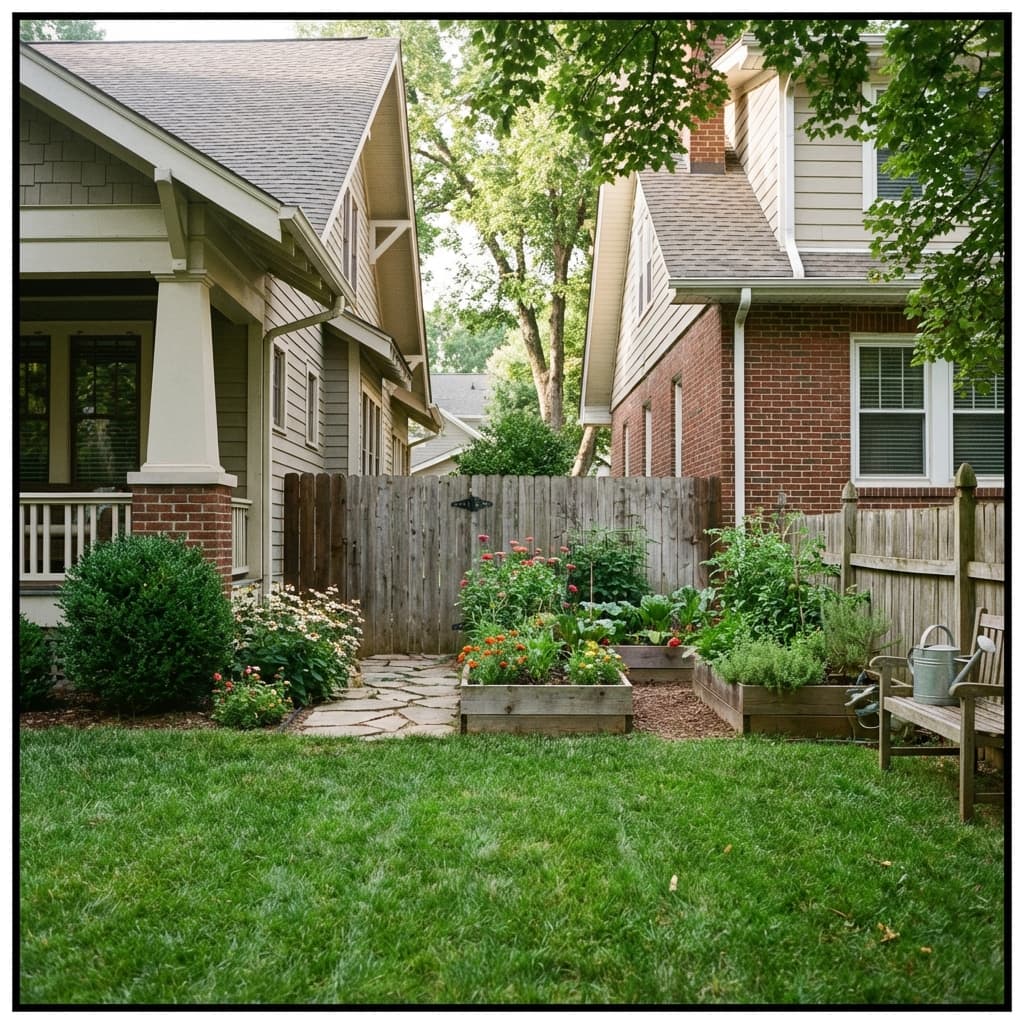
Backyard Landscaping Ideas for Jacksonville Homes
Backyard Landscaping Ideas for Jacksonville Homes. Review the site, scope and current written quote before deciding.
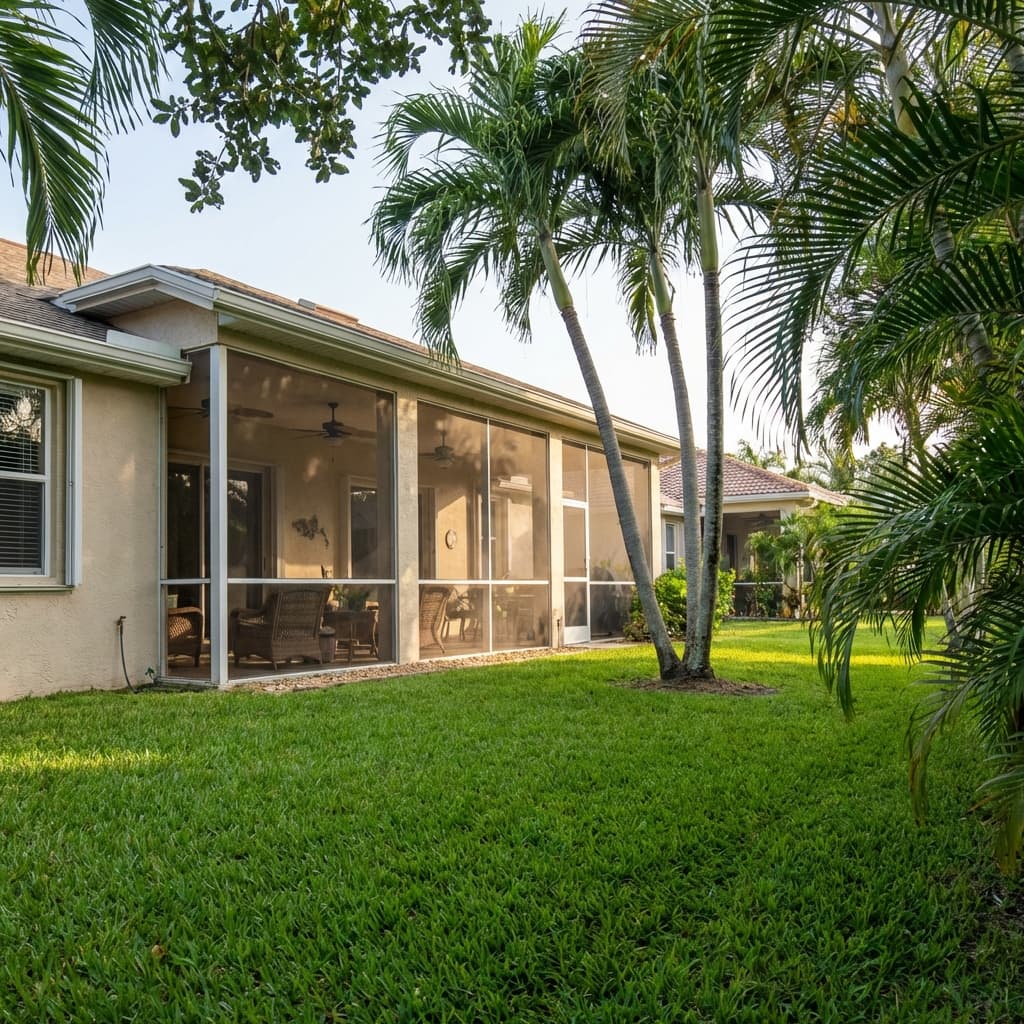
Best Landscaping Ideas for Jacksonville, FL Homes
Expert landscaping ideas for Jacksonville homes featuring drought-tolerant plants, Florida-friendly designs, and curb appeal tips that work in Northeast Florida's climate.
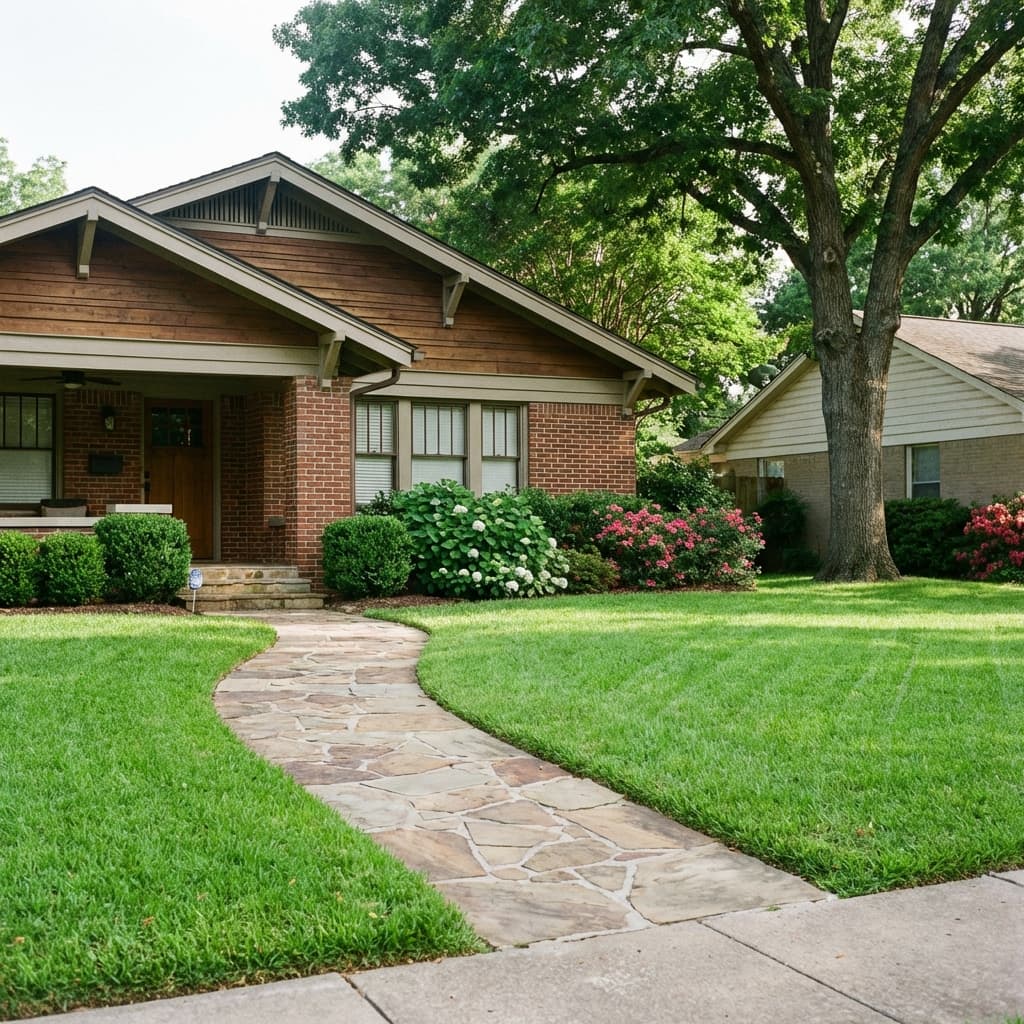
Pool Landscaping Ideas for Jacksonville, FL Homes: Creating Your Backyard Paradise
Discover expert pool landscaping ideas specifically designed for Jacksonville's unique climate. From the best poolside grass options to low-maintenance plants and effective drainage solutions.
Let’s talk about your lawn
Ask our AI assistant a lawn question, or send the team a free installation estimate request.