Loading...
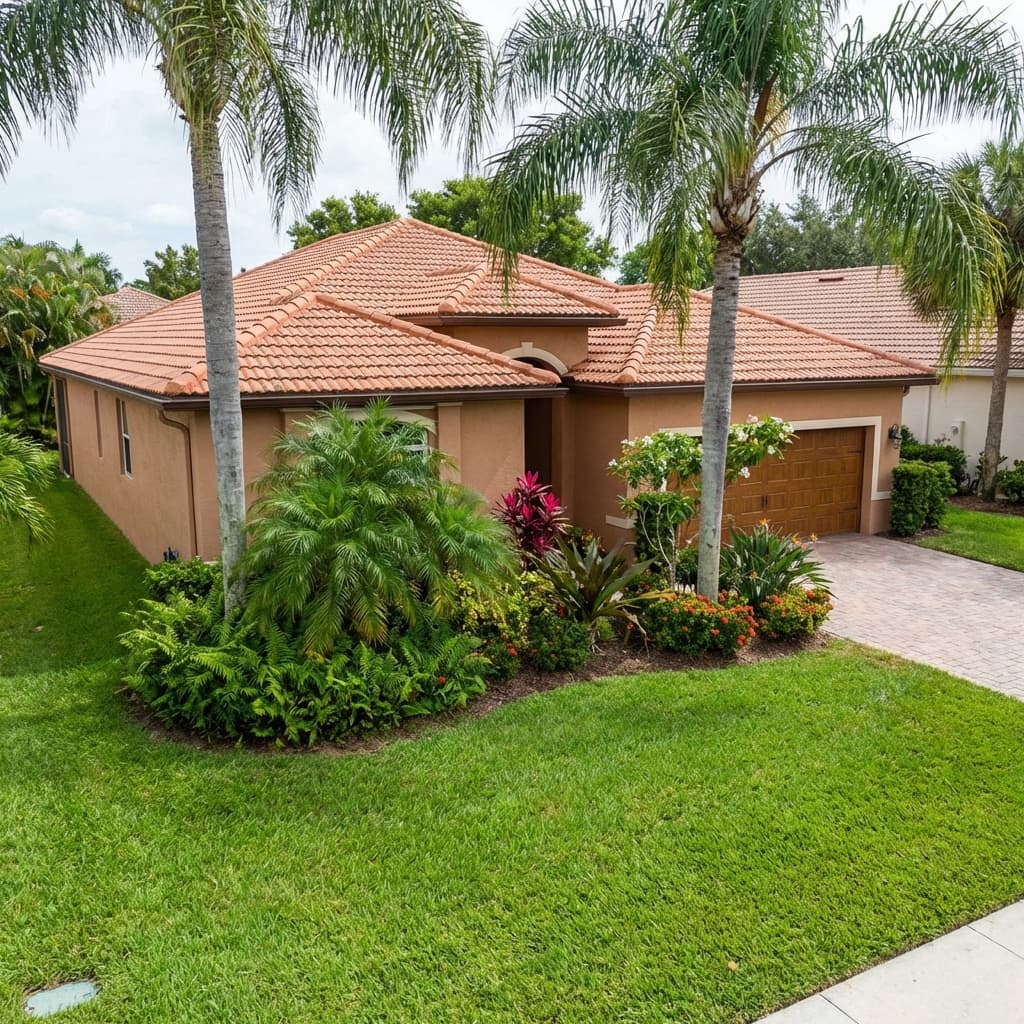
For current costs, compare the exact product or written project scope. See what to include in a sod estimate; this guide does not establish a current price, saving or resale return.
Set irrigation from site conditions and the current rules for your property and water source. For new sod, use the dated care planner; a fixed schedule in an older guide is not permission to water.
Most Jacksonville homeowners focus on what they add to their lawn from above—fertilizer, water, herbicides, and insecticides. But some of the most transformative lawn improvements come from what you add to the surface: a thin layer of carefully selected material spread across your existing turf. This practice, called top dressing, is one of the most underutilized yet effective techniques for improving Jacksonville lawns.
Top dressing isn't just spreading dirt on grass. Done correctly with appropriate materials at the right time, it levels uneven surfaces, improves soil composition, reduces thatch buildup, fills in bare or thin areas, and creates a smoother, healthier, more resilient lawn. Done incorrectly with the wrong materials or excessive depth, it smothers grass and creates more problems than it solves.
At Jax Sod, we've spent years helping Northeast Florida homeowners improve their lawns. We've seen top dressing transform bumpy, struggling lawns into smooth, healthy showcases, and we've also seen improper top dressing kill beautiful turf. The difference comes down to material selection, application method, and timing.
In this guide, we'll explain what top dressing is, why Jacksonville lawns benefit from it, which materials work best for our sandy soils and warm-season grasses, when and how to apply top dressing, and how to avoid common mistakes. Whether you're dealing with low spots from settling soil, trying to improve poor soil composition, or simply want a smoother, healthier lawn, top dressing is a powerful tool when used correctly.
What Top Dressing Is
Top dressing is the practice of spreading a thin layer of material—typically sand, compost, or a sand-compost mixture—over your existing lawn. Unlike soil amendments that are tilled into the ground before planting, top dressing is applied to established turf and worked down between grass blades to the soil surface.
The material settles through the turf canopy, filling in small depressions, covering exposed roots, improving the upper soil layer, and providing a growth medium for grass to spread into. Over time, grass blades grow through the top dressing layer, incorporating it into the lawn ecosystem.
Key characteristics of proper top dressing:
Thin application: Top dressing should be 1/4 to 1/2 inch thick maximum. Thicker applications smother grass and prevent photosynthesis. You should still see grass blades poking through after application.
Appropriate material: The material must match your soil type and grass species. Using the wrong material—particularly heavy topsoil on Jacksonville's sandy soil—creates layering issues that restrict water and root movement.
Worked into turf: Top dressing isn't just dumped on the lawn. It must be dragged, brushed, or raked to work it down into the grass canopy and level it evenly.
Timed correctly: Top dressing during active growth periods ensures grass quickly grows through the material. Top dressing dormant grass smothers it.
Think of top dressing as a gradual soil improvement and leveling technique, not a quick fix. Multiple thin applications over several years produce better results than one heavy application.
Benefits of Top Dressing Jacksonville Lawns
Jacksonville's sandy soils, intense summer heat, and variable soil quality (especially in new construction) make top dressing particularly beneficial for Northeast Florida lawns.
Levels Low Spots
Low spots in Jacksonville lawns result from settling soil, erosion, buried organic debris decomposing, or poor grading during construction. These depressions collect water, creating soggy areas that stress grass and promote fungal disease. Scalping during mowing (where mower wheels drop into depressions and blade cuts grass too short) creates ugly brown patches.
Top dressing gradually fills low spots with each application. For minor depressions (1/2 inch or less), a single top dressing may be sufficient. Deeper low spots require multiple applications spaced several months apart, building up the area 1/4-1/2 inch at a time until level with surrounding turf.
This is far less disruptive than stripping sod, adding fill dirt, and re-sodding, which is the traditional approach to correcting severe low spots. For properties in Mandarin, Nocatee, or new Clay County developments where settling is common, regular top dressing prevents minor depressions from becoming major problems.
Improves Soil Quality
Jacksonville's native sand drains quickly but holds almost no nutrients or organic matter. Top dressing with compost or sand-compost mixes gradually improves the upper soil layer, increasing organic matter content from Jacksonville's typical 0.5-1% to 2-3% over several years.
Improved organic matter enhances water retention, allowing sandy soil to hold moisture longer between irrigations. It increases cation exchange capacity (CEC), helping soil retain nutrients from fertilizer rather than leaching them away with the first rain. It supports beneficial soil microorganisms that cycle nutrients and suppress disease.
For St. Augustine lawns in Riverside, San Marco, or Avondale with 100+ year-old depleted soils, or new construction properties in Town Center or Ponte Vedra with pure construction sand, compost top dressing fundamentally improves soil quality over time.
Reduces Thatch
Thatch—the layer of dead grass stems and roots that accumulates between green grass and soil—becomes problematic in Jacksonville lawns when it exceeds 1/2 inch thickness. Excessive thatch creates a spongy surface, harbors pests and disease, and prevents water and nutrients from reaching soil.
Sand top dressing dilutes thatch, physically separating the organic layer and promoting decomposition by soil microbes. The sand works down into the thatch layer, breaking it up and allowing air, water, and microbes to penetrate.
This is particularly valuable for Zoysia and Bermuda lawns, which naturally produce more thatch than St. Augustine. Annual sand top dressing keeps thatch manageable without aggressive dethatching that can damage turf.
Fills Bare and Thin Areas
Bare spots from disease, pests, traffic, or pet damage create entry points for weeds and detract from lawn appearance. Top dressing bare areas with appropriate material provides a growth medium for surrounding grass to spread into, accelerating recovery.
St. Augustine and Zoysia spread via stolons (above-ground runners). These stolons grow across top dressed areas faster than bare ground, filling in gaps. Bermuda spreads via both stolons and rhizomes (underground runners), making it especially responsive to top dressing for bare spot recovery.
For Jacksonville lawns recovering from chinch bug damage, brown patch fungus, or other setbacks, strategic top dressing of damaged areas speeds recovery by 2-3 months compared to leaving bare soil exposed.
Creates Smoother Surface
Bumpy lawns result from uneven settling, gopher or mole activity, debris buried during construction, or just years of neglect. Top dressing smooths these irregularities, creating the level surface needed for even mowing, better ball roll for homeowners who practice putting, and improved aesthetic appeal.
Golf-course-quality smoothness requires years of consistent top dressing, but even a single application noticeably improves rough, bumpy lawns common in older Jacksonville neighborhoods or new construction.
Best Materials for Jacksonville Lawns
Material selection is the most critical top dressing decision. The wrong material creates problems that take years to correct.
The Golden Rule: Never Use Topsoil
This cannot be emphasized enough. Do not top dress Jacksonville lawns with topsoil, potting soil, or any heavy organic material. Our lawns grow in sand. Adding a heavy topsoil layer over sand creates a textural interface that restricts water movement and root penetration.
Water moves readily through sand until it hits the dense topsoil layer, where it stops, creating a perched water table. Grass roots grow in sand until they reach the topsoil barrier, then spread laterally rather than penetrating deeper. This creates shallow-rooted, water-stressed, disease-prone turf.
The rule in soil science is never create a finer-textured layer over a coarser-textured layer. Topsoil (fine) over sand (coarse) violates this rule. Sand (coarse) over sand (coarse), or sand-compost mix (moderate) over sand (coarse) works properly.
Clean Sand for St. Augustine
For St. Augustine lawns—the most common grass in Jacksonville residential properties—clean, washed masonry sand or concrete sand is the ideal top dressing material. This matches our native sandy soil texture, ensuring no textural interface.
Use sand that's free of clay, silt, rocks, and debris. Masonry sand from landscape supply yards or concrete sand from building suppliers both work well. Avoid play sand (too fine and dusty) or unwashed fill sand (contains clay and silt).
Application rate: 0.5-1.0 cubic yards per 1,000 square feet for light top dressing, up to 2 cubic yards per 1,000 square feet for leveling low spots.
Sand-only top dressing provides zero nutrients, so it's purely a physical improvement—leveling, thatch reduction, and surface smoothing. Continue your normal fertilization program when using sand top dressing.
St. Augustine lawns in Jacksonville Beach, Ponte Vedra, Mandarin, or anywhere in Duval County respond well to annual sand top dressing, particularly properties with minor settling or thatch accumulation.
Sand-Compost Mix for Other Grasses
For Bermuda, Zoysia, and Bahia lawns, a sand-compost mixture provides both physical improvement and organic matter enhancement. Use approximately 70-80% clean sand and 20-30% finished compost.
The sand component ensures proper texture matching with underlying soil. The compost component adds organic matter, improves water retention, provides slow-release nutrients, and supports soil microbiology.
Mix preparation: If bulk materials are available, mix yourself using a concrete mixer or by spreading layers and blending with a landscape rake. For smaller areas, purchase pre-mixed topdressing blends from landscape suppliers.
Application rate: 0.5-1.0 cubic yards per 1,000 square feet for routine top dressing.
Bermuda and Zoysia lawns in Jacksonville benefit from the added organic matter, particularly in summer when heat stress is intense. The improved water retention helps turf survive Jacksonville's dry springs (April-May) and occasional summer drought periods.
Never use pure compost without sand dilution. Straight compost creates the same textural interface problem as topsoil and can introduce weed seeds if not fully finished.
Specialty Blends
Some landscape suppliers offer formulated top dressing blends specifically for warm-season grasses. These typically consist of sand, composted pine bark, and other organic components in scientifically tested ratios.
These blends work well but cost more than mixing your own sand-compost combination. For Jacksonville homeowners with smaller lawns (under 3,000 square feet) who don't want to mix materials, specialty blends are convenient and effective.
Jacksonville Pro Tip: Source materials from local suppliers to ensure they match regional soil characteristics. Landscape supply yards in Green Cove Springs, Orange Park, or Jacksonville's Westside are familiar with appropriate top dressing materials for Northeast Florida lawns.
When to Top Dress Jacksonville Lawns
Timing top dressing applications to your grass's active growth period ensures quick recovery and incorporation of materials.
Spring: Optimal for Warm-Season Grasses
April through May is the ideal window for top dressing St. Augustine, Bermuda, Zoysia, and Bahia lawns in Jacksonville. Grass is actively growing after spring green-up, soil temperatures are rising, and roots are aggressively expanding.
Top dressing during this period allows grass to grow through the material quickly, usually within 2-3 weeks. The vigorous spring growth incorporates top dressing thoroughly, making it almost invisible by early summer.
Avoid top dressing in February or March when grass is just breaking dormancy. While temperatures may seem warm enough, grass growth is still slow, and top dressing applied too early can smother turf before it has energy to push through.
Early Summer: Acceptable for Bermuda
Bermuda grass, being more heat-tolerant than other species, can be top dressed in early June without stress. This is useful if you missed the spring window or are doing multiple applications for significant leveling projects.
St. Augustine, Zoysia, and Bahia should not be top dressed during peak summer heat (July-August in Jacksonville). Heat stress combined with the smothering effect of top dressing creates excessive stress.
After Aeration: Maximum Benefit
Combining top dressing with core aeration provides maximum soil improvement. Aeration creates thousands of holes throughout your lawn. Top dressing immediately after aerating fills these holes with improved material (sand or sand-compost mix), bringing better soil deep into the root zone rather than just at the surface.
Aerate in April or May, then top dress within 24-48 hours while aeration holes are still open. Drag or brush the top dressing material, working it into holes. This combination practice is standard on golf courses and provides exceptional results for Jacksonville home lawns.
Multiple Applications for Severe Leveling
If you're correcting significant low spots (1 inch or deeper), plan multiple applications spaced 6-8 weeks apart during the growing season. Apply 1/4-1/2 inch, wait for grass to grow through completely, then apply another 1/4-1/2 inch layer.
This gradual approach prevents smothering while still achieving significant leveling. For a 2-inch depression, plan four applications over two growing seasons rather than dumping 2 inches of material at once.
How to Apply Top Dressing
Proper application technique determines success or failure. Even perfect material applied poorly produces poor results.
Calculate Materials Needed
Measure your lawn area in square feet. Decide on application depth:
- Light top dressing (surface smoothing, thatch reduction): 1/4 inch depth
- Moderate top dressing (minor leveling, soil improvement): 1/2 inch depth
- Spot applications (filling specific low areas): 1/2-1 inch depth
Use this formula to calculate cubic yards needed:
Cubic yards = (Square feet × Depth in inches) ÷ 324
Example: 5,000 sq ft lawn × 0.25 inch depth = 1,250 ÷ 324 = 3.86 cubic yards
Round up to account for uneven spreading and settling. For the example above, order 4 cubic yards.
Preparation Steps
-
Mow grass: Mow at your normal height 1-2 days before top dressing. Grass should be dry during application.
-
Water lawn: Water thoroughly 24 hours before top dressing. Moist soil helps top dressing material filter down, but grass blades should be dry during spreading.
-
Stage material: Have material delivered and dumped in accessible location, or stage wheelbarrow loads around the property for easy distribution.
Spreading Top Dressing
Small areas (under 1,000 sq ft): Spread by hand using a shovel, distributing small scoops evenly across the lawn. Work in sections to ensure even coverage.
Medium areas (1,000-5,000 sq ft): Use wheelbarrow to transport material, dumping small piles throughout the lawn. Spread piles with a landscape rake, working material evenly across turf. Each pile should cover approximately 50-100 square feet.
Large areas (5,000+ sq ft): Rent a top dressing machine (available from equipment rental centers like Sunbelt Rentals or United Rentals in Jacksonville). These machines hold material and spread it evenly as you walk, similar to an oversized fertilizer spreader. This is far faster and more consistent than manual spreading.
For low spots: Apply additional material directly to depressions, creating a slight crown (1/4 inch above surrounding lawn) to account for settling.
Working Material into Turf
Simply spreading top dressing isn't enough. You must work it down into the grass canopy to soil level.
Drag mat method: Attach a section of chain-link fence, rubber mat, or specialized top dressing drag mat to a lawn tractor or ATV. Drag across the lawn in multiple directions, working material down into turf. This is the most effective method for larger properties.
Landscape rake method: Use a flexible landscape rake (not a rigid garden rake) to gently work material into grass. Rake in multiple directions with light pressure, allowing material to filter between grass blades.
Push broom method: A stiff push broom works material into turf effectively. Brush in various directions until material is barely visible and grass blades stand upright through it.
Leaf blower method: Some Jacksonville homeowners use a backpack blower on low speed to disperse material evenly and blow excess off grass blades. This works for very light applications but isn't sufficient alone—combine with raking or dragging.
After working material in, you should see grass blades protruding through the top dressing layer. If grass is completely buried, you've applied too much or haven't worked it in thoroughly enough. Rake more aggressively or use a blower to remove excess.
Post-Application Care
Water lightly: Apply 0.25 inches of irrigation the day after top dressing to settle material and wash any residue off grass blades.
Avoid traffic: Minimize foot and equipment traffic for 7-10 days while grass grows through material.
Resume normal mowing: Mow when grass reaches normal mowing height (typically 10-14 days after top dressing). Use a sharp blade and avoid aggressive turns that might displace material.
Monitor grass health: Watch for any signs of stress (yellowing, thinning) in the week following top dressing. Well-applied top dressing should cause minimal stress, but if grass struggles, increase irrigation slightly to support recovery.
Frequency of Top Dressing
How often should Jacksonville lawns be top dressed? The answer depends on your goals and lawn condition.
Annual Top Dressing
For general soil improvement, thatch management, and minor smoothing, top dress once per year in spring (April-May). This is sufficient to gradually improve soil quality and maintain surface smoothness without excessive cost or labor.
St. Augustine lawns throughout Jacksonville, Ponte Vedra, and Orange Park benefit from annual 1/4 inch sand top dressing to manage thatch and maintain level surfaces.
Twice-Annual Top Dressing
For more aggressive soil improvement or faster leveling of low spots, top dress twice per year: once in spring (April-May) and once in early fall (September). This accelerated schedule improves soil organic matter faster and levels depressions in 1-2 years rather than 3-4 years.
Bermuda and Zoysia lawns, which produce more thatch and benefit more from organic matter enhancement, respond well to twice-annual sand-compost top dressing.
Every 2-3 Years
Established, healthy lawns with good soil, minimal thatch, and level surfaces may only need top dressing every 2-3 years for maintenance. If your Jacksonville lawn is performing well, don't feel obligated to top dress annually just because it's recommended. Top dressing is a tool for improvement, not a required annual practice.
Project-Based Top Dressing
For specific leveling projects, renovations, or bare spot recovery, top dress as needed regardless of calendar. A new property with settling issues might receive 3-4 top dressing applications in the first year, then transition to annual maintenance applications once leveled.
Leveling Specific Low Spots
When low spots are isolated rather than lawn-wide, spot top dressing is more practical than treating the entire property.
Identifying Low Spots
Walk your lawn after heavy rain or irrigation. Puddles identify depressions. Mark these areas with landscape paint or flags. Low spots invisible during dry periods still affect grass health and mowing quality.
Spot Application Technique
-
Fill depression: Apply top dressing material directly to low spot, overfilling by 1/4 inch to account for settling.
-
Feather edges: Gradually taper material thickness toward surrounding lawn to create smooth transition rather than abrupt edge.
-
Work into grass: Rake or drag material thoroughly, ensuring grass blades penetrate through even in the deepest part.
-
Monitor and reapply: Check spot after grass grows through (2-3 weeks). If still depressed, apply another thin layer. Multiple thin applications work better than one thick application.
Large Low Areas
For low areas exceeding 2-3 inches depth or covering more than 20-30 square feet, consider alternative approaches. Stripping sod, adding fill, regrading, and replacing sod may be more practical than trying to build up depth gradually with top dressing.
Jax Sod can assess whether top dressing or full renovation is the better approach for your specific situation. Properties in new developments with significant settling sometimes need professional regrading rather than homeowner top dressing.
Combining Top Dressing with Overseeding
For Bermuda lawns in Jacksonville, combining top dressing with overseeding fills thin areas faster and creates denser turf.
After top dressing Bermuda in spring, broadcast Bermuda seed over the top dressed areas at 5-10 lbs per 1,000 square feet. The top dressing layer provides an ideal seed bed—better seed-to-soil contact than broadcasting over bare grass.
New Bermuda seedlings establish in the top dressing layer and merge with existing turf, creating exceptional density.
St. Augustine and Zoysia cannot be effectively overseeded (they produce very little viable seed), so this technique is Bermuda-specific. For St. Augustine thin areas, top dressing alone encourages stolon spread to fill in gaps.
Where to Source Materials in Jacksonville
Finding quality top dressing materials in Northeast Florida is straightforward if you know where to look.
Landscape Supply Yards
Green Cove Springs area: Multiple landscape suppliers near Jax Sod's facility offer bulk sand, compost, and mixed top dressing materials.
Jacksonville's Westside: Several landscape yards along Beaver Street and surrounding industrial areas carry appropriate materials.
Orange Park/Clay County: Suppliers near Blanding Boulevard and along US-17 serve the Clay County market with delivery throughout the region.
Beaches area: Limited local suppliers, but most will deliver from central Jacksonville suppliers for a delivery fee.
Big Box Stores
For small areas, bagged materials are available at Home Depot, Lowe's, and Ace Hardware locations throughout Jacksonville.
Bagged products marketed as "top dressing" or "lawn soil" should be checked carefully—many are topsoil-based and inappropriate for Jacksonville's sandy lawns. Read ingredients and avoid anything containing primarily topsoil, peat, or heavy organic matter.
Municipal Compost
Jacksonville's yard waste composting programs sometimes offer finished compost to residents. Quality and availability varies. If available and properly finished (6+ months composting), this can be excellent for sand-compost mixes at minimal cost.
Ensure material is fully composted, screened, and free of large wood chunks, weed seeds, and debris before use.
Cost Expectations
Top dressing costs vary widely based on property size, material choice, and whether you DIY or hire professionals.
DIY Costs
Small quantities or bagged materials cost significantly more.
Professional Application
For larger properties or properties requiring significant leveling, costs increase proportionally.
Professional application makes sense for homeowners without equipment, time, or physical ability to spread and work in several cubic yards of material. The labor is significant—top dressing 5,000 square feet manually takes 4-6 hours of hard work.
Common Top Dressing Mistakes to Avoid
Jacksonville homeowners make predictable mistakes with top dressing. Avoid these for better results.
Using Topsoil
Already covered extensively, but worth repeating: never use topsoil on Jacksonville lawns. Use clean sand for St. Augustine or sand-compost mix for other grasses. Topsoil creates layering problems that take years to correct.
Applying Too Thick
More is not better. Applications exceeding 1/2 inch smother grass, preventing photosynthesis and killing turf. If you need greater depth for leveling, do multiple thin applications spaced weeks apart.
Top Dressing Stressed Grass
Don't top dress drought-stressed, disease-damaged, or dormant grass. Top dressing adds stress. Only top dress healthy, actively growing turf that can quickly grow through the material.
Ignoring Grass Type
St. Augustine needs different top dressing than Bermuda or Zoysia. Match material to grass type for best results.
Failure to Work Material In
Leaving top dressing sitting on grass blades without working it down into the canopy smothers grass and looks terrible. Drag, rake, or brush material thoroughly until grass blades stand through it.
Top Dressing in Summer Heat
July-August top dressing in Jacksonville heat creates excessive stress. Stick with spring applications (April-May) for warm-season grasses.
Conclusion
Top dressing is one of the most effective yet underutilized techniques for improving Jacksonville lawns. It levels low spots, improves soil quality, reduces thatch, fills bare areas, and creates smoother surfaces—all without the disruption and expense of full renovation.
Success requires appropriate material selection (clean sand for St. Augustine, sand-compost mix for Bermuda and Zoysia, never topsoil), proper timing (spring for active growth), thin application (1/4-1/2 inch maximum), and thorough incorporation (raking, dragging, or brushing material into turf).
Apply top dressing annually for general improvement or twice per year for more aggressive results. Combine with core aeration for maximum soil enhancement. For spot leveling of low areas, apply additional material directly to depressions and feather edges for smooth transitions.
Whether you're managing settling in a new Nocatee development, improving depleted soil in an older Riverside lawn, or just want that smooth, professional finish, top dressing delivers results that compound year over year. The lawn you have in three years after consistent top dressing will be dramatically healthier and more attractive than today.
Ready to create a smoother, healthier lawn in Jacksonville? With years serving Northeast Florida, we'll help you achieve the lawn you've envisioned.
Need Professional Sod Installation?
Jax Sod provides sod installation, sod replacement, and new lawn installation across Jacksonville and Northeast Florida. Free quotes!
Related Articles
5 Signs Your Lawn Needs to Be Replaced (Not Just Repaired)
Is your lawn beyond saving? Learn when it makes more sense to start fresh with new sod instead of fighting a losing battle with repairs.
Arlington Jacksonville Lawn Care
Arlington Jacksonville Lawn Care. Review the site, scope and current written quote before deciding.
August Lawn Care Jacksonville FL: Managing Peak Stress Season
Expert August lawn care tips for Jacksonville's toughest month. Strategies to help your lawn survive extreme heat, humidity, and afternoon storms.
Let’s talk about your lawn
Ask our AI assistant a lawn question, or send the team a free installation estimate request.