Loading...
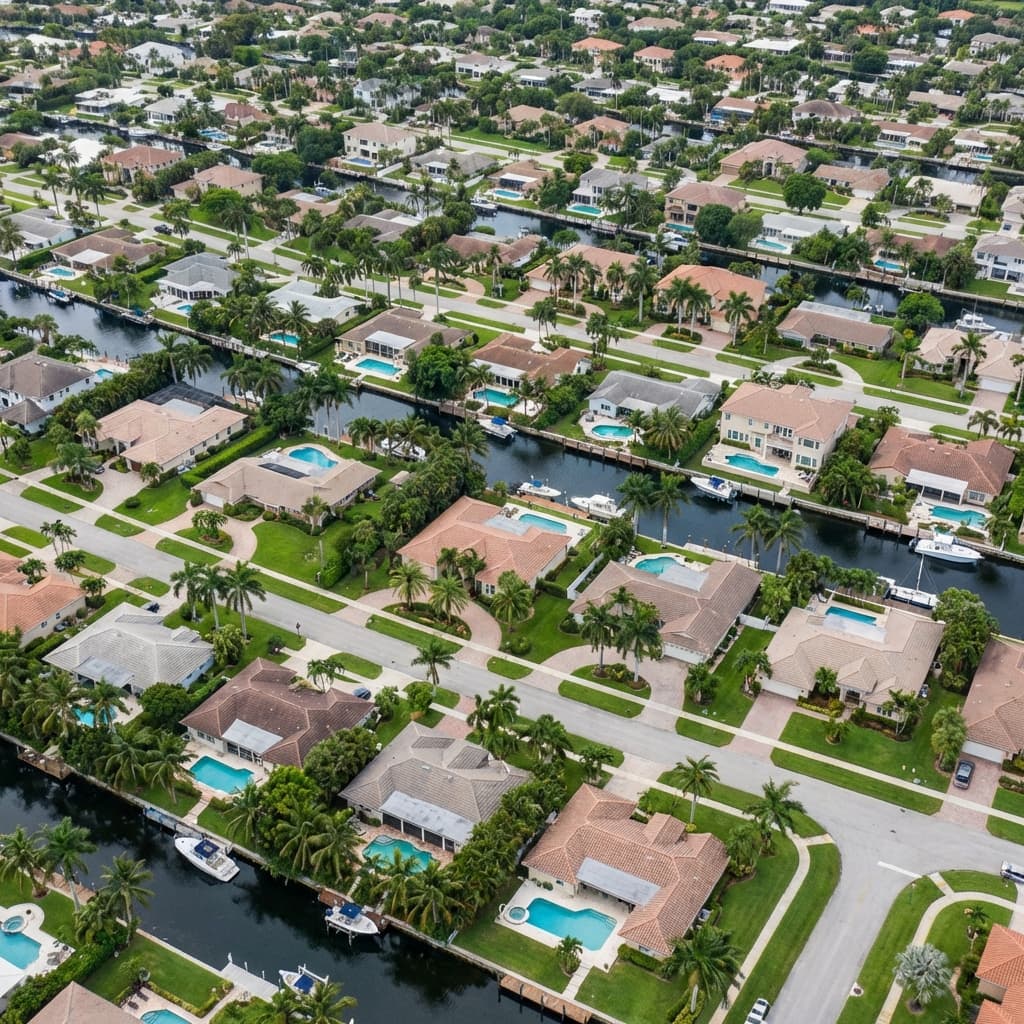
For current costs, compare the exact product or written project scope. See what to include in a sod estimate; this guide does not establish a current price, saving or resale return.
Set irrigation from site conditions and the current rules for your property and water source. For new sod, use the dated care planner; a fixed schedule in an older guide is not permission to water.
Spring in Jacksonville doesn't arrive on a calendar date—it emerges gradually over six to eight weeks, starting when soil temperatures climb above 60°F in late February and culminating in the explosive growth of May. Get your spring lawn care timing right, and you'll set up a healthy, weed-free lawn that coasts through summer. Get it wrong, and you'll spend the entire season fighting problems that could have been prevented.
At Jax Sod, we've been helping Northeast Florida homeowners navigate spring lawn care for years. We work across Duval, Clay, St. Johns, and Nassau counties, and we focus on exactly when to fertilize, when to apply pre-emergent, when to start mowing, and how to prepare for the heat that's coming in June. This guide distills that experience into a practical, month-by-month checklist.
Jacksonville's spring is your lawn's most important season. It's when your grass builds the root system and nutrient reserves it'll need to survive summer stress. It's when you prevent weeds before they emerge. And it's when small problems either get fixed or turn into expensive disasters. Let's make sure you get it right.
Understanding Jacksonville's Spring Timeline
Northeast Florida's spring runs roughly from February through May, but those four months contain distinct phases that require different care approaches.
Late Winter Transition (mid-February to early March): Soil temperatures reach 55-60°F, triggering dormancy break. Grass begins greening up, starting with southern exposures and sandy soils. Growth is minimal but increasing. Pre-emergent herbicide window opens.
Early Spring (mid-March to early April): Consistent soil temperatures above 65°F. Active growth begins. First fertilization. Mowing frequency increases. Weeds that survived pre-emergent treatment can still be controlled with post-emergent herbicides.
Peak Spring (mid-April to mid-May): The most aggressive growth period of the year. Soil temps 70-75°F. Grass is growing 2-3 inches per week. Mowing becomes a major time commitment. Second fertilization window opens. Pest activity increases.
Late Spring/Early Summer Transition (late May to early June): Growth remains strong but heat stress begins appearing. Temperatures regularly exceed 90°F. Afternoon thunderstorms start. Chinch bugs and other pests reach damaging populations. Transition to summer care practices.
Your spring lawn care checklist needs to match these phases, not arbitrary calendar dates. A cold February pushes everything back two weeks. A warm February accelerates everything. Pay attention to actual conditions, not just dates.
When Grass Breaks Dormancy in Jacksonville
"Dormancy" is a loose term in Jacksonville because most of our grasses stay green year-round. What we're really talking about is the transition from slow winter growth to active spring growth.
St. Augustine: Semi-dormant through winter. Begins active growth when soil temps consistently reach 65°F, typically late February to early March. Southern-exposed areas in Baymeadows and Southside green up first; shaded areas in Riverside and Avondale lag by a week or two.
Bermuda: Fully dormant and brown through winter unless overseeded with ryegrass. Breaks dormancy when soil temps reach 60-65°F consistently, typically mid-March to early April. You'll see initial green-up in warm microclimates; wait until the lawn is 50% green before mowing or fertilizing.
Zoysia: Semi-dormant through winter. Green-up begins in late February to early March, similar to St. Augustine but slightly slower. Full active growth by mid-March.
Bahia: Never fully dormant in Jacksonville. Grows slowly through winter and accelerates in late February. Least dramatic transition of the major grass types.
Jacksonville Pro Tip: Don't rush spring care based on the calendar. Wait for visible signs of growth. Fertilizing dormant grass is wasted money; applying pre-emergent too late misses the window.
First Mowing of the Season
Your first mow of the spring sets the tone for the entire season. Do it right, and you'll have healthy, vigorous growth. Do it wrong—especially if you scalp—and you'll fight weak turf all year.
When to mow: When grass is actively growing and has reached your maximum maintenance height. For St. Augustine at 4 inches, that's when grass reaches 6 inches. For Zoysia at 2 inches, when it reaches 3 inches. Don't mow purely because the calendar says it's spring.
First mow height: Standard maintenance height for your grass type. St. Augustine 3.5-4 inches, Bermuda 1-1.5 inches (once 50% green), Zoysia 1.5-2 inches, Bahia 3-4 inches.
The scalping debate: Some lawn services recommend "scalping" in early spring—mowing extremely short to remove dead material and force fresh growth. This works for Bermuda, which is tough and recovers quickly. Never scalp St. Augustine, Zoysia, or Bahia. You'll damage crowns, expose bare soil to weeds, and stress the grass right when it needs energy to build roots.
If you have Bermuda and want to scalp:
- Wait until 30-50% of the lawn is green (late March typically)
- Set mower to lowest setting (0.5-1 inch)
- Mow once, remove clippings
- Fertilize within a week
- Resume normal height (1.5 inches) for subsequent mowings
For all other grasses, skip scalping entirely. Just maintain standard height from the first mow onward.
Spring Fertilization Schedule
Fertilization is arguably the most important spring task. It provides the nitrogen, phosphorus, and potassium your grass needs to generate new growth, build roots, and outcompete weeds.
First application (early to mid-March):
- When: After grass breaks dormancy and shows active growth. Soil temps 65°F+. For most Jacksonville lawns, this is early March for St. Augustine and Bahia, late March for Bermuda and Zoysia.
- What to apply: Slow-release fertilizer with 3-1-2 or 4-1-2 N-P-K ratio. Example: 16-4-8 or 24-6-12. The high nitrogen (first number) drives green-up and growth.
- How much: Follow bag instructions, typically 1 pound of actual nitrogen per 1,000 square feet. For a 16-4-8 formula, that's 6.25 pounds of product per 1,000 sq ft.
- Application method: Broadcast spreader, apply evenly, water in within 24 hours
Why slow-release? Jacksonville's sandy soil doesn't hold nutrients well. Fast-release nitrogen leaches through quickly, potentially contaminating groundwater and requiring frequent reapplication. Slow-release formulas (look for terms like "polymer-coated," "sulfur-coated," or "methylene urea") feed grass steadily over 6-8 weeks.
Second application (mid-April to early May):
Some lawns benefit from a second spring feeding, especially if you have Bermuda or aggressively growing St. Augustine varieties like Floratam. Others can skip straight to the summer feeding in June or July.
- When: 6-8 weeks after first application
- What to apply: Same slow-release formula or lighter rate (0.5-0.75 lb nitrogen per 1,000 sq ft)
- Skip if: Grass is deep green and growing vigorously (you're mowing twice a week). Over-fertilizing creates excessive growth, thatch buildup, and disease susceptibility.
Florida-Friendly Landscaping guidelines: The University of Florida recommends no more than 2-4 pounds of actual nitrogen per 1,000 square feet annually for Jacksonville lawns, applied in split applications. For St. Augustine, that's typically 2-4 applications per year. For Bermuda, up to 4-6. For Bahia, 2-3.
Don't fertilize based on your neighbor's schedule. Fertilize based on your grass type, soil type, and actual growth. Jacksonville's sandy soils often show nitrogen deficiency (pale, yellowing grass) faster than clay soils, requiring more frequent feeding.
Pre-Emergent Herbicide Timing
Pre-emergent herbicide is your best weapon against summer weeds—but only if you apply it at exactly the right time. Too early, and it breaks down before weeds germinate. Too late, and weeds are already up.
What pre-emergents do: They create a chemical barrier in the top inch of soil that prevents weed seeds from germinating. They do NOT kill existing weeds. They only stop new weeds from emerging.
Target weeds in Jacksonville:
- Crabgrass (germinates when soil temps hit 55°F for 3+ consecutive days)
- Goosegrass (germinates slightly later, 60°F soil temps)
- Spurge
- Sandspur (especially in Bahia lawns)
When to apply: Mid-February to early March, before soil temperatures reach 55°F for three consecutive days. In Jacksonville, this is typically the third week of February, but it varies by year. A cold winter delays the window; a warm winter accelerates it.
How to check soil temperature: Use a soil thermometer (available at any garden center). Insert 2-4 inches deep at 8am for three consecutive days. If readings are consistently 55°F or higher, you're at the threshold. Apply pre-emergent immediately.
Or use online resources: Many UF/IFAS Extension offices and weather services track soil temperatures. Search "Jacksonville soil temperature" for current readings.
What to apply: Common pre-emergent active ingredients for Jacksonville lawns include:
- Prodiamine (most effective, longest-lasting)
- Dithiopyr (can control very young crabgrass that's already emerged)
- Pendimethalin
- Atrazine (St. Augustine only—will damage Bermuda and Zoysia)
Product examples: Scotts Halts, Barricade, Dimension, Hi-Yield Turf & Ornamental Weed & Grass Stopper.
Application rate: Follow label instructions precisely. Over-application can damage grass; under-application leaves gaps in coverage.
Watering: Most pre-emergents need to be watered in within 24 hours to activate. Check the product label.
Important limitations:
- Pre-emergents prevent ALL seed germination, including grass seed. Don't apply if you're planning to overseed or patch bare spots with seed (sod plugs are fine).
- Pre-emergents last 60-90 days. A second application in late spring or early summer may be needed for season-long control.
- They don't control perennial weeds that spread by roots or stolons (like dollarweed or torpedo grass).
Jacksonville Pro Tip: If you miss the pre-emergent window, don't panic. You can still achieve decent control by applying in early March, and you can spot-treat emerging weeds with post-emergent herbicides through April and May.
Spring Weed Identification and Treatment
Even with perfect pre-emergent timing, you'll still see some weeds in a Jacksonville spring. Here's how to identify and treat the most common ones:
Crabgrass: Low-growing, wide-bladed, spreads rapidly in thin turf. If pre-emergent failed or wasn't applied, use post-emergent herbicides containing quinclorac (Drive XLR8) or fenoxaprop (Acclaim Extra). Multiple applications 2-3 weeks apart may be needed.
Dollarweed: Round, lily-pad-like leaves. Thrives in wet areas and thin turf. Post-emergent broadleaf herbicides containing 2,4-D or atrazine (St. Augustine only). Improving drainage and turf density prevents recurrence.
Spurge: Small, mat-forming, leaves have red centers. Common in hot, dry areas. Post-emergent herbicides with 2,4-D or dicamba. Often indicates compacted soil or under-watering.
Dandelion: Rare in Jacksonville but appears in cooler microclimates. Post-emergent broadleaf herbicide. Hand-pull if population is small.
Chamberbitter: Small, fern-like leaves arranged in rows. Difficult to control once established. Pre-emergent is most effective; post-emergent options include metsulfuron or halosulfuron.
Torpedo grass (Torpedograss): Aggressive perennial with sharp-pointed rhizomes. Extremely difficult to control. Spot-treat with glyphosate (will kill grass too) or consider professional help. Often requires multiple treatments.
Sedges (nutsedge): Triangular stems, grows faster than grass, bright green. Requires sedge-specific herbicides containing halosulfuron (Sedgehammer) or sulfentrazone (Dismiss). Not controlled by typical broadleaf herbicides.
Application tips:
- Spot-treat rather than broadcast-spraying the entire lawn when possible (saves money, reduces chemical use)
- Apply when weeds are actively growing and grass is not drought-stressed
- Don't mow for 2-3 days after herbicide application (gives chemical time to translocate through the plant)
- Water restrictions in Jacksonville: Remember SJRWMD watering days (odd addresses Wed/Sat, even addresses Thurs/Sun). Plan herbicide applications accordingly.
- Always read and follow label instructions—especially temperature restrictions
Many post-emergent herbicides have temperature limits (don't apply above 85-90°F). In Jacksonville, that means your window for spring weed control is late March through mid-May. After that, heat stress on the grass makes herbicide applications risky.
Irrigation System Startup and Adjustment
If you shut down your irrigation system for winter (most Jacksonville homeowners don't, but some do), early spring is when you bring it back online. Even if you ran it through winter, spring requires adjustments.
System check (late February):
-
Visual inspection: Walk your property and look for broken heads, sunken areas indicating leaks, and zones that didn't drain properly over winter.
-
Manual zone test: Run each zone manually for 2-3 minutes. Watch for:
- Heads that don't pop up (clogged or damaged)
- Uneven coverage (adjust or replace heads)
- Misting or fogging (indicates too much pressure—add a pressure regulator)
- Dry spots (heads need adjustment or replacement)
-
Controller check: Replace backup battery if needed. Verify clock is set correctly (you might have lost settings during a power outage). Update watering schedule for spring.
Spring irrigation schedule:
Jacksonville's spring rainfall is unpredictable. Some years we get steady March showers; other years we're dry until the June rainy season starts. Your irrigation should be flexible.
General guidelines:
- March: 0.5-0.75 inches per week (typically one irrigation cycle)
- April-May: 0.75-1 inch per week (1-2 irrigation cycles)
- Adjust for rainfall: If we get an inch of rain, skip irrigation that week
SJRWMD restrictions: Remember your watering days (odd addresses Wed/Sat, even addresses Thurs/Sun). Violating restrictions can result in fines, especially during drought declarations.
Smart controllers: Consider upgrading to an ET (evapotranspiration) controller or one with a rain sensor. These automatically adjust watering based on weather conditions, saving water and ensuring optimal irrigation. Common brands: Rachio, RainMachine, Hunter Hydrawise.
Proper spring irrigation is about consistency, not volume. Your grass needs steady moisture to fuel growth and build deep roots. Overwatering encourages shallow roots, fungal disease, and weed germination. Underwatering stresses grass and allows weeds to outcompete it.
Pest Scouting in Spring
Most lawn pests in Jacksonville don't reach damaging populations until summer, but spring is when you scout for early signs and plan your management strategy.
Chinch bugs: The most common and damaging pest in St. Augustine lawns. Adults overwinter in thatch and become active in spring. Full-blown infestations appear June-August, but early scouting in April-May helps you catch them before populations explode.
How to scout: Look for yellowing patches in sunny areas, especially along driveways and sidewalks (heat amplifiers). Part the grass at the edge of a damaged area and look for tiny (1/8 inch) bugs with white wings marked with black triangles. They move quickly when disturbed.
Treatment: If you find significant numbers (15+ per square foot), treat with bifenthrin, lambda-cyhalothrin, or other labeled insecticides. Spot-treat rather than blanket-spraying if damage is localized.
Sod webworms: Moth larvae that feed on grass blades at night. Damage appears as irregular brown patches. Moths fly up when you walk through the lawn at dusk—that's your clue. Treatment: spinosad (organic option) or bifenthrin.
Mole crickets: More common in Bahia and sandy soils. Create tunnels that damage roots and attract moles. Peak damage in late spring. Treatment: various insecticides, or beneficial nematodes (organic).
Grubs: White, C-shaped larvae of various beetles. Feed on grass roots. Most active in summer, but spring scouting helps identify problem areas. Look for patches where grass pulls up easily (roots are eaten). Treatment: imidacloprid, clothianidin, or beneficial nematodes.
Fire ants: Not directly damaging to grass, but mounds are unsightly and ants are aggressive. Early spring is excellent for control (colonies are smaller). Treatment: bait products (Amdro, Advion) or contact killers.
Spring pest control is mostly about monitoring, not treating. The exception is if you had severe problems last year—then preventive treatment in April may be warranted. Consult with a licensed pest control professional or contact your local UF/IFAS Extension office (Duval County office: 904-255-7450) for identification help.
Spring Aeration: When and Why
Aeration—removing small cores of soil to reduce compaction and improve air/water movement—can benefit Jacksonville lawns, but timing and necessity vary by grass type.
Best time to aerate: Late March through April, when grass is actively growing and can quickly recover from the disruption.
Which lawns benefit:
- High-traffic areas (kids, dogs, frequent entertaining)
- Clay-mix soils (some areas of Orange Park, Middleburg, western Clay County)
- Compacted sandy soils (heavy equipment traffic, years without aeration)
- Lawns with persistent wet spots or poor drainage
Which lawns don't need it:
- Newly installed sod (wait at least one year)
- Lawns with fluffy, loose soil
- Bahia lawns (already deep-rooted and compaction-tolerant)
Aeration methods:
- Core aeration (best): Machine pulls plugs of soil out, leaves them on surface to break down.
- Spike aeration (not recommended): Pushes spikes into soil but doesn't remove cores. Can actually increase compaction.
After aeration:
- Leave cores on the lawn to break down (takes 2-3 weeks)
- Irrigate normally
- Fertilize within a week (nutrients reach roots more easily)
- Consider topdressing with compost or sand if soil quality is poor
Many Jacksonville lawns never need aeration—our sandy soils drain naturally and don't compact like Midwestern clay. But if you're seeing persistent drainage issues or weak growth despite proper care, spring aeration can help.
Dethatching: When It's Necessary
Thatch is the layer of dead and living stems, roots, and organic matter between grass blades and soil. A thin layer (less than 0.5 inches) is beneficial. More than that creates problems: water can't penetrate, roots stay shallow, fungus thrives.
How to check thatch: Cut a small wedge from your lawn (like cutting a slice of cake). Look at the cross-section. If you see more than 0.5 inches of brown, spongy material above the soil line, you have excess thatch.
Causes of excess thatch in Jacksonville:
- Over-fertilization (grass grows faster than soil microbes can decompose it)
- Mowing too infrequently (removes too much blade at once, creates large clippings that don't break down quickly)
- Poor soil quality (sandy soils low in organic matter don't support decomposer populations)
- Compacted soil (limits microbial activity)
Dethatching methods:
- Power rake/vertical mower: Rent equipment or hire service. Aggressive; use only if thatch exceeds 1 inch.
- Core aeration: Helps break up thatch while also addressing compaction.
- Regular maintenance: Proper mowing frequency, mulching clippings, balanced fertilization prevents thatch buildup.
When to dethatch: Late March through April, when grass is vigorously growing and can recover quickly.
Important: Dethatching is stressful. Your lawn will look terrible for 2-3 weeks. Only do it if thatch is genuinely excessive (1+ inches). Most Jacksonville lawns don't need dethatching if properly maintained.
St. Augustine and Zoysia are more prone to thatch than Bermuda or Bahia. If you have St. Augustine and you've been over-fertilizing for years, you might need to dethatch. But prevention through proper care is far better than the cure.
Preparing for Summer Heat
Everything you do in spring is really about preparing for summer survival. Jacksonville's summers are brutal—average highs over 90°F, heat index often exceeding 100°F, relentless humidity. Grass that's healthy and deep-rooted in May will survive June through August. Grass that's weak in May will decline severely.
Root development: Spring is when grass puts energy into root growth. Deep roots (6-8 inches for St. Augustine, 8-12 inches for Bermuda) access moisture and nutrients during summer dry spells. Shallow roots (3-4 inches) mean drought stress every week it doesn't rain.
How to encourage deep roots in spring:
- Avoid over-fertilizing (excess nitrogen drives blade growth, not root growth)
- Mow at proper height (taller grass = deeper roots)
- Address soil compaction (aeration if needed)
Weed control: Every weed you control in spring is a weed that won't compete for water and nutrients in summer. Crabgrass in June is a problem. Crabgrass prevented in February is easy.
Pest baseline: Knowing what pests you have in spring lets you plan summer treatments before populations explode.
Irrigation system: A system that's running well in April won't fail in July. A system with hidden leaks or coverage gaps will struggle in August.
Think of spring as your lawn's training season. Summer is the marathon. You need to be ready.
Spring Lawn Care Checklist
Here's a condensed, actionable checklist you can follow:
February:
- Monitor soil temperatures (check mid-month)
- Apply pre-emergent herbicide when soil reaches 55°F for 3 days (typically 3rd week of February)
- Inspect irrigation system, make repairs
- Sharpen mower blade, perform equipment maintenance
March:
- First fertilization (early-mid month for St. Augustine and Bahia; late month for Bermuda once 50% green)
- First mowing of season at standard height
- Spot-treat any winter weeds with post-emergent herbicide
- Adjust irrigation schedule for spring (one cycle per week)
- Scout for early pest activity
April:
- Increase mowing frequency to match growth (every 5-7 days for most grasses)
- Second fertilization if grass needs it (6-8 weeks after first application)
- Continue weed control (post-emergents still effective early month)
- Spring aeration if needed (high-traffic or compacted areas)
- Dethatching if thatch exceeds 1 inch (rare, but possible)
- Monitor chinch bugs and other pests
May:
- Maintain frequent mowing schedule (every 5-7 days for St. Augustine and Zoysia, every 3-5 days for Bermuda)
- Last chance for effective weed control (temperatures climbing)
- Continue pest monitoring (chinch bugs increasing)
- Ensure irrigation is working perfectly (summer is coming)
- Consider raising mowing height by 0.5 inches late month for summer heat tolerance
Early June:
- Transition to summer care practices (higher mowing height, adjusted fertilization, pest management)
Common Spring Lawn Care Mistakes
We see these repeatedly across Jacksonville:
-
Applying fertilizer too early: Feeding dormant grass wastes money and contributes to nutrient runoff. Wait for active growth.
-
Scalping St. Augustine: Yes, lawn services do it. No, you shouldn't. Scalping works for Bermuda, not St. Augustine.
-
Missing the pre-emergent window: Applying in late March when crabgrass is already up means you're fighting an uphill battle all season.
-
Over-fertilizing: More isn't better. Excess nitrogen creates weak, disease-prone grass and pollutes waterways.
-
Ignoring soil test results: If you've never tested your soil, do it. You might be deficient in micronutrients that fertilizer doesn't address.
-
Letting weeds get established before treating: Post-emergent herbicides work best on young, actively growing weeds. Mature weeds are harder to kill.
-
Not adjusting irrigation for spring growth: Winter schedules don't provide enough water for spring growth surge.
-
Mowing with a dull blade: Fresh spring growth is tender. Dull blades shred it, creating entry points for disease.
The biggest mistake is doing nothing. Spring isn't optional in Jacksonville lawn care. Miss the spring window, and you're playing catch-up all year.
When to Call the Professionals
DIY spring lawn care is entirely feasible for most Jacksonville homeowners, but there are situations where professional help makes sense:
Consider professional help if:
- You have more than half an acre (too much to manage manually)
- You've never applied herbicides and aren't comfortable learning (mistakes can kill your lawn)
- You have persistent weed or pest problems despite your efforts
- Your lawn is in severe decline and needs renovation or replacement
- You simply don't have time during the intense April-May period
That's often less than the cost of products plus equipment rental if you were to do it yourself.
At Jax Sod, we specialize in installation and delivery, not ongoing maintenance. But if your lawn is beyond recovery—thin turf, rampant weeds, bare patches—spring is the perfect time for a full renovation. We can remove the old lawn, prepare the soil properly, and install fresh sod that you'll maintain correctly from day one.
Conclusion: Spring Sets the Tone for the Entire Year
Jacksonville lawns live or die based on spring care. The pre-emergent you apply in February prevents summer weeds. The fertilizer you apply in March builds the root system that survives summer heat. The irrigation adjustments you make in April ensure consistent summer moisture. And the pest monitoring you do in May prevents major infestations in July.
Spring is busy. The April-May period, in particular, is intense—you're mowing constantly, adjusting irrigation, monitoring growth, and addressing problems as they appear. But it's worth it. A lawn that's healthy and weed-free in June requires minimal intervention through summer and fall. A lawn that limps out of spring requires constant rescue efforts.
Follow this guide, adjust timing based on actual weather (not just calendar dates), and be proactive rather than reactive. Your lawn will reward you with that deep green color, dense growth, and weed-free appearance that makes Jacksonville lawns the envy of the neighborhood.
Ready to start this spring with a fresh, professionally installed lawn? We deliver and install premium St. Augustine, Bermuda, Zoysia, and Bahia sod across Duval, Clay, St. Johns, and Nassau counties. Let's set you up for a great spring and an even better summer.
Need Professional Sod Installation?
Jax Sod provides sod installation, sod replacement, and new lawn installation across Jacksonville and Northeast Florida. Free quotes!
Related Articles
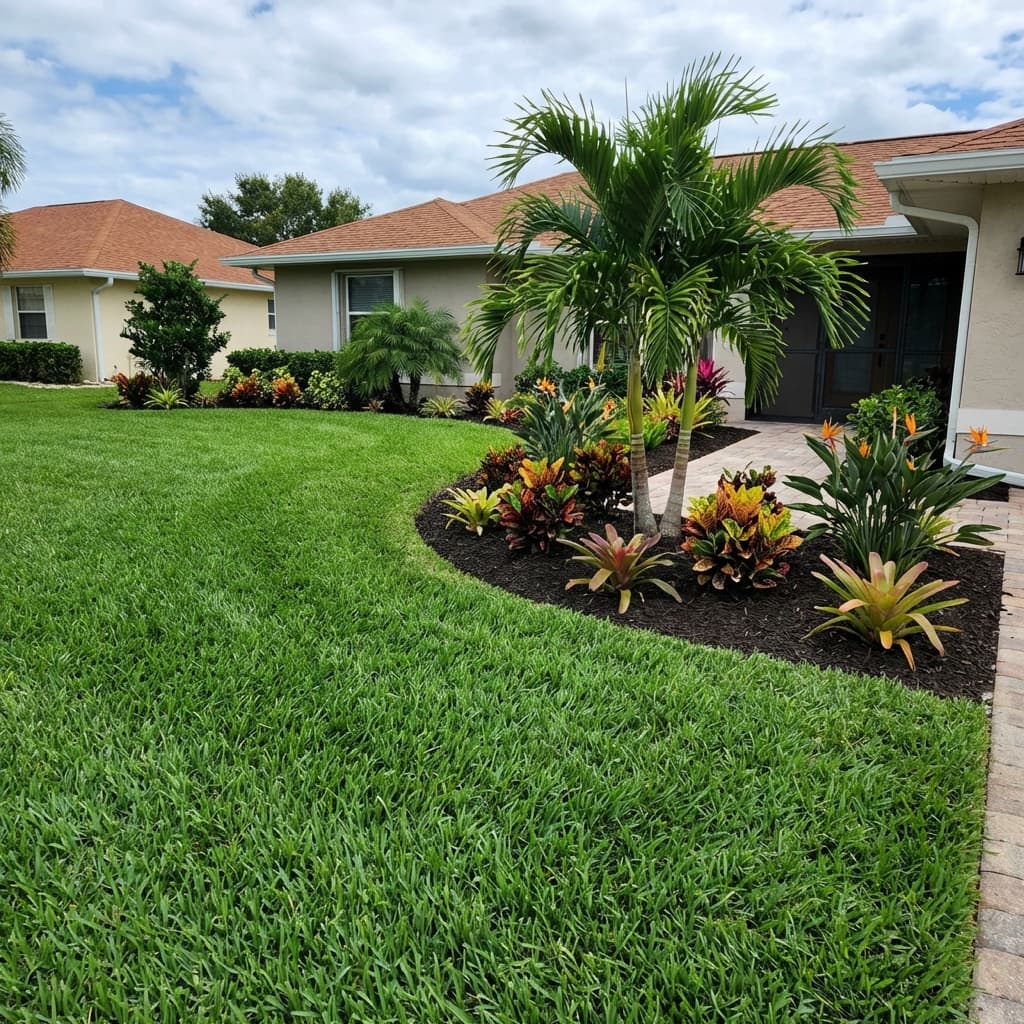
February Lawn Care Jacksonville FL: Getting Your Yard Ready for Spring
Expert February lawn care tips for Jacksonville homeowners. Learn what to do this month to prepare your lawn for spring growth in Zone 9a/9b.
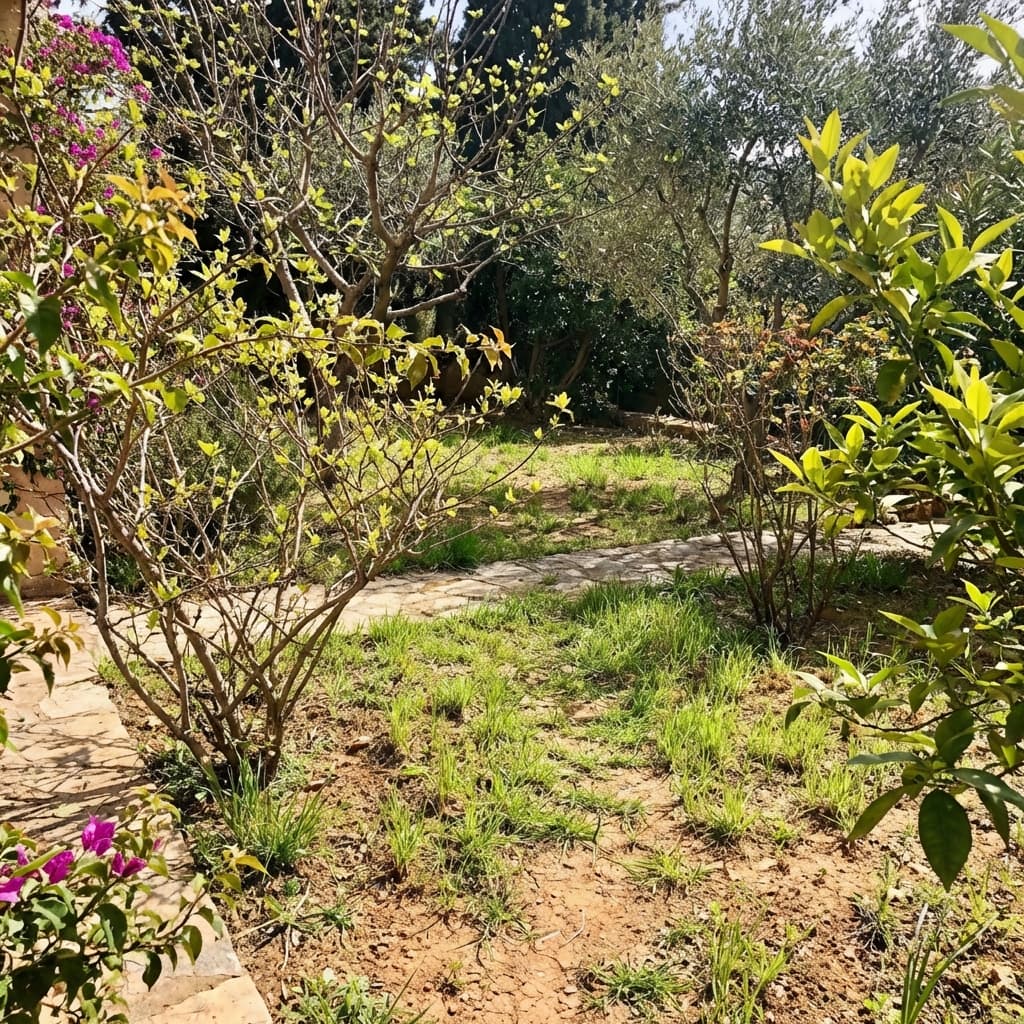
March Lawn Care Jacksonville FL: Spring Green-Up Season
Complete guide to March lawn care in Jacksonville. Learn when to fertilize, how to handle spring weeds, and get your lawn thriving in Zone 9a/9b.
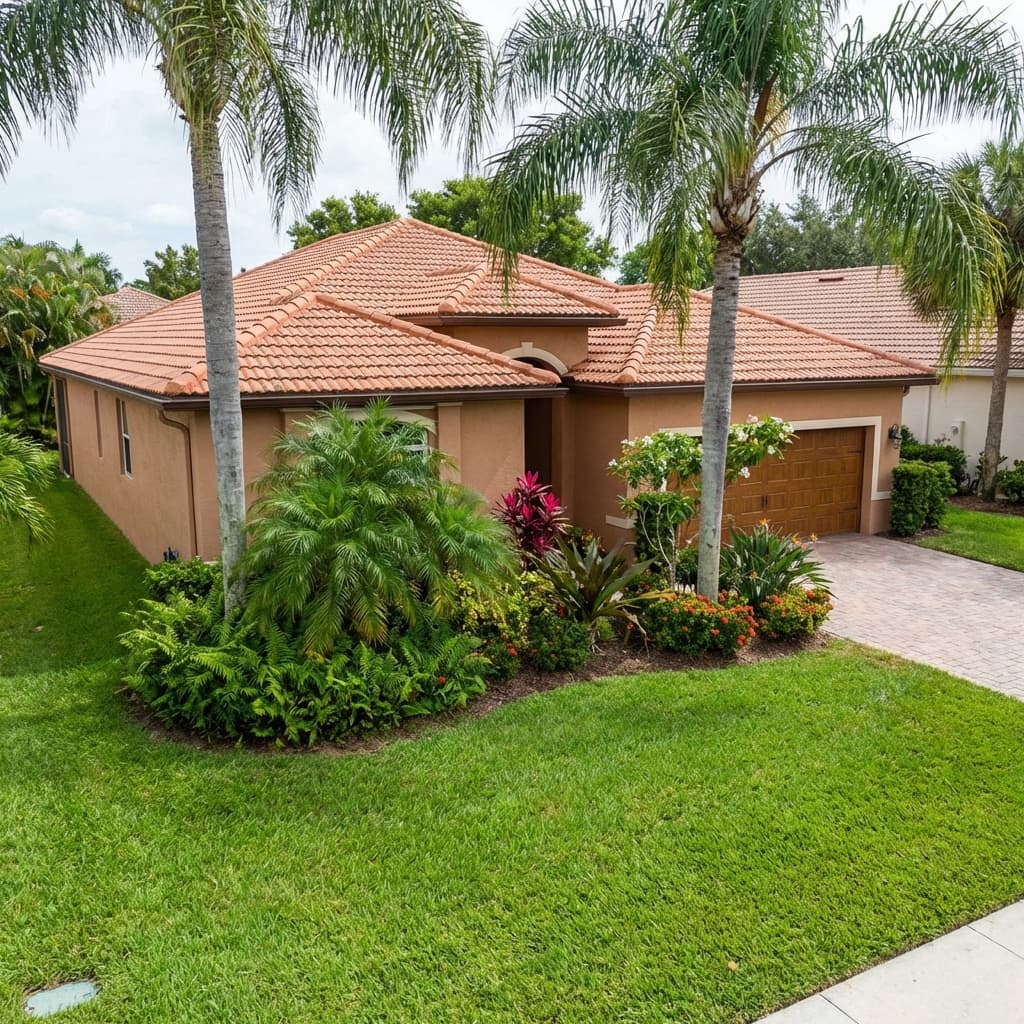
Arlington Jacksonville Lawn Care
Arlington Jacksonville Lawn Care. Review the site, scope and current written quote before deciding.
Let’s talk about your lawn
Ask our AI assistant a lawn question, or send the team a free installation estimate request.