Loading...
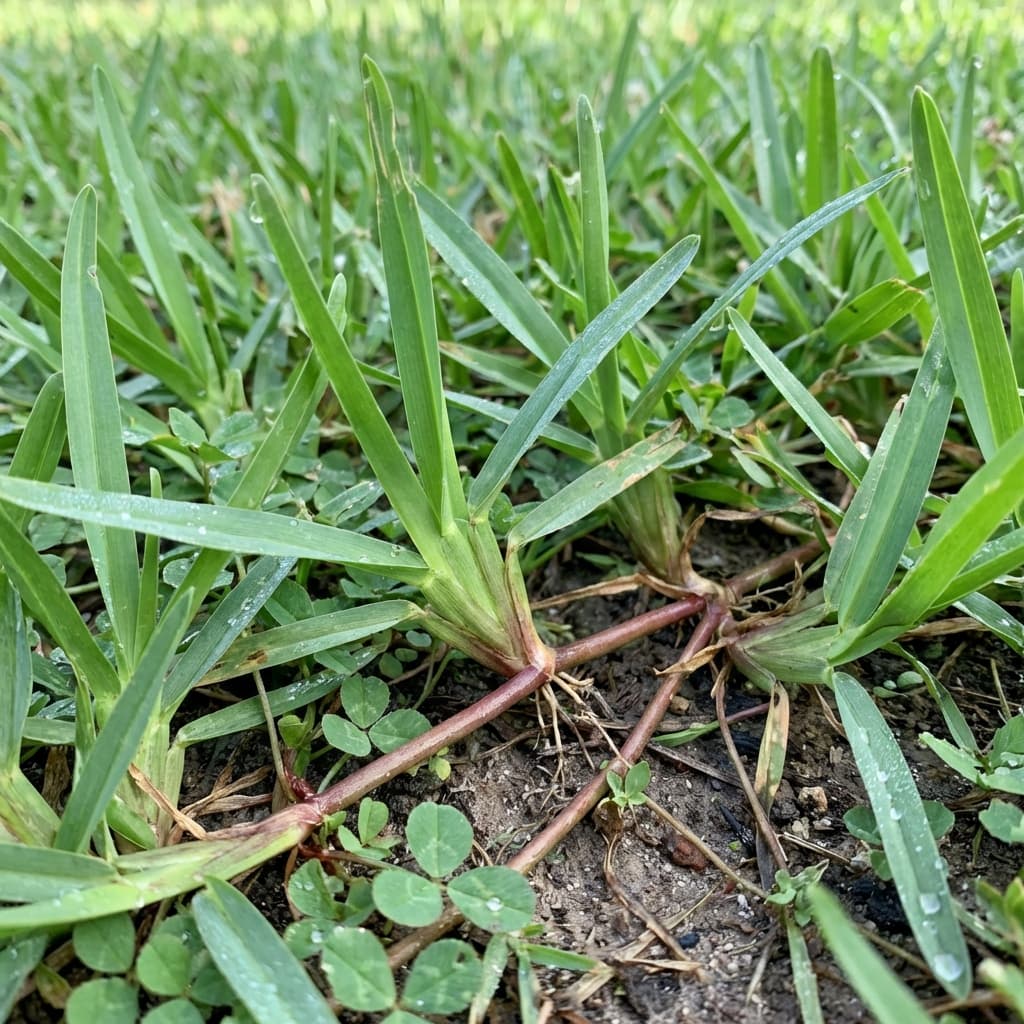
For current costs, compare the exact product or written project scope. See what to include in a sod estimate; this guide does not establish a current price, saving or resale return.
Set irrigation from site conditions and the current rules for your property and water source. For new sod, use the dated care planner; a fixed schedule in an older guide is not permission to water.
St. Augustine represents one of Northeast Florida's most unique communities for lawn installation—not because of the grass variety that shares the city's name, but because of the city itself. This is America's oldest continuously occupied European settlement, where historic architecture meets modern development, where coquina-based coastal soil contrasts with newer inland subdivisions, and where tourism-driven curb appeal standards affect residential properties throughout the area. Professional sod installation in St. Augustine FL requires understanding this diverse environment, from Vilano Beach's salt-air challenges to World Golf Village's master-planned aesthetics. At Jax Sod, we've spent years serving St. Johns County and understand exactly what it takes to create thriving lawns across St. Augustine's remarkably varied landscape.
This guide covers sod installation across St. Augustine's diverse neighborhoods, from understanding soil variations to selecting grass types that match your location's unique conditions. Whether you're maintaining a historic home downtown or landscaping new construction in St. Johns County's western developments, you're in the right place.
Understanding St. Augustine's Geographic Diversity
St. Augustine spans from Anastasia Island's Atlantic coastline west to the St. Johns River and beyond, encompassing dramatically different environments within one municipality. This geographic diversity creates soil and climate variations that directly impact grass selection and installation techniques for sod installation in St. Augustine FL.
Coastal areas—Vilano Beach, Anastasia Island, and St. Augustine Beach properties—experience conditions similar to Jacksonville Beach. Direct salt air exposure affects grass selection, with salt-tolerant varieties like Bermuda and coastal-adapted Zoysia leading recommendations. Soil consists primarily of pure sand with minimal organic content, draining rapidly and holding few nutrients. Properties within a half-mile of the ocean face the most intense salt exposure, though salt-laden winds during northeasters affect properties several miles inland. Wind exposure increases evapotranspiration rates, meaning coastal St. Augustine lawns lose moisture faster than inland properties and require more intensive irrigation.
Historic downtown St. Augustine presents unique challenges rarely encountered elsewhere. The oldest sections of the city were built on coquina deposits—sedimentary rock formed from compressed shells and coral. Properties in the historic district often encounter coquina bedrock at depths of 6 to 18 inches, sometimes less. This creates a shallow soil profile that limits root penetration and can require specialized preparation techniques. The coquina itself is alkaline, raising soil pH to 7.0 to 7.5 or higher—levels where some grass varieties struggle to access soil nutrients efficiently. Additionally, preservation district regulations may affect landscaping decisions on properties within historic overlays.
Western developments—World Golf Village, Palencia, Murabella, and surrounding newer communities—feature soil more typical of inland St. Johns County. These properties generally show sandy loam soil with better organic content than coastal areas, pH ranging from 6.0 to 6.8, and improved water retention compared to pure beach sand. Development grading often involved imported fill soil, and builder-installed topsoil quality varies significantly. New construction in these communities requires careful evaluation of existing soil before installation.
Soil Conditions by St. Augustine Area
St. Augustine's varied geography creates distinct soil zones that require different preparation approaches for successful sod installation.
Coastal sandy soil dominates Vilano Beach, Anastasia Island, and beachside properties. Pure sand drains within minutes of irrigation, holds virtually no nutrients, and shows pH typically between 6.5 and 7.5. This soil requires amendment with organic matter—we typically incorporate 2 to 3 inches of quality compost into the top 4 to 6 inches of sand to improve water and nutrient retention. Without amendment, sod will establish but struggle long-term as nutrients leach through sand before grass can utilize them. Coastal properties also benefit from periodic deep irrigation cycles specifically designed to flush accumulated salt from the root zone—essential maintenance that prevents salt toxicity even in salt-tolerant grass varieties.
Coquina-based soil appears in historic downtown areas and scattered pockets throughout older St. Augustine neighborhoods. The shallow soil profile above coquina bedrock limits installation options. In extreme cases where coquina sits just 4 to 6 inches below surface, we recommend raised bed construction that adds 4 to 8 inches of quality topsoil above existing grade. This provides adequate rooting depth for healthy turf establishment. The coquina's alkaline nature may require sulfur amendments to lower pH into the 6.0 to 6.5 range optimal for most warm-season grasses. We've handled numerous historic St. Augustine properties and can advise on solutions that work within preservation district requirements where applicable.
Inland sandy loam characterizes World Golf Village, Palencia, and western St. Johns County developments. This soil combines sand with silt and clay particles plus varying organic matter content, creating better growing conditions than pure coastal sand. pH typically ranges from 6.0 to 6.8, and water retention supports healthy turf without the intensive irrigation coastal properties require. The main considerations for these newer communities involve builder-grade soil quality—some developments received quality topsoil while others got minimal coverage over compacted subgrade. Always evaluate existing soil before installation rather than assuming adequate preparation occurred during construction.
Best Grass Types by St. Augustine Area
Grass selection for sod installation in St. Augustine FL should match your specific location within this diverse city. What works beautifully in World Golf Village may struggle at Vilano Beach, and vice versa.
For coastal St. Augustine properties—Vilano Beach, Anastasia Island, beachside areas—salt tolerance determines success. Bermuda grass leads our recommendations for full-sun coastal locations. TifTuf Bermuda shows exceptional salt tolerance combined with drought resistance, critical when irrigation water may contain brackish well water. Celebration Bermuda offers finer texture and slightly better color for front yards where appearance matters most. Both varieties require full sun and go dormant brown in winter unless overseeded with ryegrass. Zoysia grass works for coastal properties with partial shade. Empire Zoysia tolerates salt spray while providing thick texture that St. Augustine residents prefer. Zeon Zoysia offers superior shade tolerance for properties with oak or palm coverage. St. Augustine grass works only in protected areas well back from direct ocean exposure—Palmetto shows the best salt tolerance among St. Augustine varieties but still can't match Bermuda or Zoysia's coastal performance.
For historic downtown and established neighborhoods, shade tolerance and shallow soil adaptability matter most. Some St. Augustine cultivars may suit partial shade, but dense shade can make turf impractical. Seville is cold sensitive. Use the sod types guide and assess the actual site. The shallower root system compared to Bermuda makes Palmetto viable even where coquina limits soil depth to 8 to 12 inches. Floratam’s early chinch-bug resistance has largely been lost; do not select it on a promise of current pest resistance. See UF/IFAS cultivar guidance. Zoysia varieties—particularly Empire and Zeon—provide alternatives for homeowners wanting lower maintenance than St. Augustine requires. Zoysia's fine texture complements historic architecture beautifully, and slower growth means less frequent mowing.
For western developments—World Golf Village, Palencia, Murabella—selection depends primarily on sun exposure and maintenance preferences. St. Augustine grass dominates these communities due to lush appearance and shade tolerance under the mature trees developers preserved or planted. Floratam is a sunny-site cultivar that performs poorly below about six hours of daily sunlight. See the sod types guide before choosing for shade. Zoysia has gained popularity in these communities as homeowners discover its lower water requirements and minimal maintenance needs. Empire Zoysia provides excellent drought tolerance—valuable for large lots where irrigation costs matter. Bermuda grass appears occasionally in full-sun locations but many HOAs discourage or prohibit it due to winter dormancy browning.
Grass Variety Comparison for St. Augustine Area Properties
| Grass Variety | Coastal Salt Tolerance | Shallow Soil Tolerance | Shade Tolerance | Best St. Augustine Area Use |
|---|---|---|---|---|
| TifTuf Bermuda | Excellent | Moderate | Poor | Vilano Beach, Anastasia Island full sun |
| Celebration Bermuda | Excellent | Moderate | Poor | Coastal properties, high-traffic areas |
| Empire Zoysia | Very Good | Good | Good | Coastal partial shade, low-maintenance |
| Zeon Zoysia | Very Good | Good | Excellent | Historic district shade, coastal protection |
| Palmetto St. Augustine | Moderate | Excellent | Excellent | Historic downtown, heavy oak canopy |
| Floratam St. Augustine | Moderate | Excellent | Good | General use, established neighborhoods |
| CitraBlue St. Augustine | Poor | Very Good | Very Good | Western developments, premium appearance |
Historic District Considerations for St. Augustine
Properties within St. Augustine's historic preservation districts face unique considerations that affect landscaping decisions. While sod installation itself generally doesn't require historic preservation review, understanding the context helps ensure your lawn complements the architectural character that makes historic St. Augustine special.
Coquina bedrock management represents the most common technical challenge. Properties built in the 1700s and 1800s often sit atop coquina deposits with minimal soil coverage. We've encountered historic properties where coquina appears just 3 to 4 inches below the surface—inadequate for any grass variety's root development. Solutions include careful excavation around coquina outcroppings to create pockets of deeper soil, raised bed construction that adds soil above existing grade, or acceptance that some areas simply won't support turf and should feature alternative landscaping. Spanish moss-draped oaks, brick pathways, and decorative mulch beds often better complement historic architecture than attempting perfect turf coverage in challenging conditions.
Preservation of historic features during installation ensures site work doesn't damage elements that contribute to your property's character. Original brick pathways, coquina block foundations, century-old trees, and historic drainage patterns should be protected during site preparation and installation. We've worked on dozens of historic St. Augustine properties and understand how to navigate these considerations. Professional installation by experienced crews familiar with historic properties prevents damage that could require expensive repairs or, in extreme cases, preservation district review.
Tourism-adjacent curb appeal affects properties throughout downtown St. Augustine, even those outside formal preservation districts. The city's tourism economy means residential properties contribute to overall visitor experience and community character. Well-maintained lawns reflect civic pride and support the historic ambiance that attracts millions of annual visitors. This isn't a formal requirement but rather a practical reality—your downtown St. Augustine property exists within a living museum, and landscaping quality contributes to that collective experience.
Newer Development Sod Installation—World Golf Village and Beyond
St. Johns County's western growth corridor includes some of Northeast Florida's most desirable planned communities, each with distinct characteristics that affect sod installation in St. Augustine FL.
World Golf Village encompasses multiple neighborhoods around the World Golf Hall of Fame, ranging from golf course communities to more affordable single-family subdivisions. Lots vary from 0.15 to 0.5 acres, with front yards typically 1,500 to 3,000 square feet and backyards 2,500 to 6,000 square feet. HOA standards vary by neighborhood but generally require maintained turf in front yards with consistent appearance along street frontages. St. Augustine grass dominates due to shade tolerance and year-round green color. Zoysia appears increasingly in newer sections where homeowners prioritize water conservation. The main installation considerations involve evaluating builder-grade soil—quality varies significantly between developments and even between builders within the same neighborhood.
Palencia represents an upscale community with strict architectural standards and premium landscaping expectations. Properties range from 0.25 to 1+ acres, with some estate lots requiring 10,000 to 15,000+ square feet of turf. Golf course community aesthetics demand professional installation and ongoing maintenance. Palencia HOAs typically specify approved grass varieties and maintain appearance standards that require year-round attention. Budget accordingly—these aren't properties where weekend homeowner maintenance produces HOA-compliant results.
Murabella, Julington Creek, and surrounding communities offer more moderate pricing with maintained standards. These neighborhoods feature 0.15 to 0.3 acre lots and require professional-quality installation to meet HOA covenants. Site preparation becomes critical—many newer developments in western St. Johns County received minimal topsoil during construction. We've handled installations where builders spread just 2 inches of topsoil over heavily compacted subgrade. Proper preparation requires removing or deeply tilling inadequate builder soil, incorporating organic amendments, and ensuring adequate drainage before installation. This adds cost but prevents recurring problems that plague properties where corners were cut during installation.
Coastal Property Installation—Vilano Beach and Anastasia Island
St. Augustine's coastal neighborhoods face challenges identical to Jacksonville Beach—intense salt air exposure, pure sandy soil, wind stress, and irrigation water quality concerns. Professional sod installation in these areas requires specialized expertise.
Salt tolerance remains non-negotiable for Vilano Beach and beachside properties. Even varieties labeled "salt-tolerant" will accumulate salt in soil over time without proper management. Monthly deep irrigation cycles during dry periods flush accumulated salt below the root zone where it can't damage grass. Run sprinklers for 45 to 60 minutes specifically for this leaching purpose, separate from normal irrigation cycles.
Irrigation water quality matters tremendously on coastal St. Augustine properties. Well water near Anastasia Island and Vilano Beach often contains brackish water with elevated salinity. If your well water tastes slightly salty or leaves white residue on hardscaping, it likely contains enough salt to stress turf over time. Municipal water provides fresh water but costs significantly more—a consideration for properties irrigating 5,000 to 8,000 square feet of coastal turf requiring 1 to 1.5 inches weekly. For most properties, selecting highly salt-tolerant grass and practicing good irrigation management provides adequate protection.
Wind exposure affects irrigation efficiency and grass selection. Design irrigation systems with overlapping coverage to compensate for wind drift, and select grass varieties with good wind tolerance. Bermuda grass stands up to coastal wind exposure better than St. Augustine's broader blades. Zoysia provides middle ground—better wind tolerance than St. Augustine with better shade tolerance than Bermuda.
Typical St. Augustine Project Costs
Sod installation costs in St. Augustine FL vary by location within the city, reflecting different site preparation requirements and material selections. Coastal properties typically cost more due to soil amendment needs and salt-tolerant variety selection. Historic downtown projects may encounter coquina complications requiring specialized solutions. Western development installations often need correction of inadequate builder-grade preparation.
Historic properties with coquina complications vary widely based on specific conditions. We provide detailed estimates after site evaluation—coquina conditions vary so dramatically that accurate pricing requires physical inspection.
Irrigation Considerations by St. Augustine Area
Irrigation requirements vary across St. Augustine's geography as dramatically as soil conditions.
Coastal properties require the most intensive irrigation due to pure sandy soil and wind exposure increasing evapotranspiration. Expect to provide 1.25 to 1.75 inches of water weekly during establishment, tapering to 1 to 1.5 inches weekly once roots establish. Well water quality should be tested before system installation—brackish water requires either treatment, supplemental municipal water use, or acceptance of higher maintenance requirements with salt-tolerant grass.
Historic downtown properties often feature mature tree canopy that reduces water demands through shade provision and lower evapotranspiration rates. However, trees also compete for available moisture. Established oaks can consume substantial water, creating drought stress for turf growing in their root zones. Irrigation systems should be designed to account for tree water competition, typically requiring 20 to 30 percent higher application rates in heavily treed areas compared to open lawn.
Western development properties generally show moderate irrigation demands, typically 0.75 to 1.25 inches weekly during growing season. The better water retention in sandy loam soil compared to pure coastal sand allows less frequent irrigation. Smart irrigation controllers make particular sense in these larger-lot communities—WiFi-enabled controllers adjust schedules based on weather data, reducing water waste while ensuring adequate moisture.
Seasonal Timing for St. Augustine Area Installation
Late March through May provides ideal conditions for sod installation throughout St. Augustine. Soil temperatures reach the 65 to 70°F that warm-season grasses need for rapid root establishment, while air temperatures remain comfortable in the 75 to 85°F range. Spring installations benefit from increasing day length promoting vigorous growth and gain six months of prime growing conditions before winter semi-dormancy.
Coastal timing considerations include monitoring salt spray conditions. Late winter and early spring northeaster storms can blow salt spray miles inland, creating challenging conditions for new sod that hasn't developed tolerance yet. If possible, delay coastal installations until after northeaster season peaks in March. September through October offers excellent coastal installation timing—storms decrease, afternoon temperatures moderate, and soil remains warm enough for rapid establishment.
Historic district properties install well spring through fall, though summer installations under heavy tree canopy actually experience less heat stress than open properties due to shade moderation. The protected microclimate under mature oaks makes summer installation more viable than in exposed locations.
Western developments follow standard timing—spring and fall provide optimal conditions, though installations proceed successfully year-round with proper preparation. Winter installations in these inland areas proceed slightly faster than coastal properties due to warmer soil temperatures away from ocean influence.
Common St. Augustine Area Lawn Problems
Understanding challenges specific to different St. Augustine areas helps prevent problems before they develop.
Coastal properties face salt accumulation as the primary long-term concern. Even salt-tolerant varieties accumulate salt in soil over time without proper leaching irrigation. Symptoms start with brown leaf tips and progress to thinning turf. Quarterly soil testing and monthly deep irrigation during dry periods prevent most salt problems. Properties that experienced salt water storm surge—even years ago during hurricanes—may still have elevated soil salinity requiring periodic leaching.
Historic downtown properties struggle primarily with shade-related challenges. Grass thinning under mature oaks results from insufficient sunlight rather than maintenance failures. Realistic expectations about turf density in heavy shade prevent frustration. Professional tree trimming every 3 to 5 years maintains balance between tree health and adequate light for turf below. Some St. Augustine cultivars may suit partial shade, but dense shade can make turf impractical. Seville is cold sensitive. Use the sod types guide and assess the actual site.
Western development properties encounter typical suburban lawn problems—chinch bugs in St. Augustine grass during summer, occasional fungal disease during humid periods, and gradual soil compaction requiring annual aeration. These represent manageable challenges that proper maintenance prevents or minimizes.
Ready for Professional Sod Installation in St. Augustine?
St. Augustine's remarkable diversity—from historic coquina-based downtown to coastal Vilano Beach to modern World Golf Village—requires installation expertise that adapts to your specific location. At Jax Sod, our experience serving Northeast Florida includes extensive St. Augustine experience across every neighborhood type. We understand coastal salt management, historic district coquina complications, western development HOA requirements, and the grass varieties that succeed in each environment.
For new sod or lawn replacement in St. Augustine, request an on-site estimate. The property visit helps establish the scope, grass choice and schedule.
Let's create the lawn your St. Johns County property deserves.
Need Professional Sod Installation?
Jax Sod provides sod installation, sod replacement, and new lawn installation across Jacksonville and Northeast Florida. Free quotes!
Related Articles
10 Sod Installation Mistakes to Avoid in Jacksonville
10 Sod Installation Mistakes to Avoid in Jacksonville. Review the site, scope and current written quote before deciding.
Amelia Island FL Sod Installation: Luxury Lawn Solutions
Professional sod installation services for Amelia Island properties. Expert tips for coastal lawns, salt-tolerant varieties, and luxury landscaping in Northeast Florida.
Bartram Park Jacksonville Sod Installation: Complete Guide for New Lawns
Everything you need to know about sod installation in Bartram Park. From soil prep to variety selection, learn how to establish a beautiful new lawn in Jacksonville's climate.
Let’s talk about your lawn
Ask our AI assistant a lawn question, or send the team a free installation estimate request.