Loading...
Back to Articles
Amelia Island FL Sod Installation: Luxury Lawn Solutions
Sod Installation January 27, 2026 7 min read
For sod, do not apply fertilizer before planting or as an early establishment shortcut. Follow the reviewed new-sod guidance.
Set irrigation from site conditions and the current rules for your property and water source. For new sod, use the dated care planner; a fixed schedule in an older guide is not permission to water.
Amelia Island's unique coastal environment demands more than standard lawn installation. Between salt spray, sandy soil, and the island's luxury home standards, getting sod right here requires local expertise and the right grass varieties for Zone 9a conditions.
Amelia Island lawns need decisions based on the island microclimate, from oceanfront estates to Fernandina Beach neighborhoods.
Why Amelia Island Lawns Need Special Consideration
Amelia Island isn't typical Northeast Florida. The coastal location creates challenges you won't face even 10 miles inland.
Salt Tolerance Matters
Ocean breezes carry salt spray farther than most homeowners realize. Even properties several blocks from the beach deal with salt accumulation in soil. If you're installing standard St. Augustine without considering salt tolerance, you're setting yourself up for brown patches and constant frustration.
Floratam St. Augustine handles salt reasonably well, but Palmetto and Captiva varieties perform better in coastal conditions. For properties within direct ocean view, I often recommend adding a rinse schedule during summer when salt accumulation peaks.
Sandy Soil Challenges
Amelia Island soil drains fast—sometimes too fast. That's great for preventing standing water, but it means nutrients and water move through quickly. Your sod installation needs to account for this with proper soil preparation before laying the first pallet.
Any proposed soil amendments or extra preparation should be discussed during the site assessment and agreed as part of the specific job.
Wind and Sun Exposure
Coastal properties often have less shade and more wind than inland yards. This increases evaporation and can stress grass, especially during establishment. The first 30 days after installation are critical—your lawn hasn't rooted deeply yet, and these conditions can quickly damage new sod.
Best Sod Varieties for Amelia Island Properties
Not all grass performs equally here. After years of installations across the island, here's what actually works.
St. Augustine: The Island Standard
St. Augustine remains the top choice for most Amelia Island lawns. It handles our heat, humidity, and moderate shade while looking lush year-round.
Palmetto St. Augustine is my go-to for most residential properties. It's more drought-tolerant than older varieties, has better cold tolerance (important for our occasional freezes), and handles salt better than Floratam. The finer texture also fits the upscale aesthetic most island properties want.
Captiva St. Augustine works well for properties with shade issues. It tolerates shade better than any St. Augustine variety and still maintains good salt tolerance. If you have live oaks or significant tree cover, Captiva gives you the best shot at a healthy lawn.
Floratam still has a place, especially for budget-conscious projects on larger lots. It's less expensive, grows aggressively, and handles full sun well. But be aware it's more susceptible to cold damage and doesn't tolerate shade like newer varieties.
Zoysia: The Low-Maintenance Alternative
Empire Zoysia is gaining popularity on Amelia Island, especially with second-home owners who want lower maintenance requirements.
Zoysia uses less water than St. Augustine, tolerates salt spray well, and creates a dense carpet that resists weeds naturally. The tradeoff is slower establishment and a dormant period in winter when it turns brown. For many luxury properties, that dormancy isn't acceptable—but for others, the reduced maintenance makes it worth considering.
Bahia: Utility and Natural Areas
For dune restoration, swales, or naturalized areas, Bahia grass works well. It's extremely salt-tolerant, drought-resistant, and low-maintenance. It won't give you a manicured look, but it's perfect for transition areas between landscaped yards and natural beach environments.
Soil Preparation for Coastal Installation
This is where most DIY installations fail. You can't just roll out sod on beach sand and expect success.
Soil Testing and Amendment
Start with a soil test. Amelia Island soils are typically acidic and sandy with low organic content. You need to know your pH and nutrient levels before adding amendments.
Most island properties benefit from:
- Compost incorporation (2-3 inches tilled into the top 6 inches of soil)
- Lime to adjust pH if needed (target 6.0-7.0 for St. Augustine)
Sandy soil drains well but doesn't hold nutrients. Organic matter improves water retention and provides slow-release nutrition as it breaks down.
Grading and Drainage
Even with sandy soil, proper grading matters. Water should move away from structures, and low spots need correction before sod installation. Once grass is down, fixing drainage problems becomes much more disruptive.
For coastal properties, also consider how storm surge or heavy rain events will flow through your property. Installing sod in areas that flood during high tides or storms is wasting money.
Irrigation Planning
Install or update irrigation before laying sod. Trying to retrofit later damages new grass and creates stress during the critical establishment period.
For Amelia Island properties, I recommend:
- Zone separation for sun/shade areas (different water needs)
- Rain sensors to prevent overwatering
- Smart controllers that adjust for weather (coastal areas get different rainfall patterns than inland)
- Extra capacity for establishment period (you'll need more water initially)
The Installation Process
Proper installation technique makes the difference between a lawn that roots in two weeks and one that struggles for months.
Timing Matters
Spring and early fall are ideal for sod installation on Amelia Island. Temperatures are moderate, rainfall is typically adequate, and grass establishes quickly.
Summer installation works but requires aggressive watering schedules. The heat and salt stress make establishment harder, and water restrictions can complicate maintenance.
Winter installation is possible with St. Augustine but slower. Grass goes semi-dormant, rooting takes longer, and a cold snap can set back establishment significantly.
Day of Installation
Fresh sod installation needs to happen quickly. Sod should go from harvest to installation within 24 hours in warm weather. The longer it sits on pallets, the more stress damage occurs.
We start by moistening the prepared soil—not soaking, just damp. This gives sod immediate access to moisture and helps root contact.
Lay sod in a brick pattern, staggering joints like you would tile. Butt edges tight together but don't overlap. Gaps will fill in, but overlaps create dead spots.
Roll the entire lawn after installation. This eliminates air pockets and ensures root-to-soil contact throughout the yard.
Initial Watering
Immediately after installation, water thoroughly. The goal is moisture through the sod and into the soil beneath—you want wet, not flooded.
For the first two weeks:
- Keep sod moist but not saturated
- Adjust for rain (don't water if nature already did)
- Early morning and late afternoon watering reduces evaporation
After two weeks, gradually reduce frequency and increase duration. You're training roots to grow deep rather than staying shallow.
Maintenance for Coastal Lawns
Amelia Island lawns need ongoing attention to deal with salt, sand, and coastal conditions.
Salt Management
During summer, especially after windy periods, rinse your lawn. A light irrigation cycle washes accumulated salt from grass blades and prevents burn. This isn't about deep watering—just a rinse cycle is sufficient.
If you notice salt crystals on grass blades or burning at leaf tips, increase rinsing frequency.
Fertilization Schedule
Sandy soil doesn't hold nutrients well. Plan on fertilizing every 6-8 weeks during the growing season (March through October) with a slow-release fertilizer.
Avoid heavy nitrogen applications right before cold snaps. Soft, lush growth is more susceptible to cold damage, and we occasionally get freezes even on Amelia Island.
Mowing Height
Keep St. Augustine at 3.5-4 inches on Amelia Island. The higher blade height provides shade to soil, reduces water evaporation, and helps grass handle heat stress better.
Never remove more than one-third of the blade height in a single mowing. Cutting too short stresses coastal grass that's already dealing with salt and wind exposure.
Pest and Disease Monitoring
Coastal humidity creates perfect conditions for fungal diseases. Brown patch and gray leaf spot show up frequently, especially during warm, wet periods.
Watch for chinch bugs, particularly in sunny areas of St. Augustine. These pests love hot, dry conditions and can devastate lawns quickly if uncontrolled.
Working with Luxury Property Standards
Amelia Island has high aesthetic expectations. Your lawn isn't just functional—it's part of the property's curb appeal and value.
Edge Definition
Clean edges between lawn and landscape beds make everything look more polished. Use metal or commercial-grade plastic edging, and maintain sharp lines with regular trimming.
Seasonal Color Integration
Consider seasonal color beds that complement your lawn. Amelia Island's year-round mild climate allows for rotating color that keeps properties looking fresh.
Landscape Lighting
Properly designed landscape lighting makes a dramatic difference in evening curb appeal. Highlight the quality of your lawn installation with subtle uplighting on specimen trees and path lighting that shows off clean lawn edges.
Common Mistakes to Avoid
Here are the installation problems that come up repeatedly.
Skipping soil preparation. Rolling out sod on beach sand doesn't work. You'll fight a losing battle with water and nutrient management.
Wrong variety selection. Choosing grass based solely on cost rather than performance in coastal conditions leads to replacement expenses that dwarf initial savings.
Inadequate initial watering. New sod needs consistent moisture. Missing watering windows during the first two weeks can cause permanent damage.
Mowing too soon. Wait until grass has rooted before the first mowing. Tugging partially rooted sod with a mower wheel damages establishment.
Ignoring salt accumulation. If you're near the ocean, salt management isn't optional. It's part of routine maintenance that prevents long-term damage.
Making Your Investment Last
Quality sod installation isn't cheap, but it should last decades with proper care. The key is matching variety to site conditions, preparing soil correctly, and maintaining the lawn according to coastal requirements.
Amelia Island lawns can be absolutely stunning. The combination of quality grass, professional installation, and ongoing care creates outdoor spaces that match the island's luxury standard. Whether you're installing a new lawn for a custom home or renovating an existing property, understanding these coastal-specific factors will give you the results you're looking for.
The island's unique environment doesn't have to be a challenge—with the right approach, it becomes an advantage that creates lawns as beautiful as the coastal setting they complement.
Need Professional Sod Installation?
Jax Sod provides sod installation, sod replacement, and new lawn installation across Jacksonville and Northeast Florida. Free quotes!
Related Articles
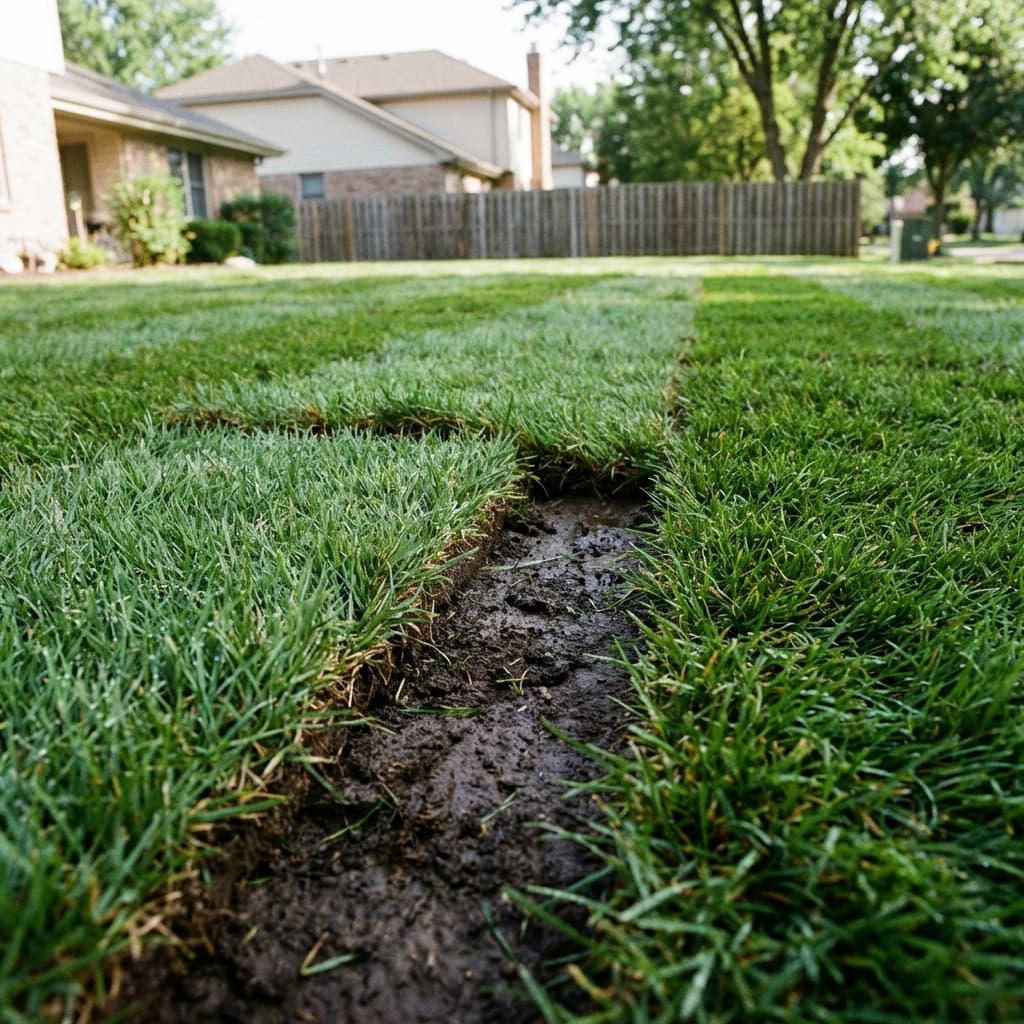
Sod Installation in Fleming Island, FL
Sod Installation in Fleming Island, FL. Review the site, scope and current written quote before deciding.
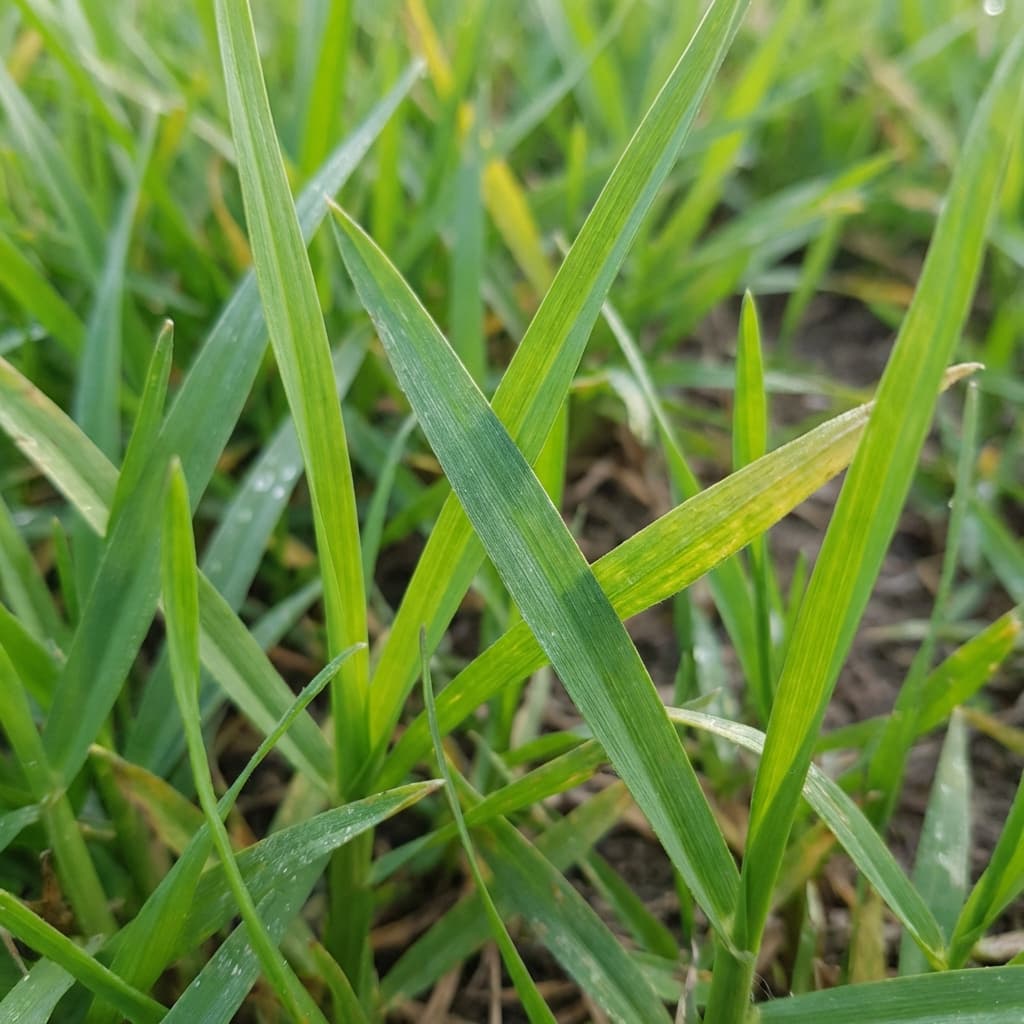
10 Sod Installation Mistakes to Avoid in Jacksonville
10 Sod Installation Mistakes to Avoid in Jacksonville. Review the site, scope and current written quote before deciding.
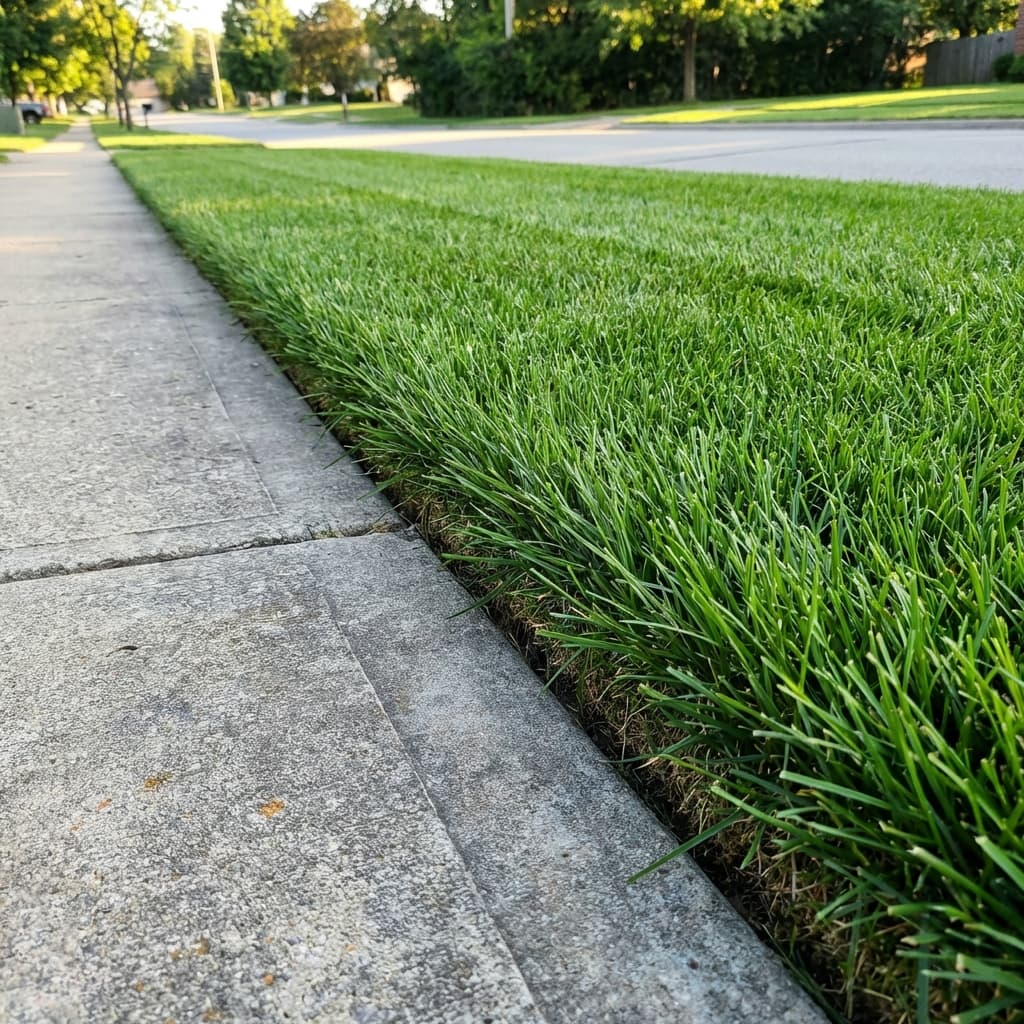
Bartram Park Jacksonville Sod Installation: Complete Guide for New Lawns
Everything you need to know about sod installation in Bartram Park. From soil prep to variety selection, learn how to establish a beautiful new lawn in Jacksonville's climate.
Let’s talk about your lawn
Ask our AI assistant a lawn question, or send the team a free installation estimate request.