(904) 901-1457
Celebration Bermuda Grass: Jacksonville Homeowner Guide
Back to Articles

Celebration Bermuda Grass: Jacksonville Homeowner Guide

Grass Types January 27, 2026 15 min read

Celebration Bermuda Grass: Jacksonville Homeowner Guide

Celebration Bermuda has earned a reputation as one of Northeast Florida's premier grass varieties, combining the durability Bermuda is known for with improved characteristics that make it suitable for high-end residential landscapes. Developed by Sod Solutions and released in 2008, Celebration represents significant improvement over older Bermuda varieties in several key areas that matter to Jacksonville homeowners. After 37+ years in the sod business and nearly two decades installing Celebration across the region, we've observed exactly how this grass performs in real-world conditions from Ponte Vedra to Mandarin to Orange Park.

What sets Celebration apart from common Bermuda and other improved varieties isn't just marketing hype. The specific combination of deep blue-green color, improved shade tolerance, exceptional wear recovery, and salt tolerance creates a grass that succeeds where older Bermudas struggle. But it's not the right choice for every Jacksonville property or every homeowner. Understanding Celebration's actual strengths and maintenance requirements helps you decide whether this premium variety justifies its cost for your specific situation.

In this comprehensive guide, we'll explain what makes Celebration unique, how it compares to competing Bermuda varieties available in Jacksonville, what maintenance it requires throughout the year, and whether it's the right investment for your lawn.

What Makes Celebration Bermuda Unique

Celebration was developed at Mississippi State University through decades of breeding work focused on creating superior turf for golf courses and athletic fields. The variety that emerged combined genetics from African bermudagrass varieties known for color and density with American varieties prized for cold hardiness and wear tolerance. Sod Solutions licensed the variety in 2008, making it available to the residential and commercial markets.

Dark Blue-Green Color

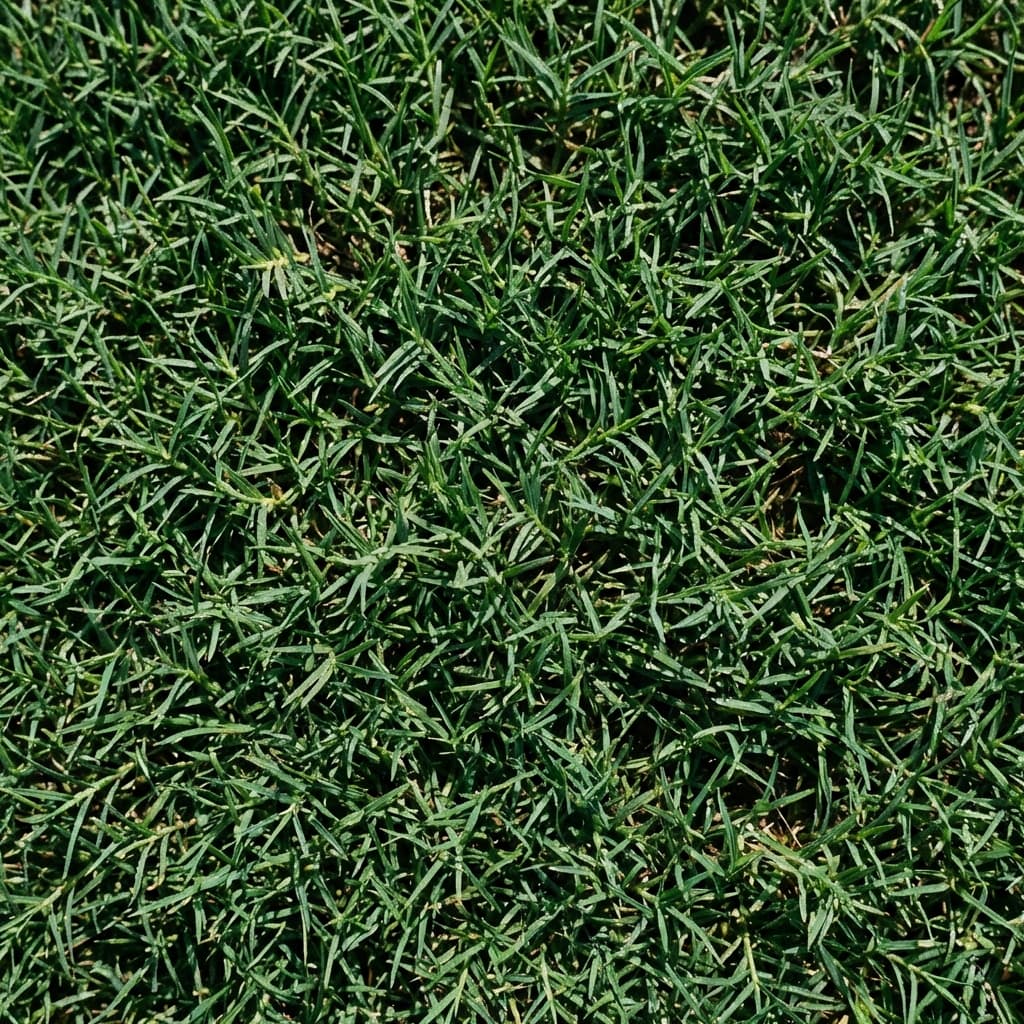
Celebration's most immediately noticeable characteristic is its distinctive dark blue-green color. This rich hue is several shades darker than common Bermuda's light green and noticeably different from the pure green of TifTuf or the yellow-green tint some Bermudas develop. The color remains consistent through Jacksonville's growing season, providing premium appearance from April through October.

The blue-green tone appeals particularly to homeowners in upscale neighborhoods like Ponte Vedra, Nocatee, and Deerwood where lawn aesthetics significantly impact property values. It photographs well, looks professionally maintained even with basic care, and creates attractive contrast with dark mulch and landscape plantings.

Color stability is also notable. Where some Bermudas lose color intensity during mid-summer stress periods or develop yellow patches under drought conditions, Celebration maintains its characteristic hue through challenging conditions when properly maintained.

Fine to Medium Texture

Celebration's leaf blade width falls between ultra-fine varieties like Champion Bermuda and coarser types like Tifway 419. This medium-fine texture provides an upscale appearance without the intensive maintenance demands of the finest-textured varieties. The grass feels comfortable for barefoot walking and creates attractive striping patterns when mowed directionally—important for homeowners who care about lawn aesthetics.

The texture remains consistent across the lawn, avoiding the mixed coarse-fine appearance some common Bermuda develops when random seed contaminants germinate or when the variety reverts genetically. This uniformity matters for high-visibility front yards and areas viewed from main outdoor living spaces.

Self-Repairing Ability and Wear Tolerance

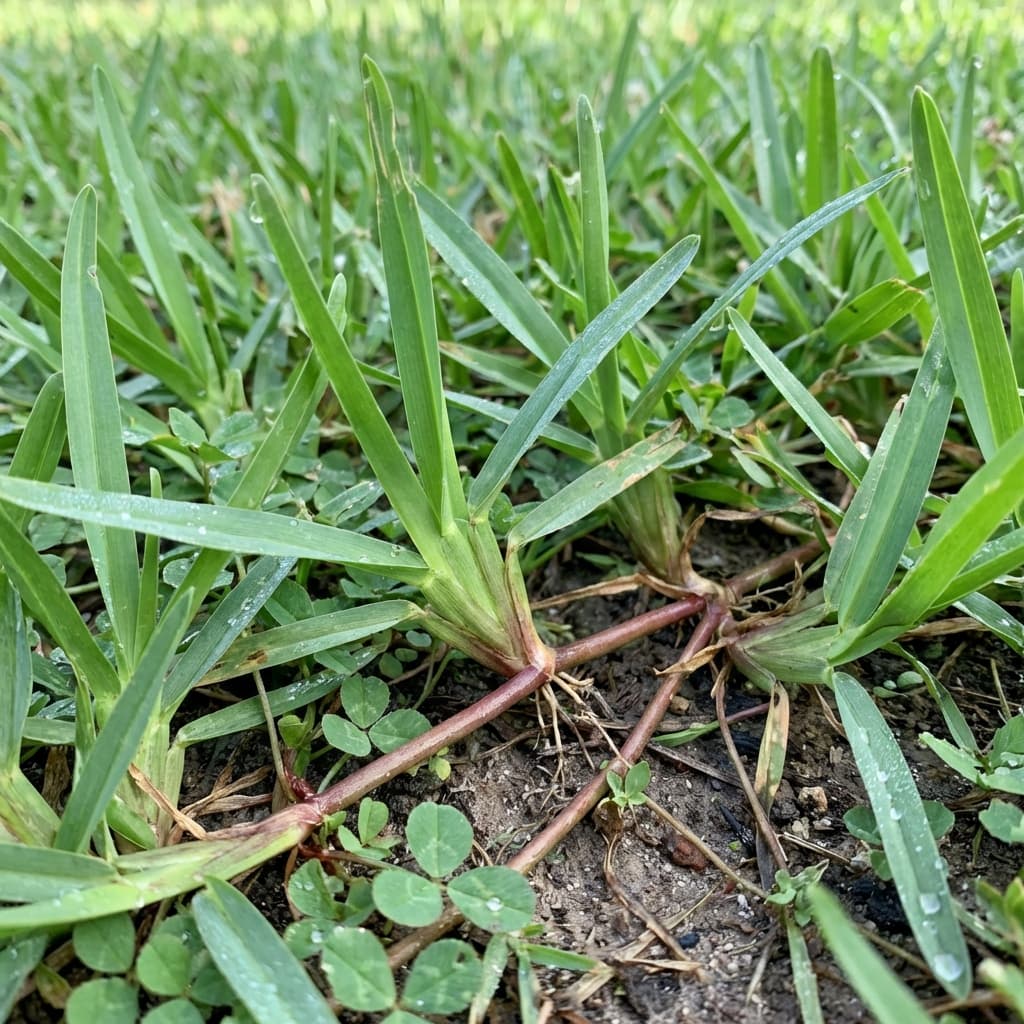
Celebration's aggressive lateral growth through stolons and rhizomes makes it exceptionally self-repairing. Damage from foot traffic, pet use, play activities, or equipment heals within 2-3 weeks during active growing season (May through September) when proper care continues. This recovery speed matches or exceeds TifTuf and significantly outpaces less vigorous varieties.

For Jacksonville homeowners with active children, dogs, or frequent outdoor entertaining, this self-repair capability translates to a lawn that continuously looks good despite regular use. Areas alongside pools, from back doors to play structures, and near gates handle traffic without developing permanent thin spots or bare patches.

The dense growth also crowds out weeds naturally. Once fully established, healthy Celebration leaves little room for crabgrass, goosegrass, spurge, or other opportunistic weeds common in Jacksonville lawns. This reduces herbicide needs and maintenance time compared to less dense varieties.

Athletic field managers and sports facility operators throughout Northeast Florida choose Celebration specifically for its wear tolerance and recovery speed. While residential use is less intensive than athletic fields, the same durability characteristics benefit active family lawns.

Shade Tolerance: Better Than Most Bermudas

Bermuda grass as a species prefers full sun, typically requiring 6-8 hours of direct sunlight daily for optimal performance. Celebration improves on this limitation, surviving with 5-6 hours of direct sun in many situations. This doesn't make it a shade grass—St. Augustine remains vastly superior for shaded conditions—but it does make Celebration viable for yards with partial shade from buildings, fences, or high-canopy trees.

In Jacksonville's heavily treed neighborhoods like San Marco, Riverside, and Avondale, this marginal shade tolerance matters. Yards that receive morning sun but afternoon shade from houses, or that have scattered pine or oak canopy allowing dappled sunlight, can support Celebration where older Bermudas would thin out.

The practical advantage is flexibility in landscape design. You can extend Celebration lawns slightly into partial shade zones rather than creating hard transitions to St. Augustine in every shaded area. For properties that are predominantly sunny with limited shade sections, this allows using a single grass type throughout rather than mixing varieties.

However, don't oversell Celebration's shade tolerance. In true shade (less than 5 hours of direct sun), it will gradually thin and decline just like other Bermudas. For significantly shaded yards, St. Augustine remains the appropriate choice regardless of Celebration's improvements.

Drought Resistance and Water Requirements

Celebration demonstrates excellent drought tolerance once established, though not quite matching TifTuf's exceptional performance. The deep root system (potentially reaching 5-6 feet in ideal conditions) allows Celebration to access moisture far below Jacksonville's sandy surface soil. During extended dry periods, established Celebration maintains acceptable color and density with weekly watering, whereas less drought-tolerant varieties require more frequent irrigation.

This matters in Jacksonville where summer typically brings either daily thunderstorms or extended rainless periods with little middle ground. During the inevitable 2-3 week dry spells that occur between weather patterns, Celebration's drought tolerance reduces irrigation demands and associated water costs.

St. Johns River Water Management District watering restrictions (typically odd addresses Wednesday/Saturday, even addresses Thursday/Sunday, no watering 10 AM-4 PM) sometimes provide inadequate water for less drought-tolerant grasses. Celebration survives and maintains acceptable appearance on this restricted schedule, whereas varieties like St. Augustine may show significant stress.

For environmentally conscious homeowners or those concerned about water bills during summer peak usage periods, Celebration's reduced water needs represent real savings. A typical 5,000 square foot Celebration lawn uses 20-30% less supplemental irrigation than comparable St. Augustine, saving roughly $200-$400 annually on water costs in Northeast Florida.

That said, Celebration isn't as drought-tolerant as TifTuf. If maximum water conservation is the priority and you have full-sun conditions, TifTuf may be the better choice.

Mowing Height and Premium Appearance

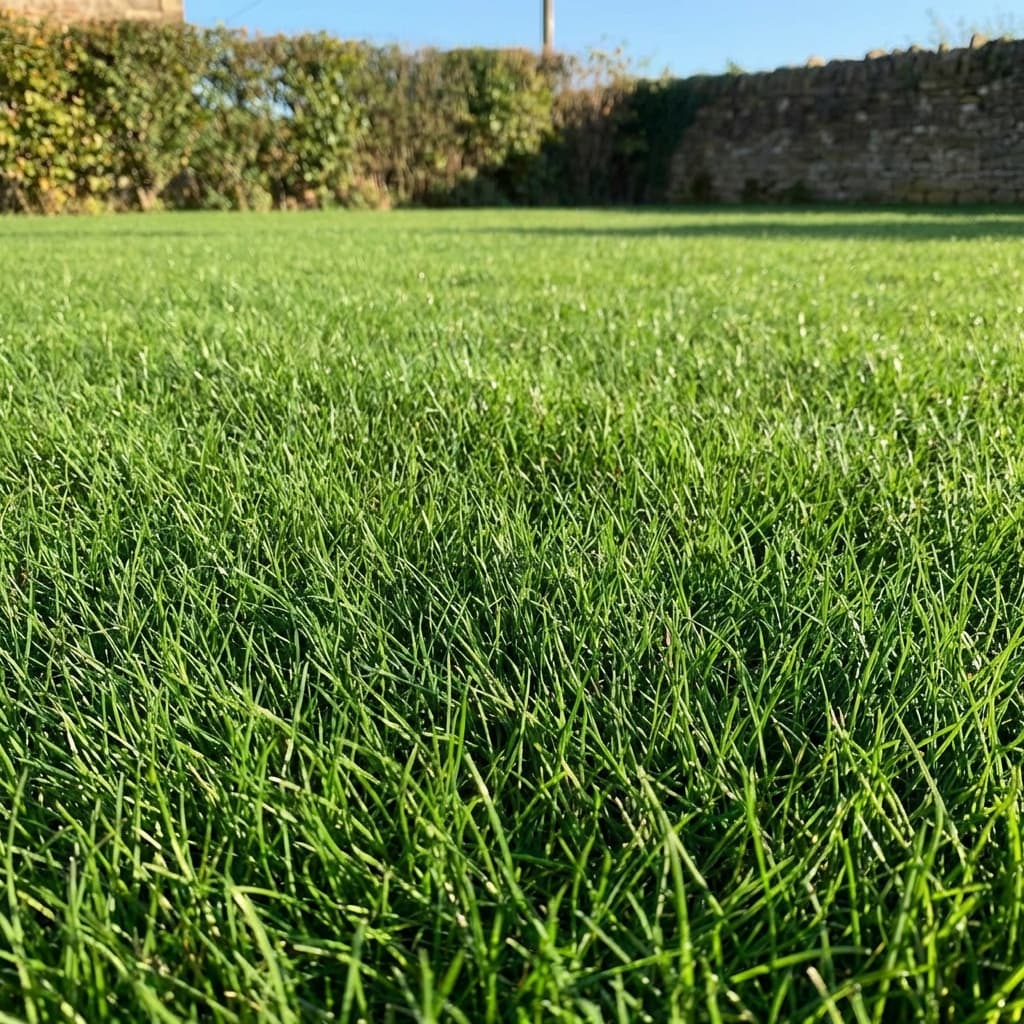
Celebration tolerates lower mowing heights than many Bermudas while maintaining density and color. The ideal maintenance height is 0.5-1.5 inches, with 1-1.25 inches providing the best balance between appearance and practicality for residential lawns. This creates the tight, golf-course appearance many homeowners associate with premium properties.

Lower mowing height produces several benefits:

Enhanced color: Shorter mowing removes older leaf tips, exposing the deep blue-green color of new growth. The result is richer, more uniform color across the entire lawn.

Finer texture appearance: At 1 inch height, Celebration looks finer-textured than at 2 inches, creating more upscale aesthetics.

Directional striping: Lower heights allow visible striping patterns when mowing in alternating directions, adding professional appearance for those who care about such details.

Better density: Shorter mowing encourages lateral growth rather than vertical growth, producing denser turf that handles traffic better and resists weed invasion more effectively.

The trade-off is more frequent mowing. Celebration maintained at 1-1.25 inches requires weekly mowing during peak season (May through September) and every 7-10 days during spring and fall. Miss a mowing session and you're cutting off excessive height, potentially scalping the lawn and causing temporary stress.

For homeowners willing to commit to weekly mowing or to hire professional services, the premium appearance justifies the effort. For those seeking truly low-maintenance grass, slower-growing varieties like Empire Zoysia may be better choices.

Comparison to TifTuf Bermuda

TifTuf is Celebration's primary competitor in the Jacksonville premium Bermuda market. Both are Sod Solutions varieties, both offer significant improvements over older Bermudas, and both cost more than common varieties. Understanding the differences helps you choose appropriately.

Drought Tolerance

TifTuf wins decisively. Developed specifically for drought tolerance, TifTuf uses up to 38% less water than other Bermudas while maintaining full color and density. It recovers from drought stress faster and shows less damage during extended dry periods. If water conservation is your priority, TifTuf is the clear choice.

Shade Tolerance

Celebration performs better. While neither thrives in shade compared to St. Augustine, Celebration maintains acceptable density with 5-6 hours of sun versus TifTuf's requirement for 6-8 hours. For partially shaded yards, Celebration is more reliable.

Color

Subjective preference. Celebration's dark blue-green appeals to many homeowners, while TifTuf's pure green looks more traditionally "grass-colored" to others. Both maintain good color through the growing season. View samples of each before deciding based on personal aesthetic preference.

Wear Tolerance

Essentially equal. Both varieties handle traffic excellently and recover from damage within 2-3 weeks during active growth. For residential use, you won't notice meaningful differences in durability.

Cold Tolerance

TifTuf has slight advantage. Both survive Jacksonville's mild winters without issue, but TifTuf stays green slightly longer into fall and greens up marginally earlier in spring. The difference is minor for our climate but could matter in Clay County or Nassau County where winter temperatures occasionally dip lower.

Cost

Comparable. Both varieties typically run $0.45-$0.60 per square foot installed in Jacksonville, premium pricing compared to common Bermuda at $0.35-$0.45. Neither offers significant cost advantages over the other.

Our recommendation

Choose TifTuf if:

  • You have full sun throughout the yard (8+ hours daily)
  • Water conservation is a priority
  • You want maximum drought tolerance for water bill savings
  • You're in western Duval County or rural areas where supplemental irrigation is impractical

Choose Celebration if:

  • Your yard has partial shade in some areas (5-7 hours of sun)
  • You prioritize aesthetics and prefer the blue-green color
  • Shade tolerance matters more than maximum drought tolerance
  • You're in established neighborhoods where appearance is critical

Comparison to Tifway 419 Bermuda

Tifway 419 was the industry-standard premium Bermuda for decades before newer varieties like Celebration and TifTuf emerged. It's still widely available and costs less than newer varieties, making it worth comparing to Celebration.

Color and Texture

Celebration significantly better. Tifway 419's medium-green color and coarser texture don't match Celebration's rich blue-green and finer leaf blades. For aesthetic appearance, Celebration wins easily.

Drought Tolerance

Celebration better. Tifway 419 shows drought stress sooner and requires more consistent watering than Celebration to maintain appearance.

Shade Tolerance

Celebration better. Tifway 419 requires full sun and thins quickly in partial shade where Celebration maintains acceptable density.

Wear Tolerance

Essentially equal. Both handle traffic well, though Celebration's denser growth may self-repair slightly faster.

Cold Tolerance

Tifway 419 slightly better. Tifway has longer track record in northern climates and may retain color marginally longer in Jacksonville's mild winters, though differences are minor.

Cost

Tifway 419 less expensive. Expect to pay $0.35-$0.50 per square foot for Tifway versus $0.45-$0.60 for Celebration. For budget-conscious projects, this $500-$1,000 difference on typical residential lawns matters.

Our recommendation

Choose Celebration unless budget is the primary constraint. The improvements in color, texture, drought tolerance, and shade performance justify the cost premium for most residential applications. Tifway 419 remains viable for commercial properties, athletic fields, and situations where appearance is secondary to function.

Salt Tolerance for Coastal Properties

Celebration demonstrates excellent salt tolerance, making it suitable for Jacksonville's coastal communities including Ponte Vedra Beach, Jacksonville Beach, Atlantic Beach, and Neptune Beach. The variety handles salt spray from ocean breezes, occasional storm surge exposure, and higher salinity in coastal groundwater better than most Bermuda varieties.

This characteristic matters because coastal properties face lawn challenges that inland areas don't experience. Salt accumulation in soil inhibits root function and can cause leaf burn. Ocean breezes carry salt spray during windy periods, depositing sodium chloride on grass blades. And storm events occasionally push salt water into low-lying coastal areas, exposing turf to brief but intense salt concentrations.

Celebration tolerates these conditions while maintaining good appearance and density. For beachside homes and properties within 1-2 miles of the ocean, this salt tolerance is a practical advantage worth considering.

That said, even salt-tolerant grass needs occasional flushing when salt accumulation becomes visible (whitish deposits on soil surface or browning leaf tips). Deep watering to leach salts below the root zone, applied every 4-6 weeks during dry periods, maintains soil health and prevents long-term problems.

Other salt-tolerant varieties to consider for coastal properties include Latitude 36 Bermuda (also highly salt-tolerant) and certain St. Augustine varieties like Floratam. The choice depends on whether you need Bermuda's full-sun characteristics or St. Augustine's shade tolerance more.

Maintenance Calendar for Jacksonville

Celebration requires consistent maintenance to achieve the premium appearance that justifies its cost. Here's a month-by-month guide for Northeast Florida conditions:

March

Tasks:

  • Begin weekly mowing as growth resumes (typically mid-to-late March)
  • Apply first fertilization of season (1 lb nitrogen per 1,000 sq ft) around March 15-30
  • Apply pre-emergent herbicide for summer weed prevention
  • Increase irrigation as grass greens up and temperatures rise

Mowing height: 1-1.5 inches Watering: 2-3 times per week as needed, more if unseasonably dry

April

Tasks:

  • Continue weekly mowing
  • Monitor for dollar spot disease (less common in Jacksonville than further north, but possible)
  • Edge landscape beds and walkways every 2-3 weeks as lateral growth accelerates

Mowing height: 1-1.25 inches Watering: 2-3 times per week

May

Tasks:

  • Maintain weekly mowing schedule
  • Watch for sod webworms and armyworms (apply insecticide if damage appears)
  • Ensure irrigation system is functioning properly before summer heat arrives

Mowing height: 1-1.25 inches Watering: 3 times per week or as restricted by SJRWMD rules

June

Tasks:

  • Weekly mowing continues
  • Apply second fertilization (1 lb nitrogen per 1,000 sq ft) early in month
  • Monitor for signs of drought stress despite summer thunderstorms (storms can be localized)
  • Fill in any bare spots with sod plugs early in month for fast healing

Mowing height: 1-1.25 inches Watering: Rely primarily on summer thunderstorms; supplement as needed during dry periods

July-August

Tasks:

  • Continue weekly mowing (Celebration grows vigorously in heat)
  • Monitor for pest damage and treat as needed
  • Watch for signs of over-watering (fungal issues) during heavy rain periods
  • Reduce supplemental irrigation during daily thunderstorm patterns

Mowing height: 1-1.25 inches Watering: Minimal supplemental irrigation needed during typical summer rain patterns; increase if rain stops for 7-10 days

September

Tasks:

  • Maintain weekly mowing
  • Apply third fertilization (0.5-0.75 lb nitrogen per 1,000 sq ft) early in month
  • Apply pre-emergent herbicide for winter weed prevention (mid-to-late September)
  • Aerate if soil compaction is visible

Mowing height: 1-1.25 inches Watering: 2-3 times per week as rainfall decreases

October

Tasks:

  • Reduce mowing to every 7-10 days as growth slows
  • Final fertilization of season (optional, 0.5 lb nitrogen per 1,000 sq ft) if extended color is desired
  • Address any bare spots with sod before winter—won't heal until spring otherwise
  • Adjust irrigation schedule for cooler, drier fall weather

Mowing height: 1-1.5 inches Watering: 1-2 times per week

November

Tasks:

  • Mow every 10-14 days or as needed (growth slows significantly)
  • Reduce or suspend irrigation unless unusually dry
  • Final edging of season for clean winter appearance
  • Clean and prepare mower for winter storage

Mowing height: 1-1.5 inches Watering: Minimal; rely on rainfall unless extended drought

December-February

Tasks:

  • Mow monthly or as needed to remove any growth
  • No fertilization
  • Minimal to no irrigation (rely on winter rainfall)
  • Plan spring projects and schedule early sod installation if needed

Mowing height: 1.5 inches Watering: Rare; only if winter drought exceeds 3-4 weeks without rain

This schedule assumes proper establishment and normal Jacksonville weather patterns. Adjust timing based on actual weather conditions and specific property needs.

Disease Resistance

Celebration demonstrates good resistance to common Bermuda diseases, though no variety is completely immune. Understanding potential issues helps you recognize and address problems early.

Dollar Spot

Small, dollar-sized brown patches caused by Clarireedia fungal species. Most common during spring and fall when temperatures fluctuate. Proper fertilization (adequate nitrogen) prevents most dollar spot issues. If problems develop, fungicide treatment may be necessary.

Celebration performance: Good resistance; less susceptible than common Bermuda when properly fertilized.

Spring Dead Spot

Circular dead patches that appear as grass greens up in spring, caused by various fungal species. More problematic in northern climates than Jacksonville, where mild winters reduce incidence.

Celebration performance: Excellent resistance; rarely an issue in Northeast Florida.

Brown Patch

Large irregular brown areas caused by Rhizoctonia fungus, most common during cool, wet periods. More common on St. Augustine than Bermuda in Jacksonville.

Celebration performance: Excellent resistance; very rarely affected.

Pythium Blight

Causes rapidly spreading greasy-appearing patches during hot, humid conditions with excessive moisture. Most common when over-watering coincides with high humidity and temperatures above 85°F.

Celebration performance: Good resistance; ensure proper drainage and avoid over-watering during humid summer periods.

Overall, Celebration's disease resistance is very good for Jacksonville conditions. Proper cultural practices—appropriate fertilization, correct mowing height, proper irrigation timing and amounts—prevent most disease issues regardless of inherent variety resistance.

Cost and Availability in Northeast Florida

Celebration typically costs $0.45-$0.60 per square foot professionally installed in Jacksonville, positioning it as a premium variety. For comparison:

  • Common Bermuda: $0.30-$0.45 per square foot
  • TifTuf Bermuda: $0.45-$0.60 per square foot
  • Tifway 419 Bermuda: $0.35-$0.50 per square foot
  • Empire Zoysia: $0.55-$0.85 per square foot
  • Palmetto St. Augustine: $0.35-$0.50 per square foot

For a typical 5,000 square foot Jacksonville lawn:

  • Celebration installation: $2,250-$3,000
  • Add $500-$1,000 for soil preparation, grading, and removal of existing lawn
  • Total project cost: $2,750-$4,000

This represents a $500-$1,000 premium over common Bermuda for the same area. Whether this premium is justified depends on your priorities:

Worth the investment if:

  • Appearance matters significantly (front yards, highly visible areas)
  • Property values in your neighborhood justify premium landscaping
  • You have partial shade requiring Celebration's improved shade tolerance
  • Water conservation matters and you prefer Bermuda over alternatives
  • You're in coastal areas benefiting from salt tolerance

Common Bermuda may be adequate if:

  • Budget is constrained
  • Installation is for utility areas, large acreage, or lower-visibility spaces
  • You're willing to accept lesser appearance for cost savings
  • The area will be replaced or renovated within 3-5 years anyway

Celebration sod is widely available from suppliers throughout Northeast Florida. Most professional installers stock it regularly or can source it within 1-2 days. This availability is an advantage over some newer varieties that may require special ordering or have limited supply.

Is Celebration Right for Your Jacksonville Lawn?

Celebration excels in specific situations common to Northeast Florida:

Ideal for:

  • Front yards and high-visibility areas in neighborhoods like Ponte Vedra, Nocatee, Mandarin, San Marco where appearance significantly impacts property values
  • Full to partial sun areas (5-8 hours direct sun daily)
  • Properties with active use requiring wear tolerance and self-repair
  • Coastal areas benefiting from salt tolerance
  • Homeowners who appreciate premium aesthetics and will commit to appropriate maintenance
  • Properties where reduced water use compared to St. Augustine offers practical or economic benefits

Not ideal for:

  • Heavily shaded areas (less than 5 hours sun)—choose St. Augustine instead
  • Budget-constrained projects where appearance is secondary
  • Very large acreage where costs become prohibitive
  • Homeowners seeking absolute minimal maintenance—consider slower-growing alternatives
  • Areas that won't receive weekly mowing during growing season

Conclusion

Celebration Bermuda represents one of the best premium grass options for Jacksonville homeowners with full to partial sun conditions, appreciation for high-quality lawn aesthetics, and willingness to maintain grass properly. The dark blue-green color, excellent wear tolerance, improved shade performance, and strong drought resistance create a versatile variety suitable for demanding residential applications.

The cost premium over common Bermuda—typically $500-$1,000 for average residential installations—is justified by improved performance characteristics and superior appearance. For front yards, highly visible areas, and properties where lawn quality impacts property values and personal satisfaction, Celebration delivers results worth the investment.

However, it's not the right choice for every situation. Heavily shaded areas still require St. Augustine regardless of Celebration's marginal shade improvements. Large acreage installations may find the cost prohibitive. And homeowners seeking truly low-maintenance lawns might prefer slower-growing varieties like Empire Zoysia or even Bahia despite their aesthetic differences.

For most Jacksonville residential properties with adequate sun exposure where homeowners value quality landscaping, Celebration Bermuda combines practical performance with premium appearance better than virtually any other warm-season grass available in our region.

Ready to install Celebration Bermuda for a premium, durable lawn? Contact Jax Sod today at (904) 901-1457 or visit jaxsod.com for a free estimate. We'll assess your property's specific conditions, confirm that Celebration is the right choice for your situation, and ensure professional installation that establishes quickly and performs beautifully for years to come.

Need Professional Sod Installation?

Jax Sod connects you with expert installers across Jacksonville and Northeast Florida. Over 40 Years of experience. Free quotes!

Ready to Transform Your Lawn?

Get a free, no-obligation quote from Jacksonville's trusted sod experts. With over 40 years of experience, we'll connect you with the right installers for a perfect lawn.