Loading...
Back to Articles
Soil Preparation: The Step Everyone Skips (And Regrets)
Soil & Fertilization October 5, 2024 3 min read
For current costs, compare the exact product or written project scope. See what to include in a sod estimate; this guide does not establish a current price, saving or resale return.
For sod, do not apply fertilizer before planting or as an early establishment shortcut. Follow the reviewed new-sod guidance.
The Unsexy Secret to a Perfect Lawn
Nobody brags about their soil prep at a dinner party. But every landscaping professional knows this truth: the success or failure of your sod is determined before the first piece of grass is ever laid down.
Poor soil preparation is the root cause (pun intended) of most lawn failures we see in Jacksonville. Homeowners invest in premium sod, lay it on unprepared ground, and then blame the grass when it dies. The grass was fine. The foundation was the problem.
Think of it like painting a wall. If you skip sanding and priming, even the most expensive paint will peel. Soil preparation is the "sanding and priming" of lawn installation.
Step 1: Kill and Remove Existing Vegetation
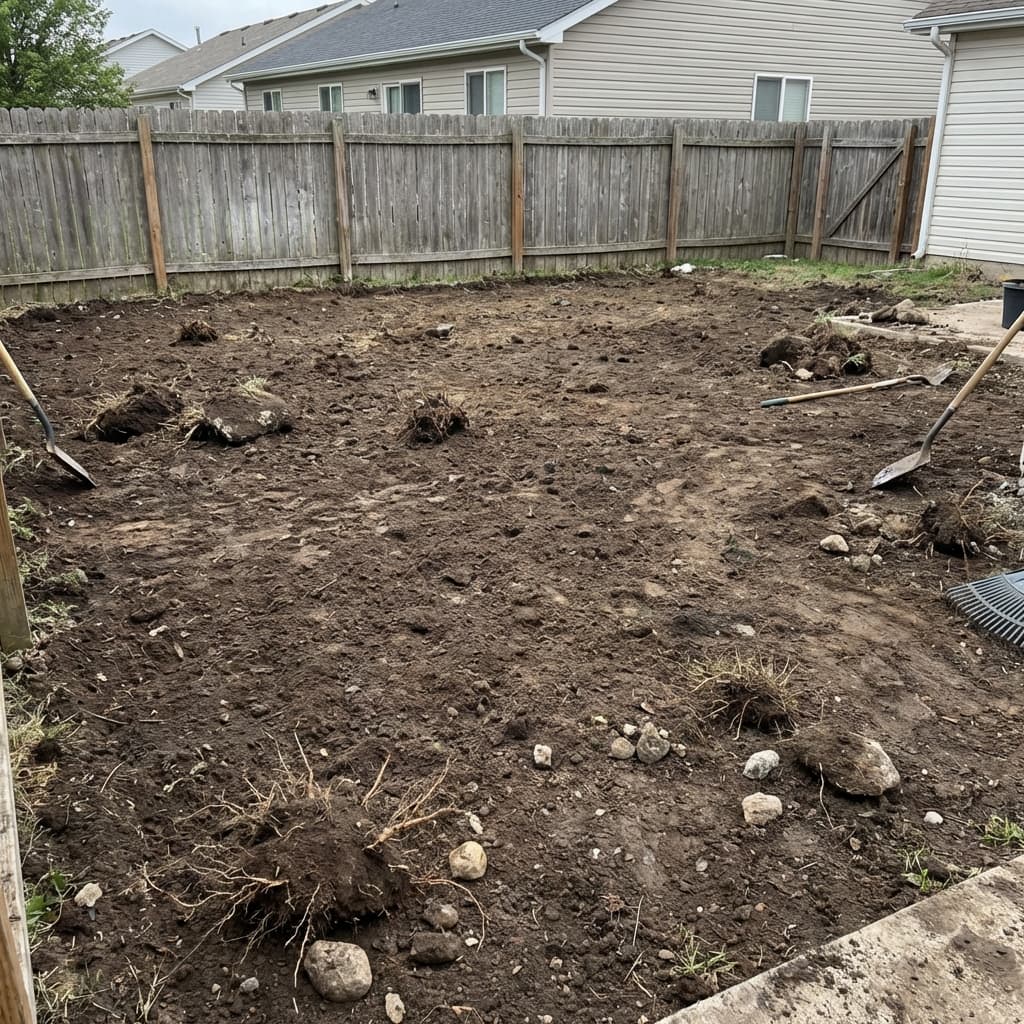
Before anything else, the old lawn, weeds, and debris must be completely removed. We use a commercial sod cutter to strip the old turf down to bare soil. This machine removes the grass and a thin layer of root-bound soil, giving us a clean slate.
Why not just lay new sod on top of old grass? Because the old grass becomes a barrier. It prevents the new sod's roots from making contact with the soil. It also creates an uneven surface and traps moisture, leading to fungal disease. Always start clean.
Step 2: Soil Testing (Don't Guess—Test)
- pH Level: Soil testing can help determine whether an amendment is appropriate. Do not assume a property needs lime based only on its location.
- Nutrient Levels: Follow current soil-test and establishment guidance when considering fertilizer. Testing and amendments are not automatic inclusions in a Jax Sod installation quote.
- Organic Matter: Florida's sandy soil has very low organic matter. Adding compost improves water retention, nutrient holding capacity, and microbial life.
Pro Tip: We have seen homeowners dump bags of random fertilizer on their soil without testing first. This is like taking medicine without a diagnosis. Over-fertilizing is just as harmful as under-fertilizing (it can burn roots and contaminate waterways). Always test first.
Step 3: Tilling and Amending
Tilling may be considered where a site assessment identifies compaction. Its need and scope depend on the property and must be agreed separately. Relevant considerations include:
- Breaks Up Compaction: Jacksonville's clay subsoil (common in areas like Mandarin and Orange Park) packs hard. Roots can't penetrate compacted soil.
- Creates a Fluffy Bed: Loose soil allows roots to spread easily and water to percolate down instead of running off.
Step 4: Grading for Drainage
This is the step that separates professionals from amateurs. Proper grading directs water away from structures and prevents puddling.
- The ground should slope gently away from your home's foundation (a minimum of 1 inch per 10 feet).
- Low spots must be filled. Standing water kills grass roots within 48 hours (they drown).
- Swales (shallow drainage channels) may need to be created to direct water to the street or drainage system.
Grading and drainage work require suitable assessment and equipment. Confirm any such work separately from the sod installation quote.
Step 5: Final Raking and Smoothing
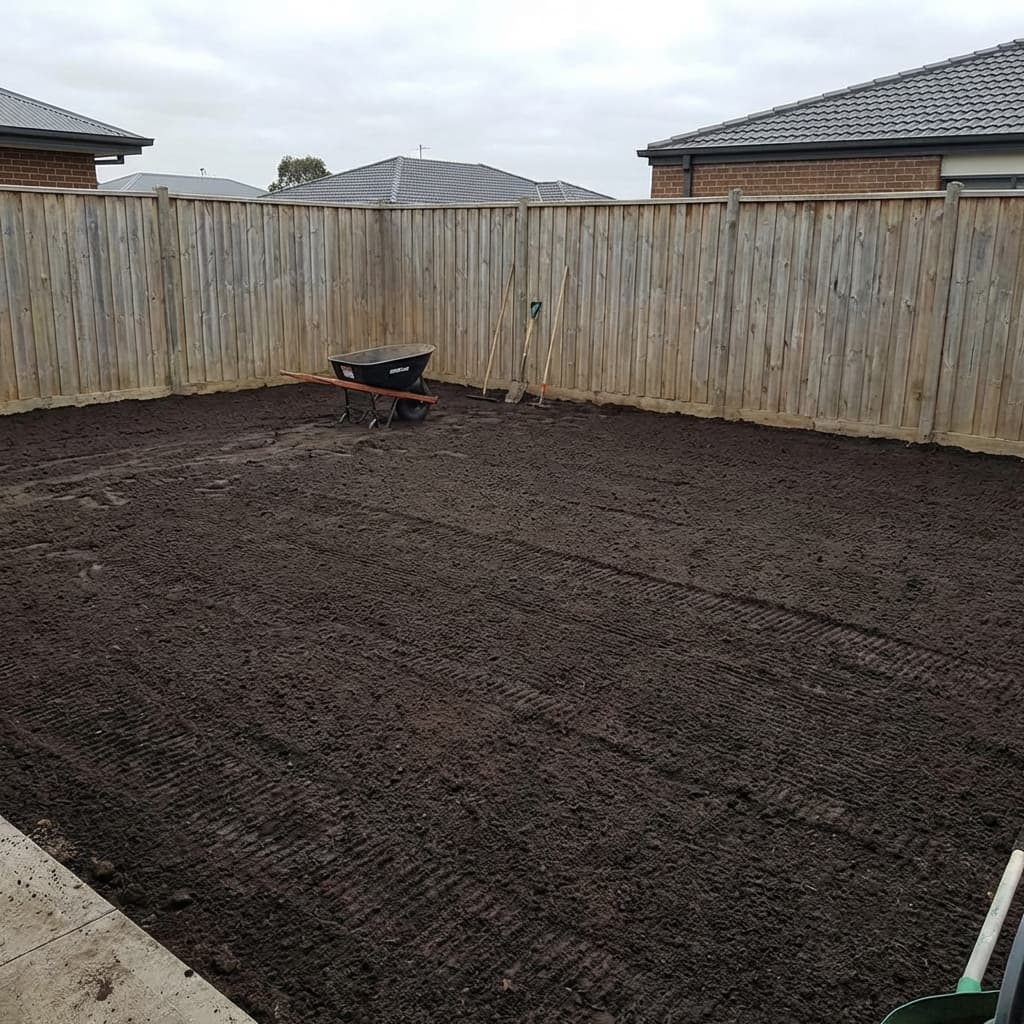
The last step before sod delivery is a final fine-raking to remove any remaining rocks, roots, or clumps. The surface should be smooth and level, with the soil sitting about 1 inch below the level of adjacent sidewalks and driveways. This ensures the finished sod surface will be flush with the hardscape.
Confirm the Preparation Scope
Jax Sod’s quoted removal process includes spraying weeds, removing old grass and weeds with a sod cutter, hauling the removed material to the dump, and installing sod.
The quote includes sod, labor, dump fees, taxes and delivery. Confirm any extra work before accepting the job.
Need Professional Sod Installation?
Jax Sod provides sod installation, sod replacement, and new lawn installation across Jacksonville and Northeast Florida. Free quotes!
Related Articles
How to Prepare Soil for New Sod in Jacksonville, FL: Complete Guide
Learn the essential steps to prepare your Jacksonville soil for new sod installation. Expert tips on sandy soil amendments, pH testing, and local conditions for a thriving lawn.
How to Read a Soil Test Jacksonville
Learn how to interpret soil test results for Jacksonville lawns and gardens. Understand pH, nutrients, and amendments needed for Zone 9a/9b sandy and clay soils.
Jacksonville Soil Guide — Understanding Your Lawn's Foundation
Master Jacksonville's sandy soil challenges for better sod growth. Learn soil testing, amendments, pH management, and solutions for Northeast Florida lawns.
Let’s talk about your lawn
Ask our AI assistant a lawn question, or send the team a free installation estimate request.