Loading...
Back to Articles
November Lawn Care Jacksonville FL: Fall Maintenance and Winter Prep
Lawn Care January 27, 2026 10 min read
For current costs, compare the exact product or written project scope. See what to include in a sod estimate; this guide does not establish a current price, saving or resale return.
November in Jacksonville is lawn care in easy mode. The heat's gone, pests have mostly checked out, and your grass is settling into its slower winter growth pattern. After a year of mowing twice a week and battling chinch bugs, this feels like a vacation.
But don't coast completely. What you do in November sets up your lawn for winter survival and strong spring emergence. I've been managing lawns from Atlantic Beach to Julington Creek for years, and I can tell you the difference between lawns that thrive next spring and ones that struggle often comes down to what happened—or didn't happen—in November.
Let me walk you through the game plan.
November Weather: The Comfortable Window
We're looking at daytime highs in the mid-70s early in the month, dropping to the mid-60s by Thanksgiving. Nighttime temps range from the 50s to low 60s. Basically, perfect weather for working outside.
Soil temperatures drop into the 60s, which slows grass growth significantly. Your warm-season grasses (St. Augustine, Zoysia, Bahia) are winding down for their winter slowdown.
Rainfall drops off—typically 2-3 inches for the month. After September and October's rain, this drier pattern is welcome. Less water means less disease pressure and easier maintenance.
We might see our first frost by late November in outlying areas, though most of Jacksonville proper stays frost-free. Still, it's something to watch.
Mowing: Winding Down
You're probably mowing once a week now, maybe even every 10 days by the end of November. Growth has slowed way down.
Height Settings
Maintain your fall height:
- St. Augustine: 3.5 to 4 inches
- Zoysia: 2 to 2.5 inches
- Bahia: 3.5 to 4 inches
Don't scalp heading into winter. Taller grass protects crowns from potential frost and keeps roots insulated.
Last Mows Matter
Keep blades sharp even though you're mowing less. Clean cuts prevent disease entry points, which still matters in November.
Continue to follow the one-third rule. Just because grass is growing slower doesn't mean you should hack it down.
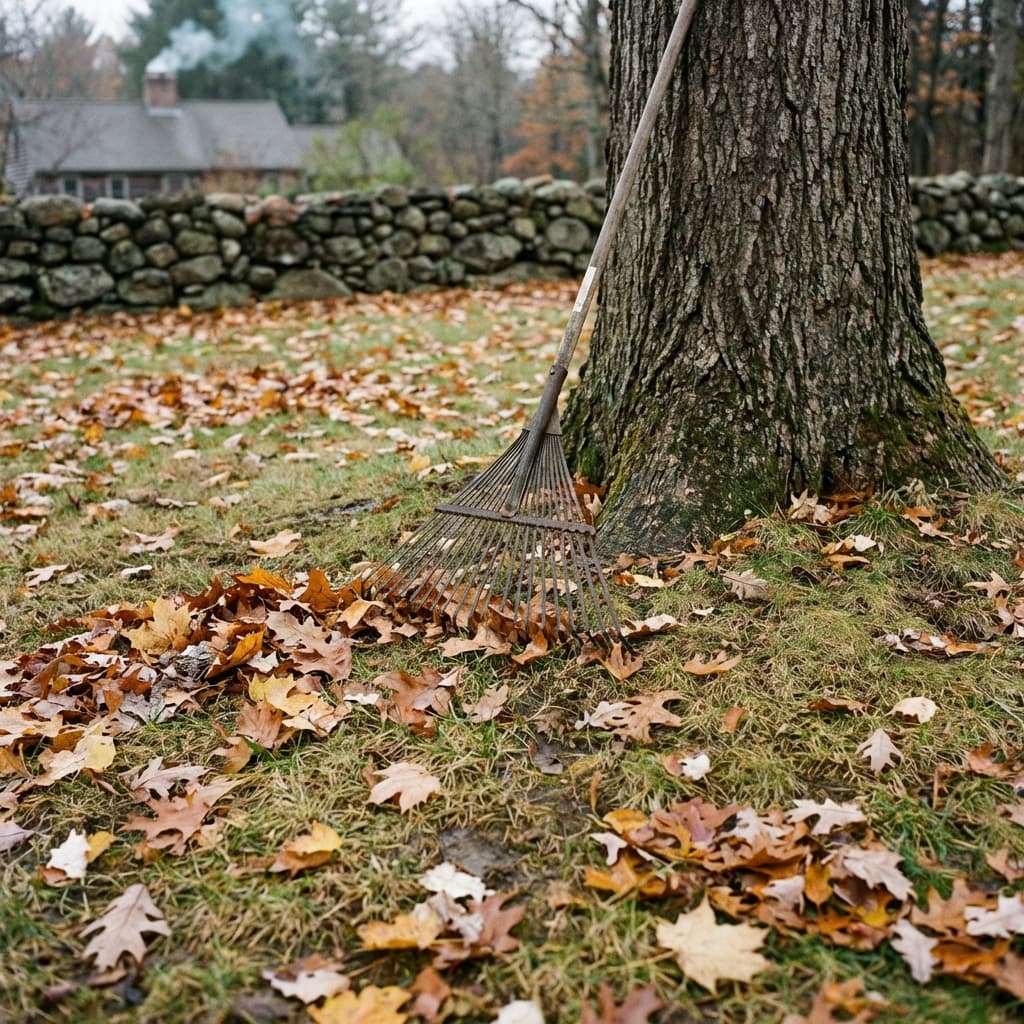
Leave the Leaves?
This is a debate in neighborhoods like Riverside, San Marco, and Avondale where oak trees drop leaves constantly.
Light leaf cover is fine—they'll break down and add organic matter. Heavy leaf cover smothers grass and creates disease conditions.
Options:
- Mulch leaves with mower (best option)
- Rake and compost
- Use a leaf blower to move off grass
Don't let thick leaf piles sit on grass for weeks. That's asking for dead spots.
Fertilization: The Last Application
November is your final fertilizer application of the year for most lawns. This one is important.
Timing
Mid-November is ideal. You want grass to still be actively growing (soil temps above 60°F) so it can take up nutrients, but cool enough that growth is slowing.
This application helps:
- Store carbohydrates in roots for winter
- Maintain color through winter (though some browning is normal)
- Support strong spring green-up
- Build reserves without forcing late-season growth
What to Apply
Use a winterizer formula or standard complete fertilizer with a 3-1-2 ratio. Something like 15-5-10 works.
Apply at a rate of 0.5 to 1 pound of nitrogen per 1,000 square feet. This is a maintenance feeding, not a heavy growth push.
Slow-release nitrogen is still preferred. It feeds through winter without surge growth.
Application Tips
- Apply when grass is dry
- Water in lightly (or let light rain do it)
- Don't fertilize before a heavy rain event
- Avoid application if frost is predicted within 48 hours
Shade grass grows less and needs less.
Or Skip It?
If you fertilized in September/October and your lawn looks good, you can skip November feeding. It's beneficial but not mandatory.
Read your lawn. If it's struggling, feed it. If it's thriving, you might wait until spring.
Watering: Minimal Needs
November watering is probably the easiest month of the year.
How Much
Your lawn needs maybe half an inch of water per week, total. With 2-3 inches of rain typical for November, you might not run irrigation at all.
Watch the grass. If we have an unusually dry November, you might need to water once a week. But most years, nature handles it.
Signs of Stress
November drought stress looks like:
- Grass doesn't spring back from footprints
- Blue-gray tint
- Blade folding
If you see these, water deeply. But honestly, you probably won't in November.
Morning Watering Still
If you do need to water, stick with early morning. Disease pressure is lower but it still exists, especially if we have humid stretches.
Adjust Your Controller
This is a great time to reprogram irrigation schedules. Drop frequency way down from summer levels. Most zones can be cut to once a week or less.
Many people forget to adjust and water way more than needed. Save the water and the money.
Weed Management: Preemptive Strike
November is important for winter weed prevention.
Pre-Emergent for Winter Annuals
If you didn't apply pre-emergent in September, early November is your last chance. Winter weeds germinate in November/December, so getting product down now matters.
Target weeds:
- Annual bluegrass (poa annua)
- Chickweed
- Henbit
- Lawn burweed (those sticker things that hurt your feet)
Products with prodiamine or dithiopyr work well. Follow label rates for your grass type.
Post-Emergent for Existing Weeds
Any broadleaf weeds still hanging around? Now's a great time to treat them. Cool weather means less stress on your grass, and herbicides work well in November.
Dollarweed, spurge, Florida betony—hit them now before they overwinter and come back strong in spring.
Application Conditions
- Temperatures between 50-80°F (perfect in November)
- No rain expected for 24 hours
- Weeds actively growing
- Morning application preferred
Don't apply herbicides if frost is predicted within 48 hours.
Pest Management: Mostly Quiet
Pest pressure drops way off in November. But stay a little bit vigilant.
Chinch Bugs
Mostly done for the season, but they can still be active on warm days. If you see damage, check and treat if found.
November treatments kill overwintering populations, reducing next spring's problems.
Armyworms
Rare in November but not impossible. If you see birds feeding heavily on your lawn, check for caterpillars.
Mole Crickets
Still present but less active. If you see tunneling, you can treat, but honestly they're winding down too.
Grubs
White grubs are deeper in soil as it cools. Not much of an issue in November.
Disease Management: Lower Risk
Cool, dry weather means disease pressure drops significantly.
Brown Patch
Can still show up during cool, wet stretches. Watch for circular brown patches after rain events.
Prevention:
- Water morning only if you water at all
- Don't over-fertilize
- Improve air circulation
Treatment: Fungicides work if needed, but usually not necessary in November.
Gray Leaf Spot
Rare in November—it needs heat and humidity.
Large Patch
Can affect Zoysia in cool, wet conditions. Same prevention as brown patch.
Overall, disease management in November is about prevention through good cultural practices, not reactive treatment.
Lawn Renovation: Last Call
November is your final window for renovation projects.
Sodding
You can still install sod in early November. Soil is warm enough for rooting, and cooler air reduces stress.
By mid-to-late November, it's getting risky. Sod needs time to root before potential winter cold snaps.
If you're replacing damaged areas, early November is fine. After Thanksgiving, wait until spring.
Overseeding
Same timeline. Early November for Zoysia or Bahia overseeding. After mid-month, germination slows too much.
St. Augustine doesn't overseed—it's vegetative propagation only.
Plugging
Installing St. Augustine plugs in bare areas? Early November is okay, but they won't grow much until spring. Consider waiting until March for better results.
Equipment Maintenance and Storage
November is perfect for equipment maintenance before storage.
Mower
- Change oil and filter
- Replace air filter
- Sharpen blades one last time
- Clean deck thoroughly
- Stabilize fuel or drain it completely
- Disconnect battery if storing long-term
A mower properly winterized starts easily in spring.
Trimmers, Edgers, Blowers
- Clean thoroughly
- Replace spark plugs
- Fresh fuel with stabilizer
- Lubricate moving parts
- Store in dry location
Irrigation System
Check for:
- Broken heads
- Leaks
- Controller function
- Proper winterization (not usually needed in Jacksonville, but helpful)
We don't get sustained freezes, but occasional cold snaps can damage exposed pipes. Insulate backflow preventers and above-ground pipes if you have them.
Soil Testing and Amendment
November is excellent for soil testing.
Why Test Now?
Results take 2-3 weeks. That gives you December/January to apply amendments like lime or sulfur that take months to adjust pH.
By spring, your soil chemistry is where it needs to be for optimal growth.
What to Test
- pH (our sandy soil tends acidic)
- Nutrient levels (N-P-K)
- Organic matter content
- Micronutrients if you have chronic issues
Your county extension office offers testing, or use a private lab.
Common Amendments
Low pH: Add lime based on test recommendations. Fall/winter application is ideal.
High pH: (less common but happens) Add sulfur to lower pH.
Low organic matter: Top-dress with compost. Quarter-inch layer, worked into turf.
Don't guess at amendments. Test, then treat based on results.
Landscape Bed Work
November is perfect for landscape projects:
Bed Preparation
- Refresh mulch before it decomposes completely
- Edge beds for clean lines
- Remove summer annuals that are done
- Prepare beds for winter/spring plantings
Fall Planting
November is prime time for:
- Pansies and violas (for winter color)
- Snapdragons
- Dianthus
- Ornamental kale and cabbage
These cool-season annuals thrive through Jacksonville winters and look great when your lawn is browning.
Tree and Shrub Care
- Deep water trees during dry spells
- Hold off on heavy pruning (wait until late winter)
- Fertilize trees if you didn't in fall
- Check for storm damage from fall weather
Planning Ahead
November is perfect for planning next year's lawn strategy.
Review This Year
What worked:
- Note successful products and practices
- Identify timing that worked well
- Record areas that thrived
What didn't:
- Problem areas that need attention
- Pest issues that require different approach
- Products that underperformed
Plan for Spring
- Schedule early services if hiring professionals
- Order supplies before spring rush
- Plan renovation projects
- Budget for next year's lawn care
Being proactive in November means you're not scrambling in March.
November Action Checklist
Early November:
- Apply winterizer fertilizer (if doing one)
- Last pre-emergent application if you missed September
- Complete any final renovation work
- Service and winterize equipment
Mid-November:
- Reduce irrigation frequency
- Continue mowing as needed
- Mulch fallen leaves
- Plant cool-season color in beds
Late November:
- Final mowing might happen
- Check irrigation for freeze protection
- Clean up landscape beds
- Order soil test if planning one
All Month:
- Enjoy cooler weather
- Water only if dry conditions persist
- Keep equipment maintained
- Plan for next year
What NOT to Do in November
Avoid these mistakes:
- Don't scalp your lawn
- Don't over-fertilize (you're not pushing growth)
- Don't ignore equipment maintenance
- Don't let heavy leaves smother grass
- Don't assume irrigation needs are the same as summer
- Don't skip fall pre-emergent
Dealing with Early Cold Snaps
Most years, Jacksonville doesn't see frost until December or January. But occasionally November brings a cold snap.
Frost Protection
If frost is predicted:
- Don't fertilize or mow right before
- Water the day before if soil is dry (moist soil holds heat)
- Cover sensitive plants
- Don't walk on frosted grass (breaks blades)
St. Augustine, Zoysia, and Bahia handle brief frost fine. Sustained freezes are rare and usually only affect foliage, not roots.
After Frost
- Wait until grass thaws before mowing or walking on it
- Don't panic if grass browns—it'll recover
- Hold off on any inputs until temperatures moderate
Cold-Season Color Expectations
As November progresses, your lawn will lose some color. That's normal.
St. Augustine: Stays mostly green but dulls a bit
Zoysia: May go partially dormant and turn tan/brown
Bahia: Usually stays greenish but loses vibrant color
This is biology, not failure. Warm-season grasses slow down in cool weather.
If you want green all winter, you'd need to overseed with ryegrass (common in north Florida, less so in Jacksonville). Most homeowners don't bother—it's extra work for temporary color.
Enjoy the Break
Here's the thing about November lawn care in Jacksonville—it's low-stress. You're not battling heat, pests, or crazy growth.
This is the time to:
- Enjoy working outside in perfect weather
- Catch up on projects you delayed in summer
- Plan improvements without pressure
- Appreciate the results of a year's work
The best lawns in Ponte Vedra, Sawgrass, and Riverside didn't get that way through constant crisis management. They're the result of consistent care adjusted for seasons.
November is your reward for surviving summer. Take the easier pace and use it productively.
Looking Ahead to December
Get November right and December is even simpler:
- Minimal mowing (maybe once or twice all month)
- Little to no irrigation
- Very low pest pressure
- Time to focus on holiday prep instead of lawn stress
You're coasting into winter on the foundation you built all year.
Community Standards
In neighborhoods that take pride in appearance—San Marco, Riverside, Avondale, Nocatee—November is when you notice who stayed consistent all year versus who checked out in October.
Lawns that got November feeding and care look noticeably better through winter. It's subtle, but it's there.
Be the lawn your neighbors admire, not the one they quietly judge.
Final Thoughts
November lawn care is about finishing strong. You've put in a year of work—don't let up now.
A few hours spread across November—fertilizing, adjusting irrigation, managing leaves, maintaining equipment—sets you up for an easy winter and strong spring.
Your lawn is entering dormancy (or semi-dormancy). It's storing energy, building root reserves, and preparing for next year's growth. Support that process with smart November maintenance and you'll see the payoff when warm weather returns.
Get outside, enjoy the perfect fall weather, and give your lawn the attention it deserves. This is the easy month. Make the most of it.
You've made it through a full season in Zone 9. November is your victory lap. Run it well.
Need Professional Sod Installation?
Jax Sod provides sod installation, sod replacement, and new lawn installation across Jacksonville and Northeast Florida. Free quotes!
Related Articles
January Lawn Care Jacksonville FL: Winter Maintenance
Essential January lawn care tips for Jacksonville, Florida. Winter maintenance strategies for St. Augustine, Zoysia, and Bahia grass in Zone 9a/9b climate.
December Lawn Care Jacksonville FL: Year-End Maintenance
Complete December lawn care guide for Jacksonville, Florida. Year-end maintenance, winterization strategies, and preparation tips for St. Augustine and warm-season grasses in Zone 9a/9b.
Fall Lawn Care Guide for Jacksonville, FL
Fall Lawn Care Guide for Jacksonville, FL. Review the site, scope and current written quote before deciding.
Let’s talk about your lawn
Ask our AI assistant a lawn question, or send the team a free installation estimate request.