Loading...
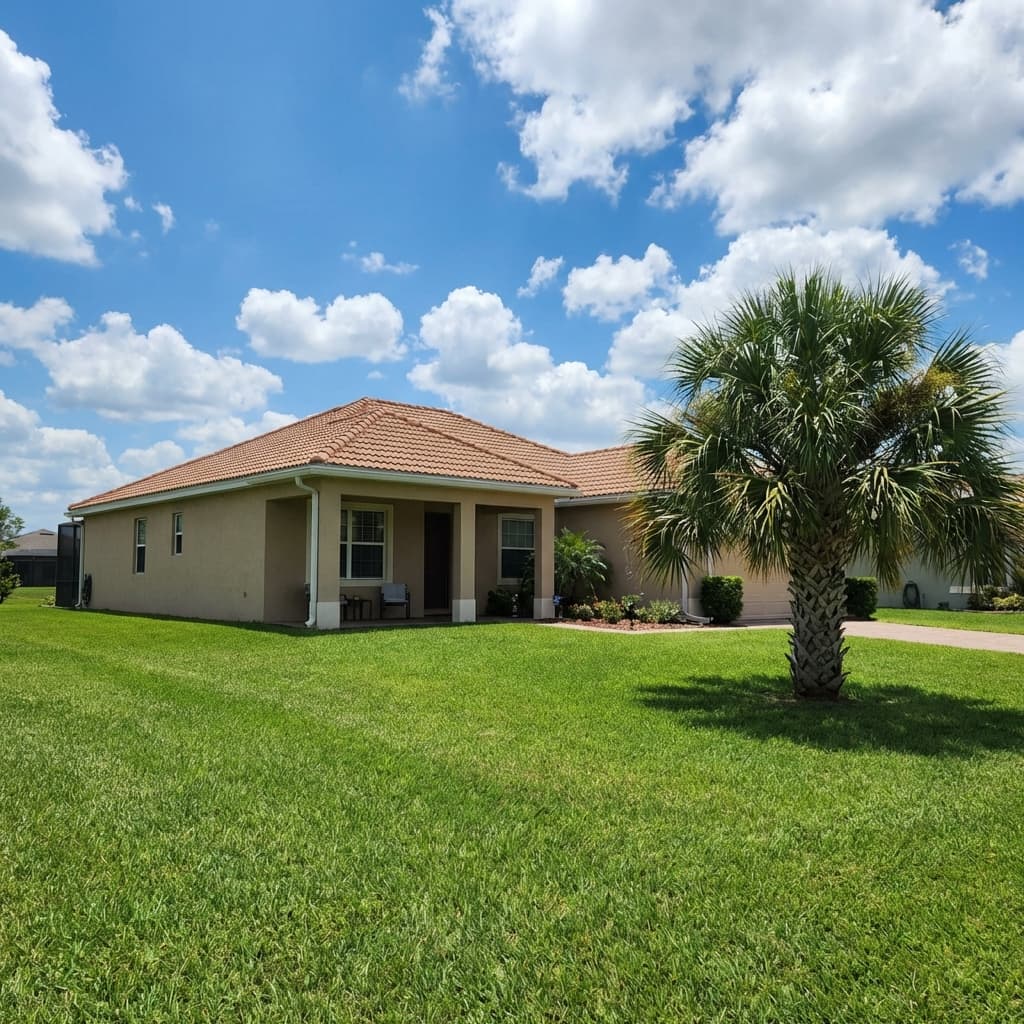
For current costs, compare the exact product or written project scope. See what to include in a sod estimate; this guide does not establish a current price, saving or resale return.
For sod, do not apply fertilizer before planting or as an early establishment shortcut. Follow the reviewed new-sod guidance.
Set irrigation from site conditions and the current rules for your property and water source. For new sod, use the dated care planner; a fixed schedule in an older guide is not permission to water.
Fall is Jacksonville's secret weapon for lawn care. While homeowners in northern states are winterizing and accepting dormancy, we're enjoying the best growing conditions of the year—warm days, cooler nights, decreasing humidity, and grass that's recovering from summer stress and building strength for winter. Fall is when smart Jacksonville homeowners make their biggest lawn care gains.
At Jax Sod, we've spent years helping Northeast Florida homeowners take advantage of fall's unique opportunities. October and November are our busiest installation months for good reason: sod establishes faster, requires less water, faces minimal pest pressure, and has months of favorable growing weather ahead. But fall isn't just about installation—it's about fertilization, weed control, renovation, and setting your lawn up for easy winter and explosive spring growth.
This guide covers everything you need to maximize Jacksonville's fall advantage across Duval, Clay, St. Johns, and Nassau counties: when to fertilize and with what, how to take advantage of the best sod installation window of the year, which weeds to target now, and how to prepare for our mild winter that's just around the corner.
Jacksonville's Fall Advantage
Let's establish why fall is so different from—and better than—spring and summer for lawn care in Northeast Florida.
Temperature: October averages highs in the low-80s, November in the mid-70s. Overnight lows drop into the 60s (October) and 50s (November). That 20-25°F day-night temperature swing is ideal for grass growth—warm enough for active photosynthesis and root development, cool enough to minimize stress.
Humidity: Summer's 80-85% relative humidity drops to 70-75% in fall. Still humid by national standards, but the difference is noticeable. Grass dries faster after dew and rain, reducing fungal disease pressure dramatically.
Rainfall: October averages 3-4 inches, November 2-3 inches. That's significant moisture without the daily deluge of summer. Rainfall becomes less predictable—we might go a week without rain, then get 2 inches in a storm—but irrigation needs drop because evapotranspiration rates decrease with cooler temps.
Sunlight: Day length decreases from 12 hours in September to 10.5 hours in November, but sun angle and intensity are still strong enough to support active growth. We're not entering winter dormancy like northern lawns.
Pest and disease pressure: Chinch bugs, sod webworms, and other summer pests decline dramatically in October. Brown patch and gray leaf spot fungus also decrease as humidity drops and nights cool. You'll spend far less time and money on pest and disease management in fall.
Hurricane season ends November 30: By December, the threat of tropical systems is essentially zero. You can plan outdoor projects without worrying about a storm washing away your work.
The combination of these factors creates a 6-8 week window (mid-October through November) when Jacksonville lawns are as easy to maintain—and as responsive to improvement efforts—as they'll be all year.
Best Time for Sod Installation: October-November
If you're considering new sod installation or a complete lawn renovation, fall is unquestionably the best time to do it in Jacksonville. Here's why:
Faster root establishment: Sod roots grow aggressively in October-November soil temperatures (65-70°F). Roots establish in 10-14 days versus 14-21 days in spring or 21-30 days (if it survives) in summer.
Lower water demand: New sod needs consistent moisture, but cooler temperatures and higher humidity mean you're not fighting constant evaporation.
Minimal stress: Grass isn't battling 95°F heat, brutal sun, or extreme humidity. It can focus energy on root growth instead of stress response.
Months of establishment time: Sod installed in October has 5-6 months of growing weather before next summer's heat arrives. That's plenty of time to develop a deep, robust root system. Spring-installed sod gets 8-12 weeks before summer heat, and summer-installed sod is stressed from day one.
Lower pest and disease pressure: New sod is vulnerable. Installing when chinch bugs are dormant and fungus is minimal gives grass time to establish before facing those threats.
Comfortable working conditions: Installation crews work faster and more carefully when they're not battling heat exhaustion. That translates to better installation quality.
Cost: Some sod suppliers and installers offer fall discounts because it's their busy season but not emergency season (unlike spring's rush or summer's difficulty premium).
What to install:
All common Jacksonville grass types establish well in fall:
- St. Augustine (Palmetto, Floratam, CitraBlue, ProVista): Excellent fall installation. Roots establish quickly, grass stays green through winter.
- Bermuda (TifTuf, Celebration, Tifway 419): Good fall installation, but remember Bermuda goes dormant and brown in winter (unless you overseed). If you want year-round green, choose a different grass or plan to overseed.
- Zoysia (Empire, Zeon, Palisades): Excellent fall installation. Establishes well, stays green through Jacksonville winters.
- Bahia (Argentine, Pensacola): Good fall installation. Low-maintenance, stays green, perfect for large areas or budget-conscious homeowners.
Installation process in fall:
-
Site prep (1-2 days before): Remove old grass, grade properly (slight slope away from structures), amend soil if needed (compost for sandy soil, sand for clay pockets).
-
Installation day: Lay sod in morning if possible. Stagger joints (like bricks), ensure tight seams, roll or tamp to ensure soil contact.
-
Immediate watering: Water thoroughly (1 inch) immediately after installation. Sod should be wet but not floating in puddles.
-
Keep sod moist but not saturated.
-
Week 2: Reduce to every other day. Check for root establishment (pull up a corner—if it resists, roots are growing).
-
Week 4+: Standard irrigation schedule for established grass (SJRWMD watering days, 1-1.5 inches per week).
-
First mow: When grass reaches 50% above ideal height. For St. Augustine at 4 inches, mow when it reaches 6 inches (typically 10-14 days after installation). Set mower to maximum height, gradually lower over 2-3 mowings.
Reality check on installation costs:
Sod installation isn't cheap, but it's the fastest way to a new lawn. Expect to pay:
That's a wide range because installation complexity varies. Simple, flat lot with no irrigation issues = lower end. Sloped lot with poor drainage requiring extensive grading and soil amendment = higher end.
At Jax Sod, we provide free estimates and transparent pricing. Call us at (904) 901-1457 and we'll assess your specific situation.
Jacksonville Pro Tip: If budget is tight, install high-visibility areas (front yard, around patio) with premium sod in fall, then tackle remaining areas next fall. Phased installation spreads the cost and still improves your property significantly.
Fall Fertilization: The Most Important Application
If you only fertilize once a year, make it fall. Fall fertilization builds root reserves that carry grass through winter and fuel explosive spring growth. This isn't about quick green-up (though you'll get that too)—it's about long-term lawn health.
When to apply: October (early to mid-month) for most Jacksonville lawns. Grass is still actively growing, temperatures are favorable, and you have 6-8 weeks of growing weather remaining for grass to utilize the nutrients.
What to apply: Fall fertilizer should be different from spring/summer fertilizers. You want:
- Lower nitrogen: Less blade growth, more root and carbohydrate storage. Look for ratios like 3-1-2 or even 2-1-2.
- Higher potassium (the third number): Potassium improves cold tolerance, disease resistance, and drought tolerance. It's the winterizing nutrient.
- Slow-release formula: Still important in Jacksonville's sandy soil. You want nutrients available over 8-10 weeks, not washed away in the first rain.
Example products:
- Scotts Turf Builder WinterGuard (various formulations, check N-P-K ratio)
- Lesco 18-0-18 (high potassium for winter prep)
- Milorganite 6-4-0 (organic, slow-release, good iron content for color)
Application rate: Follow bag instructions, typically 1 pound of actual nitrogen per 1,000 square feet. For a 6-4-0 formula like Milorganite, that's 16.7 pounds of product per 1,000 sq ft.
How to apply:
-
Mow first: Mow 1-2 days before fertilizing. This removes excess blade growth and allows fertilizer to reach the soil.
-
Calibrate spreader: Most products provide spreader settings on the bag. Follow them. Over-application wastes money and can burn grass; under-application leaves you with uneven results.
-
Apply evenly: Walk in straight lines, slightly overlapping each pass. Make two passes at half-rate (one north-south, one east-west) if you want maximum evenness.
-
Water in: Irrigate within 24 hours (0.25-0.5 inches) to dissolve granules and move nutrients into root zone. Fall's cooler temps mean you have a bit more wiggle room than summer, but don't skip this step.
-
Don't mow immediately after: Wait 48 hours before mowing again. Gives fertilizer time to be absorbed.
Expected results: You'll see deeper green color within 7-10 days. Growth will pick up slightly (plan to mow weekly through October, then every 10-14 days in November as growth slows). More importantly, grass will be stronger, more disease-resistant, and better prepared for winter cold snaps and spring growth.
Grass-specific recommendations:
- St. Augustine: One fall application (October) is sufficient for most lawns. If your lawn is struggling, you can do a second light application in early December.
- Bermuda: One application in early October.
- Zoysia: One application in October is plenty. Zoysia is naturally low-maintenance.
- Bahia: Bahia needs minimal fertilization. One fall application or even skipping fall entirely (if you fertilized in spring) is fine.
Environmental responsibility: Jacksonville's waterways—the St. Johns River, Intracoastal, numerous creeks and ponds—are sensitive to nutrient pollution. Always follow the 4 Rs of responsible fertilization:
- Right source: Slow-release formulas
- Right rate: Follow bag instructions, don't over-apply
- Right time: When grass is actively growing (not dormant)
- Right place: On the lawn, not on driveways/sidewalks where it washes into storm drains
UF/IFAS Extension and the Florida-Friendly Landscaping program provide excellent resources on responsible fertilization. Duval County has educational materials at duvalffl.com.
Overseeding Bermuda with Ryegrass (Optional)
Bermuda grass goes fully dormant and brown in Jacksonville winters. For most homeowners, that's fine—it's four months, and Bermuda greens back up in April. But if you want year-round green, you can overseed with annual ryegrass in October.
What is overseeding? Spreading ryegrass seed over your existing Bermuda lawn. Ryegrass germinates in cool weather, grows through winter, then dies out in May when temperatures climb and Bermuda greens back up. It's a temporary cool-season cover.
When to overseed: Mid-October to early November. Soil temps should be 65-70°F (warm enough for ryegrass germination, cool enough that Bermuda is slowing down and won't outcompete the ryegrass).
How to overseed:
-
Mow Bermuda very short: Set mower to 0.5-1 inch, scalp the lawn. Bag clippings. This reduces competition and allows ryegrass seed to reach soil.
-
Dethatch if needed: If thatch is thick (more than 0.5 inches), power rake or core aerate to improve seed-to-soil contact.
-
Spread seed: Use perennial ryegrass (not annual, despite the name—perennial ryegrass varieties are superior). Apply at 10-12 pounds per 1,000 sq ft with a broadcast spreader. Make two passes at half-rate for even coverage.
-
Lightly rake or drag: Helps work seed into the soil. Don't bury it—ryegrass needs some light to germinate.
-
Water frequently: Keep soil surface moist (not soggy) until germination (7-14 days). Once ryegrass is up and growing, transition to standard deep watering.
-
Mow regularly: Once ryegrass reaches 3-4 inches, start mowing at 2-2.5 inches. Ryegrass grows actively in winter; you'll mow every 7-10 days through winter.
Is it worth it? Depends on your priorities. If year-round green is important (high-visibility property, personal preference, you entertain outdoors in winter), then yes. If you're fine with brown dormant Bermuda for four months, save the money and effort.
Alternative: If you want year-round green without annual overseeding, choose St. Augustine or Zoysia instead of Bermuda. Both stay green through Jacksonville winters.
Pre-Emergent for Winter Weeds (October)
Fall pre-emergent application targets winter annual weeds—primarily cool-season grasses and broadleaves that germinate in fall, grow through winter, and die in late spring. In Jacksonville, the main targets are annual bluegrass (Poa annua), chickweed, and henbit.
When to apply: October, ideally mid-month. You want pre-emergent down before weed seeds germinate, which happens when soil temps drop below 70°F (typically late October or early November in Jacksonville).
What to apply: Same products as spring pre-emergents work for fall:
- Prodiamine (Barricade, Hi-Yield Turf & Ornamental)
- Dithiopyr (Dimension)
- Pendimethalin (Pendulum, Scotts Halts)
Check the label to confirm it targets your specific weeds. Most products list Poa annua and other winter annuals.
Application rate and method: Follow label instructions. Broadcast with a spreader, water in within 24 hours (0.25-0.5 inches).
Important note about timing: If you're planning to overseed Bermuda with ryegrass, you have a conflict—pre-emergent prevents ALL seed germination, including ryegrass. Options:
- Skip pre-emergent and overseed: Accept that you'll have some winter weeds in the ryegrass, spot-treat with post-emergent herbicides as needed.
- Use Siduron (Tupersan): A pre-emergent that doesn't prevent ryegrass germination. It's expensive and hard to find, but it's the workaround for this timing conflict.
- Apply pre-emergent, skip overseeding: Most homeowners choose this—fall pre-emergent for a weed-free winter, accept brown dormant Bermuda.
For St. Augustine, Zoysia, and Bahia lawns (which you're not overseeding), there's no conflict. Apply pre-emergent in October and enjoy a winter without Poa annua and chickweed.
Why bother with winter weed control? Jacksonville's mild winters allow cool-season weeds to thrive. Poa annua, in particular, becomes thick and ugly in lawns by February if not controlled. It dies in May when heat arrives, leaving bare patches that summer weeds invade. Preventing winter weeds breaks that cycle.
Reducing Irrigation Frequency
As temperatures cool and day length decreases, your lawn's water needs drop significantly. Fall is when you adjust your irrigation schedule downward—both for water conservation and for lawn health.
October irrigation: 0.75-1 inch per week, typically one cycle on each of your SJRWMD-allowed watering days (Wed/Sat or Thurs/Sun). Adjust for rainfall.
November irrigation: 0.5-0.75 inches per week. You might get by with one cycle per week total, especially if we get rain.
December irrigation (early winter): 0.25-0.5 inches per week. Many Jacksonville homeowners turn irrigation off entirely in December-February, relying on rainfall. That's fine unless we have an unusually dry winter.
How to adjust your controller: Most irrigation controllers have a "seasonal adjust" or "water budget" feature. Set it to 75% for October, 50% for November, 25% for December. This maintains your zone run times but reduces frequency.
Signs you're still watering too much:
- Grass is always spongy/wet when you walk on it
- Mushrooms appear in lawn
- Algae or moss growth
- Grass is dark green and lush (sounds good, but indicates over-watering in fall)
Signs you're under-watering:
- Grass shows drought stress (doesn't spring back after walking on it)
- Color fades or shifts to blue-gray
- Growth slows excessively (some slowdown is normal, but grass should still grow in October)
Most Jacksonville lawns err on the side of over-watering in fall because homeowners don't adjust from summer schedules. Overwatering in fall wastes money, invites disease, and encourages shallow roots.
Jacksonville Pro Tip: Late October is a good time to schedule irrigation system maintenance—winterizing in preparation for slower use, checking for leaks or broken heads while water demand is low, adjusting spray patterns before spring.
Leaf Management in Shaded Neighborhoods
Most of Jacksonville stays green year-round, but we do have deciduous trees—oaks, sweetgums, maples, and others—that drop leaves in fall and early winter. In neighborhoods with mature tree canopies like Riverside, Avondale, and San Marco, leaf management becomes part of fall lawn care.
Why remove leaves: A thick layer of leaves blocks sunlight, traps moisture, and smothers grass. Left in place for weeks, they create dead patches. But a light scattering of leaves doesn't hurt anything—and can even benefit soil as they decompose.
Management options:
Mulch mowing (best): Use a mulching mower to chop leaves into small pieces that fall between grass blades and decompose. This works well when leaf coverage is light to moderate. Make multiple passes if needed to fully chop leaves. Benefit: Returns organic matter and nutrients to soil.
Bag and remove: When leaf coverage is heavy, bag leaves with your mower or use a leaf vacuum. Dispose of leaves in yard waste bins or compost them. Don't send them to the landfill—Jacksonville has yard waste collection.
Rake to beds: Rake leaves out of turf areas and use them as mulch in landscape beds. Free mulch, keeps leaves out of landfills.
Blow to curb: Common approach but environmentally worst—leaves end up in storm drains, contributing to waterway pollution. If you must blow leaves to the curb, do it just before yard waste collection day, not days in advance.
Frequency: In heavy-leaf areas, you might need to remove or mulch leaves weekly in November and December. In most Jacksonville lawns with scattered trees, occasional mulch-mowing is sufficient.
Special note on live oaks: Jacksonville's iconic Southern live oaks are technically evergreen, but they drop leaves heavily in late February and March (right when spring lawn care ramps up). Plan for leaf management during spring transition, not just fall.
Fall Pest Check
Pest pressure drops dramatically in fall, but a quick check now can prevent surprises next spring.
Chinch bugs: Populations decline in October as temperatures cool. Any survivors will overwinter in thatch and emerge next spring. If you had chinch bug problems this past summer, a late-season treatment (October) can knock down overwintering populations and reduce next year's issues. But if you didn't have problems, no treatment is needed.
Sod webworms: Decline with cooling temps. Rare to see damage in fall.
Grubs: White grubs that were feeding on roots in summer are now deeper in the soil, preparing to overwinter. Treatment in fall is generally ineffective—spring (April-May) is when you treat for grubs if needed.
Mole crickets: In Bahia lawns and sandy soils, fall treatment (October) can be effective. The crickets are still active near the surface and vulnerable to treatment. Use imidacloprid or beneficial nematodes.
Fire ants: Still active in fall, though less aggressive than summer. Fall is an excellent time for yard-wide fire ant baiting—colonies are large and actively foraging. Apply bait products in morning or evening when temps are mild.
Armyworms: Occasionally see fall armyworm outbreaks in Jacksonville, particularly in newly sodded lawns or overseeded ryegrass. These caterpillars can defoliate large areas quickly. Look for irregular brown patches, grass blades chewed ragged, and green pellets (frass). Treat with spinosad or bifenthrin at first sign.
Fall pest management is mostly about observation and spot-treatment. You're not doing preventive applications or fighting major infestations. Walk your lawn every week or two, look for problems, and address them if they appear. Otherwise, enjoy the break from summer's pest battles.
Fall Aeration Benefits
If your lawn needs aeration, fall is an excellent time for it—even better than spring in some ways.
Why fall aeration works:
- Grass is still actively growing and recovers quickly from aeration disruption
- Cooler temps mean less stress on grass during recovery
- Cores break down gradually over fall/winter, improving soil without needing immediate cleanup
- Aeration now means better root growth through fall/winter, leading to stronger spring performance
Which lawns benefit:
- High-traffic areas (yards with kids, dogs, frequent entertaining)
- Compacted soil (clay mix, years without aeration, heavy equipment traffic)
- Poor drainage areas
- Lawns with persistent weak growth despite proper fertilization and watering
When to aerate: October, when grass is growing but not stressed. Avoid November (grass is slowing, recovery takes longer).
Process:
- Water the lawn 24 hours before aerating (core aerators work better in moist—not wet—soil)
- Make two passes in perpendicular directions (north-south, then east-west)
- Leave cores on the lawn to break down (takes 2-3 weeks)
- Fertilize within a week of aeration (nutrients reach roots more easily)
- Consider topdressing with compost if soil quality is poor (spread 0.25-0.5 inches, rake into aeration holes)
Combining fall aeration with other tasks: Fall is perfect for combining aeration + fertilization + overseeding (if you have Bermuda). Do them in sequence: aerate first, then overseed, then fertilize lightly. The aeration holes provide perfect germination sites for ryegrass seed.
Preparing for First Frost (Typically December-January)
Jacksonville winters are mild, but we do get frost—typically 1-3 nights per year with temps at or below 32°F. First frost usually arrives in December or January, occasionally as late as February. Most warm-season grasses handle frost fine, but a few precautions help.
Grass frost response:
- St. Augustine: Tolerates light frost without damage. Severe freezes (below 28°F for extended periods) can cause temporary browning or even kill stolons, but this is rare in Jacksonville proper. More common in Middleburg, Yulee, and inland Clay/Nassau County areas.
- Bermuda: Already dormant and brown by first frost. Unaffected.
- Zoysia: Tolerates cold well. Might slow or yellow slightly but recovers quickly.
- Bahia: Excellent cold tolerance. Stays green through most Jacksonville winters.
Pre-frost preparations:
- Final fall mow: Mow lawn to normal height (4 inches for St. Augustine, etc.). Don't scalp—taller grass has better insulation.
- Avoid fertilization after November: Late fertilization encourages tender new growth that's more freeze-susceptible.
- Ensure adequate moisture: Well-hydrated grass handles cold better than drought-stressed grass. Water a day or two before a predicted hard freeze.
- Protect irrigation system: Drain above-ground pipes, insulate backflow preventers, cover exposed valves if hard freeze is predicted.
After frost:
- Don't walk on frosted grass (you'll damage frozen blades)
- Let frost melt naturally before mowing or applying any treatments
- If grass browns from freeze damage, don't panic—wait until spring green-up to assess actual damage. Most "killed" grass recovers.
But most years, frost is a non-issue. It's worth being aware of, but not worth stressing over.
Fall Lawn Renovation Timing
If your lawn is in serious decline—thin turf, rampant weeds, bare patches, compacted soil, poor drainage—fall is the ideal time for complete renovation.
What is renovation? Partial or complete lawn replacement with better site prep. It's the step between "repairing problem areas" and "just dealing with a bad lawn."
Fall renovation advantages:
- Sod establishes quickly in fall conditions (discussed earlier)
- Cooler temps make the physical work less brutal for installation crews
- Months of establishment time before next summer
- Can address underlying problems (grading, drainage, soil quality) that spot-repairs don't fix
Renovation process:
-
Assessment: What's wrong? Grass variety that doesn't suit the site? Drainage issues? Compacted soil? Poor grading? Wrong grass for sun/shade conditions?
-
Decision: Patch problem areas with new sod and improve maintenance? Or start over entirely?
-
If starting over:
- Remove old sod (sod cutter rental or hire it out)
- Re-grade as needed (address drainage, create slope away from structures)
- Amend soil (compost for sandy soil, sand for heavy clay pockets)
- Install new sod (choosing appropriate grass for conditions)
-
If patching: Remove dead/thin areas, improve soil in those spots, patch with matching sod, address why those areas failed (usually drainage, compaction, or shade).
That's substantial, but consider it against annual costs of constantly fighting a failing lawn, or the property value impact of a consistently poor-looking lawn.
At Jax Sod, we do renovation projects regularly. We'll assess your property, identify problems, and provide options from "patch and improve" to "complete tear-out and replacement." Call (904) 901-1457 for a free estimate.
Cleanup After Hurricane Season
Hurricane season officially ends November 30. If Jacksonville was impacted by any tropical systems (direct hit or brushed by storms passing nearby), fall is when you address lingering damage.
Common hurricane lawn impacts:
- Debris: Branches, palm fronds, leaves, trash blown into the yard. Remove before mowing.
- Flooding/standing water: Low spots that held water for days may have dead grass. Let soil dry, then remove dead grass and patch with sod.
- Salt damage (coastal areas): Storm surge or salt spray can brown coastal lawns. Flush soil with fresh water (several deep irrigations over a week) to leach salt, then fertilize lightly to support recovery.
- Compacted soil from heavy equipment: If you had tree removal or major cleanup requiring heavy equipment, soil may be severely compacted. Core aerate in affected areas.
- Erosion: Storm runoff may have washed away soil or created ruts. Fill, re-grade, and patch with sod.
Most hurricane impacts are obvious and immediate. But sometimes you'll see delayed effects—grass that looked okay initially but declines over the following month due to root damage, prolonged waterlogging, or salt accumulation. Fall gives you time to assess and repair before winter.
Fall Is Ideal for Landscaping Too
While this guide focuses on lawn care, it's worth noting that fall is also the best time for broader landscaping projects in Jacksonville.
Why fall is ideal for planting:
- Cooler temps reduce transplant shock for shrubs, trees, perennials
- Lower water demand during establishment
- Months of root development before summer heat
- Nurseries often offer fall discounts to clear inventory
Florida-Friendly Landscaping principles: The University of Florida promotes "Florida-Friendly Landscaping"—sustainable landscape design that conserves water, protects waterways, and supports native ecosystems. Principles include:
- Right plant, right place (choose plants suited to sun/shade, soil, moisture conditions)
- Water efficiently (drip irrigation, smart controllers, drought-tolerant plants)
- Mulch appropriately (2-3 inches, keep away from tree trunks)
- Attract wildlife (native plants support pollinators, birds)
- Protect waterways (reduce fertilizer use, manage stormwater runoff)
If you're planning fall landscaping improvements to complement your new or renovated lawn, explore Florida-Friendly resources at fyn.ifas.ufl.edu.
Proper landscaping—beds, mulch, shrubs, trees—frames your lawn and reduces maintenance needs. Fall is when you make those improvements.
Fall Lawn Care Checklist
Here's your condensed action plan for Jacksonville fall lawn care:
September (late):
- Begin planning fall projects (sod installation, renovation, aeration)
- Continue summer watering and mowing practices through early September
- Reduce mowing height back to standard by mid-month
October:
- Fall fertilization (early to mid-month, potassium-heavy formula)
- Apply pre-emergent for winter weeds (mid-month)
- Reduce irrigation frequency (0.75-1 inch per week)
- Core aeration if needed (high-traffic or compacted areas)
- Best window for sod installation and renovation (all month)
- Overseed Bermuda with ryegrass if desired (mid-to-late month)
- Check for lingering pest issues, spot-treat if needed
- Mow weekly (growth still active in warm October weather)
November:
- Continue sod installation window (all month)
- Further reduce irrigation (0.5-0.75 inches per week)
- Leaf management (mulch mow or remove leaves as they accumulate)
- Reduce mowing frequency to every 10-14 days (growth slowing)
- Final equipment maintenance before winter (sharpen blades, change oil, winterize if needed)
- If you overseeded Bermuda, mow ryegrass as it reaches 3-4 inches
December (early):
- Transition to winter care practices
- Minimal or no irrigation (rely on rainfall unless unusually dry)
- Mow every 2-3 weeks or not at all (growth very slow)
- Prepare for occasional frost (monitor forecasts, protect irrigation)
Common Fall Lawn Care Mistakes
We see these repeatedly in Northeast Florida:
-
Skipping fall fertilization: "I fertilized in spring, that's enough." No—fall fertilization is arguably more important than spring.
-
Continuing summer watering into fall: Overwatering in cooler weather causes disease and wastes money.
-
Installing sod in September: Wait until October. September still has summer heat; October is dramatically easier for establishment.
-
Not taking advantage of the fall window: Fall is too short to waste. If your lawn needs work, do it now, not next spring.
-
Applying spring formulas in fall: Use potassium-heavy fall fertilizers, not high-nitrogen spring formulas.
-
Letting leaves smother grass: A few leaves are fine; six inches of leaf mat will kill grass underneath.
-
Over-seeding too early: Overseed Bermuda when soil temps are 65-70°F (mid-to-late October), not September when Bermuda is still aggressively growing and will outcompete ryegrass.
The biggest mistake is treating fall like a wind-down season. In Jacksonville, fall is the ramp-up for next year. What you do in October and November determines how your lawn looks in April and May.
Conclusion: Fall Is Your Opportunity
Jacksonville's fall is a gift. While the rest of the country is shutting down for winter, we have two months of ideal growing conditions, minimal pest pressure, easy maintenance, and maximum opportunity for improvement. It's when you install new sod that establishes beautifully. When you fertilize to build long-term strength. When you control weeds before they emerge. When you aerate, renovate, and set your lawn up for the entire next year.
Miss the fall window, and you're back to fighting spring's frantic pace and summer's brutal stress. Take advantage of fall, and lawn care becomes easier for the next 12 months.
Whether you're starting fresh with new sod installation, renovating a struggling lawn, or simply maintaining a healthy established lawn, fall is when you make it happen. The weather is pleasant, the grass is cooperative, and the results are lasting.
Ready to take advantage of Jacksonville's best lawn care season? We've been helping Duval, Clay, St. Johns, and Nassau County homeowners create beautiful lawns for years, and we'll help you make the most of this fall's opportunities.
Need Professional Sod Installation?
Jax Sod provides sod installation, sod replacement, and new lawn installation across Jacksonville and Northeast Florida. Free quotes!
Related Articles
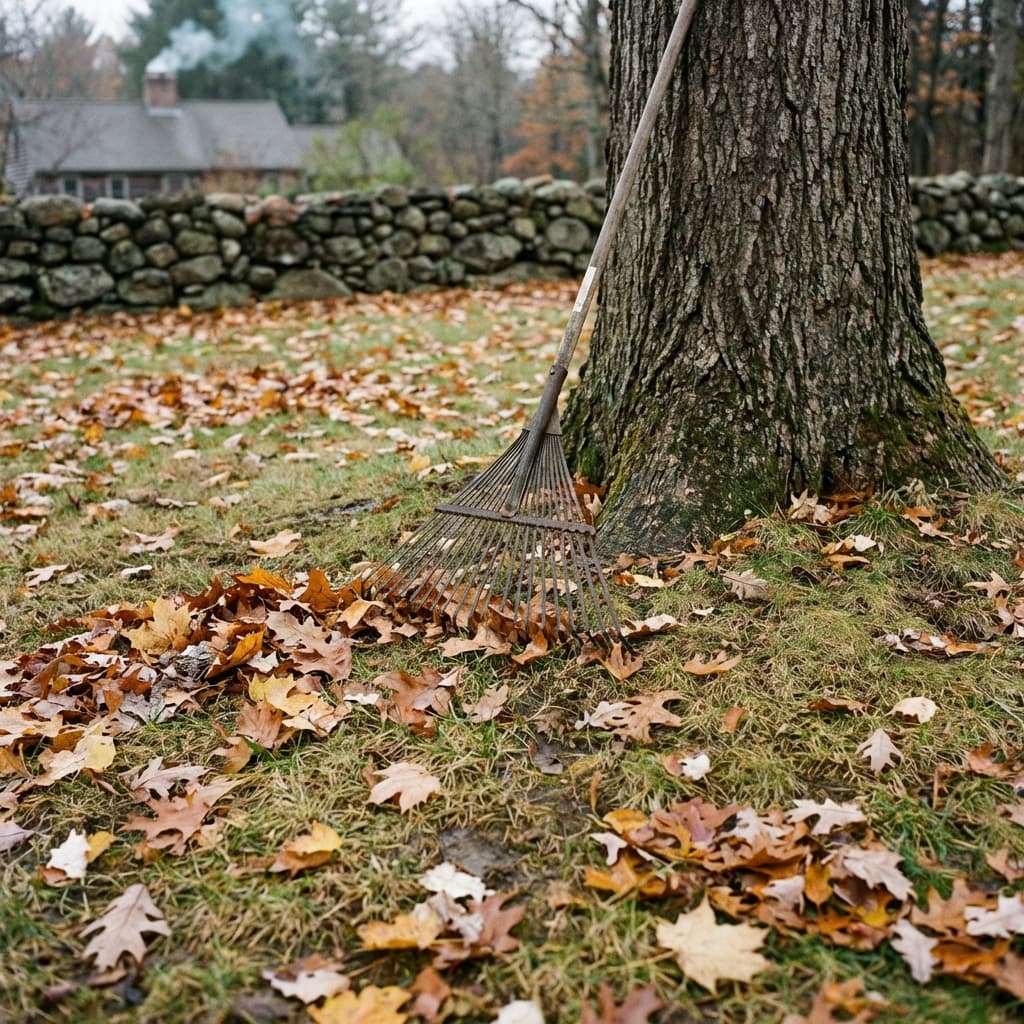
November Lawn Care Jacksonville FL: Fall Maintenance and Winter Prep
November Lawn Care Jacksonville FL: Fall Maintenance and Winter Prep. Review the site, scope and current written quote before deciding.
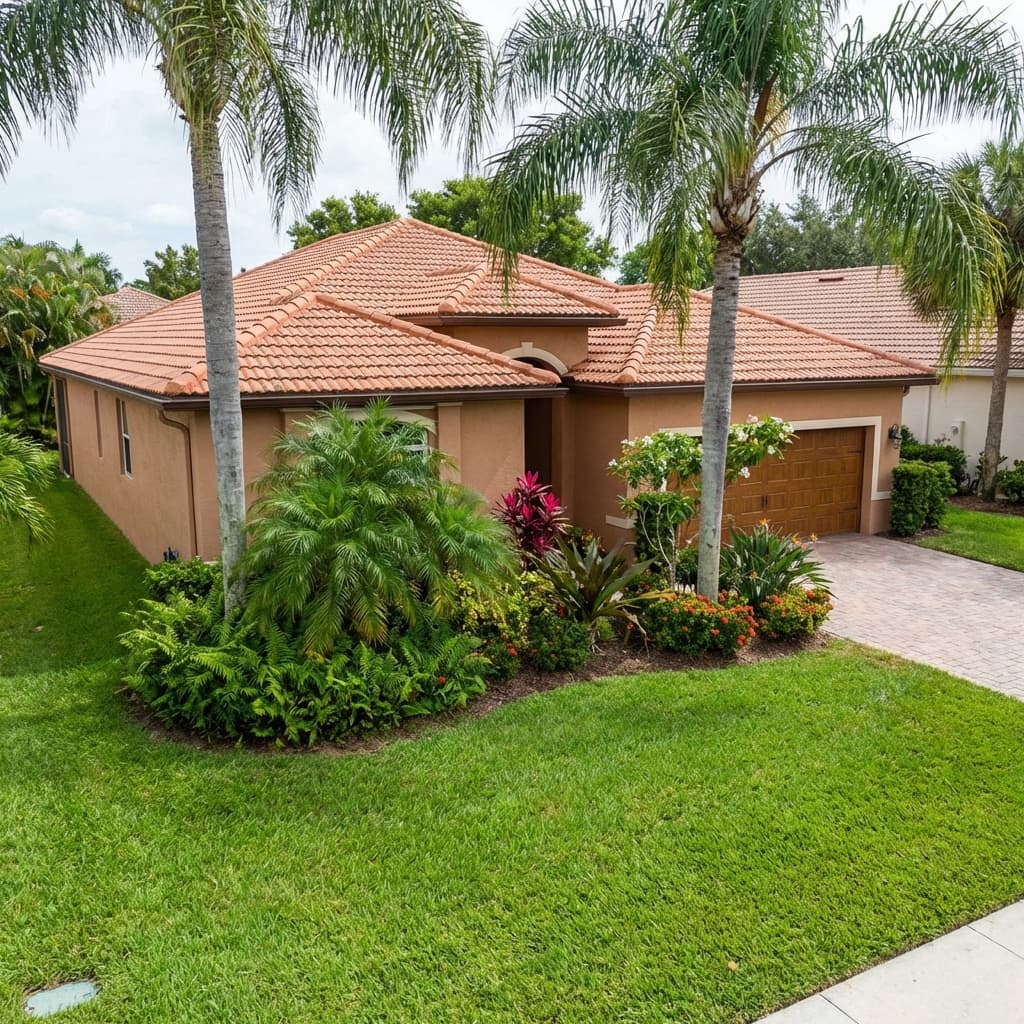
September Lawn Care Jacksonville FL: Fall Recovery and Renovation
September lawn care guide for Jacksonville. Recovery from summer stress, fall fertilization, and renovation strategies for Zone 9a/9b lawns.
Arlington Jacksonville Lawn Care
Arlington Jacksonville Lawn Care. Review the site, scope and current written quote before deciding.
Let’s talk about your lawn
Ask our AI assistant a lawn question, or send the team a free installation estimate request.