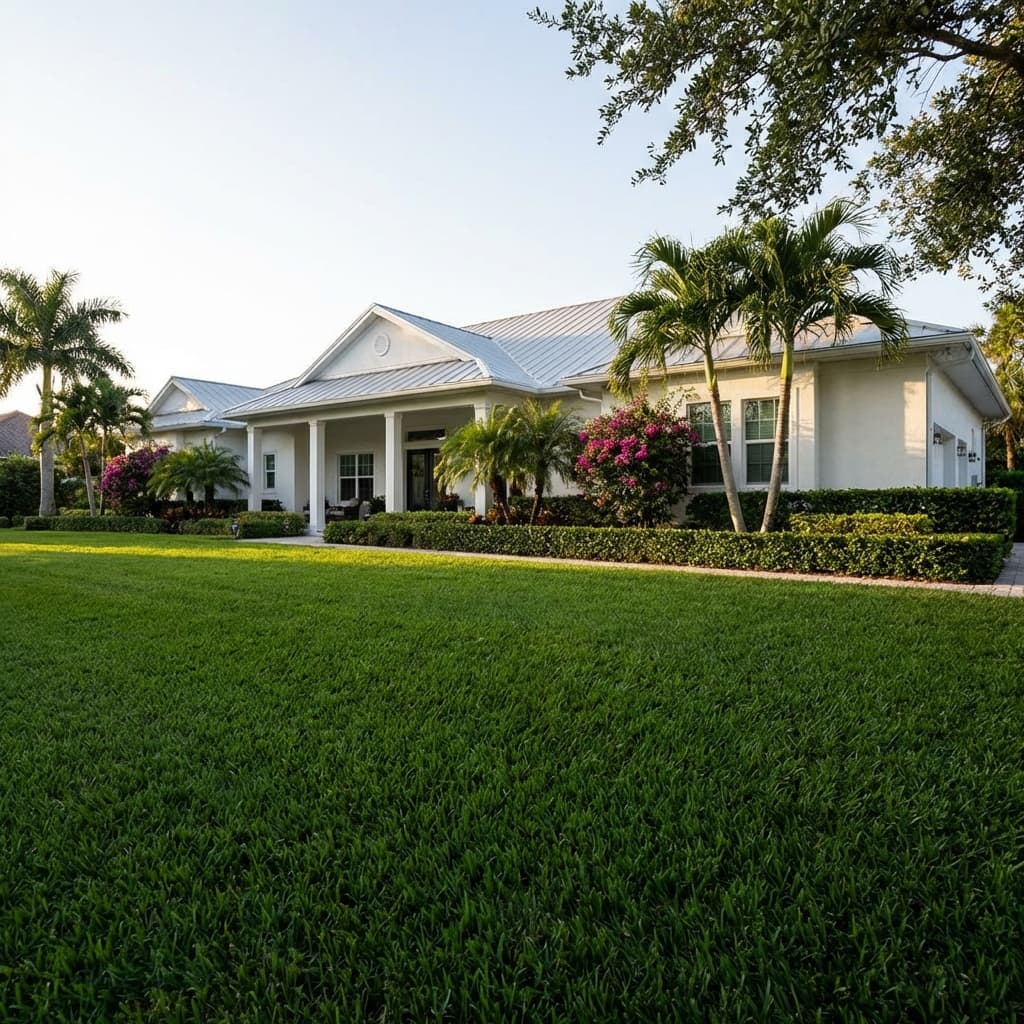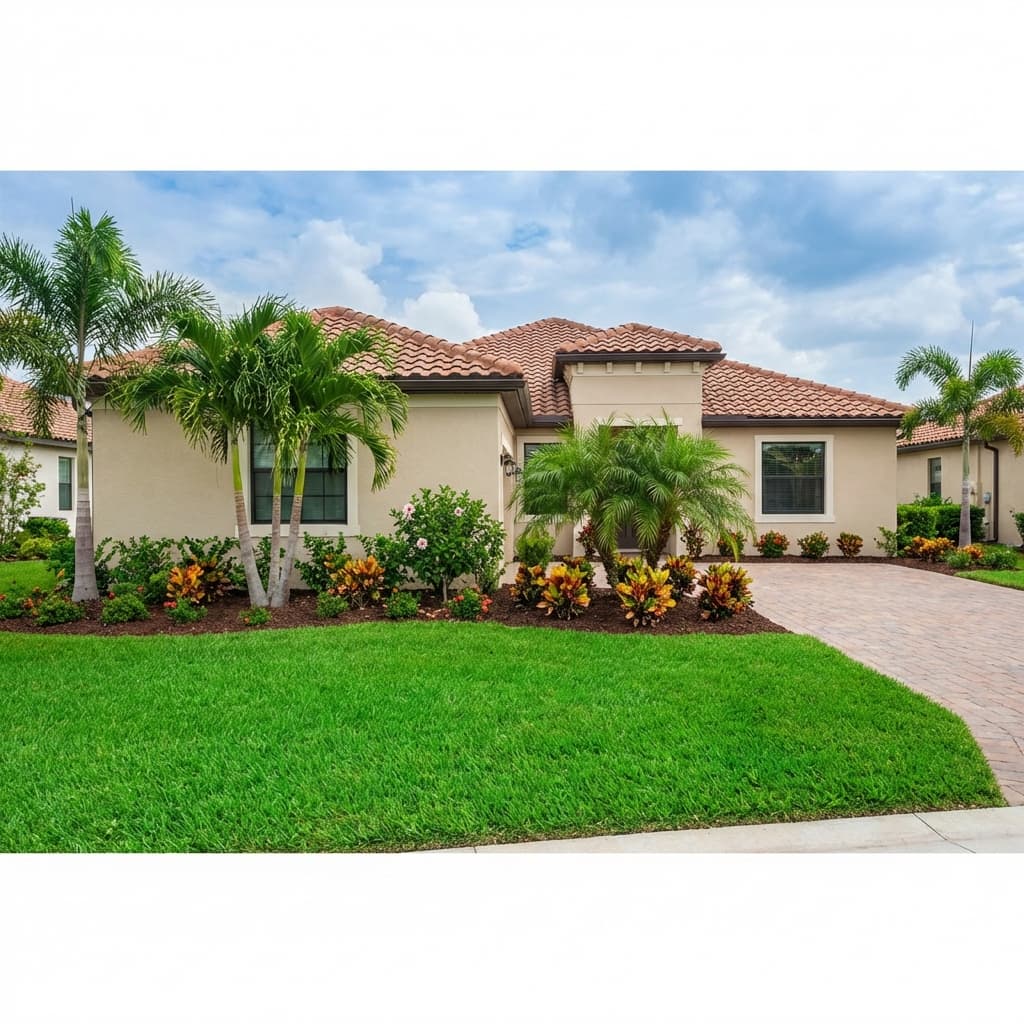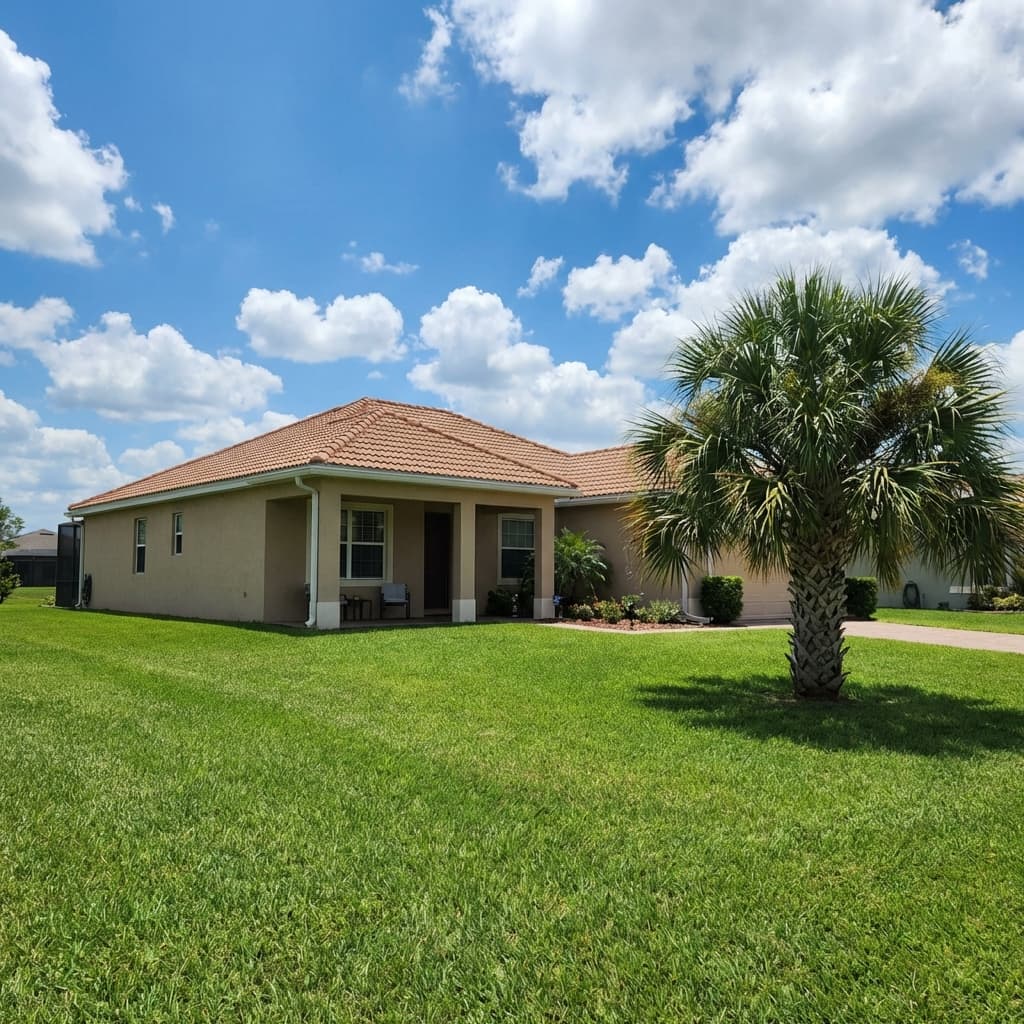
Every spring, the same frustrating scene repeats in Jacksonville backyards. The weather warms, kids want to play outside, and families are ready to enjoy their lawns. Then someone takes off their shoes for some barefoot time on the grass—and immediately howls in pain, hopping back to the patio with dozens of tiny, spiny seeds embedded in their feet.
Burweed. Stickerweed. Lawn spurweed. Stickers. Whatever you call it, this small winter annual is the most universally hated weed in Northeast Florida. Those innocent-looking ground-hugging plants spend all winter quietly growing beneath your grass, then produce a crop of spine-covered seed pods right as spring arrives. For the next two months, your lawn becomes a minefield.
The frustrating part is that burweed is actually easy to control—but only if you understand its lifecycle and act at the right time. Miss the window, and you're stuck with stickers until next winter. This guide explains the biology, the timing, and the exact approach to achieve a sticker-free lawn.
Understanding the Enemy: Burweed's Lifecycle
Burweed (Soliva pterosperma) is a winter annual, which means its entire life cycle—from germination to death—completes in a single season. Understanding this lifecycle is the key to control, because different stages require different approaches.
Phase 1: Fall Germination (September-November)
Burweed seeds that fell the previous spring lie dormant in your soil through the hot summer months. When soil temperatures drop below 65°F in fall—typically October in Jacksonville—those seeds sense the change and germinate. Tiny seedlings emerge, barely visible among the grass blades.
At this stage, the plants are nearly invisible to the casual observer. They're flat, rosette-shaped, with finely divided leaves that look almost like tiny carrots. Most homeowners have no idea the infestation has begun.
Phase 2: Winter Growth (December-February)
Through the mild Jacksonville winter, burweed plants grow slowly but steadily. They remain low to the ground, spreading outward rather than upward, which helps them avoid the mower blade and the attention of homeowners. By February, a mature plant might cover an area the size of a silver dollar, but it's still just green foliage with no visible seeds.
This slow winter growth is burweed's survival strategy. While your lawn grass is dormant or slow-growing, burweed is banking energy for its next phase.
Phase 3: Spring Reproduction (March-April)
When spring warmth arrives, burweed shifts from vegetative growth to reproductive overdrive. The plant flowers (though the flowers are tiny and inconspicuous) and produces seed pods covered in sharp, spine-tipped ridges. These are the "stickers" that cause so much pain.
Each plant can produce hundreds of seeds. The spines aren't just for torturing bare feet—they're an evolutionary attachment mechanism. Seeds stick to pet fur, shoe soles, and kids' socks, spreading the plant to new areas of the lawn and neighboring properties.
Phase 4: Summer Death (May-June)
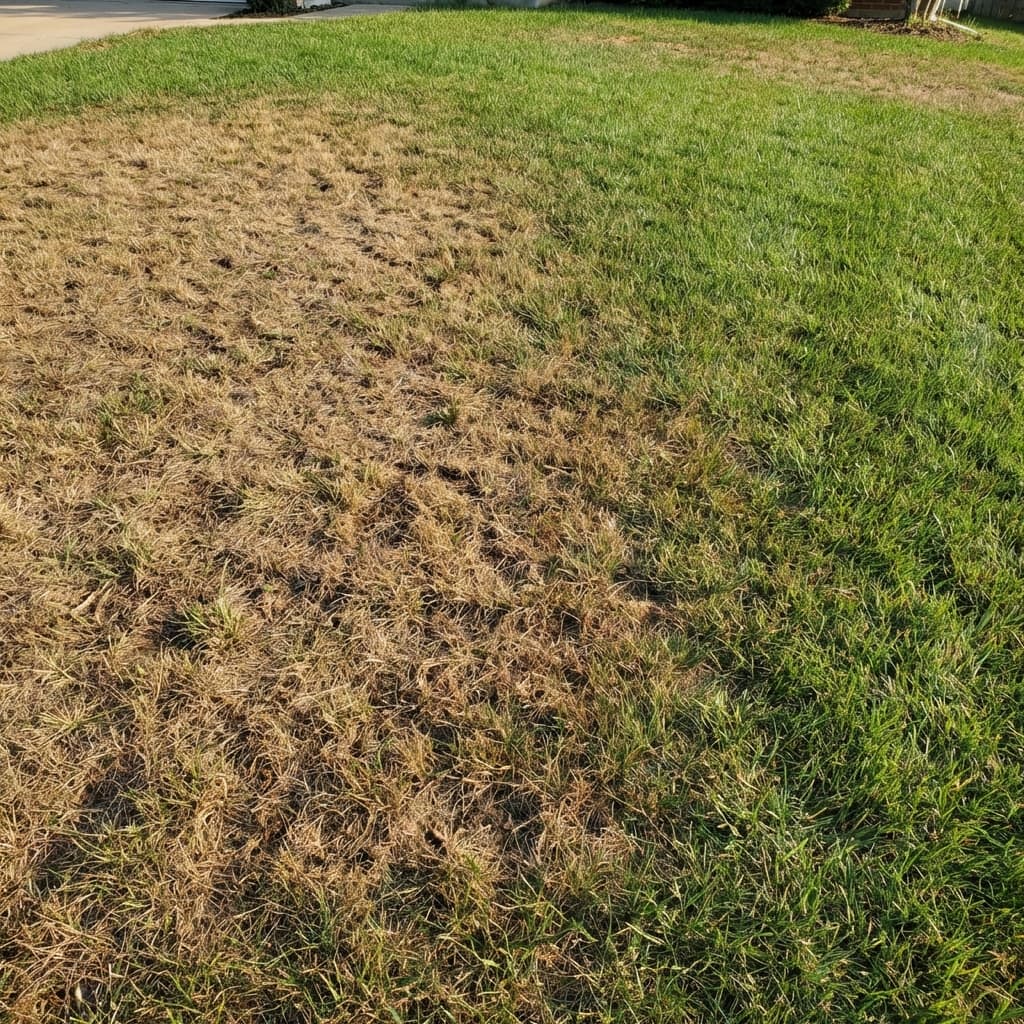
Burweed is a cool-season plant that cannot survive Florida's summer heat. By May, the plants yellow and die, leaving behind their legacy: thousands of seeds distributed throughout your lawn, waiting to germinate next fall.
The brown, dead plants are often more visible than the living ones, leading homeowners to spray herbicide in a panicked attempt at control. By then, it's far too late. The seeds are already in the ground.
⚠️ Timing Truth: By April, spraying is just an emotional gesture. The stickers are here until June, and next year's seeds are already planted. Prevention happens in September.
The Critical Control Window: Pre-Emergent Application
The most effective burweed control happens before you ever see a sticker. Pre-emergent herbicides work by creating a chemical barrier in the soil surface that kills seedlings as they germinate. Applied in fall, before soil temperatures drop below 65°F, pre-emergents intercept burweed at its most vulnerable stage.
Timing Is Everything
In Jacksonville, the optimal pre-emergent application window for burweed is mid-September through late October. This timing targets the germination trigger point.
Too early (August), and the chemical may break down before burweed germinates. Too late (November), and burweed seedlings have already emerged—pre-emergents don't kill established plants.
The best approach is to monitor soil temperature rather than calendar dates. Several free apps and websites provide local soil temperature data. When daytime soil temperatures at 4 inches depth start dropping toward 65°F, it's time to apply.
Recommended Products
Several pre-emergent herbicides effectively control burweed when applied at the right time:
Isoxaben (Gallery, Snapshot): This is the gold standard for burweed pre-emergence. It provides season-long control and is gentle on St. Augustine grass. It's also effective against many broadleaf winter annuals.
Atrazine: This common herbicide has both pre-emergent and post-emergent activity, making it somewhat forgiving if your timing is slightly off. It's widely available and affordable but should be used carefully to avoid environmental contamination—never apply before heavy rain that might wash it into storm drains.
Prodiamine (Barricade): Primarily known for crabgrass control, Prodiamine also provides good burweed suppression. It's a good choice if you're making a fall pre-emergent application anyway for other weeds.
Always follow label rates and irrigation instructions. Most pre-emergents need to be watered in within 24-48 hours of application to move them into the soil zone where they're effective.
📅 Mark Your Calendar: Set a reminder for mid-September to apply pre-emergent. This single action prevents thousands of stickers.
Post-Emergent Control: Killing What's Already Growing
What if you missed the pre-emergent window? The plants are up, and you're starting to see the characteristic ferny foliage. Post-emergent herbicides can still provide control, but the window is narrower and success less certain.
The February Burn-Down
The ideal post-emergent timing is late January through mid-February, when plants are fully grown but haven't yet produced seeds. At this stage, systemic herbicides can kill the plant before it reproduces, preventing this year's sticker crop.
Atrazine is the most common choice for post-emergent burweed control in St. Augustine lawns. Applied when plants are actively growing (above 55°F), it's absorbed through leaves and kills the plant over 7-14 days. Two applications, two weeks apart, may be needed for dense infestations.
Three-Way Herbicides (combining 2,4-D, Dicamba, and MCPP/Mecoprop) also kill burweed but may temporarily yellow St. Augustine grass. These are best for Bermuda or Zoysia lawns where St. Augustine sensitivity isn't a concern.
The Point of No Return
Once you see the spiny seed pods forming—typically mid-March in Jacksonville—it's too late for meaningful control this season. The plant may still be alive, and you can kill it with herbicide, but the seeds are already mature and will remain in the soil regardless.
At this point, your spray is just an emotional gesture. The stickers are here until they break down (typically by mid-summer), and next year's seeds are already planted. Shift your focus to fall pre-emergent application for next season.
Why Your Lawn Has Burweed (And Your Neighbor's Doesn't)
Burweed, like most weeds, exploits weaknesses in lawn health. A thick, dense turf shades the soil surface and outcompetes weed seedlings. A thin, struggling lawn provides the bare soil and sunlight that burweed needs to thrive.
Common Contributing Factors
Excessive shade: Grass that can't photosynthesize effectively thins out. Thin grass means more soil exposure, and more soil exposure means more weed germination.
Poor fertility: Hungry grass doesn't grow thick enough to crowd out weeds. Fall fertilization, in particular, helps grass stay dense through winter when burweed is establishing.
Compacted soil: Compaction weakens grass roots while burweed (with its shallow root system) barely notices. Aerating compacted lawns helps turf outcompete annual weeds.
Mowing too short: Scalped grass exposes soil to sunlight, warming it and encouraging weed seed germination. Maintain your St. Augustine at 3.5-4 inches through winter.
The "It's April, What Do I Do?" Emergency Protocol
Let's be realistic: most people reading this article are doing so because their feet hurt right now. You've got stickers, they're everywhere, and you want to know what to do.
Immediate Comfort Measures
-
Accept reality: Nothing you spray today will make the stickers disappear tomorrow. The seeds are already on the ground, and they'll persist for weeks to months.
-
Mow carefully: Bag your clippings through April. This removes some seed pods before they fully mature and reduces the total seed load for next year.
-
Consider footwear: This sounds obvious, but many sticker complaints come from people who insist on walking barefoot. Wear shoes or Crocs in the yard until mid-June when stickers begin deteriorating.
-
Mark your calendar: Set a reminder for mid-September to buy and apply pre-emergent. Next year, you'll break the cycle.
Long-Term Lawn Health
During summer, focus on improving your lawn's overall health. A thicker lawn next winter means less burweed:
- Core aerate if soil is compacted
- Apply a balanced fertilizer program
- Address any shade issues (consider shade-tolerant grass or groundcover conversion)
- Maintain proper mowing height
FAQ: Burweed Control Questions
Q: Will burning the yard kill the burweed seeds?
A: This is a popular myth, and we get asked about it every spring. Controlled burning does not generate enough sustained soil heat to kill buried seeds. You'll scorch your grass and create a fire hazard without meaningfully reducing next year's burweed population. Don't do it.
Q: Are the stickers harmful to pets?
A: Burweed spines can embed in pet paw pads and fur, causing discomfort and potential infection if not removed. Dogs that won't walk on grass in spring are often reacting to stickers. Cats may get seeds stuck in their fur, which then break off and embed when they groom. Controlling burweed is important for pet owners.
Q: Does applying lime help?
A: Lime adjusts soil pH but doesn't kill weeds. It's sometimes recommended based on the theory that burweed prefers acidic soil, but research doesn't support lime as an effective burweed control. Apply lime if a soil test shows your pH is low, but don't expect weed control from it.
Q: Will heavy rain wash away my pre-emergent?
A: Light to moderate rain after application is actually ideal—it moves the herbicide into the soil zone where weed seeds germinate. Heavy flooding might wash product away, so avoid application immediately before tropical storms or sustained heavy rain. Check the weather forecast and apply during a dry period followed by light rain or irrigation.
Q: Why didn't my pre-emergent work?
A: Common reasons include: application too late (after germination), inadequate watering-in, product degradation from summer application, or simply missing spots during application. Pre-emergents also don't prevent every single seed from germinating—they're highly effective, but not 100%. Dense existing seed banks may require two to three years of consistent treatment to fully deplete.
The Commitment to Control
Burweed isn't like dandelions or dollarweed, which can invade any lawn at any time. It has a predictable lifecycle with specific vulnerabilities. Homeowners who understand that lifecycle and act at the right times can maintain essentially sticker-free lawns indefinitely.
The key is shifting from reactive (spraying in April when stickers appear) to proactive (applying pre-emergent in September before seeds germinate). One fall application prevents thousands of painful encounters the following spring.
🎯 The Solution: September pre-emergent = barefoot summer. It really is that simple.
Ready to reclaim your barefoot summer? Contact Jax Sod for a lawn care consultation. We'll assess your current burweed pressure and develop a treatment plan that targets the problem at the right time—before your feet ever notice.