Loading...
Back to Articles
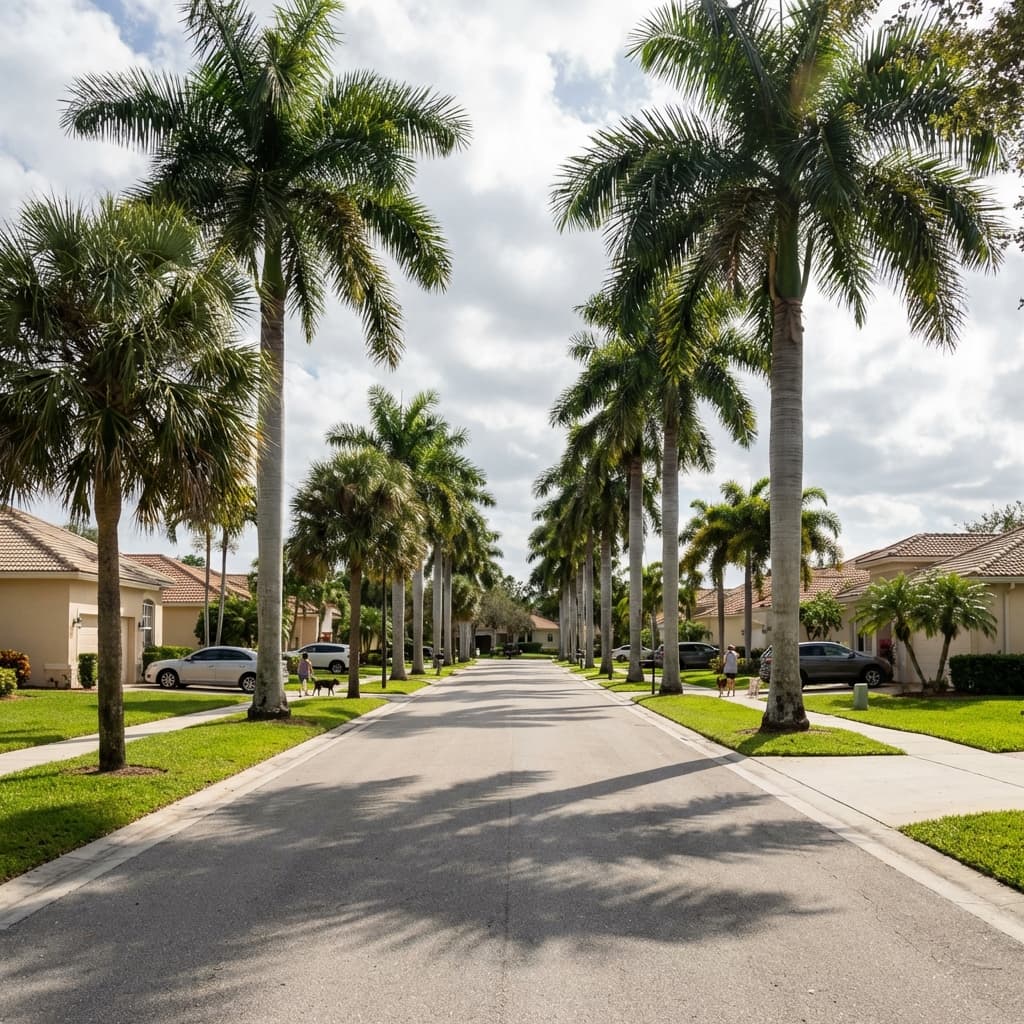
Low-Maintenance Landscaping for Jacksonville Homeowners
Landscaping January 27, 2026 19 min read
For current costs, compare the exact product or written project scope. See what to include in a sod estimate; this guide does not establish a current price, saving or resale return.
Set irrigation from site conditions and the current rules for your property and water source. For new sod, use the dated care planner; a fixed schedule in an older guide is not permission to water.
Low-maintenance landscaping doesn't mean no maintenance—it means smart design choices that reduce time, effort, and resources while maintaining an attractive property. After years installing lawns and advising homeowners throughout Jacksonville and Northeast Florida, we've learned that the most successful low-maintenance landscapes start with realistic expectations and honest assessments of what you're willing to do.
Jacksonville's climate actually works in your favor for low-maintenance landscaping. Our mild winters mean no snow removal or extensive seasonal cleanup. Year-round growing seasons allow plants to establish quickly. Abundant rainfall during summer months reduces irrigation needs if you select appropriate plants. The key is working with these natural advantages rather than fighting them with high-maintenance plants that struggle in our sandy soil and humid summers.
Whether you're creating a new landscape from scratch or transitioning an existing high-maintenance design to something more manageable, these strategies will help you achieve beautiful results with reasonable effort. The goal is spending time enjoying your Jacksonville yard rather than constantly working in it.
Understanding What Low Maintenance Really Means
Low-maintenance landscaping means different things to different people. For some homeowners, it means spending 30 minutes weekly on basic tasks rather than all weekend every weekend. For others, it means hiring professional maintenance quarterly rather than monthly. Understanding your personal definition helps guide design decisions.
Truly maintenance-free landscapes don't exist. Even the most carefully planned designs require some attention. Plants need occasional pruning, mulch needs annual replenishment, irrigation systems require seasonal adjustments, and weeds inevitably appear. The difference between low-maintenance and high-maintenance landscapes is frequency and intensity of required tasks, not complete elimination of work.
Time investment varies by season in Jacksonville. Summer brings peak growth rates requiring more frequent attention. Fall and winter slow growth dramatically, reducing maintenance to monthly monitoring. When planning low-maintenance landscapes, consider that you might spend 2-3 hours monthly during summer and virtually no time during winter. This seasonal variation allows for busy periods and recovery time.
Front yards typically require less maintenance than backyards. Most Jacksonville front yards feature simpler designs with fewer elements to maintain. Backyards include more complex features like outdoor kitchens, pools, play areas, and varied plantings that demand regular attention. If time is severely limited, invest your low-maintenance strategies in the front yard where neighbors see daily and save the backyard for future attention.
Jacksonville Pro Tip: Track time spent on landscape maintenance for one month to establish baseline requirements. This data helps you identify the biggest time consumers in your current landscape and prioritize changes that yield maximum time savings.
Selecting Plants That Thrive Without Coddling
Plant selection is the single most important factor determining maintenance requirements in Jacksonville landscapes. Plants suited to our climate, soil, and typical water availability thrive with minimal intervention. Plants poorly adapted to Northeast Florida conditions require constant attention just to survive.
Native and Florida-friendly plants evolved in or adapt well to our conditions. These plants tolerate Jacksonville's sandy, slightly acidic soil without extensive amendments. They handle summer heat and humidity without fungal disease problems that plague less adapted species. They survive dry spells between summer thunderstorms without supplemental irrigation once established. Most importantly, they resist pests and diseases without constant pesticide applications.
Coontie is one of the lowest-maintenance plants we recommend for Jacksonville landscapes. This Florida native cycad produces attractive, fern-like foliage on plants reaching 2-3 feet tall and wide. Coontie tolerates full sun to deep shade, thrives in sand, requires no fertilization, and hosts the rare atala butterfly. Plant it throughout your landscape beds and basically ignore it for years—coontie is that tough.
Muhly grass provides ornamental impact with minimal maintenance. This native grass forms neat clumps 3-4 feet tall and produces stunning pink or white flower plumes in fall. Muhly grass tolerates drought, requires no fertilization, handles Jacksonville's heat without stress, and needs cutting back just once annually in late winter. Plant muhly grass in groups of 3-5 for maximum impact in full-sun locations.
Beautyberry is a Florida native deciduous shrub that produces clusters of bright purple berries in fall. This adaptable plant thrives in sun or shade, tolerates wet or dry soil, requires no fertilization, and attracts birds with its colorful fruit. Cut beautyberry to 12 inches in late winter to promote bushy growth. That's the extent of required maintenance for this 4-6 foot shrub.
Firebush blooms constantly from spring through fall with zero deadheading or special care. This Florida native shrub produces tubular orange-red flowers that hummingbirds and butterflies love. Firebush reaches 5-8 feet tall, tolerates full sun to partial shade, handles drought and wet soil equally well, and requires only annual pruning to maintain size. It's semi-evergreen in Jacksonville—occasional freezes kill top growth, but plants resprout vigorously in spring.
Plants to Avoid for Low-Maintenance Landscapes
Some popular Jacksonville landscape plants demand excessive maintenance and should be avoided if your goal is reducing workload. Azaleas, while beautiful, require acidic soil amendments, specialized fertilizers, pest management for lace bugs, and disease control for leaf gall. Roses (except for tough varieties like drift roses and knockout roses) need regular deadheading, pest management, disease prevention, and careful fertilization schedules.
Annual flowers require complete replacement 2-3 times yearly in Jacksonville. Winter pansies need planting in October and removal in April. Summer annuals like impatiens and begonias need planting in April and removal in October. This cycle creates constant work and expense. Low-maintenance landscapes rely on perennials, shrubs, and groundcovers that return year after year.
High-maintenance grass varieties like hybrid Bermuda greens (used on golf courses) require intensive fertilization, frequent mowing, and careful pest management. Even standard Bermuda grass needs weekly mowing during peak growing season. If you want low-maintenance lawn areas, select slower-growing varieties and consider reducing total grass area.
Strategically Reducing Lawn Area
Lawns consume more maintenance time than any other landscape element. Weekly mowing, regular edging, periodic fertilization, pest management, and consistent watering add up to significant time and money investments. Strategic lawn reduction cuts maintenance while increasing visual interest and habitat value.
Analyze how you actually use lawn areas. Many Jacksonville homeowners maintain large grass expanses that serve no functional purpose. Do you need a 40x60 foot lawn for your family of two with no children or pets? Could you reduce that to 20x30 feet and expand landscape beds? Honest assessment of lawn use often reveals opportunities for reduction without impacting lifestyle.
Expand landscape beds along property perimeters to reduce lawn area and increase privacy. A 6-8 foot deep planting bed along the back property line significantly reduces grass area while creating opportunities for screening plantings. These perimeter beds reduce the amount of lawn you can see, making remaining grass areas feel more spacious than measurements suggest.
Create island beds within large lawn areas to break up mowing expanses and add visual interest. A 12x15 foot island bed planted with a central shade tree surrounded by shrubs and groundcovers eliminates that much grass area while creating a focal point.
Eliminate grass in difficult areas where it struggles anyway. That shaded section under mature oak trees where St. Augustine thins every year? Convert it to shade-tolerant groundcovers like asiatic jasmine or cast iron plant. The narrow, 3-foot-wide strip between the driveway and fence? Replace grass with a mulched bed and low shrubs. Stop fighting losing battles in areas where grass can never thrive.
Replace high-maintenance grass with low-maintenance varieties. If you currently maintain Bermuda grass that requires weekly mowing, consider Palmetto St. Augustine that grows more slowly and needs cutting every 10-14 days during peak season. Or explore Zoysia varieties like Empire that grow even more slowly. Grass selection significantly impacts maintenance frequency.
Jacksonville Pro Tip: When reducing lawn area, make changes in 500-1000 square foot increments. This gradual approach allows you to assess impacts on your property's appearance and your maintenance schedule without making drastic changes you might regret later.
Mulch Beds vs. Grass: Making the Right Choice
The mulch vs. grass debate defines many low-maintenance landscape discussions. In Jacksonville's climate, well-designed mulched beds with appropriate plants require significantly less maintenance than equivalent grass areas.
Mulch suppresses weeds by blocking light that weed seeds need for germination. A 2-3 inch layer of quality hardwood mulch or melaleuca mulch can noticeably reduce weed pressure. Occasional weeds that do emerge pull easily from soft mulch, unlike grass where weeds establish persistent root systems.
Mulch retains moisture in Jacksonville's sandy soil. Sand drains quickly, often before plant roots absorb available water. Mulch slows evaporation, keeping soil moist longer and reducing irrigation needs. This benefit becomes especially valuable during dry spells between summer thunderstorms when grass areas go dormant while mulched landscape beds remain lush.
Mulch moderates soil temperature by insulating against temperature extremes. In summer, mulch keeps soil cooler by 10-15 degrees compared to bare sand or grass. This temperature moderation reduces plant stress and extends root growth periods. In winter, mulch provides insulation that protects sensitive plants during occasional freezes.
Mulch eliminates mowing, edging, and trimming in converted areas. This is the most obvious maintenance benefit. A 1000 square foot lawn area that previously required 15 minutes weekly for mowing becomes a landscape bed requiring 5-10 minutes monthly for weeding and monitoring. Annual mulch replenishment takes 2-3 hours but eliminates 13 hours of mowing yearly.
Choose quality mulch materials for best results and longest life. Hardwood mulch, cypress mulch, and melaleuca mulch all perform well in Jacksonville. Avoid dyed mulches that fade quickly in our intense sun and may contain questionable materials. Pine straw works well for acid-loving plants like azaleas but breaks down faster than hardwood products. Plan to replenish mulch annually to maintain 2-3 inch depth.
Automated Irrigation Systems
Consistent watering is essential for healthy landscapes, but hand-watering is time-consuming and often inconsistent. For low-maintenance Jacksonville landscapes, irrigation automation is almost mandatory.
Properly zoned systems separate plants by water needs. Zone 1 might include St. Augustine grass areas needing 0.75-1 inch weekly. Zone 2 might include established landscape beds with drought-tolerant natives needing irrigation only during extended dry spells. Zone 3 might include thirsty annual color beds or vegetable gardens needing frequent water. This separation ensures each plant type receives appropriate moisture without overwatering some areas and underwatering others.
Run times and frequencies should match seasonal conditions and plant establishment stages. Mature St. Augustine needs 0.75-1 inch weekly during the growing season. Established native plantings often thrive on rainfall alone except during extreme drought.
Smart controllers adjust watering based on weather conditions, saving water and reducing overwatering. These WiFi-enabled devices connect to local weather stations and skip scheduled cycles after rainfall or during cool weather when plants need less water.
Respect Jacksonville watering restrictions required by St. Johns River Water Management District. Odd-numbered addresses water Wednesday and Saturday. Even-numbered addresses water Thursday and Sunday. Program your controller accordingly. We recommend early morning watering (4-8 AM) for best results—this timing minimizes evaporation and allows foliage to dry before nightfall, reducing disease pressure.
Maintain your irrigation system seasonally for reliable performance. Check sprinkler heads monthly during the growing season for proper coverage and adjust as needed. Flush drip irrigation filters quarterly to prevent clogging. Adjust run times as seasons change—spring and fall require less water than summer. Winterize systems in November by reducing frequencies and durations to match dormant-season needs.
Drought-Tolerant Plant Palette for Jacksonville
Drought-tolerant plants reduce irrigation needs and survive Jacksonville's occasional dry spells without supplemental water. Once established (typically 6-12 months), these plants thrive on rainfall alone during normal years and need only occasional watering during extreme drought.
Trees that tolerate drought include live oak, bald cypress, crape myrtle, cedar, and sweet bay magnolia. All are native or well-adapted to Jacksonville conditions. Live oaks establish slowly but become virtually indestructible once mature. Bald cypress tolerates wet or dry soil equally well—a rare characteristic. Crape myrtles bloom heavily even during dry summers with minimal water.
Shrubs for dry conditions include Simpson's stopper, Walter's viburnum, coontie, saw palmetto, yaupon holly, and Chickasaw plum. These Florida natives evolved with our variable rainfall patterns and handle dry spells without stress. Simpson's stopper, a South Florida native that performs beautifully in Jacksonville, tolerates both drought and occasional flooding—valuable in our unpredictable climate.
Perennials that handle drought include blanket flower, daylilies, lantana, plumbago, society garlic, and spider lily. All bloom reliably with minimal water once established. Blanket flower, a Florida native wildflower, produces red and yellow daisy-like blooms from spring through fall with zero supplemental irrigation in our experience. Lantana tolerates extreme neglect, heat, and drought while blooming continuously and attracting butterflies.
Ornamental grasses like muhly grass and fakahatchee grass provide texture and movement with exceptional drought tolerance. These native grasses establish quickly and survive extended dry periods without irrigation. Muhly grass's fall flower plumes create stunning displays even during dry autumns. Fakahatchee grass works well as a tall groundcover or specimen grass in dry, sandy sites.
Groundcovers for dry conditions include perennial peanut, sunshine mimosa, and blue daze. Perennial peanut spreads to form dense mats that suppress weeds, tolerate foot traffic, and survive on rainfall alone once established. This legume fixes nitrogen, reducing fertilizer needs in surrounding areas. Blue daze produces purple-blue flowers from spring through fall on drought-tolerant plants that thrive in Jacksonville's heat.
Jacksonville Pro Tip: Even drought-tolerant plants need regular water during establishment. Skipping this establishment phase causes failures that give drought-tolerant plants undeserved bad reputations.
Hardscape Elements That Reduce Maintenance
Hardscapes—patios, walkways, retaining walls, and decorative rock areas—require virtually no maintenance compared to plantings. Strategic use of hardscape elements in Jacksonville landscapes reduces overall workload while adding function and visual interest.
Patios and decks eliminate grass and planting areas while providing functional outdoor living spaces. A 12x16 foot patio replaces 192 square feet of grass that previously required mowing, edging, watering, and fertilization. The patio needs occasional sweeping and annual pressure washing—minimal effort compared to lawn maintenance. We recommend pavers over poured concrete for Jacksonville applications because individual pavers can be replaced if damaged, while cracked concrete requires expensive repairs.
Gravel or decomposed granite paths create attractive walkways with zero maintenance. These permeable surfaces handle Jacksonville's heavy rains without puddles or erosion. Installation is simple and affordable—excavate 2-3 inches deep, install landscape fabric to suppress weeds, edge the path with aluminum landscape edging or natural stone, and fill with decorative gravel or decomposed granite. Annual weeding takes 15-20 minutes for typical 30-foot paths.
Retaining walls solve erosion problems while creating planting opportunities. Natural stone or concrete block walls hold soil on sloped sites, preventing erosion during Jacksonville's heavy summer rains. The level areas created by retaining walls allow for planting beds or lawn areas that would otherwise wash away. Once installed, quality retaining walls require zero maintenance for decades.
Decorative rock areas replace high-maintenance plantings with attractive, permanent features. A dry creek bed using river rock handles drainage while providing visual interest year-round. Rock mulch around drought-tolerant succulents and cacti creates low-maintenance gardens in full-sun locations. Unlike organic mulches that decompose and need replacement, decorative rock lasts indefinitely and never needs replenishing.
Balance hardscape and plantings for visual interest without sterility. All-hardscape landscapes feel harsh and institutional. The ideal low-maintenance Jacksonville landscape combines 30-40% hardscape with 60-70% plantings (including lawn) for functionality without excessive maintenance or sterile appearance. This balance works well throughout Nocatee, Fruit Cove, and Fleming Island neighborhoods where low maintenance matters.
Ground Covers Instead of Grass
Groundcovers offer attractive alternatives to grass in areas where turf struggles or maintenance becomes burdensome. In Jacksonville, several groundcovers outperform grass in specific situations while requiring less care.
Asiatic jasmine is our most-recommended grass alternative for shaded areas. This evergreen groundcover thrives in conditions where St. Augustine struggles—dense shade under trees, dry shade under roof overhangs, and sandy soil with minimal organic matter. Asiatic jasmine grows 6-12 inches tall, spreads to form dense mats, and requires only annual trimming to maintain edges. Plant plugs 12 inches apart for complete coverage in one growing season.
Asiatic jasmine doesn't tolerate foot traffic like grass, so it works best in areas you view but don't walk through regularly. Under mature oak trees, along shaded foundations, and in narrow side yards, asiatic jasmine outperforms grass while requiring fraction of the maintenance.
Perennial peanut replaces grass in full-sun areas while fixing nitrogen and requiring no fertilization. This low-growing legume produces small yellow flowers, tolerates foot traffic, and survives on rainfall alone once established. Perennial peanut spreads by rhizomes to form dense mats that suppress weeds effectively. It stays green year-round in Jacksonville's mild winters and requires no mowing—just occasional trimming of edges.
The University of Florida developed perennial peanut specifically as a low-maintenance lawn alternative for Florida. It outperforms grass on sandy soils, tolerates drought better than St. Augustine, and needs no fertilization because it fixes atmospheric nitrogen. Plant plugs 12 inches apart in spring and allow one season for establishment. After that, perennial peanut maintains itself with virtually no care.
Liriope (lilyturf) creates attractive borders and fills narrow spaces where grass struggles. This evergreen perennial forms clumps 12-18 inches tall with grass-like foliage and purple flower spikes in summer. Liriope tolerates sun or shade, handles dry or moist soil, and requires only annual cutting back in late winter. Space plants 10-12 inches apart for continuous borders along walkways, driveways, and landscape beds.
Mondo grass offers a refined, manicured appearance in low-traffic areas. This clumping evergreen perennial grows 4-8 inches tall depending on variety and forms dense, grass-like carpets. Mondo grass tolerates shade better than most groundcovers and stays green year-round. It doesn't tolerate foot traffic, so use it in ornamental areas rather than functional paths. Dwarf mondo grass works beautifully between stepping stones and as borders in Jacksonville landscapes throughout Riverside, Avondale, and Jacksonville Beach.
Right Plant, Right Place Philosophy
The most fundamental principle of low-maintenance landscaping is matching plants to site conditions. Plants growing in environments that suit their requirements thrive with minimal intervention. Plants forced into unsuitable sites struggle constantly and demand excessive attention.
Assess sun exposure accurately before selecting plants. Full sun means 6+ hours of direct sun daily. Partial shade means 3-6 hours of direct sun or filtered light all day. Full shade means less than 3 hours of direct sun. Jacksonville homeowners commonly overestimate shade levels—that area under a tree receiving dappled sun all day is partial shade, not full shade, and requires plants accordingly.
Test your soil to understand pH and nutrient levels. Jacksonville soils typically test pH 5.5-6.5 (slightly acidic) and drain quickly due to sandy texture. Most Florida-friendly plants thrive in these conditions without amendments. Forcing acid-loving azaleas into alkaline soil or moisture-loving plants into fast-draining sand creates constant maintenance battles you'll never win.
Consider mature plant size at purchase time. That 1-gallon loropetalum will reach 6 feet tall and wide in 3-4 years. If you plant it 2 feet from your foundation under a window, you'll spend countless hours pruning it back. Plant it 4-5 feet from the foundation and let it reach natural size with minimal shaping. This approach works with Jacksonville's rapid growth rates and reduces long-term maintenance dramatically.
Match water requirements to irrigation availability. If you're committed to low maintenance and have no irrigation system, select drought-tolerant plants that survive on rainfall. Don't plant thirsty tropicals and expect them to thrive without supplemental water. If you have irrigation but want low maintenance, group plants by water needs so you can adjust zones appropriately rather than overwatering established beds to keep new plantings alive.
Seasonal Color Without Annuals
Annual flowers provide vibrant color but require replanting 2-3 times yearly in Jacksonville—significant maintenance and ongoing expense. Low-maintenance landscapes achieve seasonal color through long-blooming perennials, shrubs, and strategic design without annual flower rotation.
Drift roses bloom from March through November in Jacksonville with zero deadheading required. These disease-resistant, low-growing roses reach 2-3 feet tall and spread 3-4 feet wide. They tolerate heat, resist diseases that plague traditional roses, and bloom repeatedly with fertilization every 8-10 weeks. Plant drift roses in groups of 3-5 for continuous color from early spring through late fall.
Plumbago produces sky-blue or white flowers from spring through fall on sprawling shrubs reaching 3-5 feet. This tough perennial handles heat, humidity, and neglect while blooming reliably. Cut plumbago back to 12 inches in late February to promote bushy growth—that's the extent of required maintenance for 7-8 months of color.
Lantana offers non-stop blooms from spring through fall (and often into winter in Jacksonville) in orange, yellow, pink, purple, and white varieties. This drought-tolerant perennial attracts butterflies while requiring zero deadheading, fertilization, or pest management. Lantana tolerates neglect better than almost any flowering plant. Cut it back in late winter if it becomes leggy—otherwise, just enjoy constant color with no maintenance.
Purple coneflower (Echinacea) produces large, daisy-like flowers on 2-3 foot stems from late spring through summer. This native perennial tolerates heat and drought, attracts butterflies and goldfinches, and requires no deadheading for continuous bloom. Cut spent flower stalks in late summer or leave them for winter bird food. Purple coneflower self-sows modestly, gradually expanding for years without becoming invasive.
Bulbs provide seasonal color with minimal effort. Rain lilies bloom repeatedly after summer rains throughout Jacksonville. These tough, drought-tolerant bulbs require zero care—they simply appear after rain showers with pink or yellow blooms. Society garlic produces clusters of lavender flowers from spring through fall on clumping plants that tolerate sun, shade, drought, and wet soil with equal ease.
Jacksonville Pro Tip: Plant long-blooming perennials in groups of 3-5 rather than single specimens. Mass plantings create color impact rivaling annual displays while requiring fraction of the maintenance. Replace just 100 square feet of seasonal annuals with perennials and save 10+ hours yearly in planting, removal, and care.
Reducing Fertilizer and Chemical Needs
Low-maintenance landscapes minimize fertilizer and pesticide use through plant selection and organic practices. Chemical-dependent landscapes require constant monitoring, applications, and expense. Naturally healthy landscapes maintain themselves with minimal inputs.
Native and Florida-friendly plants require little or no fertilization. These plants evolved in or adapt to Jacksonville's sandy, nutrient-poor soils. They extract adequate nutrition from native soil conditions that would starve plants adapted to richer soils elsewhere.
Build organic matter in landscape beds through annual mulch applications and leaving plant debris to decompose. As organic mulch breaks down, it releases nutrients slowly and improves soil structure. This natural fertility cycle reduces or eliminates fertilization needs for established plantings. In areas where you do fertilize, use slow-release organic formulations that feed plants gradually over 3-4 months rather than quick-release products requiring monthly applications.
Select disease and pest-resistant plants to eliminate chemical treatments. Many traditional landscape plants suffer constant pest and disease pressure in Jacksonville's humid climate. Roses get black spot. Azaleas get lace bugs and leaf gall. Crape myrtles get powdery mildew (though modern resistant varieties eliminate this). Replacing susceptible plants with resistant alternatives ends the cycle of treatments and monitoring.
Tolerate minor pest damage rather than treating every insect you see. Most pest problems are cosmetic and temporary. Healthy landscapes support beneficial insects that control pest populations naturally. Spraying pesticides kills beneficials along with pests, creating dependence on constant treatments. Unless pest damage threatens plant survival, monitor and allow natural controls to work.
Water properly to prevent disease issues. Many plant diseases result from improper watering—too much, too little, or poor timing. Water in early morning (4-8 AM) so foliage dries before nightfall. Avoid evening watering that leaves foliage wet overnight, promoting fungal diseases. Water deeply and infrequently rather than lightly and often to encourage deep root growth and improve drought tolerance.
Realistic Maintenance Expectations
Setting realistic expectations prevents disappointment and helps you create landscapes you'll actually maintain. Even well-designed low-maintenance Jacksonville landscapes require some attention—the question is how much and how often.
Monthly maintenance during growing season (April-October) for typical low-maintenance landscapes includes:
- 30-45 minutes mowing reduced lawn areas (vs. 60-90 minutes for traditional lawns)
- 15-20 minutes edging and trimming
- 10-15 minutes weeding landscape beds
- 5-10 minutes monitoring irrigation and adjusting for seasonal needs
- Total: 60-90 minutes monthly during peak season
Seasonal tasks occur 1-4 times yearly:
- Spring (March-April): Prune shrubs as needed, fertilize if using any, mulch replenishment (2-3 hours)
- Summer (June-August): Monitor for stress and pest issues (30 minutes monthly)
- Fall (October-November): Reduce irrigation frequency, plant new additions (varies)
- Winter (December-February): Major pruning if needed, minimal monitoring (1-2 hours total)
Compare to traditional landscapes requiring 2-3 hours weekly during growing season for mowing, edging, trimming, weeding, watering, fertilizing, and treating pest/disease issues. Low-maintenance designs cut time investment by 60-70% while maintaining attractive appearances.
Hire professionals strategically for tasks you dislike or lack equipment to perform. Many Jacksonville homeowners handle weekly mowing but hire professionals quarterly for major pruning, mulch delivery and spreading, and irrigation system maintenance. This hybrid approach balances budget and sweat equity while ensuring necessary tasks get completed.
Conclusion
Low-maintenance landscaping in Jacksonville requires strategic planning, appropriate plant selection, and realistic expectations. The goal isn't eliminating all work—that's impossible and undesirable. The goal is creating beautiful landscapes you can maintain with reasonable time and effort.
Start by honestly assessing how much time you can and will dedicate to landscape maintenance. Design accordingly, selecting plants that thrive in Jacksonville's climate with minimal intervention. Reduce lawn areas strategically to cut mowing time. Use hardscapes to eliminate high-maintenance areas while adding function. Choose long-blooming perennials over seasonal annuals for continuous color without constant replanting.
Whether you're starting fresh in a new Nocatee home, transitioning from high-maintenance beds in Mandarin, or simplifying an overwhelming landscape in Fleming Island, these principles apply throughout Northeast Florida. The result is a landscape you'll enjoy rather than resent—one that enhances your property and your lifestyle without consuming every weekend.
Ready to create a low-maintenance Jacksonville landscape that suits your lifestyle? Our years of experience installing sod throughout the First Coast gives us deep knowledge of what thrives in our unique conditions with minimal maintenance.
Need Professional Sod Installation?
Jax Sod provides sod installation, sod replacement, and new lawn installation across Jacksonville and Northeast Florida. Free quotes!
Related Articles
Apartment Complex Landscaping Jacksonville: Creating Curb Appeal That Lasts
Expert guide to apartment complex landscaping in Jacksonville. Learn how to design low-maintenance, attractive landscapes that handle Florida's Zone 9a/9b climate and keep residents happy.
Backyard Landscaping Ideas for Jacksonville Homes
Backyard Landscaping Ideas for Jacksonville Homes. Review the site, scope and current written quote before deciding.
Best Landscaping Ideas for Jacksonville, FL Homes
Expert landscaping ideas for Jacksonville homes featuring drought-tolerant plants, Florida-friendly designs, and curb appeal tips that work in Northeast Florida's climate.
Let’s talk about your lawn
Ask our AI assistant a lawn question, or send the team a free installation estimate request.