Loading...
Set irrigation from site conditions and the current rules for your property and water source. For new sod, use the dated care planner; a fixed schedule in an older guide is not permission to water.
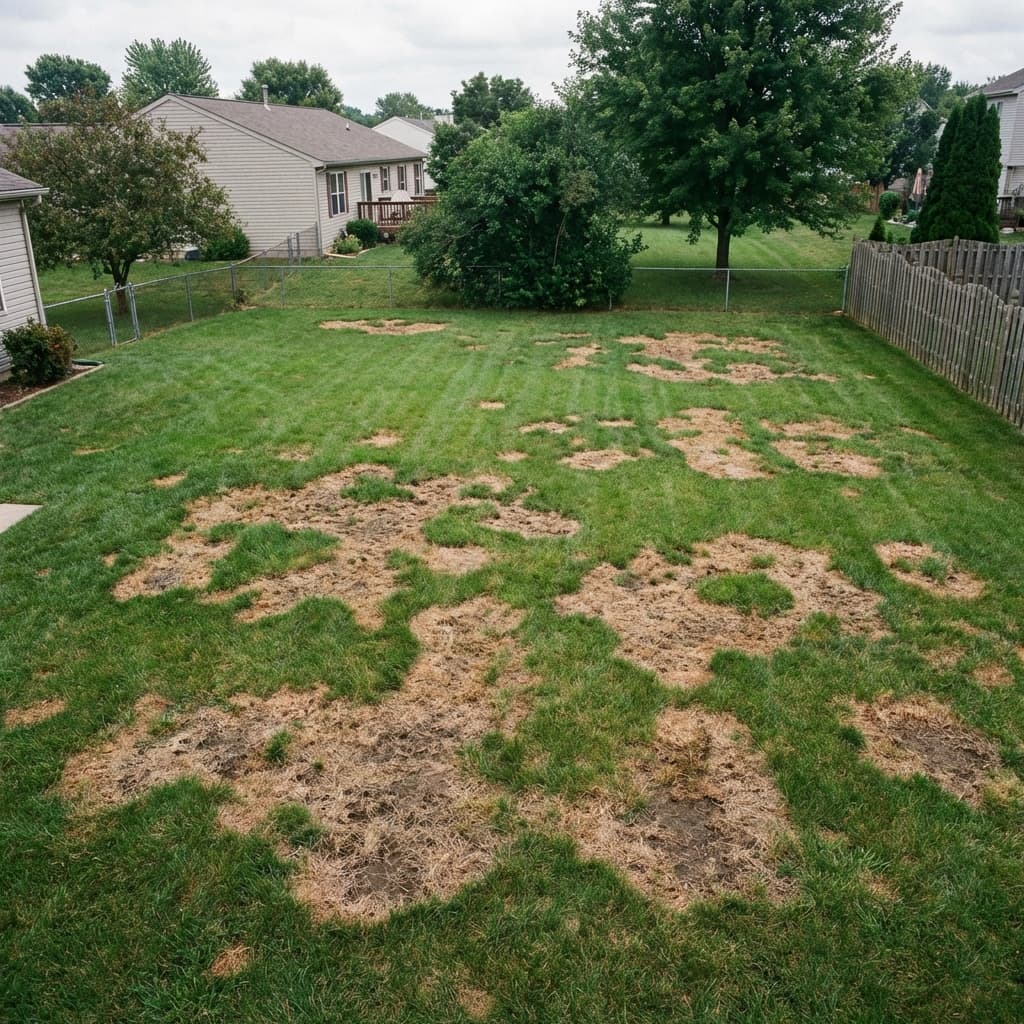
You walk across your Jacksonville lawn and notice something disturbing—sections of grass that feel spongy underfoot, brown patches that peel back like carpet when you tug on them, and armadillos or birds tearing up your yard with increasing frequency. If this sounds familiar, you're likely dealing with one of the most destructive lawn pests in Northeast Florida: grubs.
These small, C-shaped beetle larvae live beneath the surface of your turf, feeding voraciously on grass roots throughout late summer and fall. By the time you notice the damage above ground, hundreds or even thousands of grubs may be actively destroying your lawn's root system. The good news is that with proper identification, timing, and treatment, you can control grubs effectively and restore your lawn to health.
At Jax Sod, we've worked with homeowners across Duval County, St. Johns County, Clay County, and Nassau County for years, and grub damage is one of the most common problems we see, particularly in established St. Augustine, Bermuda, and Zoysia lawns. Understanding the grub lifecycle, knowing when to treat, and choosing the right control methods can save your lawn from serious damage and expensive repairs.
What Are Lawn Grubs?
Lawn grubs are the larval stage of several species of beetles that are common throughout Jacksonville and Northeast Florida. These white or cream-colored larvae have soft, C-shaped bodies, distinct brown heads, and six legs near the head. They range from quarter-inch long when newly hatched to over an inch long when fully mature, and they spend most of their lives underground feeding on grass roots.
Several beetle species produce damaging grub populations in Jacksonville lawns. The most common culprits are June beetles (also called June bugs or May beetles), masked chafer beetles, and in some areas, Japanese beetles. While adult beetles vary in appearance, their larvae look remarkably similar and cause the same type of damage to your turf.
Understanding that grubs are beetle larvae, not a separate species, is important because controlling the problem requires targeting the right life stage at the right time. Adult beetles flying around your porch light in early summer aren't directly damaging your lawn, but they're laying eggs that will become destructive grubs by late summer. The larvae feeding on roots are the real threat to your turf.
In low numbers, grubs are present in most Jacksonville lawns without causing noticeable damage. A healthy lawn can typically tolerate 2-3 grubs per square foot. When populations exceed this threshold, particularly in the 5-10 grubs per square foot range, significant damage occurs rapidly. Heavy infestations can approach 20-30 grubs per square foot, creating devastating results.
The Grub Lifecycle in Jacksonville
Jacksonville's warm climate allows beetle populations to thrive, and understanding their lifecycle helps you time treatments for maximum effectiveness. The cycle begins in late spring and early summer, typically from mid-May through July, when adult beetles emerge from the soil where they've overwintered as pupae.
Adult beetles are most active in early evening, often attracted to lights. After mating, female beetles burrow into the soil to lay eggs, typically choosing well-irrigated turf with moist soil. Each female can lay 40-60 eggs, depositing them 2-3 inches below the surface. Moist, well-maintained lawns in neighborhoods like Ponte Vedra, San Marco, Mandarin, and Nocatee are particularly attractive to egg-laying beetles.
Eggs hatch in late June through July, producing tiny grubs that begin feeding on grass roots immediately. During July and August, these grubs are small and cause minimal damage. However, as summer progresses into late August, September, and October, the grubs grow rapidly, consuming increasing amounts of root material. This is when damage becomes apparent—often seemingly overnight as populations reach damaging levels.
By late fall and winter, grubs burrow deeper into the soil to escape cold temperatures. In Jacksonville's mild winters, they typically move down to 4-8 inches, well below the root zone. During warm spells, they may move back toward the surface, but feeding activity is minimal from November through February.
As soil temperatures warm in March and April, mature grubs move back toward the surface and begin pupating, transforming into adult beetles. This pupal stage lasts several weeks. By late May and June, adult beetles emerge to begin the cycle again. Understanding this timeline is crucial because different life stages require different treatment strategies.
Signs of Grub Damage in Your Jacksonville Lawn
Early detection of grub problems can prevent extensive damage and expensive repairs. Learning to recognize the symptoms, both obvious and subtle, helps you catch infestations before they destroy large areas of your turf.
Brown Patches That Peel Up
The most distinctive sign of grub damage is brown or dying patches of grass that feel spongy when you walk on them and peel back like carpet when you pull on them. This happens because grubs have severed the roots, leaving the grass with no anchor in the soil. Grab a handful of brown grass and tug upward—if the sod lifts up easily with minimal resistance, revealing short, damaged roots or no roots at all, grubs are the likely culprit.
Unlike drought stress, disease, or fertilizer burn, grub-damaged areas don't respond to irrigation or other treatments. The grass may still be green when damage first becomes apparent, but it quickly turns brown once the severed roots can no longer absorb water. Damage typically appears in irregular patches that expand rapidly as grubs migrate to adjacent areas and continue feeding.
Increased Animal Activity
One of the earliest indicators of grub problems is increased wildlife activity. Birds, particularly crows and starlings, congregate in areas with high grub populations, poking holes in the turf as they hunt for these protein-rich larvae. If you notice birds spending unusual amounts of time on specific areas of your lawn, particularly in late August and September, investigate for grubs.
Armadillos are notorious grub hunters and can cause as much cosmetic damage as the grubs themselves while digging for their food. Fresh holes and torn-up turf, especially along the edges of landscaping beds or under shrubs, often indicate armadillos hunting grubs. Raccoons and skunks also dig for grubs, though typically less aggressively than armadillos.
Moles create surface tunnels as they hunt for grubs, insects, and earthworms. While moles primarily eat earthworms, their presence often correlates with high grub populations. Surface ridges running through your lawn, particularly in areas that feel soft and spongy underfoot, suggest both mole and grub problems.
Seasonal Timing
Pay attention to when symptoms appear. Grub damage in Jacksonville typically becomes obvious in late August, September, and October as larvae reach their peak feeding period. If you're seeing unexplained brown patches during this timeframe, particularly after good rainfall or irrigation, suspect grubs.
Spring damage, from March through May, can also occur as mature grubs resume feeding before pupating, though this is typically less severe than fall damage. If you see damage patterns consistent with grubs in spring, you likely had an established infestation that overwintered.
How to Check for Grubs
Before investing in treatment products, confirm that grubs are actually the problem. Several lawn issues create similar symptoms, and proper diagnosis saves time and money.
The most reliable method is direct inspection. Choose several areas showing symptoms, plus some adjacent healthy-looking turf for comparison. Use a sharp shovel or trowel to cut and lift a square foot section of sod, going down 3-4 inches in depth. Carefully peel back the grass and examine the soil beneath, counting any grubs you find.
Repeat this process in 4-5 different locations around your lawn. This gives you an accurate picture of both the presence of grubs and the severity of infestation. Keep track of how many grubs you find per square foot in each location.
The threshold for treatment is 3 or more grubs per square foot in most situations. At this density, grubs will cause noticeable damage, particularly during dry periods when grass is already stressed. If you find 5-10 grubs per square foot, damage is likely already visible and will worsen without treatment. Counts above 10 per square foot indicate a severe infestation requiring immediate action.
When examining grubs, note their size. Small grubs, less than half an inch long, are young larvae in early feeding stages. Large grubs, approaching an inch in length with thick bodies, are mature larvae in peak feeding mode and causing maximum damage.
Jacksonville Pro Tip: The best time to check for grubs is late August through early October when larvae are actively feeding near the soil surface and easiest to find. Soil should be moist—if your lawn is very dry, water thoroughly 1-2 days before checking.
Preventive Grub Treatment
Preventing grub problems is far more effective and less expensive than dealing with established infestations. Preventive treatments target newly hatched grubs before they cause significant damage, requiring lower doses of less toxic products applied less frequently.
The most effective preventive approach uses products containing imidacloprid (Merit is a common brand name) or clothianidin. These are systemic insecticides that are absorbed by grass roots and remain active for several months. When grubs feed on treated roots, they ingest the insecticide and die.
Timing is everything for preventive treatments. In Jacksonville, apply preventive grub control products in mid-June through early July. This coincides with peak egg-laying activity and targets young grubs as they hatch and begin feeding. The insecticide has time to be absorbed by the grass and is present in roots when grubs begin feeding in earnest in August.
Application is straightforward. Use a broadcast spreader for granular products, applying according to label directions—typically 2-3 pounds of product per 1,000 square feet, though this varies by formulation. Immediately after application, water the product in with at least 0.5 inches of irrigation to move the active ingredient into the root zone where grubs feed.
Preventive treatments provide season-long control when applied correctly and timed properly. A single June or early July application protects your lawn through the critical August-October feeding period. This approach is ideal for homeowners in neighborhoods with known grub problems, such as Ponte Vedra, Deerwood, Bartram Park, and established areas throughout Jacksonville Beach, Atlantic Beach, and Neptune Beach where mature landscapes provide ideal habitat for beetle populations.
Curative Grub Treatment
If you discover an active grub infestation—particularly if counts exceed 3-5 grubs per square foot and damage is already visible—you need curative treatment that kills grubs quickly rather than preventive products designed for young larvae.
The most effective curative treatment is trichlorfon, sold under the brand name Dylox and several generic formulations. Trichlorfon is a contact insecticide that kills grubs within 24-48 hours of application. It's fast-acting and effective against larger, more mature grubs that are actively causing damage.
The window for curative treatment in Jacksonville is August through October, with September being the optimal month. At this point, grubs are large enough to find easily, feeding actively, and positioned close to the soil surface. Treating earlier, in July or early August, may miss many grubs that haven't emerged from eggs yet. Treating later, in November or December, becomes less effective as grubs burrow deeper and stop feeding.
Apply trichlorfon according to label directions, typically 4-6 pounds per 1,000 square feet for granular formulations. Unlike preventive products that you water in deeply, trichlorfon works best when watered in lightly—just enough to dissolve the granules and move the product to the soil surface where grubs are feeding. Use about 0.25 inches of irrigation immediately after application.
Results appear quickly with curative treatments. Dead grubs are visible within 2-3 days if you dig up and inspect treated areas. Turf damage stops progressing almost immediately. However, keep in mind that trichlorfon doesn't repair damage that's already occurred—it just stops additional destruction.
For severe infestations with very high grub counts and extensive damage, you may need a second application 10-14 days after the initial treatment. This catches any grubs that were in egg stage during the first application or any that migrated into your lawn from neighboring properties.
Organic and Low-Impact Control Options
For Jacksonville homeowners preferring biological or organic approaches, several options provide grub control without synthetic insecticides, though effectiveness varies compared to conventional treatments.
Milky spore disease, caused by the bacteria Bacillus popilliae, specifically targets Japanese beetle grubs. You apply spores to the soil, where they infect and kill grubs. Infected grubs release billions of new spores that remain in the soil, providing long-term control as the disease spreads through the grub population.
The challenge with milky spore in Jacksonville is that Japanese beetles are just one of several grub-producing species in our area, and milky spore doesn't affect June beetles or masked chafers. It also takes 1-3 years to establish effective disease levels in the soil. If your specific grub problem is Japanese beetles, milky spore is an excellent long-term solution. For mixed populations, it provides only partial control.
Beneficial nematodes, microscopic parasitic worms in the genus Heterorhabditis and Steinernema, attack grub larvae. You mix these nematodes with water and spray them onto your lawn, where they seek out and infect grubs. Infected grubs die within a few days.
For nematodes to work in Jacksonville, apply them when soil temperatures are 60-90 degrees Fahrenheit and keep the soil consistently moist for 2-3 weeks after application. The best windows are late April through May and September through October. Nematodes are living organisms, so proper storage before application and immediate watering afterward are critical for success.
Results with nematodes are mixed. Under ideal conditions with proper timing and application technique, they can reduce grub populations significantly. However, Jacksonville's hot, dry summers and sandy soils can reduce nematode survival and effectiveness. Plan on reapplying nematodes annually, as populations don't persist long-term in most situations.
Bacillus thuringiensis galleriae (Btg) is a newer biological control that shows promise for grub control. This bacterium specifically targets beetle larvae, including the species common in Jacksonville. Products containing Btg are applied as a soil drench and must contact grubs directly to be effective.
Repairing Grub-Damaged Lawns
Once you've killed the grubs, you're left with dead or severely thinned turf that needs repair. The extent of renovation required depends on how much damage occurred before you treated the problem.
For small patches, 5-20 square feet in size, spot repair with fresh sod is the fastest solution. Cut out and remove dead grass, including the damaged root zone. Loosen the underlying soil to 4-6 inches depth, amend with compost or quality topsoil if needed, and install sod pieces cut to fit.
Larger damaged areas may require more extensive sodding. If grub damage affects more than 30 percent of your lawn, consider replacing the entire lawn to ensure uniform appearance and establishment. This is particularly advisable in cases where damage patterns are scattered across the whole yard rather than concentrated in specific sections.
For St. Augustine lawns, which spread through runners, you can sometimes coax existing grass to fill in moderate damage. After treating grubs, fertilize lightly with a balanced fertilizer, maintain consistent irrigation, and keep the lawn mowed at 3.5-4 inches to encourage lateral spreading. In Jacksonville's growing season, April through October, healthy St. Augustine can fill in bare areas 1-2 feet wide within 6-8 weeks if surrounding grass is healthy.
Bermuda grass lawns recover more quickly than St. Augustine due to Bermuda's aggressive spreading habit. Light to moderate grub damage in Bermuda often fills in naturally within 4-6 weeks during summer growing season if you maintain adequate fertilization and irrigation. Overseed bare areas with Bermuda seed in late spring for faster recovery.
Zoysia grass spreads slowly, so significant grub damage typically requires patching with sod. You can overseed small bare spots with zoysia seed, but germination and establishment take several months. For faster results, use sod plugs or strips.
Jacksonville Pro Tip: If replacing damaged areas with new sod, treat the entire lawn for grubs before installing new grass. You don't want surviving grubs migrating into your fresh sod and starting the cycle over.
Common Jacksonville Beetle Species
Knowing which beetles are producing grubs in your area helps you understand the problem and set realistic expectations for control. Different species have slightly different lifecycles and vulnerabilities.
June beetles, also called June bugs or May beetles, are the most common source of grub problems in Jacksonville lawns. Adults are typically half an inch to an inch long, reddish-brown or black, and distinctly clumsy fliers. You've probably seen them bumping against porch lights on warm spring and summer evenings. Their larvae are large, reaching over an inch long when fully grown, and cause significant root damage.
Masked chafer beetles are smaller than June beetles, typically half an inch long, tan to light brown in color. Despite their smaller size, they're highly prolific, with individual females laying up to 60 eggs. Masked chafers are particularly common in well-maintained, irrigated lawns throughout Ponte Vedra, San Marco, Riverside, Avondale, and other established Jacksonville neighborhoods.
Japanese beetles, while less common in Northeast Florida than in northern states, are present in increasing numbers, particularly in St. Johns and Clay Counties. Adults are distinctive—metallic green bodies with copper-brown wing covers and small white tufts along the sides. Both adults and larvae damage plants, with adults feeding on ornamental plants while grubs attack turf roots.
Green June beetles are large, inch-long beetles with velvety green bodies and yellow-tan margins. Their grubs are distinctive because they crawl on their backs and often emerge on the surface, particularly after rain. Green June beetle grubs are more tolerant of dry conditions than other species and often appear in Bahia grass lawns and less-maintained turf.
Preventing Future Grub Problems
Long-term grub management combines preventive treatments, cultural practices that reduce beetle attraction, and maintaining healthy turf that's more tolerant of feeding pressure.
Maintain optimal lawn health through proper fertilization, irrigation, and mowing. Healthy, vigorous grass with deep root systems can tolerate higher grub populations without showing damage.
Consider lawn alternatives in persistently problematic areas. If specific sections of your lawn suffer repeated severe grub infestations despite treatment, you might have underlying issues attracting beetles. Areas with poorly drained soil, excessive shade, or compaction often harbor high grub populations. Consider replacing these sections with landscape beds, groundcovers, or hardscaping.
Reduce outdoor lighting in late spring and early summer to minimize attracting adult beetles during their mating and egg-laying period. While you can't eliminate beetles from your property entirely, reducing their attraction to your immediate area helps minimize egg-laying in your lawn.
Time irrigation strategically during peak beetle activity. Adult beetles prefer moist soil for egg-laying. If you can avoid irrigating in mid-June through early July, or at least reduce irrigation frequency during this window, your lawn becomes less attractive to egg-laying females. This is easier in years with adequate natural rainfall.
Work with neighbors on grub control. Adult beetles fly from lawn to lawn, so treating your property while neighboring lawns harbor large grub populations means you'll face continuous pressure. If possible, coordinate preventive treatments across multiple properties in your immediate area for better community-wide results.
When to Call Professionals
While many Jacksonville homeowners successfully manage grub problems with over-the-counter products and proper timing, some situations warrant professional help.
If you've treated for grubs according to label directions but continue seeing high populations and damage, consult with a professional lawn care service. The problem might be misidentification, improper application technique, or an atypical pest that requires different treatment. Professional applicators have access to restricted-use products and application equipment that provides more consistent coverage than homeowner equipment.
For extensive lawn damage, identify and address the cause before planning replacement. If you want new sod installed, request a Jax Sod on-site estimate.
Properties with recurring grub problems year after year despite preventive treatments may have underlying issues attracting beetles or environmental conditions that promote survival. Professional assessment can identify these factors and develop a comprehensive strategy combining landscape modifications, cultural practice adjustments, and targeted treatments.
Don't Let Grubs Destroy Your Jacksonville Lawn
Grub damage can devastate an otherwise healthy Jacksonville lawn seemingly overnight, but with proper identification, timing, and treatment strategy, you can control these destructive pests and keep your turf thick and healthy. Whether you choose preventive treatments in June to head off problems before they start or need curative action in September to stop active damage, understanding the grub lifecycle and your control options puts you in the driver's seat.
Remember that timing is everything with grub control—preventive treatments in June and July, curative treatments in August and September, and repair work in spring or fall when conditions favor grass establishment. Skip the guesswork by checking for actual grub populations before treating, and don't assume every brown patch in your lawn is grub-related.
Consult a qualified lawn-care provider about suspected grubs and treatment options. For replacement sod after the underlying problem is addressed, request a Jax Sod installation estimate.
Need Professional Sod Installation?
Jax Sod provides sod installation, sod replacement, and new lawn installation across Jacksonville and Northeast Florida. Free quotes!
Related Articles
Lawn Fungus in Jacksonville: Identify the Cause Before Treatment
Brown patches need diagnosis. Learn why moisture and mowing history matter, what fairy-ring treatments can and cannot do, and when to get help.

5 Signs Your Lawn Needs to Be Replaced (Not Just Repaired)
Is your lawn beyond saving? Learn when it makes more sense to start fresh with new sod instead of fighting a losing battle with repairs.
Arlington Jacksonville Lawn Care
Arlington Jacksonville Lawn Care. Review the site, scope and current written quote before deciding.
Let’s talk about your lawn
Ask our AI assistant a lawn question, or send the team a free installation estimate request.