Loading...
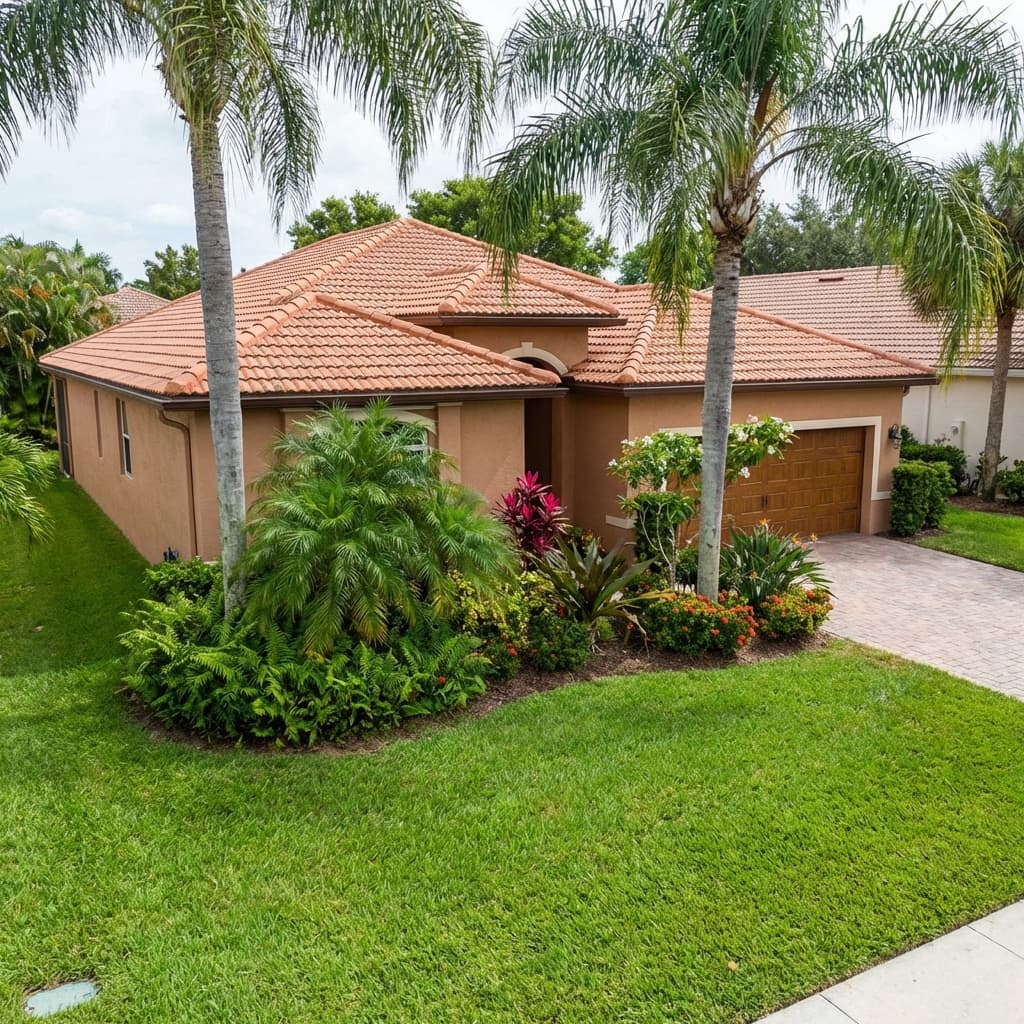
The Southside is one of Jacksonville's most diverse areas for lawn care. From the older neighborhoods around San Marco to the newer developments in Durbin Crossing, each section has its own challenges. The sandy soil that dominates much of the area drains quickly, which affects everything from watering schedules to fertilizer application.
Most Southside properties sit in Zone 9b, though some areas closer to the St. Johns River edge into Zone 9a. This distinction matters less than you'd think for lawn care—what really matters is understanding how our hot, humid summers and occasional winter cold snaps affect grass health.
Understanding Southside Soil Conditions
Sandy soil is the defining characteristic of Southside lawn care. Drive down San Jose Boulevard or through the neighborhoods off Southside Boulevard, and you'll find variations of the same challenge: soil that doesn't hold nutrients or moisture well.
This isn't necessarily bad. Sandy soil provides excellent drainage, which means less standing water after the afternoon thunderstorms that roll through from June to September. But it also means you can't treat your lawn like properties in other parts of the country with heavier clay or loam soils.
Water penetrates quickly but also drains quickly. Fertilizer moves through the soil profile faster. Organic matter breaks down rapidly in our heat. These factors shape every lawn care decision you'll make.
Grass Types That Work in Southside Neighborhoods
St. Augustine dominates Southside lawns for good reason. Floratam and Palmetto varieties handle our heat, establish well in sandy soil, and create that thick, lush look most homeowners want. The shade tolerance helps in older neighborhoods like San Marco and Mandarin where mature oaks create heavy canopy.
Bahia grass shows up in lower-maintenance properties, particularly around Julington Creek and some of the larger lots near 295. It's tougher, needs less water, and handles traffic well. The trade-off is a coarser texture and less density.
Zoysia has gained ground in recent years, especially in newer developments around Butler Boulevard. It requires less water than St. Augustine once established and feels great underfoot. The slower growth rate appeals to people who'd rather not mow as frequently.
Bermuda works for full-sun areas but goes dormant and brown during our brief winter. Most Southside homeowners prefer grass that stays green year-round.
Watering Strategy for Sandy Southside Soil
The twice-weekly watering restrictions under St. Johns River Water Management District rules work adequately for Southside lawns if you water correctly. The key is understanding that sandy soil needs more frequent, shorter watering sessions than clay soil.
Your irrigation system should apply about ¾ inch of water per session. Any more than that, and you're just pushing water past the root zone into the deeper sand. Run zones for 15-20 minutes rather than 30-40 minutes. The goal is to wet the top 6-8 inches where grass roots actually live.
Early morning watering—between 4:00 and 8:00 AM—reduces disease pressure. Evening watering in our humid climate invites fungal problems, particularly gray leaf spot and brown patch.
During summer in neighborhoods like Baymeadows and around Town Center, established lawns need both allowed watering days. New sod or overseeded areas may need supplemental hand-watering during the 30-day establishment period (which is allowed under restriction rules).
Winter watering gets overlooked. Yes, grass growth slows from December through February, but roots continue developing. Water once per week during dry winter stretches.
Fertilization Schedule for Zone 9b Lawns
The University of Florida recommends 4-5 pounds of nitrogen per 1,000 square feet annually for St. Augustine in North Florida. Split that into 3-4 applications during the growing season.
First application goes down in April after grass fully greens up. Around Southside, this typically means mid-to-late April, though warm springs push it earlier. Use a balanced fertilizer with slow-release nitrogen.
Second feeding happens in early June before summer heat peaks. This supports the grass through our most stressful period.
Third application in August gives grass strength heading into fall. Some people skip this feeding, but lawns that receive it handle winter stress better.
An optional fourth feeding in late October supports root development without pushing excessive top growth before winter.
Avoid fertilizing during summer heat peaks (late July through early August) and during winter dormancy (November through March). Both waste product and risk environmental runoff into our waterways.
The sandy soil around Southside means slow-release fertilizers perform better than quick-release types. Slow-release nitrogen stays available longer instead of washing through the root zone after the first heavy rain.
Managing Common Southside Lawn Pests
Chinch bugs cause more lawn damage in Southside neighborhoods than any other pest. These tiny insects suck sap from grass blades, creating irregular yellow patches that expand rapidly. St. Augustine is particularly vulnerable.
Check for chinch bugs by parting grass at the edge of damaged areas and looking for small black bugs with white wings. They congregate where stressed grass meets healthy grass.
Proper watering and fertilization reduce chinch bug pressure. Stressed grass attracts them. Floratam’s early chinch-bug resistance has largely been lost; do not select it on a promise of current pest resistance. See UF/IFAS cultivar guidance.
Mole crickets tunnel through the soil, damaging roots and creating loose, spongy turf. You'll see them most often in spring and fall. They're active at night, which is when control treatments work best.
Grubs—the larvae of various beetles—occasionally damage Southside lawns but cause less consistent problems than in other regions. If you're noticing patches of grass that pull up easily and seeing white C-shaped larvae in the soil, you have grubs.
Disease Management in Humid Conditions
Gray leaf spot hits St. Augustine hard during rainy summers. This fungal disease creates elongated gray or brown spots on grass blades, and severe cases thin out entire sections of lawn.
The combination of afternoon thunderstorms, high humidity, and warm nights from June through September creates perfect gray leaf spot conditions. You can't change the weather, but you can adjust watering—avoid evening irrigation, reduce nitrogen during peak summer, and improve air circulation by keeping grass mowed to proper height.
Brown patch appears as circular patches of brown grass, typically in fall and spring when we get cool nights and warm days. It's another fungal disease favored by moisture and humidity.
Proper mowing height helps. St. Augustine should stay between 3.5-4 inches. Cutting too short stresses grass and increases disease susceptibility. Sharp mower blades matter—ragged cuts from dull blades create entry points for disease.
Mowing Practices for Southside Properties
Mow St. Augustine to 3.5-4 inches. This height shades the soil (reducing weed germination), protects roots from heat stress, and supports deeper root growth. In shadier areas like parts of San Jose or under the oak canopies in Mandarin, keep it closer to 4 inches.
Never remove more than one-third of the blade height in a single mowing. If grass gets away from you after rain, mow twice—once to bring it down partially, then again a few days later to reach the target height.
Mowing frequency varies by season. Spring and early summer might require twice-weekly mowing. Late summer through fall, once per week suffices. Winter, you might go two weeks between cuttings.
Alternating mowing patterns prevents grass from leaning one direction and reduces soil compaction along repeated wheel paths.
Grass clippings can stay on the lawn unless they're so thick they smother the grass beneath. The clippings return nutrients to the soil. Our sandy Southside soil benefits from this organic matter.
Seasonal Considerations Specific to Southside
Spring brings rapid growth starting in March. The temptation is to scalp the lawn to "clean it up." Don't. Light dethatching if needed, but maintain proper mowing height as grass greens.
Summer is survival mode. Between the heat and the afternoon thunderstorms, your job is keeping grass alive and healthy, not pushing aggressive growth. This means moderate fertilization, consistent watering, and watching for pest and disease pressure.
Fall—late September through November—is the best time for lawn improvement projects. Temperature moderate, rainfall decreases, and grass actively grows without summer heat stress. This is the window for sodding, plugging bare areas, or major fertilization.
Winter lawn care in Southside means largely leaving grass alone. Mow less frequently, water only during dry periods, and avoid walking on frost-covered grass. Some winters barely slow St. Augustine; others bring cold enough to cause temporary browning. Either way, grass bounces back in spring.
When to Consider Sod Installation
Sometimes renovation beats remediation. If more than 50% of your lawn is weeds, bare spots, or wrong grass type, starting fresh with new sod makes sense.
Sod establishes in 2-3 weeks during optimal conditions. You get an instant lawn rather than waiting months for seed to fill in (and grass seed isn't even recommended for St. Augustine, which establishes better vegetatively).
The best time for sod installation around Southside runs from April through early June and again from September through October. You can install sod other times, but establishment requires more intensive watering during summer heat or protection during winter cold.
Soil Amendments That Actually Help
Our sandy soil benefits from organic matter addition. Milorganite, composted manure, or quality compost worked into problem areas improves water and nutrient retention.
You can't change your entire lawn's soil structure—it's too expensive and labor-intensive—but targeting specific areas makes sense. New beds, bare spots being repaired, or areas transitioning from other materials to grass benefit from soil amendment.
Gypsum shows up in many soil amendment recommendations, but Florida's sandy soils don't typically need it. Gypsum helps break up clay soils, which isn't our problem.
Lime to adjust pH rarely helps Southside lawns. Our native soil pH runs slightly acidic to neutral, which suits St. Augustine fine. Test soil before adding lime rather than applying it speculatively.
Working With Southside's Irrigation Realities
Most neighborhoods installed irrigation systems decades ago. These systems worked fine initially but now show their age. Sprinkler heads clog with mineral deposits from well water. Coverage gaps develop. Controller batteries die.
Walk your property while the system runs and look for dry spots, overspray onto pavement, or heads that don't pop up properly. Maintenance now prevents dead spots later.
Some Southside homes use well water for irrigation. This works but comes with challenges—mainly iron staining on sidewalks and driveways. The grass doesn't mind, but the aesthetics bother some homeowners.
Rain sensors should be standard equipment. They're inexpensive and prevent irrigation systems from running during rain, saving water and reducing disease pressure.
The Long View on Southside Lawn Care
Lawn care in Southside Jacksonville isn't complicated, but it requires consistency. The climate and soil conditions favor grass growth most of the year. Give your lawn adequate water, appropriate fertilizer, proper mowing, and attention to problems as they develop, and you'll maintain healthy turf.
The worst approach is neglect followed by panic. Lawns tolerate short-term issues. What they don't handle well is chronic stress from incorrect watering, poor mowing practices, or nutrient deficiency.
Most lawn problems you'll encounter—disease, insects, thin areas—result from cultural practices rather than bad luck. Get the basics right, and the lawn takes care of itself most of the time.
Need Professional Sod Installation?
Jax Sod provides sod installation, sod replacement, and new lawn installation across Jacksonville and Northeast Florida. Free quotes!
Related Articles
Arlington Jacksonville Lawn Care
Arlington Jacksonville Lawn Care. Review the site, scope and current written quote before deciding.
August Lawn Care Jacksonville FL: Managing Peak Stress Season
Expert August lawn care tips for Jacksonville's toughest month. Strategies to help your lawn survive extreme heat, humidity, and afternoon storms.
December Lawn Care Jacksonville FL: Year-End Maintenance
Complete December lawn care guide for Jacksonville, Florida. Year-end maintenance, winterization strategies, and preparation tips for St. Augustine and warm-season grasses in Zone 9a/9b.
Let’s talk about your lawn
Ask our AI assistant a lawn question, or send the team a free installation estimate request.