Loading...
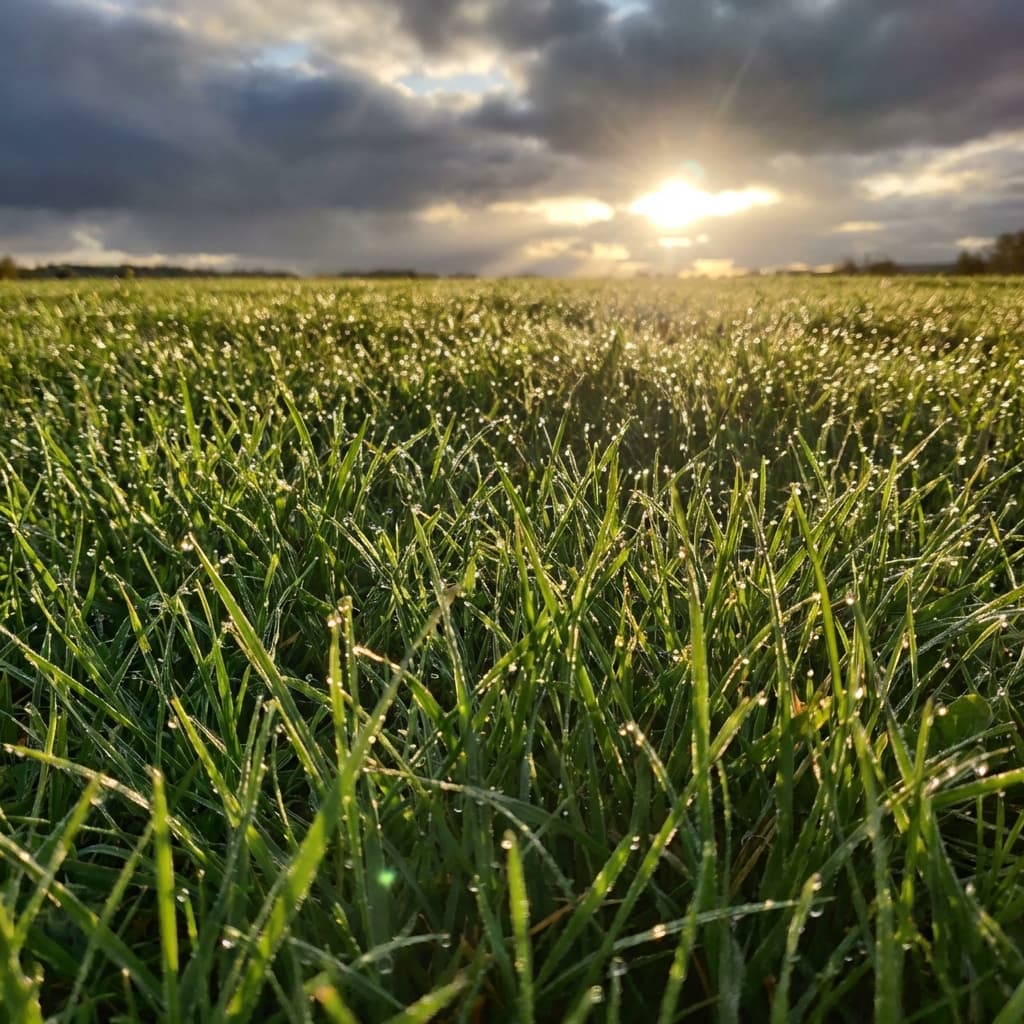
For sod, do not apply fertilizer before planting or as an early establishment shortcut. Follow the reviewed new-sod guidance.
Set irrigation from site conditions and the current rules for your property and water source. For new sod, use the dated care planner; a fixed schedule in an older guide is not permission to water.
Jacksonville homeowners know the drill. Summer afternoons bring towering thunderheads that unleash torrential downpours, often dropping several inches of rain in just a few hours. With Jacksonville receiving approximately 52 inches of annual rainfall concentrated heavily between June and September, managing your lawn after heavy rain isn't just occasional maintenance—it's a seasonal reality.
At Jax Sod, we've helped Northeast Florida homeowners navigate lawn recovery after countless storms through years in business. We've seen everything from minor pudding to significant flooding, and we know that what you do in the hours and days immediately following heavy rain can make the difference between a lawn that bounces back quickly and one that struggles with compaction, disease, and bare patches for months.
The challenge with Jacksonville's heavy rains isn't just the volume of water—it's the combination of saturated soils, high humidity, warm temperatures, and our region's naturally sandy but sometimes poorly draining soil profiles. This creates the perfect storm for fungal diseases, erosion problems, and turf stress. Let's walk through exactly what your lawn needs after the skies clear.
Understanding Jacksonville's Rainfall Patterns
Jacksonville's position on Florida's First Coast creates unique weather patterns that homeowners need to understand. Our 52 inches of annual rainfall doesn't arrive evenly throughout the year. Instead, we see pronounced wet and dry seasons that stress lawns in different ways.
Summer months from June through September account for nearly 60% of our annual rainfall. These aren't gentle, all-day rains either. Jacksonville experiences intense convective storms that can drop 2-4 inches in under an hour, overwhelming drainage systems and saturating soils faster than water can percolate through. Areas from Mandarin to Ponte Vedra Beach regularly see localized flooding during these events, particularly in low-lying neighborhoods near the St. Johns River and Intracoastal Waterway.
What makes Jacksonville particularly challenging is our status as the lightning capital of North America. We average over 100 thunderstorm days per year, more than almost anywhere else in the country. This frequent electrical activity doesn't just mean you should stay indoors during storms—lightning strikes can actually damage turf, creating dead patches that require special attention during recovery.
Our coastal location also means that heavy rains sometimes coincide with king tides or storm surge, particularly in Jacksonville Beach, Atlantic Beach, Neptune Beach, and parts of Southside and Riverside. When this happens, salt water intrusion becomes a concern, adding another layer of complexity to post-rain lawn care.
Immediate Actions After Heavy Rain
The first 24-48 hours after a heavy rain event are critical for lawn health. What you do—or don't do—during this window significantly impacts how quickly your lawn recovers and whether you'll face serious problems like fungal disease or soil compaction.
First Priority: Assess Standing Water
Walk your property and note where water is pooling. A few puddles that drain within 4-6 hours aren't cause for alarm—that's normal given Jacksonville's heavy clay layers beneath our sandy topsoil. But water that remains standing for 12-24 hours or more indicates drainage problems that need addressing.
Pay particular attention to low spots, areas along foundation walls, and sections where water flows from neighboring properties. These chronic problem areas often require grading corrections or the installation of French drains or catch basins. We've worked with countless homeowners in areas like Deerwood and Town Center where poorly graded lots create recurring wet spots that no amount of care can overcome without structural drainage solutions.
Stay Off the Lawn
This is harder than it sounds, especially if you have kids or dogs, but walking or driving on saturated turf causes severe soil compaction. When soil pores are filled with water instead of air, the soil particles compress easily under weight, eliminating the air spaces that grass roots need to breathe and grow.
Wait until you can walk across the lawn without leaving visible footprints or sinking more than a quarter-inch before resuming normal lawn traffic. In Jacksonville's sandy soils, this typically takes 24-48 hours after rain stops, but clay-heavy areas may need 3-4 days.
Check for Erosion Damage
Heavy rains can wash away topsoil, mulch, and even sod on sloped areas. Areas of San Marco, Riverside, and Avondale with older homes often have more dramatic slopes where erosion becomes problematic. Look for exposed roots, soil channels where water rushed downhill, bare spots where grass washed away, and mulch displacement from beds.
Document these areas with photos. Minor erosion can be addressed with topsoil replacement and reseeding or plugging, but significant erosion may indicate the need for terracing, retaining walls, or erosion control fabric—projects best handled before the next heavy rain.
Preventing Fungal Disease After Rain
If there's one thing Jacksonville's climate excels at producing, it's lawn fungus. The combination of frequent rain, high humidity (often 80-90% in summer mornings), warm temperatures, and extended leaf wetness creates ideal conditions for fungal pathogens.
The 48-Hour Window
Fungal spores are always present in lawns—they're just waiting for the right conditions to explode into visible disease. After heavy rain, especially multi-day rain events, you have approximately 48 hours to take preventive action before fungal diseases become established.
For lawns that have shown susceptibility to fungus in the past, or for new sod installations (which are particularly vulnerable), applying a preventive fungicide within this window can prevent significant damage. At Jax Sod, we recommend broad-spectrum fungicides containing azoxystrobin or propiconazole for Jacksonville conditions.
Target High-Risk Grass Types
Not all grass types face equal fungal risk after heavy rain. St. Augustine grass, the most popular choice in Jacksonville from Nocatee to Orange Park, is highly susceptible to gray leaf spot during wet periods. New St. Augustine sod faces the highest risk—we often advise clients to have fungicide on hand before even installing new sod during summer months.
Bermuda grass tends toward dollar spot and spring dead spot, while Zoysia faces brown patch problems, particularly when nights cool down in fall while soils remain moist. Bahia, while generally disease-resistant, can develop dollar spot under prolonged wet conditions combined with low nitrogen levels.
Cultural Practices to Reduce Fungal Risk
Fungicide applications help, but cultural practices are equally important. After heavy rain, avoid watering your lawn for at least 5-7 days unless you see drought stress. This seems obvious, but many irrigation systems run on timers, and homeowners forget to adjust them after significant rainfall.
Don't fertilize immediately after heavy rain either. Excess nitrogen on wet grass blades promotes fungal growth. Wait until the lawn dries and then follow your normal fertilization schedule. If heavy rain washed away recently applied fertilizer (you'll see it pooled in low areas or washed into street gutters), wait at least a week before reapplying at half-rate to avoid promoting disease.
Adjusting Irrigation After Heavy Rain
Jacksonville operates under St. Johns River Water Management District (SJRWMD) watering restrictions: odd-numbered addresses water Wednesday and Saturday, even-numbered addresses water Thursday and Sunday. But just because you can water doesn't mean you should—especially after heavy rain.
Skip Irrigation Cycles
Your lawn needs approximately 1 inch of water per week during growing season, including rainfall. After a heavy rain event that drops 2-4 inches, you may not need to irrigate for 2-4 weeks, depending on temperature and evapotranspiration rates.
Most modern irrigation controllers have a rain delay or seasonal adjust feature. Use it. Set the system to skip cycles for 7-14 days after significant rain, then monitor soil moisture before resuming. To check soil moisture, push a screwdriver into the soil—it should penetrate 6 inches easily if moisture is adequate. If it meets resistance at 3-4 inches, the soil is too dry.
Watch for Irrigation System Damage
Heavy rains can damage irrigation components. Flooding can clog sprinkler heads with debris, shift heads out of alignment, or even wash away soil around lateral lines, causing breaks. After the rain stops and the ground firms up, run a manual test of each irrigation zone and watch for:
- Sprinkler heads shooting water in wrong directions (indicates they've shifted)
- Excessive water pooling near heads (indicates broken lines)
- Heads that won't pop up (indicates clogging)
- Significantly reduced pressure (indicates main line issues)
We serve homeowners throughout Duval, Clay, St. Johns, and Nassau Counties, and we see irrigation damage after almost every major storm. Catching and fixing these issues quickly prevents water waste and ensures uniform coverage when you do resume watering.
Dealing with Soil Compaction
Jacksonville's soil is predominantly sandy in the top 6-12 inches, but many areas, particularly in Arlington, Baymeadows, and parts of Mandarin, have heavy clay subsoils. When saturated, both soil types can compact under traffic, but clay areas face more severe problems.
Recognizing Compaction
Compacted soil restricts root growth, reduces water infiltration, and creates conditions where water pools on the surface during subsequent rains rather than percolating through the soil profile. Signs of compaction include:
- Puddles that form in the same spots every rain
- Grass that thins out gradually despite adequate fertilization
- Hard, crusty soil surface when dry
- Poor response to fertilizer applications
- Increased weed pressure, particularly from plantain and knotweed
Aeration as a Solution
For residential lawns, core aeration is the most effective solution for compaction. This involves mechanically removing soil plugs 2-3 inches deep and half-inch in diameter, creating channels that allow air, water, and nutrients to penetrate compacted soil.
In Jacksonville, the best time to aerate is late spring (May) or early fall (September-October) when grass is actively growing and can quickly recover. After heavy rain events that cause visible compaction, wait until soil moisture is optimal—not saturated, not bone dry. Soil should be moist enough that aeration tines penetrate easily but firm enough that they remove intact cores.
For St. Augustine lawns, which spread via stolons that can be damaged by core aeration, consider solid tine aeration instead, or simply use a turning fork to punch holes in problem areas. Bermuda and Zoysia lawns tolerate aggressive core aeration well.
Checking and Improving Drainage
If heavy rain consistently creates the same problem areas in your yard, you're dealing with drainage issues that need permanent solutions. Temporary fixes won't cut it—you need to address the underlying problem.
Identifying Drainage Problems
Walk your property during or immediately after heavy rain and note water flow patterns. Water should flow away from your foundation and toward street gutters, drainage swales, or retention areas. When it doesn't, you'll see:
- Water pooling against foundation walls
- Water flowing from neighbor's yard onto yours
- Low spots that become ponds after every rain
- Erosion channels indicating concentrated water flow
- Wet soil that squishes underfoot days after rain stops
Common drainage problems in Jacksonville include: poorly graded lots (especially in newer developments like Nocatee), clogged or undersized storm drains, compacted soil preventing percolation, roof downspouts discharging directly onto lawns, and naturally low-lying properties near creeks or retention ponds.
Drainage Solutions
Minor drainage issues can often be resolved by:
- Regrading to create positive slope away from foundations (minimum 2% grade)
- Installing catch basins in low spots, connected to French drains or drainage pipes
- Extending downspouts 10-15 feet from foundations
- Creating swales (shallow vegetated channels) to direct water flow
- Improving soil percolation by incorporating organic matter and sand into clay-heavy areas
More severe drainage problems may require professional solutions like curtain drains, dry wells, or even working with your homeowner's association to address community-wide drainage issues. Proper drainage is the foundation of a healthy lawn, especially in Jacksonville-area yards that hold water after storms.
Repairing Erosion and Bare Spots
Heavy rain often leaves behind bare patches where soil and grass washed away, particularly on slopes and in areas where water concentrated during runoff.
Assess the Damage
Small bare spots (less than 1 square foot) will often fill in naturally from surrounding grass, especially with Bermuda and Zoysia varieties that spread aggressively. St. Augustine and Bahia spread more slowly and may need help.
Larger bare areas or those on slopes need immediate attention to prevent further erosion during the next rain. If you can see exposed roots, channels where water flowed, or areas where topsoil is completely gone, you need to act quickly.
Repair Process
For small to medium bare spots:
- Remove any dead or damaged grass and debris
- Loosen the soil surface with a garden rake
- Add 2-3 inches of quality topsoil, sloping to match surrounding grade
- For St. Augustine, install sod plugs on 12-inch centers; for Bermuda or Zoysia, lay sod or use sprigs
For larger damaged areas or slopes, identify the cause before planning repairs. If replacement sod is appropriate, request a Jax Sod installation estimate; material and scheduling are confirmed for the project.
Slope Stabilization
If erosion occurred on a slope, simply replacing soil and grass won't prevent recurrence. Consider:
- Installing erosion control fabric or jute netting to hold soil until grass establishes
- Creating terraces or retaining walls on severe slopes
- Planting slope-stabilizing groundcovers in addition to grass
- Installing check dams or riprap in drainage channels
Managing Fertilizer Runoff Concerns
Heavy rain doesn't just affect your lawn—it affects the broader Jacksonville environment by washing fertilizers, pesticides, and sediment into storm drains that flow directly to the St. Johns River, local creeks, and the Atlantic Ocean.
Recent Application Concerns
If you fertilized within two weeks before a heavy rain, significant nutrient runoff likely occurred. You'll see evidence in storm drains, where fertilizer granules accumulate, and in areas where water pooled—grass there may turn darker green while the rest of the lawn shows no color response.
From an environmental perspective, this runoff contributes to algae blooms and water quality problems in our waterways. From a lawn care perspective, it means your lawn didn't receive the nutrition you paid for.
Florida-Friendly Fertilization
To minimize runoff concerns, follow Florida-Friendly Landscaping guidelines:
- Apply fertilizer during dry periods when rain isn't forecast for 2-3 days
- Use slow-release nitrogen sources that aren't water-soluble
- Keep fertilizer off hard surfaces (driveways, sidewalks) where it washes away quickly Check the current fertilizer rules for the actual property and the fertilizer decision guide before applying. Do not assume another jurisdiction’s dates apply.
If heavy rain washes away recently applied fertilizer, resist the urge to immediately reapply full rates. This doubles your environmental impact and can burn grass. Wait 7-10 days, then apply at half-rate.
When to Resume Mowing After Rain
One of the most common mistakes we see is homeowners mowing too soon after heavy rain. We understand the impulse—grass grows quickly after rain, and an overgrown lawn looks unkempt—but mowing wet or saturated turf causes multiple problems.
Wait for Firm Ground
Mowing when soil is saturated causes mower wheels to sink, compacting soil and creating ruts. These ruts become permanent low spots that collect water during future rains, creating a cycle of problems. Wait until the ground is firm enough that you don't leave visible tracks when you walk across the lawn.
In Jacksonville's sandy soils, this typically takes 24-48 hours after rain stops. Clay-heavy areas in Middleburg, parts of Orange Park, and western Clay County may need 3-4 days.
Wet Grass Cutting Issues
Even if the ground is firm, mowing when grass blades are wet from dew or recent rain creates problems:
- Clumping, where wet clippings stick together and smother grass beneath
- Uneven cutting, as wet grass blades bend away from mower blades
- Disease spread, as mower blades carry fungal spores from infected areas to healthy turf
- Equipment clogging, particularly on mulching mowers
Wait until grass blades are dry. In humid Jacksonville summers, this often means waiting until mid-afternoon on sunny days, after morning dew has evaporated.
Adjusting Mowing Height
If rain delays mowing and grass grows excessively tall, don't cut it back to normal height all at once. This violates the one-third rule (never remove more than one-third of grass blade length in a single mowing) and stresses the lawn. Instead, mow at a higher setting first, wait 3-4 days, then mow again at normal height.
Lightning Damage to Jacksonville Turf
Here's something most lawn care guides don't cover: Jacksonville's position as North America's lightning capital means you may occasionally see mysterious circular dead spots in your lawn that have nothing to do with disease, pests, or poor care.
Recognizing Lightning Damage
Lightning strikes to turf create distinct patterns. Unlike disease, which spreads gradually, lightning damage appears suddenly after a storm as a circular or irregular dead area, typically 1-4 feet in diameter. The grass in the center is usually completely dead, often with a singed appearance, while the outer edges may show stress but can potentially recover.
Lightning damage is more common in open lawns without tall trees to attract strikes, and in areas with shallow bedrock or underground utilities that conduct electricity horizontally through the soil.
Treatment Approach
Unfortunately, there's no treatment for lightning-killed grass except replacement. Wait 2-3 weeks to see if the outer edges recover, then:
- Remove dead grass and excavate damaged soil 2-3 inches deep
- Replace with fresh topsoil
- Install sod to match surrounding turf
- Water as you would new sod for 2-3 weeks
The good news is lightning-damaged soil isn't permanently ruined. Once you replace the top few inches and install new sod, the area grows normally.
Coastal Properties: Salt Water Intrusion
For homeowners in Jacksonville Beach, Atlantic Beach, Neptune Beach, Ponte Vedra Beach, and coastal areas of Southside, heavy rain sometimes coincides with high tides or storm surge, pushing salt water into low-lying areas and onto lawns.
Salt Damage Symptoms
Salt water kills grass by dehydrating plant cells and making soil water unavailable to roots. Symptoms appear 2-7 days after saltwater exposure:
- Grass blades turning yellow, then brown, from the tips inward
- Wilted appearance even though soil is wet
- Damage most severe in low spots where salt water pooled
- Possible white salt crust on soil surface after water evaporates
Leaching Salt from Soil
If your lawn was exposed to salt water, you need to leach salt from the root zone by applying significant amounts of fresh water. This pushes salt deeper into the soil profile, below the root zone where it can't harm grass.
Apply 2-3 inches of fresh water over affected areas within 24-48 hours of salt water exposure. If you're on a well system, this much water may be challenging. In that case, prioritize the most valuable areas and accept that severely damaged sections may need resodding.
St. Augustine grass has moderate salt tolerance and may recover if you act quickly. Bahia has good salt tolerance. Bermuda and Zoysia have lower salt tolerance and suffer more severe damage.
Creating a Post-Rain Action Plan
After seeing what heavy rain can do to Jacksonville lawns and learning the proper recovery steps, you should create a written action plan for the next major rain event—because there will be a next time.
Your Post-Rain Checklist
Within 24 hours after heavy rain:
- Walk property and document standing water, erosion, drainage problems
- Turn off or delay irrigation system
- Check for visible damage to irrigation components
- Stay off saturated turf to prevent compaction
- Apply preventive fungicide if lawn has disease history or is newly sodded
Within 48-72 hours:
- Resume light foot traffic once ground is firm
- Clean up debris and remove standing water if it hasn't drained naturally
- Make temporary erosion repairs to prevent further damage
- Check for lightning damage or unusual dead spots
Within 1-2 weeks:
- Resume mowing when grass is dry and ground is firm
- Assess need for permanent drainage improvements
- Resod or repair larger damaged areas
- Resume normal fertilization schedule if previously interrupted
Document Problem Areas
Take photos of drainage problems, erosion areas, and spots where water pools after every rain. This documentation helps when discussing solutions with contractors, provides a baseline for tracking improvements, and can support insurance claims if storm damage is severe.
Conclusion
Jacksonville's 52 inches of annual rainfall, concentrated in dramatic summer thunderstorms, makes post-rain lawn care a regular part of homeownership in Northeast Florida. The good news is that with proper attention in the critical 24-72 hours after heavy rain, most lawns recover quickly and emerge healthier than before.
The key principles are simple: stay off saturated turf to prevent compaction, address drainage problems rather than just treating symptoms, take preventive action against fungal diseases within the 48-hour window, and don't rush to resume normal maintenance activities like mowing and fertilizing until conditions are right.
Remember that some problems, like chronic drainage issues or significant erosion, require professional solutions. Trying to patch and repair the same spots after every storm is frustrating and ultimately more expensive than addressing underlying issues properly the first time.
At Jax Sod, we help Jacksonville homeowners create resilient lawns for our challenging climate. Whether you're dealing with storm damage, need drainage improvements, or want to install sod that's better suited to Jacksonville's wet conditions, our team brings years of local experience to every project.
Ready to improve your lawn's resilience to heavy rain? We serve all of Northeast Florida, from Green Cove Springs to Ponte Vedra Beach and everywhere in between.
Need Professional Sod Installation?
Jax Sod provides sod installation, sod replacement, and new lawn installation across Jacksonville and Northeast Florida. Free quotes!
Related Articles
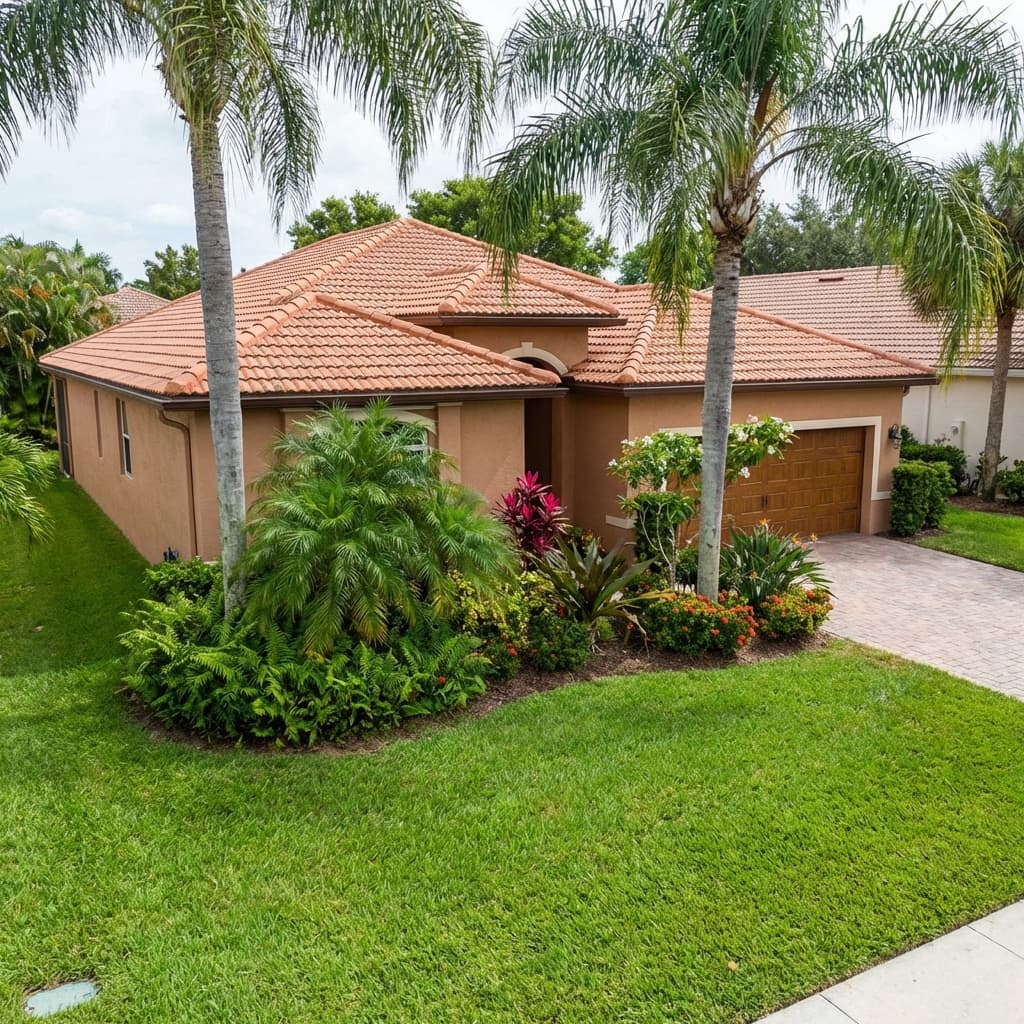
Arlington Jacksonville Lawn Care
Arlington Jacksonville Lawn Care. Review the site, scope and current written quote before deciding.
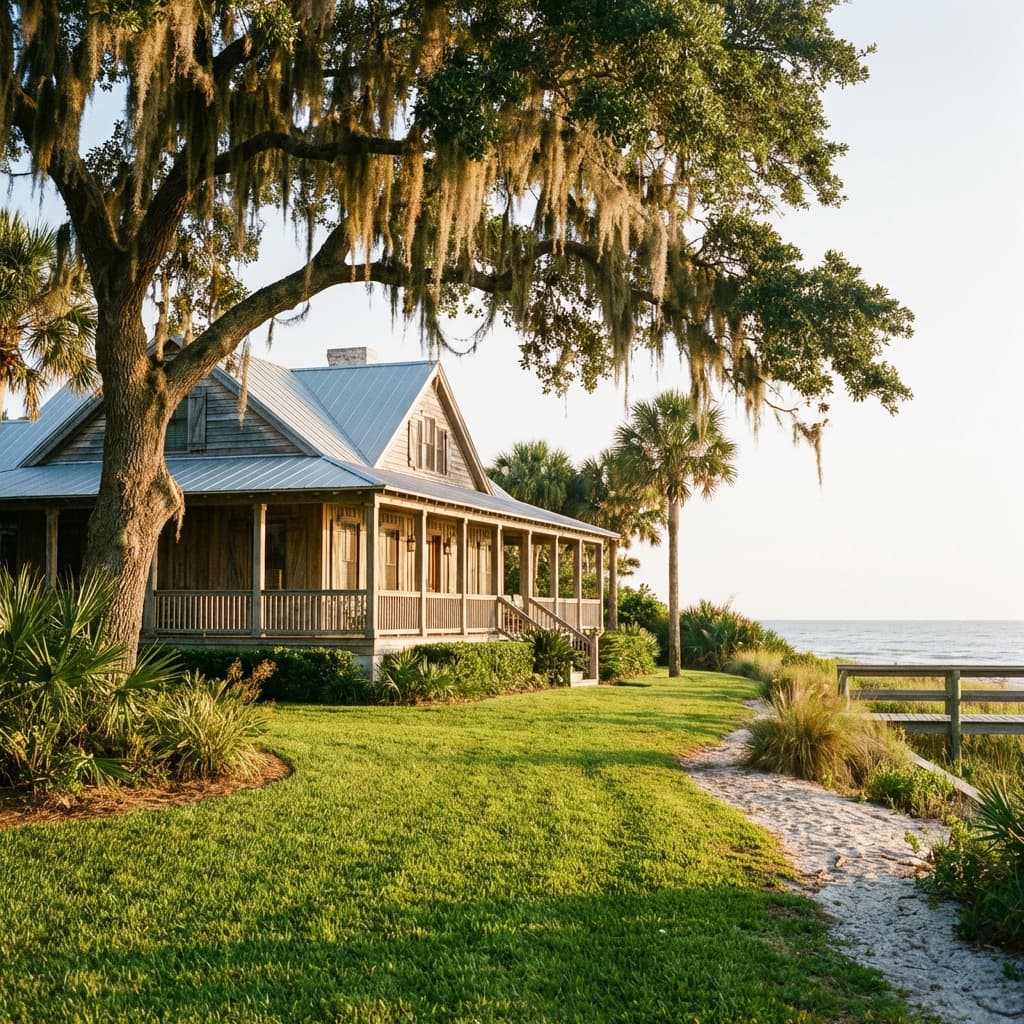
August Lawn Care Jacksonville FL: Managing Peak Stress Season
Expert August lawn care tips for Jacksonville's toughest month. Strategies to help your lawn survive extreme heat, humidity, and afternoon storms.
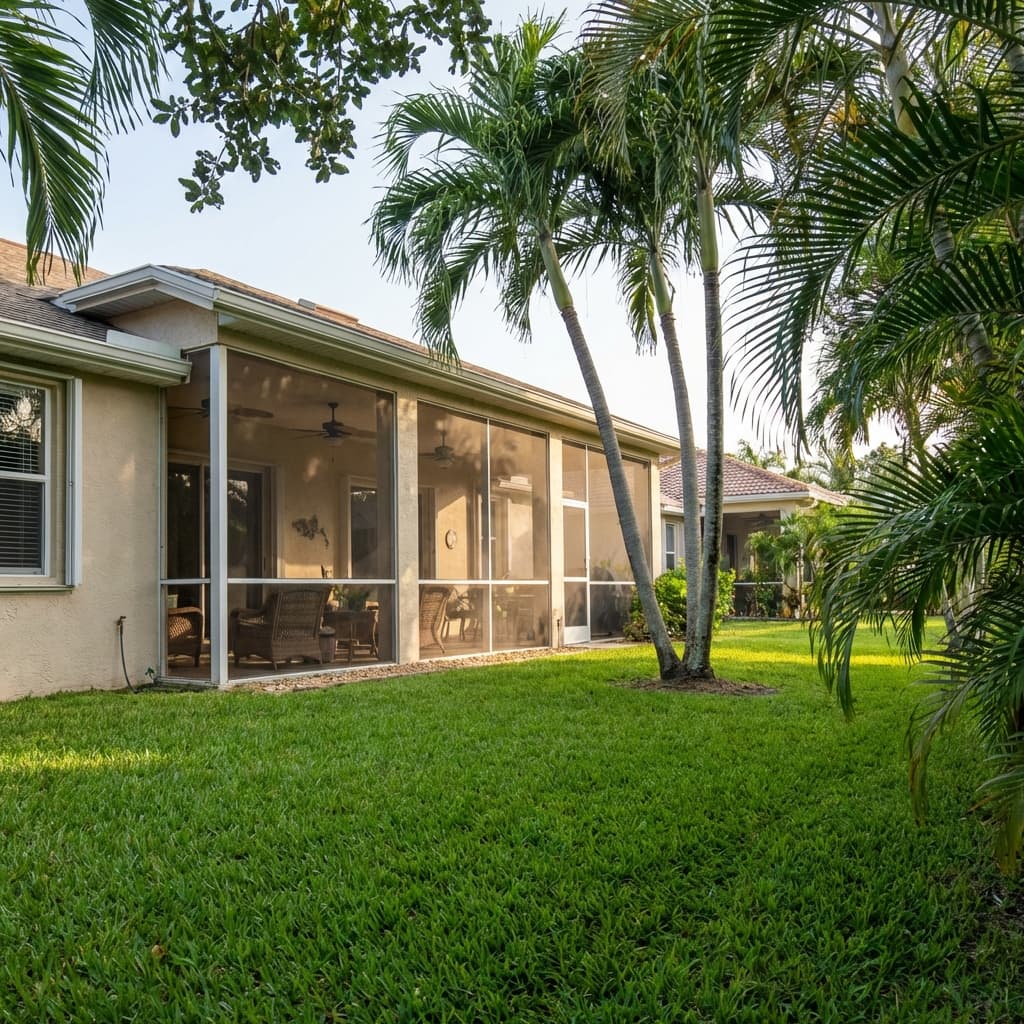
December Lawn Care Jacksonville FL: Year-End Maintenance
Complete December lawn care guide for Jacksonville, Florida. Year-end maintenance, winterization strategies, and preparation tips for St. Augustine and warm-season grasses in Zone 9a/9b.
Let’s talk about your lawn
Ask our AI assistant a lawn question, or send the team a free installation estimate request.