Loading...
Back to Articles
Drainage Solutions for Jacksonville Yards: Fix Standing Water Problems
Irrigation & Drainage January 23, 2026 11 min read
If you've ever walked into your backyard after a summer thunderstorm and found yourself ankle-deep in standing water, you're not alone. Drainage problems are one of the most common — and most frustrating — issues Jacksonville homeowners face. That puddle sitting in your yard isn't just an eyesore. It's a breeding ground for mosquitoes, a threat to your foundation, and a slow killer of the lawn you've worked hard to maintain.
The good news? Every drainage problem has a solution. Whether you're dealing with a soggy patch that never dries out or full-on flooding every time it rains, there are proven fixes that work specifically for Northeast Florida's unique soil and climate conditions. In this guide, we'll walk you through exactly why your Jacksonville yard holds water and the best drainage solutions to fix it for good.
Why Jacksonville Yards Have So Many Drainage Problems
Before you can fix a drainage issue, it helps to understand why Jacksonville is especially prone to them. It's not bad luck — it's geology, geography, and weather all working against your yard at once.
Flat Terrain With Nowhere for Water to Go
Jacksonville sits on the Atlantic Coastal Plain, one of the flattest stretches of land on the East Coast. Unlike hilly areas where gravity naturally pulls water downhill and away from homes, our flat topography means water has no obvious path to follow. It just sits there. Many neighborhoods in areas like Mandarin, the Southside, Arlington, and the Beaches were developed on land that was barely above the water table to begin with. Without intentional grading during construction, water pools in low spots and stays put.
Hidden Clay Layers Under the Sand
Here's something that surprises a lot of homeowners: while the top few inches of your yard might be sandy, there's often a dense clay layer lurking just beneath the surface. This clay acts like an underground bathtub. Rain soaks through the sandy topsoil quickly but then hits that clay hardpan and stops cold. The water has nowhere to percolate, so it backs up and saturates the root zone of your grass — or worse, rises to the surface.
This is especially common in neighborhoods built on former farmland or in areas around the St. Johns River floodplain where sediment deposits created these layered soil profiles over thousands of years.
A High Water Table
Much of Duval County has a water table that sits just a few feet below the surface. During the wet season — roughly June through October — that water table can rise to within inches of ground level. When the water table is high, your soil is already saturated before a single drop of rain falls. There's simply no capacity left in the ground to absorb more water, and the excess has to go somewhere. Usually, that somewhere is your yard.
Heavy Rainfall and Summer Thunderstorms
Jacksonville averages over 50 inches of rain per year, with the bulk of it arriving in intense summer thunderstorms. It's not unusual for a single afternoon storm to dump two or three inches of rain in under an hour. That kind of volume overwhelms even well-drained yards, and it absolutely devastates yards with existing drainage issues.
Then there's hurricane season. From June through November, tropical systems can deliver 5 to 10+ inches of rain over a day or two. Events like Hurricane Matthew in 2016 and Hurricane Irma in 2017 left entire Jacksonville neighborhoods underwater for days. While you can't fully hurricane-proof your yard, a solid drainage system makes the difference between a yard that recovers in a day and one that stays flooded for a week.
Top Drainage Solutions for Jacksonville Homeowners
Now let's get into the solutions. Each of these approaches works well in Northeast Florida, and the best fix for your yard may involve combining two or more of them.
French Drains: The Workhorse of Yard Drainage
A French drain is a trench filled with gravel and a perforated pipe that collects subsurface water and redirects it to a discharge point — usually a storm drain, a dry well, or a low area at the edge of your property. It's one of the most reliable and widely used drainage solutions in Jacksonville.
How it works: A trench is dug (typically 12 to 18 inches deep and 6 to 12 inches wide), lined with landscape fabric, filled with washed gravel, and fitted with a perforated PVC or corrugated pipe. Water seeps through the gravel, enters the pipe through its perforations, and flows by gravity to the outlet.
Best for: Yards with persistent soggy areas, water pooling along fence lines, or subsurface water that saturates the root zone of your lawn.
Jacksonville-specific tip: Because of our clay sublayers, French drains often need to be installed slightly deeper than in sandier regions to get below that clay hardpan. A landscaping professional familiar with local soil conditions will know exactly where to set the depth for maximum effectiveness.
Cost: Varies based on depth, length, and site conditions. Contact us for a free estimate tailored to your property.
Dry Wells: Underground Water Storage
A dry well is essentially an underground chamber that collects excess water and allows it to slowly percolate into the surrounding soil. Think of it as a temporary holding tank that takes the surge out of heavy rainfall.
How it works: A large hole is excavated (usually 3 to 4 feet deep and wide), lined with landscape fabric, and filled with a plastic dry well chamber or large gravel. Water is directed into the dry well via a pipe — often connected to a French drain, downspout, or catch basin — and gradually absorbs into the ground over the following hours or days.
Best for: Properties where there's no good place to discharge water at the surface. Dry wells are especially useful in Jacksonville neighborhoods with flat lots and no nearby storm drains.
Jacksonville-specific tip: Dry wells work best when they're installed in a layer of sandy soil below the clay. If your property has deep sand beneath a shallow clay layer, a dry well can be extremely effective. However, if the water table is very high on your lot, a dry well may not have the capacity to drain between storms. A soil test or a quick percolation test can tell you whether a dry well is the right choice.
Cost: Depends on well size, soil conditions, and site access. Contact us for a personalized quote.
Yard Regrading: Working With Gravity
Sometimes the simplest solution is the best one. Regrading involves reshaping the surface of your yard so that water flows away from your home and toward a designated drainage area. Every yard should slope away from the foundation at a minimum grade of 1 inch per foot for the first 6 to 10 feet.
How it works: Soil is added to low spots or redistributed across the yard to create a consistent slope. In some cases, a shallow swale (more on that below) is graded into the landscape to channel water in a specific direction.
Best for: Yards where water pools near the foundation, patios, or walkways. Also ideal for new construction or after major landscaping projects when you have the opportunity to set proper grades from the start.
Jacksonville-specific tip: If you're regrading and plan to lay new sod afterward, this is the perfect time to address drainage and lawn health in one project. At Jax Sod, we regularly help homeowners combine regrading with fresh sod installation to create a yard that looks great and drains properly from day one.
Cost: Depends on the size of the area and amount of fill dirt needed. Reach out for a free assessment.
Rain Gardens: Beautiful and Functional
A rain garden is a shallow, planted depression designed to capture and absorb runoff. It's one of the most aesthetically pleasing drainage solutions available, and it works beautifully in Jacksonville's subtropical climate.
How it works: A basin is dug 6 to 12 inches deep in a natural low spot or at the end of a drainage path. It's filled with a specially blended soil mix that drains well and planted with native or adapted plants that tolerate both wet and dry conditions. During rain, water flows into the garden, pools temporarily, and soaks into the amended soil within 24 to 48 hours.
Best for: Homeowners who want a drainage solution that doubles as a landscape feature. Rain gardens are excellent for capturing roof runoff, driveway sheet flow, or overflow from other drainage systems.
Plants that thrive in Jacksonville rain gardens:
- Muhly grass (Muhlenbergia capillaris)
- Blue flag iris (Iris virginica)
- Coreopsis (Florida's state wildflower)
- Fakahatchee grass (Tripsacum dactyloides)
- Beautyberry (Callicarpa americana)
- Swamp sunflower (Helianthus angustifolius)
Cost: Varies based on garden size and plant selections. Contact us to discuss your project.
Swales: Channeling Water Where You Want It
A swale is a shallow, broad channel that directs water across your property to a desired location. Unlike a ditch, a well-designed swale is grassed over and blends naturally into your landscape. Many Jacksonville neighborhoods already have swales along the street — they're part of the city's stormwater management system.
How it works: A gentle, U-shaped depression is graded into the yard, typically 6 to 12 inches deep and several feet wide. The bottom and sides are planted with turf grass to prevent erosion. Water flows along the swale during rain events and absorbs into the soil along the way.
Best for: Large yards, side yards where water flows between properties, and lots where water needs to be moved a significant distance to reach a discharge point.
Jacksonville-specific tip: If you have an existing swale between your property and the street, make sure it's maintained. Over time, swales can fill in with soil and debris, losing their effectiveness. Cleaning out and regrading your swale is one of the cheapest and most effective drainage improvements you can make. Planting a swale with a tough, water-tolerant sod like Zoysia or St. Augustine from Jax Sod helps prevent erosion while keeping the swale looking like a natural part of your lawn.
Cost: Depends on length, depth, and site conditions. Get in touch for a quote.
Downspout Extensions and Underground Piping
This one is overlooked far too often. Your roof collects a massive amount of water — a 2,000-square-foot roof in a 1-inch rainstorm captures roughly 1,250 gallons. If your downspouts dump all that water right next to your foundation, you're creating a drainage problem (and potentially a foundation problem) every time it rains.
How it works: Downspouts are extended using above-ground splash blocks, flexible extensions, or — better yet — connected to underground PVC pipes that carry the water 10 to 20 feet or more away from the house. The discharge end can empty into a dry well, a rain garden, a swale, or simply onto a graded area that slopes away from the home.
Best for: Every home in Jacksonville. Seriously. If your downspouts currently end within 3 feet of your foundation, this should be the first thing you fix.
Cost: Simple above-ground extensions are very affordable. Underground piping costs more depending on the number of downspouts and distance to the discharge point. Contact us for current pricing.
Comparing Drainage Solutions: Which Is Right for Your Yard?
| Solution | Best For | DIY Friendly? | Effectiveness |
|---|---|---|---|
| French Drain | Subsurface water, soggy areas | Moderate | High |
| Dry Well | No surface discharge point | Moderate | High |
| Yard Regrading | Water pooling near home | Difficult | High |
| Rain Garden | Aesthetic + drainage combo | Easy-Moderate | Moderate |
| Swale | Moving water across property | Moderate | High |
| Downspout Extensions | Roof runoff near foundation | Easy | Moderate-High |
Many Jacksonville yards benefit from a combination of solutions. For example, redirecting downspouts into an underground pipe that feeds a French drain, which outlets into a dry well. A qualified landscape professional can assess your specific situation and design an integrated system.
When to Call a Professional
Some drainage projects are well within the reach of a handy homeowner — extending a downspout, building a small rain garden, or cleaning out an existing swale. But there are situations where professional help isn't just recommended, it's essential:
- Water is pooling against your foundation. This is a structural concern that needs to be addressed correctly the first time. Improper grading or drainage near a foundation can make things worse.
- You're dealing with standing water over a large area. Solving big drainage problems requires understanding the full water flow picture across your lot, not just the spot where water collects.
- You suspect a high water table. Installing a French drain or dry well in the wrong location relative to the water table is a waste of money. A professional will test conditions before digging.
- Your yard needs regrading. Getting proper slope and drainage patterns right requires equipment and experience. Too much grade change can create new problems or send water onto a neighbor's property (which can create legal issues in Duval County).
- You've tried a DIY fix and it didn't work. There's no shame in calling for backup. Drainage is one of those areas where experience and local knowledge make a huge difference.
Drainage and your lawn
Here's the thing: if you've put money into quality sod — St. Augustine, Zoysia, Bermuda, whatever — poor drainage can undo that investment faster than almost anything else. Grass roots sitting in waterlogged soil develop root rot, fungal diseases like Brown Patch and Take-All Root Rot thrive in wet conditions, and chronically soggy turf becomes thin and weak, opening the door for weeds to take over.
Fixing your drainage isn't just about keeping water off your patio or away from your foundation. It's about creating the conditions where your lawn can actually thrive. Healthy turf needs moist soil, not saturated soil — and there's a big difference.
At Jax Sod, we see this connection every day. Homeowners call us wanting new sod because their lawn looks terrible, and when we visit the property, the first thing we notice is a drainage problem. Laying fresh sod on a waterlogged yard is like putting new paint on a rotten wall. That's why we always recommend addressing drainage issues before or during a sod installation — so your new lawn has the best possible chance to establish strong roots and stay healthy for years to come.
Get started
Standing water in your Jacksonville yard isn't something you just have to live with. Whether the fix is as simple as extending a downspout or as involved as a full French drain system with dry wells, there's a solution that fits your property and budget.
If you are considering new sod, request a Jax Sod on-site estimate. Discuss drainage concerns before accepting the installation and arrange any specialist assessment or repairs separately.
Need Professional Sod Installation?
Jax Sod provides sod installation, sod replacement, and new lawn installation across Jacksonville and Northeast Florida. Free quotes!
Related Articles
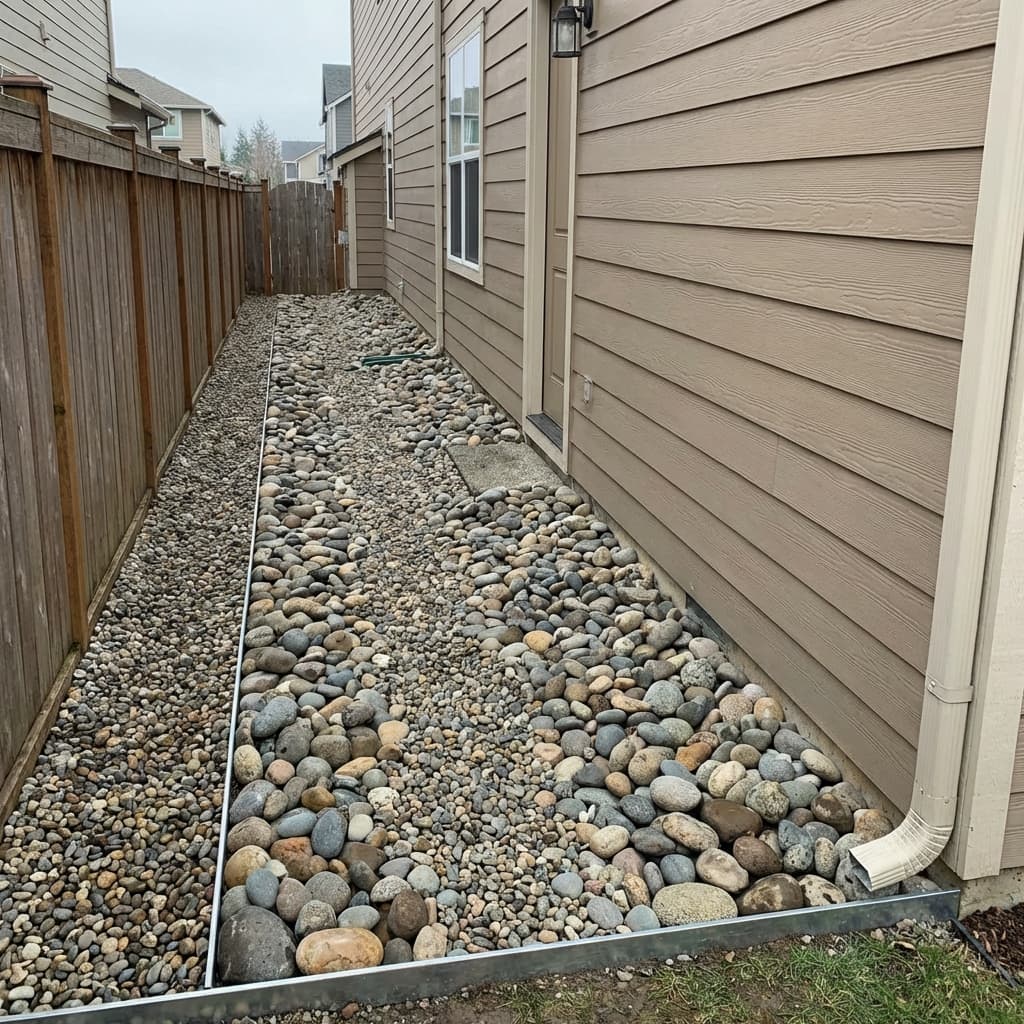
Rain Gardens in Jacksonville: Beautiful Drainage Solutions
Rain Gardens in Jacksonville: Beautiful Drainage Solutions. Review the site, scope and current written quote before deciding.
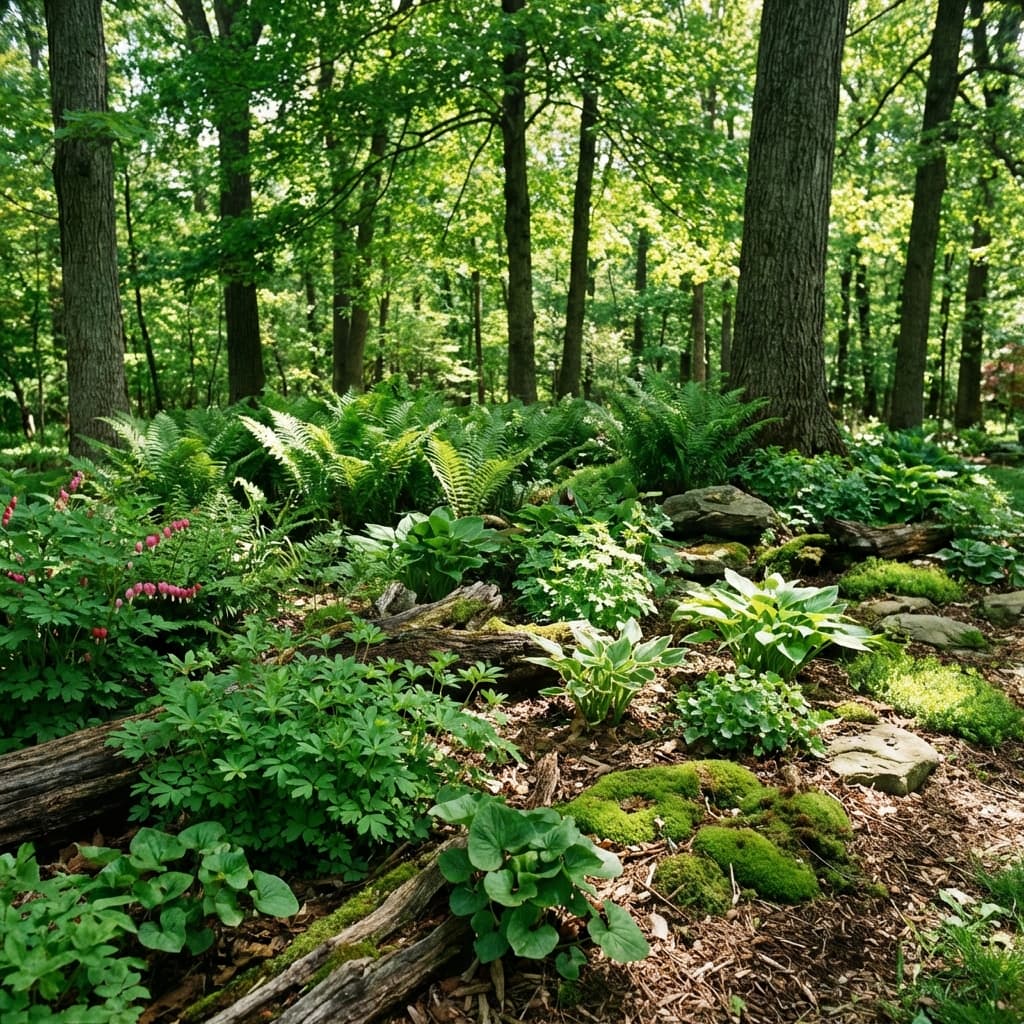
Shade Solutions for Jacksonville Yards
Shade Solutions for Jacksonville Yards. Review the site, scope and current written quote before deciding.
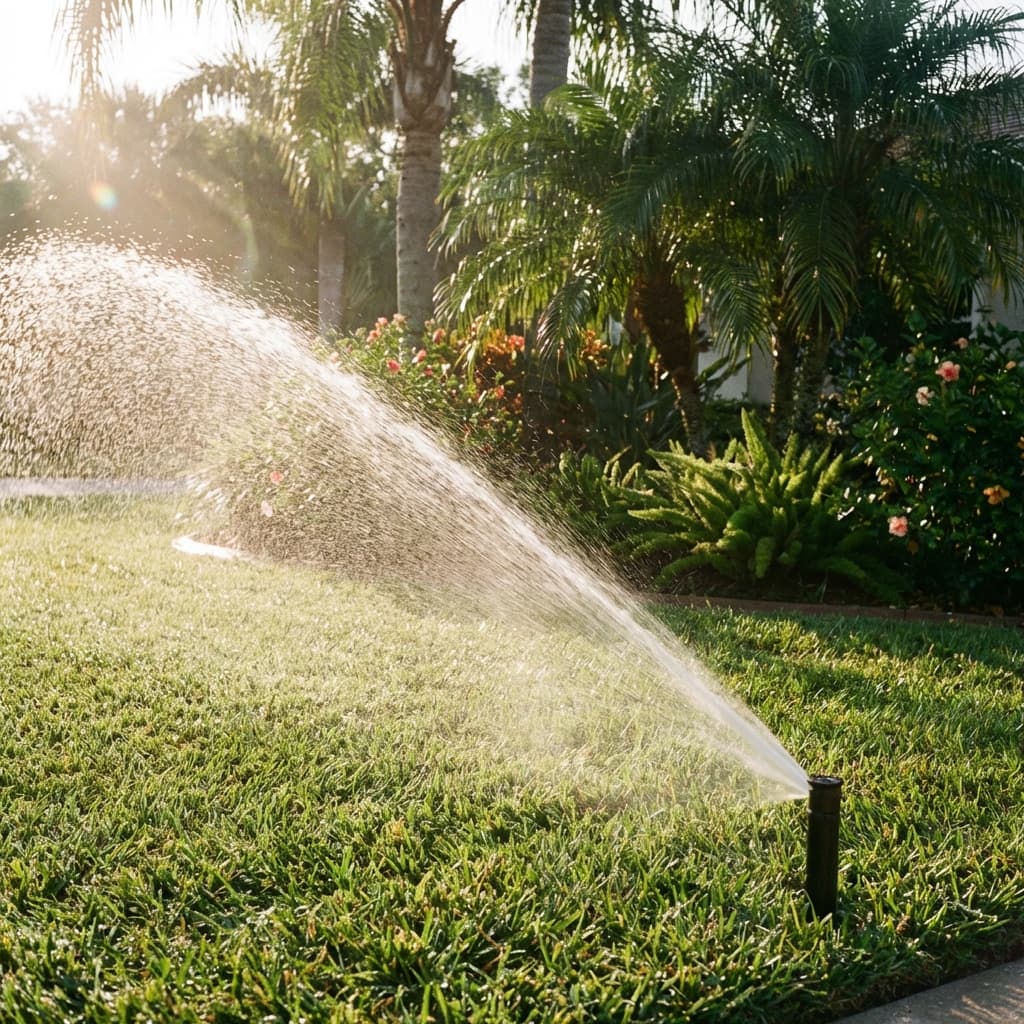
Best Time to Water Your Lawn in Jacksonville
Best Time to Water Your Lawn in Jacksonville. Review the site, scope and current written quote before deciding.
Let’s talk about your lawn
Ask our AI assistant a lawn question, or send the team a free installation estimate request.