37+ Years of Professional Sod Installation(904) 901-1457
St. Augustine vs. Zoysia: The Complete Comparison for Jacksonville Homeowners
January 5, 2025
11 min read
Sod Types

St. Augustine vs. Zoysia: The Complete Comparison for Jacksonville Homeowners

The two dominant grass choices in Northeast Florida face off. Which one fits your lifestyle, budget, shade levels, and long-term maintenance expectations?

If you drive through any well-maintained neighborhood in Jacksonville—Nocatee, Julington Creek, San Marco, Riverside—you're looking at one of two grasses. The broad-bladed, medium-green carpet that dominates older neighborhoods and shady lots is St. Augustine. The fine-textured, dense, almost carpet-like turf you see in newer developments and open-sun properties is increasingly Zoysia.

Both grasses thrive in our climate. Both produce beautiful lawns when properly maintained. But they are vastly different to live with, and choosing the wrong one for your specific conditions can mean years of frustration, failed areas, and wasted money.

This guide provides the comprehensive comparison you need to make an informed decision, covering everything from aesthetic preferences to long-term maintenance requirements.


Understanding the Two Contenders

Before comparing specifics, it helps to understand how these grasses evolved differently—and how that evolution shapes their behavior in your lawn.

St. Augustine: The Florida Native

St. Augustine grass has been the default lawn choice in Florida for generations. It originated in the Gulf Coast region and spread across the South because it tolerates our challenging combination of heat, humidity, salt spray, and sandy soils better than most alternatives.

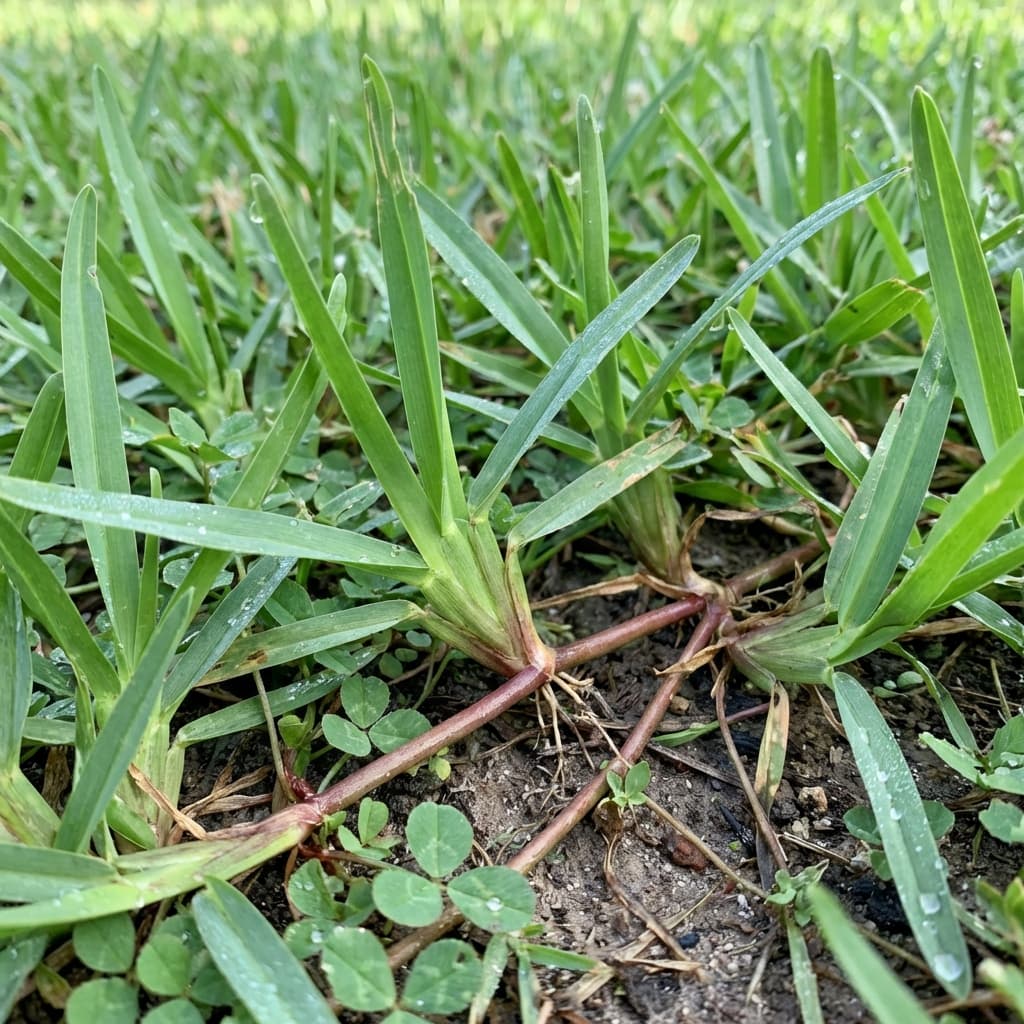
St. Augustine spreads entirely through stolons—above-ground runners that creep across the soil surface. These stolons make the grass relatively easy to propagate (you can plant plugs, sod, or even hand-pulled runners), but they also create a weakness: the growing points are exposed and vulnerable. A dog running and sliding, a heavy mower, or extended foot traffic can tear stolons loose and create bare patches.

The broad blade and relatively open growth habit make St. Augustine one of the most shade-tolerant warm-season grasses available. Varieties like Palmetto can maintain reasonable density with as little as 4 hours of direct sunlight—roughly half what Bermuda or even Zoysia requires.

Zoysia: The Korean Import

Zoysia grass originated in East Asia and was introduced to the United States in the early 1900s. It didn't become a significant residential option until the development of improved varieties like Meyer, Emerald, and most recently Empire and Geo in the past two decades.

Zoysia spreads through both stolons (above-ground) and rhizomes (below-ground). This dual growth habit gives it extraordinary recovery capability. When surface damage occurs—divots, wear paths, dog runs—the underground rhizomes continue pushing new growth upward. The grass essentially has a hidden backup system that St. Augustine lacks.

Zoysia's growth pattern produces an extremely dense turf. Mature Zoysia lawns feel thick and cushioned underfoot, almost like walking on an expensive carpet. This density is both an aesthetic advantage and a maintenance consideration—it requires more effort to mow through that dense canopy, and accumulated thatch can become problematic over time.


The Direct Comparison

Visual Appearance and Texture

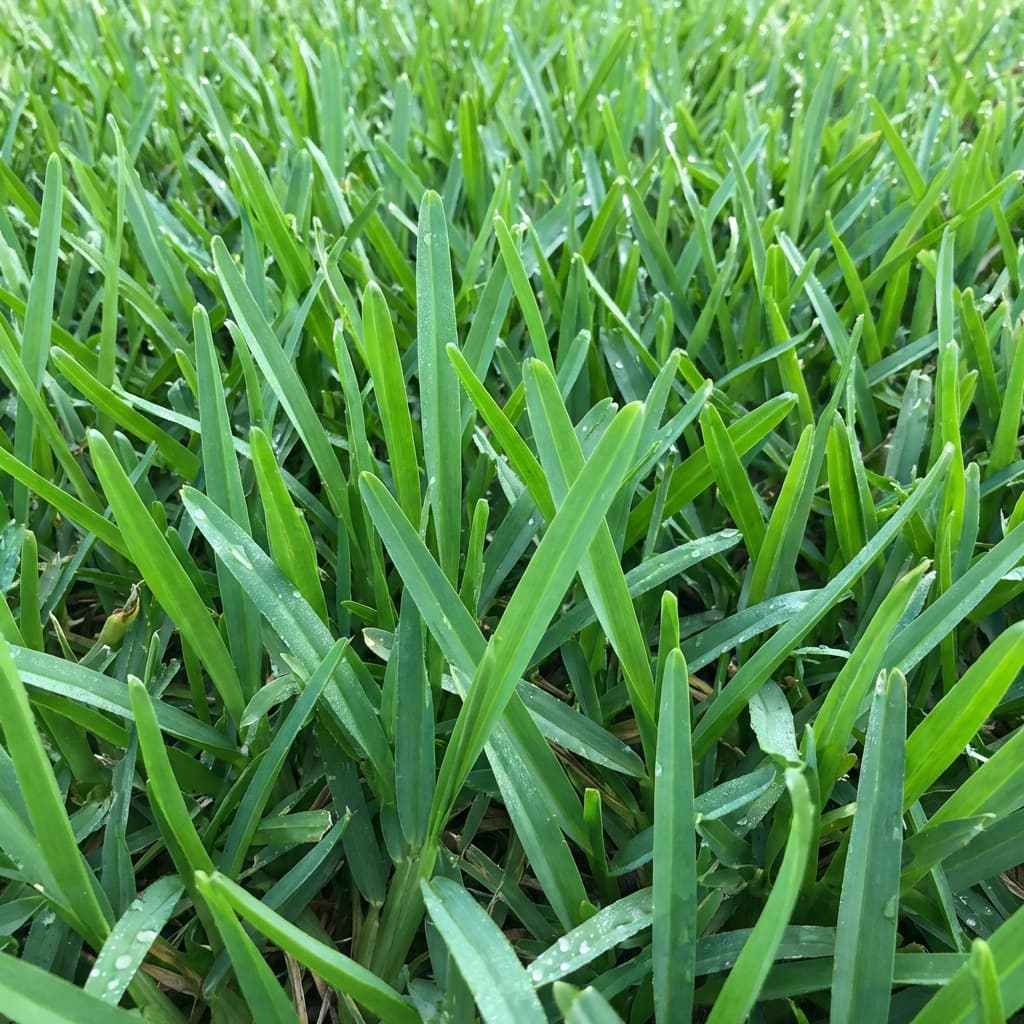
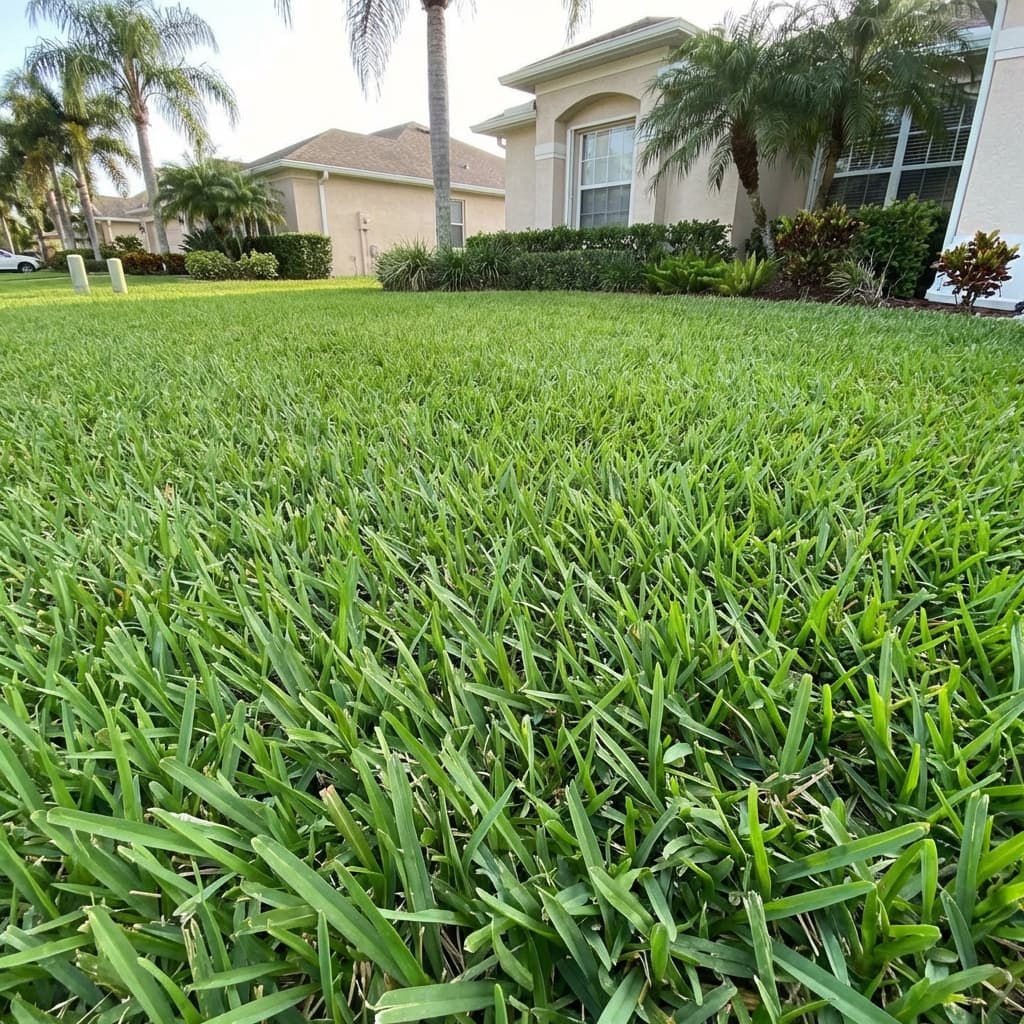
St. Augustine: Wide, flat blades create a bold texture visible from a distance. The color typically ranges from medium green to blue-green depending on variety and fertility. The growth pattern creates a somewhat coarse, "pillowy" surface that feels spongy underfoot. Many people find this the quintessential "Florida lawn" appearance—lush, tropical, and substantial.

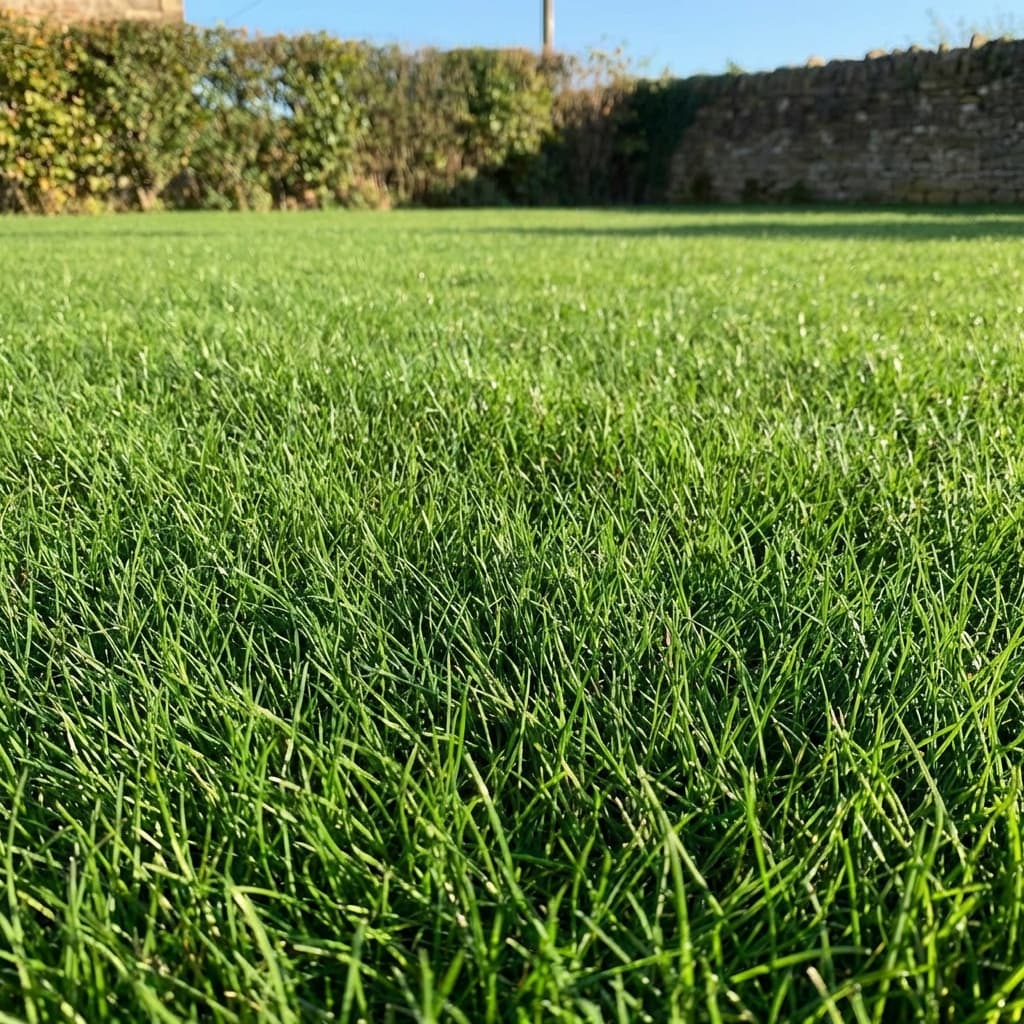
Zoysia: Fine, narrow blades create a dense, carpet-like texture that reads as more refined or manicured. The color is typically medium to dark green, though this varies by variety. Walking on mature Zoysia feels like walking on a thick rug—you're on top of the turf rather than sinking into it. This is often described as the "golf course fairway" look.

Winner: Subjective—depends on your aesthetic preference. Many homeowners prefer Zoysia's finer texture; others love St. Augustine's bold, tropical appearance.

Shade Tolerance

This is where many grass selection mistakes happen, and the consequences are expensive.

St. Augustine (Palmetto/Seville): The shade champion among warm-season grasses. Shade-tolerant varieties like Palmetto can maintain acceptable density with 4-5 hours of direct sunlight. In dappled shade beneath open-canopy trees, St. Augustine performs even better because the moving light provides cumulative photosynthesis.

Zoysia: Moderately shade-tolerant, but often oversold on this characteristic. Most Zoysia varieties need 5-6 hours of direct sun to maintain density. In shadier conditions, Zoysia thins progressively. Empire Zoysia is marketed as shade-tolerant, but it's shade-tolerant for a Zoysia—not shade-tolerant compared to Palmetto.

Winner: St. Augustine—and it's not close. If you have significant shade from mature trees or building shadows, St. Augustine (specifically Palmetto or Seville) is your only realistic warm-season option.

☀️ The Shade Rule: If your yard gets less than 5 hours of direct sun, St. Augustine wins by default. Don't fight this—plant what will survive.

Traffic and Durability

This is Zoysia's defining advantage and the primary reason it has gained market share against St. Augustine in recent decades.

St. Augustine: Poor traffic tolerance. The above-ground stolons tear when subjected to concentrated foot traffic, pets running play routes, or heavy play. Once stolons are damaged, recovery is slow because new runners must grow back from the edges. High-traffic areas in St. Augustine lawns eventually become bare dirt paths.

Zoysia: Excellent traffic tolerance. The underground rhizome system provides recovery capability that St. Augustine lacks. When surface damage occurs, rhizomes push new shoots upward from below. Active families with children playing sports, homeowners with large dogs, and properties with regular foot traffic see dramatically different outcomes with Zoysia than St. Augustine.

Winner: Zoysia—by a wide margin. If durability against wear is a priority, Zoysia is the only choice.

🐾 The Dog Test: If you have dogs that run the yard, St. Augustine will have bare paths within a year. Zoysia's rhizomes heal from below.

Drought Tolerance

Water costs matter in Florida, where summer irrigation bills can exceed $100/month. The grasses differ significantly in their water requirements.

St. Augustine: Moderate drought tolerance. St. Augustine can survive short dry periods, but it shows stress quickly. Blades fold lengthwise (creating a visible "rolled" appearance), color shifts to blue-gray, and areas in full sun begin to brown. Recovery after rewatering is usually complete, but extended drought (3+ weeks without water in summer) can cause permanent damage.

Zoysia: Excellent drought tolerance. Zoysia enters dormancy in response to severe drought, turning brown/tan, but surviving in a suspended state. When water returns—either from rain or irrigation—dormant Zoysia greens up within 7-14 days with no permanent injury. This dormancy capability makes Zoysia much more forgiving of irregular watering or irrigation failures.

Winner: Zoysia. It survives drought conditions that would kill St. Augustine, and recovers more completely after dry periods.

Pest Resistance

Florida's insects and diseases affect the two grasses differently.

St. Augustine: Highly susceptible to chinch bugs—the most destructive lawn pest in Jacksonville. Chinch bugs can kill thousands of square feet of St. Augustine in a single active season if not treated. St. Augustine is also vulnerable to gray leaf spot (fungal disease) and certain nematodes.

Zoysia: More resistant to chinch bugs (though not immune). Zoysia's denser turf creates less favorable habitat for chinch bug populations. However, Zoysia is susceptible to billbugs (uncommon in Jacksonville) and to Large Patch fungus, particularly when overwatered. The same density that repels chinch bugs holds moisture against the crowns, creating fungal risk.

Winner: Tie—both have vulnerabilities, just different ones. St. Augustine's chinch bug susceptibility is arguably more significant in Jacksonville, where chinch pressure is very high.

Installation and Long-Term Cost

St. Augustine: Lower upfront cost. St. Augustine is faster-growing at the farm (more production per acre per year), which keeps wholesale prices lower. Installation typically runs $0.50-0.80 per square foot depending on variety and site conditions.

Zoysia: Higher upfront cost. Zoysia grows more slowly at the farm, so each pallet represents more time and land investment. Installation typically runs $0.70-1.10 per square foot. Expect to pay 20-40% more for Zoysia than comparable St. Augustine quality.

Long-Term Costs: Zoysia may reduce long-term costs through lower water requirements (drought tolerance means less irrigation) and reduced pest treatment needs. However, Zoysia benefits from annual vertical mowing (dethatching) that St. Augustine doesn't require—this adds ongoing maintenance cost or labor.

Winner: Depends on your timeframe. St. Augustine wins on installation cost; Zoysia may win on 10-year total cost if you value reduced irrigation expense.


The Decision Framework

Don't choose based on what your neighbor has or what you saw in a magazine. Choose based on your specific conditions and priorities.

Choose St. Augustine If:

  • You have significant shade. Mature oaks, shaded side yards, north-facing slopes—these situations demand St. Augustine (Palmetto specifically).
  • You're on a tight installation budget. The 20-40% cost difference is significant on large properties.
  • You want the classic Florida look. The broad-blade tropical appearance has a devoted following.
  • You'll be vigilant about pests. Successful St. Augustine ownership requires watching for chinch bugs and treating promptly.

Choose Zoysia If:

  • You have active kids or large dogs. The durability difference is dramatic for high-traffic lawns.
  • You're in full sun. Zoysia looks its best and performs optimally in open exposure.
  • Water conservation matters. Whether for cost savings or environmental values, Zoysia's drought tolerance is meaningful.
  • You want the "golf course" look. That fine-textured, dense carpet appearance only comes from Zoysia.
  • You're staying long-term. The higher installation cost amortizes over years of reduced maintenance.

The Hybrid Approach

Many successful Jacksonville lawns combine both grasses, selecting varieties based on site conditions. A common approach: Zoysia in the sunny, high-traffic backyard where kids and dogs play; Palmetto St. Augustine in the shady front yard where appearance matters but traffic is minimal.

This hybrid approach requires accepting visible transitions where grass types meet. The texture difference will be apparent up close, though from the street, a well-maintained mixed lawn looks cohesive. The tradeoff is optimization—each area gets the best grass for its specific conditions.


FAQ: Making the Choice

Q: Can I mix St. Augustine and Zoysia in the same zone?

A: Don't. They have different textures, colors, mowing heights, and growth rates. Where they meet, the boundary will look like a mistake rather than a design choice. Choose one or the other for each distinct lawn zone.

Q: Which one feels better on bare feet?

A: Zoysia is softer and more cushioned—almost uniquely so among warm-season grasses. St. Augustine is acceptable but slightly "crunchy" and less plush. If barefoot comfort is a priority, Zoysia wins.

Q: Is Zoysia harder to mow?

A: Yes. Zoysia's high silica content (which makes it durable) also makes blades tougher to cut. Dull mower blades that work adequately on St. Augustine will tear Zoysia, leaving ragged, brown-tipped blades. Keep your mower blades sharp—new blades or professional sharpening at least twice per season.

Q: Can I convert from St. Augustine to Zoysia (or vice versa)?

A: Converting requires complete renovation—removing the existing grass and installing new sod. Zoysia is particularly aggressive and difficult to fully remove; conversion from Zoysia often requires herbicide treatment and waiting for dead grass to decompose before replanting.

Q: What about Bermuda grass?

A: Bermuda offers excellent durability and drought tolerance but has two significant limitations for residential lawns: zero shade tolerance (it will not survive under trees) and aggressive spreading that invades flower beds and neighboring properties. Bermuda works well for athletic fields and commercial full-sun applications but creates maintenance headaches in mixed-condition residential settings.


Making Your Decision

The right grass for your lawn depends on your specific combination of sunlight, traffic patterns, budget constraints, and aesthetic preferences. There's no universally correct answer—only the correct answer for your situation.

If you're uncertain, we encourage site evaluation before purchasing. Walking your property with a professional who understands both grass types can prevent expensive mistakes and ensure you're investing in the right turf for long-term success.

🎯 The Quick Decision: Shade → St. Augustine. Dogs/kids → Zoysia. Both issues → Zoysia in sun, St. Augustine in shade, keep them separate.

Still weighing your options? Contact Jax Sod to arrange a site assessment. We'll evaluate your light levels, discuss your usage patterns, and make a specific recommendation based on your conditions—even if that recommendation is the option you weren't initially considering.

Ready to Transform Your Lawn?

Stop guessing and start growing. Our team at Jax Sod has 37+ years of experience helping Jacksonville homeowners create the lawn of their dreams.