(904) 901-1457
Best Fertilizer Schedule for Jacksonville, FL Lawns
Back to Articles

Best Fertilizer Schedule for Jacksonville, FL Lawns

Soil & Fertilization January 17, 2026 13 min read

Best Fertilizer Schedule for Jacksonville, FL Lawns

If you've ever stood in the fertilizer aisle at your local Jacksonville hardware store staring at a wall of bags covered in numbers and promises, you're not alone. Feeding your lawn properly is one of the single biggest factors in whether you end up with a thick, green carpet or a patchy, weed-infested headache — and here in Northeast Florida, our unique climate and sandy soils make it especially important to get the timing and products right.

As Jacksonville landscaping pros who install and maintain lawns across Duval County every day, we put together this month-by-month fertilizer guide for our area. Whether you're maintaining St. Augustine, Bermuda, or Zoysia grass, this schedule will keep your lawn fed, healthy, and in compliance with local fertilizer regulations.

Understanding NPK Ratios: What the Numbers on the Bag Mean

Before we get into the schedule, let's decode those three bold numbers printed on every fertilizer bag. They represent the N-P-K ratio — the percentage by weight of the three primary macronutrients your grass needs:

  • N (Nitrogen) — The first number. This is the growth and color driver. Nitrogen is what makes your lawn green and pushes blade growth. It's the nutrient your Jacksonville lawn consumes the most.
  • P (Phosphorus) — The middle number. This supports root development and establishment. Most established Florida lawns don't need supplemental phosphorus unless a soil test shows a deficiency. In fact, Duval County's ordinance restricts phosphorus application — more on that below.
  • K (Potassium) — The third number. Potassium strengthens cell walls, improves drought tolerance, and helps your lawn handle stress from heat, cold, and disease. In our sandy Jacksonville soils, potassium leaches quickly, so regular applications are important.

What to look for on the bag: The City of Jacksonville recommends using lawn fertilizer with a nitrogen-to-potassium ratio of 1:1 or 2:1 (such as 15-0-15 or 16-0-8) and at least 50% of the nitrogen in slow-release form. The middle number (phosphorus) should be zero to 2 unless your soil test says otherwise. Look for terms like "slow-release," "controlled-release," "water-insoluble nitrogen (WIN)," or "polymer-coated" on the label to confirm slow-release content.

Jacksonville's Sandy Soil: Why It Matters for Fertilization

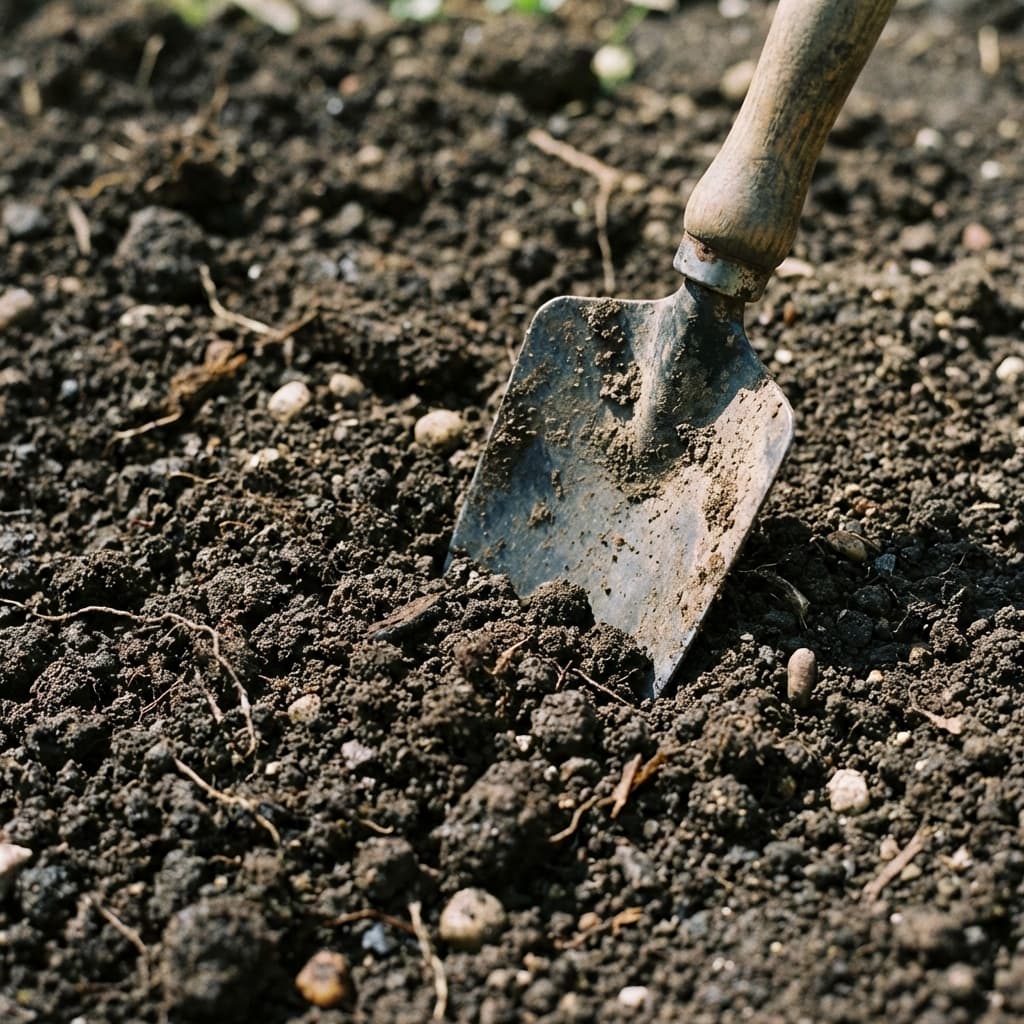
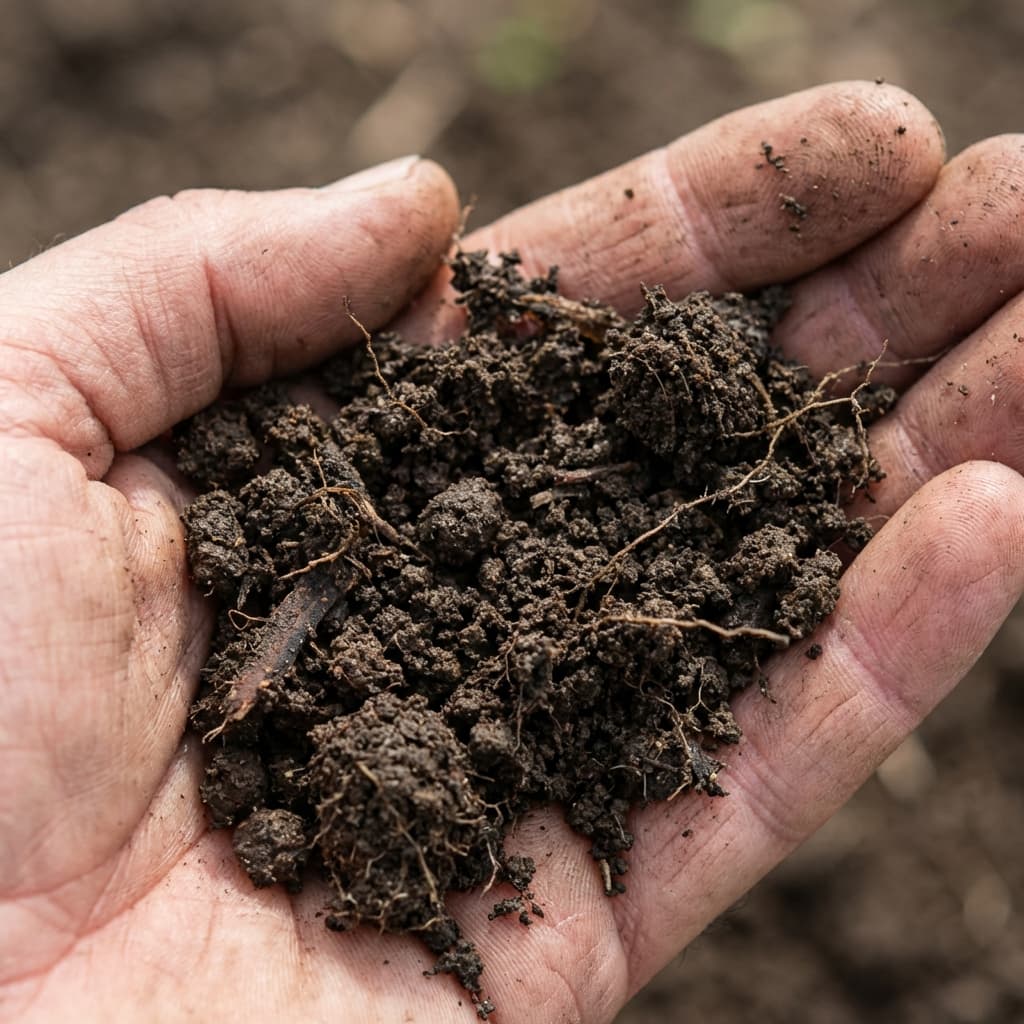
Most of Duval County sits on fine sandy soil — the kind that drains fast, warms up quickly in spring, and unfortunately doesn't hold onto nutrients very well. Compared to the clay-heavy soils found in other parts of the country, our sand lets nitrogen and potassium leach right through the root zone with every heavy rain.

This means:

  • You need slow-release nitrogen to keep feeding the roots over weeks instead of washing away after one thunderstorm.
  • Potassium applications are essential since K flushes through sand faster than clay.
  • Phosphorus is often already adequate in Florida soils (sometimes even excessive), which is why soil testing before adding P is so important.
  • Micronutrients like iron and manganese can become deficient, especially in higher-pH soils near the coast and along the St. Johns River corridor.

Pro tip: Get a soil test through the UF/IFAS Duval County Extension Office before starting any fertilizer program. It costs very little, and it tells you exactly what your soil needs — no guessing, no wasting money on nutrients you don't need.

Duval County Fertilizer Regulations You Must Know

Jacksonville has a fertilizer ordinance (Chapter 366.601) that every homeowner and lawn care professional must follow. Violators can receive warnings or fines. Here are the key rules:

Summer Fertilizer Blackout Period

From June 1 through September 30, you cannot apply fertilizers containing nitrogen or phosphorus to your lawn in Duval County. This blackout period coincides with Jacksonville's rainy season, when heavy summer downpours wash nutrients directly into the St. Johns River, local creeks, and storm drains — fueling algae blooms and harming water quality.

Other Key Restrictions

  • Phosphorus is restricted year-round. You may not apply phosphorus unless a soil test confirms a deficiency. When you do apply it, use no more than 0.25 lb of P₂O₅ per 1,000 sq ft per application and no more than 0.50 lb per year.
  • Nitrogen application limits: No more than 1 lb of nitrogen per 1,000 sq ft per application when using products with at least 50% slow-release nitrogen. No more than 0.7 lb of soluble (quick-release) nitrogen per 1,000 sq ft per application.
  • Fertilizer-free zone: Do not apply any fertilizer within 10 feet of any water body or wetland, and never apply fertilizer to impervious surfaces (driveways, sidewalks, streets). If fertilizer granules land on hardscape, sweep them back onto the lawn.
  • Rain restrictions: Do not apply fertilizer when heavy rain is in the forecast or when the National Weather Service has issued a flood, tropical storm, or hurricane watch or warning.

These aren't just suggestions — they're enforceable local law. Following them protects our waterways and keeps you out of trouble.

Month-by-Month Fertilizer Schedule for Jacksonville Lawns

Here's your year-round game plan. This schedule follows UF/IFAS guidelines for North Florida and complies with Duval County's fertilizer ordinance.

January – February: Dormancy & Planning

Action: Do NOT fertilize.

Your warm-season lawn is dormant or semi-dormant during Jacksonville's coolest months. Soil temperatures are too low for active nutrient uptake, and any fertilizer applied now will simply wash away or feed winter weeds.

What to do instead:

  • Get a soil test from the UF/IFAS Duval County Extension Office
  • Plan your fertilizer purchases for the year based on results
  • Apply pre-emergent herbicide in mid-February to prevent spring weeds (this is not fertilizer — it's weed prevention)
  • If your lawn looks thin or damaged from winter, this is a great time to contact Jax Sod about fresh sod installation so you're ready for spring

March: Spring Wake-Up Application

Action: Apply your first fertilizer of the year in mid-to-late March, once soil temperatures consistently reach 65°F and you see active green growth.

Recommended product: A complete slow-release fertilizer such as 15-0-15 or 16-4-8 (use the phosphorus-containing option only if your soil test calls for it).

Rate: 1 lb of nitrogen per 1,000 sq ft, with at least 50% slow-release nitrogen.

This is the most important application of the year. Your lawn is breaking dormancy and building its root system for the growing season. A balanced feeding now sets the foundation for everything that follows.

April: Supplemental Nitrogen (If Needed)

Action: For lawns that need higher maintenance (Bermuda in full sun, heavily used St. Augustine), apply a supplemental nitrogen feeding in mid-April.

Recommended product: Slow-release nitrogen source such as polymer-coated urea or a 24-0-12 blend.

Rate: 0.5 to 1 lb of nitrogen per 1,000 sq ft.

If your lawn responded well to the March application and looks healthy, you can skip this round. Don't fertilize just because the calendar says so — look at your lawn first.

May: Final Pre-Summer Application

Action: Apply your last nitrogen-containing fertilizer before the summer blackout by mid-May at the latest.

Recommended product: A slow-release fertilizer like 15-0-15 or a product with 65%+ controlled-release nitrogen. Some Jacksonville homeowners use a product with extended 8–12 week release to carry the lawn through the blackout period.

Rate: 1 lb of nitrogen per 1,000 sq ft.

Timing tip: Apply by May 15 to give yourself a comfortable buffer before the June 1 blackout begins. Water in the fertilizer with ¼ inch of irrigation within 24 hours of application.

June – September: Fertilizer Blackout Period

Action: Do NOT apply any nitrogen or phosphorus fertilizer. This is required by Duval County law.

What you CAN do:

  • Apply iron sulfate or chelated iron for color. Iron is not restricted during the blackout and can keep your lawn looking green without the environmental risks of nitrogen runoff. Use iron sulfate at 2 oz per 3–5 gallons of water per 1,000 sq ft. Reapply every 2–4 weeks as needed.
  • Apply potassium-only products (such as 0-0-62 muriate of potash or 0-0-50 sulfate of potash) to strengthen your lawn's ability to handle summer heat and disease pressure. Potassium is not restricted during the blackout.
  • Focus on proper mowing height (3.5–4 inches for St. Augustine) and irrigation to keep your lawn healthy through summer stress.

October: Fall Recovery Application

Action: Apply a complete fertilizer once the blackout period ends on October 1.

Recommended product: A balanced slow-release blend like 15-0-15 or 12-4-8 (with phosphorus only if your soil test recommends it).

Rate: 1 lb of nitrogen per 1,000 sq ft.

This is a critical feeding. Your lawn has been running on reserves all summer, and this application helps it recover, thicken up, and build energy stores for winter. Fall potassium is especially important for cold tolerance heading into Jacksonville's occasional freezes.

November: Optional Winterizer Application

Action: For higher-maintenance lawns, apply a potassium-heavy winterizer in early-to-mid November.

Recommended product: A product with a higher K ratio, such as 8-0-24 or 5-0-20, or a potassium-only supplement.

Rate: 0.5 lb of nitrogen per 1,000 sq ft maximum (fall applications are limited to 1 lb N per 1,000 sq ft per the Florida Urban Turfgrass Fertilization Rule). Focus on the potassium.

The extra potassium hardens off the grass and improves its ability to tolerate the cold snaps we occasionally get in December and January.

December: Rest Period

Action: Do NOT fertilize.

Your lawn is slowing down. Let it transition into dormancy naturally. Fertilizing now promotes tender new growth that's vulnerable to frost damage.

Fertilizer Schedules by Grass Type

While the monthly calendar above works as a general framework, each grass type has slightly different nutritional needs. Here's how to adjust:

St. Augustine Grass (Floratam, Palmetto, CitraBlue, Seville)

St. Augustine is by far the most popular lawn grass in Jacksonville, and it's what we install most often at Jax Sod. It has moderate nitrogen requirements for North Florida.

  • Annual nitrogen: 2–4 lbs of N per 1,000 sq ft per year (UF/IFAS recommendation for North Florida)
  • Ideal schedule: 2–3 applications per year (March, May, October)
  • Key needs: Potassium for disease resistance, iron for summer color during the blackout, keep mowing height at 3.5–4 inches
  • Watch for: Chinch bug damage (often mistaken for fertilizer deficiency), gray leaf spot during humid months, take-all root rot
  • Special note: Floratam varieties are sensitive to atrazine herbicides when temperatures exceed 85°F — avoid weed-and-feed products containing atrazine in summer

Bermuda Grass (Common, Celebration, TifTuf, Tifway 419)

Bermuda is the most nutrient-hungry grass we deal with in Jacksonville. It loves full sun and responds aggressively to nitrogen.

  • Annual nitrogen: 3–5 lbs of N per 1,000 sq ft per year for North Florida
  • Ideal schedule: 3–4 applications per year (March, April, May, October), plus a November winterizer
  • Key needs: Higher nitrogen for density and color, frequent mowing at 1–2 inches, potassium for wear tolerance
  • Watch for: Over-fertilization leading to excessive thatch buildup; Bermuda can become invasive if overfed near garden beds
  • Special note: Bermuda benefits most from the April supplemental feeding — it's entering peak growth mode and will use every bit of nitrogen you give it

Zoysia Grass (Empire, JaMur, Geo, Innovation)

Zoysia is increasingly popular in Jacksonville for its drought tolerance, dense growth, and moderate maintenance needs. It sits right between St. Augustine and Bermuda in nutritional demand.

  • Annual nitrogen: 2–3 lbs of N per 1,000 sq ft per year
  • Ideal schedule: 2–3 applications per year (March, May, October)
  • Key needs: Balanced N-K ratio, iron supplementation for color, less nitrogen than Bermuda to avoid thatch
  • Watch for: Slow recovery from damage (Zoysia grows slower than St. Augustine or Bermuda), large patch disease in fall/spring
  • Special note: Zoysia's slower growth means it needs less frequent mowing but also recovers more slowly from wear. If your Zoysia lawn has bare or thin areas, contact us about Zoysia sod delivery and installation — patching with plugs can take months to fill in.

Organic vs. Synthetic Fertilizers: Which Is Better for Jacksonville Lawns?

Both have their place, and we use both in our work at Jax Sod. Here's an honest breakdown:

Synthetic (Conventional) Fertilizers

Pros:

  • Precise nutrient ratios — you know exactly what you're applying
  • Fast green-up, especially with soluble nitrogen
  • More affordable per pound of nitrogen
  • Widely available at Jacksonville retailers (Home Depot, Lowe's, Ace Hardware, SiteOne Landscape Supply)
  • Slow-release formulations available (polymer-coated urea, sulfur-coated urea)

Cons:

  • Higher leaching risk if over-applied or applied before heavy rain
  • Does not improve soil biology or structure
  • Can cause salt buildup in sandy soil over time

Best Jacksonville products: Lesco 16-0-16 (available at SiteOne), Scotts Turf Builder Southern Triple Action, Sunniland 16-0-8, Pennington UltraGreen Southern Weed & Feed (only outside blackout and when temps are below 85°F for St. Augustine)

Organic Fertilizers

Pros:

  • Feeds the soil biology, which in turn feeds the grass — important for our sandy, low-organic-matter soils
  • Very low burn risk
  • Naturally slow-release, so nutrients don't leach as quickly
  • Improves soil structure over time by adding organic matter

Cons:

  • Lower nutrient concentrations (you need more product per application)
  • More expensive per pound of actual nitrogen
  • Slower green-up response
  • Can have odor after application (especially manure-based products)

Best Jacksonville products: Milorganite 6-4-0 (widely available, but check phosphorus against your soil test), Espoma Organic Lawn Food, Dr. Earth Super Natural Lawn Fertilizer, locally sourced compost top-dressing

The Best Approach: Hybrid Program

For most Jacksonville homeowners, we recommend a hybrid approach: use a quality slow-release synthetic fertilizer for your main spring and fall feedings (precise nutrition, proven results), and supplement with organic products like Milorganite or compost applications to build soil health over time. This gives you the best of both worlds — immediate results and long-term soil improvement.

When NOT to Fertilize: Common Jacksonville Mistakes

Even outside the blackout period, there are times you should put the spreader away:

  1. During drought stress. If your lawn is wilting and you're under watering restrictions, fertilizer will make things worse. A stressed lawn can't use nutrients and may actually be burned by them.
  2. Before a major rainstorm. Check the forecast. If heavy rain is expected within 24–48 hours, wait. You'll just wash your money (and the nutrients) into the storm drain.
  3. On frozen or frost-covered grass. This happens a few mornings per year in Jacksonville. Wait for temperatures to warm up.
  4. On newly laid sod (first 30 days). If you just had new sod installed by Jax Sod, wait at least 30 days before the first fertilizer application. The sod needs to root in first, and it was likely fertilized at the sod farm.
  5. Using "weed and feed" products carelessly. UF/IFAS experts specifically recommend against using weed-and-feed products in Florida. They apply herbicide across your entire lawn when you may only have weeds in certain spots, and the timing for effective weed control rarely matches the timing for proper fertilization. Treat weeds separately with targeted spot treatments.

Best Fertilizer Brands Available Locally in Jacksonville

You don't need to order specialty products online. Here's what we recommend that's readily available at Jacksonville stores:

| Brand & Product | NPK | Where to Buy | Best For | |---|---|---|---| | Lesco 16-0-16 Poly Plus | 16-0-16 | SiteOne Landscape Supply | All grass types, professional-grade | | Sunniland 16-0-8 | 16-0-8 | Ace Hardware, local garden centers | St. Augustine, general maintenance | | Scotts Turf Builder Southern | 32-0-10 | Home Depot, Lowe's | Quick green-up, all grass types | | Pennington Ultragreen Lawn Fertilizer | 30-0-4 | Lowe's, Home Depot | Budget-friendly, Bermuda | | Milorganite | 6-4-0 | Home Depot, Lowe's, Ace | Organic supplement, all types | | Espoma Organic Lawn Food | 9-0-0 | Ace Hardware, local nurseries | Organic program | | Ironite Mineral Supplement | 1-0-1 | Home Depot, Lowe's | Summer iron during blackout | | SiteOne/Lesco 0-0-62 Muriate of Potash | 0-0-62 | SiteOne Landscape Supply | Summer potassium, winterizer boost |

Important: Always read the bag before buying. Confirm the slow-release nitrogen percentage (aim for 50%+ slow-release), check for phosphorus if your soil test says you don't need it, and verify the product is labeled for use on your specific grass type.

Putting It All Together: Your Jacksonville Lawn Feeding Cheat Sheet

Here's the simplified version you can stick on your refrigerator:

| Month | Action | Product Type | |---|---|---| | Jan–Feb | No fertilizer. Plan & soil test. | — | | March | First feeding of the year | 15-0-15 or 16-4-8 slow-release | | April | Optional boost (Bermuda, high-maintenance) | Slow-release nitrogen | | May | Last feeding before blackout (by May 15) | 15-0-15 slow-release | | June–Sept | NO nitrogen or phosphorus (Duval County law) | Iron supplements & potassium OK | | October | Fall recovery feeding | 15-0-15 or 12-4-8 slow-release | | November | Optional winterizer | Potassium-heavy (8-0-24 or 0-0-62) | | December | No fertilizer. Let lawn rest. | — |

Start with the right foundation

The best fertilizer program in the world can't save a lawn planted with the wrong grass, in poor soil, or starting from a weak foundation. If your lawn has large bare areas, persistent thinning, or a grass variety that doesn't match your yard's sun exposure, sometimes the smartest move is starting over with quality sod.

At Jax Sod, we supply and install St. Augustine (Floratam, Palmetto, CitraBlue), Bermuda, Zoysia, and Bahia sod grown in Northeast Florida. Farm-fresh, cut to order, delivered to your door. We handle soil prep through final installation.

Get a free sod installation quote or call us to talk about which grass type and fertilizer program makes sense for your yard.

Need Professional Sod Installation?

Jax Sod connects you with expert installers across Jacksonville and Northeast Florida. Over 40 Years of experience. Free quotes!

Ready to Transform Your Lawn?

Get a free, no-obligation quote from Jacksonville's trusted sod experts. With over 40 years of experience, we'll connect you with the right installers for a perfect lawn.