Loading...
Back to Articles
St. Augustine vs Zoysia: Best Sod for Jacksonville
Grass Types January 27, 2026 12 min read
For current costs, compare the exact product or written project scope. See what to include in a sod estimate; this guide does not establish a current price, saving or resale return.
When Jacksonville homeowners need a shade-tolerant grass, the decision typically comes down to St. Augustine or Zoysia. Both perform exceptionally well in Northeast Florida's climate, both handle partial shade where Bermuda fails, and both are popular throughout Duval, Clay, St. Johns, and Nassau Counties. At Jax Sod, these are the two varieties we install most frequently for residential properties—particularly in mature neighborhoods with tree canopy.
The choice between St. Augustine and Zoysia isn't about one grass being universally better than the other. It's about matching grass characteristics to your specific priorities: maintenance level, budget, texture preference, and aesthetic goals. St. Augustine is the traditional choice in Jacksonville—it's been the dominant residential grass here for decades. Zoysia is the premium alternative, offering a finer texture and lower maintenance at a higher initial cost.
Through years installing sod across Northeast Florida, we've seen both varieties succeed in a wide range of situations. In this article, we'll provide a detailed comparison to help you make an informed choice for your property.
Comparison Table: St. Augustine vs Zoysia
Here's how these grasses stack up across characteristics that matter for Jacksonville lawns:
| Characteristic | St. Augustine | Zoysia |
|---|---|---|
| Shade tolerance | Excellent (3-4 hours sun) | Good (4-6 hours sun) |
| Drought tolerance | Fair to good | Excellent |
| Texture | Medium to coarse | Fine to medium |
| Mowing frequency | Every 7 days | Every 7-10 days |
| Mowing height | 3.5-4 inches | 1.5-2.5 inches |
| Water needs | 1-1.5 inches per week | 0.5-1 inch per week |
| Foot traffic tolerance | Moderate | Moderate |
| Establishment speed | Fast (4-6 weeks) | Slow (8-12 weeks) |
| Winter appearance (Jax) | Brown (dormant Dec-March) | Brown (dormant Nov-March) |
| Salt tolerance | Fair to good | Good |
| Cold tolerance | Fair (can winterkill) | Very good |
| Cost (per sq ft installed) | Current quote needed | Current quote needed |
| Pest susceptibility | Chinch bugs, mole crickets | Very low |
| Disease susceptibility | Gray leaf spot, brown patch | Very low |
| Thatch buildup | Moderate | Moderate |
| Weed resistance | Good | Excellent |
This overview gives you the comparison at a glance, but let's examine the details that matter most for Jacksonville homeowners.
Shade Performance: St. Augustine's Edge
St. Augustine is the shade champion among warm-season grasses. It's the only warm-season variety that can thrive with as little as 3-4 hours of direct sunlight daily. In Jacksonville's older neighborhoods—San Marco, Riverside, Avondale, Ortega—where live oak canopies create dense shade, St. Augustine is often the only viable option for a healthy lawn.
The grass stays thick, green, and healthy throughout the growing season even in conditions that would cause Zoysia to thin out.
Zoysia handles shade well compared to Bermuda or Bahia, but it needs more light than St. Augustine—about 4-6 hours of direct or bright filtered sunlight daily. In moderate shade, Zoysia performs beautifully. In deep shade under dense canopy, it struggles to maintain density and becomes prone to moss encroachment.
The practical implication: if you have mature trees creating significant shade across 50% or more of your lawn area, St. Augustine is the safer choice. If you have filtered shade or sunlight coming through at different times of day (morning sun, afternoon shade), either grass can work, and other factors become more important in the decision.
Jacksonville Pro Tip: Shade conditions change throughout the year. A yard that gets 6 hours of sun in January might only get 3-4 hours in July when deciduous trees are fully leafed out and the sun angle changes. Evaluate shade during peak summer months, not winter, to make the right grass choice.
Drought Tolerance: Zoysia's Advantage
Zoysia has significantly better drought tolerance than St. Augustine, which matters during Jacksonville's dry spells in spring and fall.
Zoysia's deeper root system—typically 8-12 inches compared to St. Augustine's 4-6 inches—allows it to access moisture deeper in the soil profile. During periods without rain, Zoysia can go 10-14 days without irrigation and remain healthy. It may show signs of drought stress (slightly gray-green color, footprints remaining visible after walking on the grass), but it recovers quickly when water returns.
St. Augustine shows drought stress more quickly—typically within 7-10 days without water during hot weather. The grass wilts, develops a grayish cast, and can go dormant in severe drought. While it recovers with irrigation, extended drought periods can thin out St. Augustine and create openings for weeds.
In practical terms, this means Zoysia provides more margin for error with your irrigation system. If your system has a malfunction or you forget to adjust watering schedules during dry periods, Zoysia is more forgiving. For homeowners in areas with sandy, fast-draining soil—common throughout Clay County and western Duval—this drought tolerance is valuable.
However, during Jacksonville's rainy season (June-September), when we receive 60-70% of our annual rainfall, drought tolerance is largely irrelevant. Both grasses get more than enough water from natural rainfall during summer months.
Texture and Feel Comparison
This is where homeowner preference plays a major role. Zoysia and St. Augustine feel completely different underfoot.
Modern Zoysia varieties like Empire, Zeon, and Icon have a fine, dense texture that feels almost carpet-like. The blade width is narrow, the density is exceptional, and walking barefoot on Zoysia is notably pleasant. Homeowners in Ponte Vedra, Nocatee, and Jacksonville Beach who prioritize aesthetics and texture often choose Zoysia specifically for this characteristic.
St. Augustine has a coarser, broader blade and a less dense growth pattern. It's comfortable to walk on and soft underfoot, but the feel is distinctly different from Zoysia's fine texture. Varieties differ—Palmetto is finer than Floratam, and Sapphire is finer still—but even the finest St. Augustine is coarser than Zoysia.
The visual difference is just as pronounced. Zoysia has a manicured, uniform appearance that many homeowners describe as "golf course quality." St. Augustine has a more traditional lawn appearance—lush and green, but not as refined as Zoysia.
Neither characteristic is objectively better—it's a matter of personal preference. If you grew up with St. Augustine lawns in Florida, that coarser texture might be exactly what you want. If you're coming from another region or prefer a more manicured aesthetic, Zoysia's fine texture might appeal more.
Maintenance Requirements
Zoysia is the lower-maintenance option in the long run, though the difference isn't as dramatic as marketing materials might suggest.
Mowing: St. Augustine needs mowing weekly during peak growing season (May-September) to maintain appearance. The recommended height is 3.5-4 inches, which means you're removing about 1-1.5 inches per mowing. Zoysia needs mowing every 7-10 days at 1.5-2.5 inches. Over a full season, that's roughly 24-26 mowings for St. Augustine versus 18-22 for Zoysia.
Water: St. Augustine needs about 1-1.5 inches of water per week during the growing season. Zoysia needs 0.5-1 inch. Under Jacksonville's twice-weekly watering restrictions, both grasses stay healthy with proper irrigation system setup, but Zoysia's lower water requirement provides more drought resilience.
Fertilizer: Both grasses need 4-6 pounds of nitrogen per 1,000 square feet annually, applied in 3-4 applications during the growing season. Fertilizer requirements are essentially identical.
Pest and disease control: This is where maintenance requirements diverge significantly. St. Augustine is susceptible to chinch bugs, which can cause rapid damage during summer months. Chinch bug control requires vigilance and typically 1-2 preventive or curative treatments per year. St. Augustine is also prone to gray leaf spot (a fungal disease common during humid weather) and brown patch during cool, wet periods.
The difference comes from more frequent mowing and pest/disease control needs.
Establishment Speed
St. Augustine establishes much faster than Zoysia—a significant practical consideration if you need a usable lawn quickly.
St. Augustine sod roots into the soil within 2-3 weeks during warm weather and is fully established within 4-6 weeks. You can walk on it normally and allow kids and pets to use the lawn within a month of installation. If you install St. Augustine in April, you'll have a mature lawn by Memorial Day.
Zoysia's establishment is considerably slower. Expect 6-8 weeks for the sod to fully root and 10-12 weeks before the lawn can handle normal traffic. This slower establishment requires more patience and careful protection during the establishment period—no heavy foot traffic, no aggressive play, no dog running routes.
For homeowners in Orange Park, Fleming Island, or Middleburg who have just moved into a new construction home and want a fully usable lawn for summer gatherings, St. Augustine's faster establishment is a real advantage. If you're replacing an existing lawn and can stay off it for a couple months, Zoysia's slower establishment is manageable.
Winter Appearance in Jacksonville
Both grasses go dormant and turn brown during Jacksonville's mild winter, but there are subtle differences in timing and appearance.
St. Augustine goes dormant when nighttime temperatures drop below 55°F consistently, which typically happens in mid to late December in Jacksonville. The dormant color is a light tan to brown, and the grass remains relatively dense throughout winter. Green-up occurs in late March or early April when soil temperatures reach 65°F.
Zoysia goes dormant slightly earlier—when nighttime temperatures drop below 60°F, usually in mid to late November. The dormant color is more beige or tan than brown. Zoysia's density remains excellent during dormancy, so even though it's not green, it doesn't look thin or patchy. Spring green-up is slower than St. Augustine, typically occurring in mid-April.
Neither dormant appearance is particularly attractive, though Zoysia's tan color is arguably slightly better than St. Augustine's brown. If year-round green is important—particularly for high-visibility properties in Ponte Vedra or Sawgrass—you can overseed either grass with annual ryegrass in October for winter color.
Pest and Disease Susceptibility
This is one of St. Augustine's biggest weaknesses and Zoysia's strongest selling points.
St. Augustine pests and diseases:
- Chinch bugs: The primary pest threat. These tiny insects suck sap from grass blades, causing yellowing and death. Infestations spread rapidly during hot, dry weather. Control requires insecticide application, often 1-2 treatments per year.
- Mole crickets: These tunneling insects damage roots and create unsightly burrows. Common in sandy Jacksonville soil.
- Gray leaf spot: A fungal disease that creates brown lesions on grass blades during humid weather. Common in Jacksonville June-September.
- Brown patch: Another fungal disease that creates circular brown patches during cool, wet weather in fall and spring.
Floratam St. Augustine is particularly susceptible to chinch bugs. Palmetto has moderate resistance. Newer varieties like CitraBlue and Sapphire have better pest resistance but aren't immune.
Zoysia pests and diseases:
- Very few pest problems. Chinch bugs rarely infest Zoysia.
- Low disease susceptibility. Fungal diseases are uncommon.
- Billbugs can occasionally affect Zoysia but are rare in Jacksonville.
The practical result: St. Augustine lawns in Jacksonville typically require 1-3 pest or disease treatments annually, while Zoysia lawns often go years without requiring any treatments. This difference translates to lower maintenance costs and less chemical use over the long term.
Cost Per Pallet and Installation
St. Augustine (Floratam or Palmetto):
Zoysia (Empire or Zeon):
The higher cost reflects slower production cycles (Zoysia sod takes longer to grow to harvest maturity), higher demand for premium varieties, and more careful handling requirements during installation.
However, Zoysia's lower long-term maintenance costs offset some of the upfront premium.
If budget is a primary constraint, St. Augustine is the practical choice. If you're willing to invest in long-term quality and lower maintenance, Zoysia delivers value over time.
Salt Tolerance
For coastal properties in Jacksonville Beach, Atlantic Beach, Neptune Beach, Ponte Vedra Beach, and Mayport, salt tolerance is an important consideration.
Zoysia has good salt tolerance—it handles salt spray and moderate salt in soil reasonably well.
St. Augustine's salt tolerance varies by variety. Floratam has fair salt tolerance—adequate for most coastal Jacksonville properties but not ideal for beachfront homes. Palmetto and Sapphire have better salt tolerance and perform well in coastal environments with moderate salt exposure.
Neither grass is as salt-tolerant as Bermuda, which is the top choice for properties with direct ocean exposure or frequent saltwater flooding during storms. But for most Jacksonville coastal properties that are elevated and set back from the beach, both St. Augustine and Zoysia perform adequately.
Foot Traffic Tolerance
Both grasses have moderate foot traffic tolerance—suitable for normal residential use but not ideal for high-impact areas like sports fields or dog runs.
St. Augustine handles moderate traffic well. Families with kids who play in the yard, pets that roam the lawn, and general recreational use won't cause problems. However, concentrated traffic along worn paths or high-impact areas can create thin spots that are slow to recover.
Zoysia has similar traffic tolerance. The grass itself is durable, but its slower growth rate means recovery from damage takes longer than faster-growing grasses like Bermuda.
For properties where high traffic is a concern—particularly side yards with gate access or backyard play zones—neither grass is ideal. Bermuda is the better choice for high-traffic situations, or you can combine grasses: St. Augustine or Zoysia in most areas with Bermuda in high-traffic zones.
Choose for the Property
Assess sunlight, soil, irrigation and how the lawn will be used. A neighborhood name alone does not establish which grass will fit the yard. Discuss those conditions during an on-site estimate.
Transitioning From One Grass to the Other
If you currently have St. Augustine and want to switch to Zoysia (or vice versa), complete removal and replacement is necessary. These grasses can't be successfully interplanted—each will compete with the other, creating an uneven appearance.
The transition process involves:
- Killing existing grass with glyphosate (non-selective herbicide)
- Removing dead grass and top 1-2 inches of soil if significant thatch exists
- Grading and amending soil as needed
- Installing new sod
The process takes 2-3 weeks from start to finish and costs essentially the same as a new installation. For most Jacksonville homeowners, the transition makes sense only if you're deeply dissatisfied with your current grass or if conditions have changed (trees removed or planted, changing sun exposure).
A more common scenario: transitioning part of your lawn. For example, replacing shaded St. Augustine in the backyard with shade-tolerant Zoysia, or replacing sunny Zoysia in the front yard with Bermuda for better traffic tolerance. Partial replacements allow you to optimize grass selection for different yard zones.
Our Recommendation
Here's how we typically guide Jacksonville homeowners through the St. Augustine vs Zoysia decision:
Choose St. Augustine if:
- You have significant shade (50%+ of lawn area receives less than 4 hours of sun)
- Budget is a primary concern
- You want fast establishment
- You prefer traditional Florida lawn aesthetics
- You need grass for a rental property or flip (lower upfront cost)
- You're comfortable with routine pest management
Choose Zoysia if:
- You have moderate shade to full sun (4+ hours of sun in most areas)
- You prioritize low maintenance over upfront cost
- You want the finest texture and most manicured appearance
- You're willing to wait for slower establishment
- Drought tolerance is important (sandy soil, limited irrigation)
- You want to minimize chemical use (very low pest/disease pressure)
- You're investing in your long-term home
Either grass works if:
- You have mixed sun and moderate shade
- Normal residential traffic only
- Standard irrigation system in place
- Moderate aesthetic and maintenance expectations
In practice, we walk properties throughout Jacksonville before making final recommendations. Sun exposure, soil conditions, existing landscaping, and your specific priorities all factor into the decision. There's no universal right answer—the right grass is the one that matches your property and lifestyle.
Ready to Install St. Augustine or Zoysia?
Both St. Augustine and Zoysia are excellent choices for Jacksonville lawns. St. Augustine offers proven performance, exceptional shade tolerance, and value pricing. Zoysia delivers premium aesthetics, lower long-term maintenance, and excellent drought tolerance at a higher upfront cost.
Whether you're installing new sod in a recently built home in Nocatee, replacing a worn lawn in San Marco, or renovating landscaping in Ponte Vedra, we'll ensure proper installation and provide detailed aftercare guidance for long-term success.
Ready to install St. Augustine or Zoysia sod?
Need Professional Sod Installation?
Jax Sod provides sod installation, sod replacement, and new lawn installation across Jacksonville and Northeast Florida. Free quotes!
Related Articles
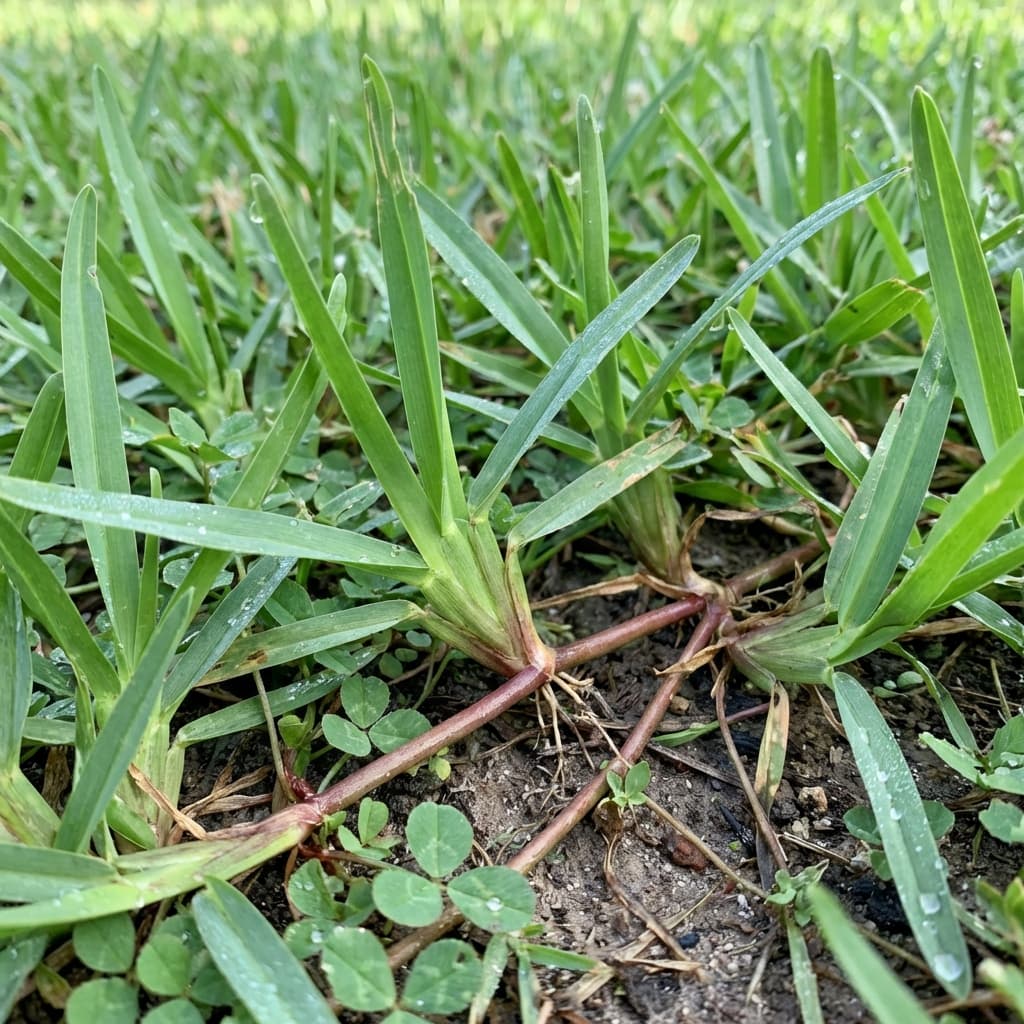
CitraBlue St. Augustine Grass: Is It Right for Jacksonville?
CitraBlue St. Augustine Grass: Is It Right for Jacksonville. Review the site, scope and current written quote before deciding.
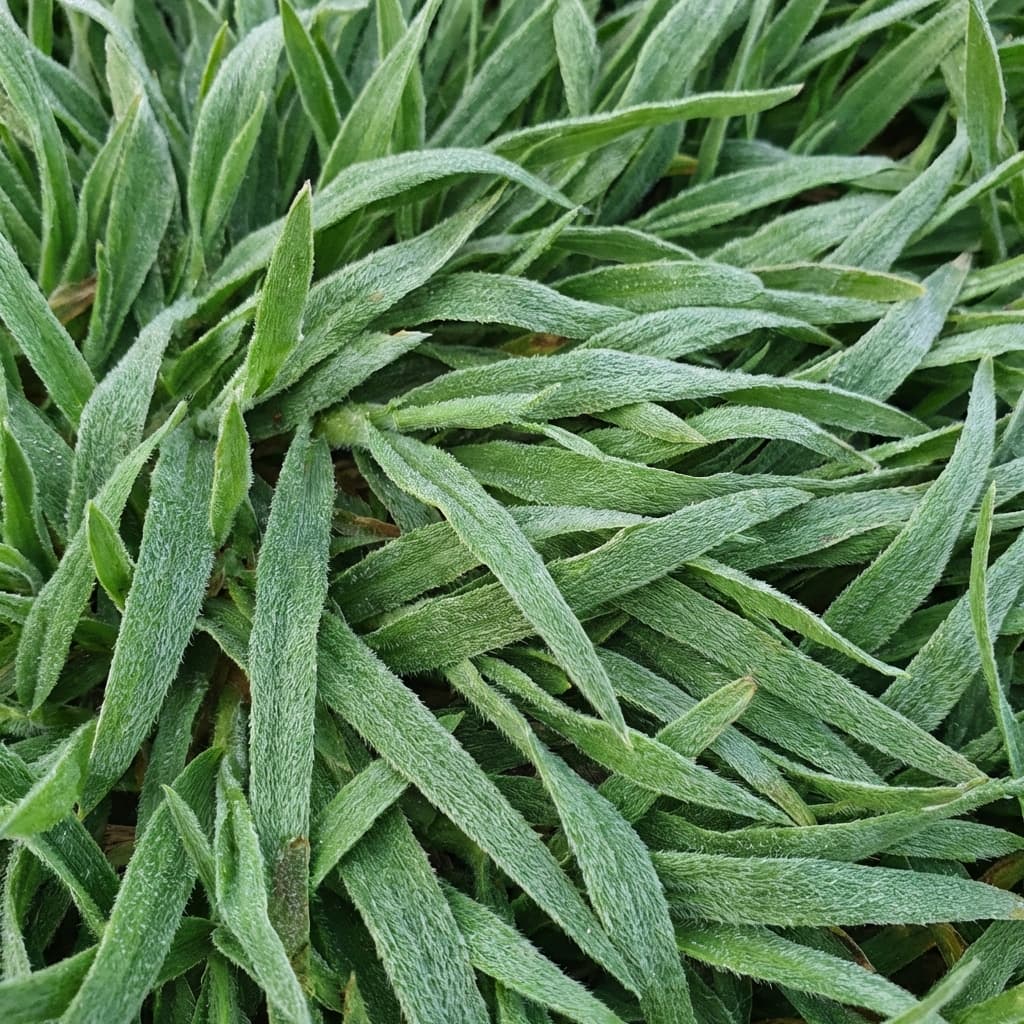
Empire Zoysia Grass: Complete Jacksonville Guide
Empire Zoysia Grass: Complete Jacksonville Guide. Review the site, scope and current written quote before deciding.
ProVista St. Augustine: The Low-Mow Option for Jacksonville
ProVista St. Augustine: The Low-Mow Option for Jacksonville. Review the site, scope and current written quote before deciding.
Let’s talk about your lawn
Ask our AI assistant a lawn question, or send the team a free installation estimate request.