Loading...
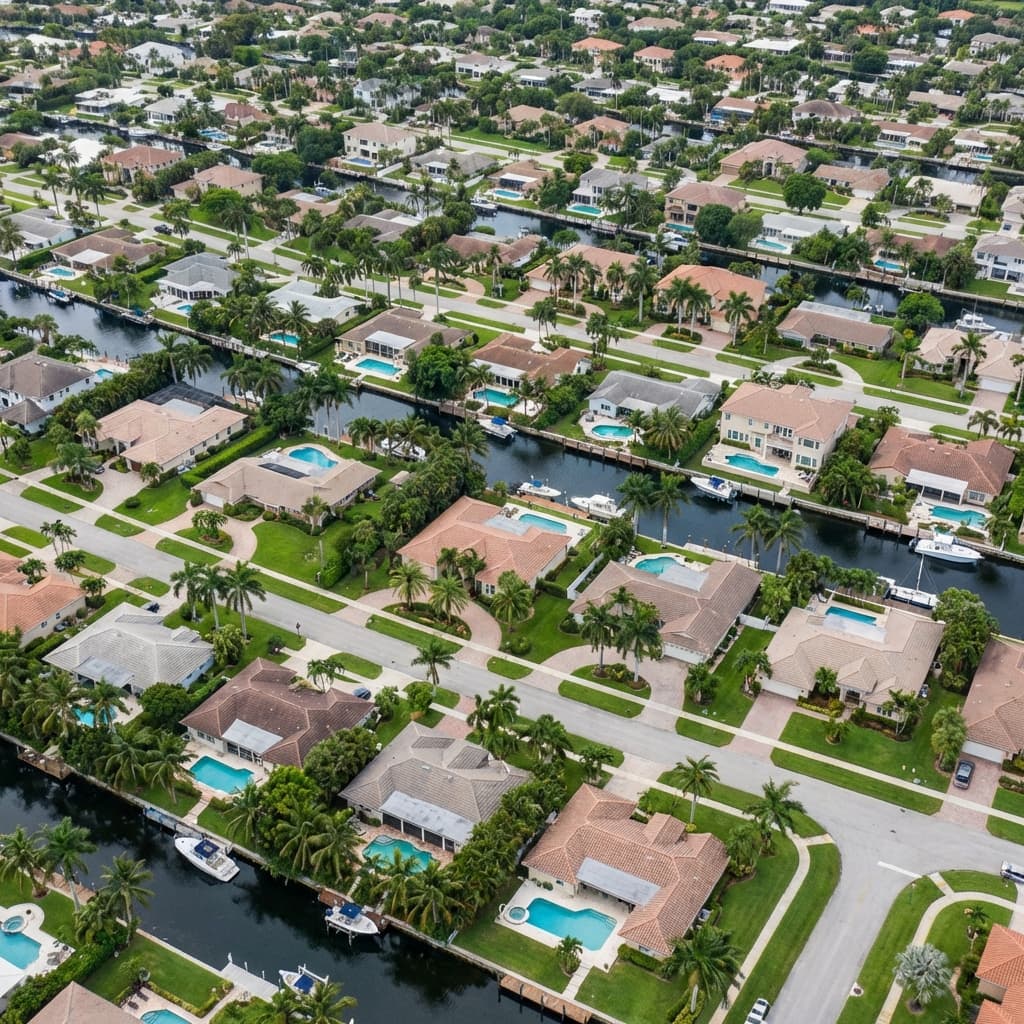
Back to Articles
Sod vs Artificial Turf: Pros and Cons for Jacksonville
Lawn Care January 27, 2026 24 min read
For current costs, compare the exact product or written project scope. See what to include in a sod estimate; this guide does not establish a current price, saving or resale return.
Set irrigation from site conditions and the current rules for your property and water source. For new sod, use the dated care planner; a fixed schedule in an older guide is not permission to water.
You're tired of fighting Jacksonville's summer heat, watering restrictions, and the constant maintenance of struggling grass. Driving through your Mandarin or Ponte Vedra neighborhood, you've noticed a few homes with that perfect, green synthetic turf that never needs mowing or watering. It looks tempting—but is artificial turf the right choice for your Jacksonville property, or will real sod ultimately serve you better?
In this comprehensive comparison, we'll examine upfront costs, long-term cost analysis over 10 years, Jacksonville's intense heat concerns with artificial turf, environmental impacts, maintenance requirements, aesthetics, pet considerations, drainage on our sandy soil, HOA restrictions, resale value impacts, situations where artificial turf makes sense, and our honest assessment of when each option serves Jacksonville homeowners best.
Upfront Cost Comparison
The most striking difference between sod and artificial turf is initial investment. This cost gap influences many homeowners' decisions, though it shouldn't be the only factor.
This includes site prep (clearing old grass, grading, soil preparation), sod materials (Floratam St. Augustine, Palmetto, or TifTuf Bermuda), professional installation, and initial establishment care guidance.
Breaking down sod costs further:
The massive cost difference—often 5-10 times more than sod—immediately rules out artificial turf for many homeowners regardless of other factors.
Breaking down artificial turf costs:
DIY installation can reduce costs for both options but requires significant labor. However, artificial turf DIY installation is extremely labor-intensive, requiring proper base preparation, precise cutting and seaming, and specialized tools. Most homeowners who research DIY turf installation decide professional installation is worth the cost.
Financing options exist for larger projects. Some artificial turf installers offer payment plans spreading costs over 12-60 months, making high upfront costs more manageable. Sod installations typically don't require financing due to lower overall costs, though some homeowners use home equity lines or credit cards for full property renovations including sod.
Jacksonville Pro Tip: If upfront cost is your primary driver, natural sod wins decisively.
Long-Term Cost Analysis Over 10 Years
While artificial turf costs dramatically more upfront, proponents argue it saves money over time through eliminated maintenance costs. Let's examine realistic 10-year costs for Jacksonville homeowners.
Natural sod 10-year costs include installation plus ongoing maintenance:
Artificial turf 10-year costs include installation plus minimal maintenance:
Break-even analysis shows artificial turf costs more over 10 years even when accounting for natural grass maintenance. Even with professional mowing service, natural sod remains competitive, breaking even around year 12-15.
Extended timeframes change the equation. If artificial turf lasts 15-20 years (manufacturer claims, though Jacksonville's sun degrades materials faster), and you maintain natural grass professionally for those periods, artificial turf might break even or save money. However, most artificial turf in Florida's climate shows significant wear and fading by year 10-12, often requiring replacement around year 15.
Variables affecting costs include water rates (JEA rates in Jacksonville have increased regularly), maintenance company pricing (competitive market keeps rates reasonable), turf quality and longevity (cheaper turf fails sooner), and lifestyle factors (do you enjoy mowing or hate it?).
Hidden costs with artificial turf that don't appear in basic analyses include potential HOA fines or property value impact if the artificial turf falls out of favor, difficulty selling your home if buyers prefer natural grass, and replacement costs if products fail prematurely or style changes make yours look dated.
Jacksonville Pro Tip: Run your own cost analysis based on your actual situation. If you mow yourself and have low water costs, natural sod wins decisively.
Heat Concerns in Jacksonville Summers
Jacksonville's hot summers create serious problems for artificial turf that many homeowners don't discover until after installation. This factor alone often determines whether artificial turf is practical for your property.
Surface temperatures on artificial turf in direct Jacksonville sun regularly reach 150-170°F during summer afternoons—hot enough to burn bare feet within seconds and uncomfortable even with shoes. Natural grass through evaporative cooling stays significantly cooler, typically 75-90°F on the same hot days. This temperature difference makes artificial turf virtually unusable during Jacksonville's peak heat from June through August without shade coverage.
Manufacturer claims about "cooling" artificial turf should be viewed skeptically. Some products incorporate moisture-absorbing infill or special backing designed to reduce heat, claiming 15-20°F cooler surface temperatures. Even if accurate, this reduces turf from 165°F to 145-150°F—still dangerously hot for bare feet and uncomfortable for pets. Marketing around "cool" artificial turf doesn't change the fundamental physics that synthetic materials in direct sun get extremely hot.
Jacksonville sun exposure is particularly intense. With approximately 221 sunny days annually and summer afternoon temperatures regularly exceeding 90°F with high humidity, any outdoor surface absorbs tremendous heat. Properties without substantial tree cover—common in newer Jacksonville subdivisions—have full sun exposure making artificial turf surface temperatures even more extreme.
Pet safety concerns become critical with artificial turf heat. Dogs and cats walking on 150°F+ surfaces can burn paw pads within minutes. Jacksonville veterinarians treat artificial turf-related paw burns regularly during summer months. If you have pets that use your yard, artificial turf in full sun areas is problematic unless you're willing to restrict outdoor access to early morning and evening when temperatures moderate.
Children's play areas with artificial turf create similar safety issues. Kids playing barefoot or in shorts sitting on hot turf can burn skin. Jacksonville's afternoon heat means summer play would need to shift to morning or evening hours, limiting yard usability during peak vacation season when kids are home from school and want to play outside.
Cooling mitigation strategies exist but add complexity and cost. Spraying turf with water before use cools it temporarily (15-20 minutes) but requires water (eliminating some conservation benefits) and constant attention. Trees eventually provide shade but take years to grow and aren't an option for many properties.
Shaded areas work better for artificial turf. If your Jacksonville property has mature tree canopy over lawn areas—common in older neighborhoods like Riverside, Avondale, or San Marco—artificial turf stays cooler and usable. Properties under heavy tree shade already struggle growing natural grass, making artificial turf more attractive in these specific situations.
Natural grass cooling benefits extend beyond the grass itself. Lawns reduce ambient temperature around your home through evapotranspiration, potentially lowering air conditioning costs. Artificial turf not only becomes hot itself but radiates heat toward your home, potentially increasing cooling loads. Jacksonville's already-high summer cooling costs might increase further with extensive artificial turf replacing natural grass.
Jacksonville Pro Tip: Before committing to artificial turf, test surface temperatures on existing artificial turf installations in Jacksonville. Visit sports fields or friends' yards with turf on a hot sunny afternoon (3-4 PM in July) and try walking barefoot on it. This practical test reveals heat reality better than any specification sheet.
Environmental Impact Comparison
Environmental considerations increasingly influence Jacksonville homeowners' landscaping decisions. Both natural sod and artificial turf have environmental impacts worth understanding.
Water consumption is natural grass's biggest environmental concern. Established St. Augustine or Bermuda grass in Jacksonville requires approximately 0.5-1 inch of water weekly during growing season, though St. Johns River Water Management District restrictions and Florida rainfall reduce supplemental irrigation needs substantially. The average Jacksonville lawn (5,000 square feet) might use 15,000-30,000 gallons of supplemental water annually beyond natural rainfall.
Artificial turf eliminates most irrigation but isn't completely water-free. Periodic rinsing to remove pet waste, dust, and debris uses water, and some homeowners spray turf to cool it before use. Total water consumption might be 1,000-3,000 gallons annually—dramatically less than natural grass but not zero.
Chemical usage for natural grass maintenance includes fertilizers, herbicides, and pesticides that can affect water quality if over-applied or applied before storms. However, Florida-Friendly Landscaping practices, organic lawn care options, and careful application timing minimize environmental impact. Many Jacksonville homeowners now maintain attractive natural grass lawns with minimal chemical inputs using proper grass varieties, correct mowing heights, and smart watering.
Artificial turf eliminates chemicals for grass maintenance but introduces environmental concerns from manufacturing. Synthetic turf production requires petroleum-based products and energy-intensive manufacturing processes. The environmental cost of producing and transporting artificial turf typically exceeds several years of maintenance chemical impacts from natural grass.
Heat island effect from artificial turf contributes to urban heat. While individual lawns might not significantly impact regional climate, widespread artificial turf adoption increases ambient temperatures by replacing cooling vegetation with heat-absorbing synthetic materials. Jacksonville already experiences urban heat island effects in developed areas; replacing natural grass with artificial turf worsens this.
Disposal and longevity concerns make artificial turf problematic environmentally. When artificial turf reaches end-of-life (typically 10-20 years in Jacksonville's climate), most gets landfilled. Recycling options exist but aren't widely available or cost-effective. A 5,000 square foot artificial turf installation generates several thousand pounds of waste material—plastic fibers, backing, infill material—with most ending in landfills. Natural grass removed during renovation is organic material that composts readily.
Carbon footprint analysis yields mixed results. Natural grass sequesters carbon during growth but requires fuel for mowing and energy for fertilizer production. Artificial turf has high embodied carbon from manufacturing but minimal ongoing energy use. Overall, natural grass maintained with modern electric mowers and responsible practices generally shows lower lifetime carbon footprint than artificial turf production, shipping, installation, and eventual disposal.
Biodiversity and ecosystem benefits strongly favor natural grass. Even mowed lawns support insect life, provide bird feeding areas, encourage earthworms and soil biology, and integrate with natural ecosystems. Artificial turf is biologically dead—no insects, no soil organisms, no integration with natural systems. For Jacksonville homeowners concerned about supporting pollinator habitat and ecosystem health, natural grass wins decisively.
Stormwater management differs between options. Natural grass absorbs rainfall, filters runoff, and recharges groundwater. Artificial turf requires drainage systems beneath to move water away. While quality artificial turf installations include drainage, they fundamentally change how water moves through properties, potentially increasing runoff rather than absorption. In Jacksonville with sandy soils naturally providing excellent drainage, replacing grass with impermeable artificial turf can create unintended drainage problems.
Jacksonville Pro Tip: If environmental conservation is your priority, focus on water-efficient natural grass varieties (TifTuf Bermuda or drought-tolerant St. Augustine cultivars), smart irrigation practices following Florida-Friendly guidelines, and organic or minimal-input lawn care. This approach typically provides better environmental outcomes than artificial turf while maintaining living green space.
Maintenance Requirements
The promise of low-maintenance artificial turf attracts busy Jacksonville homeowners tired of weekly mowing and constant attention to natural grass. But artificial turf isn't maintenance-free.
Natural sod ongoing maintenance includes:
- Weed control as needed (pre-emergent twice yearly, spot treatment as necessary)
- Pest monitoring and treatment (chinch bugs, armyworms, mole crickets in Jacksonville)
- Edging along walkways, driveways, beds (weekly or biweekly, 10-15 minutes)
- Seasonal cleanup (leaves, debris, storm damage)
- Irrigation system maintenance (spring startup, repairs, winterization)
Artificial turf ongoing maintenance includes:
- Regular brushing/raking to restore blade position and prevent matting (weekly or biweekly, 15-30 minutes)
- Debris removal (leaves, twigs, trash—artificial turf doesn't hide debris like natural grass)
- Pet waste removal and sanitizing (critical for odor control, daily for dogs)
- Periodic hosing to remove dust, pollen, and dirt buildup
- Edge trimming to prevent natural grass encroachment from adjacent areas
- Weed removal along seams and edges where weed seeds germinate
- Inspection and repair of seams, tears, or damage
Total time commitment: 30-60 minutes weekly for basic maintenance, plus periodic professional service.
Pet owners face higher artificial turf maintenance. Dog urine can create odors in artificial turf despite drainage, requiring regular hosing and periodic enzyme treatments. Solid waste must be removed immediately and areas rinsed. Jacksonville's heat intensifies odor problems. Natural grass handles pet waste better—urine dilutes and decomposes, and solid waste removal leaves no residue. If you have multiple dogs or large dogs, artificial turf maintenance increases substantially versus natural grass.
Weed growth still occurs with artificial turf. Weeds don't grow through quality turf itself, but they germinate along edges, in seams, and any areas where organic material collects. While weed pressure is lower than natural grass, the idea that artificial turf means "no weeds ever" is false. Jacksonville's warm climate supports aggressive weed growth that finds any opportunity.
Storm debris requires removal from artificial turf just like natural grass. After hurricanes or strong thunderstorms common in Northeast Florida, branches, leaves, and debris land on turf and must be removed. Natural grass somewhat hides small debris; artificial turf shows every leaf and twig requiring manual removal.
Appearance maintenance differs between options. Natural grass requires active maintenance (mowing, edging) to look good but recovers from neglect once care resumes. Artificial turf degrades over time without reversal—fibers mat down, infill depletes, edges separate, fading occurs—and these problems require repair or replacement, not just renewed maintenance.
Jacksonville Pro Tip: Track your current lawn maintenance time and costs for three months before deciding. If you genuinely spend significant time you'd rather use elsewhere, artificial turf might make sense. If you enjoy yardwork or already pay professionals you're satisfied with, natural grass maintenance probably isn't the burden you imagine.
Aesthetics and Realism Comparison
Appearance matters for curb appeal and property enjoyment. How do artificial turf and natural grass compare aesthetically in Jacksonville's neighborhoods?
Modern artificial turf looks significantly better than products from even 5-10 years ago. Premium turf incorporates varied blade colors (multiple greens, brown thatch layers), different blade shapes, and randomization that mimics natural grass fairly convincingly from a distance. Jacksonville installations using quality products can look acceptable, particularly in smaller areas.
Close inspection reveals differences. Walk up to artificial turf and you'll notice uniformity natural grass never has—perfectly even height, identical color distribution, no natural variation in growth patterns. The plastic-like texture is detectable by touch and visible in certain lighting. Jacksonville's bright sunlight creates reflections and glare on artificial turf fibers that never occur with natural grass.
Natural grass provides living variation that changes with seasons, weather, and growth patterns. This organic variability appeals to many homeowners—grass is slightly taller before mowing, new growth shows brighter green, seasonal color changes from dark summer green to lighter spring growth create visual interest. Artificial turf's unchanging appearance looks static by comparison.
Neighborhood context matters. In Jacksonville neighborhoods where all properties have natural grass, a single artificial turf installation stands out (for better or worse depending on perspective). In neighborhoods with multiple artificial turf installations, they become more normalized. Riverside, Avondale, and San Marco's established character makes artificial turf look out of place, while newer developments might be more accepting.
Color consistency concerns arise with artificial turf. Natural grass browning during Jacksonville's occasional winter cold snaps or drought-induced dormancy might look poor temporarily, but greens up when conditions improve. Artificial turf maintains constant color that looks suspiciously perfect—bright green during January when neighbors' Bermuda is dormant looks artificial and draws attention.
Fading over time degrades artificial turf appearance. Jacksonville's intense UV exposure fades synthetic fibers, with cheaper products showing noticeable fading within 3-5 years and premium products fading around 7-10 years. Natural grass doesn't fade—it maintains natural appearance or can be overseeded to adjust color seasonally.
Seams and edges are visible with artificial turf, particularly as installations age and seams separate slightly. Professional installation minimizes seam visibility, but they remain weak points both visually and functionally. Natural grass has no seams—it's continuous coverage that grows together seamlessly.
Matting and wear patterns develop in high-traffic areas. Artificial turf blades compress where people walk repeatedly, creating pathways and worn spots that don't recover without professional grooming or infill replenishment. Natural grass also shows wear patterns but recovers with reduced traffic and proper maintenance.
Jacksonville Pro Tip: Before deciding, visit multiple artificial turf installations of various ages. Look at newly installed turf (6 months), mid-life installations (5-7 years), and older installations (10+ years) to understand how appearance changes over time. Natural grass properly maintained looks consistently good year after year; artificial turf degrades steadily from installation day forward.
Pet Considerations
Jacksonville's warm climate encourages outdoor pet time, making yard surface decisions critical for pet owners. Dogs and cats interact with lawns differently than humans, with specific concerns for both natural grass and artificial turf.
Heat concerns for pet paws are significant with artificial turf. Dogs walking on 150°F+ turf during Jacksonville summer afternoons risk serious paw pad burns. Even in morning and evening when temperatures moderate, turf retains heat longer than natural grass that cools through evaporation. Many Jacksonville veterinarians report treating turf-related paw injuries during summer months.
Natural grass stays cool through evapotranspiration, providing comfortable surface temperatures even during hot weather. Dogs can safely use grass yards throughout the day without burn risk. This temperature difference alone makes natural grass better for pet owners in Jacksonville's climate.
Odor problems with artificial turf and dog urine are persistent complaints. While quality turf includes drainage allowing urine to pass through, some residue remains in infill material and backing. Jacksonville's heat intensifies odors, particularly with multiple dogs or concentrated use areas. Regular hosing helps but doesn't eliminate odors completely. Enzyme treatments reduce smells but add cost and maintenance.
Natural grass absorbs and dilutes urine effectively. While dog urine can cause burn spots on grass (yellow patches from nitrogen concentration), it doesn't create persistent odor issues. Rain and irrigation flush urine components into soil where they decompose naturally.
Solid waste removal is easier on natural grass because waste sits on the surface without adhering. With artificial turf, waste must be removed immediately and the area thoroughly rinsed to prevent residue and odor. Natural grass hides waste location better (for better or worse), while artificial turf clearly shows every deposit requiring removal.
Digging behavior destroys artificial turf but only damages small areas of natural grass. Dogs that dig will tear through artificial turf backing, creating holes requiring professional repair. Natural grass fills in dug areas quickly with proper care, and regular mowing limits damage visibility.
Drainage for pet areas needs special attention with artificial turf. Dog urine concentrated in favorite spots can overwhelm drainage if the base wasn't properly designed for pet use. "Pet turf" products with enhanced drainage cost more but handle urine better than standard turf. Natural grass drainage through Jacksonville's sandy soil is typically excellent without special design.
Allergy considerations sometimes favor artificial turf. Some dogs have grass allergies causing paw irritation and itching. Artificial turf eliminates grass allergens, though pollen from surrounding areas still settles on turf. However, artificial turf harbors different allergens (dust, mold in infill material) that can affect some pets.
Chewing and ingestion concerns arise with puppies or dogs that mouth objects. Artificial turf blades pulled loose and ingested can cause intestinal blockages requiring veterinary intervention. Natural grass ingestion is normal dog behavior causing no harm beyond occasional vomiting.
Cats generally prefer natural grass for elimination and lounging. While artificial turf works functionally for cats, many prefer natural surfaces. Jacksonville's outdoor cats enjoy hunting in natural grass areas where prey insects live—artificial turf supports no insect life, reducing natural cat stimulation and activity.
Jacksonville Pro Tip: If you have dogs that actively use your yard, prioritize their comfort and safety over maintenance convenience. Natural grass provides cooler surfaces, better odor management, and safer play areas than artificial turf in Jacksonville's climate. If considering artificial turf despite pets, invest in premium pet-specific products with enhanced drainage and install shade structures over areas where dogs spend time.
Drainage Differences on Sandy Soil
Jacksonville's sandy soil generally provides excellent drainage—one reason St. Augustine and Bermuda grass thrive here. How do natural sod and artificial turf interact with our soil drainage characteristics?
Natural grass on sandy soil works with Jacksonville's natural drainage patterns. Water percolates through grass roots into sandy soil, absorbing readily and draining to water table or moving laterally following property grades. This natural process requires little special accommodation—proper grading during sod installation ensures water moves appropriately, and sandy soil does the rest.
Artificial turf changes drainage fundamentally. The turf backing is permeable but not as permeable as living grass and soil. Installing artificial turf requires engineered drainage base—typically 3-4 inches of compacted crushed stone providing drainage pathways for water to exit turf and move through soil. This drainage base adds cost and complexity versus natural grass installation.
Heavy rainfall events common during Jacksonville's rainy season (June-September thunderstorms) test drainage systems. Quality artificial turf installations handle typical afternoon storms delivering 1-2 inches of rain without problems. However, tropical systems dropping 6-8 inches of rain can temporarily overwhelm drainage, creating surface water on turf that takes hours to drain. Natural grass absorbs and channels water continuously without surface flooding except in severe cases.
Drainage base quality determines artificial turf performance over time. Proper installation includes geotextile fabric preventing soil migration into drainage base, multiple inches of compacted aggregate creating drainage pathways, and proper grading ensuring water moves off the turf. Cut-rate installations skimping on drainage base develop puddles and poor drainage within 2-3 years.
Edge drainage requires attention with artificial turf. Where turf meets hardscapes (driveways, walkways, patios), water must drain away rather than pooling against edges. This often requires French drains or channel drains along edges—additional cost not necessary with natural grass that absorbs water along edges.
Low spots and depressions that might develop over time in natural grass (addressed through topdressing and leveling) become permanent problems with artificial turf. Once installed, turf maintains whatever grade and undulation exists in the base. Poor initial grading creates permanent drainage problems requiring turf removal and base rework to correct.
Tree root interference creates drainage problems for artificial turf. Jacksonville's mature trees—particularly live oaks, water oaks, and laurel oaks common throughout Northeast Florida—have roots that heave soil and create surface undulation. Natural grass adapts and grows over changing grades; artificial turf installed over roots develops low spots where roots settle and high spots where roots grow, creating drainage problems and trip hazards.
Maintenance access for drainage differs between options. If drainage problems develop with natural grass (low spots collecting water), fixing them involves adding soil, reseeding or sodding, and monitoring—relatively straightforward. Drainage problems with artificial turf require removing sections of turf, reworking the base, and reinstalling turf—expensive and leaving visible repair areas.
Jacksonville Pro Tip: If your property has known drainage challenges—low spots, heavy clay areas, poor grading—address these with natural grass solutions rather than artificial turf. Natural grass tolerates and adapts to drainage imperfections; artificial turf magnifies drainage problems into expensive, difficult-to-fix issues.
HOA Restrictions and Regulations
Jacksonville-area HOAs and deed-restricted communities increasingly regulate artificial turf installation, with attitudes ranging from complete prohibition to acceptance with conditions. Understanding your community's rules prevents expensive mistakes.
Many established Jacksonville HOAs prohibit artificial turf entirely or restrict it to backyards not visible from streets. Communities in Riverside, Avondale, San Marco, and many Southside neighborhoods value traditional appearance and view artificial turf as inconsistent with community character. Before investigating artificial turf further, check your HOA's architectural guidelines and deed restrictions.
Newer communities sometimes allow artificial turf with architectural review board approval. These approvals typically require submitting plans showing proposed turf location, product specifications proving quality materials, and demonstration that installation meets community standards. Review boards evaluate how turf affects neighboring properties and overall community appearance.
Backyard installations face fewer restrictions than front yards in most communities. HOAs concerned about street-facing appearance often permit artificial turf in backyards where it's not visible from public areas. If you're primarily interested in reducing maintenance for a backyard pool area or play space, HOA approval is more likely than front yard applications.
Quality requirements in communities permitting artificial turf often mandate premium products, professional installation, and specific appearance standards. Cheap artificial turf creating obviously fake appearance might be rejected even in communities generally accepting turf. Budget accordingly—meeting HOA quality standards typically requires products at the higher end of cost ranges.
Retrofit vs. new construction affects approval likelihood. Replacing existing natural grass with artificial turf in established neighborhoods faces greater scrutiny than installing turf in new construction where no grass exists yet. HOAs concerned about precedent—if they approve one homeowner's turf, others will request the same—often deny retrofit applications.
Appeal processes exist if initial applications are denied. Some Jacksonville homeowners have successfully appealed denials by addressing board concerns, upgrading proposed materials, or limiting installation to specific areas. Understanding specific objections and proposing compromises can turn denials into approvals.
City and county regulations generally don't restrict residential artificial turf in Jacksonville and surrounding areas. However, some commercial applications and certain zoning districts have regulations. Verify with local building departments if your property has unusual zoning or commercial elements.
Deed restriction violations if you install without approval can result in forced removal at your expense. HOAs have legal authority to enforce architectural guidelines, and installing artificial turf without required approval breaches your deed restrictions.
Variance requests for special circumstances—severe shade preventing natural grass growth, medical conditions limiting homeowner's ability to maintain grass, water conservation in drought—sometimes gain approval where general requests would be denied. Documenting legitimate need improves approval chances.
Jacksonville Pro Tip: Contact your HOA architectural review board before spending money on estimates or plans. Many boards offer pre-application consultation where you can gauge receptivity to artificial turf and understand what approval would require. Starting with conversation prevents wasted money on plans for installations your HOA won't approve.
Resale Value Impact
Your landscaping choice affects future home value and buyer appeal. Will artificial turf help or hurt when you eventually sell your Jacksonville property?
Buyer preferences vary in Jacksonville's market. Some buyers appreciate low-maintenance artificial turf, particularly busy professionals or retirees wanting minimal upkeep. Others strongly prefer natural grass, viewing artificial turf as plastic, hot, and unnatural. Your home's pool of potential buyers determines whether turf helps or hurts value.
Luxury market concerns about artificial turf affect homes priced above Jacksonville's median. Artificial turf in these markets can limit buyer interest or require removal and natural grass installation before sale. Real estate agents in Jacksonville's luxury markets generally recommend against artificial turf for properties seeking maximum value.
Mid-market acceptance varies by neighborhood. However, it's unlikely to add value—most buyers view it neutrally at best.
A well-maintained natural lawn remains preferable, but quality artificial turf beats weedy, patchy grass affecting curb appeal.
Niche buyer appeal includes specific groups where artificial turf provides advantage: buyers with severe grass allergies, buyers seeking minimal maintenance due to age or disability, and buyers prioritizing water conservation. However, these niche buyers represent small percentages of Jacksonville's market—basing installation decisions on finding them is risky.
Appraiser treatment of artificial turf varies. Most appraisers don't add value for artificial turf beyond ensuring the property has functional landscaping.
Financing concerns occasionally arise when buyers need loans requiring appraisal. If appraisers question artificial turf's condition, lifespan, or functional adequacy, it could affect appraised value supporting the mortgage. Well-maintained natural grass never raises these concerns.
Removal costs before sale might be necessary if artificial turf has aged poorly or your real estate agent advises that it limits buyer pool.
Market trends shift over time. If artificial turf becomes more accepted in Jacksonville over the next 5-10 years, current negative buyer reactions might moderate. Conversely, if environmental concerns or negative experiences with aging turf installations reduce acceptance, resale impact could worsen.
Jacksonville Pro Tip: Consult real estate agents active in your specific Jacksonville neighborhood before installing artificial turf if resale value matters. Agents understand buyer preferences in your market and can advise whether turf helps, hurts, or is neutral for future sales. Their market-specific knowledge is more valuable than general opinions.
Where Artificial Turf Makes Sense
Despite our extensive coverage of artificial turf's drawbacks for Jacksonville's climate, specific situations exist where it genuinely makes better sense than natural grass.
Heavy shade areas under mature tree canopy where grass struggles constantly are prime artificial turf candidates. If your Riverside or San Marco property has beautiful live oaks creating dense shade where St. Augustine grass fails despite your best efforts, artificial turf provides green coverage where real grass can't succeed. The shade also keeps turf cooler, reducing Jacksonville's heat concerns.
High-traffic small areas like side yards with gates, dog runs, or pathways worn bare from constant foot traffic work well with artificial turf.
Pool surrounds where constant splashing and traffic kill grass and create muddy areas are reasonable artificial turf applications. The turf provides non-slip surface when wet, doesn't track mud into pools, and maintains appearance despite heavy use. Jacksonville's pool season ensures these areas get constant traffic where grass would struggle. Consider artificial turf for 5-10 feet around pools while maintaining natural grass in the rest of your yard.
Small urban courtyards in Jacksonville Beach, Atlantic Beach, or downtown condos and townhomes where space is limited (under 500 square feet), irrigation is difficult, and maintenance access is challenging can work well with artificial turf.
Play areas and sports applications for families with children who want defined play spaces benefit from artificial turf's durability and consistent surface. A 300-square-foot turf play area integrated into larger natural grass yards gives kids resilient play space while avoiding full-yard conversion. Consider this approach for swing set areas, play structures, or practice sports areas.
Commercial applications where appearance consistency, liability concerns, and maintenance costs justify investment sometimes favor artificial turf. Jacksonville office parks, display areas, or commercial properties where natural grass maintenance is difficult or expensive might benefit from professional commercial-grade turf installations.
Rental properties where tenants don't maintain grass properly might benefit from artificial turf removing maintenance responsibility and ensuring consistent appearance. However, the high cost makes this viable only for premium rentals where rent supports capital investment.
Severe water restrictions in specific neighborhoods or developments might justify artificial turf if natural grass can't receive adequate water for survival. However, this is rare in Jacksonville where watering restrictions still permit adequate irrigation for healthy grass when applied correctly.
When artificial turf doesn't make sense:
- Full-sun front yards in typical Jacksonville neighborhoods
- Large backyard areas used regularly by families and pets
- Properties with well-maintained natural grass simply because you'd prefer less mowing
- Homes in luxury markets where resale value might be affected
- Any situation where natural grass is growing successfully with reasonable maintenance
Jacksonville Pro Tip: If specific problem areas in your yard drive your interest in artificial turf, consider targeted application rather than full replacement. Install turf in the 500-square-foot shaded side yard that never grows grass, maintain natural grass in your sunny 4,000-square-foot front and back yards. This hybrid approach solves problems without extreme cost or commitment.
Our Honest Assessment
After examining costs, climate factors, maintenance, environmental impacts, and practical considerations, where do we at Jax Sod come down on the sod vs. artificial turf debate for Jacksonville homeowners?
Natural sod remains the better choice for most Jacksonville properties in most situations. The combination of lower costs, cooler surfaces in summer heat, living environmental benefits, accepted appearance in established neighborhoods, and equivalent or lower long-term costs make natural grass the practical and sensible choice for typical residential properties.
Jacksonville's climate works against artificial turf more than in many other markets. Our intense summer heat creating dangerous surface temperatures, extended sunny periods degrading materials faster, and hurricane season risks make artificial turf more problematic here than in cooler or cloudier climates. Manufacturers develop and test artificial turf for various conditions, but Florida's climate is particularly challenging.
Modern grass varieties reduce natural grass maintenance that drives homeowners toward alternatives. TifTuf Bermuda offers drought tolerance and durability approaching artificial turf with natural grass benefits. Palmetto St. Augustine requires less maintenance than older varieties. Florida-Friendly landscaping practices have made natural grass far easier to maintain than in previous decades. The "natural grass requires constant work" assumption doesn't reflect current reality for homeowners using appropriate varieties and methods.
Artificial turf works in limited niche applications where we'd honestly recommend it: severe shade areas, small high-traffic problem spots, specialized uses like pool surrounds. These targeted applications solve real problems where natural grass struggles. But full-yard artificial turf installations driven primarily by maintenance avoidance rarely prove satisfying in Jacksonville's climate considering all factors.
Cost-benefit analysis favors natural sod especially when spread over 10-20 year timeframes typical for homeownership. Even accounting for all maintenance costs, natural sod costs less or similar to artificial turf while providing superior comfort, appearance, and environmental benefits. For artificial turf to make financial sense, it must last 15-20 years without major issues—an optimistic assumption in Florida's climate.
Personal factors override general recommendations in some cases. If you genuinely hate yard maintenance, have physical limitations preventing grass care, face restrictions on water use, or have failed repeatedly to maintain natural grass, artificial turf might be worth its costs and drawbacks for your peace of mind. Personal satisfaction and lifestyle fit matter more than pure cost optimization.
Try improvements to natural grass first before committing to artificial turf's cost and permanence. Upgrade to drought-tolerant grass varieties, install or upgrade irrigation systems, hire professional maintenance services, or reduce lawn area in favor of landscaping beds and hardscapes. These approaches often address frustrations with natural grass at far lower cost than artificial turf installation.
At Jax Sod, we could profit from telling Jacksonville homeowners natural grass is always better, but honesty serves you better. For most properties, natural sod provides superior results at lower cost. For specific niche applications, artificial turf solves problems natural grass can't. We help you make informed decisions based on your property, needs, and priorities—not our sales goals.
Conclusion
The decision between natural sod and artificial turf for your Jacksonville property depends on weighing multiple factors: upfront and long-term costs, summer heat concerns, environmental impacts, maintenance requirements, aesthetics, pet safety, drainage characteristics, HOA rules, and resale implications.
For most Jacksonville homeowners, natural sod provides better value, comfort, appearance, and environmental benefits than artificial turf at significantly lower cost. Jacksonville's climate creates challenges for artificial turf—extreme heat, UV degradation, and hurricane risks—that make it less practical here than in many other markets.
However, specific situations including severe shade areas, small high-traffic zones, pool surrounds, and specialized applications benefit from artificial turf where natural grass genuinely struggles. Understanding where each product excels allows informed decisions serving your specific needs.
Ready to install or renovate natural sod at your Jacksonville property? We'll discuss grass varieties suited to your specific conditions, explain maintenance requirements honestly, and help you create the attractive natural lawn your property deserves.
Need Professional Sod Installation?
Jax Sod provides sod installation, sod replacement, and new lawn installation across Jacksonville and Northeast Florida. Free quotes!
Related Articles
Choosing the Right Sod for Your Florida Lawn: The Complete Guide
Not all sod is created equal. Discover the best grass varieties for Florida's climate, from shade-loving Palmetto to the bulletproof Bermuda used on sports fields.
Clay County Sod Delivery and Installation Planning
Plan sod delivery as part of a Jax Sod installation in Clay County. On-site estimates, property access, working irrigation and project scheduling.
Does Jax Sod Offer a Sod Warranty?
Jax Sod's sod warranty policy and care responsibilities, as stated in the customer estimate.
Let’s talk about your lawn
Ask our AI assistant a lawn question, or send the team a free installation estimate request.