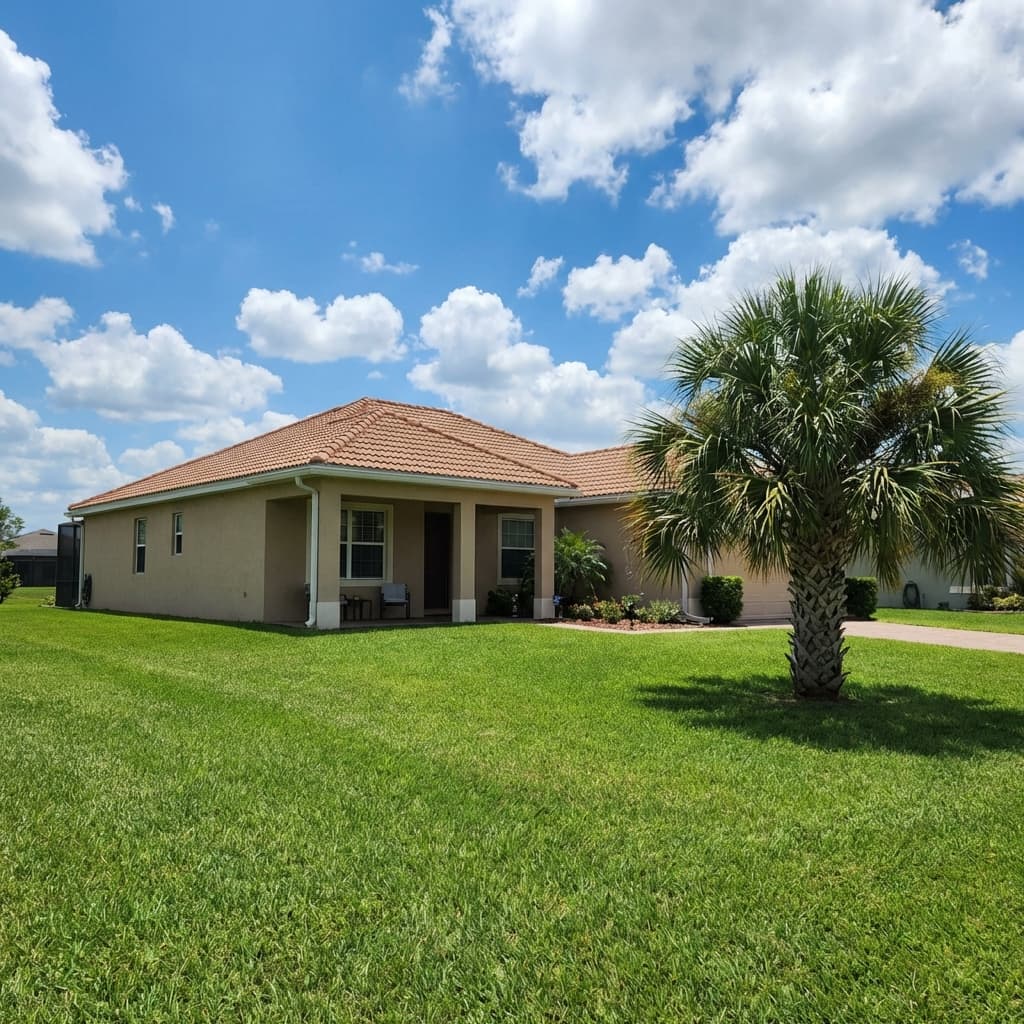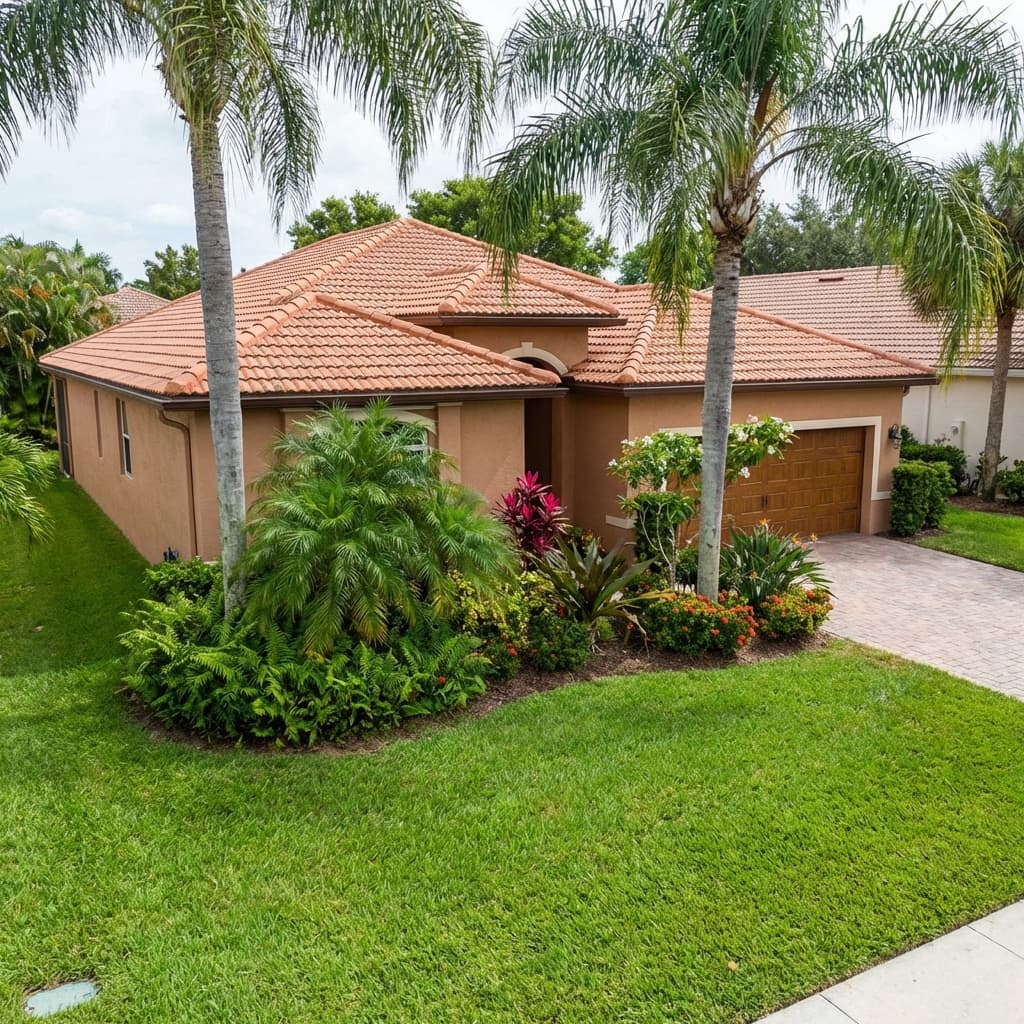
The moment sod is laid, your yard transforms from bare dirt to lush green carpet. It looks like a finished lawn—the kind of instant gratification that makes sod the overwhelmingly popular choice over seeding. But that instant appearance is misleading, and homeowners who don't understand what's happening beneath the surface often damage their investment in the critical weeks after installation.
Here's the truth: while sod looks complete on Day 1, it won't actually function like an established lawn for 30-60 days. During that window, the grass is in survival mode—literally fighting for its life while it rebuilds the root system that was severed at the farm. How you manage this establishment period determines whether you'll have a 20-year lawn or a costly replacement in 18 months.
This guide walks you through the complete rooting timeline, explains the biology behind each stage, and gives you clear benchmarks to know when your lawn is genuinely ready for normal use.
Day 0-3: Survival Mode
When sod is harvested at the farm, mechanical cutters slice the roots approximately 1-2 inches below the soil surface. The grass arrives at your property with roughly 95% of its root system left behind in the ground. What you're installing is essentially a living organism in critical condition, dependent on constant external life support until it can regenerate.
What's Happening Underground
During the first 72 hours, the severed root ends begin forming callus tissue—essentially a biological scab that seals the wounds and prepares for regrowth. No significant new root growth occurs yet; the plant's energy is focused on damage control.
Above ground, the grass blades appear healthy, but they're operating on stored reserves rather than active nutrient uptake. The sod is like a cut flower in a vase—looking fine temporarily, but disconnected from any sustainable water or nutrient source.
Your Critical Job
This is the highest-risk period for sod failure. Without established roots, the grass depends entirely on watering to stay alive. The goal isn't deep watering—roots can't reach deep soil anyway. The goal is keeping the sod pad consistently moist.
Watering during Days 0-3:
- Water 2-3 times daily in summer, 1-2 times in cooler months
- Each session should be brief: 10-15 minutes per zone
- The sod pad should be damp, not soggy
- Check by lifting corners: the soil should be wet but not dripping
Signs of trouble at this stage include sod edges curling upward (too dry) or a sour smell and squishy texture (too wet, potential rot). Either problem requires immediate correction.
⚠️ Critical Period: Days 0-3 have the highest failure risk. Missing even one day of watering in summer can cause permanent damage. Set phone alarms if needed.
Days 4-10: First Root Extension
By the end of the first week, new root growth begins emerging from the callused cut ends. These initial roots are thin, delicate, and extend only fractions of an inch into your native soil. They're seeking moisture and nutrients, and their survival depends on finding both.
What's Happening Underground
The new roots are highly vulnerable at this stage. They can only absorb water from soil within their immediate reach—the top inch of your native soil. If that zone dries out between waterings, the new root tips desiccate and die, forcing the plant to regenerate replacement roots.
This is why consistent soil moisture matters more than total water volume. Five hours between waterings in summer heat can be enough for the surface soil to dry, killing brand-new roots.
Visual Signs of Progress
By day 7-10, you can perform the first establishment test: gently tug on a sod corner. If it resists—even slightly—roots are beginning to anchor. If the sod lifts easily like a loose carpet, minimal root penetration has occurred.
Don't be alarmed if early tests show little resistance. Different grass varieties root at different speeds, and environmental conditions dramatically affect the timeline. Zoysia is notoriously slow to establish; St. Augustine is faster. Summer heat accelerates the process; winter cold slows it significantly.
Days 11-21: Active Anchoring
During the second and third weeks, root growth accelerates dramatically. Individual roots extend one to two inches into native soil, and the total root mass increases as the plant allocates energy toward underground development. The sod transitions from "patient in critical condition" to "patient in recovery."
What's Happening Underground
The roots are now tapping into native soil moisture, reducing (but not eliminating) dependence on surface watering. The grass begins accessing soil-based nutrients, and leaf color often improves as the plant's nutritional status stabilizes.
Simultaneously, the sod pad begins merging with native soil. The seams between individual pieces become less visible as stolons (above-ground runners) and roots interweave. What was discrete pieces of turf starts functioning as a unified system.
Transitioning Watering
This is when you begin shifting from "keeping the sod wet" to "watering the soil deeply." Reduce frequency but increase duration:
Watering during Days 11-21:
- Reduce to 1 watering per day (morning preferred)
- Increase duration by 50-100% compared to early phase
- Goal: water penetrates 2-3 inches into soil
- Verify depth by probing with a screwdriver—it should slide in easily
This transition teaches the roots to grow deeper. As long as surface moisture is constantly available, roots have no incentive to reach downward. Slightly longer gaps between waterings (with deeper water when you do irrigate) encourage the roots to chase moisture into the soil profile.
Days 22-30: The Tug Test Milestone
By approximately four weeks, properly established sod should pass the definitive test: grab a fistful of grass blades and pull firmly upward. Established sod resists strongly—you might tear grass blades before the sod lifts. If the entire sod piece pulls up like lifting a toupee, establishment has failed or stalled.
What Passing the Tug Test Means
When sod resists the tug test, the root system has developed enough tensile strength to anchor the grass under normal conditions. The lawn can now handle light foot traffic—walking across to reach the mailbox, moving a sprinkler, supervised pet bathroom breaks—without displacing sod or damaging the developing root system.
Note: passing the tug test does not mean full establishment. The lawn can handle light use, but heavy traffic, vigorous play, lawn mowers, and regular pet use should still wait.
✅ The Tug Test: Grab grass blades and pull firmly upward. If the sod resists strongly, roots are anchored. If it lifts like a toupee, wait another week and test again.
First Mowing: Timing and Technique
The first mow typically occurs around days 21-30, when grass height reaches 4-5 inches (for St. Augustine) or 3-4 inches (for Zoysia). First mowing validates that sod is anchored enough to resist the forces involved.
First mow guidelines:
- Set mower height high—remove only 1/3 of blade height maximum
- Use sharp blades: dull blades tear grass and can dislodge loosely-rooted sod
- Mow when soil is not soggy (mid-morning after dew dries)
- Walk the yard after mowing to verify no pieces have shifted
If any sod pieces do move during first mowing, press them back firmly and water immediately. Consider delaying subsequent mows by 3-5 days to allow additional anchoring.
Days 31-60: Deep Root Development
From days 30-60, the root system extends deeper into the soil profile and develops density. Primary roots branch into secondary and tertiary root networks, creating the fine meshwork that gives established lawns their resilience.
What's Happening Underground
Roots may now extend 4-8 inches into the soil depending on grass type and soil conditions. This depth provides access to soil moisture reserves that surface-only roots couldn't reach, dramatically improving the lawn's tolerance for heat stress, drought, and irregular watering.
The grass also builds carbohydrate reserves in its crown tissue—stored energy that helps it survive future stress events, winter dormancy, and recovery from damage. A lawn that's properly established by day 60 has resilience that a day-30 lawn lacks.
Normal Watering Transition
Around week 5-6, transition to a maintenance watering schedule:
Established lawn watering (Zone 9a/Jacksonville):
- 2-3 deep waterings per week during growing season
- Each session: 3/4 inch of water (measured by rain gauge or tuna can)
- Water early morning (5-8 AM) to minimize evaporation and fungal risk
- Increase frequency during extreme heat or drought; reduce during rainy periods
This schedule encourages deep root growth and prepares the lawn to function on minimal intervention during normal weather patterns.
Days 60+: Full Establishment
By 60 days after installation, a properly managed sod lawn is considered fully established. The root system has reached its functional depth, the grass has integrated with native soil, and the lawn can handle normal residential use—including regular mowing, foot traffic, pet activity, and play.
What Full Establishment Means
An established lawn recovers from normal wear and tear. Paths don't form from routine walking. Mowing doesn't stress the grass. Temporary drought causes some color loss but not death. The fertilization and maintenance programs that apply to mature lawns now apply to yours.
Full establishment does not mean invincibility. Extended drought, pest infestations, disease, and severe physical damage can still harm an established lawn. But it does mean the lawn has the root structure and energy reserves to survive normal challenges and recover from moderate ones.
🎯 Timeline Summary: Days 1-7 = survival mode. Days 8-21 = first roots. Days 22-30 = tug test milestone. Days 31-60 = deep root development. Day 60+ = fully established.
Factors That Speed or Slow Establishment
The 30-60 day timeline assumes reasonable conditions and proper care. Several factors can significantly accelerate or delay the process:
Factors That Speed Establishment
Optimal soil temperature: Warm-season grasses root actively when soil temperatures are 65-85°F. Spring and early summer installations in Jacksonville often establish faster than fall or winter installations.
Proper soil prep: Loose, debris-free soil that makes good contact with the sod pad allows roots to penetrate immediately. Compacted soil or air gaps slow establishment.
Consistent watering: Maintaining soil moisture without overwatering keeps roots growing continuously. Dry periods force the plant to regenerate damaged root tips.
Starter fertilizer: Phosphorus applied at or before installation directly supports root development.
Factors That Slow Establishment
Cold weather: Below 55°F, root growth essentially stops. Winter-installed sod may take 90-120 days to fully establish as it waits for spring warmth.
Compacted or rocky soil: Roots struggle to penetrate hard soil. Severely compacted sites may require mechanical aeration before sod installation.
Shade: Grass in low-light conditions develops more slowly overall, including root systems. Shaded areas may need an extra 2-3 weeks to establish.
Foot traffic during establishment: Walking on sod before roots anchor displaces pieces and creates gaps. Even light traffic extends the timeline by disrupting root development.
Troubleshooting Establishment Problems
Sod Not Rooting After 3 Weeks
If the tug test shows minimal anchoring after 21 days, investigate:
-
Check soil moisture: Probe beneath a sod piece. Is the native soil moist or dry? Dry soil indicates insufficient watering.
-
Check sod-soil contact: Lift a corner and look at the interface. Are roots visible growing downward? Is there an air gap between sod and soil?
-
Check for pest damage: Roll back a corner and look for grubs, chinch bugs, or other insects that may be attacking developing roots.
Yellow or Brown Patches
Discoloration during establishment most commonly indicates:
- Drought stress: Check watering coverage. Do sprinkler heads reach the affected areas?
- Overwatering: Soggy areas with sour smell indicate root rot from excessive moisture
- Sunscald: Sod that sat on the pallet too long before installation may show heat damage
Seams Opening Up
If gaps appear between sod pieces, the likely causes are:
- Shrinkage from underwatering: The sod pad dries and physically contracts
- Poor initial installation: Pieces weren't butted firmly during installation
- Displacement: Someone or something walked on unsecured sod
FAQ: Establishment Timeline Questions
Q: Can I speed up establishment by fertilizing heavily?
A: No. Excess nitrogen fertilizer during establishment promotes leaf growth at the expense of root development—the opposite of what you want. Starter fertilizer (high phosphorus, low nitrogen) applied at installation is beneficial; additional fertilization should wait until after full establishment.
Q: When can my dog use the new lawn?
A: Brief, supervised bathroom breaks are fine after the sod passes the tug test (around day 30). Regular off-leash activity should wait until full establishment (day 60+). Dog urine is high in nitrogen and can burn new grass that lacks the root reserves to recover.
Q: Is it normal for new sod to look worse in week 2-3 than week 1?
A: Yes. The grass depletes its initial reserves before new roots fully take over nutrient supply. A brief "transplant slump" with slightly yellowed or stressed appearance is common and resolves as roots establish. Sustained decline after week 3 indicates a problem.
Q: Should I aerate new sod to help roots penetrate?
A: Never aerate new sod. Core aeration—pulling plugs from the lawn—would tear up the unestablished root system. Wait at least one full year before aerating newly sodded areas.
The Patient Payoff
Sod installation is an investment in immediate transformation, but the return on that investment depends on patience during establishment. The four to eight weeks after installation are when your future lawn is built—or broken.
Give your new sod the water it needs, protect it from traffic, and resist the urge to rush toward normal use. In 60 days, you'll have a mature, resilient lawn that requires routine maintenance rather than intensive care. That patience pays dividends for the next 10-20 years.
💡 The Payoff: 60 days of patience = 20 years of lawn. That's a pretty good trade.
Questions about your new lawn's establishment? Contact Jax Sod—we're happy to walk through any concerns and help ensure your sod thrives.