Loading...
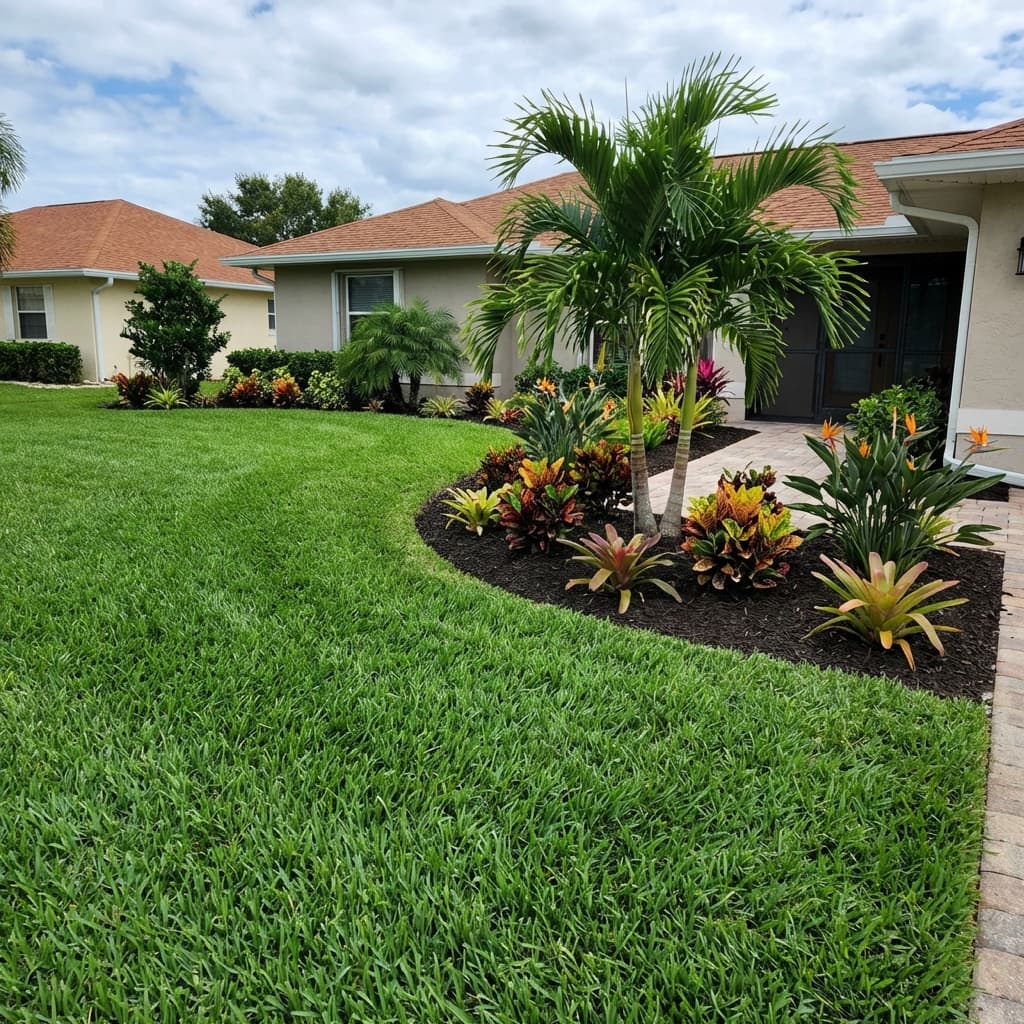
Back to Articles
Southside Jacksonville Landscaping: Complete Guide for Duval County Properties
Landscaping January 27, 2026 10 min read
Set irrigation from site conditions and the current rules for your property and water source. For new sod, use the dated care planner; a fixed schedule in an older guide is not permission to water.
The Southside stretches from San Marco down to Deerwood and from the St. Johns River east toward Southside Boulevard and beyond. It's one of Jacksonville's most diverse areas—from historic neighborhoods with mature tree canopies to newer developments near Town Center, and from riverfront properties to suburban communities near the universities.
I've been designing and maintaining landscapes throughout Southside Jacksonville for years. The variety of property types, architectural styles, and lot conditions means there's no one-size-fits-all approach. But understanding what works in our Zone 9a climate with sandy soil and hot, humid summers gives you a foundation for creating landscapes that thrive rather than struggle.
Understanding Southside's Growing Conditions
Southside Jacksonville sits in Zone 9a, giving us mild winters where hard freezes are occasional rather than routine, and long, hot summers with afternoon thunderstorms from June through September. This climate supports a wide range of plants that wouldn't survive farther north but isn't quite as tropical as South Florida.
The soil is sandy throughout most of the Southside—well-draining, low in organic matter, and quick to leach nutrients. This creates challenges for water retention and soil fertility but also means you rarely deal with standing water or heavy clay problems.
Mature neighborhoods around San Jose and Mandarin have established tree canopies creating significant shade. Newer areas near Butler and Southpoint have younger landscapes with more sun exposure. Your specific light conditions determine which plants thrive and how you design planting beds.
Designing Low-Maintenance Southside Landscapes
The goal of quality landscaping is creating attractive outdoor spaces that don't demand constant attention. This means choosing plants adapted to our climate, grouping them by water needs, and designing for year-round interest with minimal intervention.
Plant Selection Principles
Choose native and Florida-friendly plants as the foundation. These are adapted to our climate, soil, and pests. They need less irrigation once established, handle temperature extremes better, and support local wildlife.
Native options include beautyberry, firebush, coontie, muhly grass, saw palmetto, and various oaks. Florida-friendly plants include crape myrtle, loropetalum, Indian hawthorn, dwarf yaupon holly, and asiatic jasmine.
Consider mature size when selecting plants. The biggest maintenance mistake I see is planting shrubs that grow 8 feet tall beneath windows where you want 3-foot plants. Constant pruning to control size wastes time and often ruins plant form. Choose varieties that naturally fit your space.
Dwarf varieties exist for most popular shrubs. Dwarf Burford holly stays 3-4 feet instead of 10. Petite Knock Out roses reach 18 inches rather than 4 feet. Dwarf yaupon holly maxes at 3 feet versus 8. Selecting appropriately sized plants eliminates most pruning maintenance.
Group by water needs. Place plants with similar irrigation requirements together. This prevents overwatering drought-tolerant plants or underwatering moisture-lovers. It also simplifies irrigation zone design.
Creating Functional Zones
Break your landscape into functional zones based on use and maintenance intensity.
High-visibility areas near the front entrance get more attention and can include higher-maintenance plants. These are the first things visitors see, so invest in quality planting, good soil preparation, and regular maintenance.
Living spaces like patios and outdoor entertaining areas need plants that provide privacy, shade, or screening without dropping excessive debris. Avoid plants with messy fruit or aggressive roots that damage hardscaping.
Utility areas around AC units, garbage storage, or pool equipment need screening that tolerates tough conditions. These often receive reflected heat, poor soil, and limited water. Choose tough plants like wax myrtle, liriope, or loropetalum.
Transition zones between your manicured lawn and natural areas can use larger, tougher plants that require minimal maintenance. Native shrubs, ornamental grasses, and small palms work well here.
Lawn vs. Groundcover Decisions
Not every square foot needs to be lawn. Strategic use of groundcovers, mulched beds, and hardscaping reduces maintenance while creating visual interest.
When Lawn Makes Sense
Lawns work well for:
- Active use areas where kids or pets play
- Open spaces that need visual continuity
- Areas where you want that manicured, traditional appearance
- Spaces with adequate sun (at least 4-6 hours daily)
St. Augustine grass dominates Southside residential lawns. It handles our climate well, tolerates moderate shade, and creates that thick, lush appearance most homeowners want. Floratam for sun, Palmetto or Captiva for shade.
Zoysia is gaining popularity in newer neighborhoods near Town Center and Deerwood. It uses less water, tolerates moderate shade, and requires less mowing than St. Augustine once established.
Groundcover Alternatives
In areas where lawn struggles—deep shade, narrow strips, steep slopes—groundcovers often perform better with less maintenance.
Asiatic jasmine is the workhorse groundcover throughout Southside. It handles full sun to moderate shade, requires minimal maintenance once established, and stays green year-round. It spreads to fill spaces and suppresses weeds effectively.
Liriope (monkey grass) works well for borders, under trees, and in moderate shade. It's virtually indestructible, handles our sandy soil, and provides texture contrast to other plants.
Sunshine mimosa creates a fine-textured, fern-like groundcover that handles full sun and stays relatively low. It spreads by seed, which can be a feature or a problem depending on location.
Dwarf mondo grass works for small areas and borders. It stays low, tolerates shade well, and creates a fine-textured appearance.
Designing Planting Beds
Well-designed beds create structure and visual interest while reducing lawn area that requires mowing and maintenance.
Bed Layout Principles
Create sweeping curves rather than rigid geometric shapes. Curved beds look more natural and age better than rectangular or square beds. Use a garden hose to lay out curves before cutting edges.
Make beds deep enough to accommodate mature plant sizes. Beds less than 3-4 feet deep limit plant options and create awkward proportions. Deeper beds (6-8 feet) provide room for layered plantings with trees, shrubs, and groundcovers.
Edge cleanly for professional appearance. Metal or plastic edging maintains clean lines and prevents grass from invading beds. Alternatively, cut a clean edge with a spade and maintain it seasonally.
Planting Design Strategies
Layer by height. Place tall plants toward the back or center, medium plants in the middle, and low plants along the front. This creates depth and ensures all plants are visible.
Plant in odd-numbered groups. One specimen tree works, as do three or five shrubs. Two or four often look awkward. Odd numbers create more natural, dynamic compositions.
Repeat key plants throughout the landscape for unity. Using the same shrubs or groundcovers in multiple beds ties the landscape together rather than making it look like a plant collection.
Include year-round interest. Mix evergreen and deciduous plants, include some with interesting bark or structure, and add plants that flower in different seasons. This prevents the landscape from looking dull in winter.
Plant Recommendations for Southside Landscapes
These plants thrive in Southside Jacksonville conditions with minimal intervention once established:
Trees
Southern Live Oak is the signature tree throughout older Southside neighborhoods. It provides magnificent canopy, supports wildlife, and lives for centuries. The caveat is size—they get massive and need space.
Crape Myrtle offers summer flowers, attractive bark, and manageable size. Hundreds of varieties exist from 3-foot dwarfs to 30-foot standards. Choose based on your available space.
Eastern Redbud provides spring flowers before leaves emerge and works well as an understory tree beneath larger canopy. It handles our climate well and doesn't get too large.
Dahoon Holly stays smaller than live oak while providing evergreen screening. It produces red berries that birds love and tolerates wet soil better than many trees.
Large Shrubs (6-15 feet)
Wax Myrtle is nearly indestructible. It handles sun or shade, wet or dry soil, and provides quick screening. Native and low-maintenance.
Walter's Viburnum creates screening with white spring flowers and tolerates a range of conditions. It naturally forms an upright habit good for narrow spaces.
Loropetalum offers burgundy foliage and pink spring flowers. It grows quickly, handles sun or part shade, and comes in sizes from 3-foot dwarfs to 12-foot standards.
Simpson's Stopper is a Florida native with small white flowers and interesting peeling bark. It works well for screening and hedges.
Medium Shrubs (3-6 feet)
Indian Hawthorn creates compact mounds with pink or white spring flowers. It handles full sun, stays naturally compact, and rarely needs pruning.
Dwarf Burford Holly provides evergreen foliage, red winter berries, and naturally stays 3-4 feet. Good for foundation plantings.
Knock Out Roses bloom continuously spring through fall with minimal care. They're disease-resistant and available in multiple colors and sizes.
Blue Daze (Evolvulus) produces bright blue flowers throughout warm months. It stays low, handles heat well, and works as a small accent or groundcover.
Low Plants and Groundcovers (under 3 feet)
Asiatic Jasmine is the go-to groundcover. It spreads to fill space, stays green year-round, and handles sun or shade.
Liriope creates grass-like clumps that work for borders and mass plantings. It's tough, evergreen, and produces purple flower spikes in summer.
Coontie is a Florida native cycad that looks like a small palm. It's extremely drought-tolerant once established and provides unique texture.
Society Garlic produces purple or white flowers throughout warm months and tolerates heat and drought well. The foliage has a mild garlic scent when brushed.
Irrigation Strategies
Efficient irrigation saves water, reduces maintenance, and improves plant health. Most Southside properties have automatic systems, but many are poorly designed or maintained.
System Design Considerations
Zone by water needs. Don't run lawn areas, shrub beds, and groundcovers on the same zone. They have different requirements and waste water when grouped together.
Use appropriate emitters. Rotary heads for large lawn areas, spray heads for small lawns and shrubs, drip irrigation for trees and planting beds. Matching emitter type to application improves efficiency.
Install rain sensors and smart controllers. These are required by code but often non-functional. A working rain sensor prevents wasteful irrigation during storms. Smart controllers adjust watering based on weather data.
Watering Best Practices
Water deeply and less frequently once plants are established. Infrequent deep watering encourages roots to grow deeper where moisture is more consistent.
Water early in the morning (4-8 AM). This gives foliage time to dry before evening, reducing fungal disease pressure. It also minimizes evaporation loss.
Follow Duval County water restrictions. Odd addresses water Wednesday and Saturday. Even addresses water Thursday and Sunday. Everyone can water any day between November 1 and March 15.
Reduce irrigation seasonally. Many systems run on spring/summer settings year-round, wasting water. Reduce frequency and duration in fall and winter when plant water needs decrease.
Mulching for Success
Mulch is one of the most important landscape materials. It conserves moisture, moderates soil temperature, suppresses weeds, and improves aesthetics.
Apply 2-3 inches of mulch in planting beds. More than 3 inches can create problems with excess moisture and pest habitat. Less than 2 inches provides inadequate benefits.
Pine bark is the most common mulch throughout Southside. It looks good, stays in place reasonably well, and breaks down to improve soil over time. Refresh annually.
Pine straw works well, especially under oaks and in naturalistic settings. It's less expensive than bark and breaks down to acidify soil—beneficial for azaleas and camellias.
Cypress mulch lasts longer than pine but doesn't improve soil as it breaks down. The environmental impact of cypress harvesting makes it less desirable.
Keep mulch pulled back 2-3 inches from plant stems and tree trunks. Mulch piled against stems creates rot and pest problems.
Spring (March-May)
- Apply slow-release fertilizer to shrubs and trees
- Trim and shape shrubs after spring flowering
- Refresh mulch in planting beds
- Check and adjust irrigation system before dry season
- Apply pre-emergent herbicide to beds
- Plant warm-season annuals
Summer (June-August)
- Monitor irrigation and adjust for heat
- Check for pest issues and treat as needed
- Maintain clean bed edges
- Remove spent flowers from repeat bloomers
- Avoid heavy pruning during peak heat
Fall (September-November)
- Apply fall fertilizer to prepare plants for winter
- Plant cool-season color annuals
- Divide and transplant perennials
- Reduce irrigation as temperatures moderate
- Start planning major landscape projects
Winter (December-February)
- Prune trees and large shrubs while dormant
- Major landscape renovations and installations
- Plan spring planting schemes
- Minimal irrigation required
- Cut back ornamental grasses
Working with Professional Landscapers
Many Southside homeowners hire professional maintenance rather than handling everything themselves. When selecting a service, look for:
- Local experience understanding Jacksonville's specific climate and soils
- Proper licensing and insurance for protection and professionalism
- Detailed service agreements specifying exactly what's included
- Seasonal adjustment of maintenance rather than the same service year-round
- Communication about problems, recommendations, and changes
Quality landscape maintenance goes beyond just mowing and blowing. It includes monitoring plant health, adjusting irrigation, managing pests, and making recommendations for improvements.
Creating Your Southside Landscape
Good landscaping enhances your property value, creates outdoor living space, and provides enjoyment for years. The key is designing for our specific climate rather than copying approaches from other regions.
Start with a plan that considers your lot's specific conditions—sun exposure, existing trees, soil drainage, and how you actually use your outdoor space. Choose plants adapted to those conditions rather than fighting the environment with high-maintenance selections.
Invest in quality installation. Proper soil preparation, correct plant spacing, and appropriate irrigation design make the difference between landscapes that thrive and those that struggle.
Maintain consistently but efficiently. Regular basic care prevents problems from escalating. Understanding what maintenance is necessary versus optional saves time and money.
Your Southside Jacksonville landscape can be beautiful, functional, and manageable with the right design and plant choices. Working with our climate rather than against it creates outdoor spaces that enhance your property and quality of life year-round.
Need Professional Sod Installation?
Jax Sod provides sod installation, sod replacement, and new lawn installation across Jacksonville and Northeast Florida. Free quotes!
Related Articles
Apartment Complex Landscaping Jacksonville: Creating Curb Appeal That Lasts
Expert guide to apartment complex landscaping in Jacksonville. Learn how to design low-maintenance, attractive landscapes that handle Florida's Zone 9a/9b climate and keep residents happy.
Backyard Landscaping Ideas for Jacksonville Homes
Backyard Landscaping Ideas for Jacksonville Homes. Review the site, scope and current written quote before deciding.
Best Landscaping Ideas for Jacksonville, FL Homes
Expert landscaping ideas for Jacksonville homes featuring drought-tolerant plants, Florida-friendly designs, and curb appeal tips that work in Northeast Florida's climate.
Let’s talk about your lawn
Ask our AI assistant a lawn question, or send the team a free installation estimate request.