Loading...
For current costs, compare the exact product or written project scope. See what to include in a sod estimate; this guide does not establish a current price, saving or resale return.
Drive through Riverside, Avondale, or San Marco and you'll see what makes Jacksonville neighborhoods beautiful: mature live oaks, sprawling magnolias, and towering pecan trees. These iconic Northeast Florida trees provide welcome relief from summer heat, but they create a challenge every homeowner eventually faces—what do you do with the ground beneath them?
Grass struggles in shade. You've probably seen it in your own yard: thin, patchy turf under that beautiful live oak, bare dirt around the magnolia roots, or moss growing where you want grass. You water more, fertilize more, and still the grass thins out year after year.
At Jax Sod, we've helped Jacksonville homeowners solve shade problems for years. The good news: you have options beyond struggling grass. The key is matching the right solution to your specific shade conditions, aesthetic goals, and maintenance preferences.
This guide covers shade-tolerant sod varieties that actually work in Northeast Florida, ground cover alternatives for deep shade, mulched bed designs, hardscape solutions, and realistic expectations for shady Jacksonville properties. Let's explore shade solutions Jacksonville yards need.
Understanding Jacksonville's Shade Challenge
Northeast Florida's shade differs from shade in other climates. Our mature trees create dense, year-round shade that's different from the deciduous trees in northern states that drop leaves in winter.
Live oaks, Jacksonville's signature tree, create particularly challenging shade. Their sprawling canopies stay green year-round, blocking sunlight even in winter when grass would otherwise grow vigorously. The dense network of surface roots competes with grass for water and nutrients, and nothing grows directly under the drip line where the canopy is thickest.
Magnolias present their own problems—large, leathery leaves create deep shade, and their surface roots make mowing difficult. The leaves themselves contain chemicals that inhibit grass growth beneath the tree. Pecan trees drop heavy debris—leaves, branches, and nuts—that smother grass.
Then there's the temporal problem. A tree planted twenty years ago may have allowed full-sun grass initially, but as it matured, the expanding canopy gradually shaded out your St. Augustine. What worked in 2005 doesn't work in 2026.
Jacksonville Pro Tip: If you have mature trees in Mandarin, Deerwood, or Nocatee, stop fighting biology. Grass evolved for sun. Your trees aren't going away. It's time for shade solutions beyond grass.
Understanding these unique Northeast Florida shade conditions is the first step toward solving the problem permanently.
Shade-Tolerant Sod Options for Partial Shade
Let's be clear: no grass thrives in full shade. But several varieties tolerate partial shade—defined as 4-6 hours of filtered sunlight daily. If you have dappled light through a high tree canopy or morning sun with afternoon shade, these sod options can work in Jacksonville.
Palmetto St. Augustine
Palmetto is the most shade-tolerant St. Augustine variety available. We install it throughout Jacksonville Beach, Atlantic Beach, and Neptune Beach properties where coastal live oaks create filtered shade.
Palmetto tolerates more shade than Floratam (the most common St. Augustine variety) and maintains better color in low-light conditions. It has a fine-textured blade, attractive deep green color, and establishes quickly in Northeast Florida's sandy soils.
The minimum requirement: at least 4 hours of filtered sunlight daily. Under these conditions, Palmetto maintains acceptable density and color. With less light, it will gradually thin no matter how much you water or fertilize.
Seville St. Augustine
Seville is another shade-adapted St. Augustine with extremely fine texture and good shade tolerance. It's less common in Jacksonville than Palmetto but performs well in similar conditions.
Seville's fine blades create an attractive, carpet-like appearance. The downside: it's slower to establish and less traffic-tolerant than Palmetto. Choose it for low-traffic areas in partial shade—side yards, ornamental sections of Fleming Island or Orange Park properties.
Zeon Zoysia
Zoysia occupies the middle ground between St. Augustine and Bermuda grass. Zeon variety offers good shade tolerance—better than Bermuda, comparable to Palmetto St. Augustine—with a beautiful fine texture and dense growth habit.
Zeon works well in transitional areas of Jacksonville yards where light conditions vary. Maybe part of your Baymeadows backyard gets morning sun but afternoon shade, or your Ponte Vedra side yard receives filtered light through tree canopy. Zeon adapts to variable conditions better than most grasses.
The catch: Zoysia establishes slowly. Plan for a full growing season before achieving thick coverage. It also enters dormancy earlier in Northeast Florida's mild winters, turning tan-brown from December through February.
Realistic Shade Limits for Grass
Even shade-tolerant varieties have limits. When shade exceeds what grass can biologically handle, you need different solutions.
If your shaded areas receive less than 4 hours of light daily, grass won't work long-term. You might get initial establishment, but within 1-2 years the sod thins out, moss moves in, and you're back where you started.
Accept this reality: deep shade under mature trees in Riverside, San Marco, or Mandarin properties won't sustain grass. It's time to explore ground covers and mulch beds.
Ground Cover Alternatives for Deep Shade
When grass fails, ground covers succeed. These low-growing plants thrive in conditions where grass struggles, require less maintenance once established, and often provide more visual interest than struggling turf.
Mondo Grass
Mondo grass isn't actually grass—it's a lily family plant that forms dense, grass-like clumps. It's the workhorse ground cover for deep shade throughout Northeast Florida.
Mondo grows well under live oaks, magnolias, and other dense-shade trees across Jacksonville. It tolerates root competition, handles occasional foot traffic, stays green year-round, and requires minimal maintenance once established.
Plant mondo grass on 6-8 inch centers for coverage within one growing season, or 12 inch centers if you're willing to wait longer. It spreads slowly but reliably, eventually forming a solid mat that suppresses weeds.
Asiatic Jasmine
Asiatic jasmine creates a dense, carpet-like ground cover ideal for large shaded areas. It spreads quickly—faster than mondo grass—and tolerates a range of conditions from partial sun to deep shade.
The vine-like growth habit means it covers ground rapidly but requires occasional edging to keep it within bounds. Don't plant asiatic jasmine near garden beds or areas where you don't want it to spread.
Asiatic jasmine works beautifully for large shaded areas in St. Johns County, Clay County, or Nassau County properties where you need coverage fast. Plant 12-18 inch centers and expect full coverage within one growing season in Northeast Florida conditions.
Ferns for Natural Woodland Look
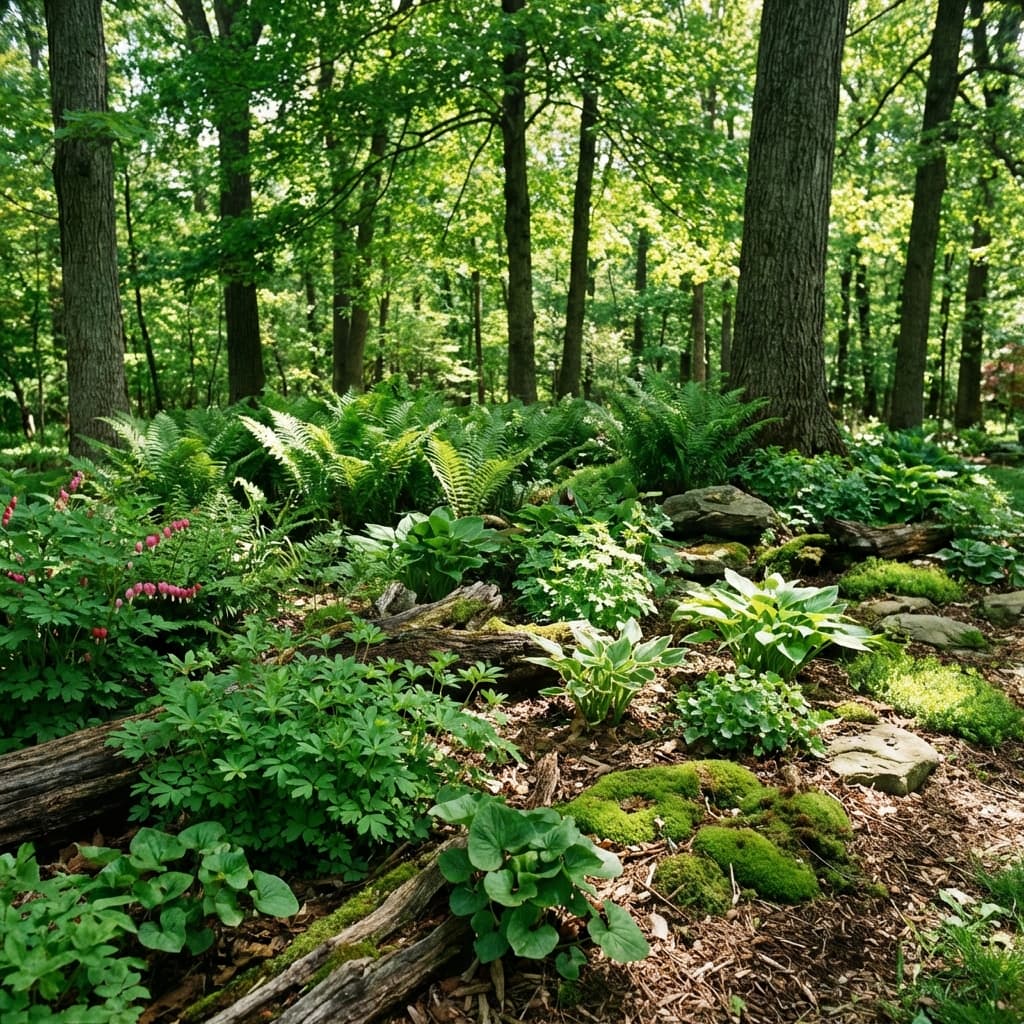
Native ferns create a naturalistic appearance under trees, complementing Jacksonville's landscape rather than fighting it. Several fern species thrive in Northeast Florida shade.
Southern shield fern and autumn fern both tolerate Jacksonville's Zone 9a/9b climate and create attractive, low-maintenance plantings under trees. They prefer slightly acidic soil (which Northeast Florida naturally provides) and consistent moisture.
Ferns work best in informal areas—side yards, the back edges of Fruit Cove or Middleburg properties, or woodland gardens. They don't tolerate foot traffic, so reserve them for visual-only spaces.
Liriope (Lily Turf)
Liriope forms clumps of grass-like foliage and tolerates shade well. It's tougher and more drought-tolerant than mondo grass once established, making it suitable for Jacksonville's summer heat.
Plant liriope as a ground cover (space plants 8-10 inches apart) or use it as an edging plant along walkways and beds in shaded areas. Purple or white flower spikes in summer add seasonal interest.
Variegated liriope varieties provide color in shade—something rare in low-light ground covers. The striped foliage brightens dark areas beneath trees in Town Center or Nocatee landscapes.
Mulched Bed Areas: The Low-Maintenance Solution
Sometimes the best solution is accepting that you don't need plants at all. Mulched beds under trees protect roots, prevent soil compaction, look intentional rather than neglected, and require minimal maintenance.
Benefits of Tree Mulch Beds
Mulch beds around tree trunks serve multiple purposes. They protect surface roots from mower damage, prevent soil compaction in high-traffic areas, reduce competition from grass (which stresses trees), and maintain consistent soil moisture.
For Jacksonville's mature trees, mulch beds are actually healthier than grass growing right up to the trunk. Trees evolved with leaf litter covering their root zones—mulch recreates that natural condition.
Proper Mulch Application
Create mulch beds extending at least to the drip line (where the outer branches reach). For large live oaks in Riverside or Avondale, this might mean 20-30 foot diameter circles—which sounds large but looks proportional to the tree's canopy.
Apply 2-4 inches of hardwood mulch, pine bark mulch, or pine straw. Never pile mulch against tree trunks—the infamous "mulch volcano" traps moisture against bark and promotes rot. Leave 2-3 inches of space between mulch and trunk.
Edge the beds with brick, stone, aluminum edging, or simply a clean spade-cut edge. Defined borders make mulch beds look intentional rather than neglected.
Design Considerations
Mulch beds don't have to be boring circles. Create flowing, organic shapes that incorporate multiple trees into connected bed areas. This approach works beautifully in Jacksonville neighborhoods with multiple mature trees—design one large bed encompassing several trees rather than individual circles around each.
Add shade-tolerant ornamentals within mulch beds for visual interest. Cast iron plant, bromeliads, caladiums (seasonal color for summer), and hostas (though hostas struggle in Jacksonville's summer heat—use sparingly) break up expanses of plain mulch.
Install landscape lighting within mulch beds to highlight tree trunks and canopies at night. Fleming Island and Ponte Vedra homeowners frequently combine mulch beds with low-voltage lighting for dramatic evening curb appeal.
Hardscape Solutions for Shaded Areas
When you don't want grass or ground cover, hardscape provides functional outdoor living space in shaded areas beneath trees.
Paver Patios Under Tree Canopies
Paver patios turn problem shade into desirable outdoor rooms. That massive live oak creating too much shade for grass? Perfect for shaded seating area with pavers, comfortable chairs, and maybe a small table.
Permeable pavers allow water and air to reach tree roots while providing a stable, attractive surface. They're ideal for Jacksonville properties where you want functional space without harming mature trees.
We've seen beautiful transformations in San Marco and Riverside yards—struggling grass removed, permeable pavers installed, and suddenly homeowners have shaded entertaining spaces they actually use during Florida's hot summers.
Gravel Seating Areas
Decomposed granite or pea gravel creates informal seating areas under trees with a fraction of the cost of pavers. These materials are permeable, easy to install, simple to adjust around surface roots, and have a relaxed, cottage-garden aesthetic.
Edge gravel areas with stone, timber, or steel edging to prevent migration into surrounding beds or lawn. Add comfortable seating, maybe a small fire pit (check local Jacksonville ordinances), and you've created outdoor living space in previously unused shade.
Stepping Stone Paths
If you need access through shaded areas but don't want full hardscape coverage, stepping stone paths provide a practical solution. Irregular flagstones set in ground cover, mulch, or gravel create attractive, functional paths in Mandarin, Southside, or Arlington properties.
Space stones for comfortable stride length (roughly 18-24 inches center to center). Set them slightly above surrounding grade so they don't disappear under mulch or ground cover over time.
Shade Garden Design for Jacksonville
If you're willing to embrace shade rather than fight it, you can create beautiful shade gardens suited to Northeast Florida's climate.
Plants That Actually Work in Jacksonville Shade
Forget what works in Atlanta or Raleigh—Jacksonville's Zone 9a/9b climate and summer heat limit shade garden options. Hostas, a northern shade garden staple, struggle with our humidity and summer temperatures. Instead, focus on plants adapted to coastal Southern conditions.
Cast iron plant: Nearly indestructible, tolerates deep shade, stays attractive year-round. The dark green foliage provides structure in shaded beds across Jacksonville.
Caladiums: Provide summer color in shade—pink, white, and red varieties brighten spaces where few flowering plants tolerate low light. They're tuberous perennials in Northeast Florida, dying back in winter and reemerging in spring.
Bromeliads: Adapt well to Jacksonville's humidity and shade. Cold-hardy varieties survive our occasional winter freezes. The colorful centers and architectural form add tropical flair to Ponte Vedra or Jacksonville Beach shade gardens.
Coleus: Annual color for shade, available in endless color combinations. Plant in spring for season-long foliage interest, expect them to decline in late fall, and replant fresh each year.
Combining Shade Solutions
The best shade landscapes combine multiple approaches. Some St. Augustine cultivars may suit partial shade, but dense shade can make turf impractical. Seville is cold sensitive. Use the sod types guide and assess the actual site.
Layered solutions create visual interest, address different light levels throughout your property, and provide practical outdoor spaces. This integrated approach transforms shade from a problem into an asset.
Tree Management for More Light
Sometimes the solution isn't what you plant on the ground—it's how you manage the trees creating the shade.
Selective Limbing Up
Raising the tree canopy—removing lower branches to increase clearance—allows more light to penetrate at ground level. This creates dappled shade rather than dense shade, potentially making the difference between grass failure and grass success.
We see this frequently in Jacksonville neighborhoods where trees were never properly pruned as they matured. Removing lower limbs 8-12 feet up allows morning and afternoon sunlight to reach grass at sharp angles, supplementing overhead filtered light.
Thinning the Canopy
Professional arborists can selectively thin tree canopies, removing some interior branches while maintaining the tree's natural shape. This increases light penetration without dramatically changing the tree's appearance.
Thinning works particularly well for live oaks—their dense canopies can be opened up significantly without compromising the tree's health or iconic appearance. More light reaches the ground, potentially turning a no-grass zone into a shade-tolerant grass zone.
Jacksonville Pro Tip: Hire certified arborists for tree work. Improper pruning damages trees permanently. Organizations like the Tree Steward program (through UF/IFAS Extension) can provide referrals to qualified professionals serving Duval, Clay, and St. Johns counties.
Know the Limits
Tree management helps, but it's not a miracle cure. A fully mature live oak with a 60-foot canopy will still create significant shade even after professional thinning. And you shouldn't compromise tree health just to grow grass—mature trees add more value to Jacksonville properties than perfect turf.
Cost Comparison of Shade Solutions
Understanding realistic costs helps you choose the right shade solution for your Jacksonville property and budget.
Mulched Beds
- Coverage: 1 cubic yard covers approximately 100 sq ft at 3 inches deep
Realistic Expectations for Jacksonville Shade
Let's set realistic expectations. Shade is a biological reality, not a problem you can fertilize away.
Even shade-tolerant sod will thin over time if shade increases as trees mature. Plan for periodic replacement or transition to ground covers as conditions change over decades.
Ground covers establish slowly—expect 1-2 full growing seasons before achieving dense coverage that suppresses weeds effectively. There's an initial investment of time and maintenance before ground covers become truly low-maintenance.
Mulch beds require annual top-dressing as mulch decomposes. Budget for 1-2 cubic yards per 1,000 sq ft of mulch bed annually to maintain appearance.
No solution is zero-maintenance. Even hardscape requires occasional pressure washing, weed prevention, and cleaning. The goal is appropriate maintenance rather than no maintenance.
Making Your Decision
Choosing shade solutions Jacksonville yards need starts with honest assessment of your light conditions, aesthetic preferences, budget, and maintenance willingness.
Some St. Augustine cultivars may suit partial shade, but dense shade can make turf impractical. Seville is cold sensitive. Use the sod types guide and assess the actual site. You'll have grass—not perfect, but acceptable with proper care.
For deep shade (less than 4 hours light daily), ground covers or mulch beds are your realistic options. Choose ground covers if you want living plants, mulch if you prioritize low maintenance and cost.
For functional outdoor space in shade, hardscape transforms problem areas into assets. Paver patios, gravel seating areas, and stepping stone paths create usable space where grass would struggle.
Most Jacksonville homeowners benefit from combining multiple solutions—shade-tolerant grass where light permits, ground covers in deeper shade, mulch beds around tree trunks, and strategic hardscape for functional spaces.
Ready to Solve Your Jacksonville Shade Problems?
The team at Jax Sod has years of experience helping Northeast Florida homeowners create beautiful landscapes in challenging shade conditions. We offer shade-tolerant sod varieties, honest advice about realistic expectations, and can help you compare ground cover and hardscape options.
We serve Jacksonville, Duval County, Clay County, St. Johns County, and Nassau County with quality sod and practical shade solutions. Let's talk about transforming your shaded areas from problems into possibilities.
Need Professional Sod Installation?
Jax Sod provides sod installation, sod replacement, and new lawn installation across Jacksonville and Northeast Florida. Free quotes!
Related Articles
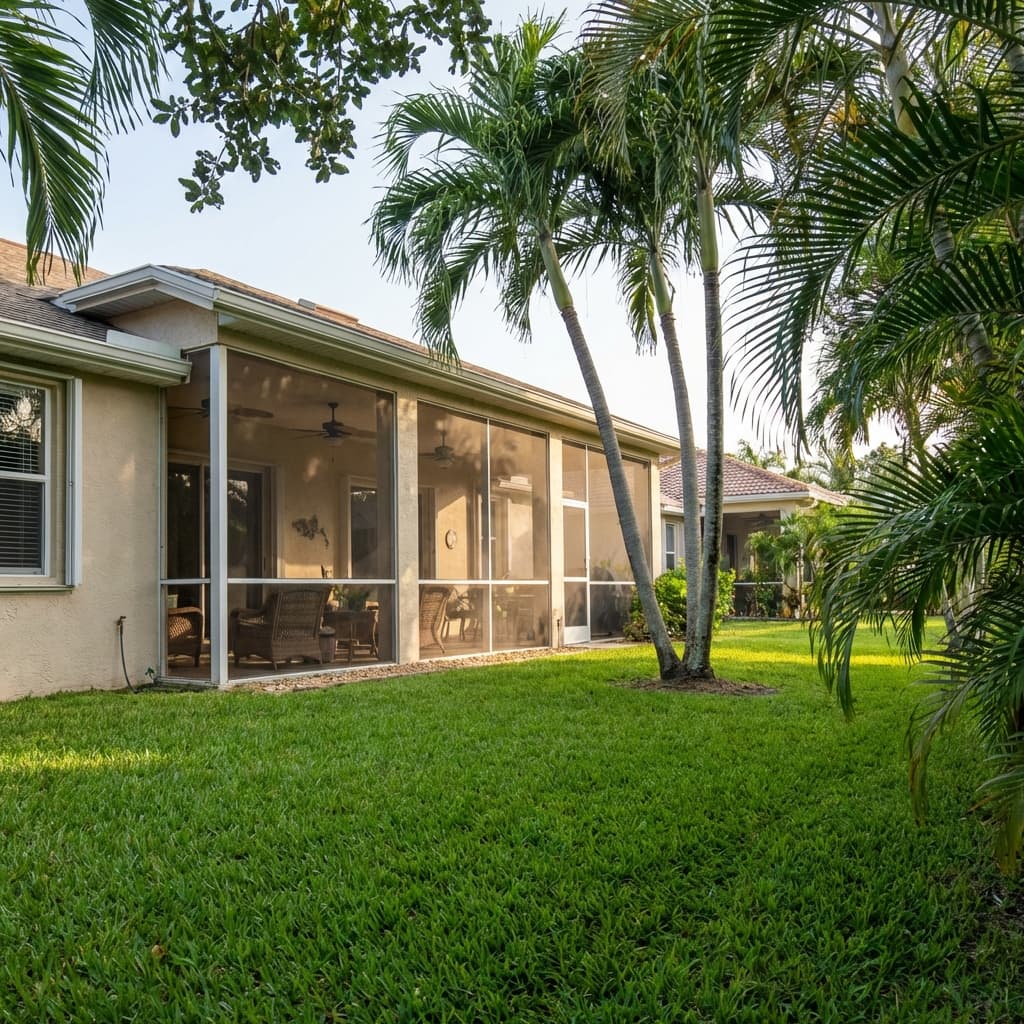
Moss in Yard Jacksonville Solutions
Learn how to identify, treat, and prevent moss growth in Jacksonville lawns. Expert tips for dealing with shady, damp areas in Zone 9a/9b yards.
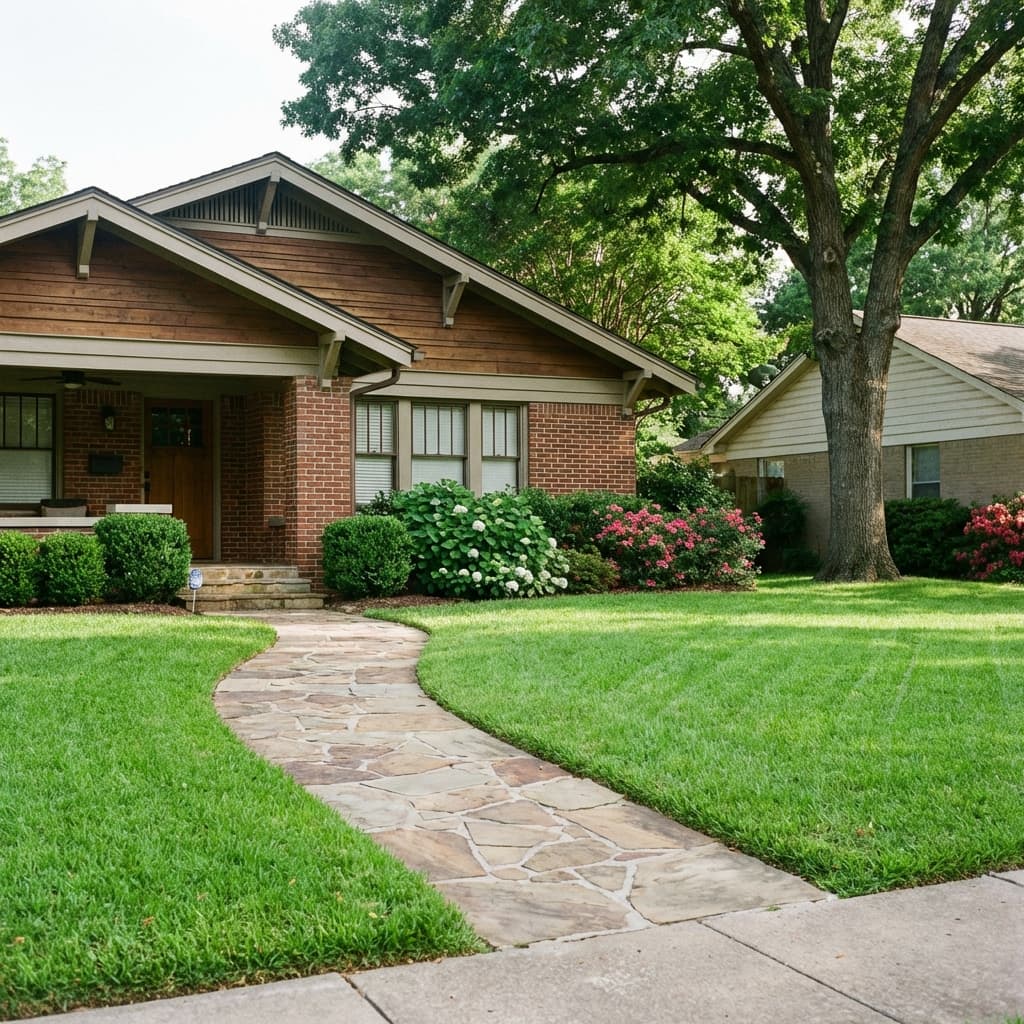
Durbin Crossing FL Lawn Care: Maintaining Beautiful Yards in St. Johns County
Professional lawn care strategies for Durbin Crossing homes. Learn how to maintain healthy grass in this St. Johns County community with expert local advice.
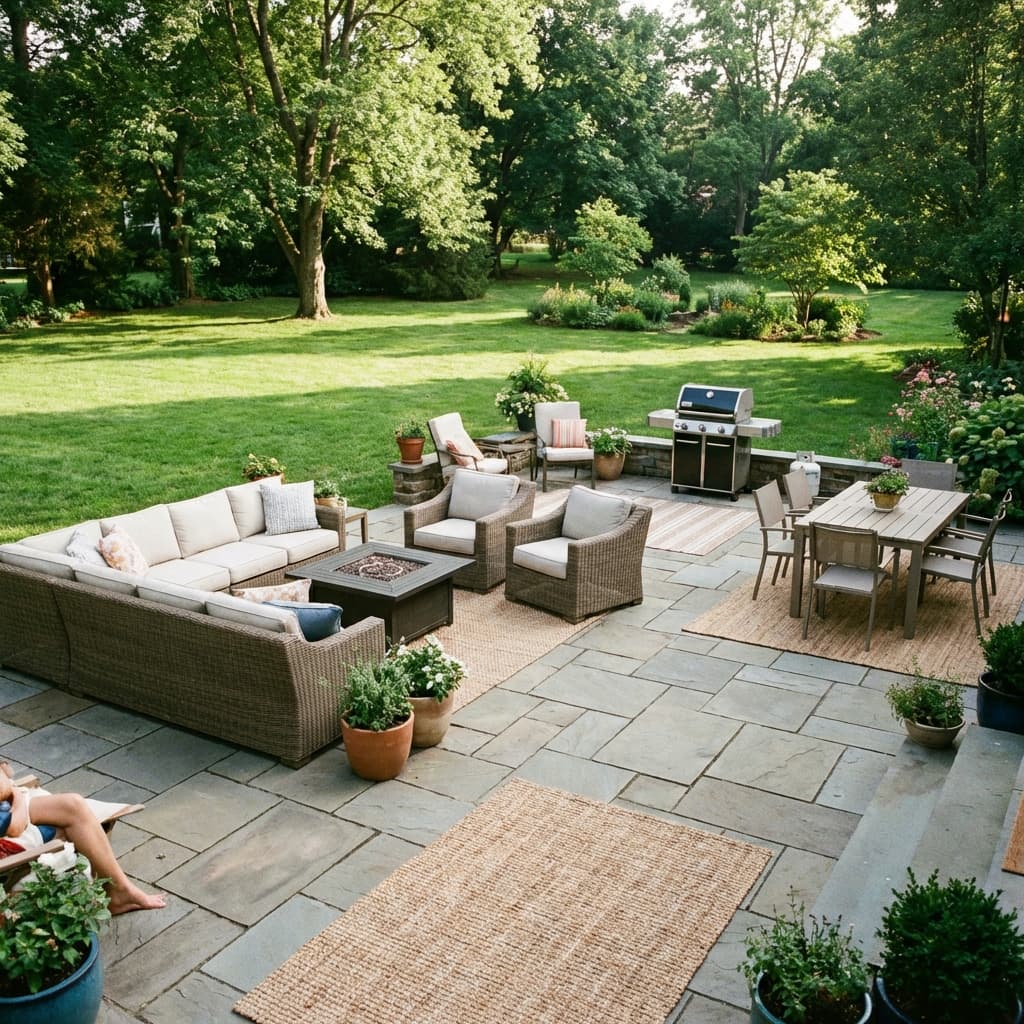
Retaining Wall Options for Jacksonville Yards
Retaining Wall Options for Jacksonville Yards. Review the site, scope and current written quote before deciding.
Let’s talk about your lawn
Ask our AI assistant a lawn question, or send the team a free installation estimate request.