Loading...
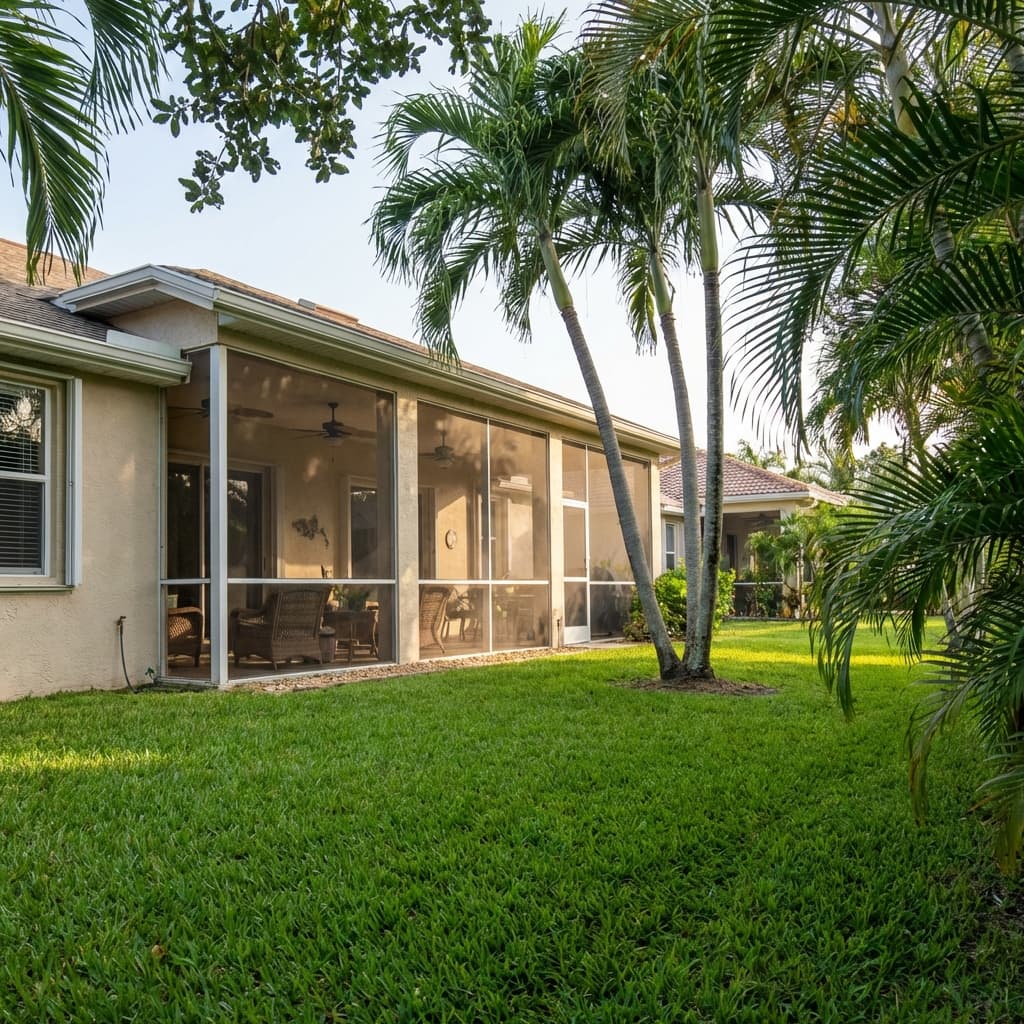
Set irrigation from site conditions and the current rules for your property and water source. For new sod, use the dated care planner; a fixed schedule in an older guide is not permission to water.
If you've noticed green, spongy patches spreading across your Jacksonville lawn, you're dealing with moss. It's a common problem here, especially in older neighborhoods like Riverside and Avondale where mature oak trees create heavy shade. While moss looks harmless, it signals underlying issues with your lawn that need attention.
Moss problems in Jacksonville yards usually pop up in the same situations: too much shade, poor drainage, compacted soil, or low soil pH. The good news? Once you understand what's causing it, moss is manageable.
Why Moss Grows in Jacksonville Lawns
Moss thrives in conditions where grass struggles. Our sandy soil, humid climate, and afternoon thunderstorms during summer create the perfect environment when combined with shade and poor air circulation.
The Shade Factor
Jacksonville's beautiful live oaks are a blessing and a curse. They provide shade that drops temperatures by 10-15 degrees in summer, but they also block sunlight that St. Augustine and other warm-season grasses need. Most turf grasses need at least 4-6 hours of direct sunlight. When they don't get it, they thin out, and moss moves in.
I see this constantly in areas like San Marco and Murray Hill where established trees dominate. The north side of houses and properties along tree-lined streets are particularly vulnerable.
Drainage and Compaction Issues
Our summer rainy season can dump 6-8 inches of rain in a month. When water sits on your lawn for more than a day or two after rain, you've got drainage problems. Moss loves consistently damp soil.
Sandy soil drains well naturally, but years of foot traffic, mowing, and heavy equipment compact the soil over time. Compacted soil doesn't drain properly, and grass roots can't penetrate deep enough to stay healthy. Moss doesn't have roots—it absorbs moisture directly through its surface—so compaction doesn't bother it at all.
Soil pH Problems
Most lawn grasses prefer slightly acidic to neutral soil (pH 6.0-7.0). Moss prefers acidic conditions below 6.0. Jacksonville's sandy soil tends toward acidity naturally, and our rainfall further lowers pH over time by leaching away alkaline minerals.
If you've never added lime to your lawn, there's a good chance your soil pH has dropped into the range where moss feels at home and grass struggles.
How to Get Rid of Moss
Killing moss is the easy part. Keeping it from coming back requires fixing the conditions that allowed it to grow in the first place.
Step 1: Physical Removal
For small patches, you can rake moss out manually. Use a stiff rake or a dethatching rake to scrape it up. This works well for areas under 500 square feet. The moss comes up easily since it doesn't have real roots.
For larger infestations, rent a power rake or dethatcher from a local equipment rental place. Set the blades to lightly scrape the surface. You'll pull up moss along with dead grass and thatch. Bag everything and remove it from your property—don't compost moss because it can spread.
Step 2: Chemical Treatment
Iron-based moss killers work well and are relatively safe for lawns. Products containing ferrous sulfate will turn moss black within a few days. After it dies, rake it out. You can find these at any Ace Hardware or home improvement store in Jacksonville.
Avoid using straight bleach or harsh chemicals. They'll kill the moss but also damage your grass and potentially harm the soil microbiome.
Step 3: Test and Adjust Soil pH
Get a soil test done. The Duval County Extension office offers testing, or you can buy a home testing kit. If your pH is below 6.0, apply dolomitic lime according to test recommendations.
For Jacksonville's sandy soil, you'll typically need 25-50 pounds of lime per 1,000 square feet to raise pH by one point. Apply lime in fall or early spring for best results. It takes 2-3 months to fully react with the soil.
Step 4: Improve Drainage
If water stands on your lawn, you need to address drainage. Options include:
-
Aeration: Rent a core aerator and run it over compacted areas. This punches holes in the soil, improving water penetration and air exchange. Do this in late spring when grass is actively growing.
-
Topdressing: After aerating, spread a thin layer (1/4 to 1/2 inch) of coarse sand or compost over the area. This improves soil structure over time.
-
French drains or dry wells: For persistent standing water, you may need to install drainage systems. These are more involved but solve chronic problems.
Step 5: Address Shade Issues
This is often the hardest part because nobody wants to cut down a beautiful oak tree. But you have options:
- Tree trimming: Selective pruning can increase light penetration without harming the tree. Focus on removing lower branches and thinning the canopy. Hire a certified arborist—don't attempt major tree work yourself.
Some St. Augustine cultivars may suit partial shade, but dense shade can make turf impractical. Seville is cold sensitive. Use the sod types guide and assess the actual site. Zoysia grass also tolerates moderate shade.
- Alternative ground covers: In deep shade where grass won't survive, consider shade-loving ground covers like Asiatic jasmine or liriope instead of fighting nature.
Preventing Moss from Coming Back
Once you've cleared the moss and fixed underlying issues, maintenance keeps it from returning.
Improve Grass Health
Healthy grass outcompetes moss. Focus on:
-
Proper mowing: Keep St. Augustine at 3.5-4 inches high. Taller grass shades out weeds and moss better. Don't scalp your lawn—that stresses grass and creates openings for moss.
-
Smart fertilization: Feed your lawn 3-4 times per year with a slow-release fertilizer appropriate for our sandy soil. Spring and fall applications are most important. Don't over-fertilize—that causes more problems than it solves.
-
Correct watering: Water deeply but infrequently. About 1 inch per week total (including rain) is right for most Jacksonville lawns.
Regular Aeration
Core aerate high-traffic or compacted areas annually. This keeps soil loose and drainage good. Late April through June is ideal timing here.
Monitor pH
Test soil pH every 2-3 years and apply lime as needed. This is especially important if you use acidifying fertilizers or if your area naturally tends acidic.
Manage Shade
Stay on top of tree pruning. As trees grow, they create more shade over time. What worked five years ago may need adjustment now.
North-facing Lawns
Properties on the north side of streets in neighborhoods like Ortega and Deerwood get less direct sun. These areas need shade-tolerant grass varieties and vigilant drainage management. Consider reducing lawn area and expanding mulched beds in the shadiest spots.
Under Large Trees
Mature trees in areas like Mandarin and Julington Creek create dense shade. The combination of shade and tree root competition makes grass difficult. Be realistic about expectations. You may need to reduce turf area and use mulch or ground cover under the canopy.
Near Bodies of Water
Properties near the St. Johns River, Intracoastal Waterway, or retention ponds often have higher water tables. Moss loves these conditions. French drains and raised planting areas work well here. Some homeowners in Ponte Vedra and Atlantic Beach have success with slightly elevated lawn areas built up with additional soil.
When to Call for Help
Most moss problems are DIY-manageable, but some situations benefit from professional help:
- Persistent drainage issues that DIY solutions haven't fixed
- Large areas (over 5,000 square feet) with severe moss coverage
- Complicated grading or drainage system installation
- Major tree pruning needs
- Complete lawn renovation with new sod
The Bottom Line
Moss in your Jacksonville lawn isn't a disaster—it's a symptom. It's telling you that conditions aren't right for grass. Fix the shade, drainage, compaction, or pH issues, and your grass will recover and naturally crowd out the moss.
Don't expect overnight results. Improving soil conditions takes time. But if you stick with it—aerating, adjusting pH, managing water, and improving light—you'll see steady progress. Most lawns show significant improvement within one growing season.
Jacksonville's climate is tough on lawns between summer heat, heavy rain, and sandy soil. But with the right approach, you can have a healthy lawn that keeps moss from taking over. Focus on creating conditions where grass thrives, and the moss problem takes care of itself.
Need Professional Sod Installation?
Jax Sod provides sod installation, sod replacement, and new lawn installation across Jacksonville and Northeast Florida. Free quotes!
Related Articles
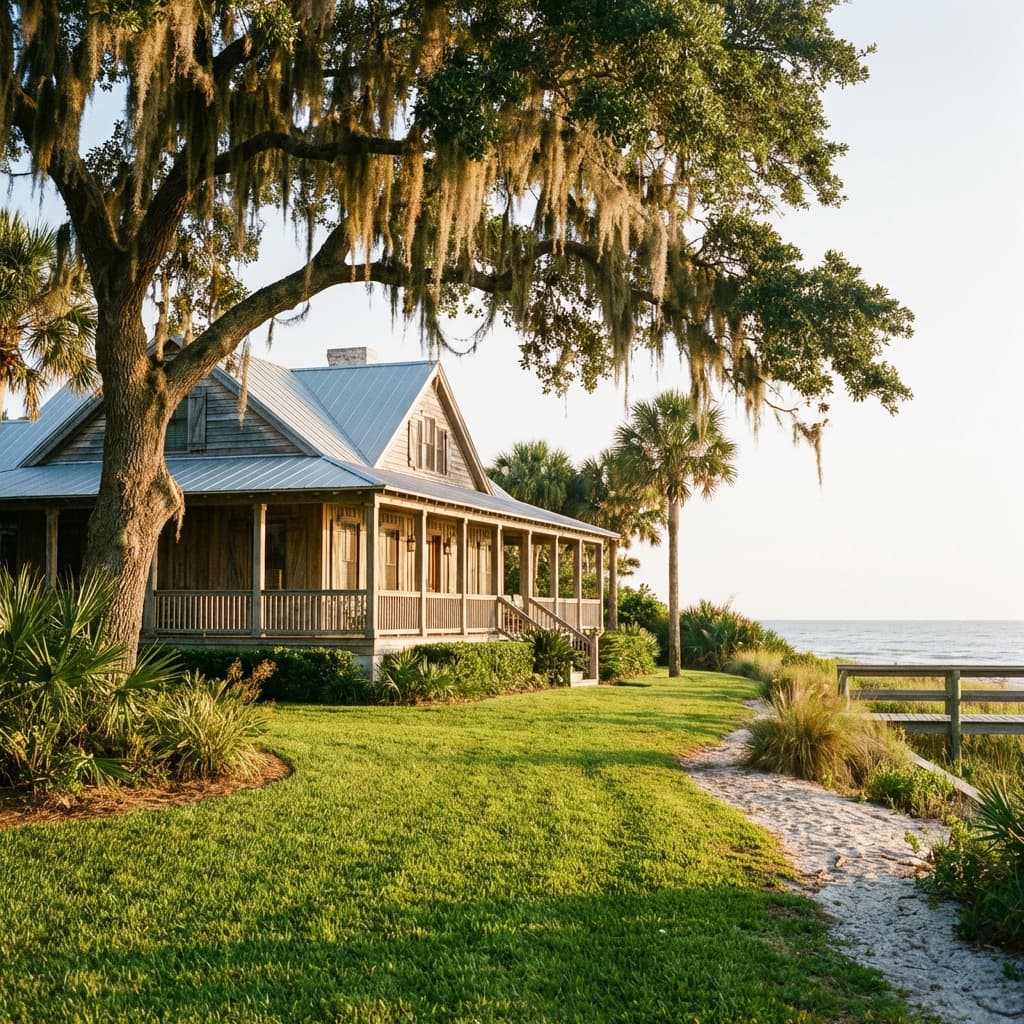
How to Measure Your Yard for Sod in Jacksonville
How to Measure Your Yard for Sod in Jacksonville. Review the site, scope and current written quote before deciding.
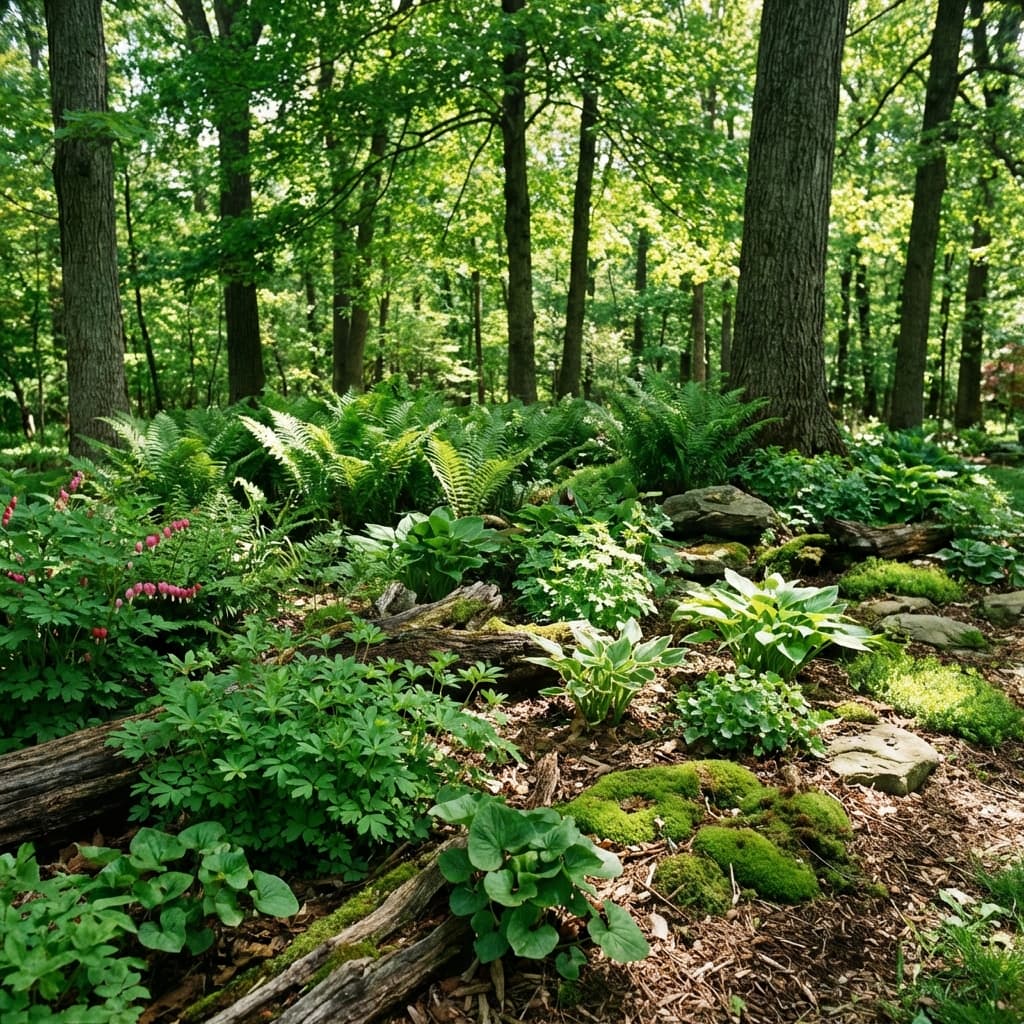
Shade Solutions for Jacksonville Yards
Shade Solutions for Jacksonville Yards. Review the site, scope and current written quote before deciding.
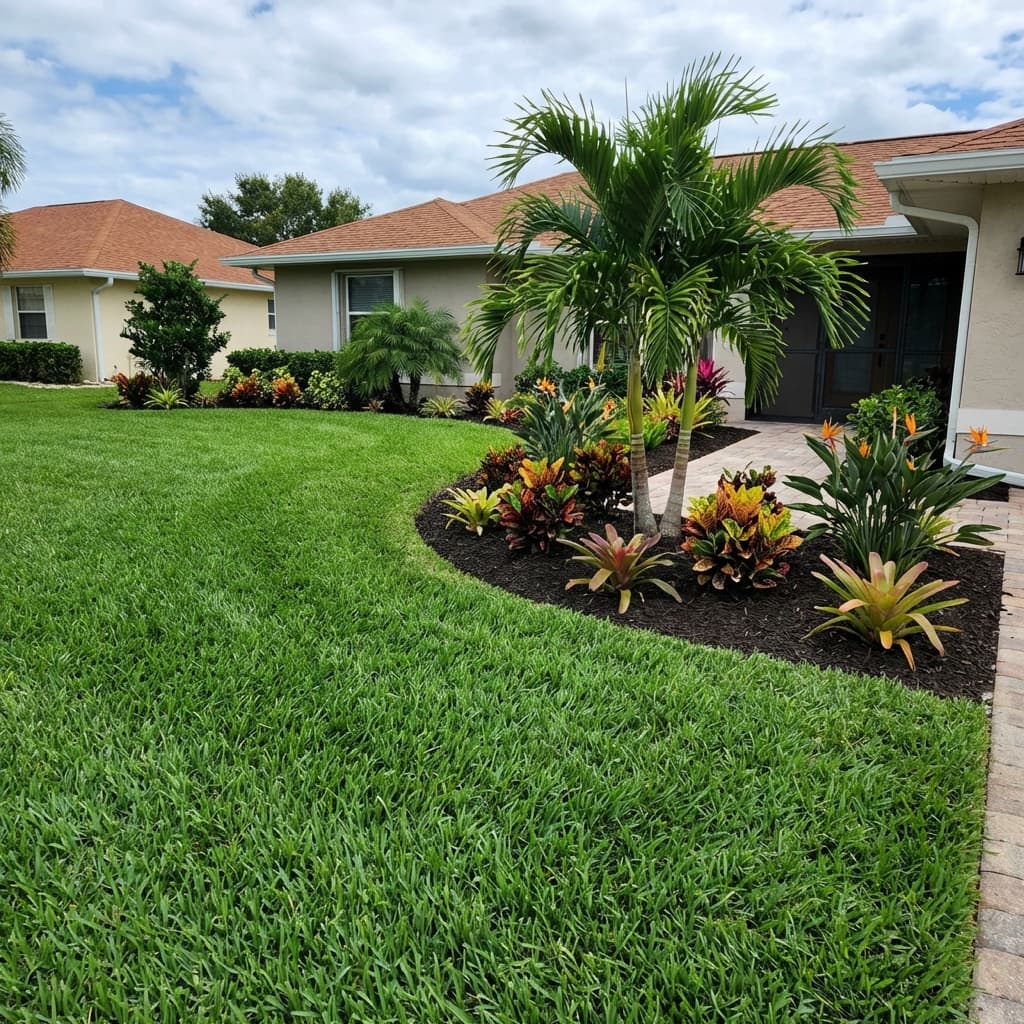
February Lawn Care Jacksonville FL: Getting Your Yard Ready for Spring
Expert February lawn care tips for Jacksonville homeowners. Learn what to do this month to prepare your lawn for spring growth in Zone 9a/9b.
Let’s talk about your lawn
Ask our AI assistant a lawn question, or send the team a free installation estimate request.