Loading...
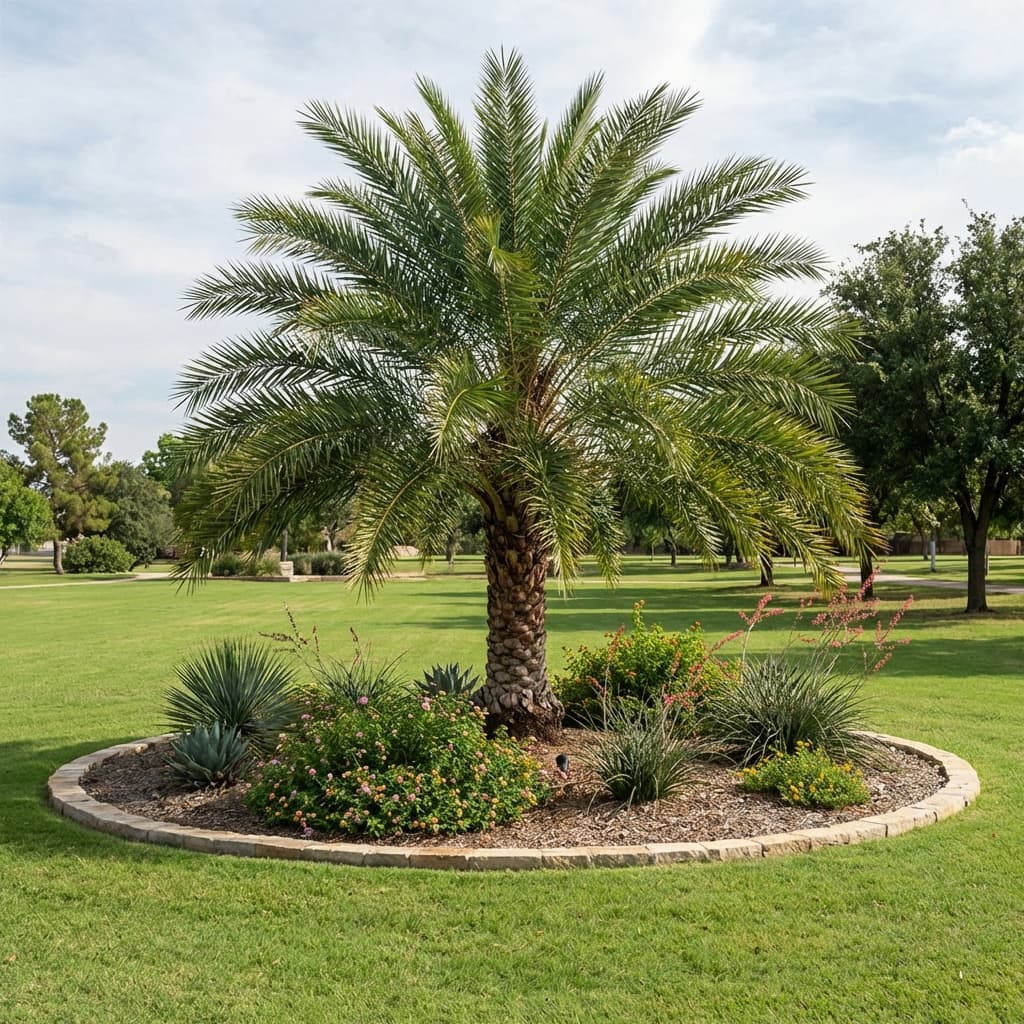
Back to Articles
Palm Tree Guide for Jacksonville, FL Landscapes
Trees & Shrubs January 27, 2026 18 min read
For current costs, compare the exact product or written project scope. See what to include in a sod estimate; this guide does not establish a current price, saving or resale return.
For sod, do not apply fertilizer before planting or as an early establishment shortcut. Follow the reviewed new-sod guidance.
Palm trees evoke images of tropical paradises, but here's what many Jacksonville newcomers learn the hard way: not all palms survive our winters. While we enjoy a mild climate compared to most of the country, we're not South Florida. Those stunning Queen palms and towering Coconut palms you see in Miami and Fort Lauderdale? In Jacksonville, they become expensive landscaping mistakes when a hard freeze hits.
After years working with Northeast Florida landscapes, we've seen which palm trees Jacksonville FL homeowners can rely on and which ones become February casualties. The good news: several beautiful, cold-hardy palms thrive in Duval, Clay, St. Johns, and Nassau Counties, creating that coastal aesthetic we love without the heartbreak of freeze damage. The better news: proper selection, planting, and care techniques ensure your palms not only survive but flourish for decades.
Jacksonville sits in USDA hardiness zones 9a and 9b, meaning we occasionally dip into the upper teens or low twenties (Fahrenheit) during winter cold snaps. That single fact determines which palms belong in your landscape and which don't. This guide covers the cold-hardy champions, the risky choices, and everything you need to know about planting and maintaining palm trees in Jacksonville's unique climate.
Understanding Cold Hardiness for Jacksonville Palms
Before we dive into specific palm varieties, let's establish realistic temperature expectations for Northeast Florida. Jacksonville's average January low hovers around 42°F, but we experience hard freezes every few years. The winter of 2022-2023 saw temperatures in the low 20s across much of the metro area. Coastal neighborhoods like Jacksonville Beach, Atlantic Beach, and Ponte Vedra stay a few degrees warmer than inland areas like Middleburg, Orange Park, and Yulee.
Cold-hardiness ratings for palms typically reference the lowest temperature the established palm can survive. "Survive" doesn't mean "remain beautiful." A palm rated to 15°F might endure that temperature for a few hours but show significant frond damage. Younger palms and newly planted specimens are always more cold-sensitive than established trees.
When choosing palm trees Jacksonville FL landscapes, we recommend selecting varieties rated to at least 10-15°F if you're inland, or 15-20°F if you're within five miles of the coast. This provides a safety buffer for those inevitable cold snaps. Let's look at your best options.
Sabal Palm (Sabal palmetto): The Florida Champion
The Sabal palm, also called Cabbage palm, is Florida's state tree for good reason. This native palm handles cold to 10-15°F, tolerates our summer heat and humidity, survives drought once established, and adapts to Jacksonville's sandy soil without complaint. If you could only choose one palm for Northeast Florida, this is it.
Sabal palms grow 40-50 feet tall over several decades, developing a single, stout trunk 12-18 inches in diameter. The large, fan-shaped fronds (technically called costapalmate: a hybrid between fan and feather types) create a rounded crown. Old frond bases remain on the trunk, creating a textured, crosshatched pattern, though many Jacksonville homeowners prefer a "hurricane cut" where frond bases are removed for a cleaner, smoother trunk.
In our experience across Mandarin, Southside, and San Marco, Sabal palms work beautifully as specimen trees, property line plantings (spaced 15-20 feet apart), or grouped in odd numbers (3, 5, or 7) for dramatic impact. They're salt-tolerant, making them perfect for Ponte Vedra and Fernandina Beach landscapes. They grow slowly when young (18-24 inches per year once established), then accelerate as the trunk gains height.
Maintenance is minimal: annual frond removal of completely brown fronds, optional trimming of old frond bases, and proper fertilization. Sabal palms are bombproof in Jacksonville. You literally cannot go wrong with this choice.
Windmill Palm (Trachycarpus fortunei): Cold-Hardy Exotic Look
Windmill palms earn their place in Jacksonville landscapes by surviving temperatures down to 5°F, colder than almost any other palm. The trunk develops a distinctive thick, hairy fiber (old leaf sheaths that remain on the trunk), and the large, deeply divided fan fronds create a lush, tropical appearance.
Growing 20-30 feet tall and 6-8 feet wide at maturity, Windmill palms fit well in smaller Jacksonville yards where a Sabal palm would overpower. We've successfully installed Windmill palms throughout Riverside, Avondale, Arlington, and Town Center. They tolerate shade better than most palms (they'll grow in partial shade, though full sun produces the best form) and handle our clay hardpan layers without issue.
Windmill palms grow moderately: 12-18 inches per year once established. The trunk typically stays under 10 inches diameter, giving a more delicate appearance than the robust Sabal palm. In landscaping combinations, Windmill palms pair beautifully with Asian-inspired gardens, shade plants like hostas and ferns, and modern architectural styles.
One consideration: the hairy trunk collects debris and looks messy to some homeowners. Others love the textured, natural appearance. It's an aesthetic choice. Cold-hardiness wise, Windmill palms are absolutely reliable in Jacksonville, including during hard freezes.
Jacksonville Pro Tip: Windmill palms are one of the few palms that adapt to container culture, making them perfect for patios and pool areas in Atlantic Beach or Neptune Beach where in-ground planting isn't possible.
Pindo Palm (Butia capitata): The Jelly Palm
Pindo palms, commonly called Jelly palms for their edible fruits, bring a silvery-blue color that's unique among cold-hardy palms. Hardy to 10-15°F, Pindos develop a stocky trunk 10-12 inches in diameter and reach 15-20 feet tall. The arching, feather-type fronds curve gracefully, creating a softer visual texture than fan palms.
What sets Pindo palms apart in Jacksonville landscapes is the edible fruit. In late summer, large clusters of orange-yellow fruits appear, tasting like a blend of pineapple, banana, and apricot. Many Baymeadows, Deerwood, and Nocatee homeowners make jelly, wine, or simply eat them fresh. Birds and wildlife love them too, which is either a feature or a bug depending on your perspective.
Pindo palms tolerate drought exceptionally well once established, making them ideal for those water-restricted parts of summer when St. Johns River Water Management District limits irrigation. They're slow-growing (8-12 inches per year) but long-lived, easily exceeding 100 years with proper care.
The blue-green foliage color allows creative combinations with plants in warmer color ranges: yellow lantana, orange firebush, red pentas. In modern landscape designs, the silvery tone complements metal and stone hardscaping. Pindo palms work equally well as single specimens or planted in groups.
Needle Palm (Rhapidophyllum hystrix): The Hardiest of All
If cold-hardiness is your primary concern, Needle palm wins. This native palm survives temperatures to 0-5°F, colder than any other palm species. The catch: Needle palms are shrub-like rather than tree-form, growing 5-8 feet tall and slowly spreading into clumps 8-10 feet wide.
The name comes from the needle-like spines that protect the trunk (technically, this is a multi-stemmed palm without a true trunk). The dark green, fan-shaped fronds are smaller and more delicate than Sabal palm fronds. Needle palms tolerate deep shade, making them perfect understory plants in Fleming Island, Fruit Cove, and Orange Park properties with mature oak canopies.
In Jacksonville landscapes, Needle palms work as foundation plantings, mass plantings in shaded areas where St. Augustine grass struggles, or as textural accents in native Florida gardens. They're slow-growing and low-maintenance. The spines make them deer-resistant, a benefit in southern Clay County and western Duval County where deer browsing damages landscapes.
Needle palms don't create the dramatic impact of taller, tree-form palms, but they fill an important niche: a bombproof, shade-tolerant, native palm for difficult spots. Think of them as the landscaping equivalent of a reliable utility player.
Pygmy Date Palm (Phoenix roebelenii): Use with Caution
Pygmy Date palms walk the line between reliable and risky in Jacksonville. Hardy to 15-20°F (some sources say 25°F), they survive most Jacksonville winters but show significant frond damage during hard freezes. In protected microclimates near buildings, in courtyards, or within five miles of the coast, Pygmy Date palms can thrive. In exposed locations in Arlington, Westside, or Northside, they're a gamble.
When they perform well, Pygmy Date palms are gorgeous: 6-10 feet tall, with soft, arching fronds creating a fountain-like appearance. They're one of the few palms that truly work in small spaces, and they tolerate containers. Single specimens accent entryways beautifully; groups of three create impact in courtyards.
We recommend Pygmy Date palms only in protected locations, with the understanding that a severe freeze (anything below 20°F for extended periods) will damage fronds and might kill the palm. Many Riverside, Avondale, and San Marco homeowners successfully grow them in protected courtyards. In Middleburg or Yulee? Skip them.
One warning: the leaf stems have sharp spines. Place Pygmy Date palms away from walkways and areas where children play. And yes, despite the name, these are date palms (Phoenix genus) and will produce small, edible dates after several years, though they're not as tasty as true Date palms.
Washingtonia Palm (Washingtonia robusta): Tall but Messy
Mexican Fan palms, the tall, skinny palms that line California boulevards, survive in Jacksonville (hardy to 20°F) but come with maintenance baggage. They grow fast—3-4 feet per year—reaching 60-80 feet tall with a trunk only 12-18 inches wide. The dramatic height creates a skyline impact you see occasionally in Town Center or Jacksonville Beach.
The problem: Washingtonia palms are messy. Dead fronds hang in a "skirt" around the trunk unless regularly removed, creating a fire hazard and home for rodents. Frond removal on tall specimens requires professional help and bucket trucks. Fruit stalks drop, creating litter. They also require space: the shallow root system means they need room, and they don't transplant well once established.
If you want a statement palm and commit to annual professional maintenance, Washingtonia works in Jacksonville. Otherwise, the hassle outweighs the visual impact, especially compared to lower-maintenance Sabal palms.
Saw Palmetto (Serenoa repens): Native but Slow
Saw palmetto is native to Florida, cold-hardy to 0-10°F, and tolerates virtually any conditions from wet to dry, sun to shade. They're shrub-form palms, typically 4-6 feet tall and spreading slowly into colonies. The fan fronds grow from trunks that creep along the ground or grow semi-erect.
In natural landscapes and native Florida gardens, Saw palmettos are perfect. They provide wildlife habitat, require zero maintenance, and survive neglect. In formal landscapes? They're too informal and slow-growing for most applications. Sharp teeth line the leaf stems (hence "saw" palmetto), making them difficult to work around.
We use Saw palmettos in naturalized areas, erosion control on slopes, and large-scale native plantings. For most residential Jacksonville landscapes, other palms offer more visual impact with similar hardiness.
Coconut Palm (Cocos nucifera): Too Tropical
Coconut palms survive only to 32°F. Any freeze kills them. Period. Jacksonville's winters will eventually kill any Coconut palm you plant. We know they're iconic tropical trees, but they belong in South Florida, Hawaii, and the Caribbean—not Northeast Florida.
If you see Coconut palms in Jacksonville, they're either very recent plantings (pre-freeze) or in extreme microclimates that haven't yet experienced freezing temperatures. Don't be fooled: the freeze will come, and your expensive Coconut palm will become brown compost.
Queen Palm (Syagrus romanzoffiana): Beautiful but Unreliable
Queen palms are stunning, with graceful, arching fronds and a smooth, ringed trunk. They're also marginal in Jacksonville, with cold-hardiness to 20-25°F. In Nocatee, Ponte Vedra, and Jacksonville Beach, some Queen palms survive for years. One hard freeze, though, and they're gone.
We see Queen palms throughout Jacksonville, particularly in commercial landscapes and new construction where developers used them knowing they're replaceable. For homeowners making long-term investments, we don't recommend Queen palms. When they freeze, they rarely recover, leaving you with a 15-foot dead palm to remove.
If you love the Queen palm look, consider Pindo palms instead. They offer similar feather-type fronds with far better cold tolerance.
Royal Palm (Roystonea regia): Too Grand for Northeast Florida
Royal palms, with their smooth, concrete-gray trunks and towering height (50-70 feet), define South Florida landscapes. They're also sensitive to cold, surviving only to 28-30°F. Jacksonville's climate is too cold for Royal palms. Don't plant them here.
European Fan Palm (Chamaerops humilis): Marginal
European Fan palms show up occasionally in Jacksonville landscapes, typically as multi-trunked specimens. They're hardy to 15-20°F, which sounds adequate, but they suffer significant frond damage during freezes and recover slowly. In our experience, they underperform compared to Windmill palms or Needle palms at similar price points. There are better choices.
Planting Palms in Jacksonville: Technique Matters
Proper planting technique dramatically impacts palm success in Jacksonville. Our sandy soil offers excellent drainage (preventing root rot) but low fertility and poor moisture retention. Here's the professional approach:
Site Selection
Choose full sun for fastest growth and best form, unless planting shade-tolerant species like Needle palm. Palms tolerate partial shade (4-6 hours of direct sun) but grow slower and develop thinner trunks. Avoid planting under oak trees or other large canopies that will eventually shade the palm as it grows.
Consider mature size: Sabal palms reach 40-50 feet with fronds extending 8-10 feet in all directions. That's a 20-foot diameter footprint. Plant accordingly. Too many Mandarin and Southside homes have palms crowding houses, air conditioning units, or power lines because homeowners underestimated mature size.
For hurricane preparedness, avoid planting large palms within falling distance of structures. Palm trunks don't snap like hardwood trees, but they can uproot in extreme winds, especially when young. Established palms with extensive root systems rarely uproot.
Planting Depth: The Critical Detail
Here's where palm planting differs from other trees: plant at the same depth the palm was growing in the nursery container or field, never deeper. Palms generate new roots from the root initiation zone at the base of the trunk. Burying this zone too deep causes rot and eventual decline.
For container-grown palms, dig the hole 1-2 inches shallower than the root ball depth, allowing the palm to settle slightly over the first few months. For field-dug palms (with burlap and wire baskets), keep the top of the root ball level with or 1-2 inches above surrounding soil.
Jacksonville's sandy soil settles, so planting slightly high prevents the palm from sinking too deep over time. If anything, err on the side of too shallow rather than too deep. We've seen countless palms decline slowly over 3-5 years because they were planted 4-6 inches too deep.
Backfill and Soil Amendment
Dig the planting hole 2-3 times wider than the root ball but no deeper. In Jacksonville's sand, the wide hole allows roots to establish in loosened soil rather than fighting compacted areas. Remove the palm from the container (or burlap if field-dug), loosen circling roots gently, and place in the hole.
Backfill with the native sandy soil, mixing in no more than 20-30% compost or peat moss. Too much organic matter creates a "bathtub effect" where water drains quickly through surrounding sand but pools in the amended planting hole. Palms tolerate (and prefer) well-draining sandy soil, so minimal amendment works best.
Tamp backfill firmly to eliminate air pockets, but don't compact excessively. Create a shallow soil ring (berm) 3-4 feet in diameter around the palm to hold water during establishment irrigation.
Initial Staking and Support
Newly planted palms with trunks over 6-8 feet tall benefit from temporary staking to prevent movement while roots establish. Use 2-3 wooden 2x4s attached to the trunk with soft strapping (old garden hose sections work well as padding). Support for 6-12 months, then remove stakes once the palm establishes.
Smaller palms and those with well-developed root balls don't require staking. Over-supporting palms prevents natural trunk strengthening and root development.
Palm Fertilization: Special Needs in Jacksonville
Palms aren't just another landscape plant when it comes to nutrition. They have specific nutritional requirements, particularly for micronutrients, and Jacksonville's sandy, slightly acidic soil often lacks these elements. Deficiency symptoms—yellowing fronds, stunted growth, frizzled new fronds—appear in unfertilized palms within 2-3 years of planting.
Palm-Specific Fertilizer Formula
Use fertilizers formulated specifically for palms, with an 8-2-12 or similar ratio (nitrogen-phosphorus-potassium) that's low in phosphorus. Palms don't need high phosphorus and can develop nutrient lockout from excess P. The key is micronutrients:
- Magnesium (Mg): Prevents yellowing of older fronds
- Manganese (Mn): Essential for green fronds; deficiency causes frizzled growth
- Iron (Fe): Prevents yellowing, maintains dark green color
- Boron (B): Supports new growth
Quality palm fertilizers include these micronutrients in appropriate ratios. Brands like Palm-Tone, Lesco Palm Fertilizer, or similar products from local Jacksonville landscape supply stores work well. Avoid general-purpose fertilizers that lack micronutrients.
Application Timing and Rate
In Jacksonville, fertilize palms three times per year: early spring (March-April), mid-summer (June-July), and early fall (September-October). This schedule matches our growing season and provides nutrition when palms actively grow.
Application rates depend on palm size. For small palms (trunks under 5 feet), apply 1-2 pounds of palm fertilizer in a 3-5 foot diameter circle around the trunk. For medium palms (trunks 5-15 feet), use 3-5 pounds. For large specimens (trunks over 15 feet), use 5-8 pounds.
Spread fertilizer evenly in the root zone, starting 1-2 feet from the trunk and extending to the drip line (the area beneath the outermost fronds). Water thoroughly after application to move nutrients into the root zone.
Jacksonville Pro Tip: In Baymeadows, Deerwood, and other areas with heavy clay hardpan layers, palms show more frequent magnesium deficiency. Supplemental Epsom salt applications (1 pound per medium-sized palm, twice yearly) prevent the yellowing older fronds common in these areas.
Frond Trimming: Less is More
Jacksonville palm trees don't require aggressive frond removal. The temptation to create a clean "hurricane cut" (removing all but the newest fronds) actually weakens palms by removing their photosynthetic capability. Here's the right approach:
When to Trim
Remove only completely brown, dead fronds. Fronds that are partially green still provide energy to the palm through photosynthesis. Cutting green fronds removes food-producing tissue and stresses the palm.
The exception: dead fronds on Sabal palms and Windmill palms often hang in the crown, creating fire hazards and looking messy. Remove these as they brown completely, any time of year.
Trimming Technique
Use clean, sharp tools: loppers for smaller fronds, a pruning saw for larger ones. Cut frond stems 2-3 inches from the trunk, leaving the frond base attached. Removing frond bases too aggressively damages trunk tissue and creates entry points for disease.
For tall palms requiring ladders or lifts, hire professional arborists. Palm frond removal from 20+ feet up is dangerous work.
What Not to Cut
Never remove new, emerging fronds (called the spear). Damage to the spear stunts the palm or kills it outright. Never "hurricane cut" palms by removing all green fronds, despite this being common practice by uninformed tree services. Studies show over-pruned palms grow slower and suffer more cold damage because they lack stored energy in fronds.
Avoid the practice of removing old frond bases to create a smooth trunk, unless the goal is purely aesthetic. Those frond bases provide some protection from cold and sun scald. If you prefer a clean trunk on Sabal palms, have the bases trimmed every 2-3 years by professionals, not annually.
Hurricane Preparation for Jacksonville Palms
Jacksonville sits in a hurricane-prone region, with significant storms occurring every few years. The good news: properly maintained palms survive hurricanes better than most trees. The flexible trunk and relatively lightweight fronds allow palms to bend dramatically without breaking.
That said, preparation matters:
Before hurricane season (by June 1):
- Remove all dead fronds that could become projectiles
- Check that young palms are securely staked
- Document palm condition with photos for insurance purposes
When a hurricane threatens:
- Don't trim green fronds! Palms need them for energy during recovery
- Move patio furniture and anything the palm might fall on
- Ensure drainage around palms is clear (standing water plus high winds increases uprooting risk)
After the storm:
- Wait 2-3 months before trimming damaged fronds unless they're completely broken and hanging dangerously
- Palms often lose half their fronds in major hurricanes but recover fully within a year
- Don't remove palms with green in the center (spear)—they'll likely recover
From years of experience with Jacksonville hurricanes, established Sabal palms, Windmill palms, and Pindo palms rarely uproot or die. Smaller, ornamental palms like Pygmy Date palms show more damage but usually recover if the growing point survives.
Landscaping Around Palms in Jacksonville
Palms create vertical drama, but the area beneath them often becomes a challenge. Full sun beneath young palms transitions to partial shade as the crown matures. Jacksonville's sandy soil and our watering restrictions mean groundcovers beneath palms must tolerate drought. Here are proven combinations:
Groundcovers Beneath Palms
- Asiatic jasmine: Evergreen, drought-tolerant, spreads well in sun or shade
- Mondo grass (dwarf or regular): Grasslike texture, tolerates shade
- Fakahatchee grass: Native, fountain-shaped, no mowing needed
- Coontie: Native cycad (not a palm but looks like one), extremely drought-tolerant
Accent Plants for Palm Groves
- Bromeliads: Tropical look, many tolerate shade, colorful
- Cast iron plant: Shade-tolerant, large bold leaves
- Ginger lily: Adds color and fragrance in shade
- Liriope (variegated): Border plant, drought-tolerant
Mulch Choices
Rock mulch (river rock or crushed shell) works beautifully around palms in Jacksonville, creating resort-style aesthetics. The light color reflects heat and never decomposes, requiring minimal maintenance. Install landscape fabric beneath rock to prevent weeds.
If preferring organic mulch, use pine bark or cypress mulch, 2-3 inches deep, refreshed annually. Keep mulch 4-6 inches away from the trunk base to prevent moisture retention against bark, which can lead to fungal issues even in our dry winters.
Common Palm Diseases and Problems in Northeast Florida
Jacksonville's climate creates favorable conditions for certain palm diseases. Recognition and early treatment prevent serious damage.
Lethal Bronzing (formerly Texas Phoenix Palm Decline)
This disease, spread by planthoppers, infects several palm species in Florida. Symptoms include premature fruit drop, brown flowering stalks, and progressive bronzing of fronds from lower canopy upward. There's no cure; infected palms die within 3-6 months. Sabal palms show some resistance, but Pindo palms and Pygmy Date palms are susceptible.
Prevention involves treating palms with oxytetracycline antibiotic injections every 3-4 months in high-risk areas. Not practical for most Jacksonville homeowners unless disease is confirmed nearby. Remove infected palms immediately to prevent spread.
Ganoderma Butt Rot
This fungal disease attacks the lower trunk, causing decay from the base upward. Large, shelf-like mushrooms (conks) appear on the trunk. There's no treatment; infected palms become hazards as trunk strength deteriorates. Remove diseased palms before they fail.
Prevention focuses on avoiding trunk damage from string trimmers and lawnmowers, which create entry points for the fungus. Keep grass 6-12 inches away from palm trunks.
Bud Rot (Phytophthora)
Excessive moisture in the palm's growing point (bud) causes this fungal issue. New fronds emerge blackened and rotted, eventually killing the palm. More common during prolonged wet periods in Jacksonville's summer.
Prevention involves proper planting depth (allowing water to drain away from the bud) and avoiding overhead irrigation that keeps the bud wet. There's no effective treatment once established.
Nutrient Deficiencies
More common than diseases, nutritional problems create yellowing fronds, stunted growth, and frizzled new leaves. Proper fertilization with palm-specific products prevents deficiencies. Existing deficiencies respond to corrective fertilization within 3-6 months as new fronds emerge.
Conclusion: Building a Palm-Filled Jacksonville Landscape
Palm trees bring undeniable beauty to Jacksonville landscapes, creating coastal vibes and vertical drama that few other plants match. The key to long-term success lies in choosing cold-hardy varieties appropriate for USDA zones 9a and 9b, planting correctly, and providing palm-specific nutrition.
Stick with proven performers—Sabal palms, Windmill palms, Pindo palms, and Needle palms—and you'll enjoy decades of low-maintenance tropical beauty. Venture into marginal territory with Queen palms or Coconut palms, and you're likely to experience the heartbreak of freeze damage and expensive removal.
Whether you're installing a single statement palm in your Riverside courtyard, lining your Nocatee driveway with stately Sabals, or creating a tropical oasis in Jacksonville Beach, proper variety selection makes all the difference. Consider mature size, cold-hardiness, maintenance requirements, and aesthetic goals. Match the right palm to your specific location and conditions.
Jacksonville's climate allows us to push the boundaries of palm cultivation farther north than most of the United States. Take advantage of that opportunity with cold-hardy selections, proper planting techniques, and regular maintenance. Your reward is year-round tropical beauty that survives our occasional cold snaps and thrives in our hot, humid summers.
Match palm selection to the property’s space, sunlight and cold exposure. Consult a qualified nursery or planting professional for the specific tree and site.
Need Professional Sod Installation?
Jax Sod provides sod installation, sod replacement, and new lawn installation across Jacksonville and Northeast Florida. Free quotes!
Related Articles
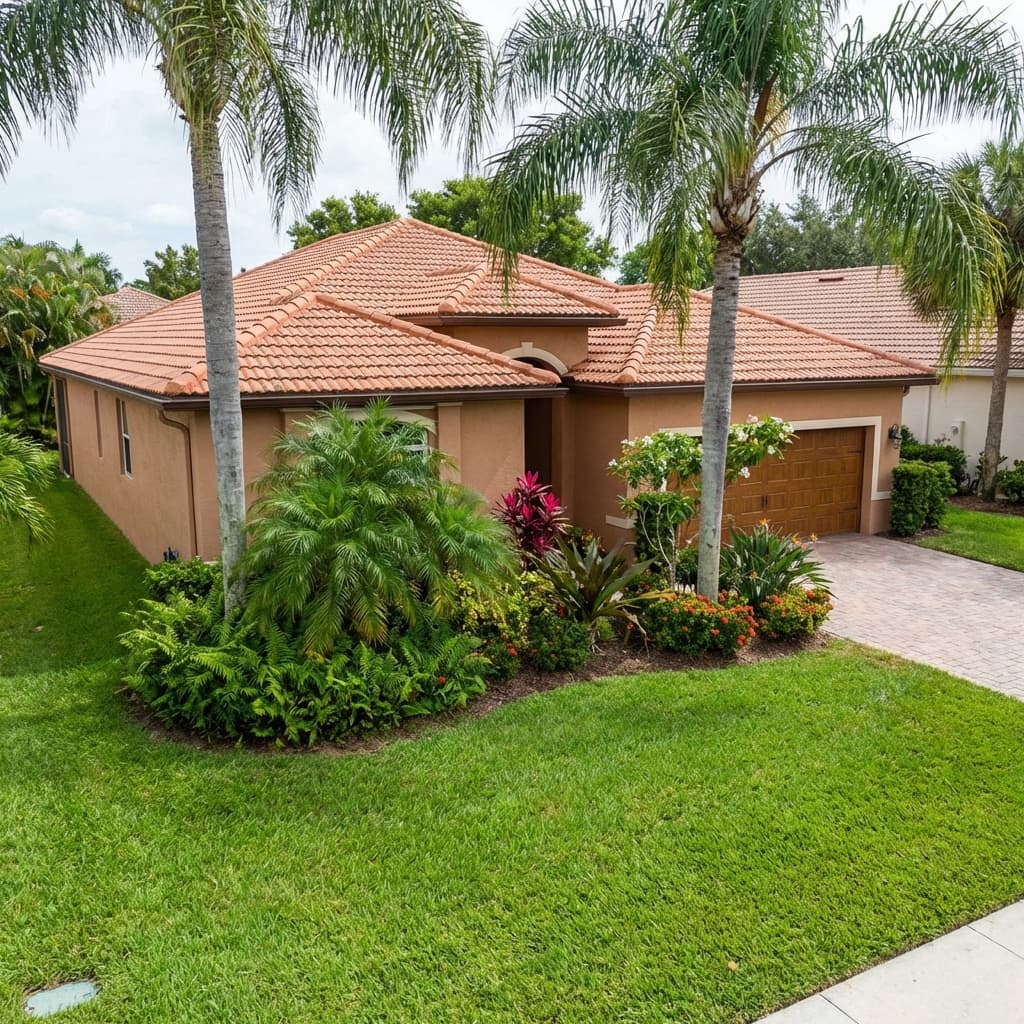
How to Plant a Tree in Jacksonville FL
Expert guide to planting trees in Jacksonville's zone 9a/9b climate. Learn proper techniques for sandy soil, watering schedules, and choosing the right trees for North Florida.
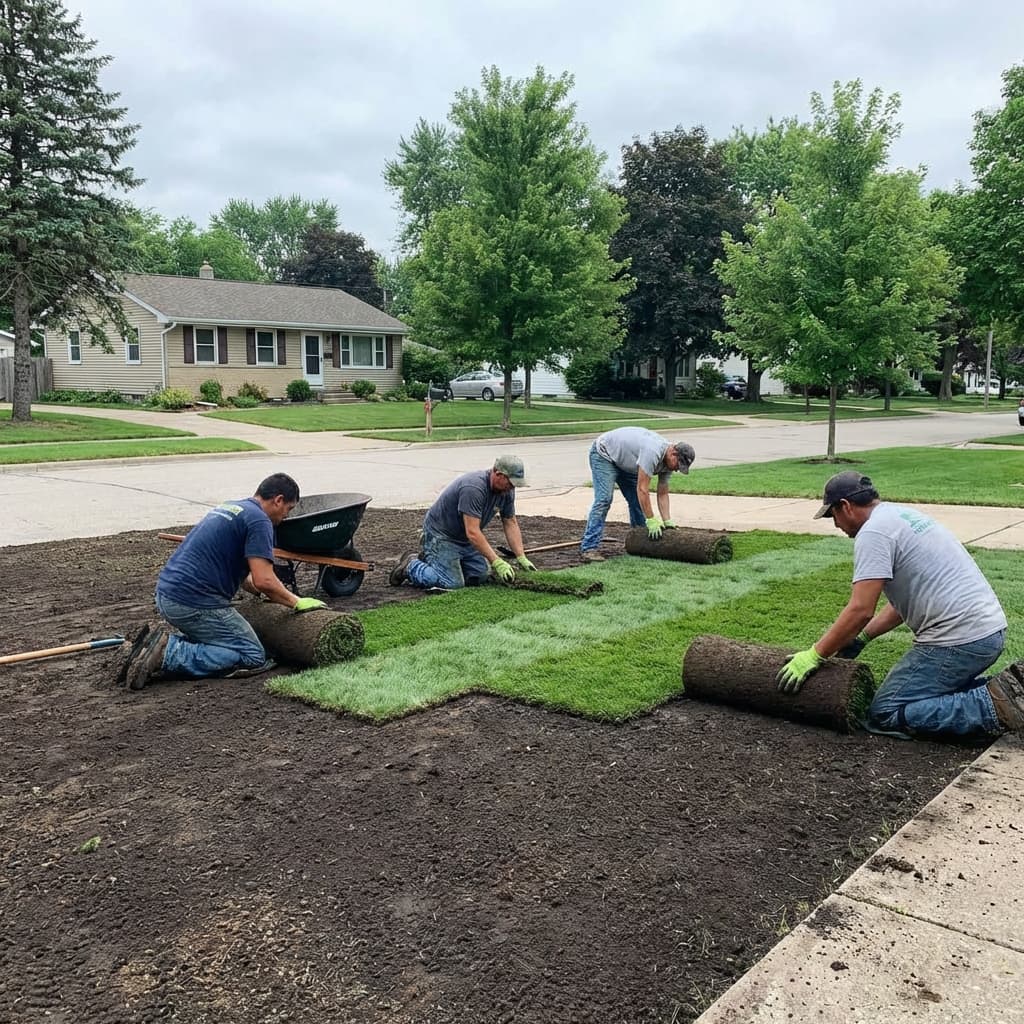
Tree Removal Cost Jacksonville FL: Pricing Factors and What to Expect
Understanding tree removal costs in Jacksonville, FL. Learn what affects pricing, when removal is necessary, and how to choose the right tree service in Northeast Florida.
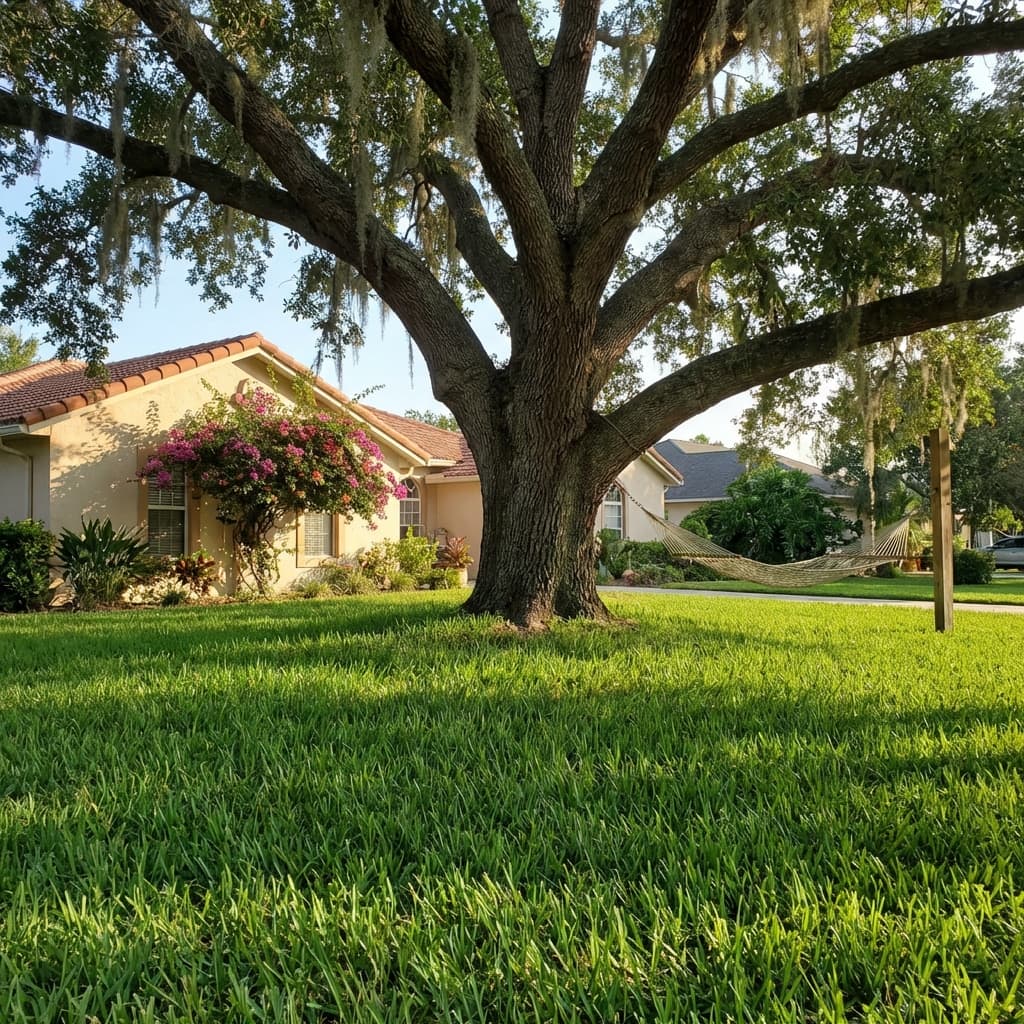
Tree Selection Guide for Jacksonville, FL — Best Shade Trees for Your Yard
Tree Selection Guide for Jacksonville, FL — Best Shade Trees for Your Yard. Review the site, scope and current written quote before deciding.
Let’s talk about your lawn
Ask our AI assistant a lawn question, or send the team a free installation estimate request.